Azur Lane Ultimate Tier List | Top Ships You Need To Know
Get ahead in Azur Lane with this ultimate tier list. Learn which ships lead the meta and how to use them for maximum impact in battle.
Jan 11, 202615K Shares358.5K Views
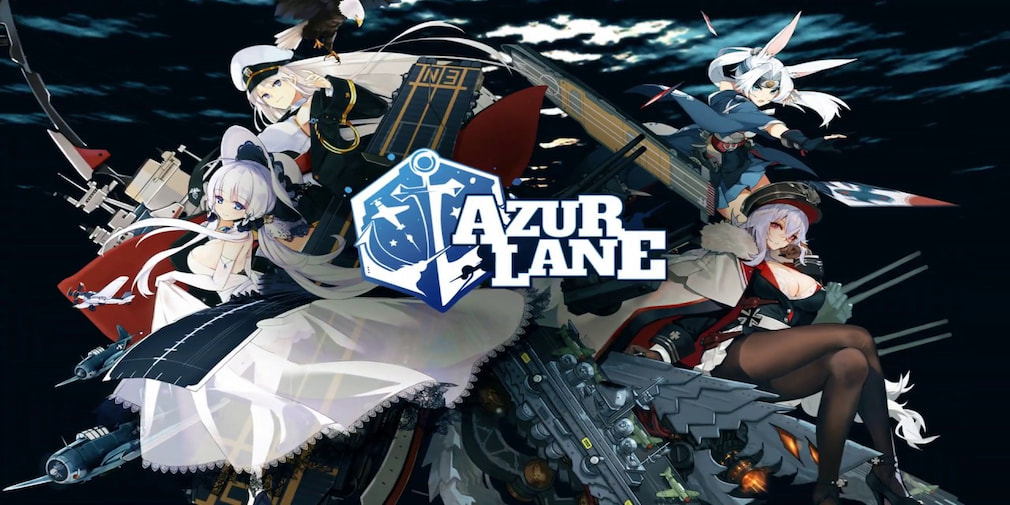
Building a top-tier fleet in Azur Lane isn’t just about chasing after shiny SSRs or stacking firepower; it’s a game of strategy, synergy, and smart decisions. I still remember the early days at the dockyard, completely lost in the sea of ships, each with their quirks, stats, and skills.
It quickly became clear that raw rarity didn’t always equal power. Over time, I learned that the real strength of a fleet comes from understanding the shifting meta, pairing ships that complement each other, and making choices based on more than just tier rankings. A good tier list isn’t just a scoreboard, it’s a compass.
How I Ranked The Ships

1. Performance Across Different Content
When I started ranking Azur Lane’s ships, I realized raw stats alone don’t capture a ship’s true value. The game’s content varies from PvE story missions to PvP battles and the challenging Operation Siren. Each mode demands different strengths: sustained damage and survivability for PvE, burst damage and control for PvP, and debuffs or weakness exploitation for Operation Siren.
2. Synergy Potential In Fleet Compositions
A ship’s strength isn’t just about solo power; how it works with others is crucial. Azur Lane battles depend heavily on team synergy, so I looked at if ships boost teammates, protect vulnerable allies, or apply helpful debuffs. Ships that fit well into popular fleet setups often outshine lone powerhouses, making synergy a key factor in my rankings.
3. Accessibility And Retrofit Impact
No matter how strong a ship is, it needs to be accessible to most players. I considered how easy it is to obtain ships through normal construction or events. Retrofits, which can greatly enhance a ship’s stats or abilities, also played a big role. Ships with impactful and accessible retrofits earned higher ranks since they offer long-term value.
4. Longevity And Meta Relevance
The meta in Azur Lane shifts regularly, so I tracked which ships have stayed relevant over time. Some lose effectiveness quickly, while others maintain value thanks to flexibility, retrofits, or broad utility. Longevity is a strong indicator of a ship’s true worth and helps players invest in fleets that remain competitive.
5. Balancing Versatility, Power, And Practical Use
Combining these factors helped me create a tier list that balances power with real-world usability. While rankings provide guidance, personal preference matters. Some ships may not top the list but shine in specific situations or because of their design. Use this ranking as a foundation while enjoying the ships you love.
Understanding The Tier System
To make sense of the rankings, I use a tier system that groups ships based on overall strength and usefulness across the game.
- S-Tierincludes the very best ships. These vessels dominate most situations and are often core members of the current meta lineups.
- A-Tierships are strong and reliable. They might not lead the meta, but still provide excellent value and perform well in many scenarios.
- B-Tiercovers situational choices. These ships shine under specific conditions or when paired with the right fleet, but aren’t as consistently powerful as higher tiers.
- C-Tierconsists of below-average ships. They usually need heavy support or particular setups to be effective and often struggle in tougher content.
- D-Tieris for ships generally outclassed by others. Their limited viability makes them less useful in the current context.
Keep in mind, this system is a guideline based on overall performance.
S-Tier Ships
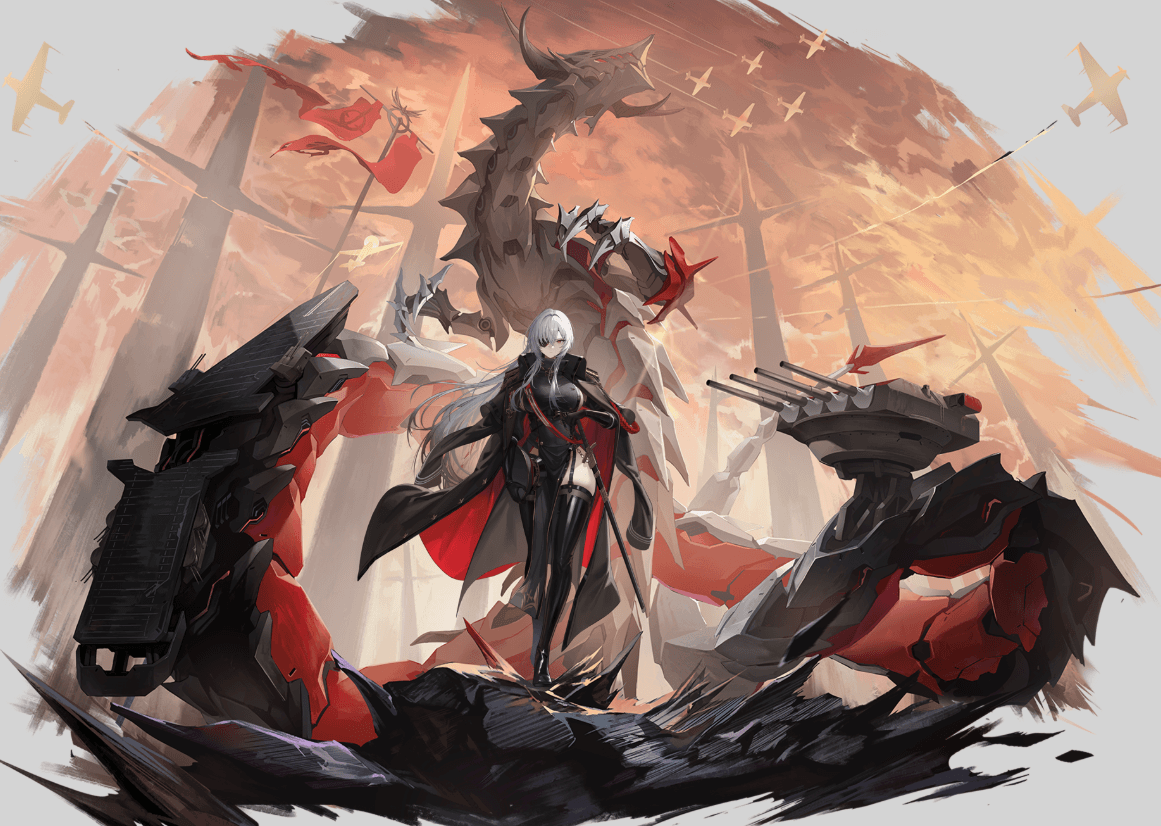
Friedrich Der Große
Friedrich der Große is a true powerhouse battleship. She boasts massive firepower combined with exceptional durability, allowing her to absorb and dish out heavy damage in prolonged fights. Her unique skill set increases her survivability while boosting her damage output, making her a dominant force in both PvE and PvP scenarios. Whether you're pushing through waves of enemies or dueling another commander, she reliably holds the front line and controls the battlefield.
Enterprise
Enterprise remains one of the most versatile and dependable aircraft carriers in the game. Her high damage output from airstrikes, combined with solid survivability stats, makes her effective in many situations. What sets Enterprise apart is her iconic "Lucky E" skill, which can activate critical hits or defensive buffs at clutch moments, often turning the tide of battle. This unpredictability makes her a game-changer in tight fights, especially in PvP, where split-second advantages matter.
Helena
Helena shines as a light cruiser with a specialized role in debuffing enemies. She is incredibly useful in boss fights where her ability to reduce enemy stats can significantly amplify the damage dealt by your entire fleet. Her skills can weaken enemy attack or defense, disrupting powerful foes and making tough battles more manageable. When paired with high-damage allies, Helena’s debuffs create a force multiplier effect that’s hard to match.
Ulrich Von Hutten
Ulrich von Hutten has quickly risen to prominence thanks to her well-balanced stats and versatile skill set. She offers both offensive and defensive support, making her a flexible choice for many fleet compositions. Her abilities often include buffs to team survivability or damage, meaning she can adapt to different roles depending on the fleet’s needs. This adaptability has cemented her place as a valuable asset in multiple modes.
Roon (Retrofit)
Roon’s retrofit transformed her from a solid cruiser into a top-tier contender. The upgrade significantly boosts her stats and enhances her skills, increasing both her damage potential and survivability. Post-retrofit, Roon offers powerful offensive buffs and unique abilities that synergize well with many popular fleet members, making her a staple in meta compositions. Investing in her retrofit is highly recommended for commanders looking to maximize their cruiser line’s strength.
Shinano
Shinano stands out as an ultra-rare aircraft carrier with exceptional survivability and strong supportive capabilities. She excels in prolonged engagements where her healing and shielding skills keep the fleet alive through sustained damage. Pairing Shinano with Sakura Empire ships unlocks powerful synergy bonuses, further amplifying her value. Her rarity and unique toolkit make her a prized ship for endgame content.
New Jersey
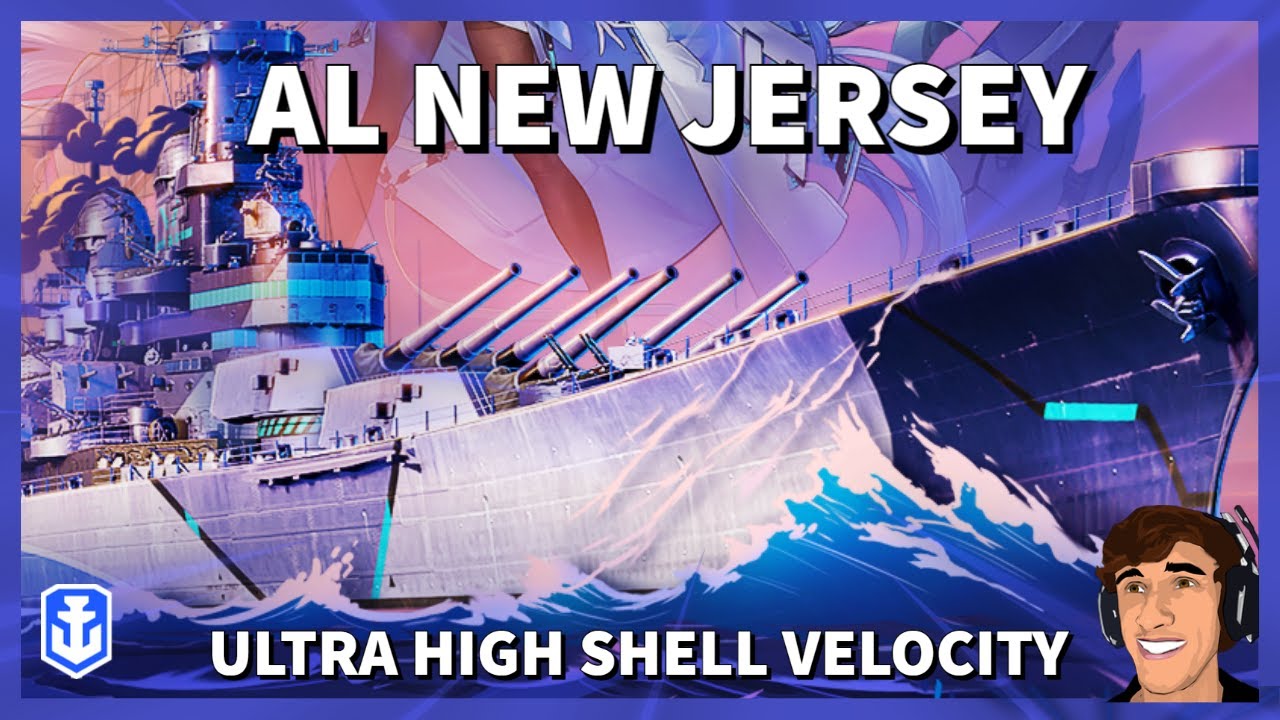
Azur Lane New Jersey....Is This Pay to Win? in World of Warships Legends 4K
New Jersey is a formidable battleship renowned for her high firepower and a unique barrage skill that can deal devastating damage to groups of enemies or bosses alike. Her skill set allows her to perform well in multiple scenarios, from clearing mobs in PvE to standing strong against powerful single targets. She combines strong offensive capabilities with decent survivability, making her a well-rounded choice for players who want a reliable battleship.
Azuma
Azuma is a heavy cruiser that excels in dealing area-of-effect damage through her powerful burn effects and sustained attacks. Her high HP pool allows her to stay in the fight longer, making her particularly effective in drawn-out battles. Azuma’s ability to consistently apply damage over time can wear down enemy fleets, especially when combined with ships that amplify her burn or AoE damage. She is a solid pick for both PvE grinding and challenging Operation Siren content.
Submarine 47
U-47 is a submarine specialized in disrupting enemy formations and providing tactical advantages during boss fights. Her unique skill set focuses on lowering enemy defenses or evading damage, which can shift the momentum of difficult encounters. Submarines like U-47 often excel in stealth and hit-and-run tactics, and her abilities make her a vital support unit in fleets designed for high-level content.
Centaur
Centaur is a light aircraft carrier valued for her healing and support abilities, which greatly increase fleet sustainability during difficult missions. Her skills can restore health to teammates and reduce incoming damage, helping your fleet survive prolonged fights or tough waves of enemies. In modes where endurance is key, Centaur’s support makes her an indispensable asset, particularly when paired with more fragile but high-damage carriers. Playstyle and available resources can make certain ships more or less effective for you.
Learn More - Zenless Zone Zero Tier List
A-Tier Ships
Drake
Drake is a heavy cruiser with well-rounded stats that make her reliable in many situations. What sets her apart is her unique barrage skill, which can hit multiple enemies and provide solid burst damage. This makes her particularly effective in PvE content where clearing waves quickly is important. Her durability and offensive output allow her to hold her own in both frontline and midline positions.
Plymouth
Plymouth excels as a light cruiser thanks to her supportive capabilities and consistent damage output. Her skills often focus on buffing allies or providing debuffs to enemies, which can tip the balance in tougher fights. This combination of offense and utility allows Plymouth to play a flexible role, making her a dependable option in a variety of fleet setups.
Yuudachi

[Azur Lane] USS Fleet vs Souryuu META Auto 1+ Million Damage / 【アズールレーン】ユニオン vs 蒼龍META 100万ダメージ
Yuudachi is a destroyer prized for her high torpedo damage and exceptional evasion stats. These traits make her especially effective in vanguard roles, where dodging incoming fire while delivering heavy torpedo strikes is key. Her ability to survive early bursts of damage and retaliate swiftly helps keep pressure on opponents in both PvE and PvP encounters.
Flandre
Flandre is a battleship with a unique marking mechanic that increases damage against specific targets. This skill allows her to focus fire on priority enemies, amplifying her effectiveness in boss battles or concentrated engagements. While she may require some setup or specific fleet synergy to maximize her potential, Flandre can be a powerful asset when used correctly.
Flasher
Flasher, a submarine, boosts torpedo damage and offers fleet-wide benefits when paired with other Gato-class submarines. Her presence enhances the overall effectiveness of sub fleets, making coordinated attacks more devastating. This synergy is particularly valuable in Operation Siren and other challenging content where submarines can disrupt enemy formations and deal sustained damage.
B-Tier Ships
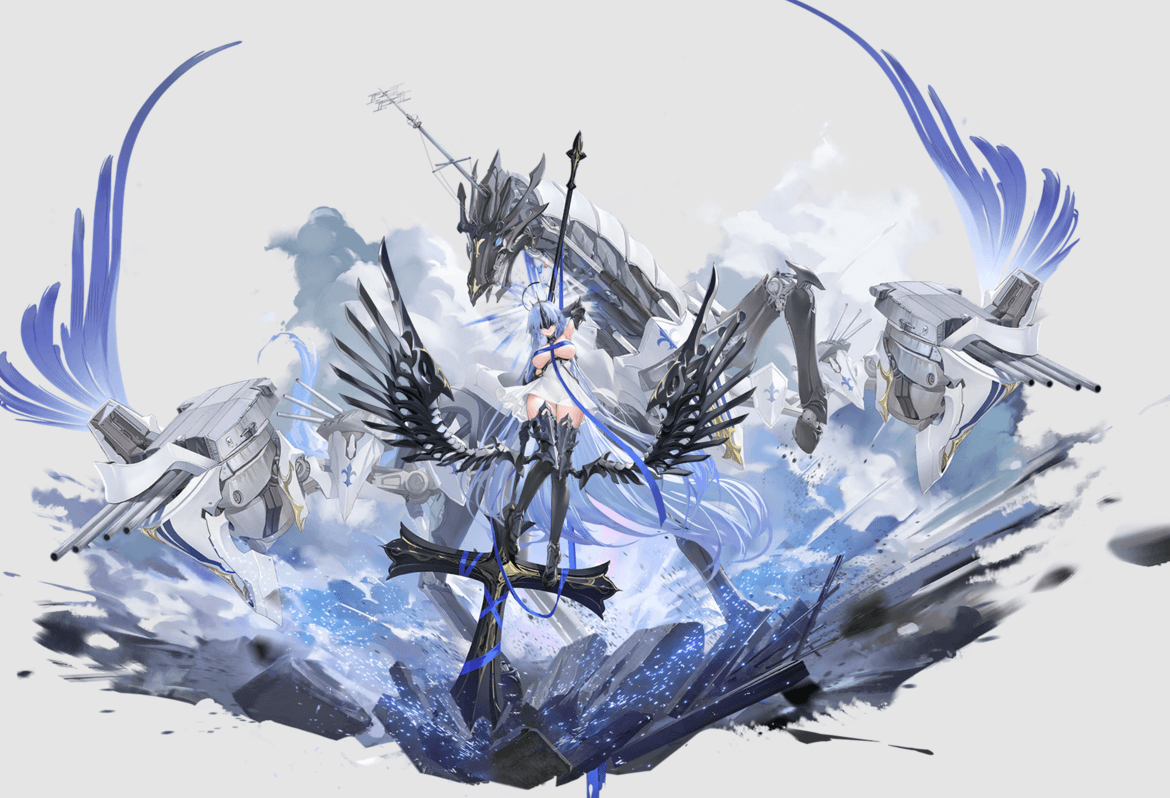
B-Tier ships might not be the first choice for every fleet, but they can truly shine when used in the right circumstances. Their strengths often come into play in specific scenarios or synergistic setups, making them valuable tools for players who want to tailor their strategy or fill particular roles.
Chikuma
Chikuma is a heavy cruiser known for her strong defensive capabilities, which make her well-suited for longer, drawn-out battles where survivability is key. She may not dish out the highest damage, but her ability to absorb punishment and stay afloat allows her to support teammates effectively over time. This makes her a reliable anchor in fleets focused on endurance.
Colorado
Colorado is a battleship that stands out for her special barrage skill, which can unleash significant burst damage during critical moments. This ability allows her to quickly turn the tide in both PvE and PvP encounters by overwhelming enemies with a powerful salvo. While she may require good timing and positioning, Colorado’s offensive burst can be a game-changer in the right hands.
Fargo
Fargo fills an important niche as a light cruiser with healing capabilities. In content that demands fleet sustainability over long engagements, her healing skills help keep key ships in fighting shape, reducing downtime and increasing overall survivability. Her support role may not grab the spotlight, but she’s a vital asset for fleets tackling tough, prolonged challenges.
C And D-Tier Ships
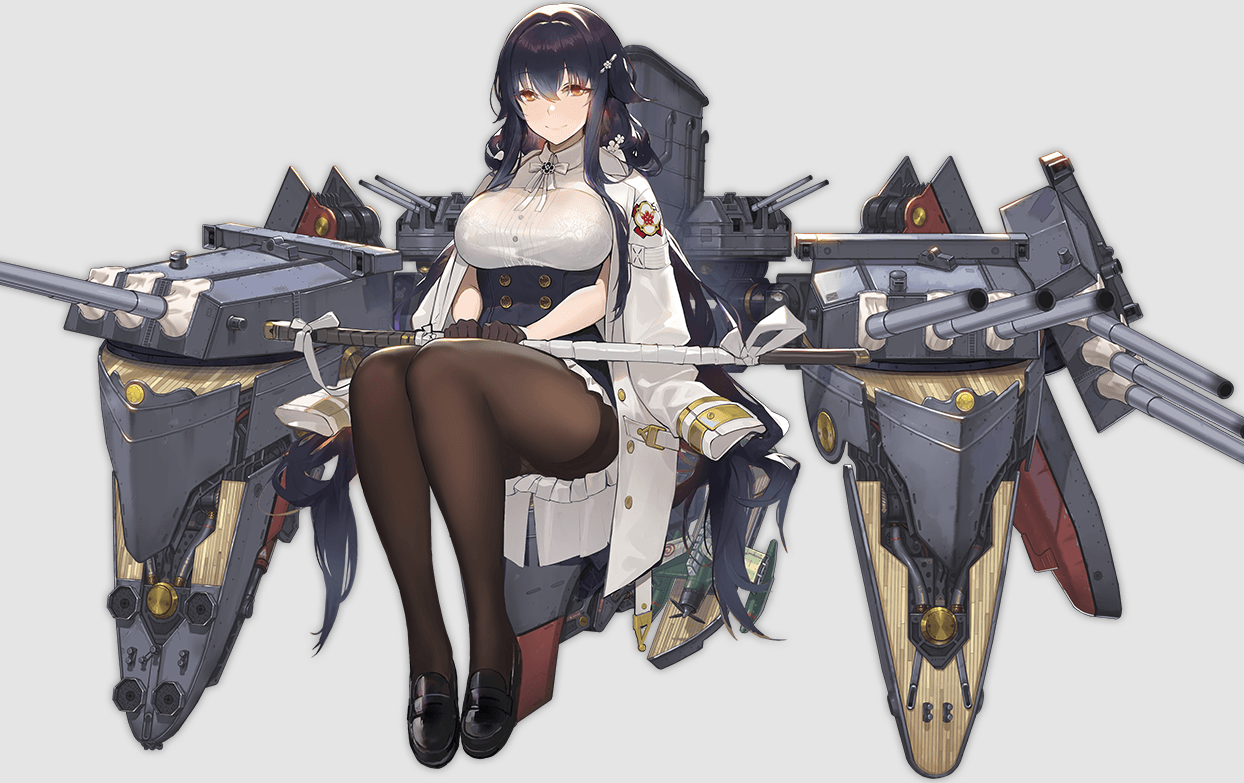
Ark Royal
Ark Royal is an aircraft carrier that deals decent damage, but she falls short compared to the more versatile and powerful carriers in the higher tiers. Her skills don’t provide as much utility or survivability, which makes her less effective in fast-paced or challenging content. While she can still contribute in lower-tier or casual play, there are usually better alternatives to prioritize.
Aurora
Aurora is a light cruiser with buffs that can be helpful but are often too situational to fit well into most modern fleet compositions. Her supportive skills require very specific setups or enemy types to shine, which limits her overall usefulness. For players focusing on competitive or high-level content, other cruisers typically offer more consistent benefits.
Arizona
Arizona is a battleship that brings healing to the table, which is a rare trait, but her offensive capabilities are limited. This makes her a less effective choice for dealing damage or controlling the battlefield. Unless your fleet lacks healing options or you are experimenting with very specific strategies, Arizona tends to be overshadowed by battleships with stronger attack power and utility.
Don't Miss - Pixel Heroes Tier List
PvE Fleet Composition Tips By Tier
When tackling PvE content in Azur Lane, it’s essential to strike the right balance between offense, defense, and support. This balance ensures your fleet can handle the waves of enemies, bosses, and longer battles effectively. Below, I break down my recommended fleet compositions by tier and ship roles to help you build a strong and versatile team.
1. Main Fleet Composition
The main fleet forms the backbone of your PvE force, focusing on heavy hitters and strong carriers who can sustain damage and dish out consistent offense.
- Battleships - Powerhouses of Durability and Damage:I rely heavily on battleships like Friedrich der Große, New Jersey, and Ulrich von Hutten. Friedrich der Große stands out for her combination of high firepower and toughness, capable of absorbing damage while delivering powerful salvoes. New Jersey is excellent for her unique barrage skill that’s effective against both groups of enemies and bosses.
- Aircraft Carriers - Aerial Dominance and Support:For aircraft carriers, Enterprise, Shinano, and Centaur are my top picks. Enterprise is known for her high damage output and survivability, with the “Lucky E” skill providing clutch moments in battle. Shinano offers impressive durability and synergy with Sakura Empire ships, making her invaluable in sustained fights. Centaur adds a crucial support role by healing allies, improving fleet sustainability during long PvE missions.
2. Vanguard Fleet Composition
The vanguard fleet is key for early engagement, soaking up initial damage and disrupting enemy formations. Here’s how I approach Vanguard ship selection:
- Light Cruisers - Debuffers and Damage Dealers:Helena and Plymouth are excellent choices here. Helena’s ability to debuff enemy defenses makes her a perfect partner with high-damage ships, amplifying your fleet’s overall damage output. Plymouth provides consistent damage and valuable supportive buffs, improving the vanguard’s survivability and effectiveness.
- Heavy Cruisers - Tanky Frontliners with AoE Damage:In the heavy cruiser slot, I favor Roon (Retrofit) and Azuma. Roon’s retrofit upgrades boost her survivability and skill effects, making her a formidable tank and damage dealer. Azuma shines with her AoE burn effects and high HP, which helps sustain damage over prolonged engagements.
- Destroyers - Fast and Evasive Torpedo Specialists:For destroyers, Yuudachi and Laffey II bring speed, high torpedo damage, and evasion to the fleet. Their agility allows them to quickly engage enemies, deal critical torpedo hits, and evade damage, making them excellent for controlling the battlefield early on.
One critical aspect often overlooked in PvE fleet building is sustainability, especially during longer, tougher missions. Incorporating dedicated support ships like Centaur significantly boosts your fleet’s staying power. Centaur’s healing abilities reduce downtime and keep your core damage dealers alive longer, ensuring your team remains effective throughout extended battles.
How To Use This Tier List Effectively
While tier listsoffer a helpful overview of ship rankings, getting the most out of them requires a thoughtful approach. Here are some key points to keep in mind:
1. Consider Synergy Over Raw Rank
Ships that rank lower on the list may still shine when paired with the right teammates. Synergy between ships, such as complementary skillsand buffs, can often outweigh individual power. Look for combinations that boost overall fleet performance rather than focusing only on top-tier ships.
2. Adapt Your Fleet To Different Content
Azur Lane features diverse game modes, including PvE missions, PvP battles, and Operation Siren events. Each mode demands different strengths. A ship that excels in PvP might not be the best choice for prolonged PvE fights. Adjust your fleet composition based on the challenges you face to maximize effectiveness.
3. Invest According To Your Playstyle And Resources
Focus on ships that match your preferred playstyle, whether it’s aggressive offense, strong defense, or supportive roles. Also, consider your access to resources, retrofits, and event ships. Prioritizing ships that you can upgrade and maintain efficiently will lead to better long-term success.
4. Experiment And Learn Through Experience
Finally, personal experimentation is key. Use this tier list as a guide, but don’t hesitate to try different ships and strategies. Your playstyle, fleet synergy, and game goals will shape what works best for you. Continuous learning and adapting are what truly optimize your fleet’s performance.
Also Check Out - Nikke Tier List
FAQs
How Often Should I Update My Fleet Based On The Tier List?
It’s a good idea to revisit tier lists every few months or after major game updates. New ship releases, retrofits, or balance patches can significantly shift the meta, making previously strong ships less effective or boosting underused ones into higher tiers.
Are Event Ships Usually Worth Investing In?
Yes, many event ships are designed to be strong or unique, often landing in the A or S tier. However, since they’re time-limited, only invest if you can afford the resources. Always check reviews or early performance feedback before committing heavily.
Is It Okay To Use Favorite Ships That Aren’t Highly Ranked?
Absolutely. While top-tier ships offer optimal performance, Azur Lane allows flexibility. With the right gear and support, even mid or low-tier favorites can be viable in most content. Playstyle and enjoyment matter just as much as efficiency.
Do Ship Retrofits Impact Tier Rankings Significantly?
Yes. Retrofits can completely transform a ship’s viability, improving stats, skills, and tier position. For example, ships like Roon or Warspite see major gains after retrofitting, making them competitive even in higher-tier content.
What Role Does Gear Play In A Ship’s Effectiveness?
Gear is crucial, it can be the difference between an average ship performing poorly or exceeding expectations. Matching the right equipment to a ship’s strengths often boosts damage, survivability, and utility far more than relying on tier alone.
Final Thoughts
Looking back, the Azur Lane tier list is more than just a simple ranking it’s a tool you can use wisely to shape your fleet and strategy. From my experience, the key is not just chasing the top ships but understanding how every ship fits into your playstyle and what the situation calls for.
I hope this helped you see the bigger picture and feel more confident in picking and upgrading your ships. Keep experimenting, trust your instincts, and most importantly, enjoy the game your way. That’s how you truly win in Azur Lane.
Latest Articles
Popular Articles