Beginner-Friendly Word Search Puzzles: A Fun Cognitive Boost
Explore beginner-friendly word search puzzles that improve focus, memory, and vocabulary while having fun solving them.
Mar 27, 202512.4K Shares258.6K Views
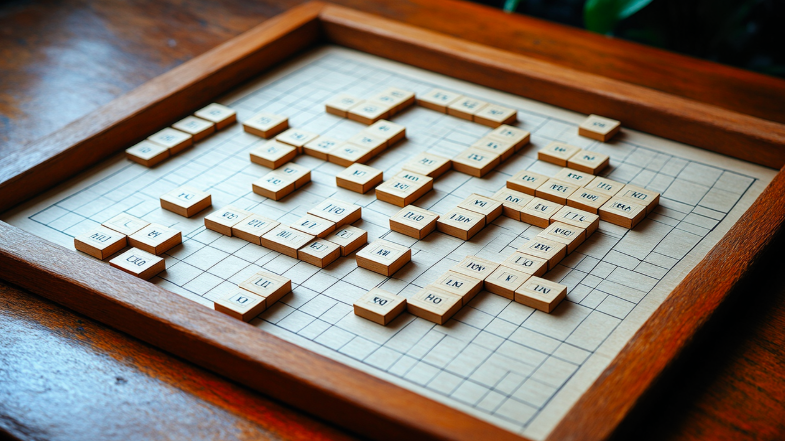
What Are Word Search Puzzles?
Word search puzzles are simple yet engaging games where players search for hidden words in a grid of letters. The words can be arranged in any direction—horizontally, vertically, or diagonally. Word search puzzles are widely available in books, newspapers, and online platforms.
Why Are They So Popular?
Word search puzzles are popular because they are easy to understand and require no special skills. They appeal to people of all ages, making them a fun activity for both kids and adults. The puzzle's simplicity allows anyone, from beginners to seasoned players, to enjoy the challenge without feeling overwhelmed.
Benefits of Word Search Puzzles
- Cognitive Function: Word search puzzles improve brain function by encouraging concentration and memory. As players look for words, they strengthen their mental abilities, including problem-solving and pattern recognition.
- Vocabulary Building: Word searches help expand vocabulary by exposing players to new words, especially when the puzzles contain themes or specialized word lists.
- Improved Focus: Completing a word search puzzle requires attention to detail. By staying focused on the task, players sharpen their ability to concentrate and avoid distractions.
Why Beginners Love Word Search Puzzles
For beginners, word search puzzles offer a fun and non-intimidating way to start engaging with puzzles. They don't require complex strategies or advanced skills, making them a perfect starting point for those new to puzzles. Additionally, the satisfaction of finding hidden words boosts confidence and encourages continued puzzle-solving.
The Basics Of A Word Search Puzzle
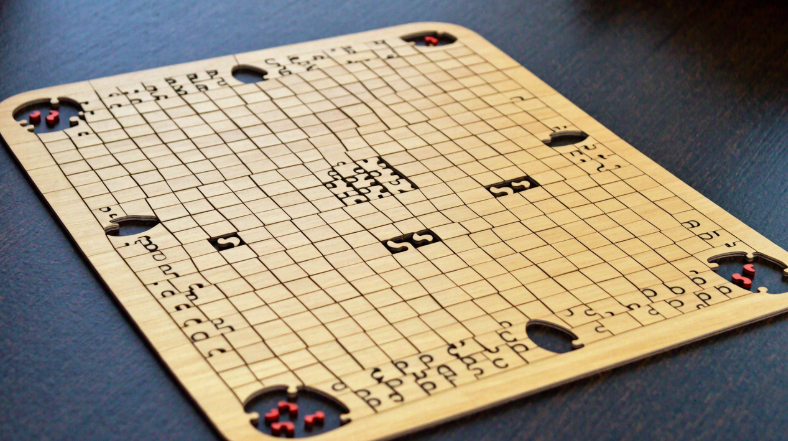
A word search puzzle is a fun and engaging way to test your vocabulary and pattern recognition skills. Here's how it works:
Grid Layout
The puzzle consists of a square or rectangular grid filled with letters. The grid can be different sizes, such as 10x10 or 15x15, depending on the difficulty level. Some grids might also include a list of words that need to be found within the puzzle.
How Words Are Hidden
In a word search puzzle, words are hidden in various directions: horizontally, vertically, and sometimes diagonally. The words may appear forwards or backwards, making the search a bit more challenging. The goal is to find all the words from the list within the grid.
Solving Tips For Beginners
For beginners, starting with simpler puzzles is key. Here are a few tips to make solving easier:
- Start with the easy words: Look for the shortest words or words with unusual letters (like "Q" or "Z")—these are usually easier to spot.
- Scan one row or column at a time: Focus on finding one word at a time instead of trying to find all of them at once.
- Use a pencil: If you're solving a paper puzzle, using a pencil allows you to mark the words without permanently changing the grid.
7 Tips And Tricks For Solving Word Search Puzzles Faster
1. Start With The Rows And Columns
When you first look at the puzzle, scan the rows and columns quickly. This helps you spot words that might be placed straight across or down. Focus on one row or column at a time and move from left to right, then top to bottom. This will help you cover the entire grid without missing any possible words.
2. Look For The First Letter Of Words
Identify the first letter of the words you're looking for. This is often the easiest clue because it stands out the most. Once you spot the first letter, scan around it for the rest of the word, moving in all directions (horizontally, vertically, and diagonally).
3. Search For Patterns
Words in a word search puzzle often follow common patterns. For example, words with double letters (like "ee" or "oo") can be easier to find. Similarly, look for unusual letter combinations that appear often in your language, such as "th," "sh," or "ing."
4. Focus On Diagonals
Don't forget to check the diagonals. People often miss words placed at angles, but they're a common way to hide words in puzzles. Quickly scan each diagonal line in both directions to find words that may not appear in straight rows or columns.
5. Circle Or Highlight Found Words
As you find words, mark them clearly. You can circle them with a pen or highlight them if using a digital puzzle. This keeps you organized and prevents you from accidentally searching for the same word more than once.
6. On Smaller Sections
If you find a large word search puzzle overwhelming, break it down into smaller sections. Focus on solving one area at a time rather than trying to find all the words at once. This makes the task feel more manageable and less stressful.
7. Use A Process Of Elimination
If you're stuck, use the process of elimination. Look at the letters that are already used and check if they form part of any words you're searching for. This can help narrow down possible word placements and guide your next steps.
Choosing The Right Word Search Puzzle For Beginners
When starting out with word search puzzles, it’s important to pick ones that match your skill level. The goal is to have fun and not feel overwhelmed. Here’s a guide on how to choose the right puzzle for beginners.
Start With Smaller Grids
For beginners, smaller puzzles are a great choice. These grids typically range from 5x5 to 8x8 squares, making it easier to find words. The smaller size allows you to focus on the puzzle without feeling lost or frustrated. Gradually, as you get better, you can increase the grid size.
Choose Puzzles With A Specific Theme
Word search puzzles with a specific theme, such as animals, fruits, or countries, are perfect for beginners. Themes help narrow down the word choices, making it easier to spot the words. For example, a puzzle about animals will only have animal names, which means fewer words to search for, making it more manageable for beginners.
Understand Puzzle Difficulty Levels
Word search puzzles can vary in difficulty. They range from easy puzzles, with simple words in clear directions, to hard ones with complex, hidden words. For beginners, it's best to avoid puzzles that are too challenging at first. You can start with puzzles that have words placed in straight lines (horizontally or vertically) before trying more advanced ones that include diagonal or backward words.
Gradually Increase Difficulty
Once you’ve mastered smaller grids and themed puzzles, try increasing the difficulty slowly. This can include larger grids, adding diagonal or backward words, and choosing puzzles without a specific theme. By taking small steps, you’ll develop your skills and have fun in the process.
Benefits Of Word Search Puzzles For Beginners
Word search puzzles are an excellent tool for boosting cognitive abilities, especially for beginners. Engaging with these puzzles helps activate various brain areas, enhancing problem-solving skills. As individuals search for words, they develop the ability to focus on specific tasks while processing multiple pieces of information. This process improves overall cognitive flexibility and quick thinking, which are essential for solving everyday problems.
Improved Memory Through Repetition
One of the key benefits of word search puzzles is the improvement in memory. As beginners repeatedly look for words, they strengthen their short-term memory. This constant engagement helps with remembering patterns and retaining information, which can have a positive impact on other areas of life. The more puzzles you solve, the better you get at recalling words and visual patterns, leading to improved memory retention over time.
Enhanced Concentration And Focus
Word search puzzles require focus and attention to detail. Beginners must concentrate on the grid and identify words without getting distracted. This sustained attention enhances concentration skills, which are crucial for academic success, work tasks, and everyday decision-making. The repetitive nature of these puzzles helps to train the brain to stay focused for longer periods, making it easier to tackle more challenging tasks in the future.
Boosting Brainpower In A Fun Way
Word search puzzles are an enjoyable way to challenge the brain while providing cognitive benefits. The game-like structure makes it a fun, stress-free activity that encourages beginners to push their mental boundaries. By regularly solving word searches, beginners can strengthen their brainpower without feeling overwhelmed, making it an ideal way to engage in mental exercise while having fun.
FAQs
What Is The Easiest Way To Start With Word Search Puzzles As A Beginner?
To begin solving word search puzzles, start by scanning each row from left to right to find horizontal words, then check each column from top to bottom for vertical words. Don't forget to look diagonally, as words can be hidden in all directions. Focusing on longer words first can be helpful, as they are often easier to spot due to their length. Additionally, searching for uncommon letters like Q, J, X, or Z can make finding words easier, as these letters are less frequent in the English language. Remember to use the provided word list to check off words you've already found, ensuring you don't overlook any.
How Can I Improve My Skills In Solving Word Search Puzzles?
To enhance your word search skills, consider practicing regularly. The more you engage with these puzzles, the better you'll become at spotting words quickly. Additionally, reading diverse materials can expand your vocabulary, making it easier to recognize words in puzzles. Remember, consistency and variety are key to improvement.
Are There Any Free Resources Available For Beginner Word Search Puzzles?
Yes, there are several free resources available for beginner word search puzzles. Websites like Puzzlemaker(from Discovery Education) offer tools to create and print custom word search puzzles for free. You can also find a variety of printable beginner-level puzzles on sites like Word Search Generatorand AARP's free puzzles section. These platforms allow you to practice with simple word searches, improving your skills over time.
What Are Some Common Mistakes Beginners Make When Solving Word Search Puzzles?
Beginners often make several common mistakes when solving word search puzzles. One frequent error is focusing too much on finding a single difficult word and losing track of time, rather than scanning for multiple words simultaneously. Another mistake is not scanning the entire grid before starting, which can lead to missing words placed in less obvious directions. Additionally, some beginners overlook the importance of considering word orientations, such as horizontal, vertical, and diagonal placements, which can affect the difficulty of the puzzle. To improve, it's helpful to develop strategies like scanning the grid thoroughly, searching for multiple words at once, and familiarizing oneself with different word orientations.
How Often Should I Practice Word Search Puzzles To Improve?
Regularly solving word search puzzles can enhance your vocabulary and cognitive skills. Consistency is key; incorporating them into your daily routine can lead to noticeable improvements. Additionally, engaging in such puzzles has been linked to increased brain activity, promoting relaxation and mental clarity. Therefore, dedicating time each day to practice word search puzzles is beneficial for cognitive development.
Latest Articles
Popular Articles