Best 38 Spells In D&D 5e By Level For Every Tier
Find the best spells in D&D 5e by level. Ranked by power, control, and efficiency so you can dominate every encounter.
Mar 09, 202626.8K Shares368.2K Views
Best Spells In 5e By Level (Core Rules Meta Ranking)
Magic has always defined power in Dungeons & Dragons5e. The right spell can reshape the battlefield, end encounters instantly, or keep an entire party alive through overwhelming odds.
However, the spell landscape has evolved. Some classic encounter-ending abilities were toned down, while several overlooked spells quietly became some of the strongest options in the game.
If you're still ranking spells based purely on older assumptions, you may be optimizing for a version of the game that no longer reflects how most tables play.
This guide ranks the best spells in D&D 5e by level, focusing on real performance at the table:
- Damage efficiency
- Control reliability
- Action economy advantage
- Scaling potential
- Resource pressure
- Long-term campaign utility
The goal isn’t nostalgia. It’s identifying the spells that consistently deliver the greatest impact in real gameplay.
How Spell Power Has Shifted
Modern spell balance emphasizes sustained impact rather than instant shutdowns.
Several trends define the current spell landscape:
Control Is Still Strong but Not Absolute
Spells that completely disable enemies still exist, but they now compete with highly efficient damage and support options.
Concentration Is the True Resource
Because many powerful spells require concentration, choosing which effect to maintain has become one of the most important tactical decisions for spellcasters.
Sustained Damage and Healing Matter More
Many spells that apply damage or benefits over multiple rounds now outperform single-turn burst effects.
Understanding these shifts is the key to selecting spells that remain effective across an entire campaign.
Best Spells By Role (Quick Overview)
If you're looking for a fast reference, these spells currently dominate their battlefield roles.
| Role | Top 2024 Spells |
| Damage | Conjure Minor Elementals, Fireball, Synaptic Static, Meteor Swarm |
| Control | Hypnotic Pattern, Wall of Force, Web, Maze |
| Defense | Shield, Mind Blank, Foresight, Barkskin (2024) |
| Support | Bless, Healing Word (2024 buff), Mass Suggestion |
| Utility | Pass Without Trace, Dimension Door, Plane Shift, Wish |
Each of these spells offers exceptional value through efficiency, versatility, or encounter-changing power.
See also: Paladin Spells List
Best Cantrips In 5e
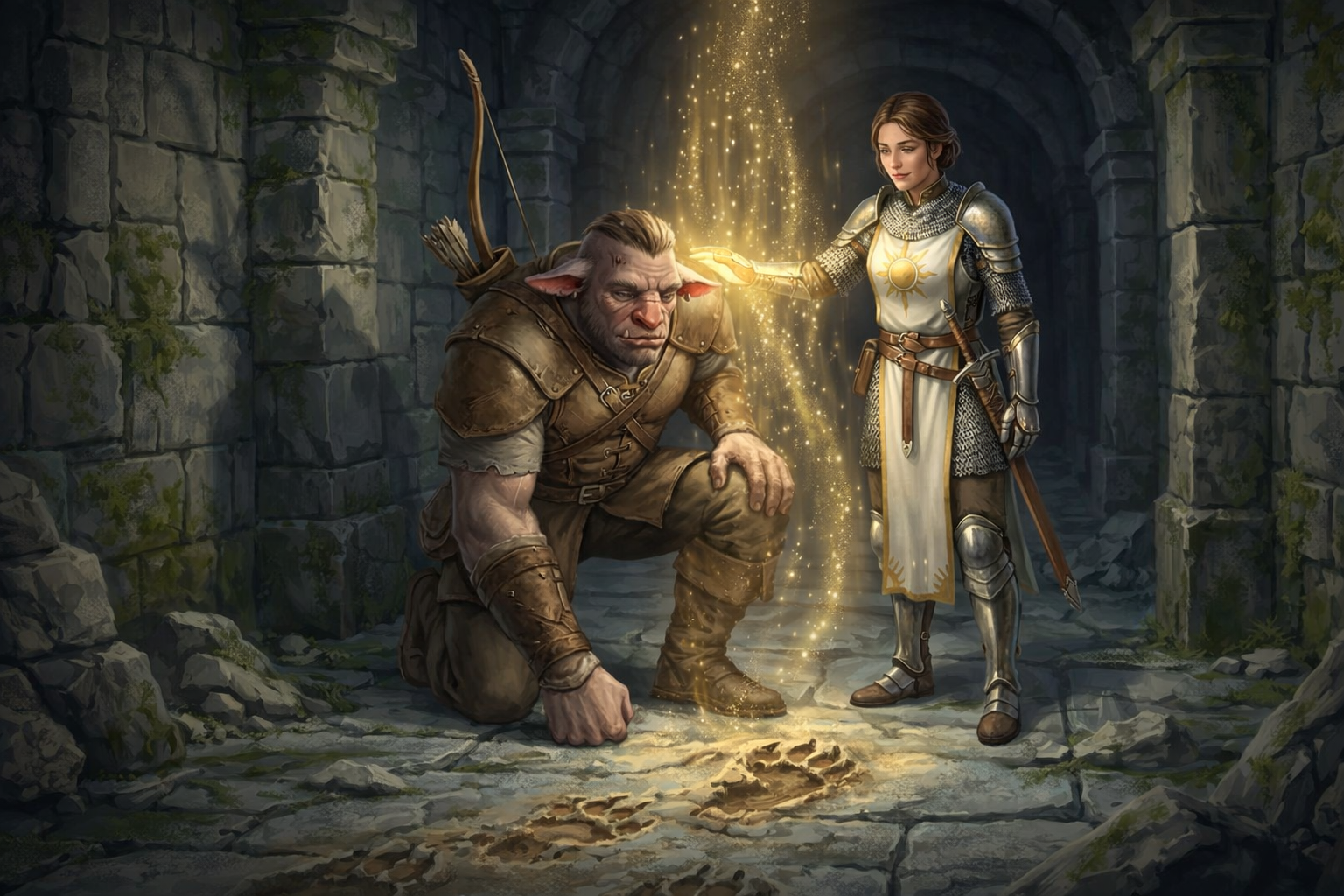
Cantrips matter more now because sustained output is stronger in 2024.
1. Guidance (Top-Tier Support Cantrip)
Guidance has become one of the most valuable support cantrips available.
Key advantages:
- Increased casting range
- Can be used reactively when checks fail
- Smooth table flow without constant interruptions
These improvements make Guidance one of the most reliable support tools in the game.
2. Eldritch Blast
Still the undisputed king of sustained ranged damage.
Why it stands out:
- Multiple beams scale with level
- Powerful synergy with Warlock invocations
- Consistent ranged pressure
Pure Warlocks remain some of the most reliable damage dealers thanks to this spell.
3. Toll The Dead
A highly reliable damage cantrip.
Strengths include:
- Targets Wisdom saves
- Strong scaling damage
- Reliable output against injured enemies
This makes it an excellent offensive option for many spellcasters.
4. Mage Hand
Mage Hand remains one of the most versatile utility tools in the game.
From manipulating objects to solving puzzles or avoiding traps, it frequently solves problems that would otherwise require complex plans or dangerous risks.
Best 1st-Level Spells
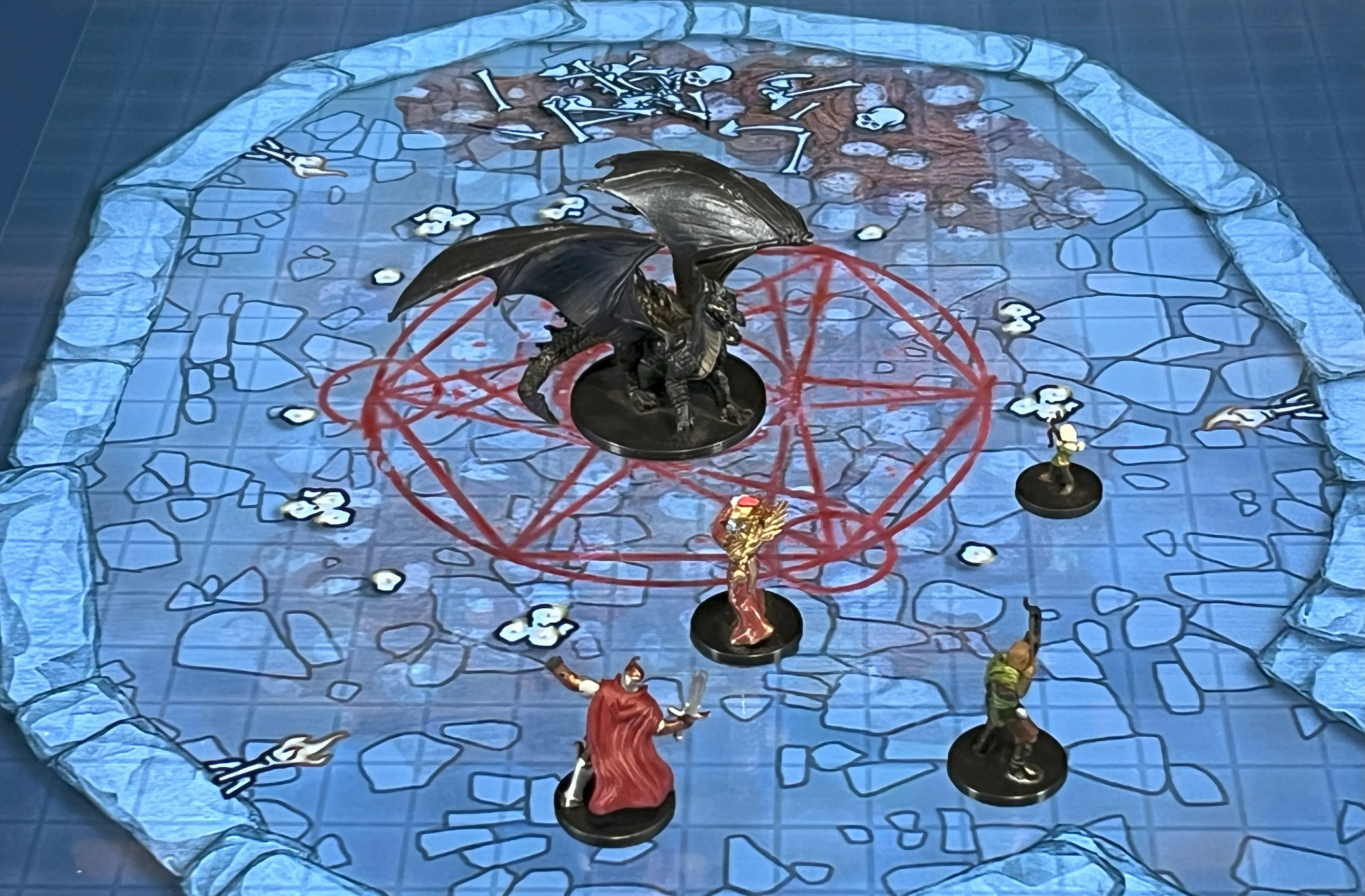
First-level spells often define early combat survival and long-term utility.
5. Healing Word
Healing Word provides exceptional value for its slot.
- Bonus action casting
- Reliable emergency healing
- Excellent scaling when upcast
It allows a downed ally to rejoin the fight without sacrificing a full action.
6. Bless
Bless remains one of the strongest support spells in the game.
Benefits include:
- Improved attack rolls
- Improved saving throws
- Strong performance in longer fights
Because it enhances multiple party members simultaneously, its value grows as encounters become more complex.
7. Shield
Shield is one of the most efficient defensive spells ever designed.
Advantages:
- Cast as a reaction
- Grants +5 AC
- Can prevent critical hits
A single casting can completely negate an enemy's successful attack.
8. Absorb Elements
Absorb Elements protects against elemental damage while improving your next attack.
It is particularly valuable in campaigns where enemies frequently use elemental abilities.
Best 2nd-Level Spells

Second-level spells begin introducing more impactful battlefield control and damage potential.
9. Conjure Minor Elementals (Meta Defining)
This spell has become one of the most efficient damage amplifiers available.
Instead of summoning creatures, it creates an emanation that adds bonus damage to attacks.
Why it’s powerful:
- Damage applies repeatedly
- Scales extremely well
- Synergizes with multi-attack characters
In the right party composition, its efficiency is remarkable.
10. Cloud Of Daggers
Cloud of Daggers deals reliable damage in a confined area.
Recent improvements allow the area to be repositioned, which dramatically increases its tactical value.
This makes it excellent for:
- Controlling chokepoints
- Punishing enemy movement
- Sustained damage across multiple rounds
11. Misty Step
Misty Step remains one of the most reliable repositioning spells.
Its bonus action casting allows spellcasters to:
- Escape danger
- Reach strategic positions
- Avoid opportunity attacks
Mobility is never obsolete in D&D.
12. Web
Web remains a powerful battlefield control spell.
Against enemies with low Strength scores, it can:
- Restrict movement
- Restrain multiple targets
- Create difficult terrain
Few second-level spells influence positioning as effectively.
13. Barkskin
Barkskin has become significantly more practical in combat.
It now provides:
- A flat AC of 17
- No concentration requirement
- Fast casting
These improvements allow it to compete with many defensive options.
Best 3rd-Level Spells
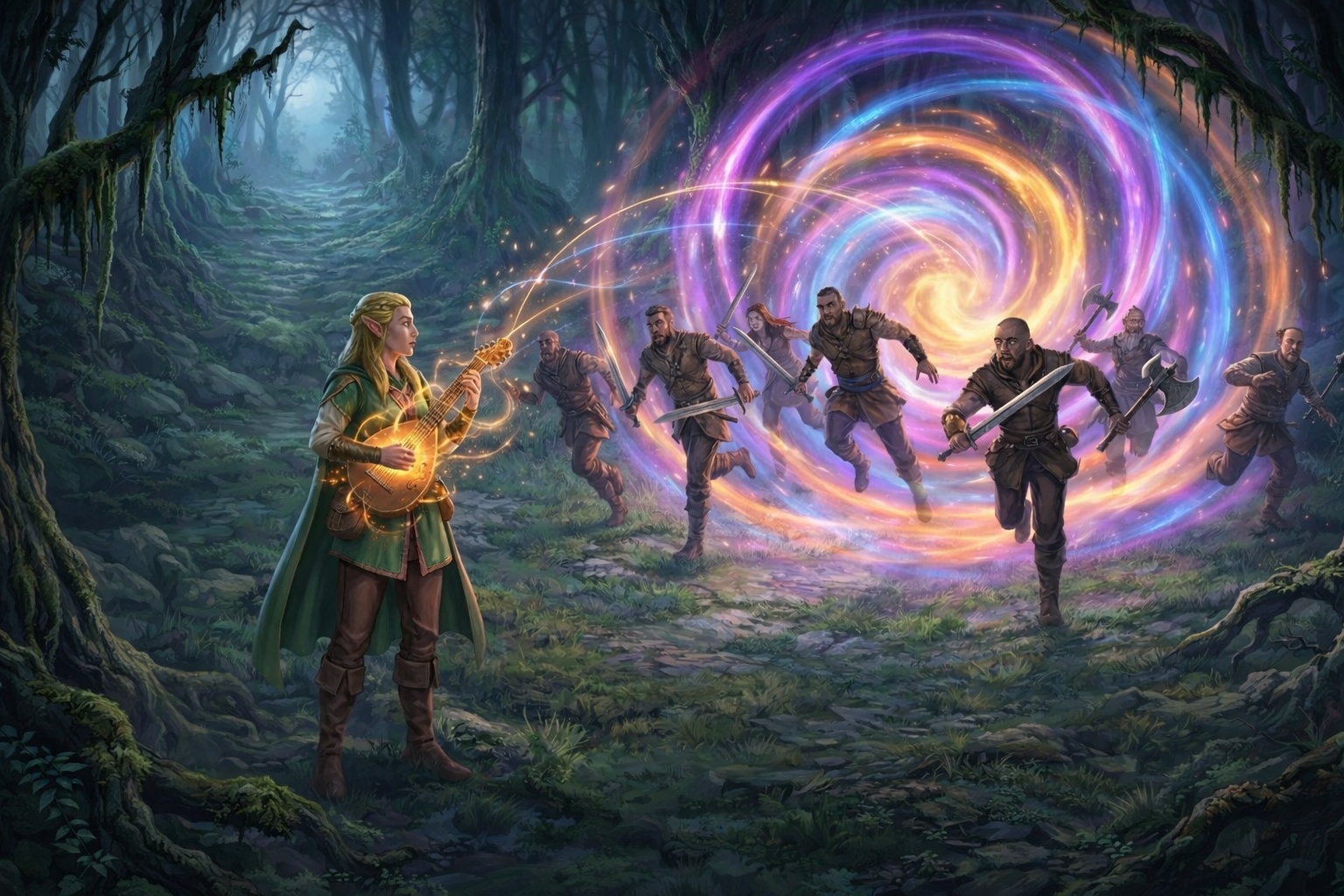
This level remains powerful but more balanced.
14. Hypnotic Pattern
Hypnotic Pattern remains one of the strongest control spells available.
Why it’s so effective:
- Large area of effect
- Incapacitates multiple enemies
- No repeat saves without outside interference
When used correctly, it can neutralize entire groups of enemies.
15. Fireball
Fireball remains the gold standard for area damage.
Advantages:
- Massive area of effect
- Exceptional damage efficiency
- Reliable burst potential
Few spells clear large groups of enemies faster.
16. Counterspell
Counterspell is still an important defensive tool.
While it no longer guarantees success, it remains valuable for interrupting dangerous enemy spellcasting.
Using it wisely against high-impact spells can prevent catastrophic effects.
17. Revivify
Revivify is essential campaign insurance.
It allows characters to return from death during combat or shortly afterward, preventing a single unlucky moment from ending a character permanently.
18. Spirit Guardians
Spirit Guardians deals powerful sustained damage around the caster.
Its combination of:
- Movement restriction
- Reliable damage
- Strong scaling
makes it one of the best close-range area spells available.
Best 4th-Level Spells
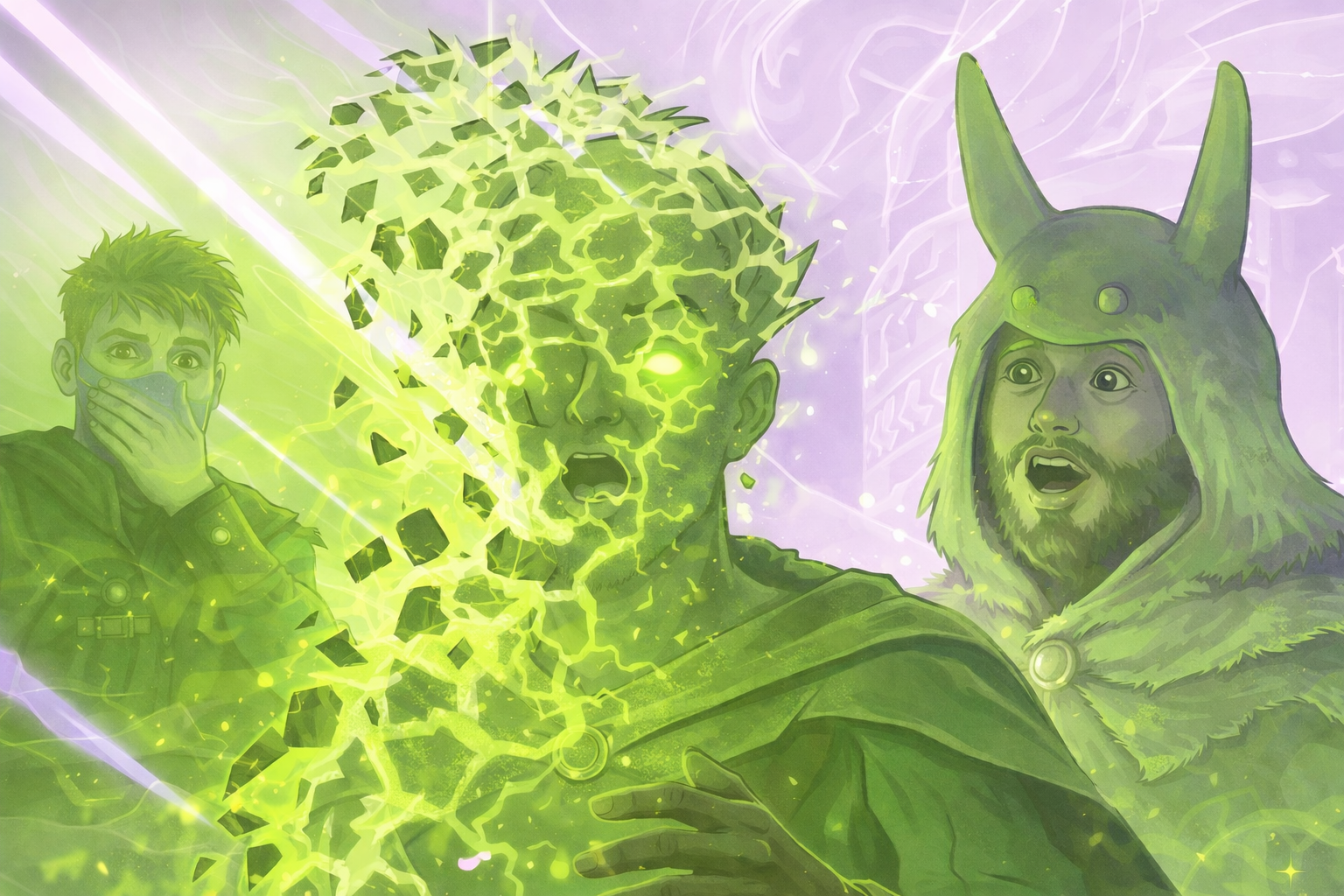
Fourth-level spells expand tactical options significantly.
19. Banishment
Banishment provides reliable enemy removal.
Against extraplanar creatures, it can permanently remove enemies from the battlefield.
Even temporary removal dramatically shifts action economy.
20. Greater Invisibility
Greater Invisibility turns many characters into damage machines.
Advantages include:
- Advantage on attacks
- Disadvantage for enemies attacking you
- Long duration
It dramatically improves both offense and survivability.
21. Polymorph
Polymorph remains one of the most versatile spells in the game.
Uses include:
- Emergency durability
- Tactical transformations
- Creative problem solving
While no longer abusable for infinite survivability, it remains extremely flexible.
22. Dimension Door
Dimension Door offers powerful repositioning.
It allows instant long-distance movement and can extract allies from dangerous situations.
Few spells provide such reliable emergency mobility.
Best 5th-Level Spells
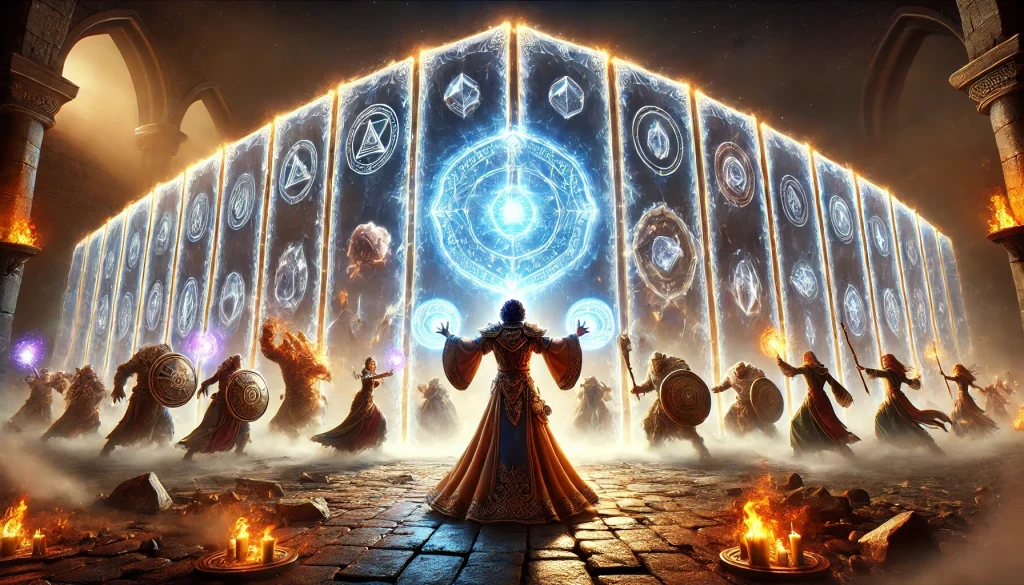
This tier now rewards sustained control.
23. Wall Of Force
Wall of Force is one of the strongest control spells in the game.
Its advantages include:
- No saving throw
- Complete battlefield division
- Nearly indestructible barrier
It can isolate enemies, block attacks, or reshape encounters entirely.
24. Synaptic Static
Synaptic Static combines damage with a debilitating debuff.
Affected enemies suffer:
- Intelligence damage
- Reduced attack effectiveness
This makes it far more disruptive than most damage spells.
25. Animate Objects
Animate Objects produces impressive damage output.
Animating multiple small objects allows a caster to generate a swarm of attacks each round.
While it requires concentration, the sustained damage is exceptional.
26. Telekinesis
Telekinesis is one of the most versatile control spells available.
It can:
- Move creatures
- Restrain enemies
- Manipulate objects
Creative players often find countless tactical uses.
Best 6th-Level Spells

27. Mass Suggestion
Mass Suggestion can influence entire groups of creatures without concentration.
Its long duration allows clever players to reshape encounters or even entire storylines.
28. Heal
Heal restores a massive amount of hit points instantly.
In high-level encounters where damage spikes are common, this spell can completely reverse momentum.
29. Disintegrate
Disintegrate remains one of the most devastating single-target spells.
Its high damage and destructive potential make it a terrifying finishing move.
Best 7th-Level Spells
30. Plane Shift
Plane Shift offers both transportation and enemy removal.
When used offensively, it can permanently eliminate a creature from the battlefield.
31. Forcecage
Forcecage creates a nearly inescapable prison for enemies.
While it requires careful use, it remains one of the strongest containment spells available.
32. Simulacrum
Simulacrum creates a duplicate of a powerful character.
While restrictions prevent infinite loops, the ability to duplicate spellcasters remains extremely powerful.
Best 8th-Level Spells
33. Mind Blank
Mind Blank provides complete protection from many mental effects.
For high-level characters facing powerful enemies, this level of defense is invaluable.
34. Maze
Maze removes a creature from the battlefield without dealing damage.
Because it does not rely on hit points, it can neutralize even the strongest monsters temporarily.
35. Feeblemind
Feeblemind devastates spellcasters by destroying their mental capabilities.
Against enemy mages, it can completely end their threat.
Best 9th-Level Spells
36. Wish
Wish remains the most flexible spell in the game.
It can replicate nearly any lower-level spell or produce unique reality-altering effects.
37. Foresight
Foresight grants massive combat advantages for an extended period.
Constant advantage and defensive benefits make it incredibly powerful.
38. True Polymorph
True Polymorph can permanently transform creatures or objects into entirely new forms.
Its potential for creativity and power is almost limitless.
The Best D&D Spell for Each Level
Choosing The Right Spell For Your Party
The strongest spell on paper isn’t always the strongest choice for your group.
Before preparing a spell, consider:
- Does your party already have strong control effects?
- Are you lacking reliable damage output?
- Do enemies frequently use spellcasting?
- Are boss monsters common in your campaign?
Spellcasting is about synergy. The best casters choose spells that complement their party rather than duplicate existing abilities.
Which Spells Scale Best When Upcast?
Not all spells benefit equally from higher spell slots. Some gain enormous value when upcast, while others provide little additional benefit.
Spells with strong scaling
- Conjure Minor Elementals
- Bless
- Spirit Guardians
- Animate Objects
- Healing Word
These spells continue gaining value because they either affect multiple targets or apply effects repeatedly over multiple rounds.
Spells with weak scaling
- Fireball – Damage increases linearly rather than dramatically
- Counterspell – Higher slots provide minimal additional value
Understanding which spells scale well helps you use higher-level slots more efficiently.
Mastering Concentration
Concentration is one of the most important limitations for spellcasters. Because only one concentration spell can be active at a time, choosing the right effect often determines how effective a character is in combat.
Good concentration management follows a few key principles:
- Avoid stacking redundant effects
- Prioritize spells that affect multiple enemies
- Maintain spells that provide sustained value each round
- Consider powerful non-concentration buffs when possible
For example, choosing between Hypnotic Pattern and Conjure Minor Elementals often comes down to control versus sustained damage. The correct choice depends on the encounter and party composition.
Experienced spellcasters think about their concentration strategy before combat even begins.
Powerful Spell Combinations
Some spells become dramatically stronger when used together.
Battlefield Control
- Web
- Hypnotic Pattern
- Wall of Force
These spells progressively escalate control, allowing a caster to lock down enemies at nearly every level of play.
Martial Damage Amplification
- Conjure Minor Elementals
- Bless
- Greater Invisibility
This combination dramatically increases sustained damage for weapon-focused allies.
Anti-Caster Strategy
- Counterspell
- Dispel Magic
- Mind Blank
Layering anti-magic tools prevents enemy spellcasters from dominating encounters.
Best Spells By Tier Of Play
Spell priorities change dramatically as characters gain levels.
Levels 1–4: Survival And Efficiency
Encounters are fast and dangerous.
Top priorities:
- Bless
- Healing Word
- Web
- Conjure Minor Elementals
Reducing enemy actions often matters more than dealing damage.
Levels 5–10: Control And Action Economy
Enemies gain stronger abilities and multiple attacks.
Top spells:
- Hypnotic Pattern
- Wall of Force
- Spirit Guardians
- Synaptic Static
Reliable control becomes more important.
Levels 11–16: High-Level Threats
Enemies often have strong saving throws and resistances.
Spells that bypass defenses become valuable:
- Wall of Force
- Plane Shift
- Maze
- Mass Suggestion
Levels 17–20: Reality-Shaping Magic
At the highest levels, spells influence entire encounters or campaigns.
Key spells:
- Wish
- Foresight
- True Polymorph
- Mind Blank
See also: Black Myth Wukong Abilities Tier List
Best Spells For Boss Fights
Boss encounters change how spells perform because enemies often have legendary resistances and powerful abilities.
Some spells remain extremely effective:
- Wall of Force– Reshapes the battlefield without a saving throw
- Maze– Removes a creature temporarily regardless of HP
- Plane Shift– Powerful single-target removal
- Foresight– Massive combat advantage before the fight begins
- Conjure Minor Elementals– Strong sustained damage during long encounters
Against powerful enemies, removing actions is often more effective than dealing raw damage.
Best Spells By Class
- Wizard - Wall of Force, Synaptic Static, Simulacrum, Maze
- Cleric - Bless, Spirit Guardians, Heal, Mass Suggestion
- Warlock - Eldritch Blast, Hypnotic Pattern, Conjure Minor Elementals
- Druid - Conjure Minor Elementals, Barkskin (2024), Wall of Fire
- Bard - Healing Word, Synaptic Static, Mass Suggestion
These are not exhaustive lists but represent the strongest current picks for each class.
Common Spellcasting Mistakes
Even powerful spells fail when used poorly.
1. Using Counterspell on low-impact spells
Save it for critical enemy abilities rather than minor magic.
2. Overusing expensive control spells
Some powerful spells carry high opportunity costs. Use them strategically.
3. Wasting concentration
Concentration is a limited resource. Prioritize spells that affect multiple enemies or provide value across multiple rounds.
4. Choosing damage when control is stronger
Fireball deals damage, but spells like Hypnotic Pattern can remove multiple enemy turns entirely.
Frequently Asked Questions About Best Spells In 5e By Level
What Is The Strongest Spell?
Conjure Minor Elementals is widely considered the most overtuned relative to its level.
What Are The Best Concentration Spells?
Hypnotic Pattern, Wall of Force, Conjure Minor Elementals, Telekinesis, and Spirit Guardians are among the strongest due to their sustained impact.
What Spells Ignore Legendary Resistance?
Wall of Force, Forcecage (if concentration maintained), and some battlefield manipulation spells bypass saves entirely.
Is Conjure Minor Elementals Overpowered?
Many players consider it overtuned due to its scaling damage. Some tables may house-rule it.
Are Spellcasters Weaker In 5e?
No. It redistributed power away from instant shutdown mechanics and toward sustained impact.
Final Thoughts
Spellcasting in D&D 5e rewards strategy, timing, and smart resource use.
The strongest spells aren’t always the ones with the biggest damage. The best ones control the battlefield, remove enemy actions, and provide value across multiple rounds.
Mastering spellcasting means knowing when a spell creates the greatest advantage.
Choose well, and you won’t just cast powerful magic, you’ll control the pace of the entire game.
Jump to
Best Spells In 5e By Level (Core Rules Meta Ranking)
How Spell Power Has Shifted
Best Spells By Role (Quick Overview)
Best Cantrips In 5e
Best 1st-Level Spells
Best 2nd-Level Spells
Best 3rd-Level Spells
Best 4th-Level Spells
Best 5th-Level Spells
Best 6th-Level Spells
Best 7th-Level Spells
Best 8th-Level Spells
Best 9th-Level Spells
Choosing The Right Spell For Your Party
Which Spells Scale Best When Upcast?
Mastering Concentration
Powerful Spell Combinations
Best Spells By Tier Of Play
Best Spells For Boss Fights
Best Spells By Class
Common Spellcasting Mistakes
Frequently Asked Questions About Best Spells In 5e By Level
Final Thoughts
Latest Articles
Popular Articles