Fast Food Tier List 2026: Which Chains Are Actually Still Worth It?
Our fast-food tier list ranks top chains using data, trends, and real experience. See which brands earn S-Tier status presently.
Mar 11, 202652 Shares51.8K Views
What You’ll Find in This Tier List
- A complete 2026 fast food tier list ranking the most popular chains from S-Tier to C-Tier
- The criteria used to rank each restaurant, including taste, consistency, value, and speed
- Detailed breakdowns of top chains like Chick-fil-A, McDonald’s, Taco Bell, and Chipotle
- Insights into fast food trends, including beverage innovation and sweet-and-spicy flavors
- A look at healthier ordering options, including fiber-rich menu choices
- Rankings for best burgers, chicken, Mexican-inspired fast food, and breakfast chains
- The best fast-food apps and loyalty programs for saving money
- Common mistakes people make when using a fast-food tier list
- Helpful FAQs about fast food rankings and restaurant quality
Top Fast-Food Chains Ranked from Best to Worst
Fast food looks very different from even three years ago. Prices are higher. Customers are more selective. Apps matter as much as menu boards. Beverage innovation is suddenly a competitive battlefield. And “healthy” no longer just means low-calorie, it now includes fiber, whole grains, and ingredient transparency.
An ultimate fast food tier list today must reflect all of that.
These ranking blends firsthand experience, structured scoring, customer satisfaction benchmarks, digital innovation trends, drive-thru efficiency data, and emerging 2026 food shifts like sweet-and-spicy flavors and beverage-focused growth strategies. The goal isn’t nostalgia. It’s accuracy.
About This Ranking – Methodology
Each chain was evaluated using a weighted scoring model designed to reflect modern fast-food performance.
Scoring Breakdown
- Taste & Flavor Execution – 25%
- Consistency Across Locations – 20%
- Value for Money (2026 pricing) – 20%
- Speed & Drive-Thru Efficiency – 15%
- Menu Innovation (including beverage & flavor trends) – 10%
- Digital App & Loyalty Experience – 5%
- Nutrition Transparency & Healthier Options (including fiber-rich offerings) – 5%
Evaluation sources include:
- Multi-location dining experience
- Customer satisfaction performance trends
- QSR industry sales momentum
- Drive-thru accuracy and speed reports
- Digital ordering and loyalty adoption
- Menu shifts toward fiber, grains, legumes, and plant-forward offerings
Important Context Updates
Two major industry trends influence this year’s rankings:
Beverage Innovation & Sweet-and-Spicy Flavor Growth
Major chains are investing heavily in specialty beverages, refreshers, and bold flavor combinations. Beverage mix is increasingly tied to profitability and customer traffic.
Fiber-Focused Health Shift
Consumers are looking beyond calories. Chains adding whole grains, beans, legumes, and plant-forward bowls gain points for offering genuinely balanced options rather than token “diet” items.
Tier Table Summary
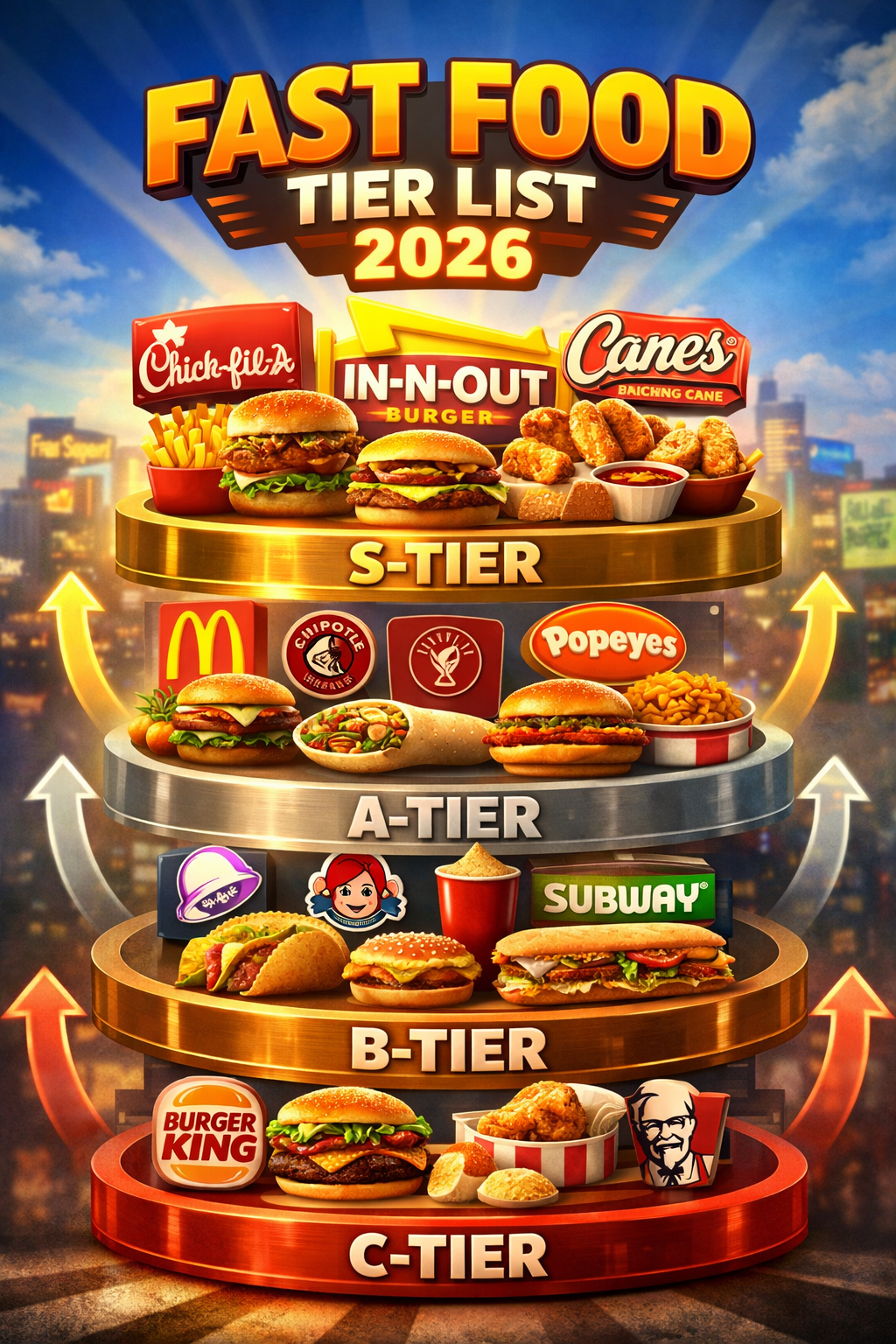
| Tier | Fast-food |
| S-Tier | Chick-fil-A, In-N-Out Burger, Raising Cane’s |
| A-Tier | McDonald’s, Chipotle, Popeyes |
| B-Tier | Taco Bell, Wendy’s, Subway |
| C-Tier | Burger King, KFC |
See also: Grow A Garden Tier List Roblox
Does Fast Food Quality Vary by Location?
Yes significantly.
Most major fast-food chains operate under a franchise model, meaning individual owners control day-to-day operations. This impacts:
- Ingredient freshness
- Staff training
- Speed and order accuracy
- Cleanliness and maintenance
Urban, high-volume locations often perform better due to tighter operational standards. Regional chains like In-N-Out (West Coast) and Whataburger (Texas) also tend to outperform national averages within their core markets.
Tier placement reflects overall brand performance, but your local experience may vary.
The full tier breakdown
S-Tier Fast Food Chains – Elite Performance Across the Board
These brands dominate in flavor consistency, operational precision, and customer loyalty.
Who This Chain Is Best For
- Families seeking reliable consistency
- High-protein eaters
- Drive-thru convenience seekers
- Customers prioritizing speed
1. Chick-fil-A
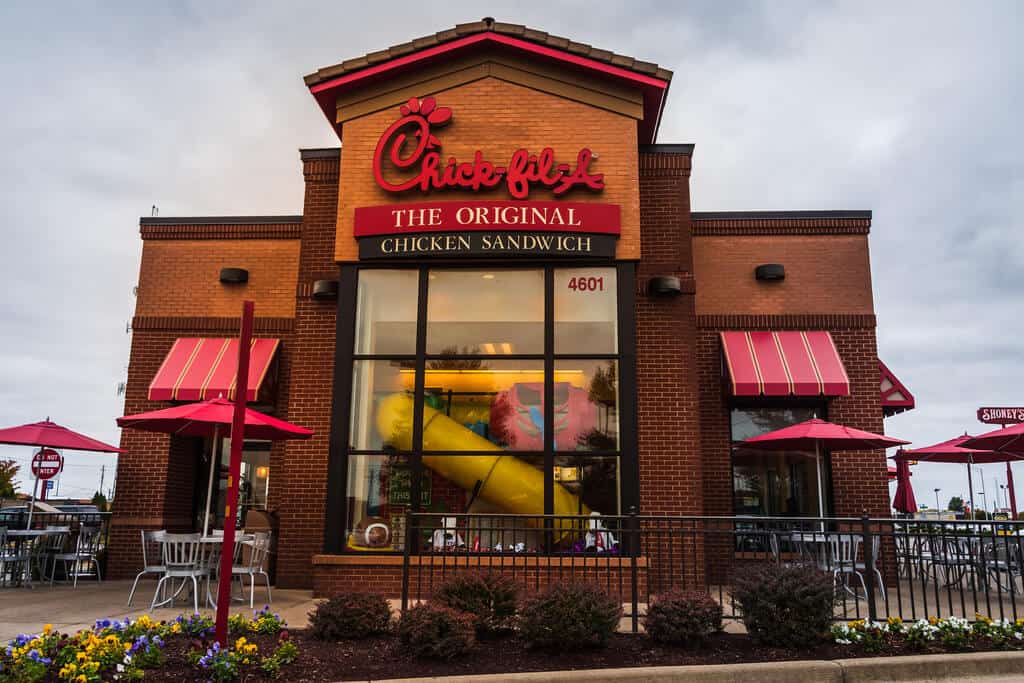
Chick-fil-A remains the most operationally disciplined fast-food chain in the U.S. Its limited menu allows nearly flawless execution at scale.
Strengths:
- Consistently high customer satisfaction
- Industry-leading drive-thru efficiency
- Strong digital app engagement
- Reliable flavor profile across regions
Menu Innovation in 2026:
Chick-fil-Ahas expanded limited-time beverage offerings and sweet-and-spicy sandwich variations while maintaining quality control.
Health Position:
Grilled nuggets, salads with fiber-rich toppings, and fruit cups offer realistic lighter options.
Best Order:
Original Chicken Sandwich + Waffle Fries
Why It’s S-Tier:
It executes better than almost anyone else, and execution wins in fast food.
2. In-N-Out Burger
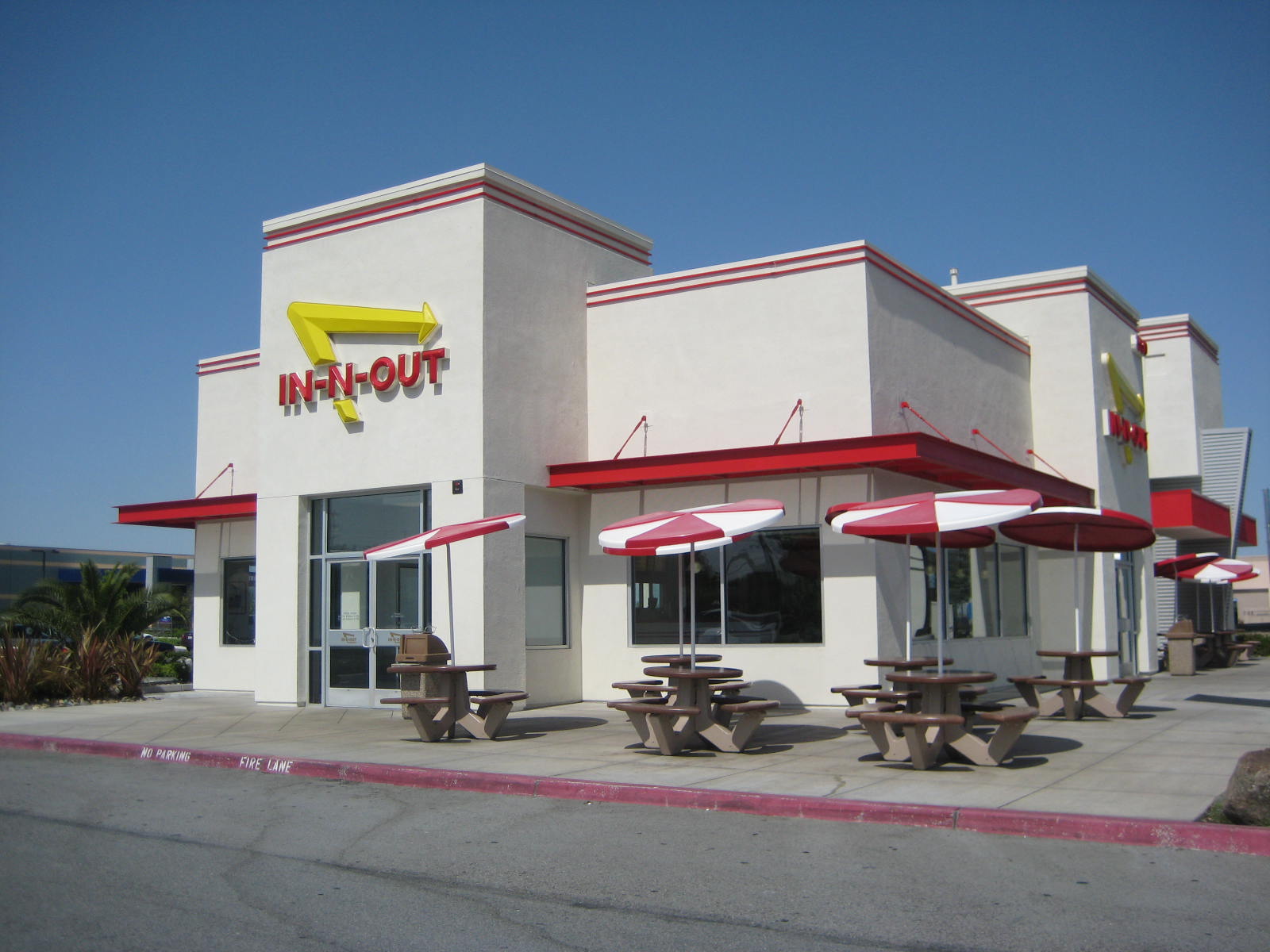
In-N-Outproves that simplicity is power. With a minimal menu and strong sourcing control, consistency remains extremely high.
Strengths:
- Fresh beef preparation
- Transparent supply chain
- Strong price-to-quality ratio
- High consumer trust
Menu Strategy:
No aggressive beverage expansion, but its core items remain iconic.
Health Angle:
Protein-style burgers provide a legitimate lower-carb swap, though fiber-forward items are limited.
Best Order:
Double-Double Animal Style
Why It’s S-Tier:
Relentless focus. Few items. Done perfectly.
3. Raising Cane’s
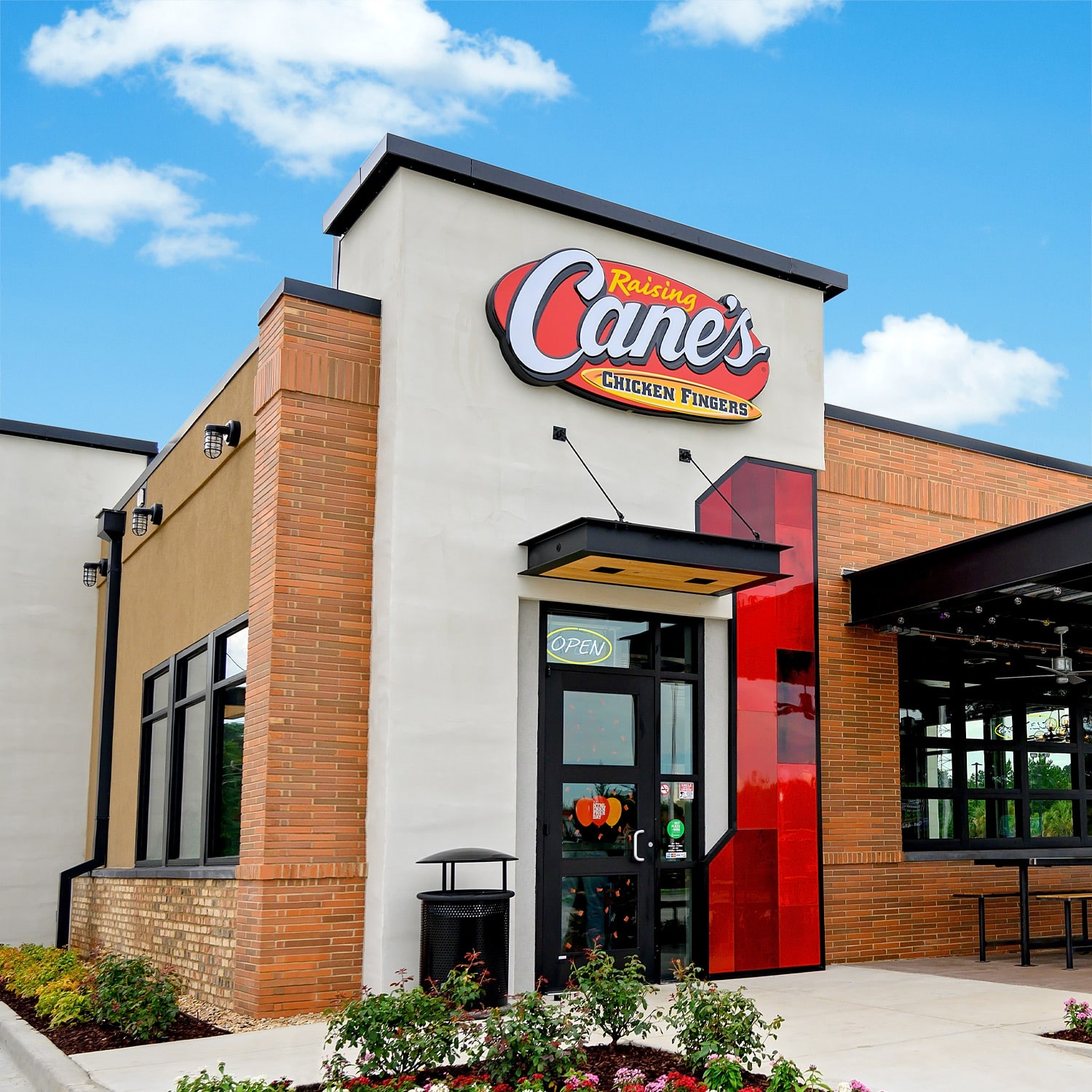
Cane’s thrives on specialization. Chicken fingers and signature sauce dominate the brand identity.
Strengths:
- Exceptional drive-thru speed
- Focused operations
- Strong brand loyalty
Positioning:
Not beverage-focused like competitors, but consistency remains unmatched.
Health Consideration:
Limited menu reduces fiber-rich options, but smaller combos offer portion control flexibility.
Best Order:
Box Combo
Why It’s S-Tier:
Operational efficiency is nearly unmatched in the chicken category.
A-Tier Fast Food Chains
Excellent, With Minor Gaps
4. McDonald’s
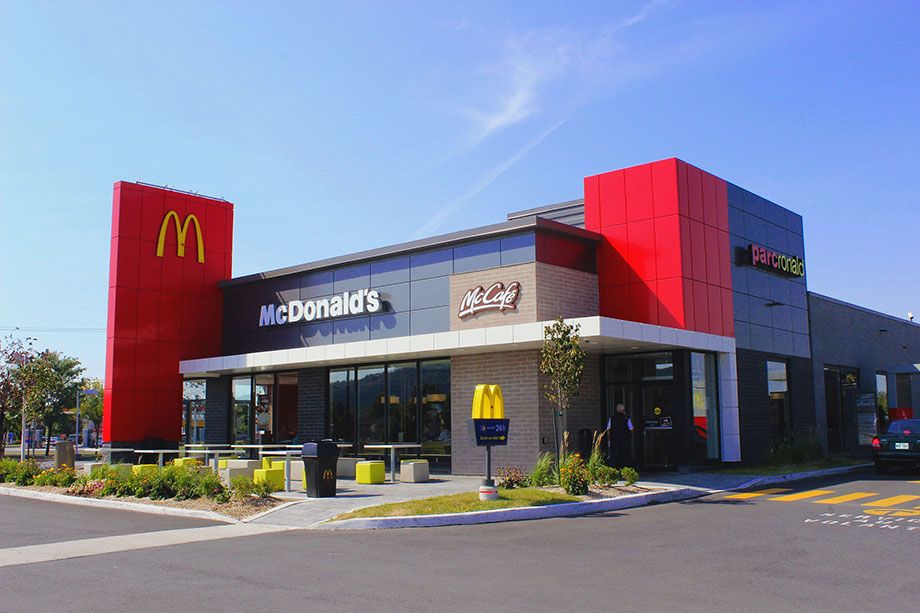
McDonald’sis the most adaptable global chain and is aggressively leaning into 2026 beverage innovation trends.
Strengths:
- Massive digital ordering adoption
- Strong breakfast dominance
- Sweet-and-spicy flavor experimentation
- Expanding specialty beverage focus
Beverage Innovation:
Leadership has identified beverages as a major growth category. McDonald’s is testing expanded drink menus, flavored iced beverages, and seasonal offerings to drive traffic.
Health Evolution:
More transparent calorie displays and oatmeal, apple slices, and salad add-ons help.
Weakness:
Core burger consistency varies by franchise.
Best Order:
Quarter Pounder with Cheese
Why Not S-Tier:
Scale slightly reduces uniformity.
5. Chipotle (Fast Casual Leader)
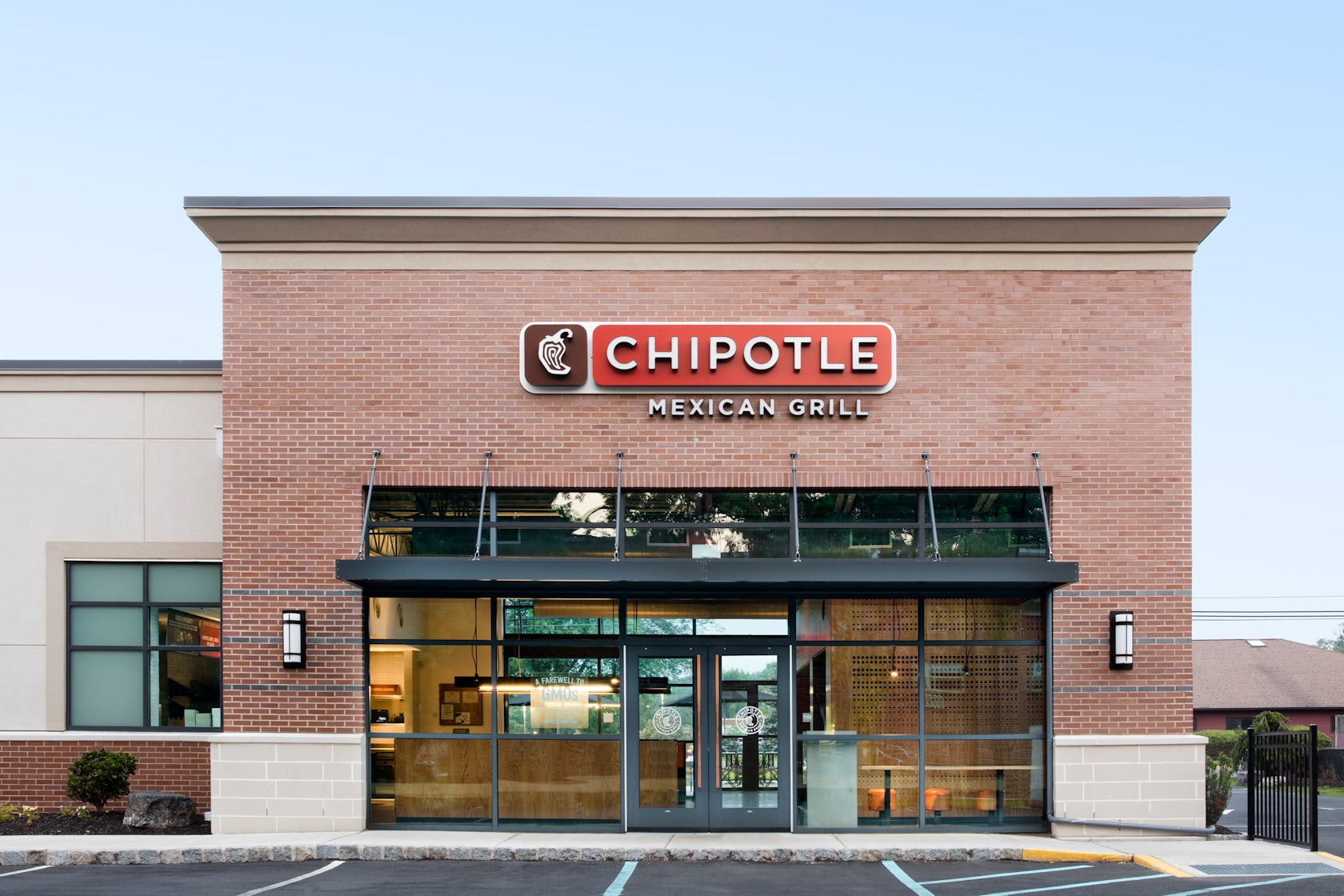
Chipotle remains one of the strongest fast-casual brands in taste and customization.
Strengths:
- High-quality ingredient sourcing
- Digital-first ordering system
- Customization depth
Fiber Advantage:
Chipotlescores high here. Beans, brown rice, and vegetable-forward bowls give it a legitimate fiber edge in fast dining.
Menu Innovation:
Moderate innovation pace, though beverage variety is limited compared to QSR beverage expansion.
Best Order:
Chicken Bowl with black beans + brown rice
Why A-Tier:
Premium quality, but pricing pressure prevents S-tier placement.
6. Popeyes
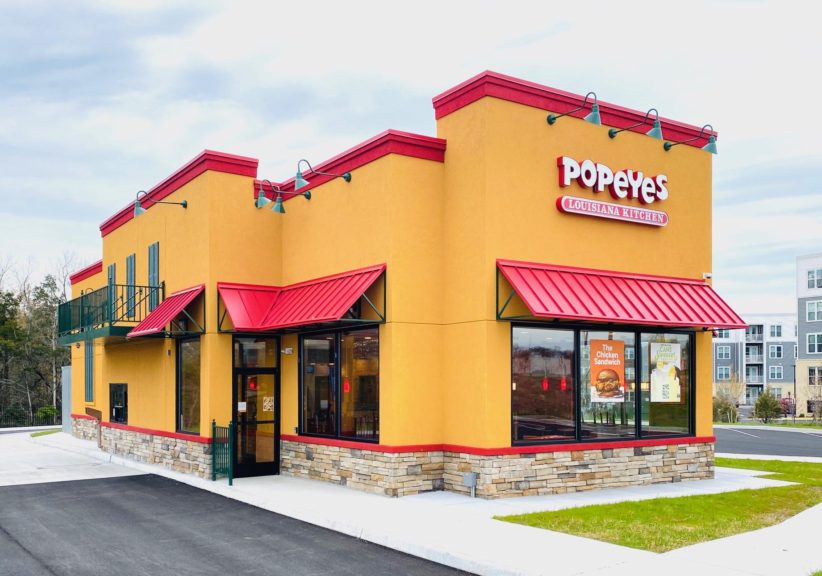
Popeyes continues to deliver bold flavor differentiation.
Strengths:
- Crispy texture dominance
- Competitive combo pricing
- Sweet-and-spicy flavor alignment
Weakness:
Operational consistency fluctuates between locations.
Best Order:
Classic Chicken Sandwich
Why A-Tier:
Flavor is elite, but execution varies.
B-Tier Fast Food Chains
Competitive but Situational
7. Taco Bell (Upgraded to Strong B+ Tier)
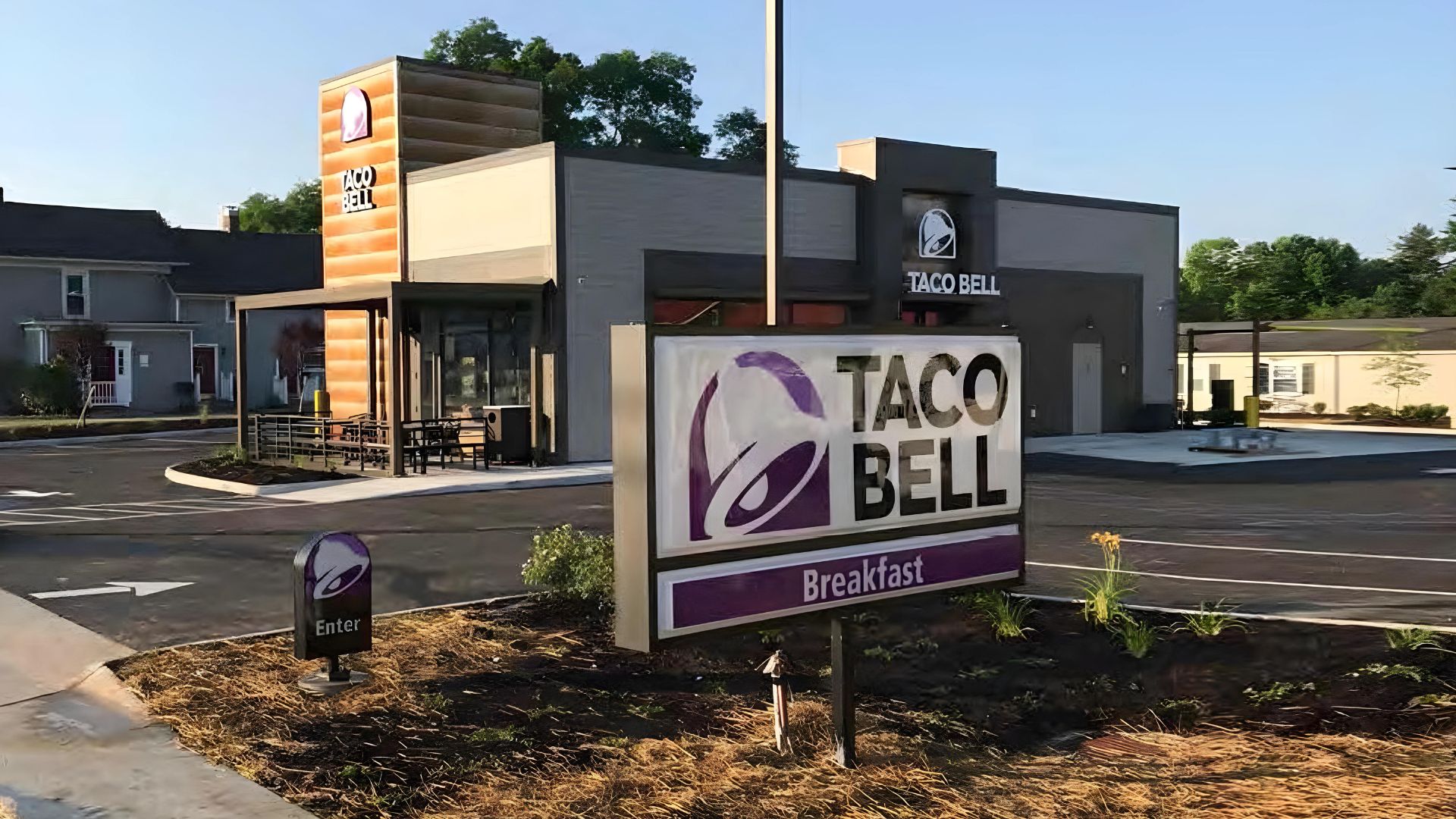
Taco Bell deserves expanded analysis.
Growth Momentum:
It is currently one of the fastest-growing Mexican-inspired chains, with strong digital sales and powerful value positioning through its Cravings Box model.
Strengths:
- Industry-leading value bundles
- Heavy digital sales adoption
- Bold sweet-and-spicy menu experimentation
- High customization flexibility
Beverage Strategy:
Taco Bell continues innovating in freeze drinks and specialty beverages, aligning with beverage growth trends.
Health Consideration:
Bean-heavy menu items provide more fiber than many burger competitors.
Why Not A-Tier:
Ingredient quality perception still trails fast-casual competitors.
Best Order:
Cravings Box for value
8. Wendy’s
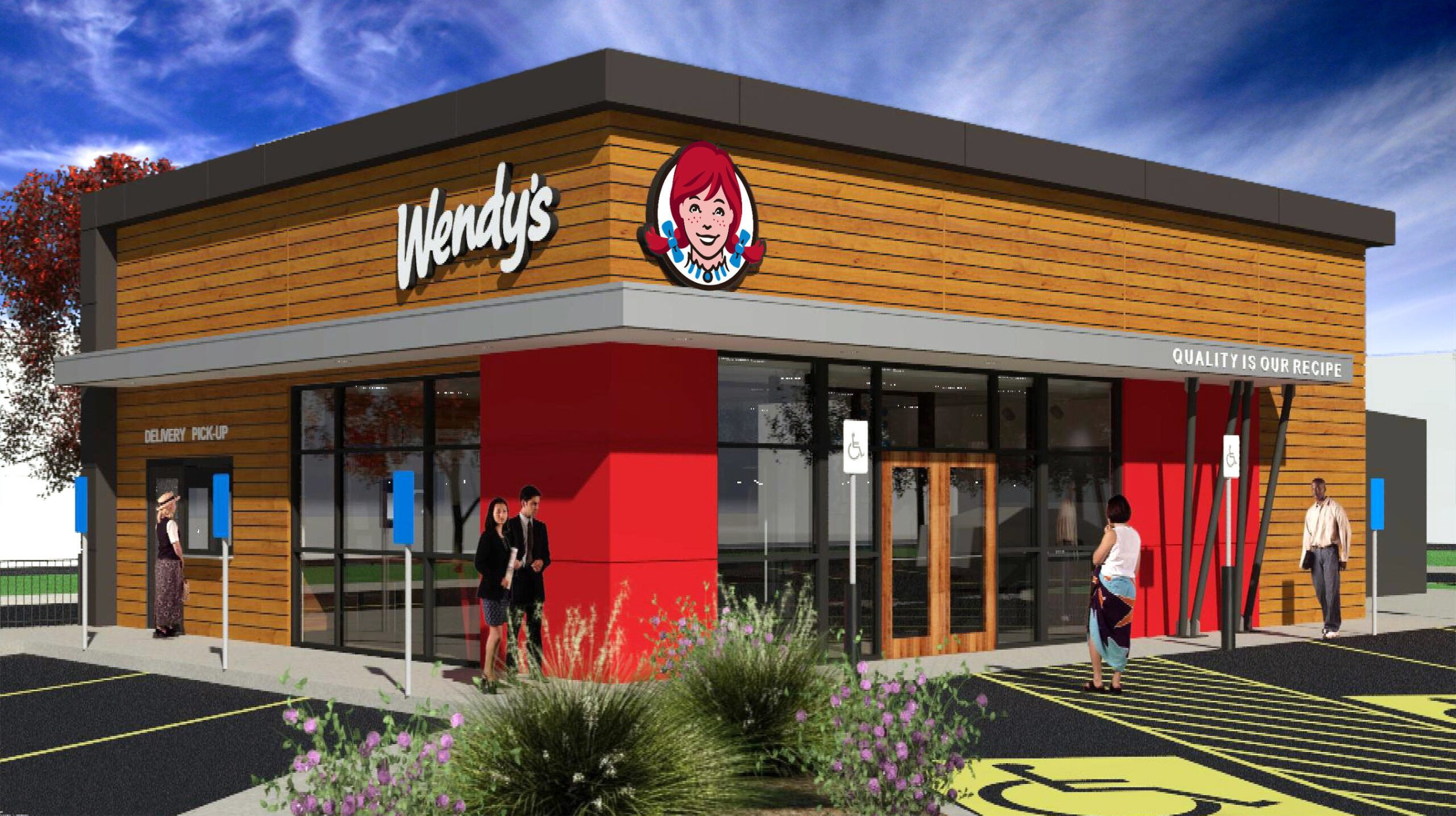
Strengths:
- Competitive value bundles
- Strong breakfast expansion
- Social media marketing presence
Weakness:
Fry and service consistency fluctuate.
Health Angle:
Salads and baked potato options add diversity, but fiber-forward innovation is limited.
Best Order:
Dave’s Single
9. Subway
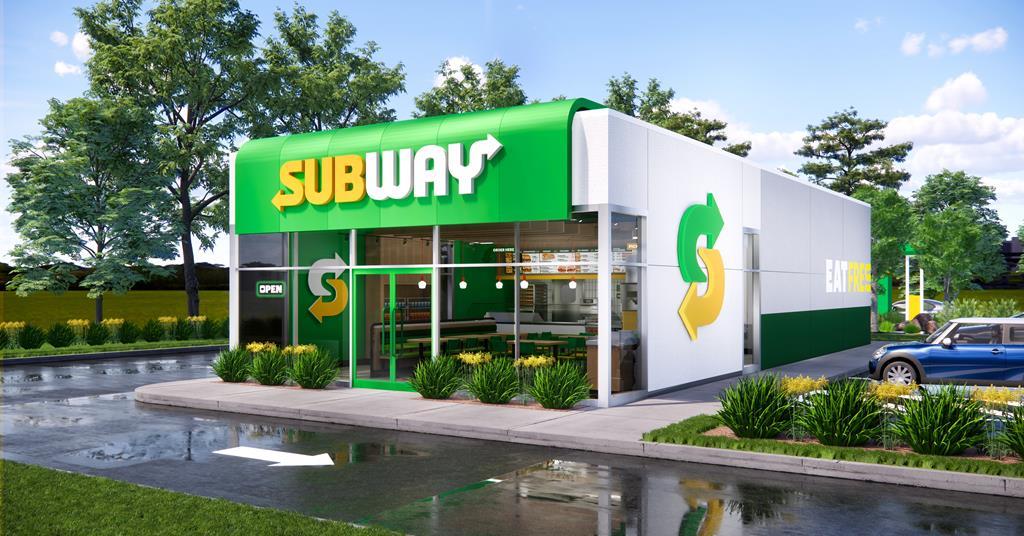
Strengths:
- Highly customizable
- Expanded bread and protein options
- Strong global footprint
Fiber Shift:
Whole grain breads and vegetable-heavy builds give Subway a legitimate health angle.
Weakness:
Flavor excitement lags behind competitors.
Best Order:
6-inch Turkey on wheat with added vegetables
C-Tier Fast Food Chains
Lagging in Innovation or Consistency
10. Burger King
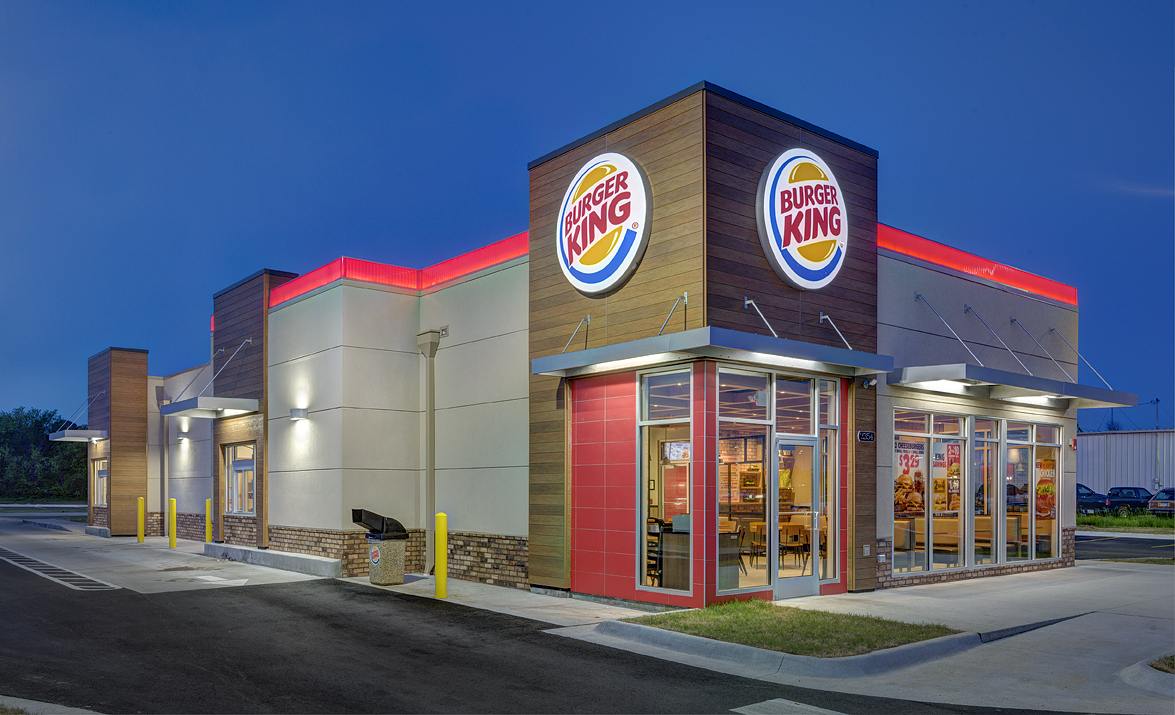
Strengths:
- Flame-grilled identity
- Recognizable flagship burger
Challenges:
- Franchise inconsistency
- Weak digital engagement compared to McDonald’s
- Menu bloat
11. KFC (Kentucky Fried Chicken)
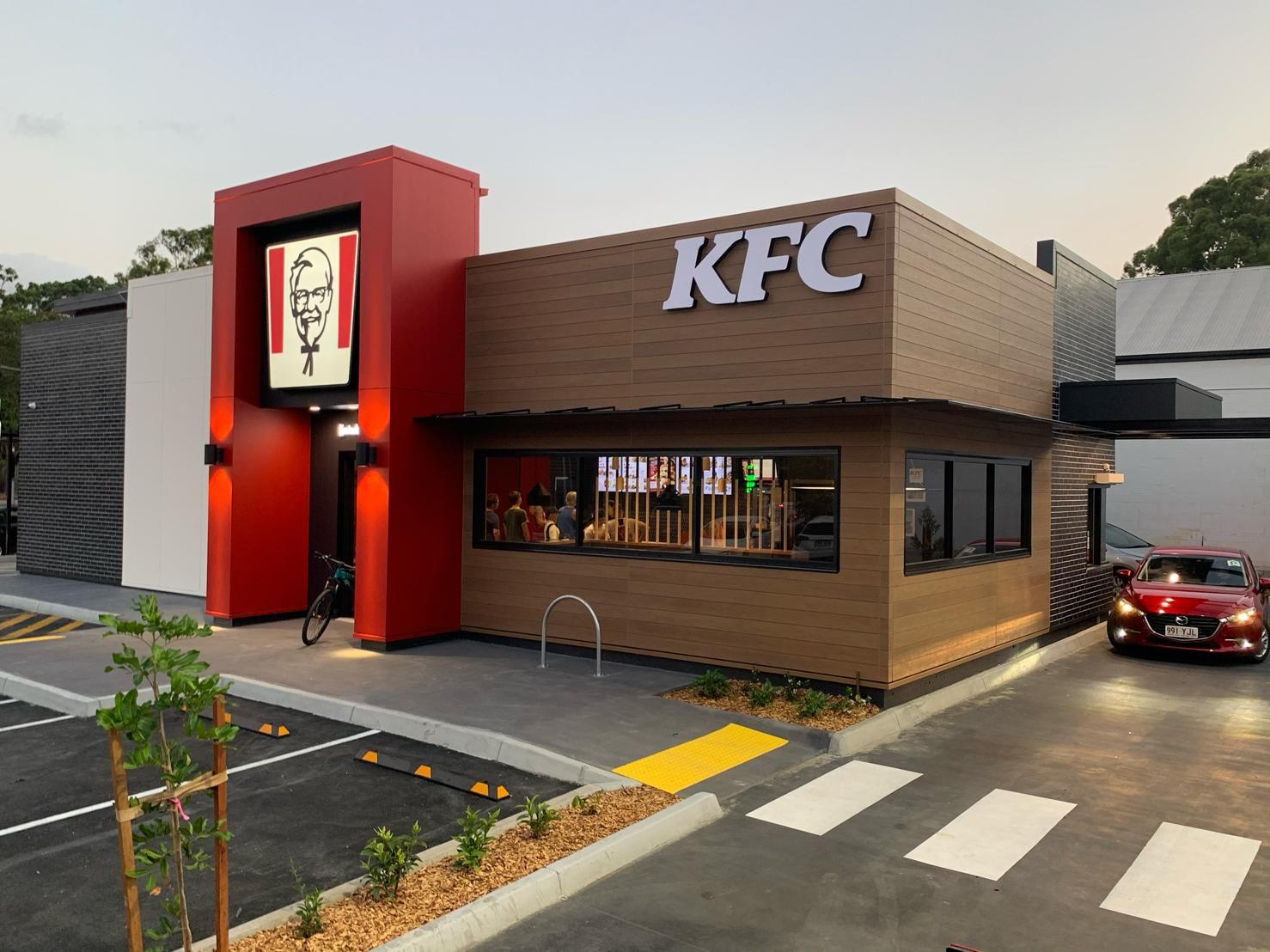
Strengths:
- Strong brand legacy
- Signature seasoning profile
Challenges:
- Competitive pressure from Chick-fil-A and Cane’s
- Slower adaptation to beverage and fiber trends
D-Tier (Needs Reinvention Tier)
Chains placed here struggle with:
- Inconsistent quality
- Weak value perception
- Poor digital integration
- Limited menu innovation
Digital performance and beverage growth are key indicators of competitive health. Brands lagging in those areas risk further decline.
Category Leaders
Best Burger Chains:
- In-N-Out
- Five Guys
- McDonald’s
- Wendy’s
- Burger King
Best Chicken Chains:
- Chick-fil-A
- Raising Cane’s
- Popeyes
- Zaxby’s
- KFC (Kentucky Fried Chicken)
Best Mexican-Inspired Chains:
- Chipotle
- Taco Bell
- Qdoba
- Del Taco
Best Beverage Innovation (Trend Leaders):
- McDonald’s
- Taco Bell
- Chick-fil-A
Best Fiber-Friendly Fast Options:
- Chipotle
- Subway
- Taco Bell (bean-based builds)
Fast Food Trends Shaping Rankings
Several industry shifts are redefining what makes a chain competitive:
- Beverage Innovation – Specialty drinks and refreshers driving traffic
- Sweet-and-Spicy Flavor Blends – A dominant menu trend
- Fiber-Focused Menu Additions – Beans, grains, and plant-forward builds
- Drive-Thru Optimization – AI ordering and speed improvements
- Smaller Footprint Restaurants – Drive-thru-first formats
Chains adapting to these trends are climbing tiers. Those ignoring them are slipping.
How to Order Healthier
To align with fiber and balanced-eating trends:
- Choose beans or whole grains when available
- Add vegetables aggressively
- Choose grilled proteins
- Watch sodium-heavy sauces
- Replace fries with fruit or side salads
Fiber-rich additions like black beans, lentils, and whole grains can dramatically improve nutritional balance in fast food meals.
Common Mistakes People Make When Using a Fast-Food Tier List
Even the best fast food tier list can be misunderstood. Here are the most common mistakes readers make and how to avoid them.
1. Assuming Every Location Performs the Same
Fast food chains operate largely under franchise models. A high-ranking brand can still have weaker individual locations due to staffing, training, or management differences.
Always judge both brand reputation and local consistency.
2. Ignoring the App and Ordering at Full Price
In 2026, many chains offer their best deals exclusively through mobile apps. Ordering at the counter often means missing bundle discounts and reward points.
If you’re not using the app, you’re likely overpaying.
3. Confusing Fast Food with Fast Casual
Chains like Chipotle operate differently than McDonald’s or Burger King. Comparing them without considering price structure and service model can distort expectations.
Higher price doesn’t automatically mean better value.
4. Overlooking Beverage and Add-On Costs
Drinks, premium sauces, and add-ons can significantly increase the final bill. Many value perceptions disappear once beverages are included.
Smart ordering often means skipping sugary drinks or choosing water.
5. Believing “Healthier” Means Low-Calorie Only
Modern fast food health trends focus on fiber, whole grains, legumes, and balanced builds not just calorie reduction.
Beans, vegetables, and whole grains often provide better long-term nutritional value than simply ordering smaller portions.
6. Taking Tiers as Absolute Truth
Tier listsprovide structured guidance, not universal law. Taste is subjective, and regional strength varies.
Use the tier list as a decision tool not a rigid ranking you must agree with.
Best Fast-Food Apps & Loyalty Programs
Digital ordering now drives a major share of revenue across top chains. App-exclusive deals often determine real-world value.
Top Performing Fast-Food Apps:
- McDonald’s – Frequent app-only bundles and reward redemptions
- Chick-fil-A – Highly personalized rewards and fast mobile pickup
- Taco Bell – Strong digital sales growth and customizable offers
- Chipotle – Seamless customization and quick digital fulfillment
If you’re not using the mobile app, you’re likely overpaying.
Digital integration now directly influences tier placement.
FAQs About Fast Food Tier List
What is the best fast-food chain in 2026?
Chick-fil-A remains the most balanced across taste, speed, and customer satisfaction.
Why is Taco Bell not A-Tier?
Taco Bell dominates value and digital growth, but ingredient quality perception keeps it slightly below premium-tier competitors.
Which chain leads beverage innovation?
McDonald’s is aggressively expanding beverage offerings and sweet-and-spicy flavor innovation as major growth drivers.
Are fast food chains becoming healthier?
Yes. Many are incorporating more fiber-rich options, plant-forward builds, and transparent nutritional data.
Which fast food chain offers the best value in 2026?
McDonald’s and Taco Bell lead on value thanks to aggressive app-only deals and bundle boxes. Wendy’s also competes strongly with its Biggie Bag promotions. In 2026, the best value usually comes from using each chain’s loyalty app rather than ordering at the counter.
Final Thoughts
The fast-food landscape in 2026 rewards precision, innovation, and adaptability. Beverage expansion, sweet-and-spicy experimentation, fiber-forward ingredients, and digital ecosystems now shape rankings just as much as burgers and fries.
The chains rising to the top are not simply fast. They are operationally disciplined, digitally advanced, flavor-aware, and responsive to evolving health expectations. That balance not nostalgia determines who truly earns a place in the upper tiers today.
Jump to
What You’ll Find in This Tier List
Top Fast-Food Chains Ranked from Best to Worst
About This Ranking – Methodology
Tier Table Summary
Does Fast Food Quality Vary by Location?
The full tier breakdown
Category Leaders
Fast Food Trends Shaping Rankings
How to Order Healthier
Common Mistakes People Make When Using a Fast-Food Tier List
Best Fast-Food Apps & Loyalty Programs
FAQs About Fast Food Tier List
Final Thoughts
Latest Articles
Popular Articles