FFXIV Tank Tier List: Best Tank For Every Goal In 2026
FFXIV tank tier list with clear picks for beginners, dungeons, and raids. Compare Warrior, Paladin, Dark Knight, and Gunbreaker by playstyle.
Mar 14, 202647.2K Shares875.2K Views
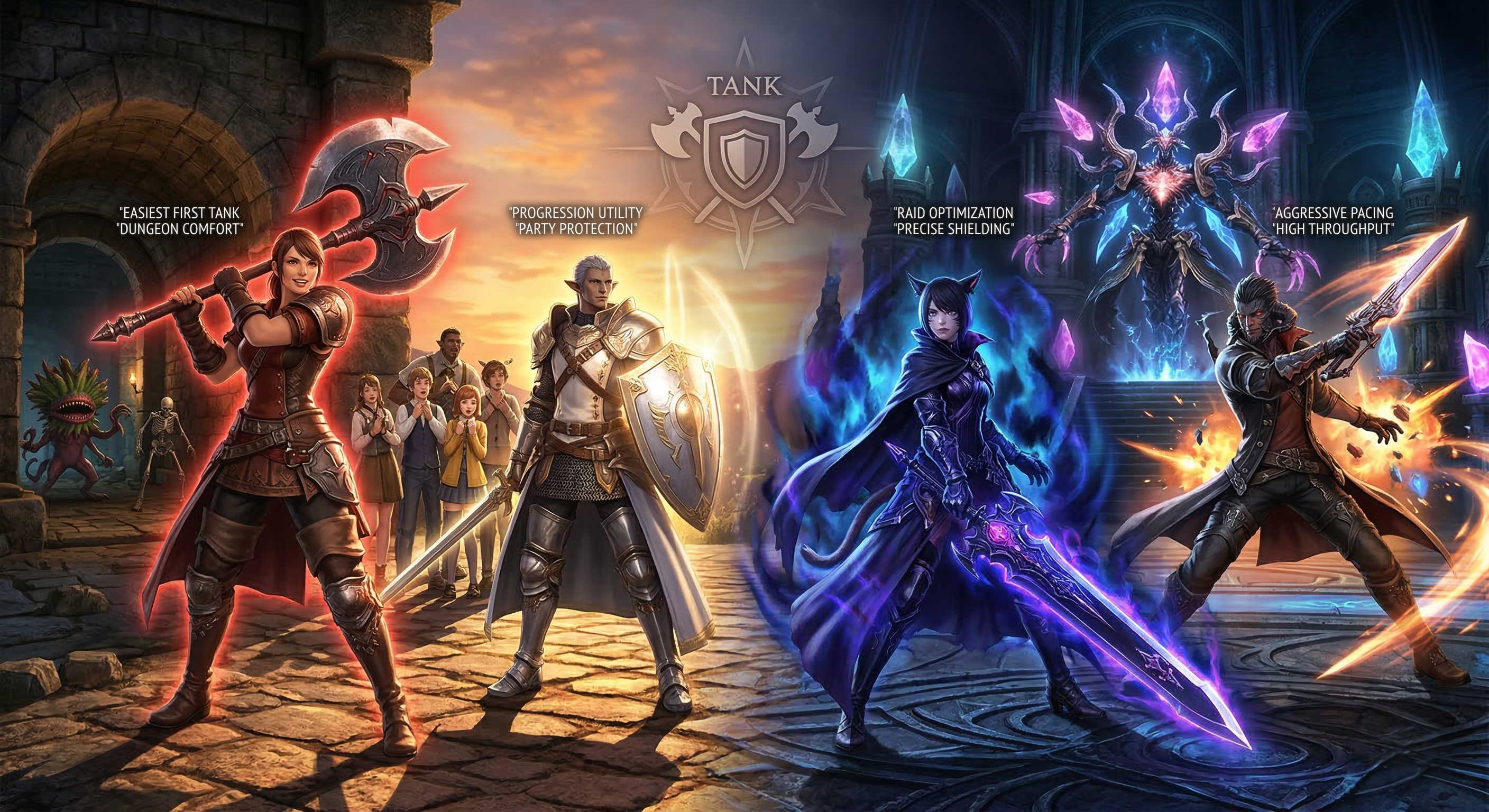
FFXIV Tank Tier List For Beginners, Dungeons, And Raids
Patch context:This ranking is built for the current Dawntrail Patch 7.4 / 7.45 environment, using Square Enix’s current tank job pages, recent patch-adjusted job information, current raid-optimization data, and real-world dungeon value.
Last updated:March 13, 2026.
Tanking advice in FFXIV gets messy because different pages answer different questions. Some are really ranking raid throughput, some are quietly talking about dungeon comfort, and some are just trying to tell a sprout which job feels least punishing on day one.
Square Enix’s current Job Guide still defines the tank role in simple terms: keep the enemy’s attention, absorb damage, and protect the party-and there are still only four tank jobs to choose from: Paladin, Warrior, Dark Knight, and Gunbreaker.
The cleanest answer is this:all four tanks work, but they do not solve the same problem equally well.
The official job pages were refreshed in March 2026 and point players toward the current Dawntrail patch cycle, while data-driven raid tools like Archon are analyzing recent 7.4 standard-comp parses from the last 14 days. That is exactly why a flat best tank answer keeps failing people.
Key Takeaways
- Warrior is the best beginner and dungeon-comfort pick.
- Dark Knight and Gunbreaker are the strongest optimization-minded picks for players chasing raid throughput.
- Paladin is better than many flat tier listsgive it credit for when progression utility matters.
- All four tanks are viable, so the right choice is mostly about your goal and comfort.
- If you want one default answer for most players, start with Warrior and branch later.
Those quick picks line up with the current official toolkits and with how recent raid-analysis tools separate optimization data from everyday play.
How This Ranking Was Judged
- Official job kit design:What each tank is built to do in Square Enix’s current job guides
- Beginner forgiveness:How easy the tank feels when you are still learning pulls, cooldowns, and positioning
- Dungeon self-sustain:How well the tank stabilizes large pulls without leaning too hard on the healer
- Current raid optimization data:What recent 7.4 raid-performance tools show in optimized group play
- Progression utility:How much value the tank brings when groups are still learning mechanics
How To Use This FFXIV Tank Tier List Without Getting Misled
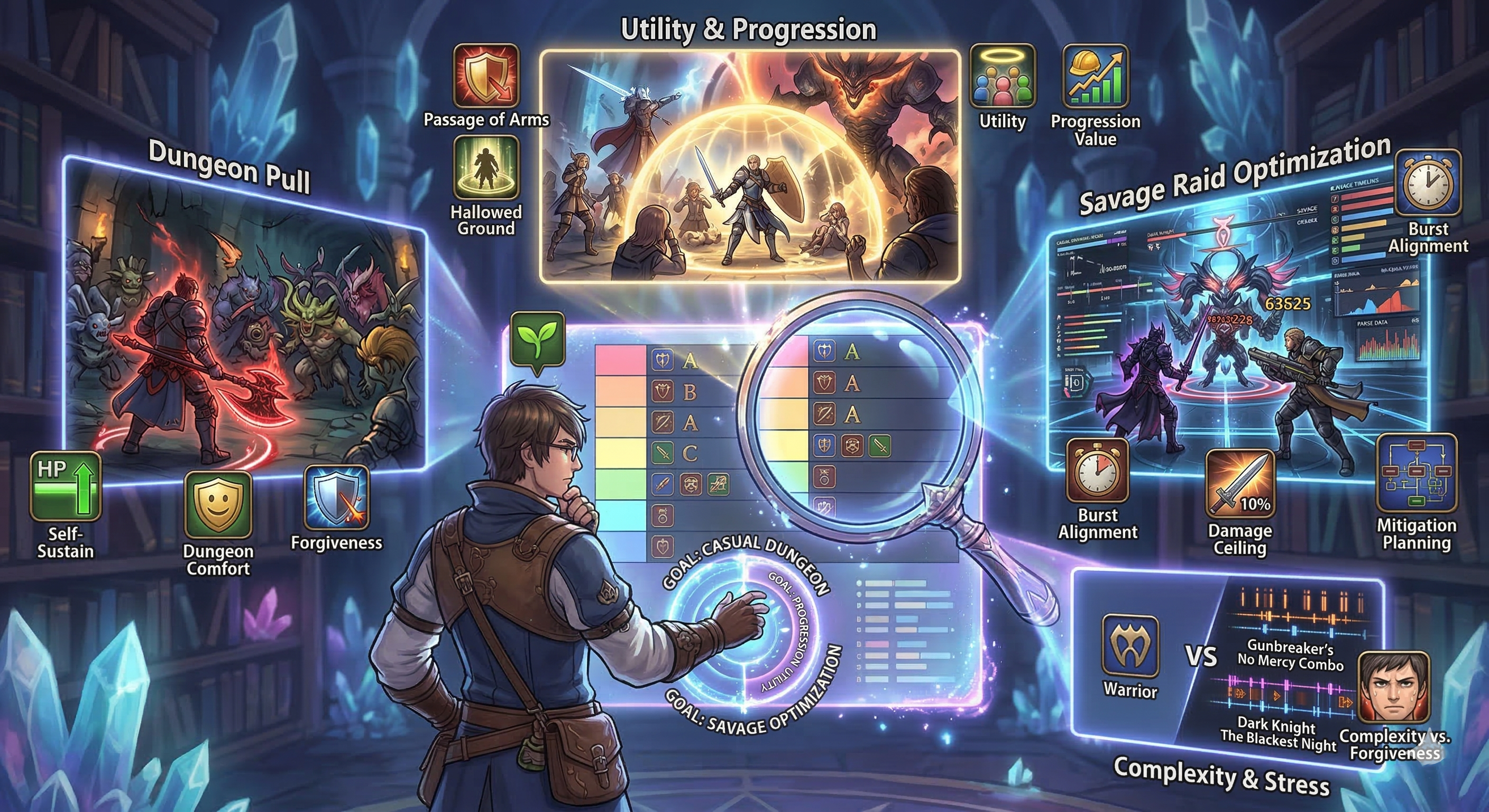
This section gives you the lens that makes every later ranking make sense. Once you know what a list is actually measuring, the contradictions stop looking like contradictions.
Why Is One Universal Best Tank Answer Incomplete
A sprout pulling wall-to-wall packs in a leveling dungeon is solving a different problem than a static trying to squeeze more damage from a clean Savage reclear.
The first player values forgiveness, self-healing, and easy recovery. The second cares more about burst alignment, mitigation planning, and how cleanly a kit fits an optimized timeline. Officially, all four jobs are still designed as tanks; the role does not change, but the context does.
The Four Factors That Actually Decide Tank Rankings
Damage ceiling matters most when the group is already stable and wants more raid output. That is where current data tools become useful, because they are built from real combat logs and recent parse windows.
Self-sustain matters most in dungeon pulls and messy casual content. Warrior’s official kit shows why it earns that reputation: Bloodwhetting reduces damage taken, restores HP on weaponskills, and adds a barrier effect on a short recast.
Utility and progression value matter when the group is still learning. Paladin’s official toolkit still stands out here because actions like Passage of Arms and Hallowed Ground offer unusually clear defensive value for stabilizing dangerous moments.
Complexity and forgiveness decide how stressful a tank feels. Gunbreaker’s No Mercy window pushes a more aggressive cadence, while Dark Knight’s The Blackest Night rewards sharp timing and resource awareness. Those jobs are excellent, but they are rarely the friendliest first tank.
The Quick Rule
Pick for your goal, not just the letter grade. That rule will matter even more in the quick rankings below.
FFXIV Tank Tier List Quick Rankings By Player Goal
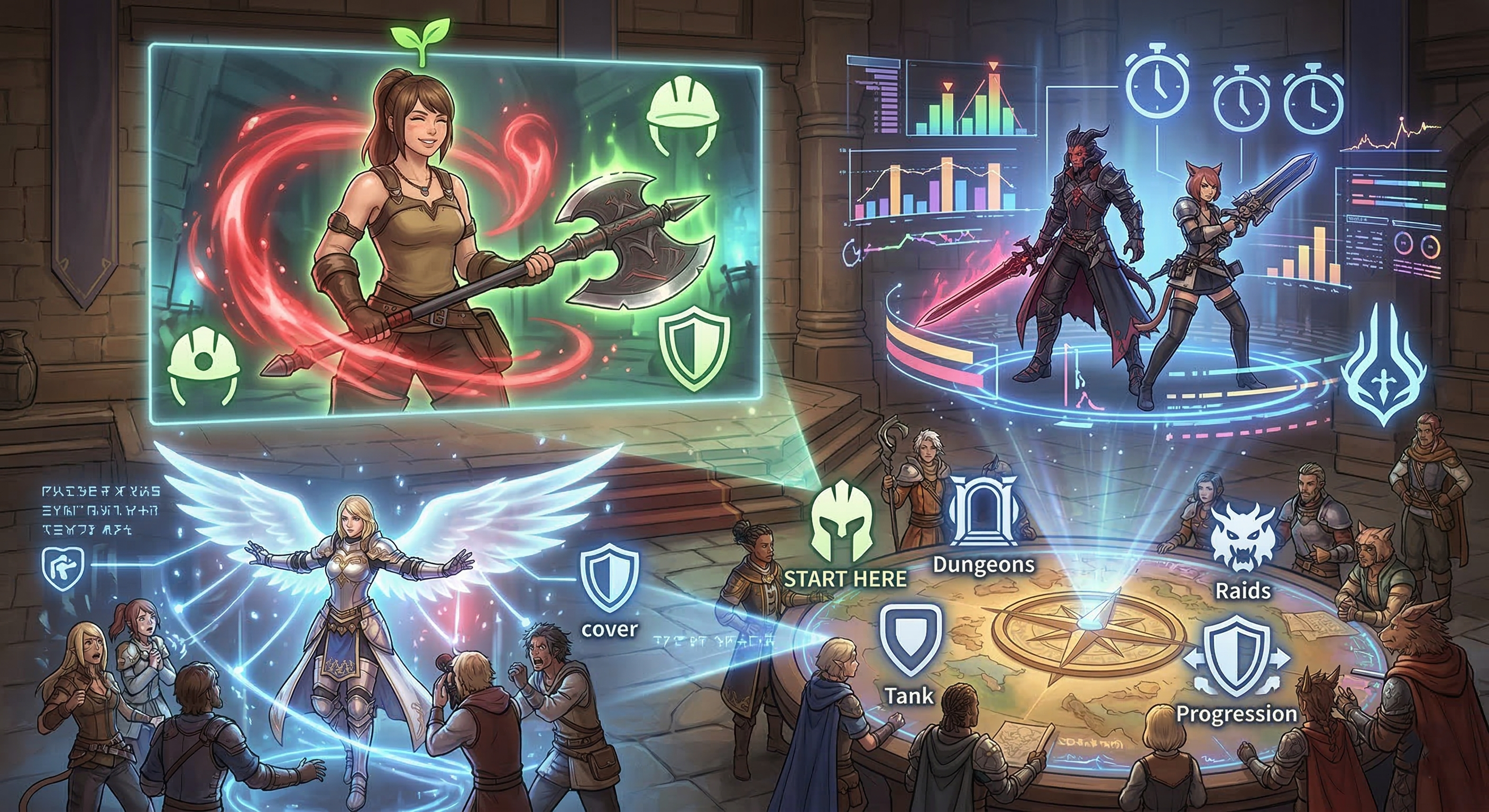
This is the fast-answer section for players who already know what they want. Use it as the short version, then read the job breakdown if you want the logic behind it.
Best Tank For Beginners
A new tank usually needs three things: clear buttons, simple pacing, and a way to survive small mistakes. Warrior does all three better than the field.
Between Bloodwhetting’s healing-plus-mitigation package and Holmgang’s don’t die yet safety valve, Warrior gives a learner more room to stabilize a bad pull or a late cooldown.
Best Tank For Dungeons And Roulettes
Dungeon pulls reward self-sustain more than elegant raid theory. A healer who is juggling movement, damage, and a giant pull notices immediately when the tank can patch their own health bar.
Warrior’s official tools still make it the easiest recommendation for roulettes, expert dungeons, and general comfort play.
Best Tank For Savage And Ultimate Optimization
Dark Knight or Gunbreaker. When the question becomes pure raid optimization, the conversation shifts toward damage windows and precision.
Archon’s current Dawntrail tank pageis built from recent 7.4 standard-comp parses, and FF Logs remains the underlying combat-analysis ecosystem that those tools are built around.
That does not mean casual players need those jobs, but it does explain why Dark Knight and Gunbreaker stay near the center of high-end throughput talk.
Best Tank For Progression Utility
Paladin.If a group is still learning mechanics, Paladin’s utility is unusually easy to feel. Passage of Arms protects allies standing behind you, Cover can redirect damage for a teammate in range, and Hallowed Ground remains one of the cleanest panic buttons in the role.
Best All-around Default Pick For Most Players
Warrior.Not because it wins every narrow metric, but because it loses the fewest real-life arguments. It is easy to start, strong in dungeons, calm to pilot, and never feels like a mistake. That makes it the safest one-line answer for most readers.
| Your priority | Best tank pick |
| Easiest first tank | Warrior |
| Strongest dungeon comfort | Warrior |
| Progression utility | Paladin |
| Optimization-minded raid play | Dark Knight or Gunbreaker |
| Aggressive, busy playstyle | Gunbreaker |
That table works because the jobs are not interchangeable in feel, even when all four can clear content. The next section breaks down exactly why each one lands where it does.
Warrior, Paladin, Dark Knight, And Gunbreaker Ranked And Explained
You now have the headline verdicts. Here is the job-by-job explanation that makes those verdicts useful instead of vague.
Warrior

Warrior is the easiest job to recommend broadly because its strengths are obvious in actual play, not just on paper.
Why Does Warrior Rank So Highly For Beginners And Dungeons
A first-time tank in Brayflox, Holminster, or an expert roulette does not need a fancy damage identity.
That player needs to stay upright, keep packs controlled, and recover from imperfect pulls. Bloodwhetting’s official effect bundle is exactly the sort of tool that makes Warrior feel forgiving: damage reduction, healing on weaponskills, and a barrier effect on a short timer. Holmgang adds another safety layer when things go sideways.
Where Warrior Falls Behind In Raid Optimization
Warrior is not weak. It just does not have the same optimization-first aura that pushes Dark Knight and Gunbreaker into more throughput-centered conversations.
In practical terms, Warrior is the tank most likely to feel amazing in ordinary content and merely very good in high-end min-max talk.
Best Fit Player Profile
A player who wants the least stressful route into tanking usually ends up happiest on Warrior. Picture a new tank learning boss positioning while still glancing down at cooldowns; Warrior gives that player the most breathing room.
Warrior sets the baseline for comfort, which makes Paladin the most interesting contrast.
Paladin
Paladin is the tank that flat lists undersell most often. It does not always win the loudest damage conversation, but it keeps showing up wherever utility and control matter.
Why Paladin Ranks So Highly For Beginners And Dungeons
Paladin is not as forgiving as Warrior in raw self-sustain terms, but it is still approachable because its identity is legible.
The job’s defensive utility is visible and intuitive:Hallowed Ground buys total breathing room for ten seconds, Passage of Arms protects allies positioned behind you, and Cover can take damage for another player. That toolkit teaches good tank instincts because it rewards awareness, not panic.
Where Paladin Falls Behind In Raid Optimization
Paladin can feel less explosive if your only metric is which tank makes the optimizer smile first. That is why flat raid-only rankings sometimes push it down. The mistake is assuming a lower optimization ceiling makes it a weak job. It does not.
Best Fit Player Profile
Paladin fits the player who likes structure, control, and clutch team protection. A raid learner who enjoys saving a pull more than chasing a tiny parse edge often feels immediately at home here.
Paladin proves that utility can matter as much as raw ranking, which leads naturally to Dark Knight.
Dark Knight
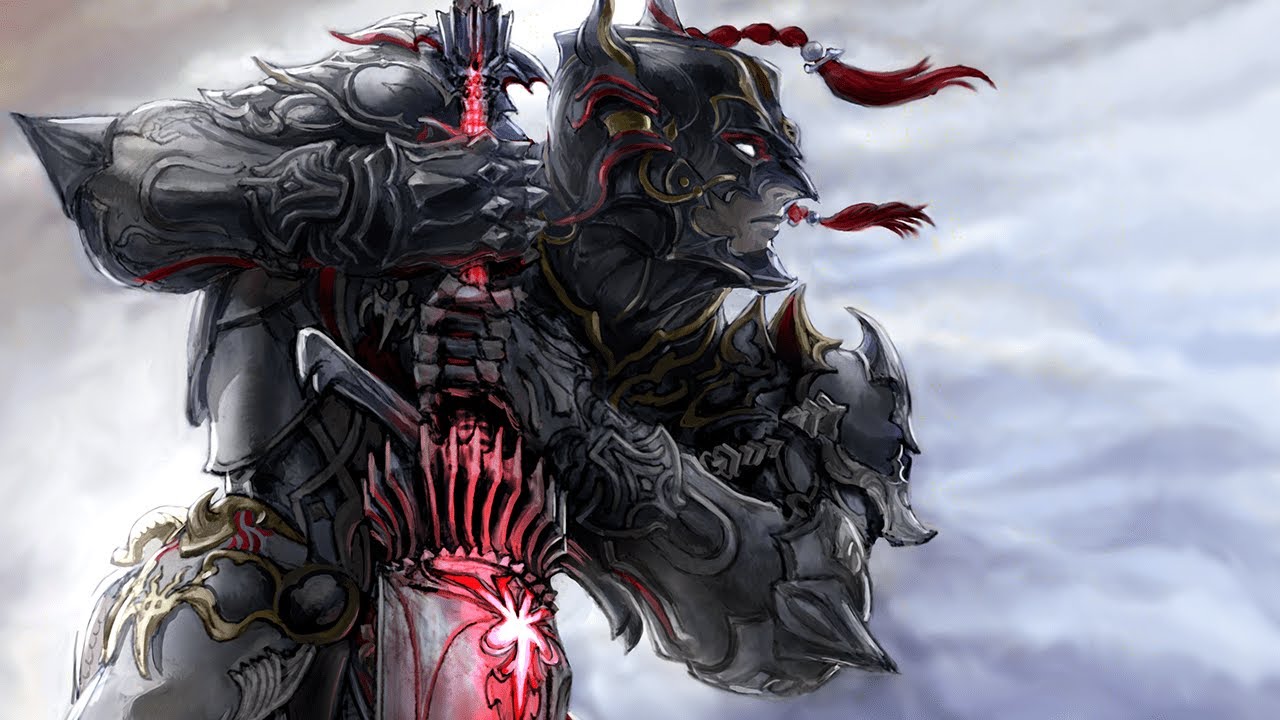
Dark Knight stays attractive because its kit rewards intention. It feels sharp, but it also expects more from the driver.
Why Dark Knight Stays Attractive For High-end Raiding
The Blackest Night is still the action that defines Dark Knight’s reputation. Officially, it creates a substantial barrier on self or a target party member and rewards correct usage with Dark Arts.
That kind of value is exactly why the job stays relevant in serious optimization and mitigation planning.
Why Dark Knight Is Less Forgiving For New Tanks
Dark Knight asks a new tank to time shielding and resources with more purpose. A player who is still learning when damage actually lands may not get the same immediate comfort they would get from Warrior’s simpler recovery pattern. That does not make Dark Knight unfriendly forever; it just makes it a worse first blind pick.
Best Fit Player Profile
Dark Knight suits the player who enjoys sharper decision-making and a more deliberate defensive rhythm.
Picture a raider who likes learning encounter timing and squeezing value from precise shields-that is where Dark Knight starts to feel special.
Dark Knight is the clean bridge into Gunbreaker, the other job that attracts players who enjoy a more aggressive tank tempo.
Gunbreaker
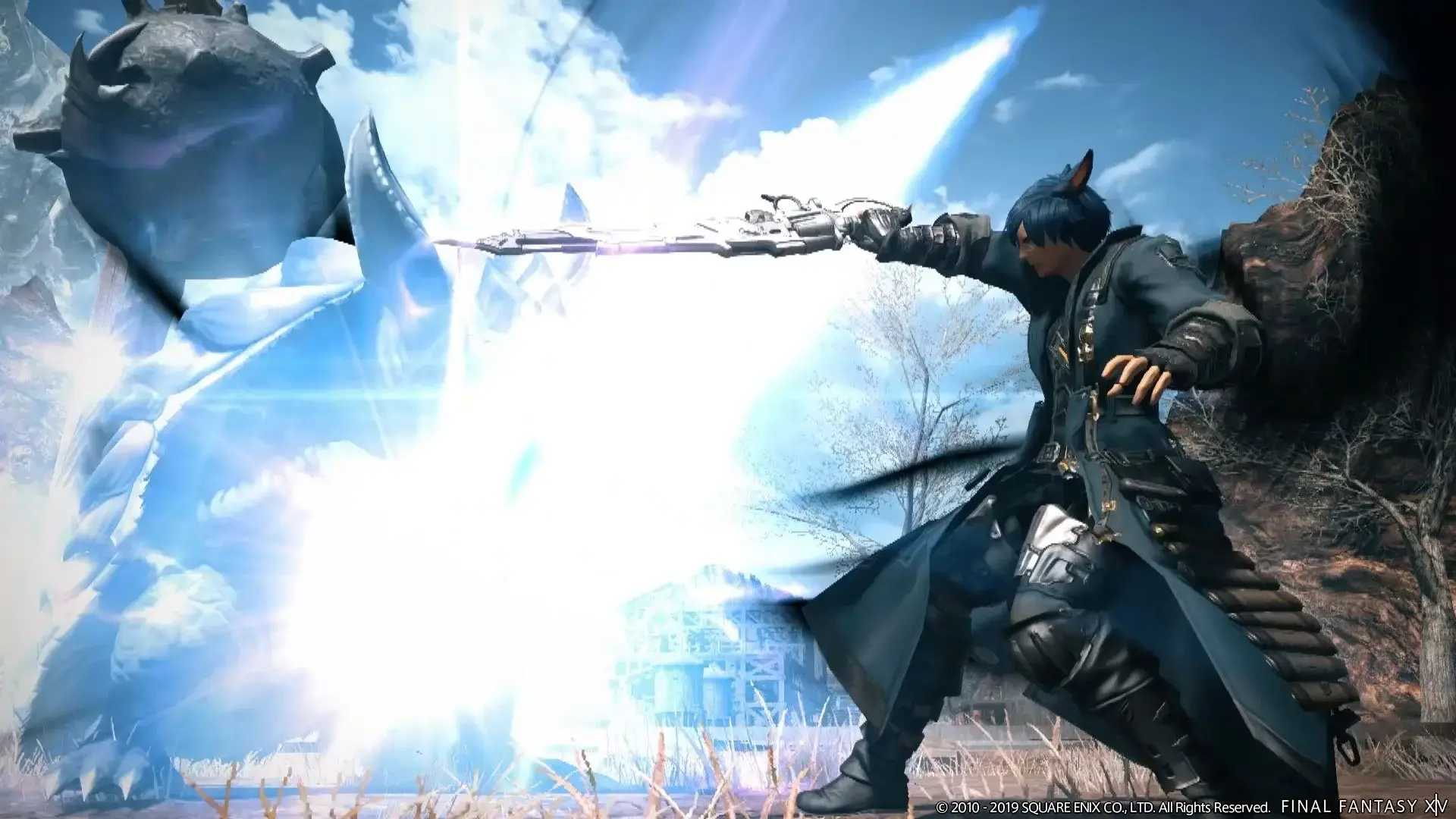
Gunbreaker is the tank for players who want their defensive role to still feel fast and assertive.
Why Gunbreaker Appeals To Optimization-minded Players
Gunbreaker’s official kit tells the story quickly. No Mercy is a clear damage amplifier with a distinct burst window, and Heart of Corundum gives it a strong modern defensive tool with layered mitigation and recovery.
That pairing is why Gunbreaker attracts players who want a tank that feels proactive on both offense and defense.
Why Gunbreaker Feels Busier Than Warrior Or Paladin
Gunbreaker is rarely hard in the sense of being inaccessible. It is hard in the sense that it asks for more button discipline and cleaner sequencing.
A player can absolutely learn it first, but the job feels better when the pilot already enjoys juggling more moving parts.
Best Fit Player Profile
Gunbreaker fits the player who wants tanking to feel almost like an offensive job with responsibilities. A returning player bored by slower pacing often lands here and stays.
Now that the job identities are clear, the next question is why rankings seem to change every time the content type changes.
The Invulnerability Table
Comparing Tank Invulnerabilities (Ultimate Cooldowns)
| Job & Ability | Mechanics & Strategic Value |
| Paladin(Hallowed Ground) | True invincibility. You take zero damage for 10 seconds. It is the ultimate panic button, but comes with the longest cooldown timer in the game. |
| Warrior(Holmgang) | Unkillable. Your HP cannot drop below 1 for 10 seconds. It has the shortest cooldown, making it incredibly abusable for taking multiple tankbusters in Savage raids. |
| Gunbreaker(Superbolide) | High risk, high reward. Instantly drops your HP to 1, but grants true invincibility for 10 seconds. Requires your healer to pay attention so they don't waste heals right before you use it. |
| Dark Knight(Living Dead) | The Zombie state. If you take lethal damage, you drop to 1 HP and become Walking Dead for 10 seconds. You must heal yourself to full by attacking, or you instantly die. Incredibly strong in dungeons. |
Why Tank Rankings Change Between Leveling, Dungeons, And Endgame
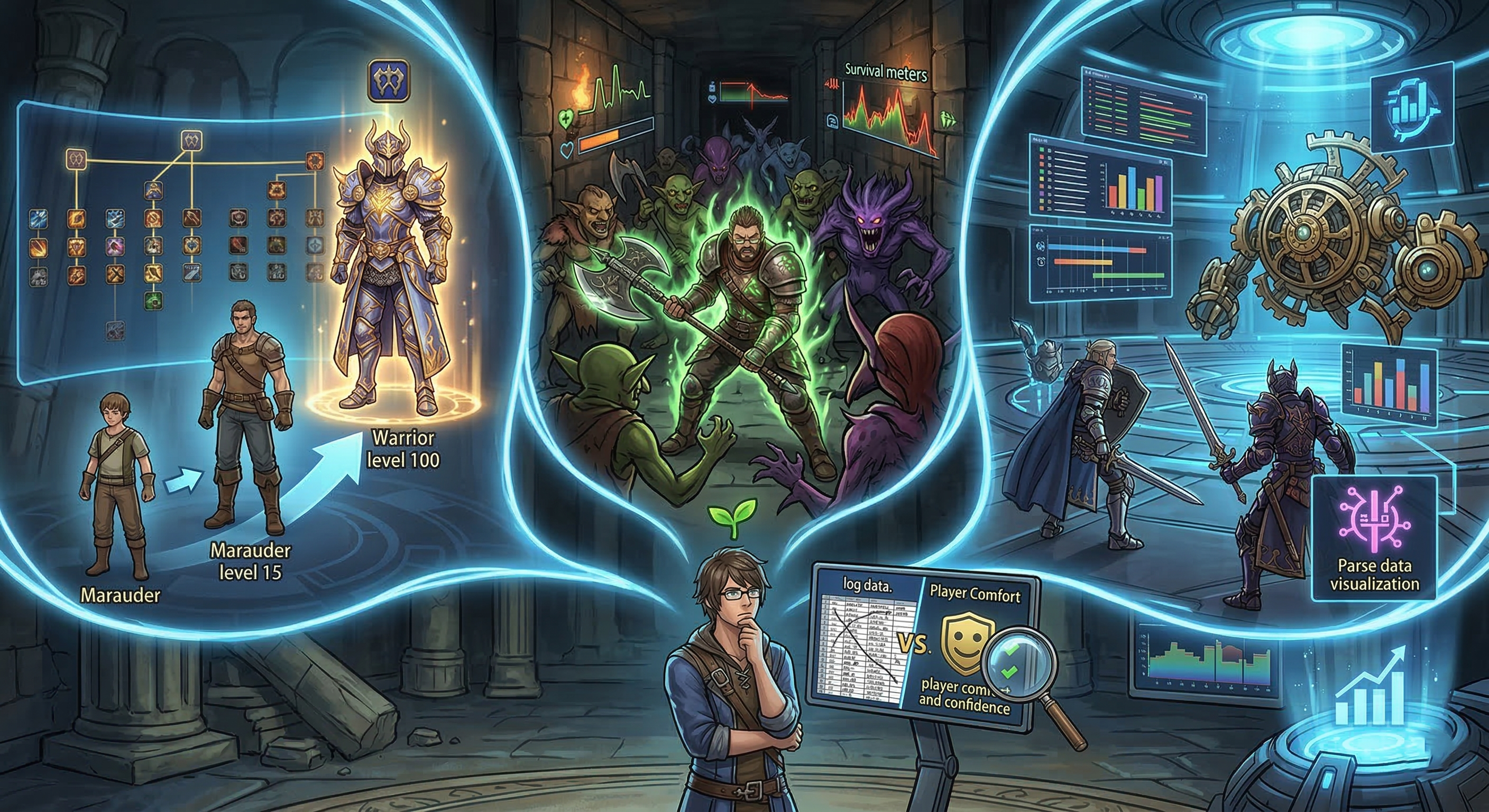
This is where most ranking pages go thin. The answer is not random balance noise; it is that the game asks different things of tanks in different environments.
Low-level Tanking Feels Flatter Than Level 100 Tanking
Square Enix’s current job pages are explicitly built around level 100 action sets. That means many of the job-defining arguments people use in endgame discussions do not exist yet for a low-level sprout.
A tank that feels plain early can still become excellent later, and a tank that feels simple early can remain valuable all the way through endgame.
Dungeons Reward Self-sustain More Than Raid Burst.
In a dungeon, the tank is often making repeated, messy survival checks. Warrior’s kit shines there because the job can heal, reduce damage, and steady itself without asking the healer to solve every problem alone.
Raid burst windows matter less when the bigger issue is simply making a giant pull feel safe.
Savage And Ultimate Reward Tighter Damage And Mitigation Alignment
Recent raid tools do not try to answer What should a new player enjoy most? They answer, What happened in recent optimized clears?
Archon’s current tank rankings are explicitly built from recent standard-comp data over the last 14 days, and FF Logs exists to analyze uploaded combat performance.
That is useful information, but it is a narrower question than most searchers think they are asking.
Why Player Comfort Still Beats Tiny Meta Gaps
A comfortable Paladin or Warrior will outperform an uncomfortable Dark Knight or Gunbreaker in the hands of most real players.
Tiny meta edges matter most when execution is already clean. For everyone else, confidence is still a bigger multiplier than theory.
Expert’s Take: I would never hand a fresh tank a raid-log snapshot and call that beginner advice. Log data answers an optimization question. A first tank pick is a comfort question.
That distinction is the whole reason the next section matters more than any single letter grade.
Which FFXIV Tank Should You Actually Play
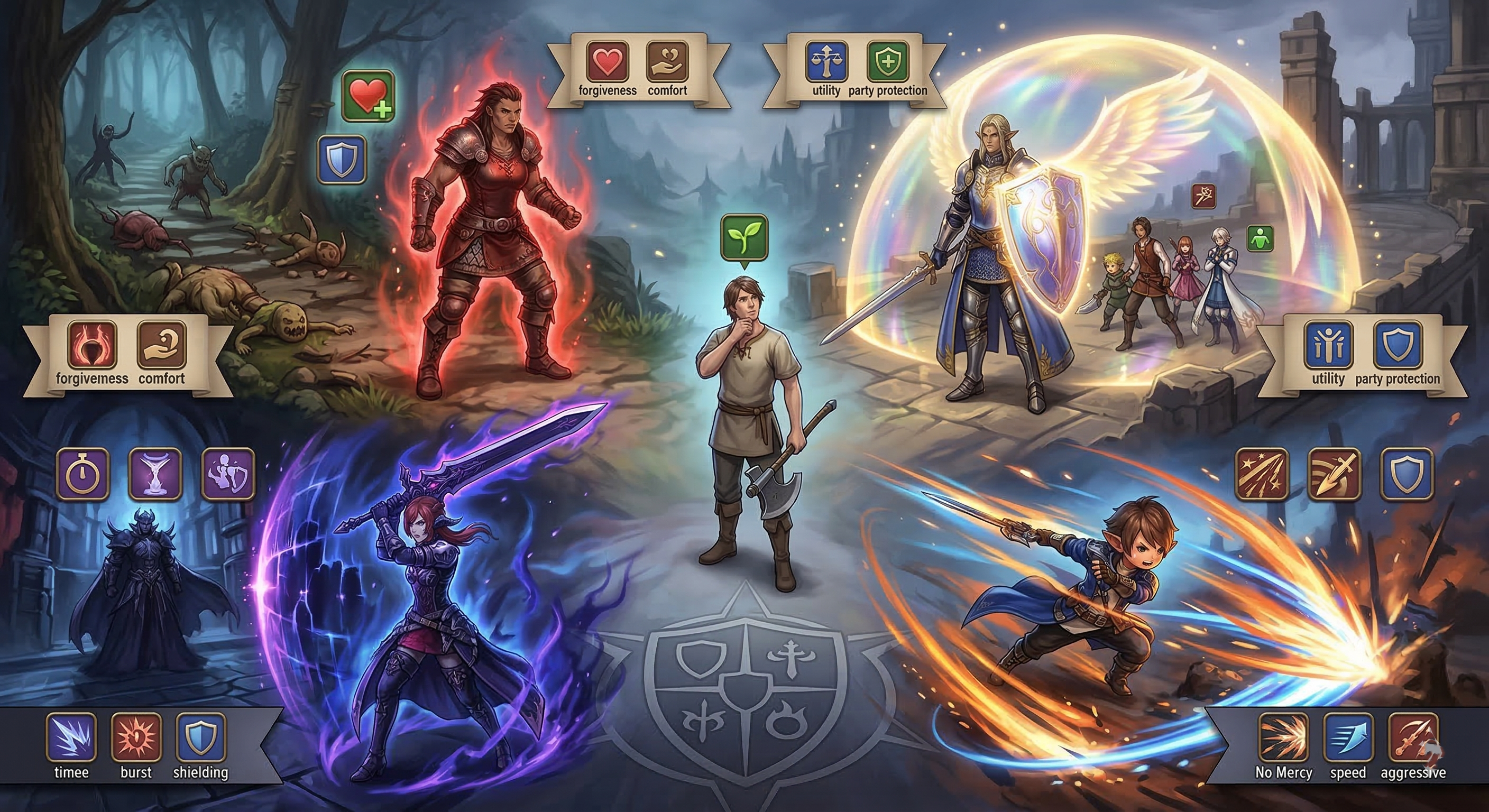
You have the rankings. This section turns them into an honest recommendation instead of leaving you stuck between four viable options.
Pick Warrior If You Want The Easiest Start
Choose Warrior if you want the least friction. A sprout entering the first dozen dungeons usually benefits more from forgiveness than from nuance, and Warrior’s official self-sustain kit makes that learning curve feel gentler.
Pick Paladin If You Want Control And Utility
Choose Paladin if you like feeling responsible for the group’s stability. A player who enjoys reading the room, protecting allies, and having obvious save this pull buttons will usually find Paladin more satisfying than a flat tier list suggests.
Pick Dark Knight If You Want High-end Burst And Shielding
Choose Dark Knight if you enjoy deliberate timing and a stronger shield identity. A player who likes planning damage intake and turning that planning into value through The Blackest Night often finds Dark Knight more rewarding over time than it first appears.
Pick Gunbreaker If You Want The Most Aggressive Tank Feel
Choose Gunbreaker if you want tanking to feel fast, active, and a little hungrier. No Mercy and Heart of Corundum give it that mix of offensive tempo and modern defensive confidence that appeals to optimization-minded players.
If You Still Can’t Decide, Use This 30-second Checklist
- Pick Warrior if your priority is comfort.
- Pick Paladin if you like visible utility and party protection.
- Pick Dark Knight if shielding and precise timing sound fun.
- Pick Gunbreaker if you want the busiest, most aggressive rhythm.
- If two jobs still sound good, start with the easier one and swap later.
That last point matters because FFXIV’s Armoury System is built around changing classes and jobs by changing what you equip. You are not marrying one tank forever.
Beginner Reality Check Before You Choose A Tank
This section clears away the beginner worries that make the best tank feel more intimidating than it needs to be.
Which Tanks Start At Level 1, And Which Unlock Later
Two of the four tanks are natural early-start paths, while the other two are later unlocks. If you want the smoothest first-tank experience, that matters more than most tier lists admit.
| Tank | Starting path |
| Paladin | Starts from Gladiator |
| Warrior | Starts from Marauder |
| Dark Knight | Later unlock in Ishgard |
| Gunbreaker | Later unlock at level 60 through The Makings of a Gunbreaker |
That is one more reason Warrior and Paladin are easier to recommend to brand-new players: you can grow into the tank role with them from the start, while Dark Knight and Gunbreaker enter the picture later.
Is Playing Tank Actually Hard In FFXIV
Not in the way new players fear. Tanking is mostly about calm positioning, sensible mitigation, and keeping enemies pointed where they should be.
Square Enix’s own role description is straightforward:tanks keep a foe’s attention and bear the brunt of incoming attacks.
Why Your First 20 Levels Matter Less Than Your Long-term Preference
A low-level first impression can be misleading because the official job pages are built around full level 100 kits. If a job fantasy grabs you, that matters. Early smoothness helps, but long-term enjoyment is still the better tiebreaker.
Also Check Out: Final Fantasy XIV Job Tier List
Frequently Asked Questions
What Is The Best Tank In FF14?
There is no universal best tank. Warrior is the best default pick for most players, but Paladin, Dark Knight, and Gunbreaker can be the better answer when your goal changes.
What Is The Best Tank To Start With In FFXIV?
Warrior is the safest first tank because it is forgiving, simple to read, and backed by strong self-sustain tools like Bloodwhetting.
What Is The Easiest Tank In FFXIV?
Warrior is generally the easiest tank to learn because its core loop is straightforward and its recovery tools are unusually generous.
Which Tank Does The Most DPS In FFXIV?
In optimized raid discussion, Dark Knight and Gunbreaker stay closest to the center of throughput-focused conversation, especially on current data-driven raid tools.
Which Tank Is Best For Dungeons?
Warrior is usually the strongest dungeon comfort pick because its toolkit lets it heal and stabilize itself during large pulls.
Which Tank Is Best For Savage Raids?
For strict optimization, Dark Knight and Gunbreaker are the usual answers. For progression value and utility, Paladin deserves a longer look than flat raid lists often give it.
Is Warrior Still Good In Dawntrail?
Yes. Warrior remains excellent for beginners and dungeon-heavy play, and nothing in the current official job context changes that recommendation.
Is Paladin A Good Tank In FFXIV?
Yes. Paladin is fully viable and especially attractive for players who value utility, progression tools, and visible party protection.
Is Dark Knight Hard To Play?
It is harder for new tanks than Warrior because proper value from The Blackest Night depends more on timing and encounter awareness.
Is Gunbreaker Harder Than Warrior?
Yes, for most players. Gunbreaker usually feels busier because its damage window and button cadence ask for cleaner sequencing than Warrior does.
Are All Tanks Viable In FFXIV?
Yes. The real difference is not basic viability, but which tank feels best for your content and comfort level. Square Enix still presents all four as full tank jobs within the same role.
Can You Switch Tanks On One Character In FFXIV?
Yes. FFXIV’s Armoury System is built around changing classes by changing your equipped weapon, so one character is not locked into one combat path.
Which Tank Starts At Level 1?
Paladin and Warrior are the early-start tank routes because they branch from Gladiator and Marauder. Gunbreaker is a later unlock.
What Is The Most-played Tank In FFXIV?
Popularity changes by patch, content type, and community mood, so it is better to choose based on fit than on any single popularity snapshot. Current raid tools are more useful for optimization than for measuring universal popularity.
Is Playing Tank Hard In FFXIV?
No, not in the dramatic way people imagine. The role is more about steadiness than complexity, especially once you understand positioning and mitigation basics.
Conclusion
You should leave this page with one honest answer and one smarter answer. The honest answer is Warrior.
It is the easiest tank to recommend without qualification because it smooths out the parts of tanking that scare newer players and still feels excellent in everyday content.
The smarter answer is to choose the job that matches the kind of tanking you actually want to do. Paladin rewards control and utility.
Dark Knight rewards precise shielding and high-end intent. Gunbreaker rewards players who want tanking to feel faster and more aggressive. If none of that sounds clearer than best tank, start with Warrior, learn the role, and then switch when your taste gets sharper.
Jump to
FFXIV Tank Tier List For Beginners, Dungeons, And Raids
How To Use This FFXIV Tank Tier List Without Getting Misled
FFXIV Tank Tier List Quick Rankings By Player Goal
Warrior, Paladin, Dark Knight, And Gunbreaker Ranked And Explained
Why Tank Rankings Change Between Leveling, Dungeons, And Endgame
Which FFXIV Tank Should You Actually Play
Beginner Reality Check Before You Choose A Tank
Frequently Asked Questions
Conclusion
Latest Articles
Popular Articles