Grow A Garden: Best Pets To Reduce Cooldowns By Build
Grow a Garden: best pets to reduce cooldowns ranked S-D. Compare Queen Bee, Peacock, Wasp, and Kiwi variants by build and role.
Mar 16, 202614.2K Shares269.2K Views
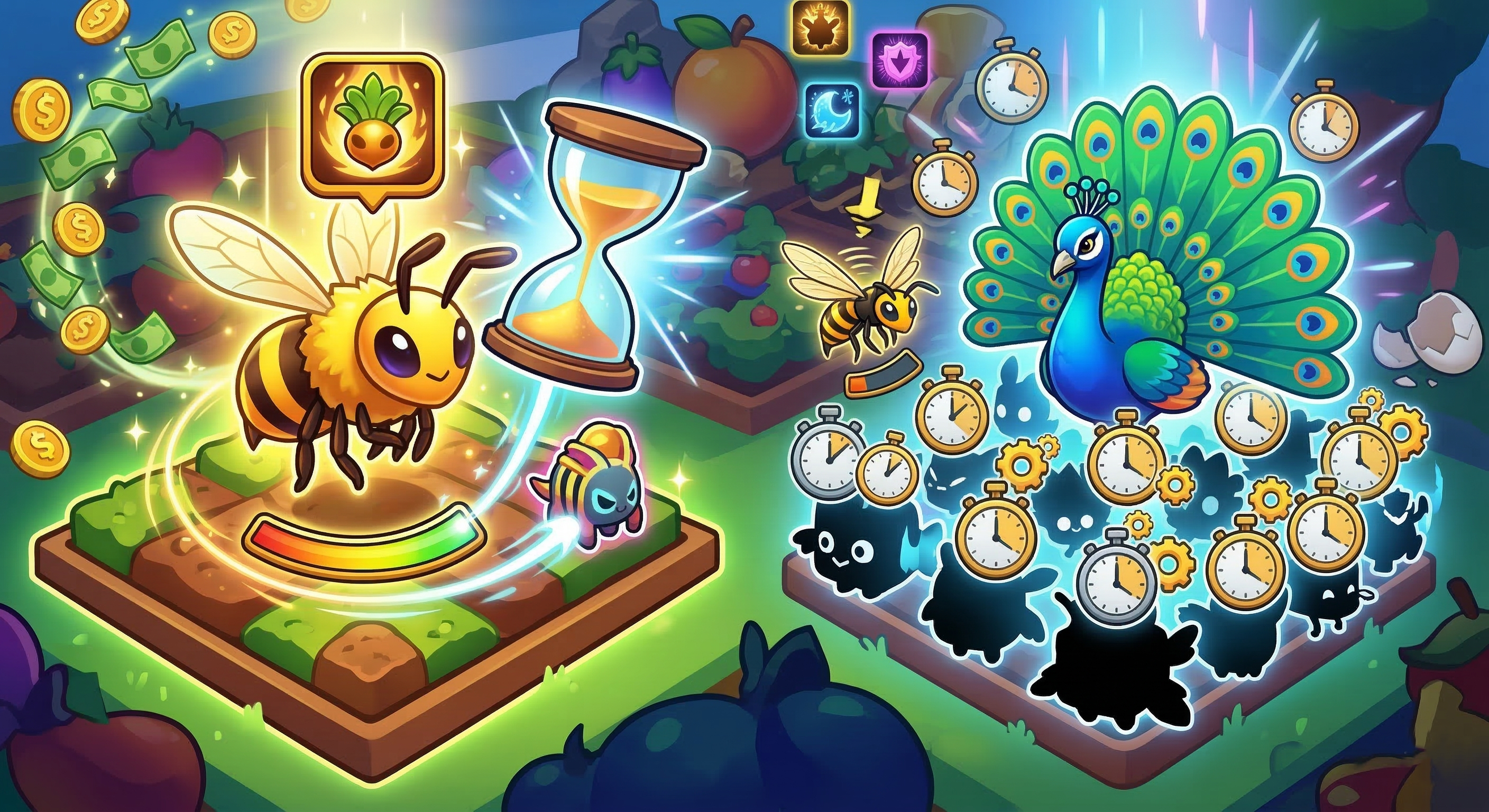
Grow A Garden: Best Pets To Reduce Cooldowns By Goal And Loadout
Most players searching for this phrase are not asking for another giant pet tier list. They are trying to answer one practical question: which pet should take a precious slot if the goal is getting important abilities back faster?
That is where broad rankings usually fail. They mix true cooldown support, full refresh effects, and egg hatch-time helpers, even though those solve different problems.
The live Grow a Garden ecosystemalso changes through events, so the safest way to build around cooldowns is to focus on each pet’s job first, not just its rarity.
The game itself is live on Roblox, and the pet system is a core feature; for specific pet traits, the clearest public documentation currently comes from the community-maintained Grow a Garden Wiki.
Quick Answer For Players Who Just Need The Best Pick
This section is here for the player who wants the answer fast. The short version is simple: pick the pet that matches your bottleneck, because the best cooldown pet for one carry build is not always the best cooldown pet for a clustered team.
Key Takeaways
- Queen Bee is the best pure single-target cooldown pet because it refreshes the pet with the highest cooldown instead of shaving off a smaller chunk.
- Peacock is the best multi-pet cooldown option when your important pets stay close together.
- Wasp is the most practical entry-level cooldown pick for many accounts because its cooldown support targets the pet with the highest cooldown, and it is documented as obtainable.
- Tarantula Hawk is the stronger Wasp-style upgrade when you want bigger cooldown reduction plus extra upside.
- Kiwi, Blood Kiwi, and Summer Kiwi are not regular cooldown pets. They reduce egg hatch time, which is useful, but it solves a different problem.
| Pet | Best for |
| Queen Bee | One high-impact carry pet |
| Peacock | Clustered teams with several valuable passives |
| Wasp | Budget-friendly cooldown support |
| Tarantula Hawk | Better Wasp-style upgrade |
| Lion | Wide team support across multiple pets |
| Griffin | Niche cyclone-based multi-hit support |
| Kiwi variants | Egg hatching, not regular ability cooldowns |
The role assignments above are based on each pet’s documented live trait descriptions, not on generic popularity.
How Cooldown Mechanics Actually Work In Grow A Garden
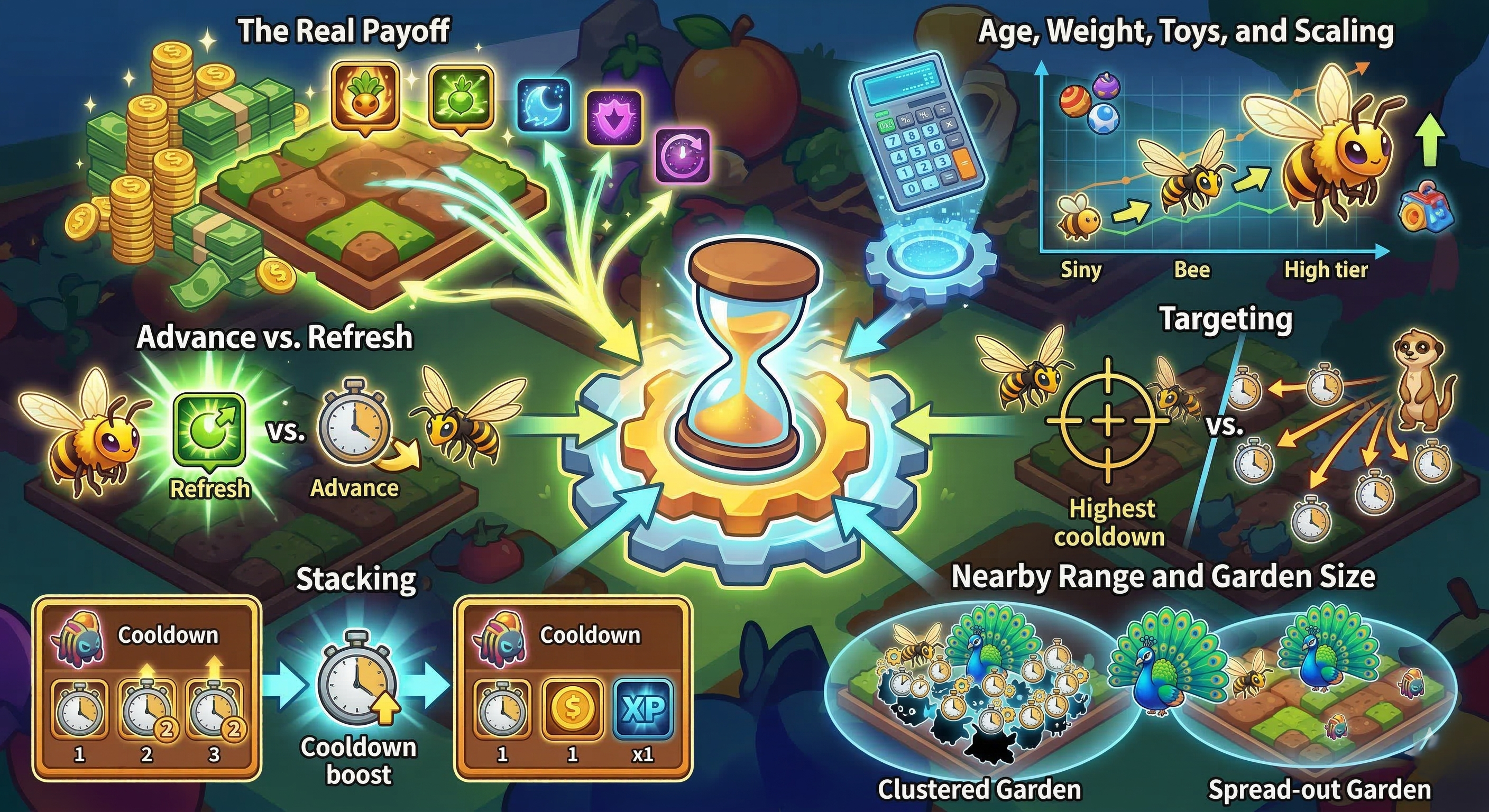
A smart pick depends on mechanics, not just names. This section turns the pet list into a system you can reason through.
The Real Payoff
Why Cooldowns Matter:Why dedicate a precious pet slot purely to cooldown reduction instead of a flat coin multiplier?n Because in Grow a Garden, your economy scales directly with your active abilities.
Getting a top-tier pet's instant-harvest, massive area-of-effect watering, or huge coin-multiplier ability back 60 to 80 seconds.
Faster doesn't just save a little time-it mathematically compounds into millions of extra coins and rapid plot expansions over a single active farming session.
You aren't just reducing a timer; you are multiplying your overall yield.
Advance Vs Refresh
A refresh is usually stronger than an advance because it gives the full ability back at once. That is why Queen Beeis so valuable in single-target setups. Advances can still win, though, when they hit several important pets or proc more often across your build.
Highest-cooldown Targeting Vs Random Targeting
Targeting rules matter more than most tier listsadmit. Wasp and Queen Bee both lean toward the highest-cooldown pet, which makes them easier to build around.
Meerkat, Griffin, and some hybrid pets can create value in less predictable ways, but that also makes their output less focused.
Nearby Range, Shared Value, And Garden Size
Peacock, Lion, and similar pets gain or lose value based on positioning. A tight garden cluster makes area-style support much better.
A spread-out garden weakens it. In practice, that means some players under-rate Peacock simply because their layout prevents it from showing its ceiling.
Stacking Multiple Cooldown Pets
The general pet system allows duplicate pets to stack abilities, and players start with three equip slots with up to five more unlockable.
That means stacking is possible, but it is not automatically optimal. Two mediocre cooldown pets can still be worse than one elite cooldown pet plus one fruit or XP specialist.
Age, Weight, Toys, And Why Calculators Can Help
The community wiki documents that pet stats improve with weight as pets age, and several pet pages document toy buffs that improve cooldown-related effects. That means the same pet can feel average at one stage and strong later.
Community calculators can help estimate that scaling, but they should be treated as planning tools, not as a first-party authority.
Other Cooldown-related Pets Worth Knowing
Two more pets are worth mentioning, even though I would not build the main tier list around them.
Peach Wasp

Peach Wasp is a real cooldown-related pet, but it is more of an honourable mention than a core recommendation.
Its Peach Stingertrait stings a random pet and advances that pet’s ability cooldown by 60 to 120 seconds, while its other trait applies the Plasma mutation to nearby fruit.
That makes it a hybrid pet with real cooldown value, not just a mutation pet with a tiny side effect.
The reason I would not move Peach Wasp into the main S-to-D core is consistency. Its cooldown help goes to a random pet, which makes it harder to plan around than Queen Bee, Peacock, Wasp, or Tarantula Hawk.
It is also currently marked as not obtainable and was tied to the Admin Abuse War, so for most readers, it is more useful as background knowledge than as a realistic chase target.
If you already own Peach Wasp, it can absolutely contribute to a cooldown-focused setup. I just would not tell a player searching for the best pets to reduce cooldowns to prioritise it over the cleaner, more controllable options above. That is why it belongs in the worth knowing category instead of the main top tiers.
Tanuki
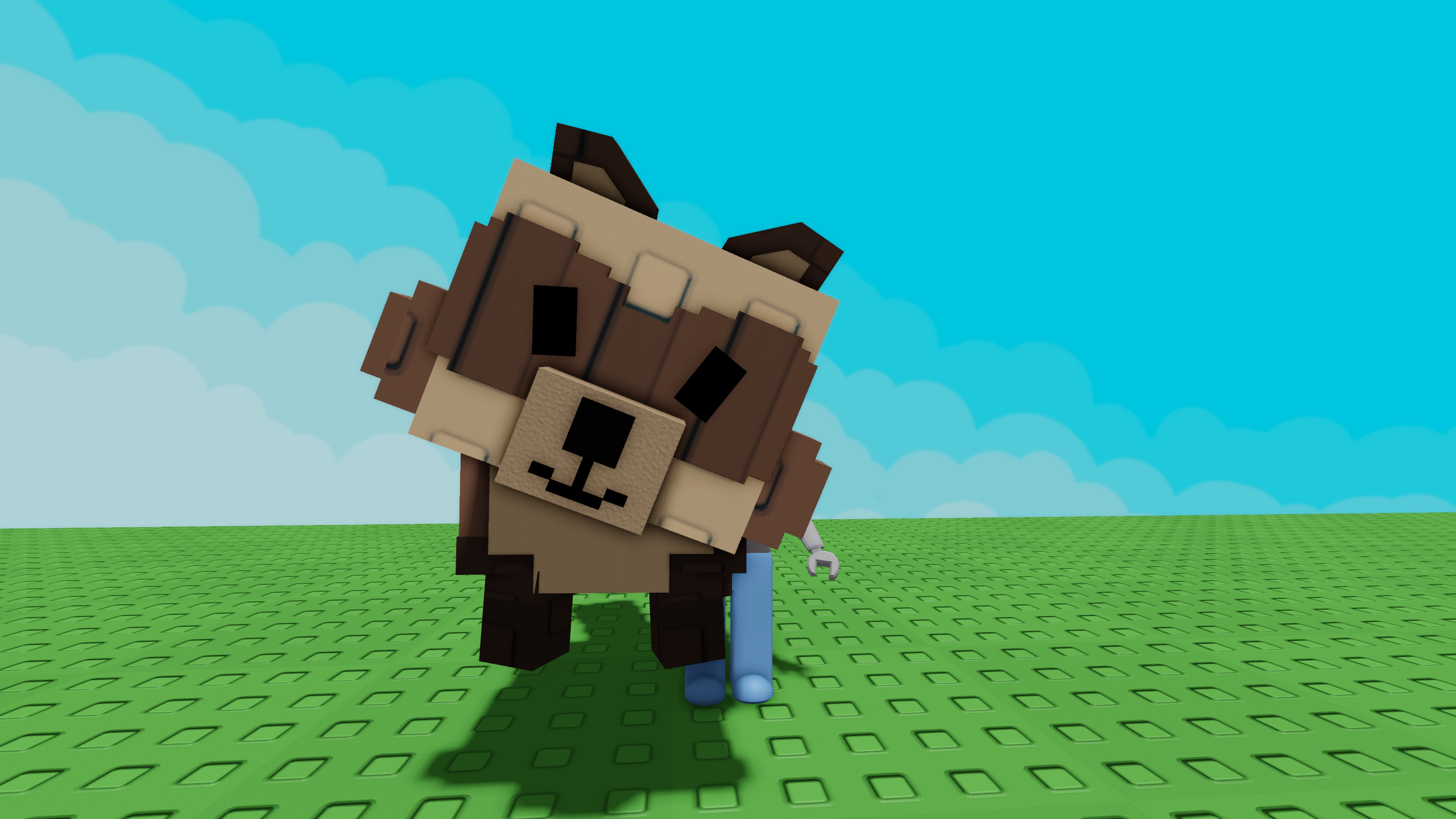
Tanuki is another cooldown-related pet that deserves a quick mention, but not a high ranking in a cooldown-only article.
Its Mischief trait can trigger several different effects, and one of those outcomes advances a random pet’s cooldown by 60 seconds.
The catch is that cooldown reduction is only one possible result among several other actions, including mutations, experience, and Sheckles.
That randomness is exactly why Tanuki stays outside the main tier core for me. A pet that sometimes advances a random cooldown is useful, but it is much harder to trust than pets built specifically around cooldown support.
The upside is that Tanuki is currently marked obtainable from the Zen Egg with a 20.82% hatch chance, so it is more realistic to own than some event-locked or unobtainable alternatives.
In other words, Tanuki is a nice bonus pet if you already like its wider utility package. It is just not the kind of pet I would recommend when a player wants a slot dedicated mainly to getting important abilities back faster.
The lesson here is that the best cooldown pet is partly a roster question and partly a layout question.
Important Limitations And Exclusions
Before the tier list, it helps to be clear about what these rankings do not mean. Cooldown pets are strong, but they are not universal answers, and some of the best-known options come with real limits.
Queen Bee Does Not Refresh Everything
Queen Bee is still the best single-target cooldown pet, but it has hard exclusions. The Grow a Garden Wiki notes that Queen Bee cannot refresh cooldowns on Hydra, Green Bean, Chinchilla, Rhino, Elephant, Red Panda, Arctic Fox, and French Fry Ferret.
That means its value depends not just on how strong refresh is, but on whether your actual carry pet is eligible for that refresh in the first place.
There is one more nuance advanced players should know:Queen Bee can refresh another Queen Bee, which creates the possibility of a chain value if nothing with a higher cooldown interrupts that loop.
That is powerful, but it also means Queen Bee gets even better in some specialised builds than a basic tier list would suggest.
Peacock Is Powerful, But Layout-dependent
Peacock is elite only when your positioning supports it. Its cooldown value depends on nearby pets, so a spread-out garden can make it look much weaker than it really is.
The Peacock page also documents a 15-second minimum cooldown floor, which means there is a cap on how much benefit it can squeeze from already-short timers.
That is why Peacock should be treated as a layout pet, not a universal pet. In a compact passive engine, it can be amazing. In a messy or spread-out setup, the same pet can feel merely good instead of truly best-in-slot.
This is one of the biggest reasons cooldown rankings often confuse people: the same pet can perform very differently depending on spacing.
Random-target Cooldown Pets Have Lower Planning Value
Pets like Peach Wasp, Tanuki, Griffin, and some hybrid cooldown entries can absolutely help with cooldown pressure, but they are harder to build around because their value is more random.
Peach Wasp stings a random pet, and Tanuki only advances cooldown as one possible Mischief outcome. That makes them useful, but less reliable than pets that consistently support the highest-cooldown target or a fixed nearby cluster.
This matters because players searching this keyword usually want the best slot decision, not just a list of every pet that can occasionally affect a timer. Random cooldown help is still a real value. It is just a lower-confidence value.
Hatch-time Pets Are Not Regular Cooldown Pets
This is the biggest exclusion in the whole article. Kiwi, Blood Kiwi, and Summer Kiwi reduce egg hatch time, not regular pet ability cooldowns.
They belong in hatch-focused builds, not in standard cooldown rankings for pet abilities. Keeping that line clear is one of the easiest ways to make this article more useful than broader competitor lists.
If a player’s actual bottleneck is egg turnover, Kiwi variants can be the correct answer. If the bottleneck is getting powerful pet abilities back faster, they belong outside the main cooldown conversation. Those are two different jobs, and mixing them creates bad recommendations.
Obtainability Changes The Real Value Of A Recommendation
A pet can be mechanically excellent and still be a weak recommendation for most readers if it is currently not obtainable, tied to an event, or locked behind a plushie code.
Peach Wasp is currently marked not obtainable, Meerkat is marked not obtainable, and some premium variants are tied to plushie-code redemption rather than normal gameplay acquisition.
That does not make those pets bad. It just means there is a difference between best in theory and best for a player choosing what to chase right now.
Your tier list becomes stronger when readers can see that difference clearly before they start comparing ranks.
S Tier
S Tier is where the best cooldown pets live when you want the strongest return from a limited slot. These are the pets I would prioritise first for serious cooldown builds because they either refresh a key ability outright or create elite cooldown value with very little waste.
Queen Bee

Queen Bee is the best cooldown pet in Grow a Garden when the entire build revolves around one high-impact pet.
Its value comes from For the Queen, which refreshes the pet with the highest cooldown ability instead of just shaving a few seconds off.
In practical terms, that makes it the cleanest answer for single-carry builds, because a full refresh almost always beats a modest advance when one pet matters far more than the rest.
It also scales beautifully with slot pressure. A player with only three slots gets more from one elite reset tool than from several weaker maybe procs.
The only real downside is access: Queen Bee is a divine pet with a 1% chance from the Bee Egg, so it is not the easiest pet to secure.
Peacock
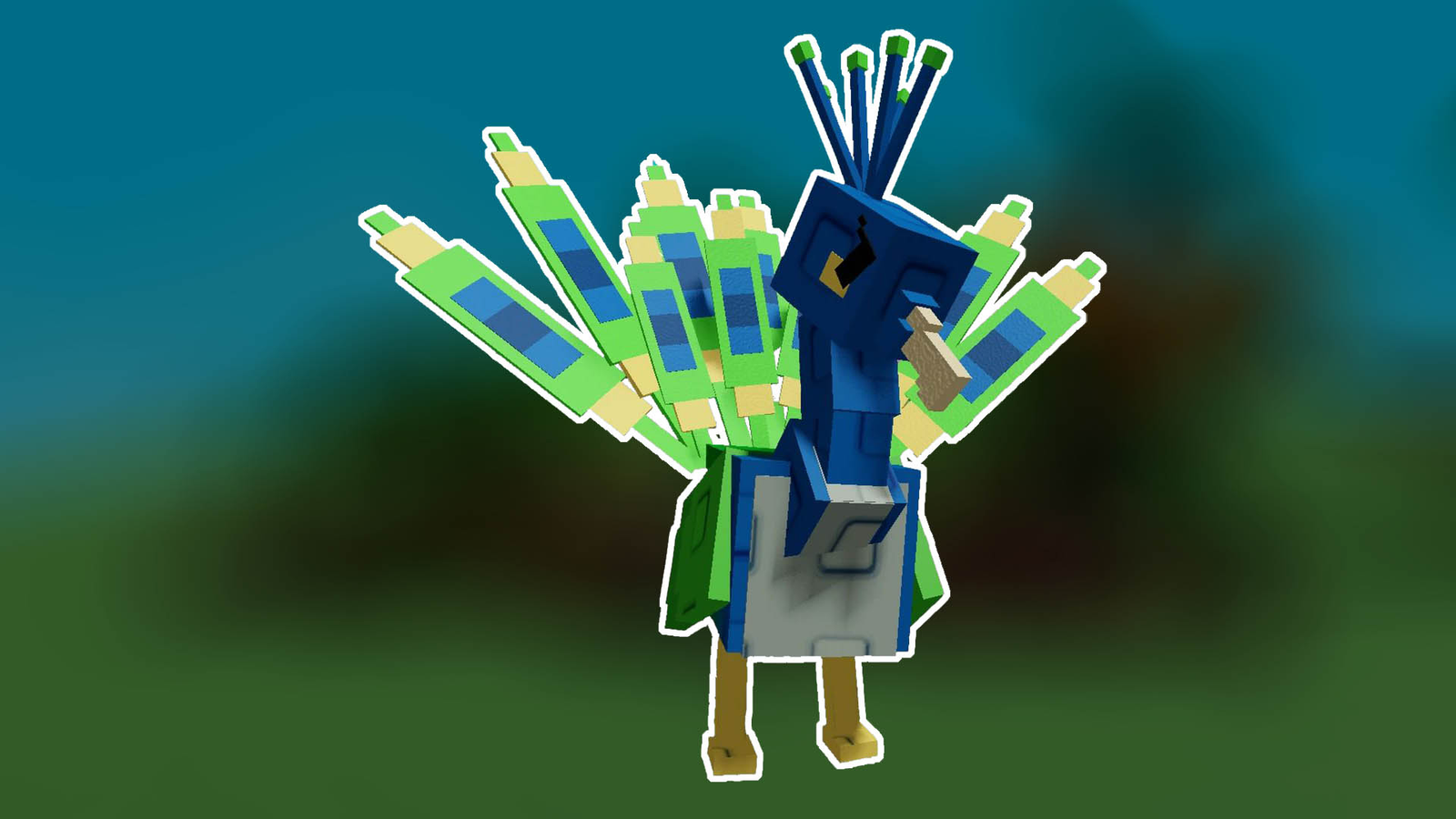
Peacock is the best multi-pet cooldown specialist. Its trait advances nearby pets’ ability cooldowns by about 60 seconds on each proc, which makes it the ideal choice for clustered layouts where several valuable pets sit close together.
If your strongest pets naturally live in one compact area, Peacock can beat more targeted options on total team value even if no single proc feels as explosive as Queen Bee.
Its biggest strength is that it rewards smart positioning. Its biggest weakness is that it can look underwhelming in messy gardens, because the nearby range matters.
Peacock also has a 15-second minimum cooldown floor and does not affect pets whose abilities cannot be refreshed, so it is elite, but not universally plug-and-play.
Tarantula Hawk
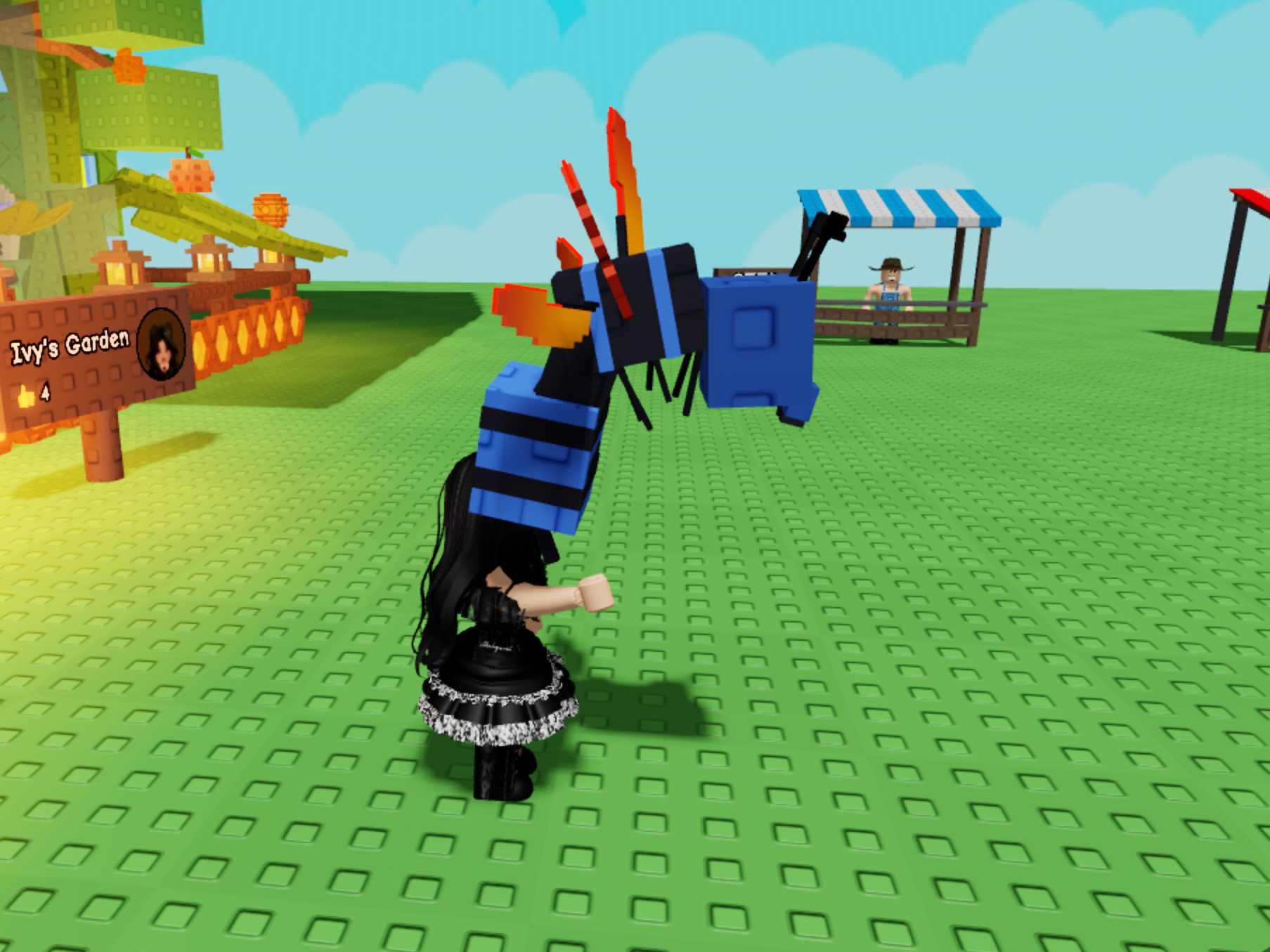
Tarantula Hawk is the best pure cooldown-advance pet that is not Queen Bee or Peacock. The wiki documents it as a stronger version of Wasp, with a shorter sting cooldown and a larger 80-second ability cooldown reduction.
That makes it one of the best pets for players who want focused, repeatable cooldown support without relying on area placement.
What keeps it in S Tier is efficiency. It advances the cooldown of a meaningful target, does it faster than Wasp, and still brings the pollination side trait along for free.
The only reason it does not outrank Queen Bee is simple:refreshing is stronger than advancing, and Peacock can outperform it in dense, clustered builds.
A Tier
Tier A pets are still excellent. They just fall short of S Tier because they are more limited by target selection, spacing, availability, or overall efficiency.
Wasp
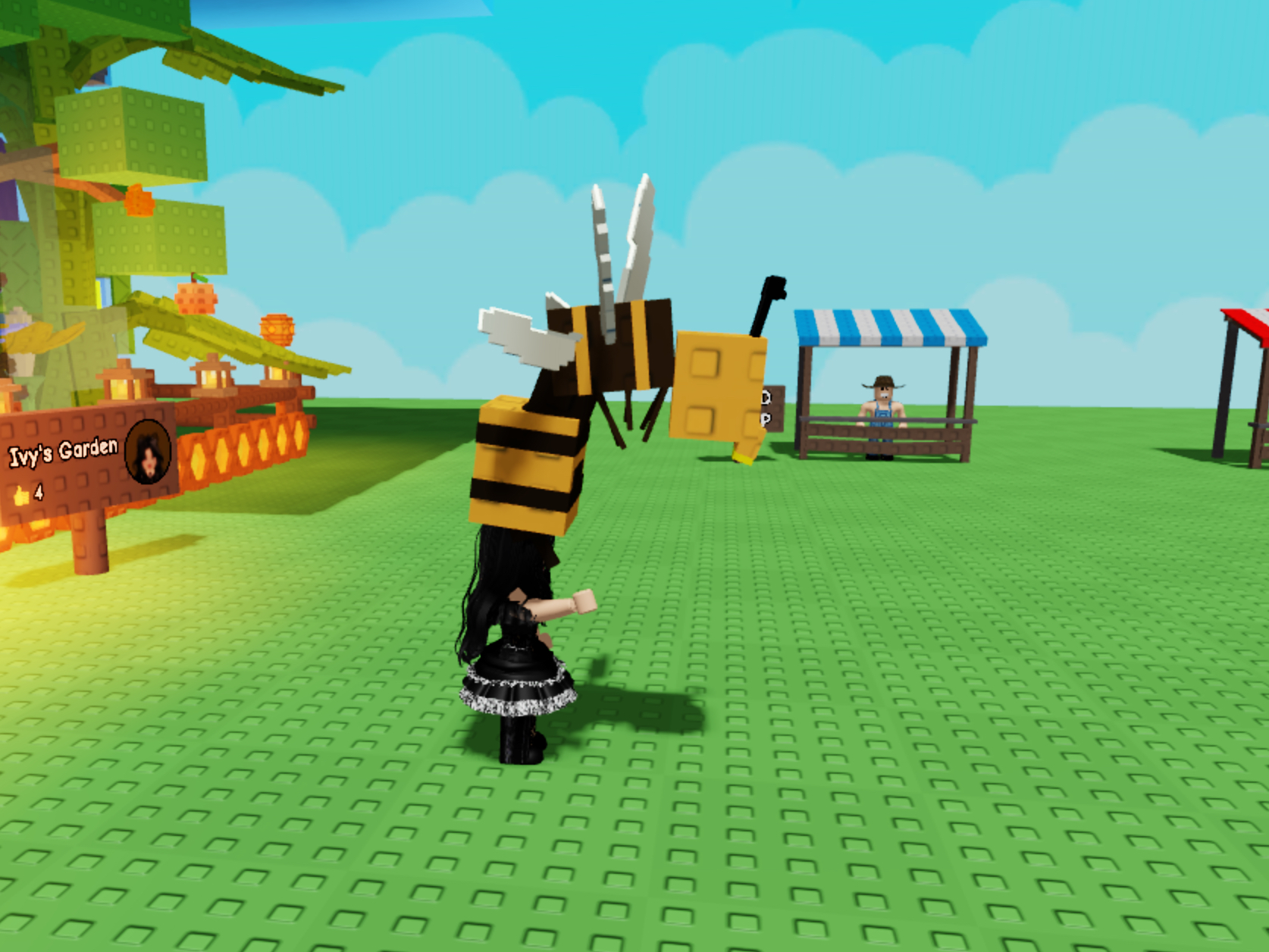
Wasp is the best realistic budget cooldown pet for many players. Its Stinger trait targets the pet with the highest cooldown and advances that cooldown, which is exactly the kind of targeting you want from a practical support pet.
It is much easier to recommend than a flashy niche pet because it solves a real cooldown problem without needing a perfect setup.
Wasp stays in A instead of S because Tarantula Hawk is explicitly documented as the better version of the same concept.
Still, if you want a dependable first cooldown pet that does not ask for tight positioning or luxury rarity, Wasp is one of the smartest slots you can fill.
Lion
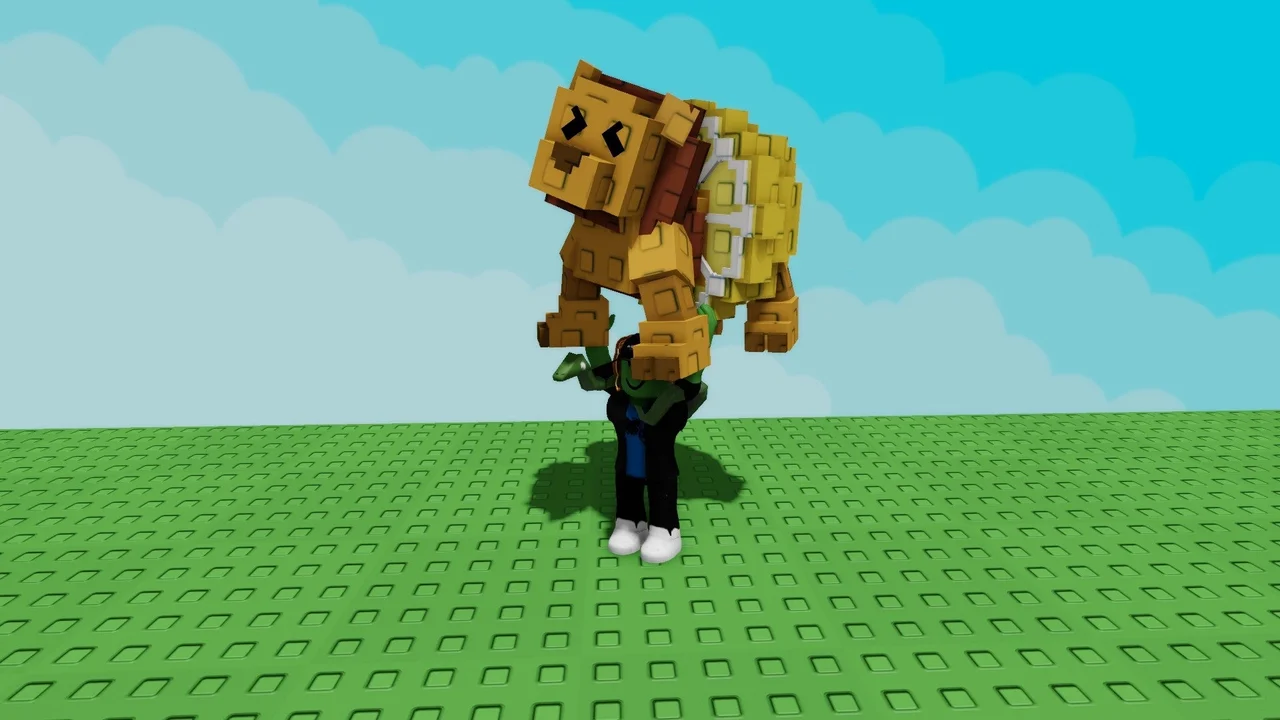
Lion is a strong team-support cooldown pet, especially in gardens where you want several pets to benefit at once.
Its Lion Call shares 400–800 total cooldown advancement across pets in your garden, with a cap per pet, and also pulls pets toward the Lion. That means Lion works best as a broad support engine, not a precision instrument.
I place it in A because its value is split across the team. That is great for wide builds, but it is not as dominant as Queen Bee in a one-carry setup, and it is less clean than Peacock in a tightly packed cluster. Lion is powerful, just less surgical.
Lioness
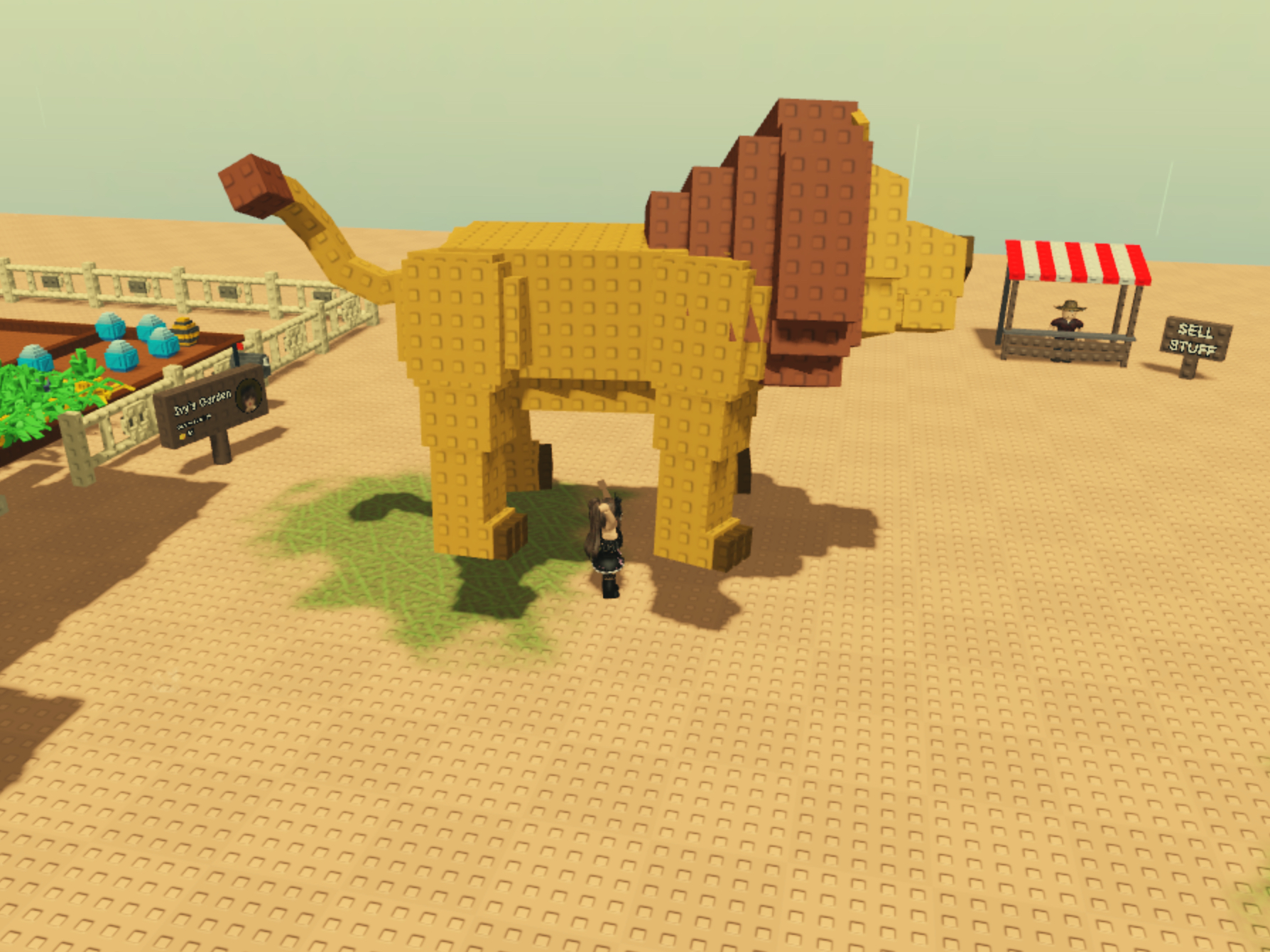
Lioness is basically a premium Lion-style cooldown pet. It's passive also shares advanced cooldown across all pets and calls them toward the Lioness, which means its role is almost the same: broad support over pinpoint burst value.
The reason it sits in A with Lion is that the cooldown job is strong, but not specialised enough to crack S Tier.
On top of that, Lioness is locked behind a PhatMojo plushie code, which makes it less practical for most players than more accessible eggs or event routes.
Albino Peacock

Albino Peacock is an excellent premium sidegrade to Peacock. Its Pure Beauty trait advances nearby pets’ cooldowns and also gives them XP equal to half the amount, which is a very nice extra if you care about raising pets while keeping cooldowns moving.
It lands in A rather than S because the cooldown job itself is not clearly better than Peacock’s core role.
It is more of a luxury version for players who like the nearby-cooldown playstyle and want bonus progression layered on top. The plushie-code obtain method also makes it a niche recommendation.
B Tier
B Tier pets are useful and sometimes genuinely strong, but they need the right environment or a specific roster to justify a slot. I would use them as build-specific picks, not default answers.
Griffin
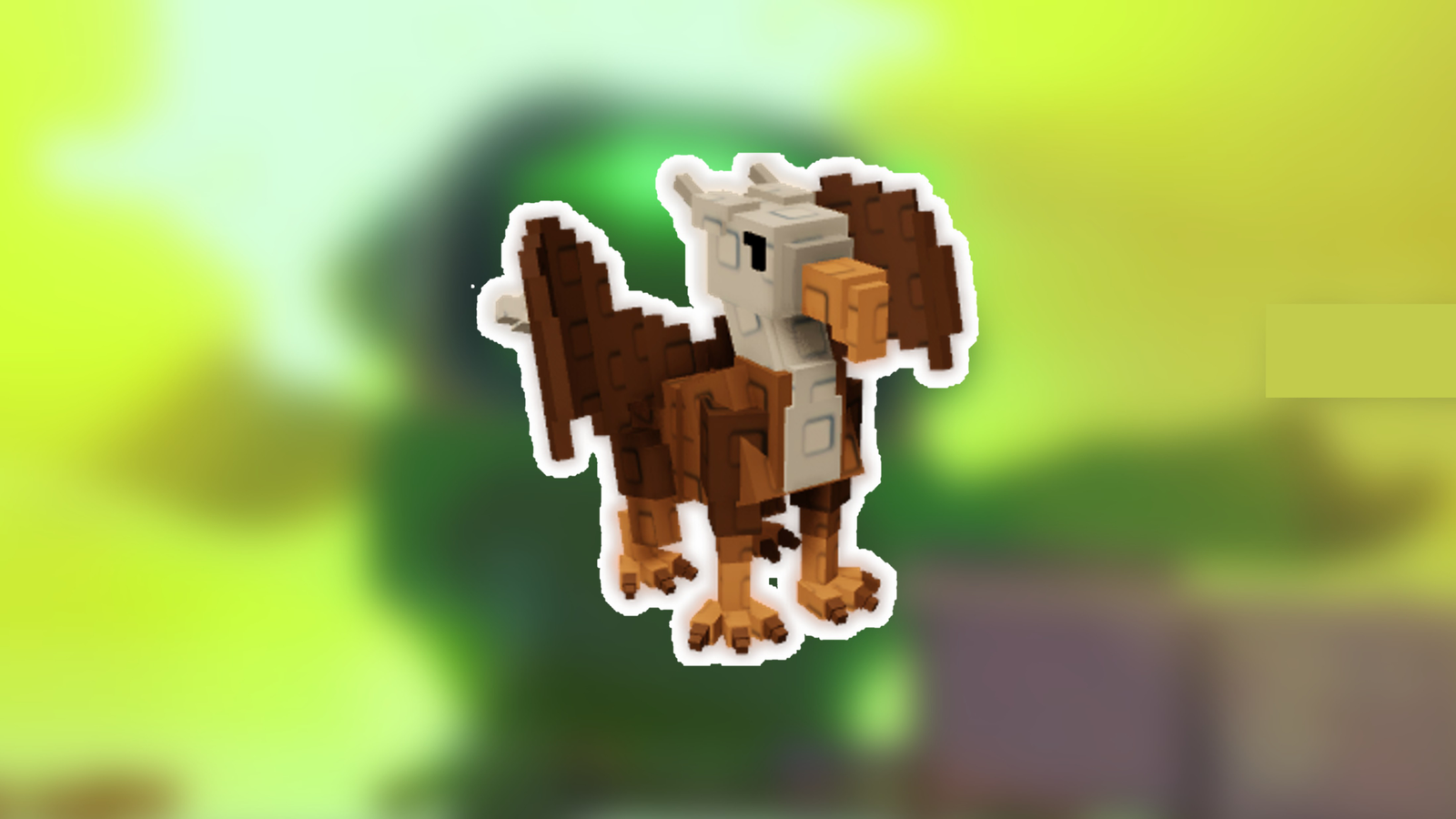
Griffin is a niche but interesting cooldown pet. Its cyclone advances the cooldown of any pets it hits by 65–125 seconds while also mutating the fruit it strikes.
That means Griffin can create a lot of value in mixed gardens where you like multi-purpose pets and do not mind some randomness.
It stays in B because the cyclone is harder to control than Queen Bee’s refresh or Peacock’s nearby fan.
Griffin can even advance its own cooldowns, which is neat, but the pet still feels more like a high-upside utility piece than a true best-in-slot cooldown specialist.
Meerkat
Meerkat is a good niche support pet for repeated small advances. Its Lookout trait advances another pet’s cooldown by about 21 seconds and has a chance to repeat after each lookout, which makes it surprisingly efficient in builds that like frequent little pushes.
The problem is the ceiling. Meerkat is helpful, but it does not hit hard enough to replace Queen Bee, Peacock, or Tarantula Hawk in most optimised builds.
On top of that, the wiki currently marks it as not obtainable, which lowers its practical value for most readers looking for the best pet to chase now.
C Tier
C Tier does not mean useless. It means the cooldown value is either too indirect, too conditional, or too diluted to be a top recommendation for a player specifically searching for the best pets to reduce cooldowns.
Hotdog Daschund
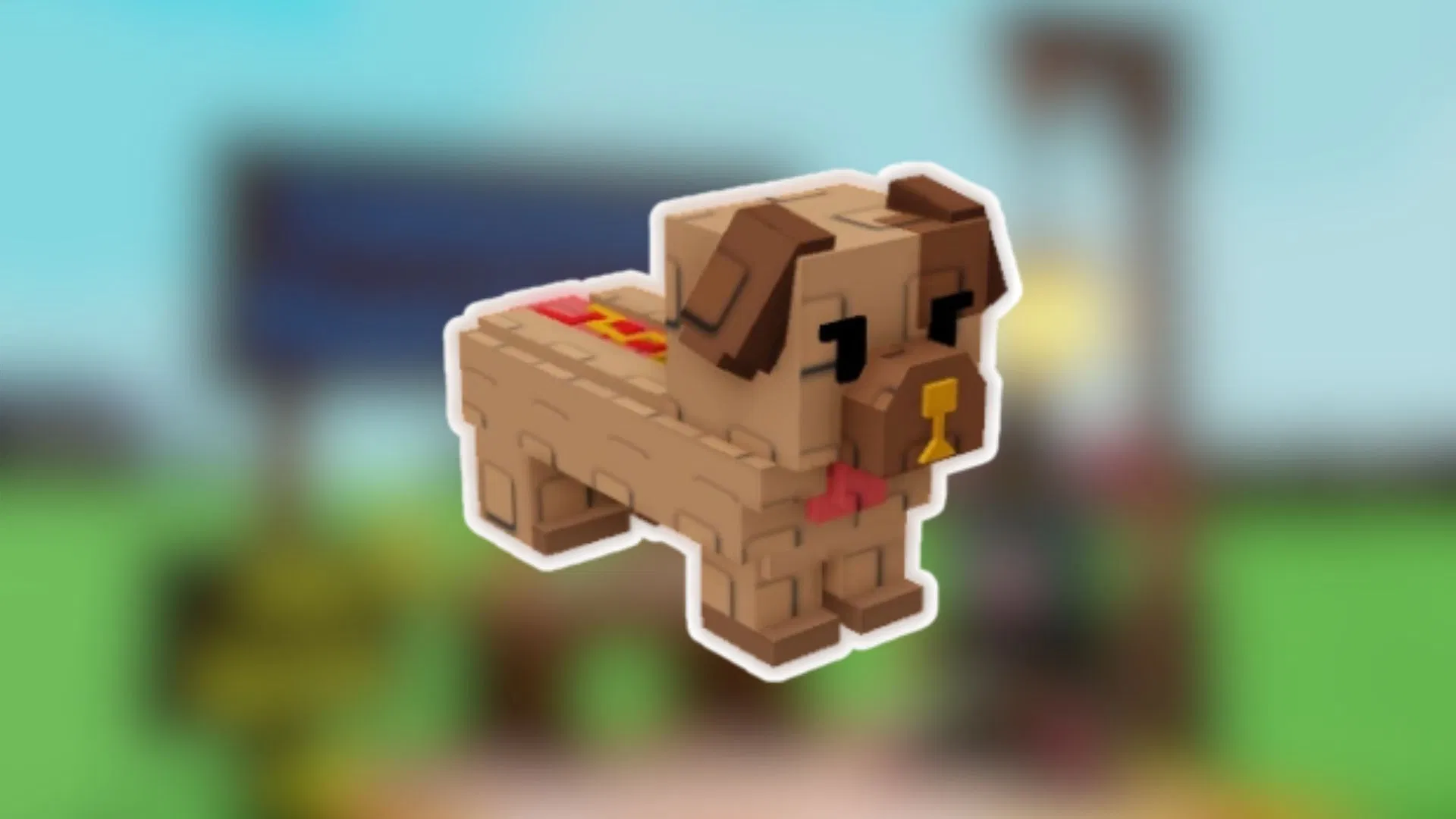
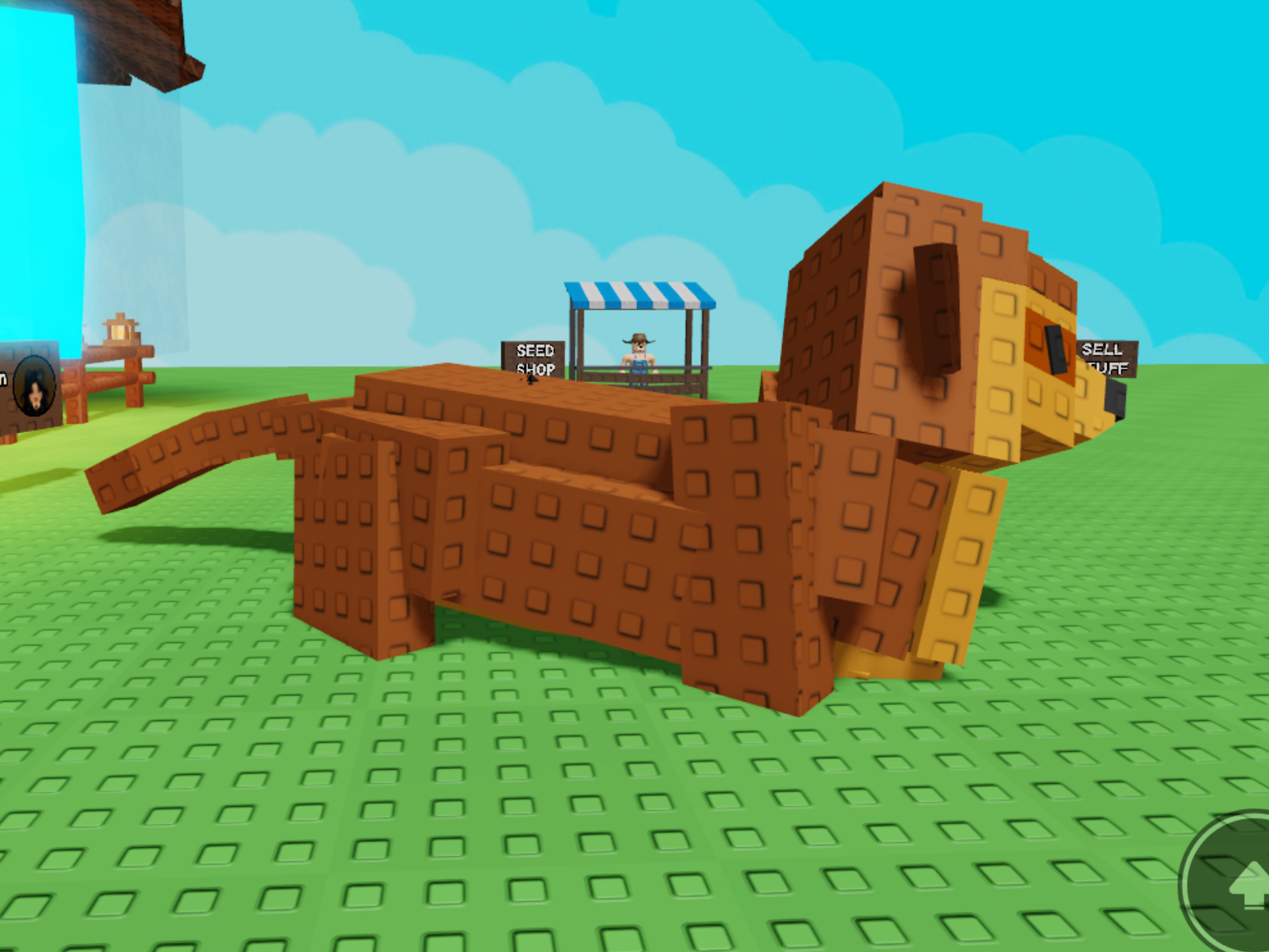
Hotdog Daschund is a situational support pet rather than a true cooldown specialist. Its mustard puddle makes pets’ cooldowns tick 0.25 to 0.50 faster, which can be helpful in the right area-based setup.
That sounds great on paper, but in practice, it asks for pets to stand in the correct puddle at the correct time, which adds more friction than Peacock’s or Lion’s support style.
If you already like zone-based utility pets, it can do useful work. I would not rank it higher, though, because the cooldown value is indirect and inconsistent compared with the best targeted or shared options.
Dilophosaurus

Dilophosaurus is another hybrid cooldown pet that looks better in theory than in a focused cooldown build. Its venom spreads to multiple random pets and either advances cooldown by about 40.82 seconds or grants XP instead.
That randomness is the issue. Sometimes it helps the right pets. Sometimes it spends its value on the wrong targets or on XP when you wanted cooldown pressure.
That mixed output is why it lands in C. It is not bad, but it is too noisy to recommend over cleaner options unless your garden specifically benefits from the XP side and you are comfortable with random spread. The page also notes that it is currently not obtainable.
D Tier
D Tier here means bad for this exact search intent, not bad pet overall. These pets reduce timer pressure, but they do it for eggs, not for regular pet abilities.
If someone searches best pets to reduce cooldowns, these are usually the wrong answer unless the real bottleneck is hatching.
Kiwi

Kiwi is a hatch-time pet, not an ability-cooldown pet. Its passive reduces the hatch time of the egg with the highest remaining hatch time by around 25 seconds every 60 seconds. That is useful for egg progression, but it does nothing for ordinary pet ability cooldown loops.
So, Kiwi lands in D for this article because it solves the wrong problem. If the real question is how do I hatch eggs faster? Kiwi becomes much more relevant. For cooldown-focused ability builds, it is off-intent.
Blood Kiwi

Blood Kiwi is better than Kiwi for egg support, reducing hatch time by about 45 seconds and increasing hatch speed by around 20%. That makes it a solid egg pet, but it still belongs in the hatch lane, not the ability-cooldown lane.
That keeps it in D Tier. A player trying to get Queen Bee, Peacock, or Wasp-style ability loops online will get almost no value from Blood Kiwi unless eggs are their actual bottleneck.
Summer Kiwi

Summer Kiwi is the strongest Kiwi-style hatch specialist of the three listed here. Its Summer Cradle reduces hatch time by 45–100 seconds, and Better Eggcelerator increases hatch speed by 20–65%. Those are strong numbers, but they still affect eggs, not standard pet ability cooldowns.
That is why Summer Kiwi also sits in D for this page. It may be the best kiwi for hatching, but it is not one of the best pets to reduce ability cooldowns. Wrong job, wrong tier.
How To Obtain Each One
The methods below focus on the pets in this article. Where current obtainability can change with events, stock, or merchant cycles, I’m marking that clearly.
Queen Bee
Queen Bee comes from the Bee Egg, and the wiki lists it at a 1% hatch chance. The Bee Egg is shown on the pet page as purchasable for 18 Honey or 129 Robux.
Peacock
Peacock is obtained by hatching a Paradise Egg, and the wiki lists Peacock at a 30% chance from that egg.
Tarantula Hawk
Tarantula Hawk comes from the Anti Bee Egg. Its page says the egg can be bought from the Limited Time Shop for 149 Robux or crafted at the Cosmetics Shop with 1 Bee Egg + 25 Honey.
Wasp
Wasp comes from the Anti Bee Egg and Premium Anti Bee Egg, with the page listing a 55% obtainment chance.
Lion
Lion is tied to the Mega Safari Harvest Event. Its page lists Lion as obtainable and shows a listed price of 1,600,000,000 Sheckles or 849 Robux, so treat it as an event/shop-linked purchase rather than a normal egg hatch.
Lioness
Lioness is obtained by redeeming a code from buying a Grow a Garden plushie at PhatMojo.
Albino Peacock
Albino Peacock is also obtained by redeeming a code from buying a Grow a Garden plushie from PhatMojo.
Griffin
Griffin comes from the Skyroot Chest, and the pet page lists it at a 1% chance upon opening that chest.
Meerkat
Meerkat originally came from the Oasis Egg or Premium Oasis Egg with a 45% hatch chance. The page currently marks it as not obtainable.
Hotdog Daschund
Hotdog Daschund came from the Culinarian Chest (14.5%), Exotic Culinarian Chest (14.5%), or Rainbow Sack (15%). The page currently marks it as not obtainable.
Dilophosaurus
Dilophosaurus came from the Primal Egg during the Prehistoric Event. The page currently marks it as not obtainable.
Kiwi
Blood Kiwi
Blood Kiwi could be purchased in the Blood Moon Shop for 20,000,000 Sheckles and was also obtainable during the Summer Harvest Event. The page currently marks it as not obtainable.
Summer Kiwi
Summer Kiwi is purchased in the Santa’s Stash Shop for 1,500,000,000,000 Sheckles, 379 Robux, or 379 Trade Tokens.
The simplest final verdict is this:Queen Bee is the best cooldown pet for one carry, Peacock is the best for clustered teams, and Tarantula Hawk is the best high-end advance pet if you want a more direct Wasp-style upgrade.
Everything else gets ranked by how much setup, randomness, or job confusion it adds to that core decision.
Example Loadouts That Make Cooldown Pets Worth The Slot

PET COOLDOWN GLITCH! Get MAX AGE in 30 Minutes with This Game-Breaking Glitch (Grow a Garden)
This is where the rankings become practical. The examples below are illustrative, but they mirror the real decisions players make when slot pressure is high.
One Carry-pet Refresh Build
A player with a one-star pet should lean into Queen Bee first. If most of the account’s upside flows through one long-cooldown ability, then refreshing that one ability beats spreading small gains elsewhere. Add general support around it, but let Queen Bee own the cooldown job.
Clustered Passive-engine Build
A player running several valuable pets in the same area should start with Peacock. In a compact build, its nearby cooldown advance can touch more than one important timer, which changes the math completely. Queen Bee may still be stronger on one pet, but Peacock can win on team throughput.
Hatch-focused Side Build
A hatch-focused account should stop forcing cooldown pets into an egg problem. That player is better served by Kiwi variants, especially Summer Kiwi or Blood Kiwi when available, because those pets are purpose-built for egg speed.
Beginner 3-slot Version Vs Expanded-slot Version
With three starting slots, a practical setup usually wants one true cooldown pet, one money/mutation pet, and one flex slot.
With expanded slots, it becomes easier to stack a second cooldown helper or run a layout-based Peacock/Lion package. Players start with three equipment slots and can unlock more through the systems documented on the pet mechanics page.
A worked example makes the choice even clearer:
| Situation | Better choice |
| One elite pet with a long cooldown | Queen Bee |
| Three valuable pets are standing close together | Peacock |
| Need a realistic entry pick | Wasp |
| Want hatch speed, not ability support | Kiwi variant |
That simple table beats most flat rankings because it maps the pet to the bottleneck.
The more honestly you define your bottleneck, the better your cooldown pet choice becomes.
Common Mistakes That Waste Cooldown Value
This section is about preventing bad slot decisions. Most wasted value comes from misunderstanding the job, not from owning the wrong pet.
Chasing Rarity Instead Of Role
A rare or exclusive pet is not automatically the best cooldown answer. A player who needs focused refresh value can still get more from Queen Bee than from a flashier hybrid that spreads weaker benefits around.
Using Hatch Pets For The Wrong Problem
Kiwi variants are excellent at egg support. They are just not regular cooldown support. Many players lose value by treating all timers as one category.
Spreading Pets Too Far Apart
Nearby and shared-value pets need layout help. Peacock, especially, becomes much less impressive when the important pets are scattered across the garden.
Reading Broad Tier Lists Too Literally
A broad tier list is useful for meta awareness, but it cannot replace a role-specific answer. Cooldown pets should be judged on refresh type, targeting rules, spacing needs, and slot pressure.
Fix those four mistakes, and your cooldown pet decisions become much sharper.
Also Check Out:Grow A Garden Tier List Roblox: 26 Best Seeds & Pets
Frequently Asked Questions
This section gives direct answers for common follow-up queries. Each one is written to be short, clear, and quotable.
What Is The Best Pet To Reduce Cooldowns In Grow A Garden?
Queen Bee is the best single-target cooldown pet because it refreshes the pet with the highest cooldown ability instead of merely advancing its timer.
What Pets Reduce Other Pets’ Ability Cooldowns In Grow A Garden?
The main cooldown-support pool includes Queen Bee, Peacock, Meerkat, Wasp, Tarantula Hawk, Griffin, Lion, and a few hybrid niche pets such as Dilophosaurus and Hotdog Daschund.
Is Queen Bee Better Than Peacock?
Yes, for one high-value target. Peacock is better when several important pets are clustered close enough to benefit from the same nearby advance.
What Makes Queen Bee Different From Other Cooldown Pets?
Its key difference is that it refreshes the pet with the highest cooldown ability, which is stronger than a normal cooldown advance in single-target builds.
Is Peacock Good For Multiple Pets?
Yes. Peacock is strongest when your important pets stay close together, so its nearby cooldown advance can hit several targets efficiently.
Is Meerkat Worth Using?
Meerkat is a real cooldown tool, but it is more of a niche pick than a top recommendation because it relies on smaller advances and chain-proc value.
Is The Wasp Or The Tarantula Hawk Better?
Tarantula Hawk is usually better because the community wiki documents stronger cooldown numbers and faster proc timing than Wasp.
Do Kiwi Pets Reduce Ability Cooldowns?
No. Kiwi variants reduce egg hatch time, which is a different timer system from regular pet ability cooldown support.
What Is The Best Pet For Hatching Eggs In Grow A Garden?
Summer Kiwi is the strongest hatch specialist, with Blood Kiwi and regular Kiwi serving as lower-tier alternatives.
Can Cooldown Pets Stack In Grow A Garden?
Yes. The pet system allows multiple copies of the same pet to stack abilities, but stacking is only worth it when it solves a real slot problem.
Does Pet Placement Matter For Cooldown Pets?
Yes. Placement matters most for pets like Peacock and Lion, where nearby range or shared team value determines how much of the trait you actually use.
Do Age And Weight Affect Cooldown Pets?
Yes. The community mechanics page documents that pet stats scale with weight as pets age, which can improve cooldown-related performance over time.
What Is The Best Budget Cooldown Pet?
Wasp is the clearest budget recommendation because it provides real cooldown support without demanding a premium-tier chase.
Which Cooldown Pet Is Best For One Carry Pet?
Queen Bee is the best choice when your strategy revolves around one long-cooldown, high-impact pet.
Which Cooldown Pet Is Best For A Clustered Loadout?
Peacock is the best clustered-loadout pick because it advances nearby pets instead of focusing on only one target.
Are Event-limited Cooldown Pets Worth Trading For?
Only when they solve a specific build problem better than more obtainable alternatives. Rarity alone is not a reason to spend a slot or trade value.
How Do I Reduce The Pet Cooldown In Grow A Garden In General?
Use a pet built for cooldown support, then match its targeting style to your build: Queen Bee for one carry, Peacock for clusters, Wasp or Tarantula Hawk for practical support.
What Is The Pet Cooldown Glitch In Grow A Garden?
A community-known Nihonzaru-related cooldown glitch has been discussed by players, but it is unstable and should not be treated as a dependable strategy.
Conclusion
The cleanest answer is to pick the pet whose cooldown job matches your build.
Queen Bee is the top answer for an elite carry. Peacock is the best answer for clustered teams. Wasp is the practical value pick. Kiwi variants belong in hatch builds, not regular cooldown builds.
That is what turns this from a pet list into a useful decision. Before trading for another shiny rarity, compare your real bottleneck against the pet’s actual job. The right cooldown pet is the one that fixes the wait that is slowing your account down the most.
Jump to
Grow A Garden: Best Pets To Reduce Cooldowns By Goal And Loadout
Quick Answer For Players Who Just Need The Best Pick
How Cooldown Mechanics Actually Work In Grow A Garden
Important Limitations And Exclusions
S Tier
A Tier
B Tier
C Tier
D Tier
How To Obtain Each One
Example Loadouts That Make Cooldown Pets Worth The Slot
Common Mistakes That Waste Cooldown Value
Frequently Asked Questions
Conclusion
Latest Articles
Popular Articles