Which Characters Dominate The Inanimate Insanity Tier List?
Debating S-tier picks? This inanimate insanity tier list ranks every major character with updated Season 4 insight.
Mar 13, 202614.8K Shares280.3K Views

What You'll Find in This Tier List
- Complete list of Inanimate Insanity characters
- Images of each character with descriptions
- Character profiles and traits
- Overview of fan-favorite contestants
- Information about characters from Inanimate Insanity, II, and Invitational
- Quick guide for recognizing each character
- Visual gallery of the main cast
Inanimate Insanity Tier List and Character Ranking
Inanimate Insanityhits different because it treats an “object show” premise like a real character drama. Jokes land, sure, but the series also commits to consequences, growth, and long-term payoffs that reward anyone who pays attention to who changes and why.
This tier list is built for fans who want more than “my faves in S-tier.” You’ll get two separate rankings (Writing and Competitive Power), a transparent scoring method, and Season 4 context up to the latest released episodes: “The Future Is Today!” (S4E1), “Cob Mentality” (S4E2), “Run the Risk!” (S4E3), and “Fan the Flames” (S4E4). Episode 5 is currently listed as upcoming with no confirmed airdate.
What “Tier” Means Here
This tier list separates what fans usually argue about into two clear lists:
- Writing Tier List:Character development, emotional payoff, consistency, and narrative impact
- Competitive Power Tier List:Strategy, social game, adaptability, and challenge contribution
A character can be top-tier in writing and mid-tier competitively, or vice versa. That’s not a contradiction. That’s the show.
The Scoring Rubric (Quick, Fair, Repeatable)
To keep the rankings consistent, each character is scored in two categories.
Writing Score (0–35)
- Arc quality and payoff (0–15)
- Consistency across seasons (0–10)
- Emotional or thematic impact (0–5)
- Memorable presence and dialogue (0–5)
Competitive Score (0–35)
- Strategy and game awareness (0–15)
- Social game and alliance leverage (0–10)
- Adaptability under pressure (0–5)
- Challenge contribution (0–5)
Tier bands for both lists:
- S-tier: 30–35
- A-tier: 24–29
- B-tier: 18–23
- C-tier: 12–17
- D-tier: 0–11
Writing Tier Summary Table
| Tier | Characters |
| S-Tier | MePhone4, Suitcase, Knife, Balloon |
| A-Tier | Paintbrush, Lightbulb, Test Tube, Fan, Cabby |
| B-Tier | Baseball, Nickel, Soap, OJ |
| C-Tier | Taco, Microphone, Yin-Yang, Clover |
| D-Tier | Apple, Pepper |
Competitive Tier Summary Table
| Tier | Character |
| S-Tier | Cabby, Balloon, Knife, Test Tube |
| A-Tier | Baseball, OJ, Lightbulb, Fan |
| B-Tier | Paintbrush, Nickel, Soap, Taco |
| C-Tier | Suitcase, Microphone, Clover |
| D-Tier | Apple, Pepper |
See also: Guilty Gear Tier List
The Context That Changes Everything (Season 4 Updates)
If your tier list stops at Season 3, it reads outdated. Inanimate Insanity IV (Season 4) premiered in 2025 and currently has four publicly released episodes, with Episode 5 listed as upcoming.
What Season 4 changes most:
- It re-centers the show around a refreshed hosting structure and new season momentum.
- It gives certain characters new relevance (especially those tied to the new season’s direction).
- It forces viewers to re-evaluate characters who were previously “done” narratively.
This tier list includes Season 4 adjustments up to S4E4. Anything after that is labeled as watchlist speculation, not presented as fact.
Writing Tier List (Best Written Characters, Seasons 1–4)
S-tier (Writing):The characters who consistently carry arcs, drive turning points, and feel like the story would collapse without them.
S-tier (Writing)
1. MePhone4

MePhone4 evolves from “host with jokes” into a central figure whose identity, guilt, and control issues shape the entire franchise. The writing succeeds because it doesn’t pretend, he’s only comic relief, and it doesn’t let him escape consequences.
Why S-tier in writing:
- Long-term narrative gravity across multiple seasons
- Character flaws that actively create plot, not just drama
- A rare case where the host feels like a protagonist, not furniture
2. Suitcase

Suitcase is one of the show’s best examples of slow-burn growth. She isn’t written to win every argument or dominate screen time, but her internal progression becomes a backbone for emotional episodes.
Why S-tier in writing:
- Strong “self-worth” arc that actually moves forward
- Relationships feel earned, not forced
- Payoff lands because the show builds it patiently
3. Knife

Knife starts as a blunt instrument and turns into a character with layers, loyalty, and surprisingly sharp emotional beats. He’s a standout because the show uses his roughness as a starting point, not his whole personality.
Why S-tier in writing:
- Redemption without turning him into a different person
- Relationships (especially loyalty dynamics) feel textured
- Comedy stays intact while depth increases
4. Balloon

Balloon’s story is powerful because it’s messy. His growth isn’t a straight line toward “better,” and that makes him feel real inside a competition format.
Why S-tier in writing:
- Clear transformation that sparks legitimate fandom debate
- Moral ambiguity handled with intention
- The show treats his choices like choices, not plot convenience
A-tier (Writing)
5. Paintbrush

Paintbrush matures from a loud personality into someone with vulnerability and real relational stakes. The character often works as the emotional thermostat of a scene.
What holds them slightly below S-tier:
Some seasons lean too hard on temper beats, which can crowd out nuance
6. Lightbulb

Lightbulb is chaos, but not empty chaos. Her optimism and warmth aren’t just “cute,” they’re narrative tools that bring out truths in other characters.
What keeps her in A instead of S:
Less long-form transformation compared to top arc leaders
7. Test Tube

Test Tube’s writing shines when the show lets her logic collide with emotion and responsibility. She’s best when she’s not just “the smart one,” but someone whose choices matter socially.
Why A-tier:
- Strong thematic role in the series’ science-and-control threads
- Better in plot pressure than in pure comedy scenes
8. Fan

Fan functions like a bridge between audience logic and character logic. In Season 4, his position is even more interesting because he isn’t just reacting to events, he’s implicated in how the game is framed.
Why A-tier:
- Meta-awareness used as character trait, not cheap jokes
- Season 4 relevance boosts his narrative importance
9. Cabby

Cabby’s arc is a mix of strategy, redemption, and payoff that lands because the show lets her fail, adapt, and earn trust. Her Invitational win matters because it validates her growth rather than feeling like a popularity crown.
Why A-tier:
- Strong arc structure with clear turning points
- A winner who feels narratively justified
B-tier (Writing)
10. Baseball

Baseball is consistent and believable, which is underrated in a cast full of extremes. He’s a stabilizer character who can become more compelling depending on what the story asks of him.
11. Nickel

Nickel is reliable entertainment and often elevates scenes through timing. He’s not always built for deep arcs, but he’s almost never wasted.
12. Soap

Soap’s best moments come when the show uses her for social friction rather than one-note reactions. She improves when writing gives her agency instead of just “the clean one.”
13. Oj

OJ matters historically and structurally as a franchise cornerstone. When he’s written with calm authority and subtle manipulation, he’s excellent, but he can also drift into “default leader” energy.
C-tier (Writing)
14. Taco
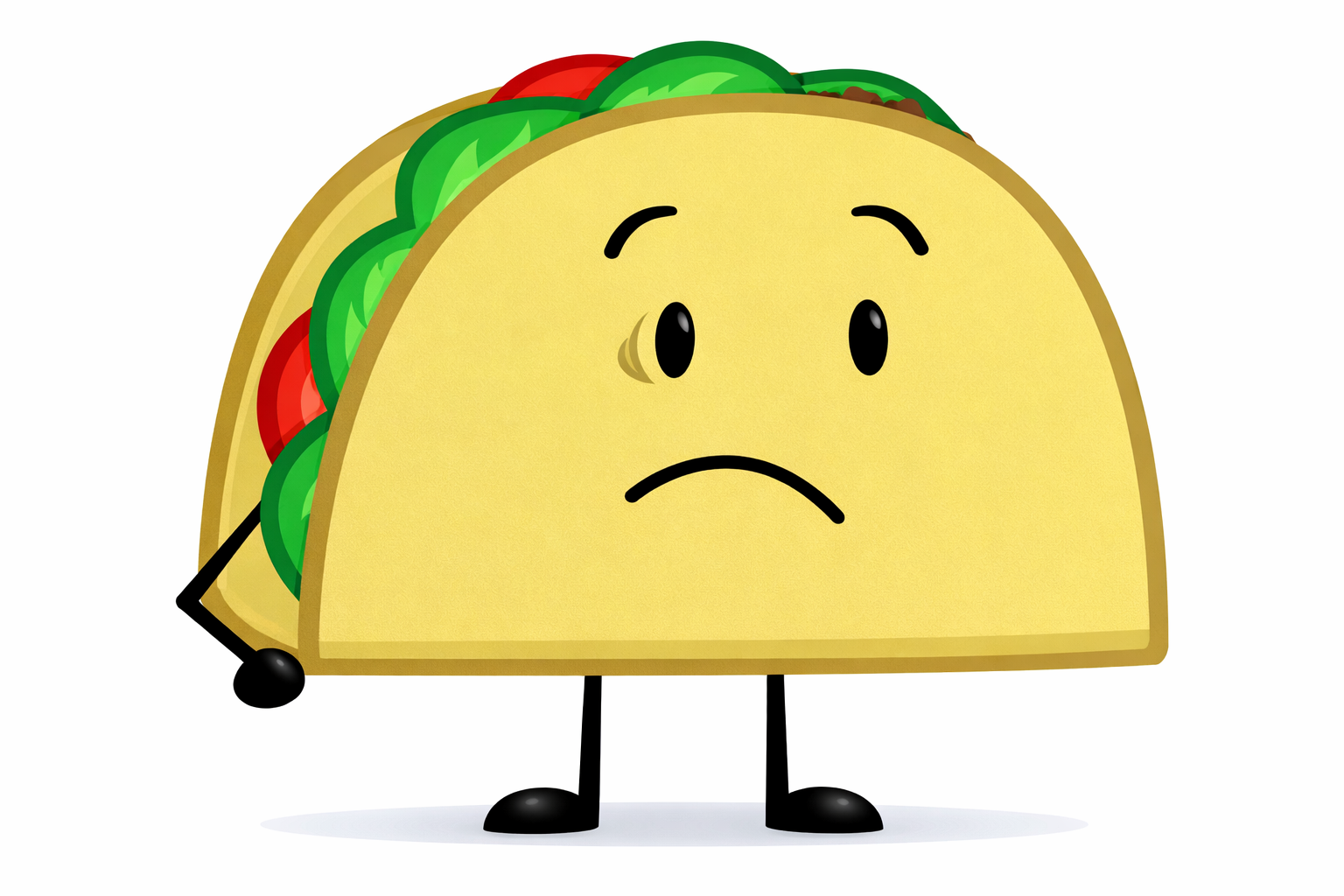
Taco has the ingredients for elite writing: ambition, manipulation, intensity. Her main issue is consistency in execution and follow-through compared to the show’s best arcs.
15. Microphone

Microphone is strong when the show focuses on her confidence and conflict drive. She dips when she’s written too narrowly around the same beat.
16. Yin-Yang

A fun concept that can become repetitive if the episode doesn’t push them into new situations. When the writing uses them for real decision-making, they jump a tier.
17. Clover

Clover is charming and sometimes surprisingly useful in plot dynamics, but her ceiling depends on how much the story gives her beyond the “luck” concept.
D-tier (Writing)
18. Apple

Apple is serviceable but often locked into a narrow comedic lane. More agency and conflict variety would raise her.
19. Pepper

Pepper can be funny, but the show rarely invests in expanding her beyond a loud flavor of chaos. In a series with evolving characters, that’s a disadvantage.
Competitive Power Tier List (Who’s Best at the Game)
This list ranks how dangerous someone is inside the competition: social pull, strategic reads, adaptability, and actual challenge contribution.
S-tier (Competitive)
1. Cabby
Cabby’s game strength comes from calculated positioning and the ability to rebuild after setbacks. A player who can recover is more dangerous than a player who never trips.
Why S-tier competitively:
- Strong strategic pivoting
- Social rebuilding skills
- High “endgame credibility” as shown by her Invitational outcome
2. Balloon
Balloon’s competitive evolution is exactly what you fear in a long season: a player who learns fast, stops being predictable, and makes moves before others realize they’re being played.
3. Knife
Knife’s power is underrated because fans focus on personality first. He’s effective because he’s decisive, loyal when it benefits him, and intimidating enough to shape votes without speaking.
4. Test Tube
In object-show terms, Test Tube is a high-value asset: planning, tools, and problem solving can swing challenges and alliances. She’s dangerous when she chooses to be.
A-tier (Competitive)
5. Baseball
Baseball is a credible alliance builder with a practical head for risk. He’s often one “bold” season away from S-tier.
6. Oj
OJ’s strength is leadership and calm control. In a chaotic cast, that’s leverage.
7. Lightbulb
Lightbulb’s social game is better than it looks. She disarms people, reduces hostility, and often becomes the glue that keeps teams functional.
8. Fan
Fan’s biggest competitive value is information. In a social game, the person who understands the situation early can steer decisions quietly.
B-tier (Competitive)
9. Paintbrush
Paintbrush can dominate in bursts and intimidate socially, but volatility can also make them targetable. When controlled, they’re high tier.
10. Nickel
Nickel is adaptable and can survive messy situations but doesn’t always control the direction of the game.
11. Soap
Soap can be more strategic than she’s credited for when the writing gives her room. Her success depends on whether she’s placed in leadership dynamics or reactive ones.
12. Taco
Taco has strong strategic instincts, but inconsistency and visibility can hurt her. A smart villain still loses if they become the obvious villain too early.
C-tier (Competitive)
13. Suitcase
This placement surprises some fans because Suitcase is elite in writing. Competitively, she’s strongest when she commits to agency, but she isn’t consistently positioned as a strategic driver across seasons.
14. Microphone
Microphone has presence, but her game depends heavily on momentum. If she’s not in a favorable social climate, she becomes easier to isolate.
15. Clover
Clover can coast because people enjoy her, but coasting is not the same as controlling. She needs active strategic choices to climb.
D-tier (Competitive)
16. Apple
17. Pepper
These two aren’t “bad characters,” but they’re usually not framed as strategic threats or consistent challenge swingers. In tier list terms, they’re lower impact in competitive power.
Season 4 Watchlist
Season 4 currently has four released episodes, and Episode 5 is listed as upcoming with an unconfirmed date. That means certain rankings are “in motion,” especially for characters whose Season 4 roles are still being set up.
Characters most likely to rise with more Season 4 content:
- Fan: Higher narrative control increases strategic relevance
- Test Tube: Assistant/decision influence can scale quickly
- Cabby: Supporting role presence can deepen her already strong standing
Characters who could drop if Season 4 pivots away from their strengths:
- Any character whose identity is tied to a resolved arc, if the show doesn’t re-tool them for new conflicts
- Characters who rely on repetitive comedy beats without fresh stakes
What Most Tier Lists Miss
A tier list should separate writing from winning
Most lists don’t. That’s why they cause arguments that go nowhere.
A tier list should explain the “why” in repeatable language
If the logic can’t be repeated, it isn’t a ranking system. It’s just vibes.
A tier list should reflect current canon
Season 4 exists and matters. Any list ignoring it is incomplete.
Quick Facts to Note About Some Characters
- If you like Knife: Pay attention to scenes where loyalty is tested rather than fights. That’s where his writing shines.
- If you like Suitcase: Look for episodes where she makes a choice instead of reacting. Her arc is all about agency.
- If you like Balloon: Track the moments where he stops seeking approval and starts seeking control. That pivot is the story.
- If you like Lightbulb: Watch how her optimism changes other people’s decisions, not just moods.
- If you like Cabby: Focus on rebuild moments after setbacks. Her strength is recovery, not perfection.
FAQs About Inanimate Insanity Tier List
What is the most up-to-date Inanimate Insanity season?
Inanimate Insanity IV (Season 4) is the current season. Four episodes are released: S4E1, S4E2, S4E3, and S4E4. Episode 5 is listed as upcoming with no confirmed airdate.
Who won Inanimate Insanity Invitational (Season 3)?
Cabby won Invitational, beating Balloon and Silver Spoon in the finale vote. Her win is often viewed as a payoff for a redemption-and-strategy arc that builds across the season.
Why do some characters rank higher in “writing” than in “competitive power”?
Because a great character arc doesn’t always equal strong gameplay. Suitcase is a good example: her writing impact is massive, but she isn’t always positioned as a consistent strategic driver.
Is this tier list based on fan votes or personal analysis?
It’s analysis-driven with a repeatable scoring framework. Fan consensus can be useful context, but it often favors popularity and recency more than consistency and arc payoff.
Will Season 4 Episode 5 change these rankings?
Very possibly. Season 4 is still establishing longer arcs. Characters like Fan and Test Tube could climb sharply depending on how much control and consequence the season gives them next.
Final Thoughts
A good Inanimate Insanity tier list isn’t a “hot take,” it’s a clear argument. The show is too layered now for one messy ranking that treats comedy, character writing, and gameplay as the same thing.
Use the two-list approach to settle debates the smart way: if someone says a character is top-tier, ask “top-tier at what?” Presently, that’s the difference between a tier list that gets clicks and a tier list that fans actually respect.
Jump to
What You'll Find in This Tier List
Inanimate Insanity Tier List and Character Ranking
What “Tier” Means Here
The Scoring Rubric (Quick, Fair, Repeatable)
Writing Tier Summary Table
Competitive Tier Summary Table
The Context That Changes Everything (Season 4 Updates)
Writing Tier List (Best Written Characters, Seasons 1–4)
Competitive Power Tier List (Who’s Best at the Game)
Season 4 Watchlist
What Most Tier Lists Miss
Quick Facts to Note About Some Characters
FAQs About Inanimate Insanity Tier List
Final Thoughts
Latest Articles
Popular Articles