Smash Ultimate Tier List 2026 | Official Ranks Explained
Smash Ultimate tier list with the current official order, rank-by-rank breakdown, beginner-friendly picks, and practical advice on choosing a main.
Mar 14, 2026302 Shares100.7K Views
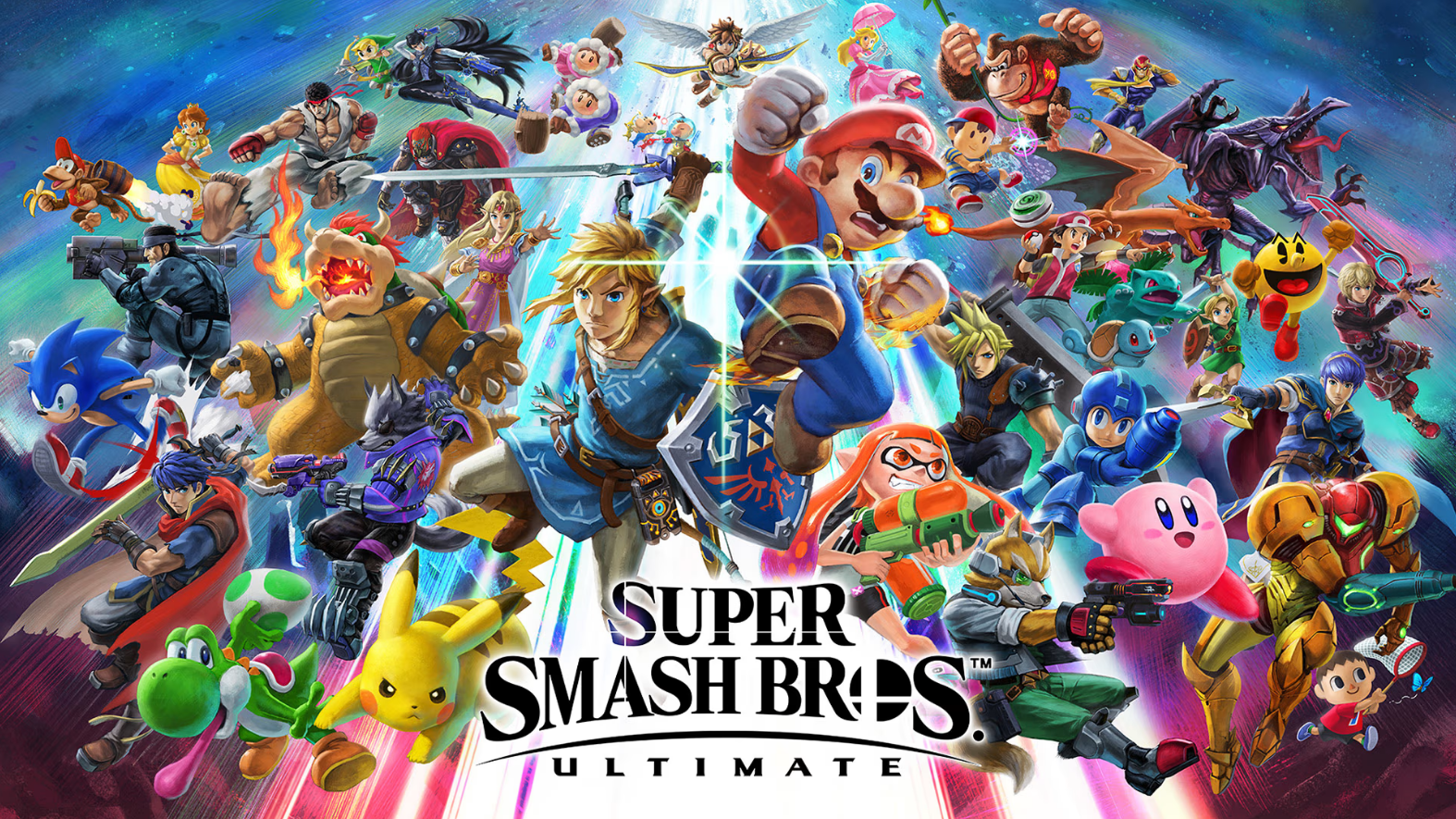
Smash Ultimate Tier List: Current Rankings Simplified Into S, A, B, C, And D
The hardest part of any smash ultimate tier list is not finding one. It is figuring out which list actually reflects the current competitive meta, which parts are editorial opinion, and whether a higher-ranked character is even worth the switch.
This version uses the latest official Smash Ultimate tier list as the competitive baseline, then translates its finer bands into a cleaner S / A / B / C / D format for easier scanning.
The official current Ultimate list uses finer bands such as S+, S, S-, A+, A, A-, B+, B-, C+, C-, D, and E. The rank sections below simplify that official structure into S, A, B, C, and D while keeping the official character order intact inside each grouped band.
Key Takeaways
- The closest thing to an official Smash Ultimate tier list is the current player-panel competitive tier list documented by SmashWiki.
- The latest official list on SmashWiki is Tier List #3 [13.0.3], released on February 17, 2025.
- The current official top group begins with Steve, Sonic, Snake, Mr. Game & Watch, and R.O.B.
- Nintendo’s latest software version is 13.0.4, but the last major fighter-adjustment patch was 13.0.1.
- A top-tier character is not always the best main. Comfort, execution, matchup knowledge, and environment still matter.
Those points reflect SmashWiki’s official tier-listchronology, Nintendo’s update history, and Game8’s current offline editorial tier page. Data as of 2026; check the latest official guidance.
The Quick Answer: Who Is Top Tier Right Now
If the question is strictly about the latest official competitive consensus, the answer is short: Steve is No. 1, followed by Sonic, Snake, Mr. Game & Watch, and R.O.B. The rest of the official top 14 are Pyra/Mythra, Kazuya, Diddy Kong, Min Min, Fox, Peach/Daisy, Joker, Yoshi, and Pikachu. Data as of 2026; check the latest official guidance.
Use that snapshot to answer three things fast:
- which characters have the strongest offline tournament viability,
- which matchups deserve extra prep,
- which top characters are worth considering if ceiling matters most.
A tier list measures competitive potential, not personal fit. Steve can be the best character in the game and still be a worse choice for you than Mario, Lucina, Cloud, or Samus if your execution and decision-making are stronger on those characters.
What A Smash Ultimate Tier List Actually Measures
A Smash Ultimatetier list ranks characters by competitive strength, not popularity or fun factor. SmashWiki’s tier-list methodology points to the metagame, matchup spread, and tournament results as core inputs.
Whether you search for a Smash Ultimate tier listor an SSBU tier list, the same idea applies: the ranking measures competitive strength, not popularity.
It usually measures:
- Matchup spread- how well a character performs across the roster.
- Tournament results- how often the character succeeds in serious offline brackets.
- Frame data and pressure- how safely and consistently the character wins neutral and keeps advantage.
- Recovery and survivability- how hard the character is to edgeguard or finish off.
- Execution burden- how difficult it is to use the character well under pressure.
- Consistency- how reliably the character’s tools work across long sets and different opponents.
Most serious lists are built around offline tournament play, not casual online matches. That is why a strong offline character is not always the best wifi pick.
Official Vs Editorial Vs Community Tier Lists
The distinction is simple once the labels are clear.
What Counts As The Official Smash Ultimate Tier List
For Ultimate, the widely accepted official list is the current player-panel competitive tier list documented by SmashWiki.
How Official Player-Panel Consensus Differs From Editorial Rankings
- Official tier-list context = player-panel consensus from ranked competitors.
- Editorial lists= a site’s own ranking model.
- Community lists= sentiment, experimentation, or matchup discussion.
Where Game8 Fits
Game8’s current page is useful because it clearly labels itself as an offline tier list and updates with current discussion, but it is still an editorial list rather than the official competitive consensus. Data as of 2026; check the latest official guidance.
When Community Tools Like TierMaker Are Useful
Community tools are useful for:
- checking general sentiment,
- comparing local opinions,
- testing matchup views,
- coaching discussion.
They are not the authority to use when the question is “what is the current official competitive consensus?”
Smash Ultimate Tier List By Rank
The official Smash Ultimate tier list uses finer bands such as S+, S, S-, A+, A, A-, B+, B-, C+, C-, D, and E. The breakdown below simplifies those bands into S, A, B, C, and D for faster scanning while preserving the official order. Data as of 2026; check the latest official guidance.
For character naming consistency, this guide follows Nintendo’s full Smash Ultimate roster, then groups the official tier-list order into simplified S, A, B, C, and D bands.
S Rank: The Strongest Characters In The Current Meta
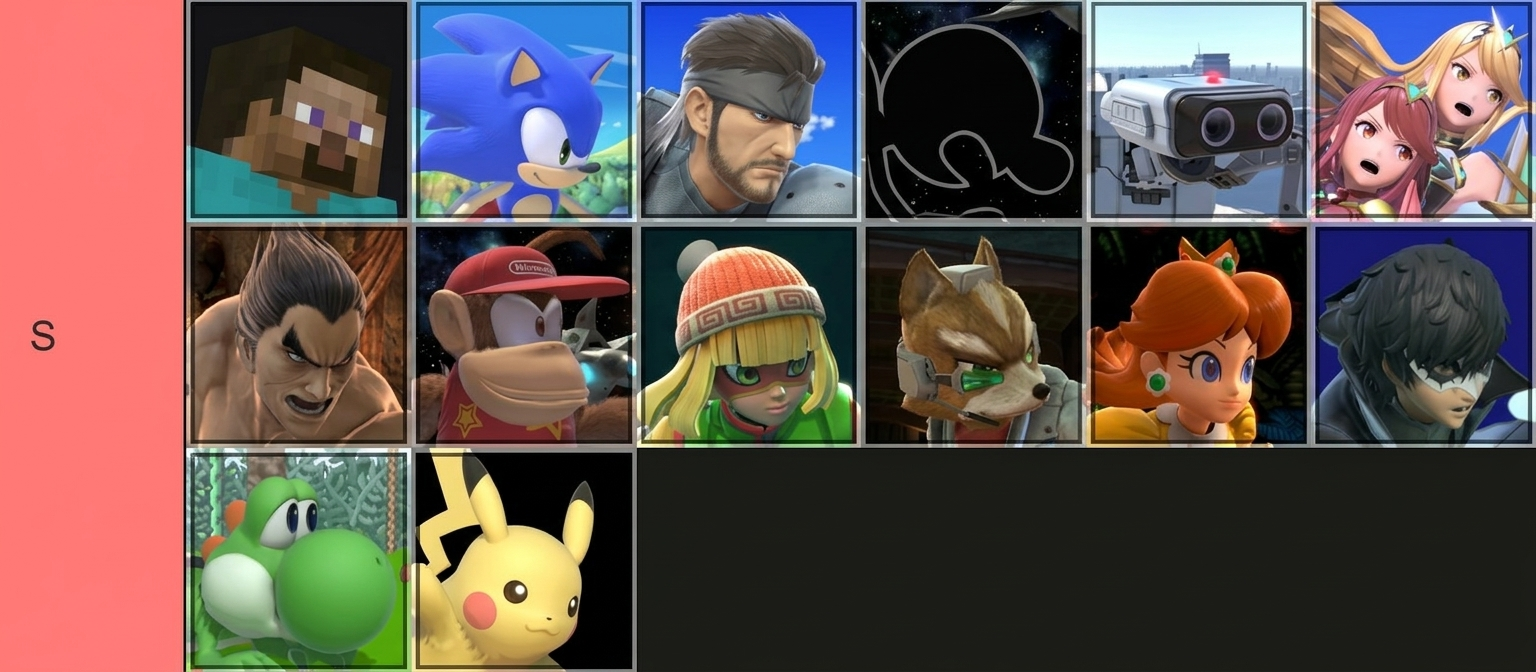
This section combines the official S+, S-, and Sbands. These are the characters that shape brackets rather than merely surviving them.
- Steve- Resource snowball, block setups, and brutal ledgetraps let him bend matches around his win condition.
- Sonic- Speed, evasiveness, and clock-aware pressure make him one of the hardest top tiers to pin down.
- Snake- Grenades, explosive ledgetrapping, and awkward trades let him turn chaos into advantage better than almost anyone.
- Mr. Game & Watch- Safe pressure, fast anti-air coverage, and matchup-specific annoyance keep him brutally efficient.
- R.O.B.- Great recovery, strong buttons, gyro control, and flexible punish routes make him a constant threat.
- Pyra/Mythra- Mythra wins neutral at high speed, and Pyra turns openings into stocks with very little mercy.
- Kazuya- Touch-of-death threat alone changes how opponents play neutral and defense.
- Diddy Kong- Banana still warps neutral, and Diddy remains one of the cleanest conversion characters in the game.
- Min Min- Range control and ledge pressure force many matchups to happen on her terms.
- Fox- Pace, pressure, and punish speed keep him terrifying once mistakes start to stack.
- Peach/Daisy- Float control and punish depth give them elite conversion reward in expert hands.
- Joker- Arsene still turns solid advantage into explosive stock-taking pressure.
- Yoshi- Air drift, pressure, and odd defensive interactions make him much harder to shut down than many expect.
- Pikachu- Small hurtbox, edgeguarding, and matchup flexibility still keep him in elite company.
A Rank: High-Level Threats With Fewer Weaknesses
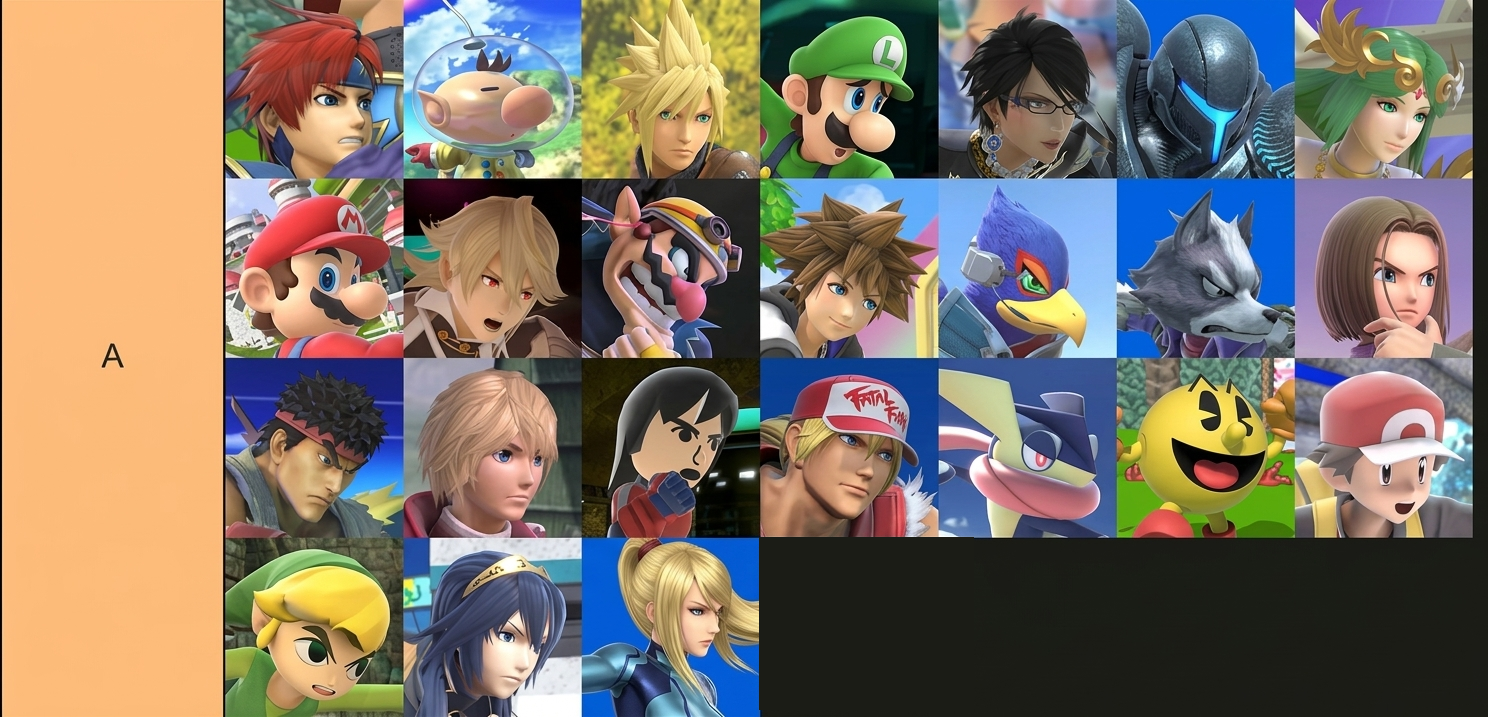
This section combines the official A+, A-, and Abands. These characters are strong enough to win majors, but each one carries a more visible pressure point than the S group.
- Roy- Fast pressure and explosive kill power are elite, but his risk profile is still sharper than the top group.
- Olimar- Strong anti-meta tools and disciplined advantage keep paying off at high level.
- Cloud- Great normals and clear win conditions stay excellent, even if recovery still invites focus.
- Luigi- Grab threat alone changes the pace of a set, and his rise reflects that clearly.
- Bayonetta- Mobility and combo routes make her dangerous far longer than one opening should allow.
- Samus/Dark Samus- Zoning, trap pressure, and reliable confirms make them steadier than many give them credit for.
- Palutena- Still excellent in many areas, but no longer looks as overwhelming as her peak reputation suggested.
- Mario- Simple on paper, deadly in practice, and always one punish away from a momentum swing.
- Corrin- Range, pin pressure, and stable neutral keep paying dividends.
- Wario- Strong movement and Waft threat remain real, even if the meta no longer treats him like an automatic top-tier.
- Sora- Recovery, drift, and awkward timing make him hard to smother cleanly.
- Falco- Touches hurt, advantage lasts, and reward on a correct read stays high.
- Wolf- Still dangerous, but recovery gets targeted much harder now.
- Hero- Explosive punish potential and matchup discomfort create upset power few characters can match.
- Ryu- Heavy punish reward and strong grounded pressure keep him a serious bracket problem.
- Shulk- Monado flexibility remains elite, but the character asks for disciplined, exact play.
- Mii Brawler- Strong pressure and practical kill routes have made this slot harder to dismiss every year.
- Terry- Once he gets close, the pace changes immediately and often violently.
- Zero Suit Samus- Mobility still matters, but the consistency gap versus earlier expectations shows more now.
- Greninja- Fast, slippery, and strong in advantage, though not always simple to convert with under pressure.
- Pac-Man- Setup depth is real, but he is no longer treated like an automatic upper-top-tier.
- Pokémon Trainer- Flexible by design, though the package no longer feels as overwhelming as it once did.
- Toon Link- Strong projectile structure and better recent results helped him climb.
- Lucina- Fundamentals are still excellent, but the modern meta rewards more extreme payoffs.
B Rank: Strong, Viable, And Often Underrated
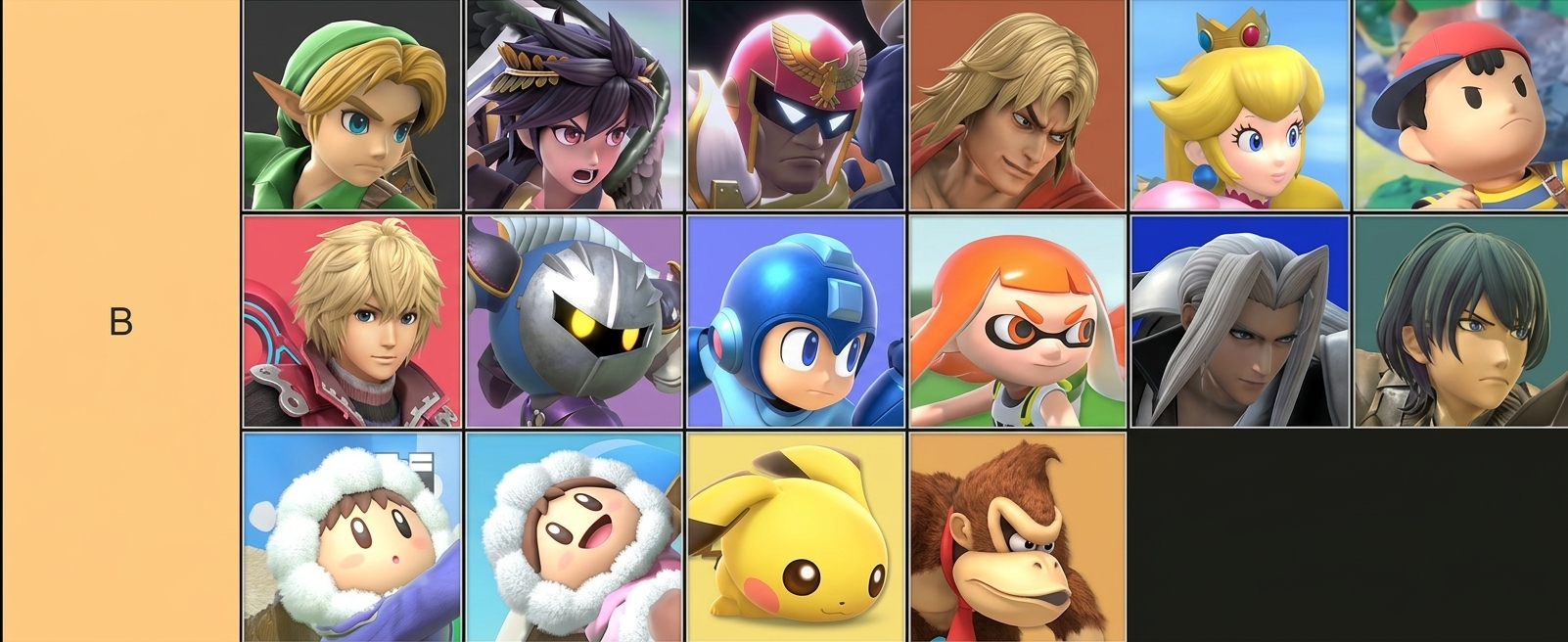
This section combines the official B+ and B-bands. It is full of tournament-usable characters with more visible limitations or more matchup dependence.
- Young Link- Projectile layering is still strong, but the meta punishes weaker spots more than before.
- Pit/Dark Pit- Honest, stable, and much better than old stereotypes suggest.
- Captain Falcon- Explosive reward keeps him dangerous, but consistency is still match to match.
- Ken- High punish value is real, though execution and routing pressure never relax.
- Rosalina & Luma- Control and disjointed pressure remain strong when the game state stays stable.
- Ness- Great burst reward and kill threat, but not every matchup lets him dictate pace.
- Sheik- Neutral can look amazing, but the workload is still high compared with the payout.
- Meta Knight- Advantage and edgeguarding can snowball fast when openings appear.
- Mega Man- The toolkit is still tricky, yet the character no longer converts trust as easily as before.
- Inkling- Movement and neutral are solid, but the meta asks more of the stock-closing phase.
- Sephiroth- Range is beautiful; disadvantage and durability remain the real tax.
- Byleth- Huge hitboxes and clear punish routes still work, but the pace can feel too fair.
- Ice Climbers- Punish sequences are terrifying when clean, though stability remains the obstacle.
- Pichu- Strong pressure and speed exist, but self-damage and fragility are always part of the price.
- Donkey Kong- Better than old memes suggest, yet still easier to exploit once disadvantage starts.
C Rank: Niche, Matchup-Dependent, Or Less Consistent Picks
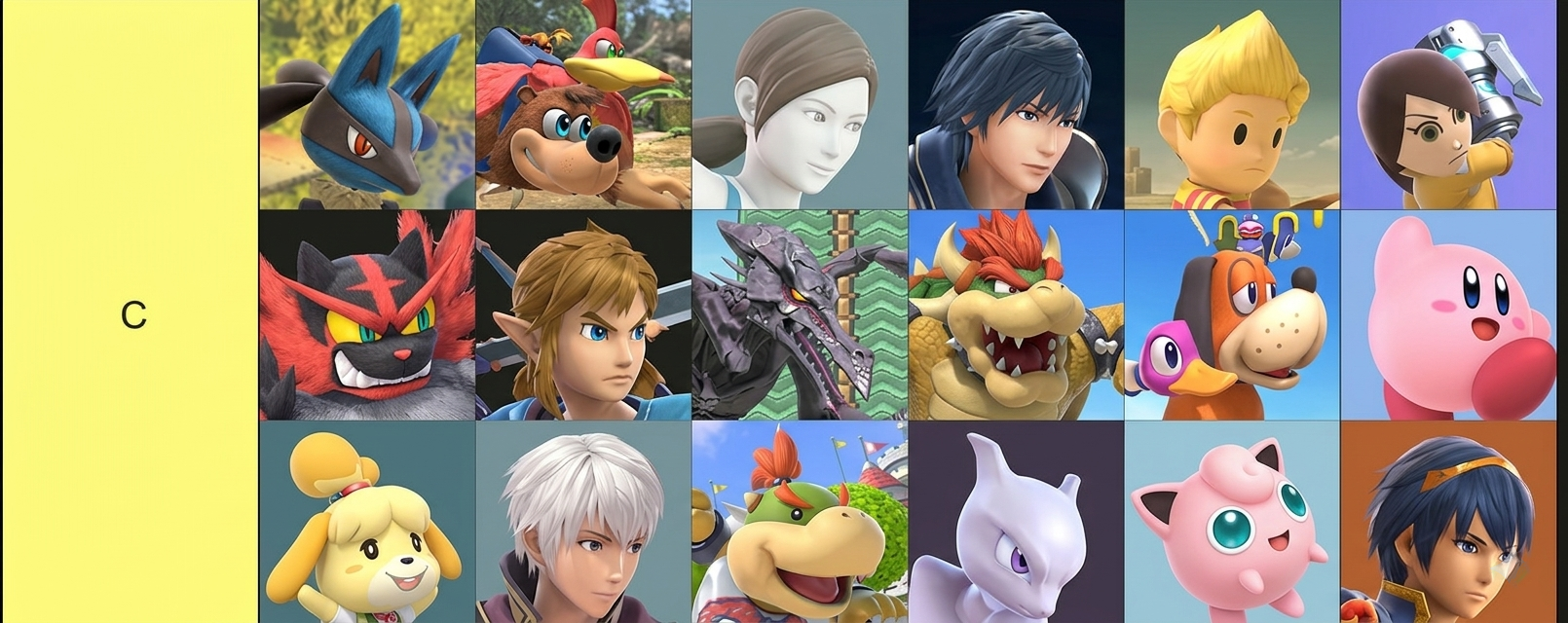
This section combines the official C+ and C-bands. These characters can still work, but each one has a more obvious structural drag.
- Lucario- Aura keeps comeback potential alive, but relying on damage state for power is still volatile.
- Banjo & Kazooie- Annoying tools and knowledge checks still matter, just not often enough.
- Wii Fit Trainer- Deep knowledge rewards loyalty, though consistency stays uneven.
- Chrom- Strong offense is obvious, but recovery remains the match-defining weakness.
- Lucas- Tricky and creative, though not always efficient enough in a modern bracket.
- Mii Gunner- Strong zoning patterns exist, but the character rarely controls enough matchups cleanly.
- Incineroar- Terrifying punish game, very real mobility tax.
- Link- Strong buttons and bomb value remain good, but the overall package is less oppressive now.
- Ridley- Big reward on correct play, big hurtbox tax on mistakes.
- Bowser- Still capable of steamrolling, but top-level pressure exposes defensive cracks.
- Duck Hunt- Trap-heavy and awkward to fight, though rarely the most stable answer over a full run.
- Kirby- Much improved from old low-tier assumptions, but range still limits the ceiling.
- Isabelle- Can irritate and disrupt, but often struggles to force enough respect.
- Robin- Smart resource use helps, yet pace and availability limits remain.
- Bowser Jr.- Better than the reputation, but still niche in how wins are built.
- Mewtwo- Huge reward exists, though survivability and hurtbox problems never disappear.
- Jigglypuff- Air game is live, but volatility is always close behind.
- Marth- Tippered damage is still scary, but tipper inconsistency keeps dragging the slot down.
D Rank: The Weakest Competitive Options Right Now
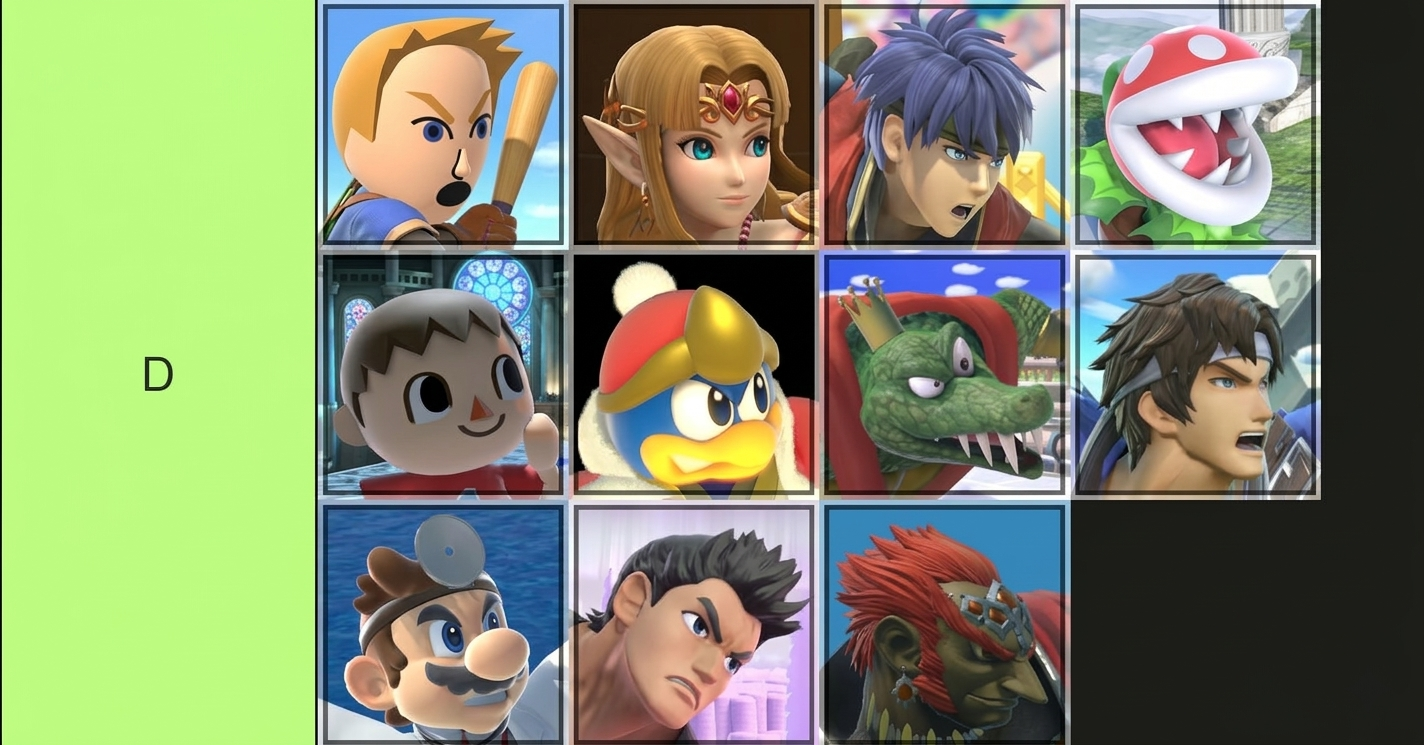
This section combines the official D and Ebands. Low tier here means more work for the same result, not “cannot win a game.”
- Mii Swordfighter- Usable, but the overall package lacks the pressure and trust of the stronger Mii option.
- Zelda- Big moments still happen, yet too much of the kit asks for favorable pace and positioning.
- Ike- Honest power remains, but the modern game punishes his linearity harder.
- Piranha Plant- Strange angles and traps help, though the full toolkit is still narrow.
- Villager- Annoying in spots, but often too passive to keep pace with stronger threats.
- King Dedede- Big punishes and survivability exist, yet the neutral burden is heavy.
- King K. Rool- Armor and chaos can steal games, but disadvantage gets dismantled hard.
- Simon/Richter- Dominant in the right lane, very uncomfortable when that lane collapses.
- Dr. Mario- Damage and kill power are real, but mobility and recovery are not forgiving enough.
- Little Mac- Ground threat is scary, but recovery and air-game limits remain severe.
- Ganondorf- Every hit hurts, but getting those hits on strong opponents remains the permanent problem.
Why The Top Ranks Look The Way They Do
The upper end of Ultimate stays stable because the best characters do not just have strong tools. They compress multiple win conditions into one kit.
Why Steve Remains The Benchmark
SmashWiki’s current official chart still places Steve at No. 1, and Nintendo’s later 13.0.4update did not introduce a new wave of broad fighter adjustments that would reset the metagame. Data as of 2026; check the latest official guidance.
Steve stays on top because he combines walling, mining, setup pressure, ledgetrapping, and explosive punish routes in one character. Very few matchups get to play normal Smash against him for long.
Why Sonic Stays Near The Very Top
The official chart places Sonic at No. 2, and the current meta still rewards speed, evasiveness, and the ability to control pace.
Why Characters Like Snake, R.O.B., Pyra/Mythra, And Kazuya Stay Elite
These characters reach the same result in different ways:
- Snakewins through chaos control.
- R.O.B.wins through toolkit breadth.
- Pyra/Mythrawin through role compression.
- Kazuyawins through threat compression.
The Most Important Traits Shared By Top-Tier Fighters
The current elite group usually shares four things:
- strong neutral control,
- brutal reward once advantage starts,
- enough survivability or evasiveness to avoid collapsing,
- tools that still hold up under tournament pressure.
Best Smash Ultimate Tier List Advice For Beginners
A strong starter pick should build fundamentals instead of demanding high-maintenance execution too early.
Why Beginners Should Not Copy The Top Tier Blindly
Game8’s beginner guidance emphasizes ease of use, reliable game plans, and strong fundamentals. That is a different goal from identifying the absolute strongest competitive character.
Beginner-Friendly Characters Worth Starting With
Easy All-Rounders
- Mario- Teaches combos, anti-air timing, and clean punish habits.
- Samus/Dark Samus- Teach spacing, tempo control, and basic trapping.
- Palutena- Teaches stable neutral and reliable stock-taking.
- Bowser- Teaches risk-reward clearly because every hit matters.
- Dark Pit- Forgiving recovery and straightforward answers make mistakes less punishing.
Simple Sword Characters
- Lucina- The cleanest fundamentals teacher in the game.
- Cloud- Great for spacing and pressure, though recovery discipline matters more.
- Corrin- Stable range and simple game flow make planning easier.
Strong Picks With Manageable Execution
- Mario
- Lucina
- Samus/Dark Samus
- Palutena
- Cloud
High-Tier Characters That May Be Harder To Use Well Early
- Steve- Massive reward, but unusual routing and game structure.
- Kazuya- Incredible punish game, very high input burden.
- Peach/Daisy- Amazing ceiling, not forgiving.
- Sheik- Strong neutral, demanding conversion workload.
- Ice Climbers- Brutal punish potential, unstable fundamentals teacher.
How To Choose A Main From This Tier List
A good main is not just powerful. It is a character you can actually make dangerous.
Start With Comfort Before Rank
Use this filter before switching mains:
- Pick the playstyle first- rushdown, zoning, sword spacing, brawler pressure, or setup-heavy control.
- Cut by execution burden- remove anything you cannot pilot under stress yet.
- Check recovery and disadvantage- honest flaws are easier to manage than hidden ones.
- Use rank as the tiebreaker- not as step one.
Match Your Character To Your Playstyle
| Your situation | Best use of the tier list |
| Building fundamentals | Favour Mario, Lucina, Samus/Dark Samus, Palutena, or Cloud over a harder S tier |
| Chasing maximum tournament ceiling | Start from the official S and A bands |
| Playing mostly online | Use the offline list as a baseline, then adjust for wifi comfort |
| Hating volatile recovery | Avoid fragile high-tiers that make every offstage mistake expensive |
| Losing to one repeated matchup | Add a secondary or pocket instead of rebuilding your whole main |
Rushdown Players
Look first at Fox, Sonic, Captain Falcon, Roy, Greninja, and Falco.
Zoners And Trappers
Look first at Snake, Samus/Dark Samus, Min Min, Pac-Man, Hero, Duck Hunt, and Mii Gunner.
Swordie Fundamentals Players
Look first at Lucina, Cloud, Corrin, Roy, Shulk, and Pyra/Mythra.
Brawler And Grappler Players
Look first at Kazuya, Terry, Luigi, Donkey Kong, Bowser, and Incineroar.
When To Add A Secondary
Add a secondary when:
- the same matchup keeps costing tournament runs,
- your main has a structural flaw practice alone is not fixing,
- the bracket rewards a specific counterpick.
What A Pocket Character Is And When It Makes Sense
SmashWiki defines a pocket character as a secondary you do not properly practice with, used mainly for matchup advantage or matchup unfamiliarity. That is a narrow role, not a second main.
Editor’s Take Use the official list to judge raw power, then cut the shortlist in half by execution burden before caring about rank.
Bracket Reality Check Do not drop a comfortable A- or B+ main for a borrowed S-tier unless the new pick already fits the way you naturally solve neutral.
Offline Vs Wifi: When This Tier List Changes
Offline remains the standard, but environment changes application.
Why Offline Tier Lists Remain The Standard
Game8 labels its current tier list as an offline list, and SmashWiki’s methodology centers competitive tournament play. That remains the cleanest baseline for serious ranking.
Which Character Traits Become Stronger Online
Online tends to reward:
- burst options,
- projectiles,
- awkward timing,
- simpler punish routes,
- characters that force pre-emptive defense.
When To Trust A Wifi-Specific List Instead
Use a wifi-adjusted view more heavily if:
- most sets are online,
- locals are rare,
- the character depends on reaction-heavy punishes,
- connection quality varies a lot.
The offline list is still the best authority. Your environment decides how literally to apply it.
Terms You Should Understand Before Using A Tier List
What S Tier Means
S tieris the highest band in the ranking model. It means “best options,” not “unbeatable.”
What “Pocket Character” Means
A pocket characteris a lightly practiced secondary used for a narrow matchup or surprise value, not a full co-main.
What “Matchup Spread” Means
A matchup spreadis the overall set of favorable, even, and unfavorable matchups a character has across the roster. SmashWiki defines a matchup as the estimated performance of one character versus another at equal skill.
What Defines A Good Smash Player
A good player is not just someone with a high-tier main. Good play is adaptation, spacing, discipline, punish selection, matchup knowledge, and composure under pressure.
Frequently Asked Questions
Who Is The Strongest Character In Smash Ultimate Right Now?
Steve is still the official No. 1 on the latest Smash Ultimate tier list.
Is This The Official Smash Ultimate Tier List?
It is based on the latest official player-panel tier list documented by SmashWiki, then simplified into S / A / B / C / D for easier scanning.
Does The Tier List Matter For Beginners?
Yes, but less than comfort, execution, and fundamentals. A solid beginner on Mario or Lucina usually improves faster than someone forcing a harder top tier too early.
Why Do Some Pages Mention 13.0.1, 13.0.3, And 13.0.4?
Because 13.0.1was the final major fighter-adjustment patch, 13.0.3is the version label attached to the latest official tier list, and 13.0.4is Nintendo’s later software update.
Should I Switch Mains Because Of A Tier Update?
Usually no. Switch only if the new character also fits your execution, playstyle, and bracket needs better than the current one.
Final Thoughts
A good Smash Ultimate tier listshould do more than rank characters from strongest to weakest. It should help you make smarter decisions about who deserves respect in the current meta, who fits your goals, and when a lower-ranked character is still the better competitive choice for you.
Top tiers matter because they shape brackets, matchup prep, and long-term tournament expectations. Still, tier position is only one part of the picture. The characters that lead to real improvement are usually the ones that give clear win conditions, reward strong habits, and still feel reliable under pressure.
The best use of a tier list is not copying it blindly. It is using it as a smart filter, then committing to the character you can actually make dangerous in real games.
If you also play platform fighters outside Smash, you may want to compare this with a current MultiVersus tier list.
Jump to
Smash Ultimate Tier List: Current Rankings Simplified Into S, A, B, C, And D
The Quick Answer: Who Is Top Tier Right Now
What A Smash Ultimate Tier List Actually Measures
Official Vs Editorial Vs Community Tier Lists
Smash Ultimate Tier List By Rank
Why The Top Ranks Look The Way They Do
Best Smash Ultimate Tier List Advice For Beginners
How To Choose A Main From This Tier List
Offline Vs Wifi: When This Tier List Changes
Terms You Should Understand Before Using A Tier List
Frequently Asked Questions
Final Thoughts
Latest Articles
Popular Articles