TFT Set 13 Champions Tier List: Top 63 Units Ranked
Climb faster with this tft set 13 champions tier list. Get top units, best items, strongest comps, and board-building rules for the final meta.
Mar 13, 2026108 Shares21.5K Views
What You’ll Find In This Tier List
This tier list covers everything you need to understand TFT Set 13: Into the Arcane, including:
- An overview of the set’s core theme and identity
- A breakdown of the most important champions in the final meta
- Explanations of the traits and synergies that shaped the set
- Highlights of standout units such as Vi, Viktor, Ekko, Jayce, and Ambessa
- A look at the strongest team comps from the final patch
- Practical advice for early-, mid-, and late-game decision-making
- Guidance on using Arcane-themed champions to build stronger boards and climb ranked
Best Champions and Strongest TFT Comps in Set 13
Set 13 had that rare TFTfeeling where every lobby felt playable right until it suddenly didn’t. One round you were stable, and the next you were sitting at 20 HP with awkward components and no clean direction.
Into the Arcane rewarded players who could read tempo well, build a real midgame board, and then cash out hard once Anomalies and high-cap late-game units came online.
This tier list is written as a final-meta reference for TFT Set 13, Patch 13.8, the farewell patch that closed the set with extra power and one major twist: a second Anomaly round. If you want a version of the meta that stays useful over time, using the final patch is the clearest way to frame it.
What Is TFT Set 13?
TFT Set 13: Into the Arcane introduced Arcane-inspired champions, visuals, and traits, but its identity was defined by one system more than anything else:
The Defining Mechanic: Anomalies
Anomalies were late-game choices that permanently empowered one of your champions. They could completely change:
- Which unit you played around
- How you itemized
- How you positioned
- How high your board could cap
Set 13 also introduced an especially memorable late-game spike through 6-cost units:
- Viktor
- Mel
- Warwick
These rare units acted like “final act” purchases that could completely swing capped boards.
Why Patch 13.8 Is The Final Meta Snapshot
Patch 13.8 was the last major version of Into the Arcane, and it matters because it was more than a normal balance patch. It intentionally pushed late-game boards higher.
The two biggest changes were:
- A second Anomaly round at 5-5 in Standard and Double Up
- A +1% increase to 6-cost odds starting at 6-1
That meant 13.8 was not just a tuning patch. It raised the cap of endgame boards and made “cap versus cap” fights much more common.
TFT Set 13 Champion Tier List
This tier list is framed around the final Set 13 meta and ranks champions by their overall value, flexibility, board impact, and carry potential.
What The Tiers Mean
- S+ Tier– Meta-defining units that cap boards, stabilize impossible spots, or convert leads into first-place finishes
- S Tier– Reliable carries and frontline anchors that consistently produce top 4 results
- A Tier– Strong units with the right setup; often excellent midgame stabilizers or trait glue
- B Tier– Playable, but they need good items, augments, or lobby conditions
- C Tier– Niche picks, tech choices, or trait fillers
- D Tier– Usually outclassed unless you are forced into them or using a very specific setup
See also: Guilty Gear Tier List
S+ Tier Champions
These are the units that shaped the final meta. They either capped boards, stabilized impossible positions, or turned small advantages into firsts.
S+ Tier:
- Elise
- Viktor
- Warwick
- Mel
- Sett
- Sevika
1. Elise (Black Rose / Form Swapper / Bruiser)
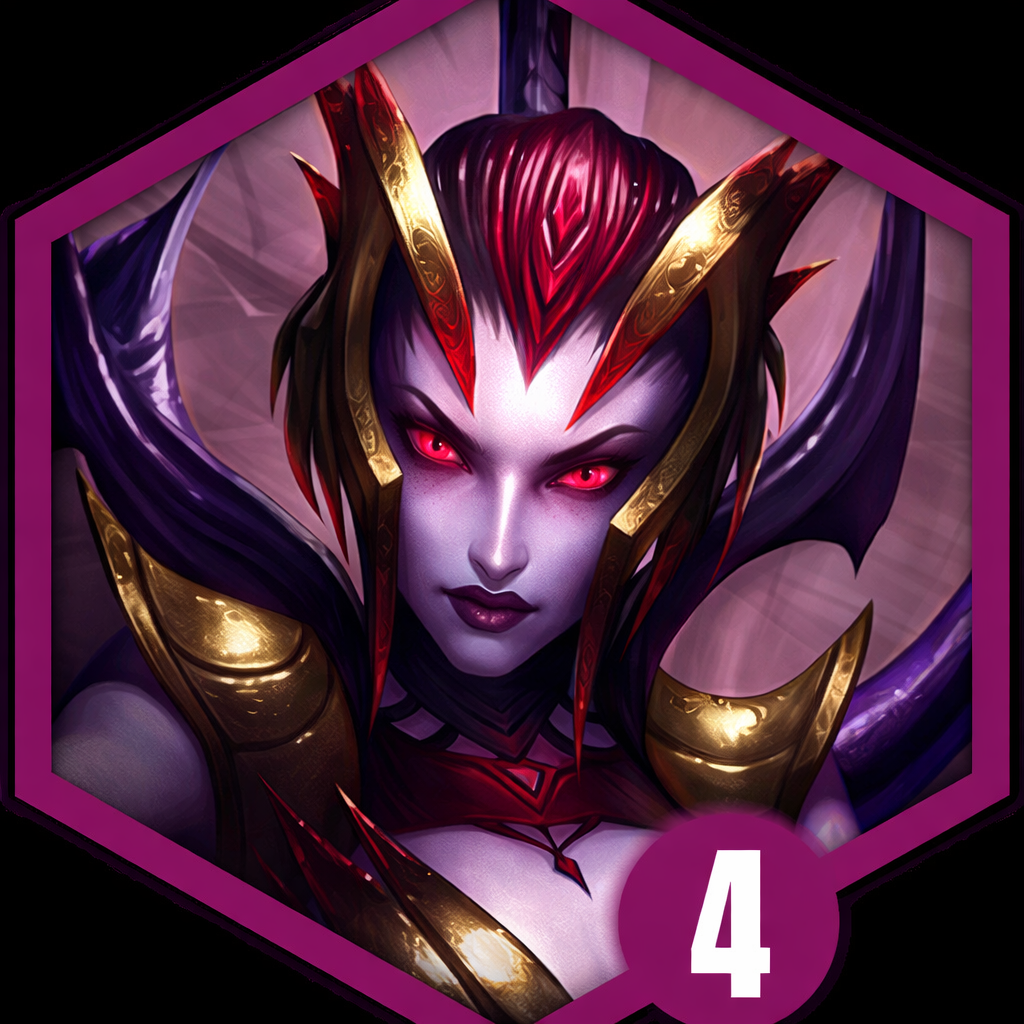
Elise is one of the best “everything is suddenly okay” units in the set. She stabilizes boards without demanding perfect conditions and gives you a frontline that actually buys time.
Best role
Premium frontline with meaningful damage pressure
When to buy
- When you need Stage 4 stability
- When you need a flexible late-game frontline anchor
Best item direction
- Tank items if she is your main frontliner
- Hybrid damage if your board is already durable
Positioning tip
Front two hexes, slightly off-center so she does not eat every chain CC effect at once
Why she matters
Elise buys time, and in TFT, time is often the difference between one cast and two
2. Viktor (Machine Herald) – 6-cost
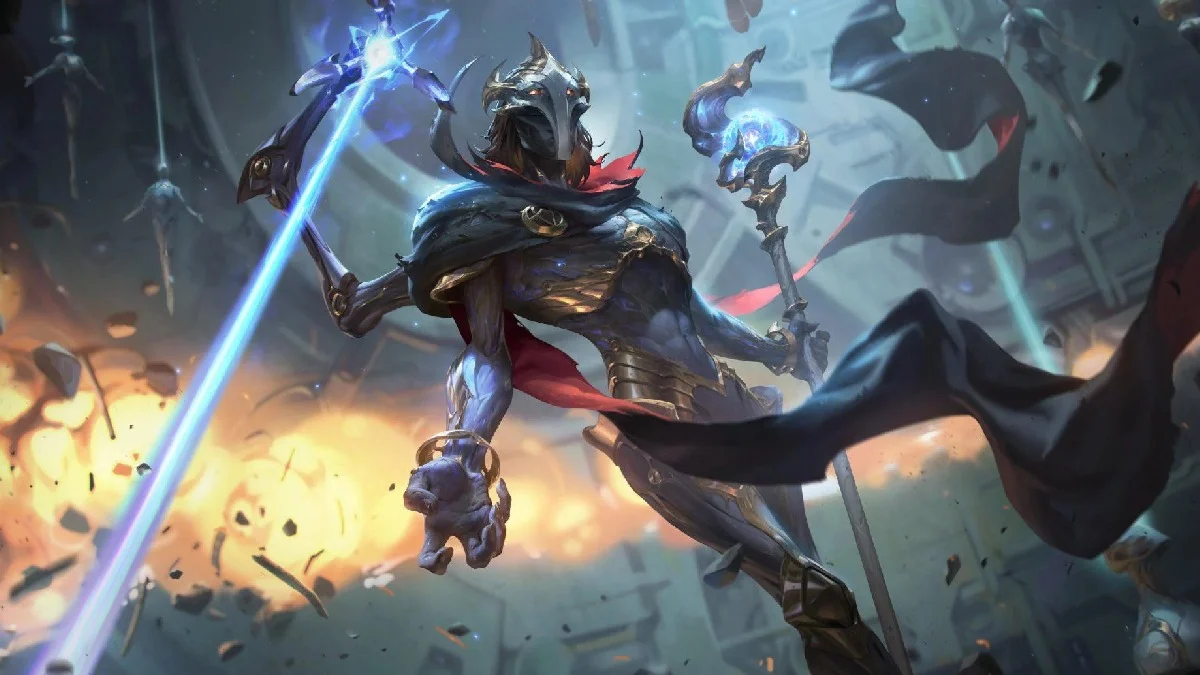
Viktor is a classic cap unit. Your board does not need him to function, but once you hit him, close fights often stop being close.
Best role
Late-game finisher and board amplifier
When to buy
When you are stable at Level 8 or 9 and want to convert a top 3 into a top 1
Best item direction
- Mana acceleration
- AP items
- Even one supportive leftover item can justify splashing him
Positioning tip
Keep him in the backline, but do not auto-corner if the lobby has strong dive access
Why he matters
In the final patch, late-game shops became even more valuable, which made Viktor one of the biggest board-upgrade hits in the set
3. Warwick (Experiment / Blood Hunter) – 6-cost
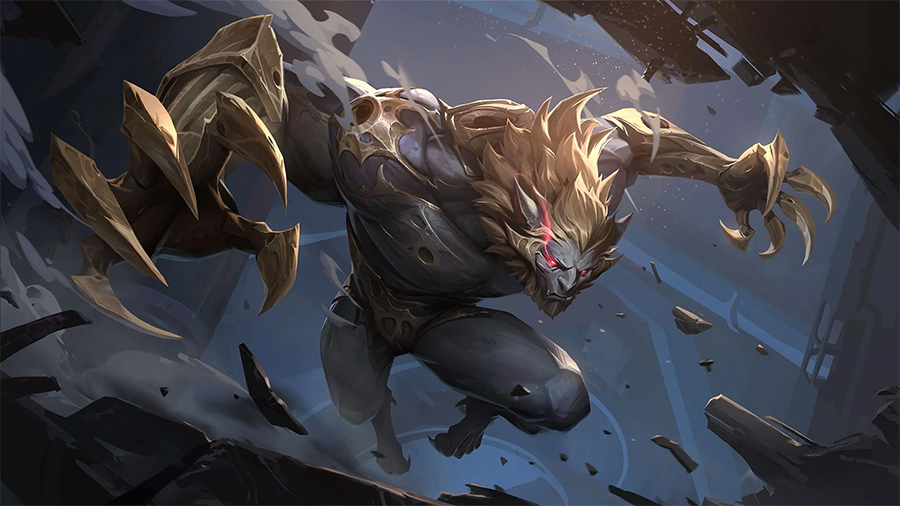
Warwick is the cleanup closer. If your board already creates long fights, he turns those fights into wins.
Best role
- Sustained damage finisher
- Anti-frontline cleaner
When to buy
When your team can survive long enough for him to ramp
Best item direction
- Sustain
- Scaling damage
- Avoid overcommitting to pure glass-cannon builds
Positioning tip
Scout his access path so he reaches priority targets quickly
Why he matters
He punishes weak frontline itemization and wins the kinds of fights that drag on
4. Mel (Banished Mage) – 6-cost
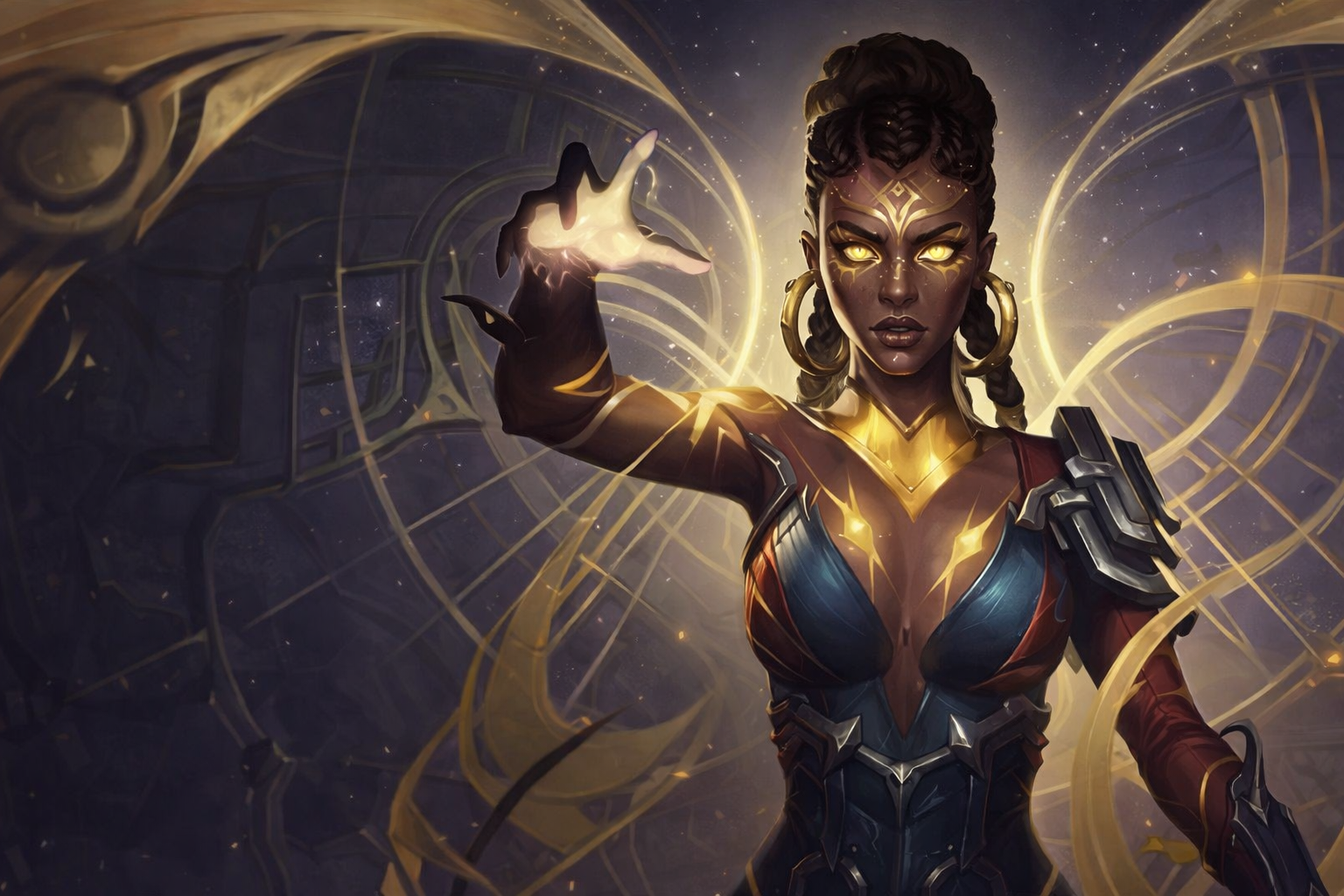
Mel is the answer to players who think they can out-tank you. She compresses fights with burst and heavily punishes slow boards.
Best role
- AP finisher
- Backline and clump punisher
When to buy
When you need a fight-winning spell instead of slow DPS
Best item direction
- Mana generation
- Burst AP
- Natural pivot if you already slammed AP items
Positioning tip
Protected backline with a defensive body between her and likely dive lanes
5. Sett (Rebel / Bruiser / Pit Fighter)
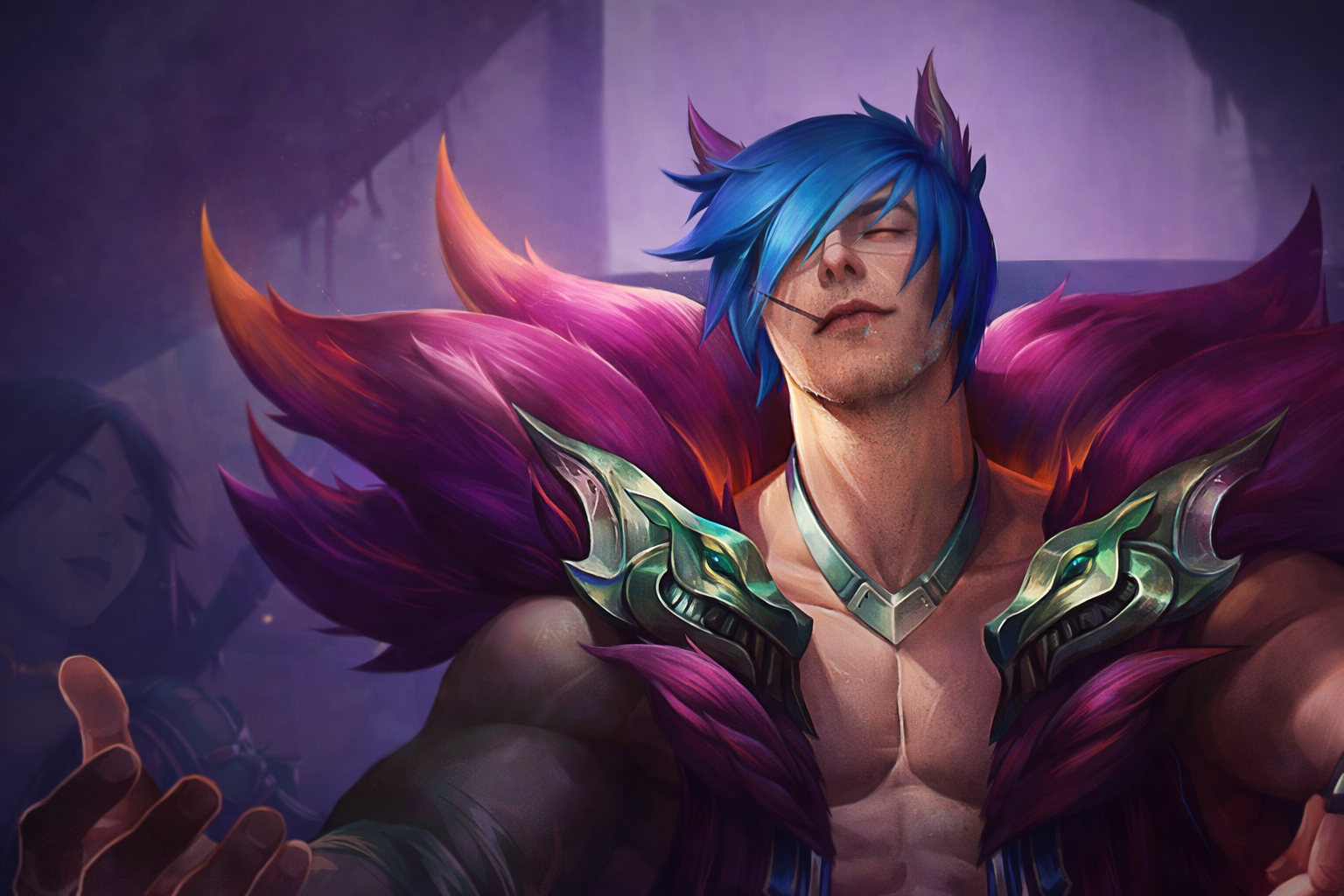
Sett defined a lot of the final-patch feel. He could function as both frontline and win condition, which made him one of the safest ways to stabilize and scale.
Best role
- Bruiser carry
- Frontline threat that can win fights on his own
When to buy
When you can support him with sustain and a real frontline shell
Best item direction
- Full tank if your backline is already stacked
- Sustain plus scaling damage when he is one of your main win conditions
Positioning tip
- Front-center for immediate impact
- Shift off-center if the lobby is targeting your first frontline unit with layered CC
Best synergy
- Pit Fighter boards
- Vi and Sett-based variations
6. Sevika (High Roller / Chem-Baron / Pit Fighter)
Sevika is a high-ceiling unit. On a clean board, she raises your cap significantly. On a messy board, she can feel inconsistent.
Best role
- Late-game DPS spike
- Secondary win condition
When to buy
When your board is already stable and you want more finishing power
Best item direction
- Consistency over greed
- One safety item often performs better than full damage
Positioning tip
Protect her from immediate dive so she has time to take over fights
S Tier Champions
These units are reliable and powerful, but they usually need structure around them.
S Tier:
- Gangplank
- Jayce
- Swain
- Ambessa
- Vi
- Jinx
- Draven
- Rumble
- Illaoi
7. Gangplank (Scrap / Form Swapper / Pit Fighter)
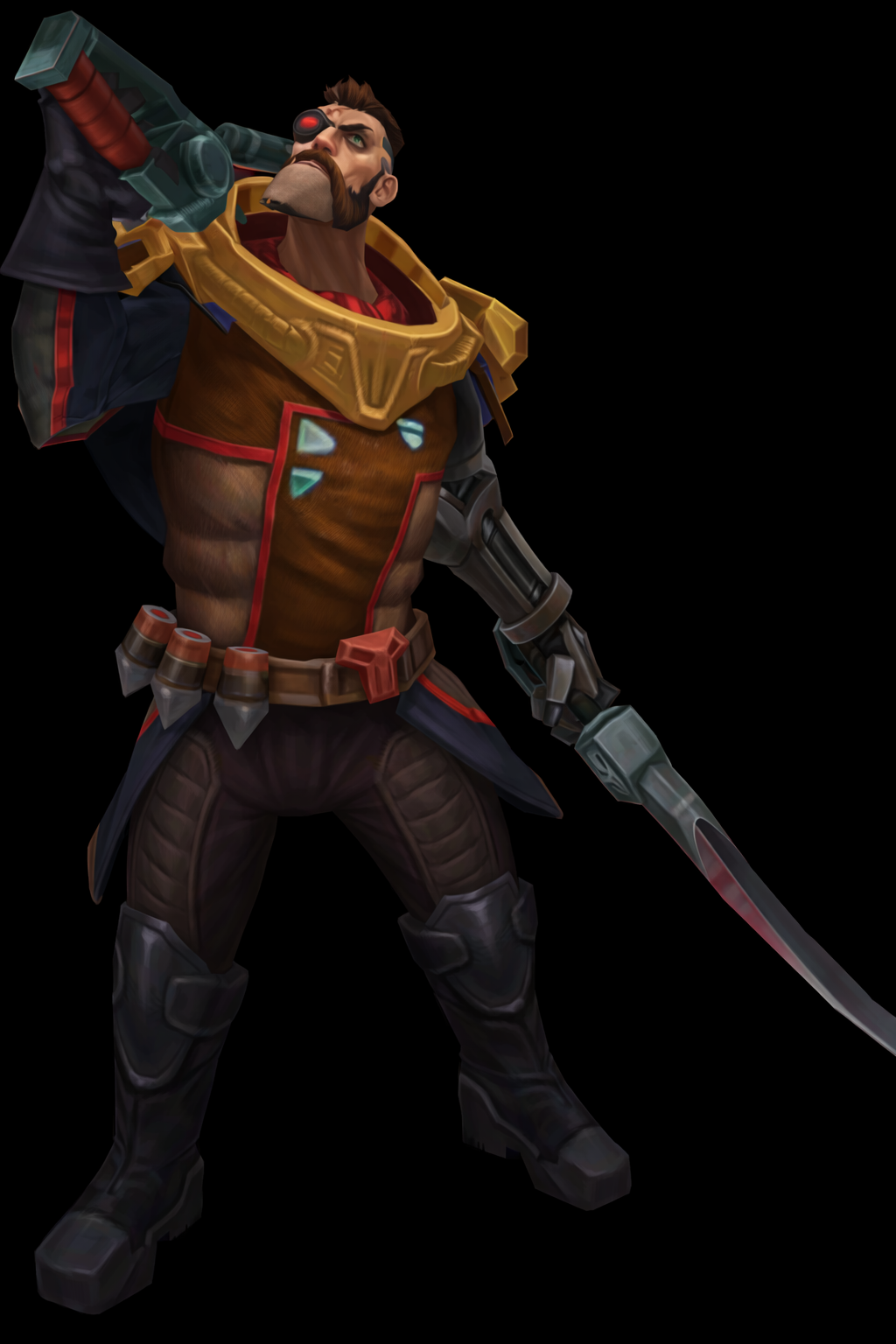
Gangplank is a flexible AD threat and an excellent transition carry.
Best role
Mid-to-late game bridge carry
When to play
When you slammed AD items early and need a stable Stage 4
Best item direction
- AD scaling
- Armor shred support
Positioning tip
Protected backline; rotate corners to avoid dive pressure
8. Jayce (Academy / Form Swapper)
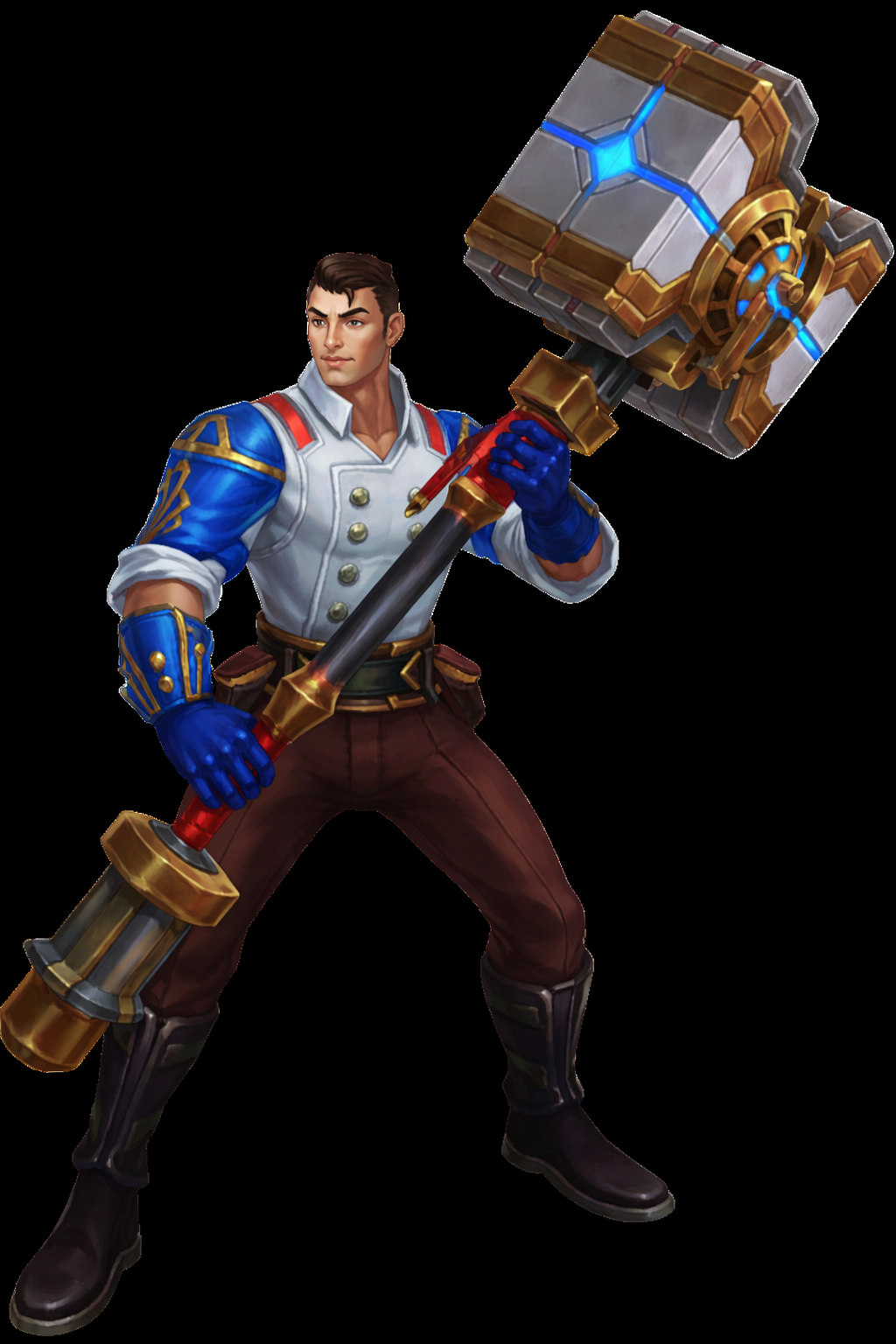
Jayce is one of the easiest “hit at 8 and stabilize” units in the set.
Best role
- Primary Level 8 carry
- Strong secondary threat
When to play
When you already have frontline and AD items ready
Best item direction
- Damage
- Scaling
- Sustain
Positioning tip
Do not hard-corner every round; scout divers and reposition accordingly
9. Swain (Conqueror / Form Swapper / Sorcerer)
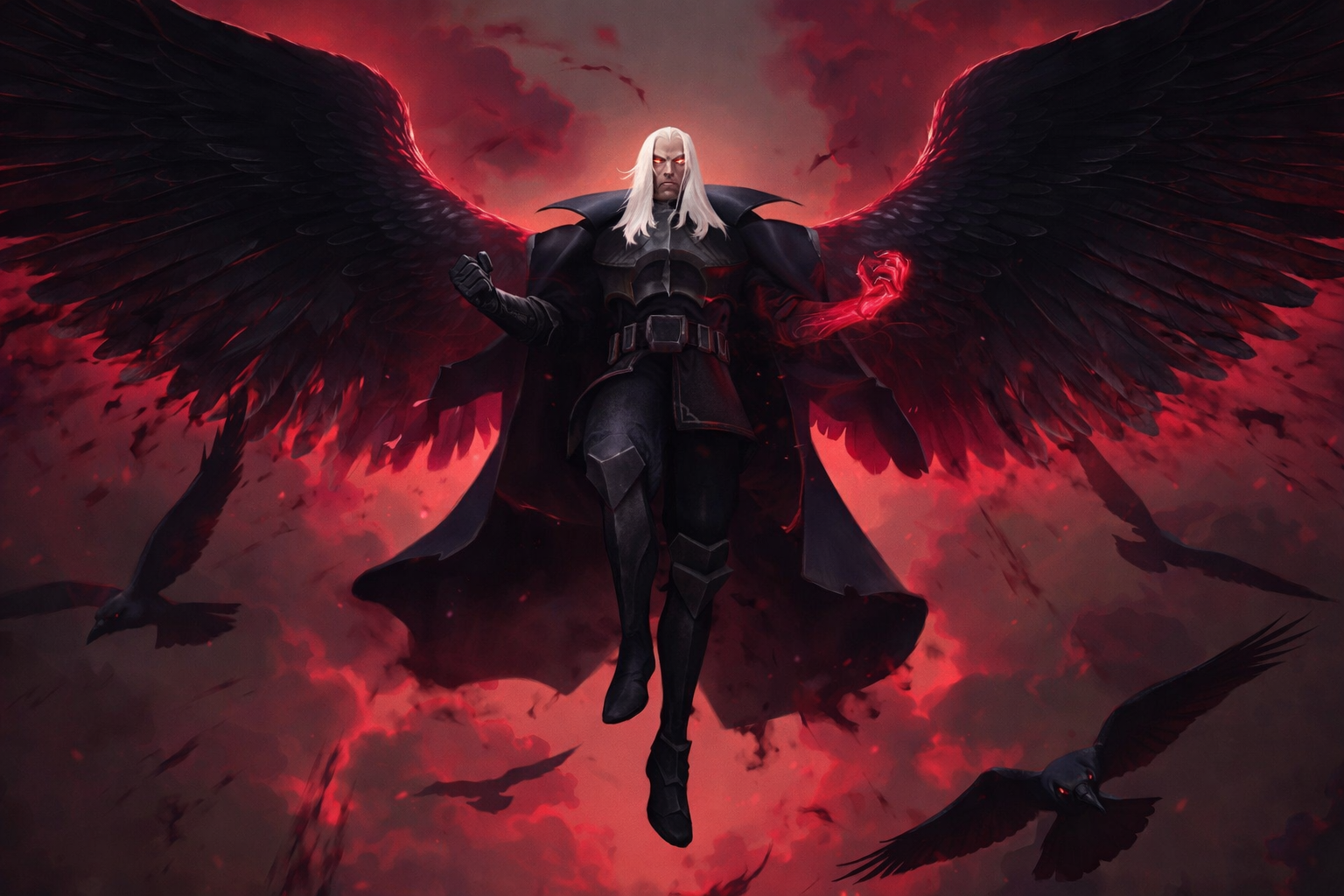
Swain is a lobby-read champion. If opponents are itemizing poorly against magic damage or sustained frontliners, he becomes a nightmare.
Best role
AP bruiser carry
When to play
When you can build sustain and buy him time
Best item direction
- Sustain
- AP
- Defensive baseline if he is frontlining
Positioning tip
Frontline him, but avoid feeding him directly into chain stuns
10. Ambessa (Emissary / Conqueror / Quickstriker)
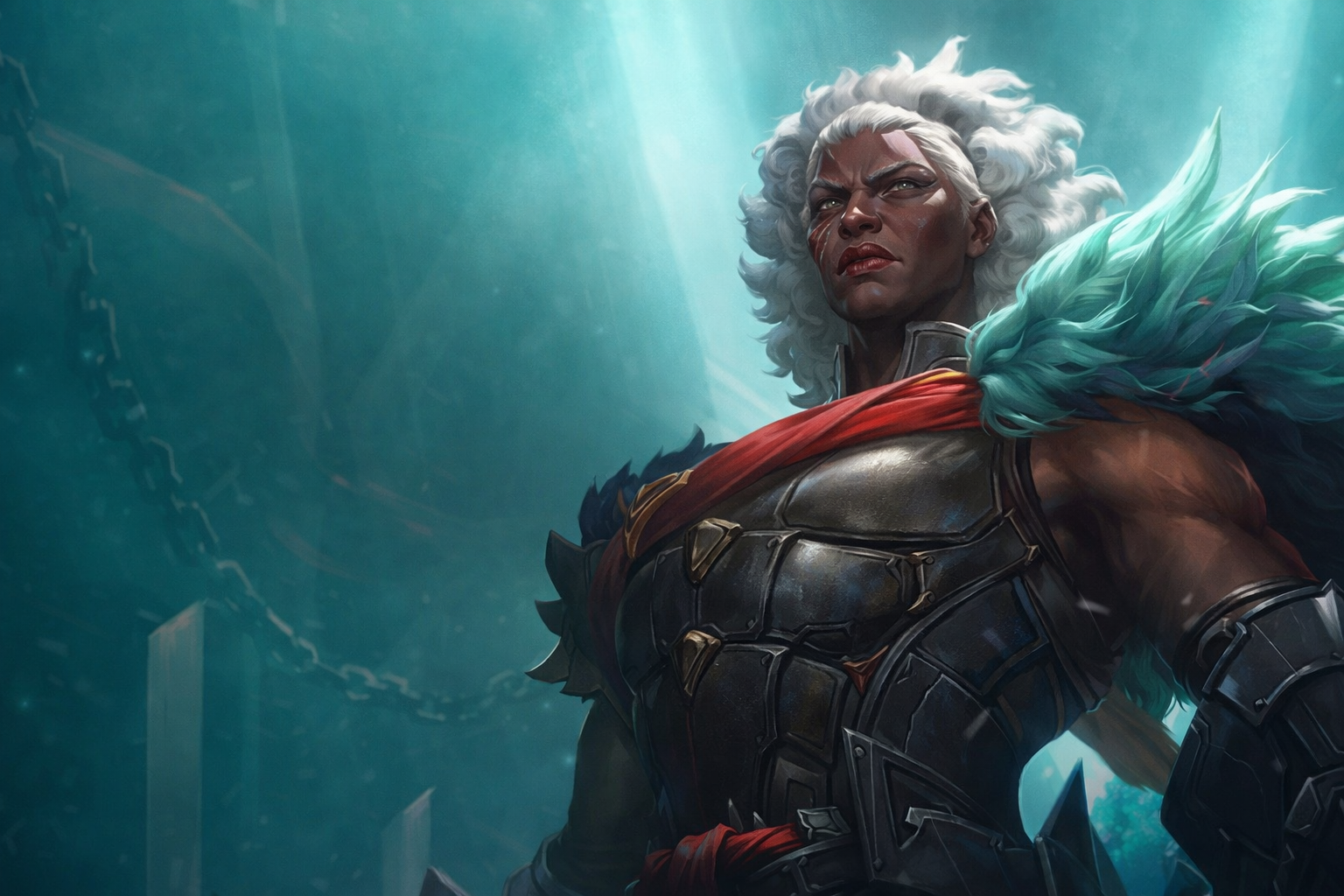
Ambessa is tempo. She rewards aggressive stabilization and good scouting.
Best role
Fast-paced AD carry that turns leads into top 2 finishes
When to play
When you hit upgrades on curve and can keep leveling aggressively
Best item direction
- AD and attack speed
- Sustain layer
Positioning tip
Keep her away from the first CC cluster
11. Vi (Enforcer / Pit Fighter)
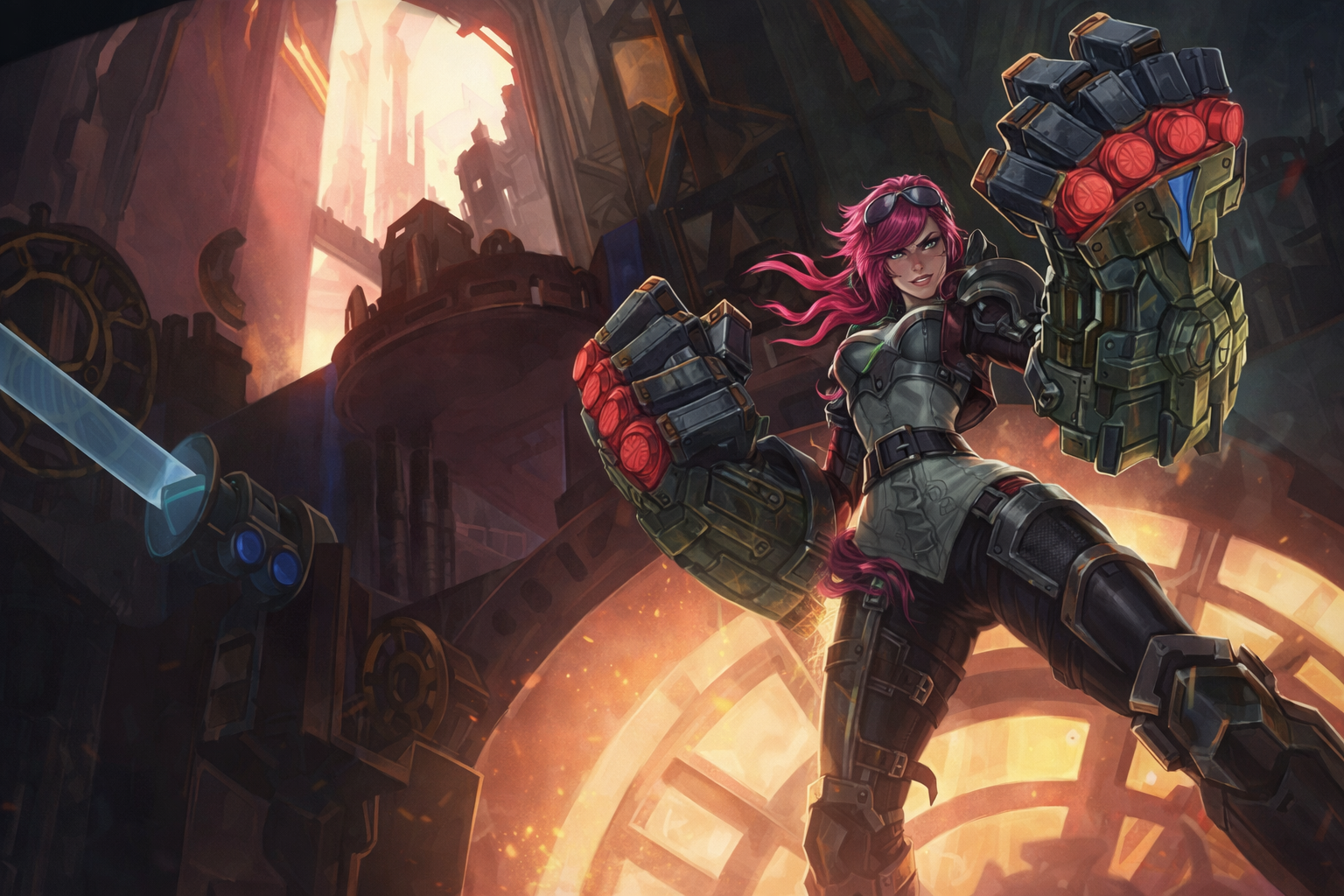
Vi is the kind of unit that makes your actual carry get to play the game. She gives access, disruption, and frontlining all at once.
Best role
- Disruption frontline
- Carry enabler
When to play
When you need CC, a sturdy bruiser core, or better access to enemy carries
Best item direction
- Tank utility
- Anti-heal when the lobby is sustain-heavy
Positioning tip
Angle her toward the enemy carry lane whenever possible
12. Jinx (Rebel / Ambusher)
Jinx is a classic protected backline carry.
Best role
Primary DPS carry
When to play
When your Rebel shell is online or your frontline is strong enough to protect her
Best item direction
- Shred
- Scaling damage
- Sustain
Positioning tip
Corner often, but swap sides aggressively versus dive-heavy boards
13. Draven (Conqueror / Pit Fighter)
Draven offers reliable physical damage and performs best when your frontline gives him time to scale.
Best role
Tempo-based physical carry
When to play
When you can 2-star him on curve and support him properly
Best item direction
- AD scaling
- Sustain
- Armor shred support
Positioning tip
Backline with at least one peel unit nearby
14. Rumble (Junker King / Scrap / Sentinel)
Rumble punishes clumped fights and gives frontline boards some real AoE pressure.
Best role
Frontline AoE threat
When to play
When the lobby tends to clump or when you need area damage
Best item direction
- Tank core
- One damage or sustain slot
Positioning tip
Center versus grouped boards, offset versus split boards
15. Illaoi (Rebel / Sentinel)
Illaoi is a dependable frontline anchor that keeps Rebel boards from collapsing too early.
Best role
Main frontline tank
When to play
- In vertical Rebels
- When you need a durable Sentinel frontline
Best item direction
- Resists
- Sustain
Positioning tip
Place her so she draws pressure away from your carry corner
A Tier Champions
A-tier units are where a lot of real LP comes from. They are strong, but they need a defined role.
A Tier:
- Zoe
- Urgot
- Mordekaiser
- Garen
- Ekko
- LeBlanc
- Rell
- Irelia
- Vladimir
- Caitlyn
- Akali
- Ezreal
- Nami
- Violet
- Malzahar
Key A-tier Highlights
16. Zoe (Rebel / Sorcerer)

A strong AP direction in Rebel shells.
Good for:
- AP carry setups
- Secondary burst
- Mana/AP item holders
17. Urgot (Experiment / Pit Fighter / Artillerist)
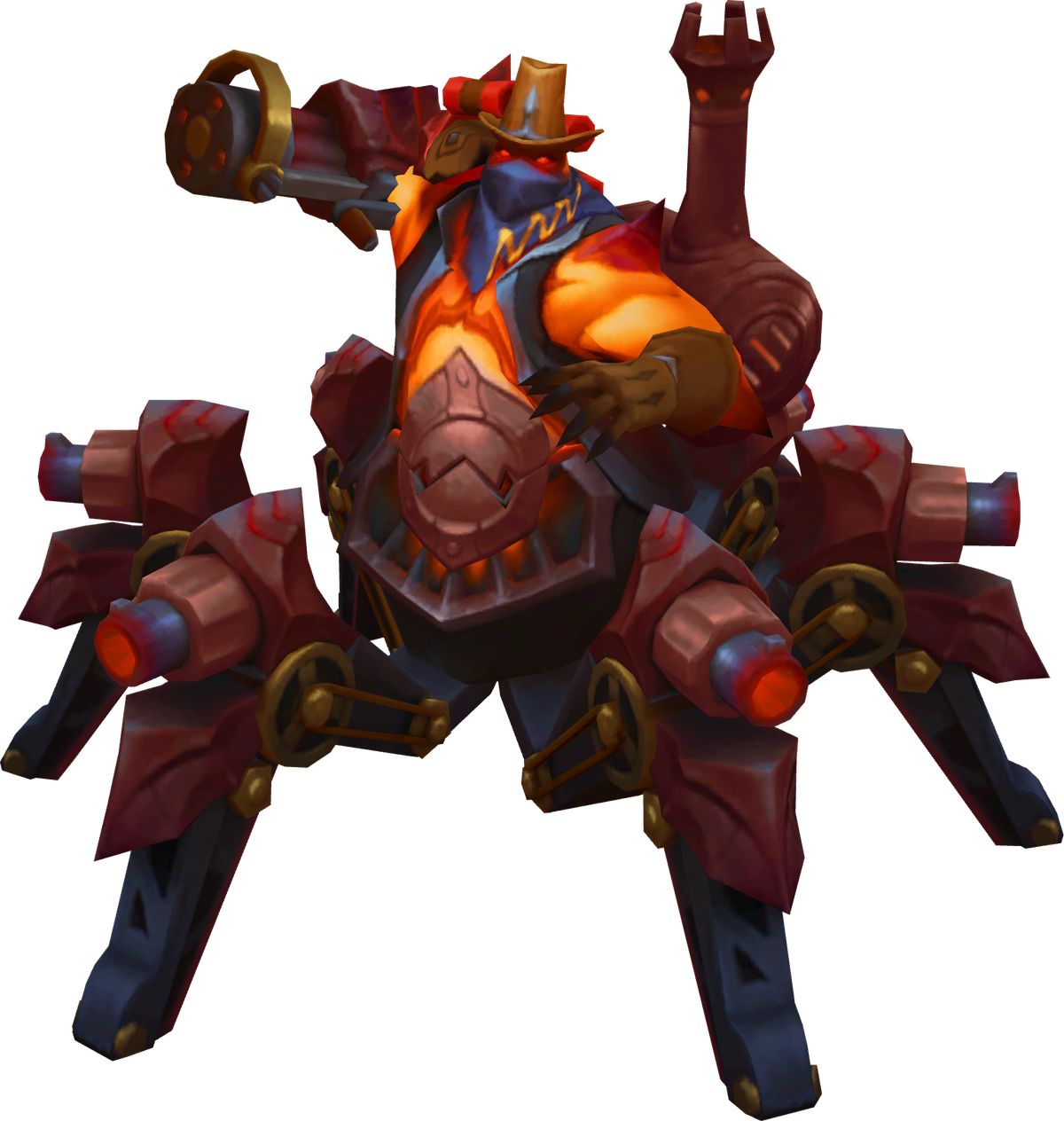
A strong Stage 4 tempo stabilizer.
Good for:
- Midgame pressure
- AD item usage
- Boards that need immediate damage output
18. Mordekaiser (Conqueror / Dominator)
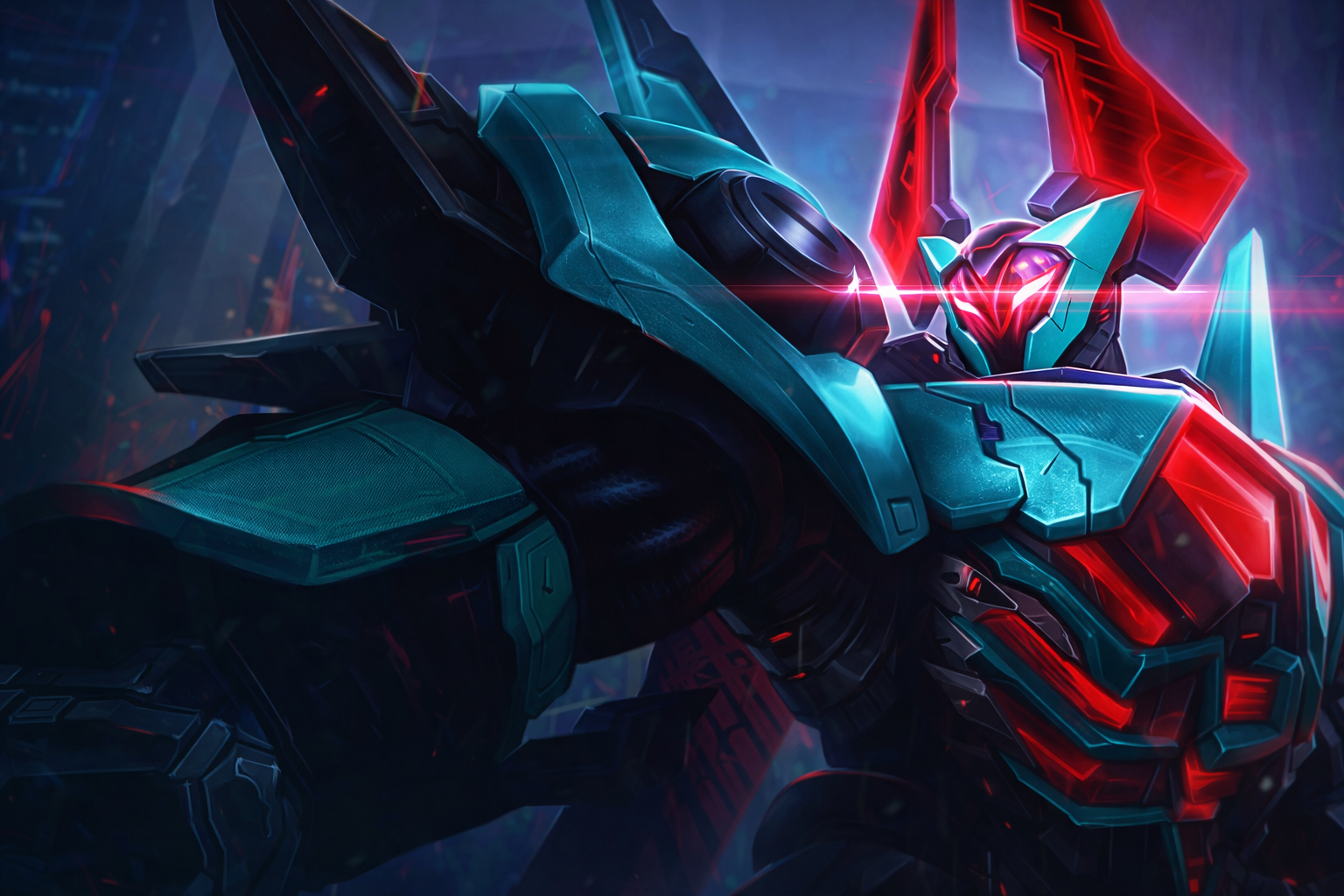
A stat-heavy frontline threat that needs proper support.
Good for:
- Tanky carry setups
- Resists-first itemization
- Boards that need a durable threat
19. Garen (Emissary / Watcher)
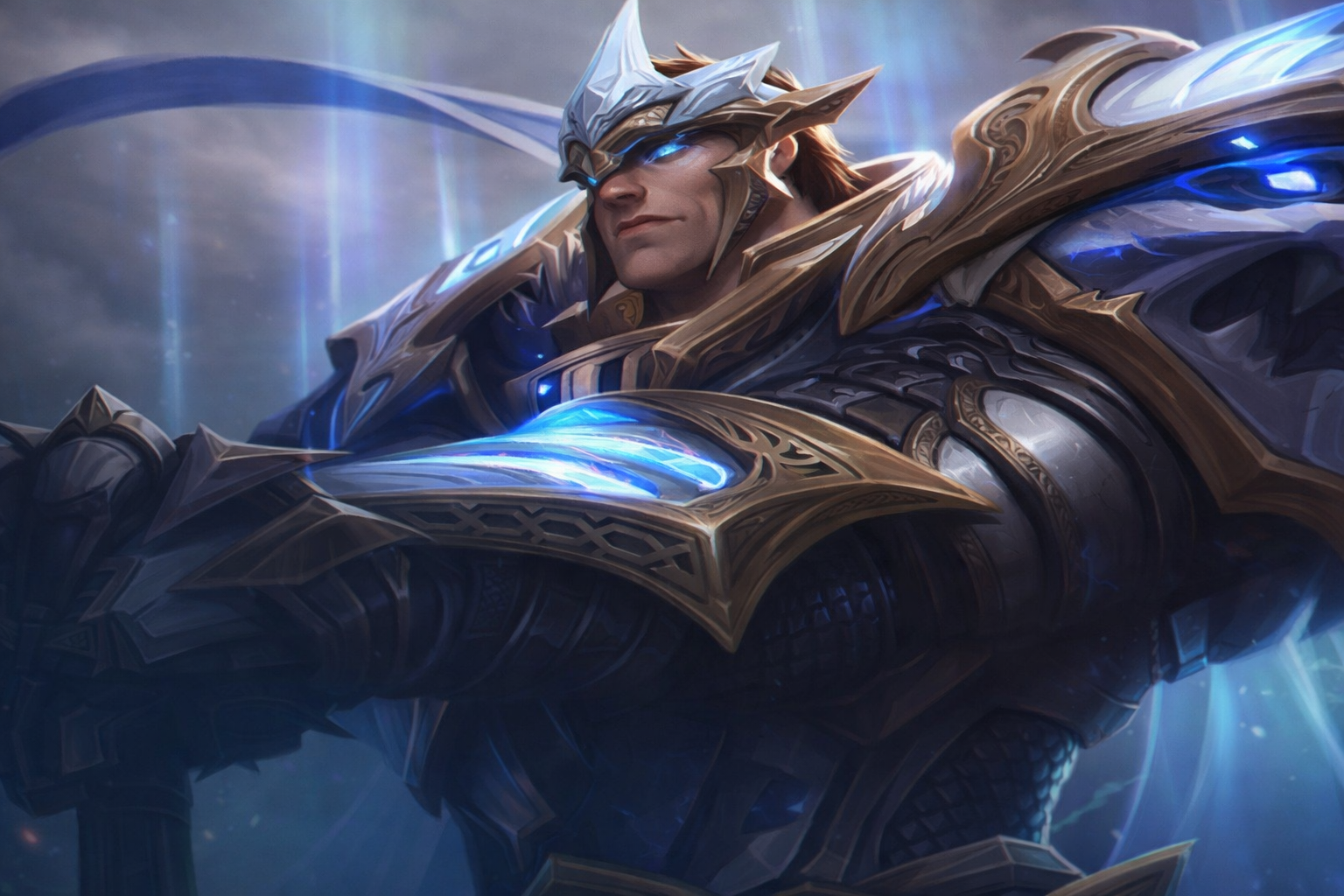
Quietly dependable.
Good for:
- Midgame stabilization
- Holding frontline while you transition
- Clean Watcher utility
20. Ekko (Firelight / Scrap / Ambusher)
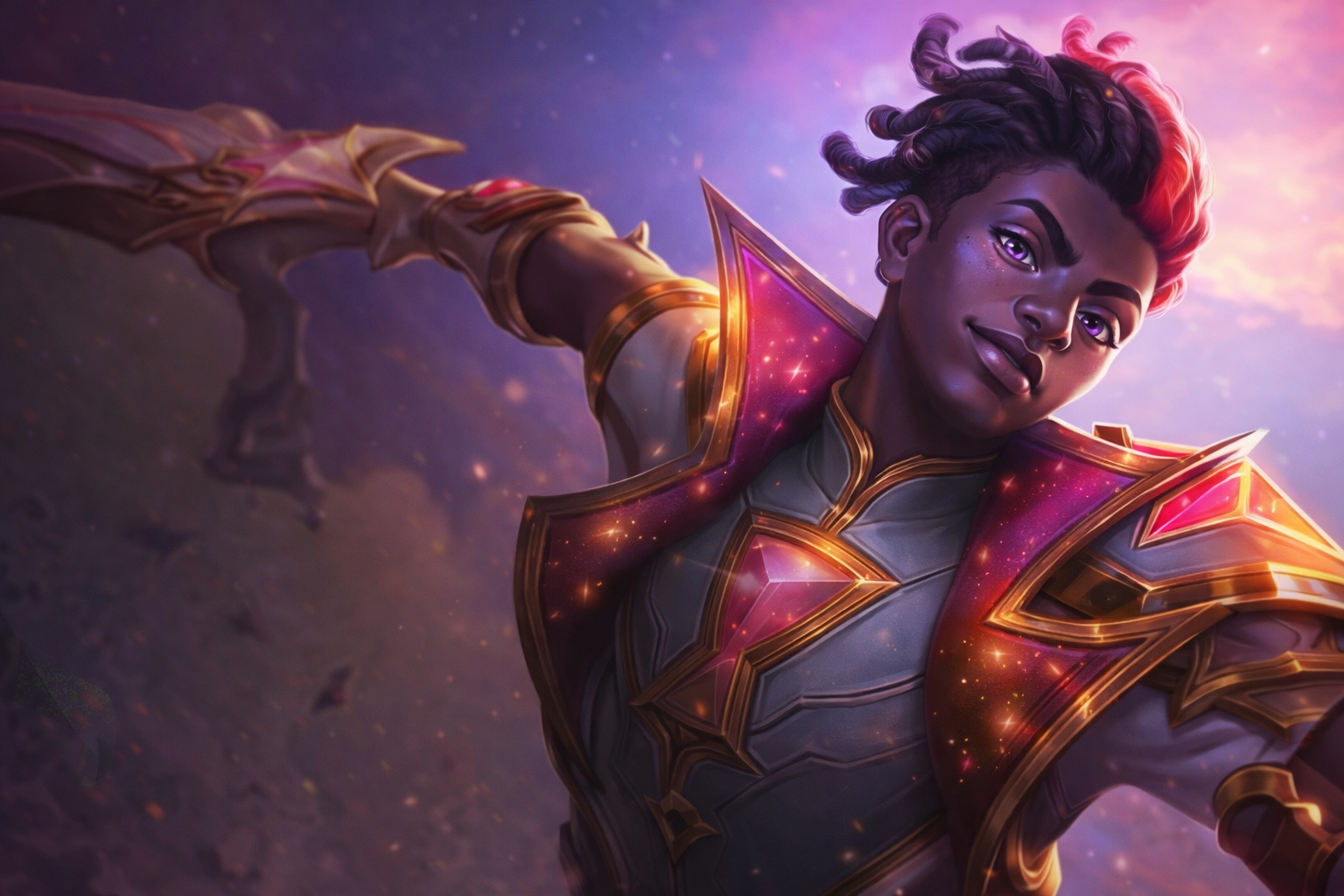
One of the best flexible utility pieces in the set.
Good for:
- Pivot boards
- Backline pressure
- Trait bridging
21. LeBlanc (Black Rose / Sorcerer)
A punish tool versus clumped backlines.
Good for:
- Magic damage balance
- Black Rose boards
- Backline punishment
22. Rell (Conqueror / Sentinel / Visionary)
Strong frontline support and structure.
Good for:
- Durable frontline setups
- Sentinel boards
- Utility-heavy team comps
23. Irelia (Rebel / Sentinel)
A classic glue unit.
Good for:
- Trait activation
- Secondary frontline value
- Stable midgame boards
24. Vladimir (Black Rose / Watcher / Sorcerer)
Useful when he is not asked to solo carry.
Good for:
- Early and midgame stabilization
- Supportive AP bruiser roles
- Black Rose openings
25. Caitlyn (Enforcer / Sniper)
Long-range damage with strong pick potential.
Good for:
- Protected backline comps
- Sniper angles
- Slow, front-to-back fights
26. Akali (Rebel / Quickstriker)
A strong answer to greedy backline positioning.
Good for:
- Backline access
- Hyper-carry pressure
- Anti-greed setups
27. Ezreal (Academy / Rebel / Artillerist)
Excellent item holder when your final board is not decided yet.
Good for:
- Tempo
- Flexible early AD itemization
- Transition-heavy games
28. Nami (Emissary / Sorcerer)
Not always a star, but very useful for smoothing AP boards.
Good for:
- Consistent casting
- Sorcerer activation
- Utility-heavy AP comps
29. Violet (Family / Pit Fighter)
Primarily an early tempo piece.
Good for:
- Family openings
- Pit Fighter transitions
- Cheap early stability
30. Malzahar (Automata / Visionary)
A workable AP direction in the right shell.
Good for:
- Visionary boards
- Automata synergy
- Mana/AP item holders
B Tier Champions
These units are playable, but usually only when you know exactly what role they are filling.
B Tier:
- Tristana
- Nunu & Willump
- Loris
- Dr. Mundo
- Powder
- Twisted Fate
- Twitch
- Darius
- Vander
- Scar
- Kog’Maw
- Renni
- Corki
- Amumu
- Steb
- Camille
31. Tristana (Emissary / Artillerist)
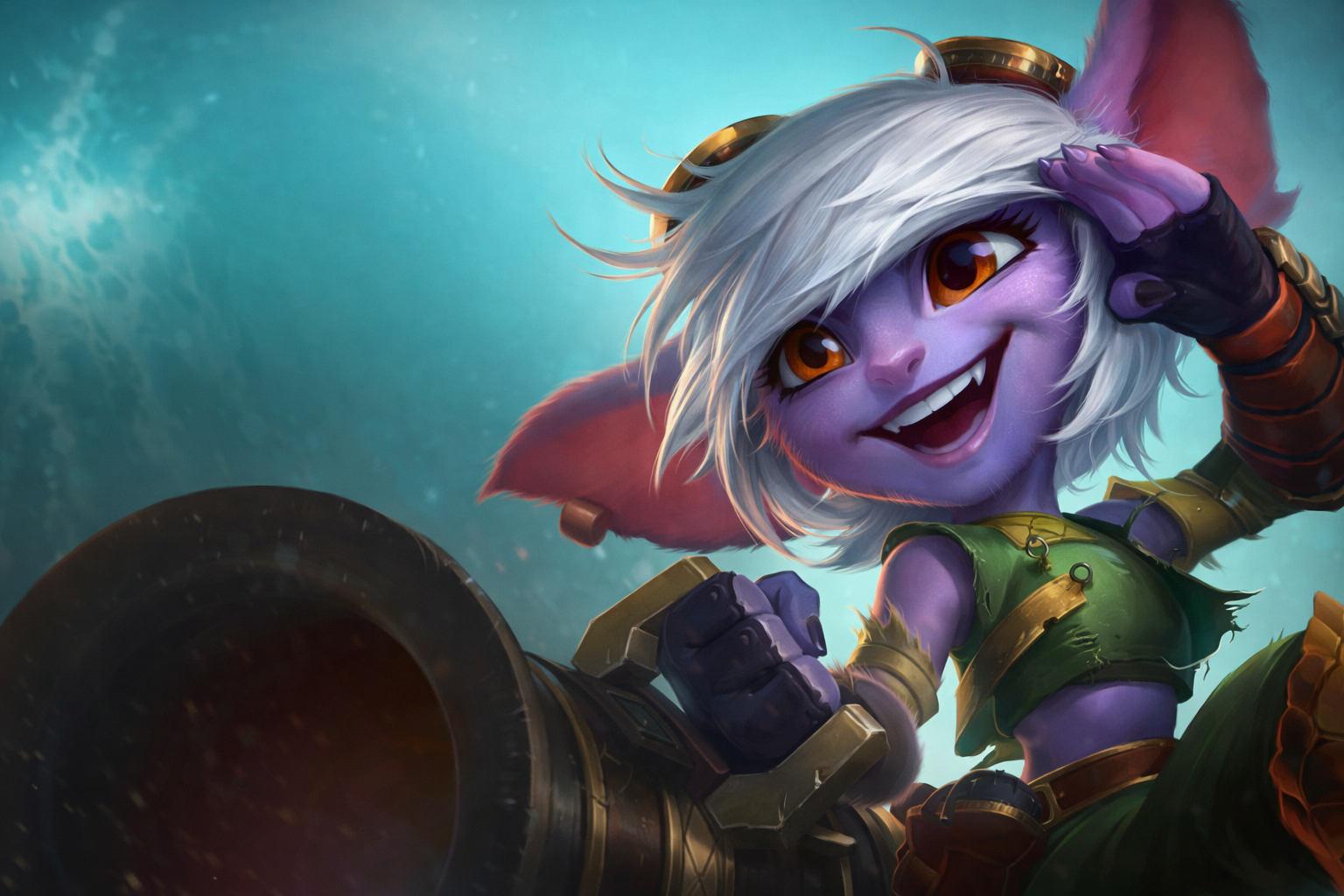
- Best job - early/mid item holder for future backline carries
- When to play - you’re winstreaking early with Artillerist tempo
- Common mistake - keeping her too long after you have a better 4/5-cost carry
32. Nunu & Willump (Experiment / Bruiser / Visionary)

- Best job - Frontline body that helps you survive Stage 3–4
- When to play - You need bruiser HP and Experiment activation
- Common mistake - Expecting him to solo frontline without items
33. Loris (Enforcer / Sentinel)
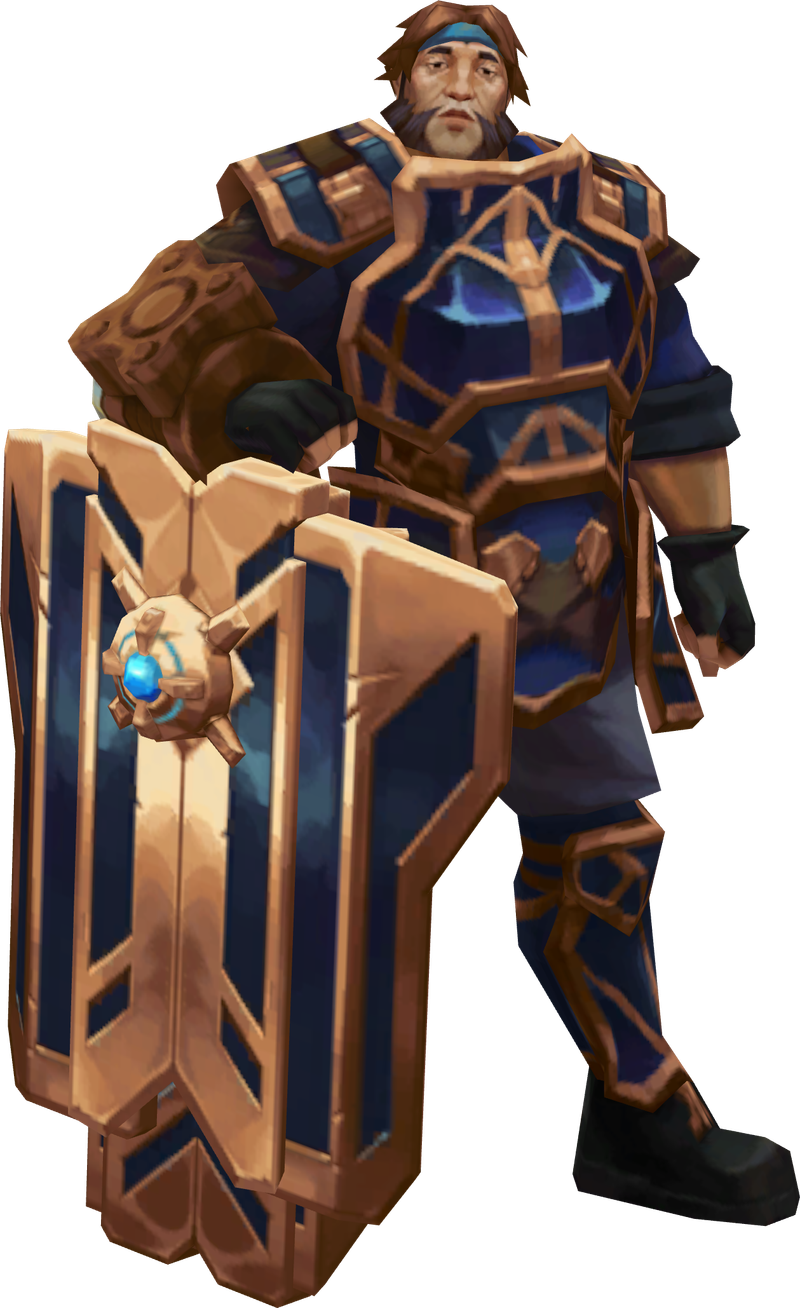
- Best job - Trait bot + frontline filler
- When to play - You need Enforcer/Sentinel breakpoints cheaply
- Common mistake - Over-rolling for him instead of leveling into real tanks
34. Dr. Mundo (Experiment / Dominator)
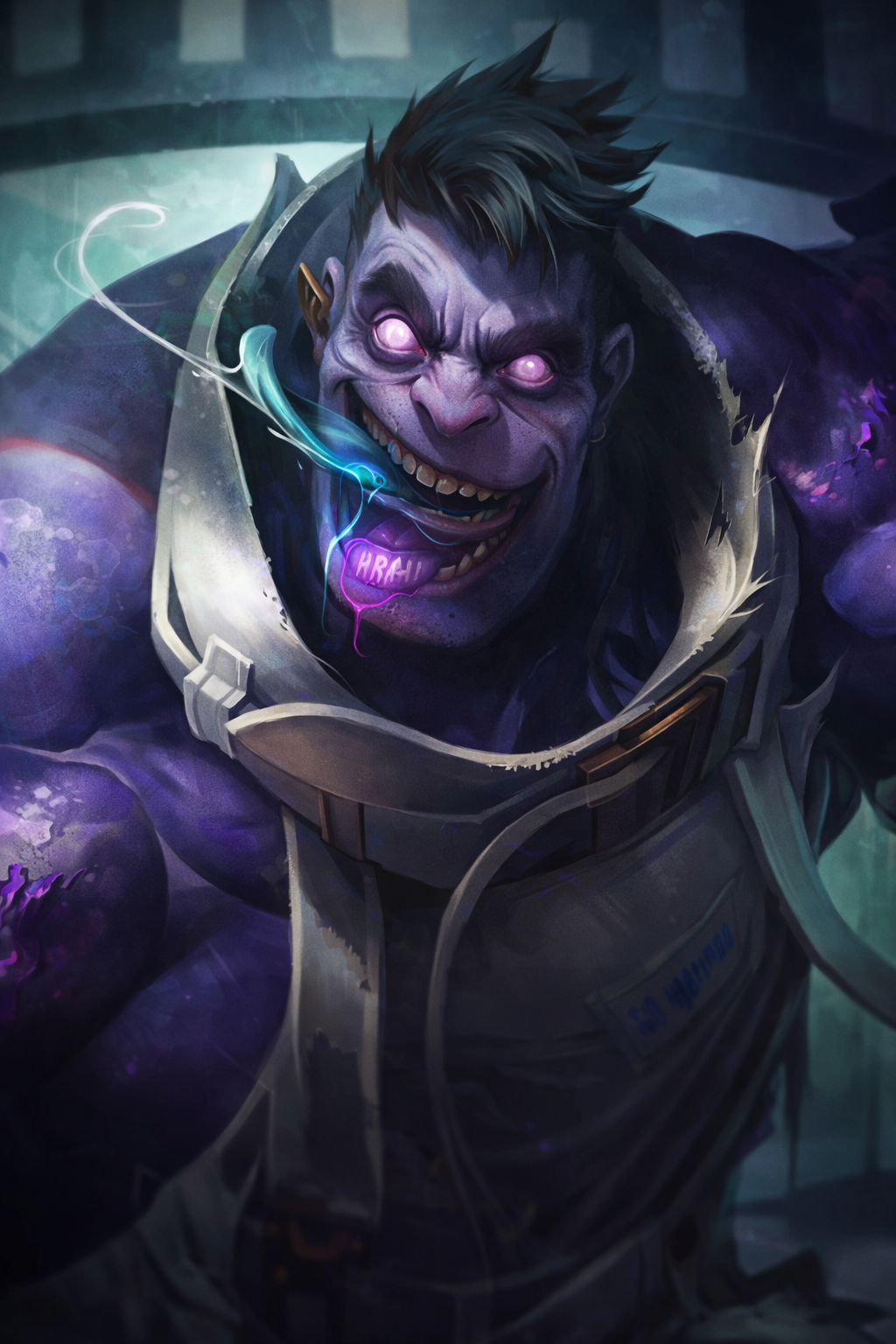
- Best job - Midgame frontline stabilizer
- When to play - You have tank components and need to stop bleeding
- Common mistake - Building pure HP with no resists in high-burst lobbies
35. Powder (Family / Scrap / Ambusher)
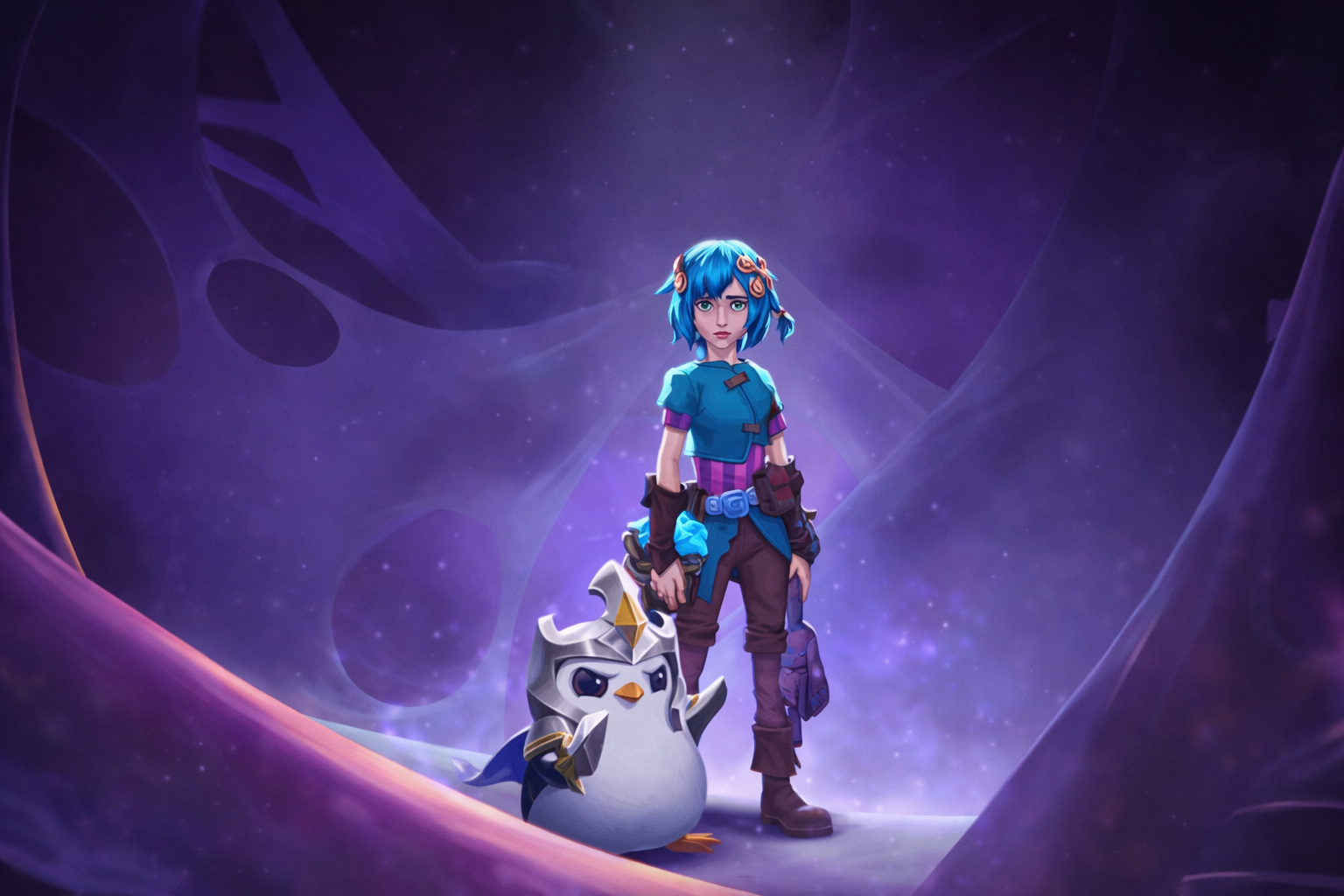
Powder is iconic in Set 13’s final patch notes because Riot leaned into “for-fun” power spikes and even re-enabled her augment.
- Best job - Early tempo carry in the right setup
- When to play - You have her specific augment/angle, or you’re using her as an opener
- Common mistake - Forcing Powder carry without the support that makes it real
36. Twisted Fate (Enforcer / Quickstriker)
- Best job - Utility and trait bridging
- When to play - You need Quickstriker/Enforcer links and a usable body
- Common mistake - Itemizing him like a true carry without the board to support it
37. Twitch (Experiment / Sniper)
- Best job - Backline DPS bridge
- When to play - You have Sniper direction and early AD items
- Common mistake - Relying on Twitch as a late-game win condition
38. Darius (Conqueror / Watcher)
- Best job - Early frontline in Conqueror boards
- When to play - You’re opening Conqueror and need sturdy bodies
- Common mistake - Holding him too long instead of upgrading your frontline tier
39. Vander (Family / Watcher)
- Best job - Early frontline for Family setups
- When to play - You’re building Family or need cheap Watcher frontline
- Common mistake - Skipping economy to chase upgrades that don’t scale
40. Scar (Firelight / Watcher)
- Best job - Early tempo frontline
- When to play - You need Firelight/Watcher bridging
- Common mistake - Playing him as a solo tank without backup
41. Kog’Maw (Automata / Sniper)
- Best job - Item holder for later backline carries
- When to play - You have early attack-speed components and Sniper lanes
- Common mistake - Forcing reroll without checking contesting
42. Renni (Chem-Baron / Bruiser)
Renni appears in BunnyMuffins’ “Very Special” list as Brutal Revenge Renni (augment-dependent).
- Best job - Reroll carry only with the right requirement
- When to play - When the lobby gives you the augment/setup
- Common mistake - Forcing Renni reroll without the required condition
43. Corki (Scrap / Artillerist)
- Best job - Midgame DPS and trait bridge
- When to play - Scrap/Artillerist tempo openers
- Common mistake - Clumping backline and losing to one AoE cast
44. Amumu (Automata / Watcher)
- Best job - CC frontline utility
- When to play - Automata/Watcher shells that need crowd control
- Common mistake - Under-valuing positioning; CC units need correct angles
45. Steb (Enforcer / Bruiser)
- Best job - Early bruiser filler
- When to play - You need cheap frontline and Enforcer links
- Common mistake - Investing items that should be saved for 4/5-cost tanks
46. Camille (Enforcer / Ambusher)
- Best job - Early skirmish value, ambush utility
- When to play - You’re bridging into Ambushers or need Enforcer activation
- Common mistake - Expecting Camille to solve late-game backline problems alone
What B-tier Units Usually Are
- Early item holders
- Trait bots
- Temporary stabilizers
- Situational reroll pieces
- Midgame bridges that should not overstay
A common mistake with B-tier units is simple: keeping them too long.
C Tier Champions
These units are niche. They can be correct, but only with a very specific plan.
C Tier:
- Blitzcrank
- Maddie
- Cassiopeia
- Silco
- Smeech
- Nocturne
- Zeri
- Vex
- Heimerdinger
- Morgana
47. Blitzcrank (Automata / Dominator)
- Use case - Hook-style disruption if your lobby is cornering carries
- Why C - Unreliable value if opponents scout and reposition
48. Maddie (Enforcer / Sniper)
- Use case - Early Sniper trait filler
- Why C - Easily replaced by higher-impact backline units
49. Cassiopeia (Black Rose / Dominator)
- Use case - Trait activation and situational damage
- Why C - Needs strong support to compete with top AP lines
50. Silco (Chem-Baron / Dominator)
- Use case - Niche Chem-Baron boards or trait bridging
- Why C - Outclassed unless the setup is perfect
51. Smeech (Chem-Baron / Ambusher)
- Use case - Early/mid Ambusher angles
- Why C - Falls off hard without highroll conditions
52. Nocturne (Automata / Quickstriker)
- Use case - Backline access when the lobby is greedy
- Why C - Inconsistent unless your items and positioning are perfect
53. Zeri (Firelight / Sniper)
- Use case - Ranged DPS in Firelight shells
- Why C - Fragile and replaceable without an ideal board
54. Vex (Rebel / Visionary)
- Use case - Rebel/Visionary link, supportive casting
- Why C - Doesn’t carry reliably compared to higher tier options
55. Heimerdinger (Academy / Visionary)
- Use case - Visionary/Academy utility and niche lines
- Why C - Becomes great in specific comps, but not broadly reliable
56. Morgana (Black Rose / Visionary)
- Use case - Utility and trait bridging
- Why C - Often a “slot in if needed,” not a true power unit
Common C-tier Use Cases
- Trait activation
- Matchup-specific tech
- One-off utility
- Temporary slot-filling
These are rarely “core” units in the final meta.
D Tier Champions
These were generally outclassed by the end of Set 13.
D Tier:
- Zyra
- Leona
- Singed
- Trundle
- Renata Glasc
- Ziggs
- Lux
57. Zyra (Experiment / Sorcerer)
- Only worth it when - You need Sorcerer/Experiment activation early
- Why D - Low impact compared to other AP options
58. Leona (Academy / Sentinel)
- Only worth it when - You need Sentinel breakpoint and have no better tank
- Why D - Replaced quickly by stronger frontline units
59. Singed (Chem-Baron / Sentinel)
- Only worth it when - Chem-Baron trait requirements force it
- Why D - Doesn’t provide enough standalone value
60. Trundle (Scrap / Bruiser)
- Only worth it when - Early Scrap/Bruiser opener and you’re win streaking anyway
- Why D - Falls off sharply
61. Renata Glasc (Chem-Baron / Visionary)
- Only worth it when - Trait activation or a niche support line
- Why D - Weak as a standalone pick
62. Ziggs (Scrap / Dominator)
- Only worth it when - You’re forced into Scrap/Dominator early
- Why D - Damage and scaling are outclassed
63. Lux (Academy / Sorcerer)
- Only worth it when - Early Sorcerer activation and nothing else
- Why D - Late-game value is too low
When D-tier Units Are Still Playable
- You are forced to use them early
- You need a trait breakpoint immediately
- You are on a very specific line and cannot replace them yet
In most cases, these units should be viewed as temporary.
Which TFT Units Should Be Placed on a Board?
This is the question that actually decides rank. A tier list alone does not win games. A unit earns a slot because it does a job.
The 5 Jobs That Make A Unit Worth Playing
A unit should usually justify its place by doing at least one of these:
- Activating a strong trait breakpoint
- Holding items efficiently
- Providing real frontline durability
- Adding CC that buys time for your carry
- Solving a matchup problem such as anti-heal, armor shred, or backline access
Early Game Placement Rules (Stages 2–3)
In the early game, prioritize stability over perfection.
Focus On:
- 2-star upgrades
- Simple trait pairs that win fights
- Item holders that match your current components
Avoid:
- Greedy trait chasing
- Weak one-star boards with “future potential”
- Holding too many units that do not improve combat now
Mid Game Placement Rules (Stage 4)
This is the stage where most games are decided. You either stabilize here or start bleeding out fast.
Focus On:
- A real frontline core
- One committed carry direction, either AD or AP
- Matchup-based positioning every round
Your Board Should Usually Have:
- At least 2 real frontline units, or 1 premium tank
- One clearly itemized carry
- A plan for your next transition
Late Game Placement Rules (Stages 5–6)
Late game is about maximizing cap, not forcing early-game logic onto your board.
Focus On:
- Your best carry plus a second threat if possible
- Tech slots such as anti-heal, shred, or CC
- High-cap upgrades, including 6-cost units when available
Late-game Mistakes To Avoid
- Overvaluing weak trait breakpoints over raw power
- Ignoring positioning
- Refusing to pivot into stronger cap units
What Were The Strongest TFT Comps In Set 13?
Several comp types consistently performed well in the final meta.
Top-performing Comp Archetypes
- Pit Fighters
- Emissary Sorcerer Swain
- Rebel Zoe
- Black Rose Flex
- Sorcerer Zoe
The Three Comp Styles That Performed Most Consistently
- Vertical trait comps
- Flex boards
- Reroll comps
The best comp was often the one that matched your items, tempo, and lobby conditions rather than the one with the highest raw theoretical cap.
How To Use TFT Unit Data Properly
If you want to know which champions were actually best, unit data is the closest thing TFT has to an objective answer.
Metrics That Matter
- Average placement
- Top 4 rate
- Win rate
- Pick rate
How To Use Those Stats Without Getting Baited
Top 4 Rate
Usually more useful for climbing than raw win rate because it reflects consistency.
Pick Rate
Tells you how contested a unit is likely to be.
Average Placement
Shows whether a unit is stable or only succeeds when high-rolled.
Anomaly Strategy That Actually Won Games
Anomalies defined Set 13, and Patch 13.8 made them even more important by adding a second Anomaly round at 5-5.
Practical Anomaly Rules
If You Are Stable And Winning
Use Anomalies to increase cap, not just to survive.
If You Are Bleeding
Take the option that gives immediate combat value, even if it is not the greediest choice.
If You Are In Capped-board Fights
Treat Anomalies like a targeted weapon. The right empowerment on the right champion can decide the lobby.
The strongest players did not just click Anomalies automatically. They used them intentionally based on board state, itemization, and matchup.
FAQs About TFT Set 13 Champion Tier List
What are the best champions in the current set?
In the final Set 13 meta, the strongest champions include Elise, Viktor, Warwick, Mel, Sett, and Sevika, with strong S-tier options like Jayce, Swain, Ambessa, Vi, and Jinx also performing consistently well.
What can you find in Teamfight Tactics units data?
TFT unit data typically includes average placement, top 4 rate, win rate, and pick rate, helping players understand which champions are performing best across real matches.
Is TFTStats endorsed by Riot Games?
No. TFTStats and similar sites are community-run tools that track match data. They are widely used but are not officially endorsed by Riot Games.
Does the order inside each tier matter?
Not much. The difference between tiers matters more than the exact order within a tier, since items, traits, and game situations often determine how strong a unit actually is.
How should you use a TFT tier list during a game?
A tier list should be used as a general guideline, not a strict rule. The best units are usually those that fit your items, traits, and current board state, so adapting to your lobby and economy matters more than forcing the highest-ranked champion.
Final Thoughts
Patch 13.8 was designed to let Set 13 go out loud: bigger buffs, higher caps, and even a second Anomaly round at 5-5 to push late-game creativity. That means tier listsonly tell half the story. The other half is execution: when you stabilize, when you pivot, and how you position into the lobby you’re actually playing.
If you want the cleanest climb pattern from this meta, start with units that solve problems immediately (S and A tiers), then cap with S+ when your economy lets you. Read unit data, scout every few rounds, and treat Anomalies like a weapon you aim, not a button you press.
Jump to
What You’ll Find In This Tier List
Best Champions and Strongest TFT Comps in Set 13
What Is TFT Set 13?
Why Patch 13.8 Is The Final Meta Snapshot
TFT Set 13 Champion Tier List
S+ Tier Champions
S Tier Champions
A Tier Champions
B Tier Champions
C Tier Champions
D Tier Champions
Which TFT Units Should Be Placed on a Board?
What Were The Strongest TFT Comps In Set 13?
How To Use TFT Unit Data Properly
Anomaly Strategy That Actually Won Games
FAQs About TFT Set 13 Champion Tier List
Final Thoughts
Latest Articles
Popular Articles