War Within DPS Tier List: 19 Best WoW Damage Specs (2026)
Use this war within dps tier list to identify the best damage specs dominating WoW’s current gameplay meta.
Mar 05, 202612.5K Shares187.2K Views

Here’s What You’ll Learn in This DPS Rankings Tier List
- The strongest DPS specs in Midnight Season 1 and why they dominate the current meta
- Which classes perform best in Mythic+ dungeons vs raids, since the meta differs between content types
- The new Devourer Demon Hunter specand how it compares to Havoc and other melee DPS
- Why Arcane Mage currently leads the damage charts and what makes its burst damage so powerful
- Which DPS specs are safest for solo content, including Delves and other Midnight activities
- Key strengths and weaknesses of every tier, helping you understand why each spec is ranked where it is
- How balance patches and tuning changes could shift the meta, so you know which specs are likely to rise or fall later in the season
Top Midnight DPS Rankings
Midnight is live, the tuning pace is aggressive, and the DPS meta is already doing what WoW metas always do: it’s separating “good damage” from “good damage that actually wins runs.” Pure throughput still matters, but Season 1 is clearly rewarding specs that bring priority burst on demand, repeatable AoE for fast pulls, and survivability that reduces healer strain.
If you’re picking a main (or deciding what to reroll), a useful tier list can’t stop at “S/A/B.” It needs to explain why a spec sits where it sits, what content it excels in, and what makes it climb or fall when Blizzard pushes the next hotfix. This updated ranking is anchored to Midnight Season 1(Patch 12.0.1) and current public meta snapshots from widely used sources like Icy Veins, Method guides, and current-tier list aggregators.
How This Tier List Is Scored
The ranking below uses consistent criteria instead of vibes:
- Damage ceiling: Best-case output in optimized play
- Damage reliability:How often you hit that ceiling in real groups
- Profile fit: Single-target, 2-target cleave, burst AoE, sustained AoE, funnel
- Utility:Stops, buffs, off-healing, unique tools that raise group success
- Survivability and mobility:Especially important in high keys and mechanic-heavy bosses
- Execution cost:How punishing mistakes are (rotation, setup time, movement sensitivity)
You’ll see some specs rank higher than “meter logic” would suggest because their kit wins keys and bosses, not just logs.
Midnight DPS Tier List (Season 1) at a Glance
Mythic+ DPS Tier Table
| Tier | Specializations (Mythic+) |
| S Tier | Arcane Mage, Demonology Warlock, Unholy Death Knight, Augmentation Evoker |
| A Tier | Devourer Demon Hunter, Fire Mage, Elemental Shaman, Devastation Evoker |
| B Tier | Shadow Priest, Fury Warrior, Survival Hunter, Subtlety Rogue |
| C Tier | Frost Mage, Retribution Paladin, Marksmanship Hunter, Balance Druid |
| D Tier | Havoc Demon Hunter, Beast Mastery Hunter, Outlaw Rogue |
Arcane’s Season 1 burst dominance and Demolock’s consistency show up across multiple current tier snapshots and commentary.
Devourer is the new spec that immediately forced comp conversations, and it now has full raid/M+ build coverage across major guide sites.
Raid DPS Tier Table (Season 1)
| Tier | Specializations (Raid) |
| S Tier | Demonology Warlock, Arcane Mage, Unholy Death Knight |
| A Tier | Fire Mage, Devourer Demon Hunter, Shadow Priest, Devastation Evoker |
| B Tier | Elemental Shaman, Subtlety Rogue, Balance Druid, Fury Warrior |
| C Tier | Frost Mage, Marksmanship Hunter, Retribution Paladin |
| D Tier | Havoc Demon Hunter, Beast Mastery Hunter, Outlaw Rogue |
Why raids differ from keys: Raid encounters tend to punish specs that need perfect pull timing or that lose too much output during movement and target swaps. Meanwhile, specs with stable single-target and strong priority damage typically rise.
S-Tier DPS Specs in Midnight Season 1
These are the “must-have” specs because they either define damage checks or make your group’s damage functionally higher.
1. Arcane Mage (S Tier)

Arcane Mage is the current Season 1 poster child for “this kit is tuned to the moon.” Multiple updated tier sources highlight Arcane’s top-end performance and its return to the very top after continued buffs/reworks.
Why Arcane is S-tier
- Priority burst king - deletes dangerous targets on demand
- Explosive opener + repeatable burn windows that line up well with dungeon pacing
- Strong funnel potential when your group is pulling big but needs one mob to die first
- High value in coordinated groups where pulls and cooldowns are planned
Where Arcane wins the most
- Mythic+ keys where every pull has a “this mob must die” threat
- Raid fights that reward planned burst windows and controlled damage spikes
Arcane’s real weakness
- You pay for that power with execution
- Mismanaging resources or being forced into heavy movement at the wrong time can crater a burst window
How to make Arcane feel unfair (the “good player” checklist)
- Plan burn windows around boss phases or priority mob timers
- Pre-position so you spend less time stutter-stepping during your burst
- Coordinate external buffs with your burn windows (this is where Augmentation synergy gets nasty)
2. Demonology Warlock (S Tier)
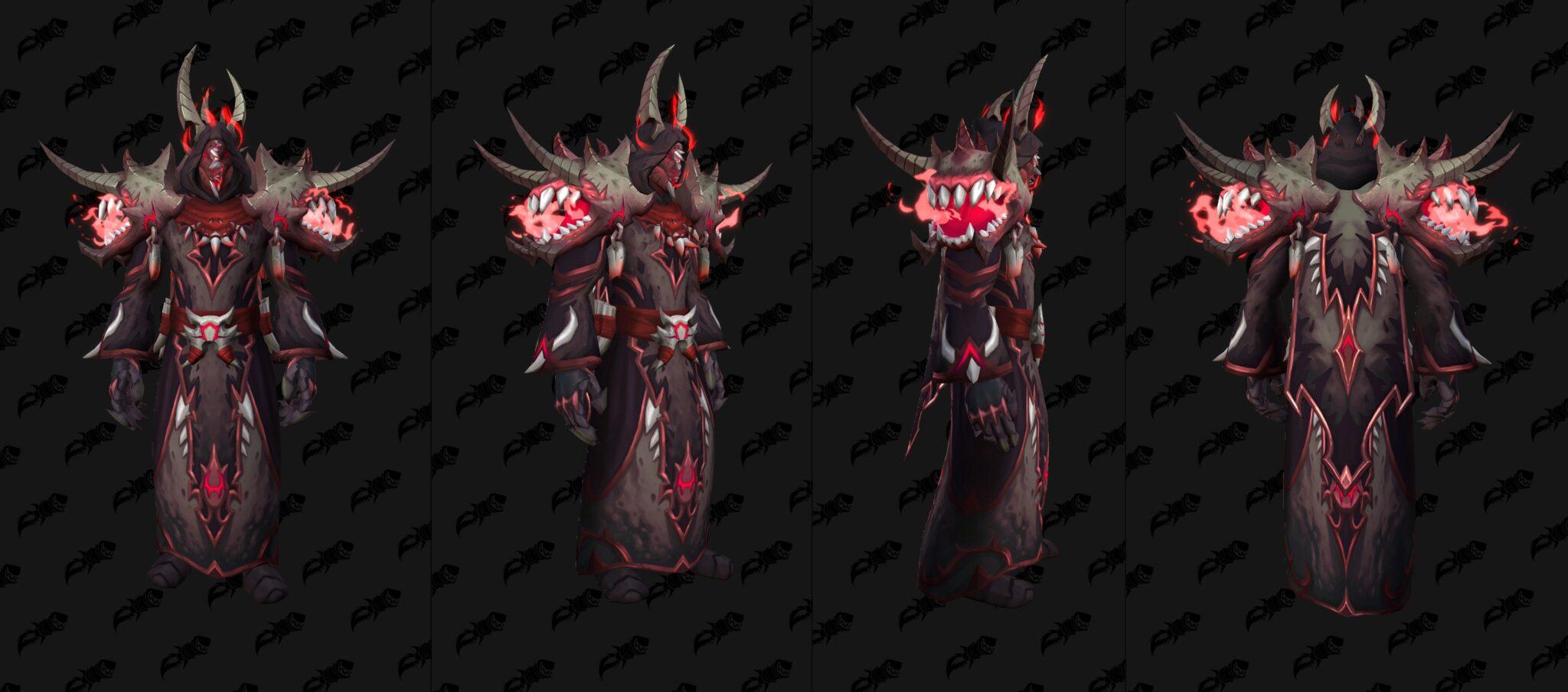
Demonology remains the definition of durable, consistent throughput. Several current tier snapshots still list it among the best overall specs because it doesn’t rely on perfect conditions to perform.
Why Demonology is S-tier
- High sustained damage that holds up in both raids and keys
- Tanky caster profile reduces healer load
- Strong damage even when mechanics force movement (pets keep working)
- Solid multi-target pressure without needing a perfect “one pull every 2 minutes” cadence
What Demolock brings beyond damage
- Healthstones and survivability tools help groups stabilize
- Reliable output across long boss fights
Where Demonology can feel worse
- Extremely fast keys with tiny pulls can sometimes favor burstier specs
- But even then, Demonology rarely feels “bad” - it’s just less flashy
3. Unholy Death Knight (S Tier)
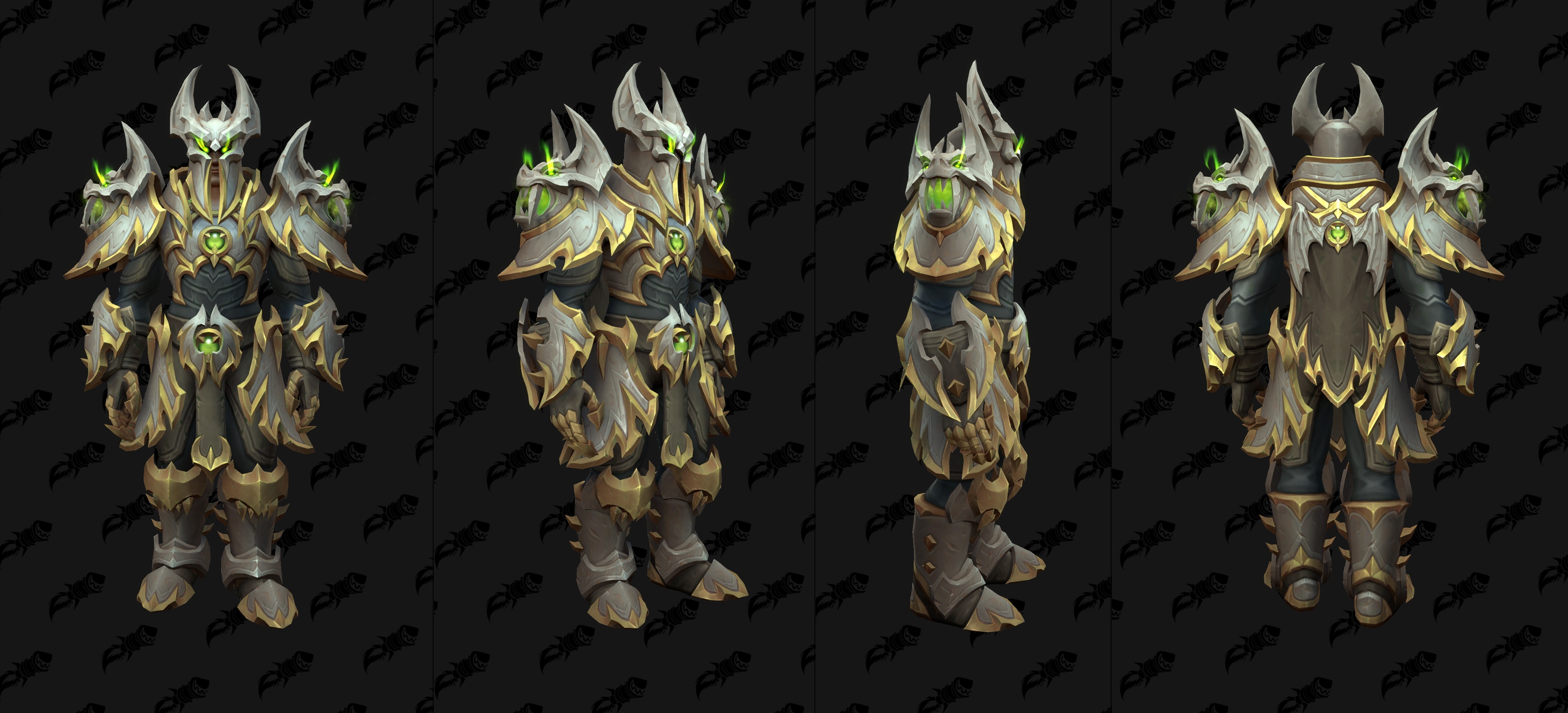
Unholy is still elite because it combines movement-insensitive damage with excellent multi-target pressure and strong priority output when played well. Multiple meta snapshots continue to place Unholy among top performers.
Why Unholy is S-tier
- Pet and disease-driven damage keeps ticking even when you reposition
- Excellent in long pulls and sustained combat time
- Strong cleave and multi-target pressure
- Brings helpful group tools depending on encounter needs
Where Unholy dominates
- Mythic+ routes with big pulls where sustained AoE matters
- Raid fights where uptime is difficult for other melee specs
What holds Unholy back
- Setup and ramp can punish you if pulls are too short
- Poor pull planning can waste cooldowns
4. Augmentation Evoker (S Tier)
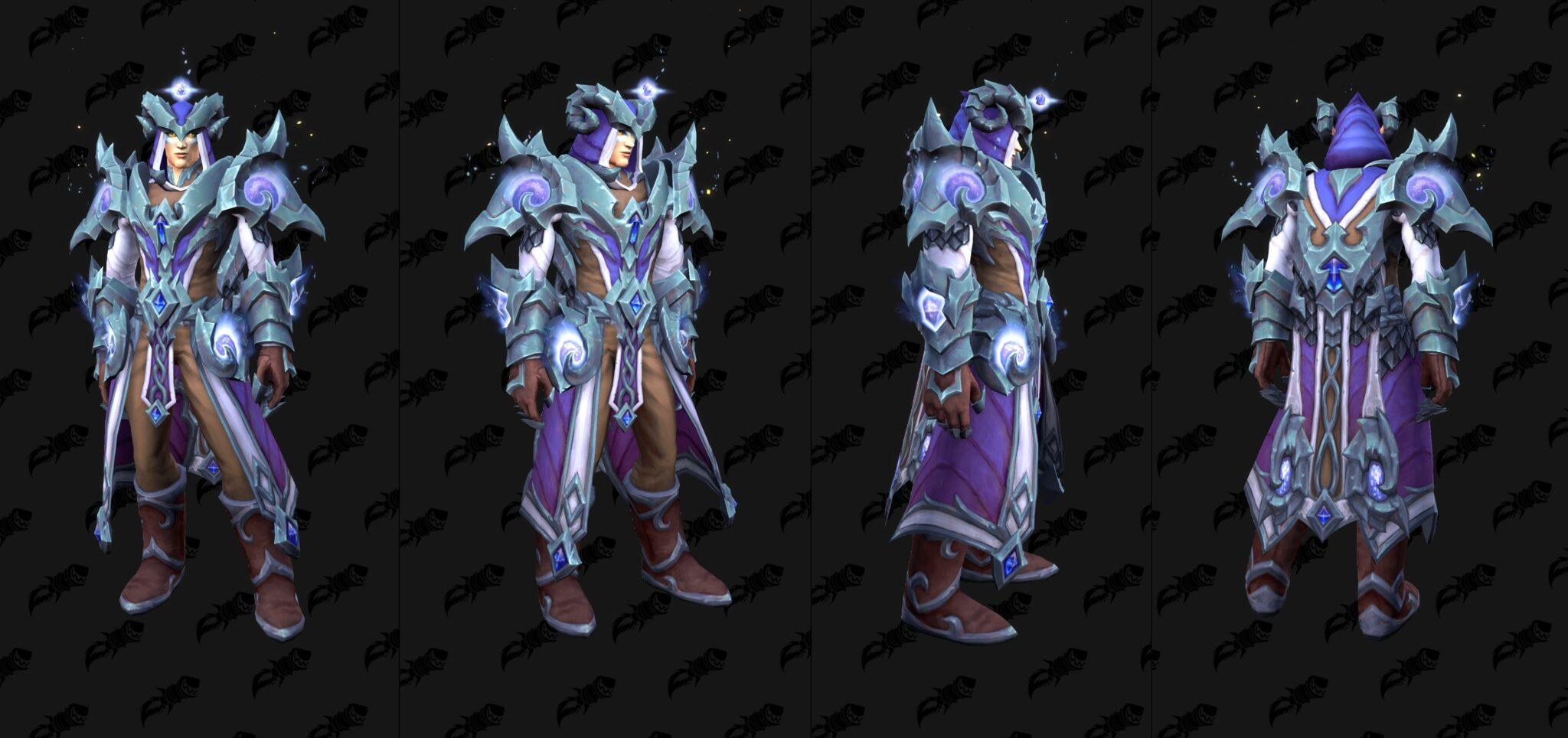
Augmentation stays in S-tier because it boosts group output in a way that pure DPS specs can’t replicate, and many current tier discussions still treat it as premium for coordinated groups.
Why Augmentation is S-tier
- Team damage amplification that scales with how strong your carries are
- Value rises sharply in high keys and organized raid comps
- Often looks “mandatory” when paired with high ceiling specs like Arcane and Unholy
Aug’s biggest truth
- In random groups, its value is less consistent
- In coordinated groups, it’s oppressive
When you should avoid Aug
- If you’re frequently playing with unpredictable pulls, random cooldown usage, and low synergy
- In that environment, a direct DPS spec may be more reliable
A-Tier DPS Specs in Midnight Season 1
These specs are extremely strong and can be S-tier in the right hands or comps.
5. Devourer Demon Hunter (A Tier)
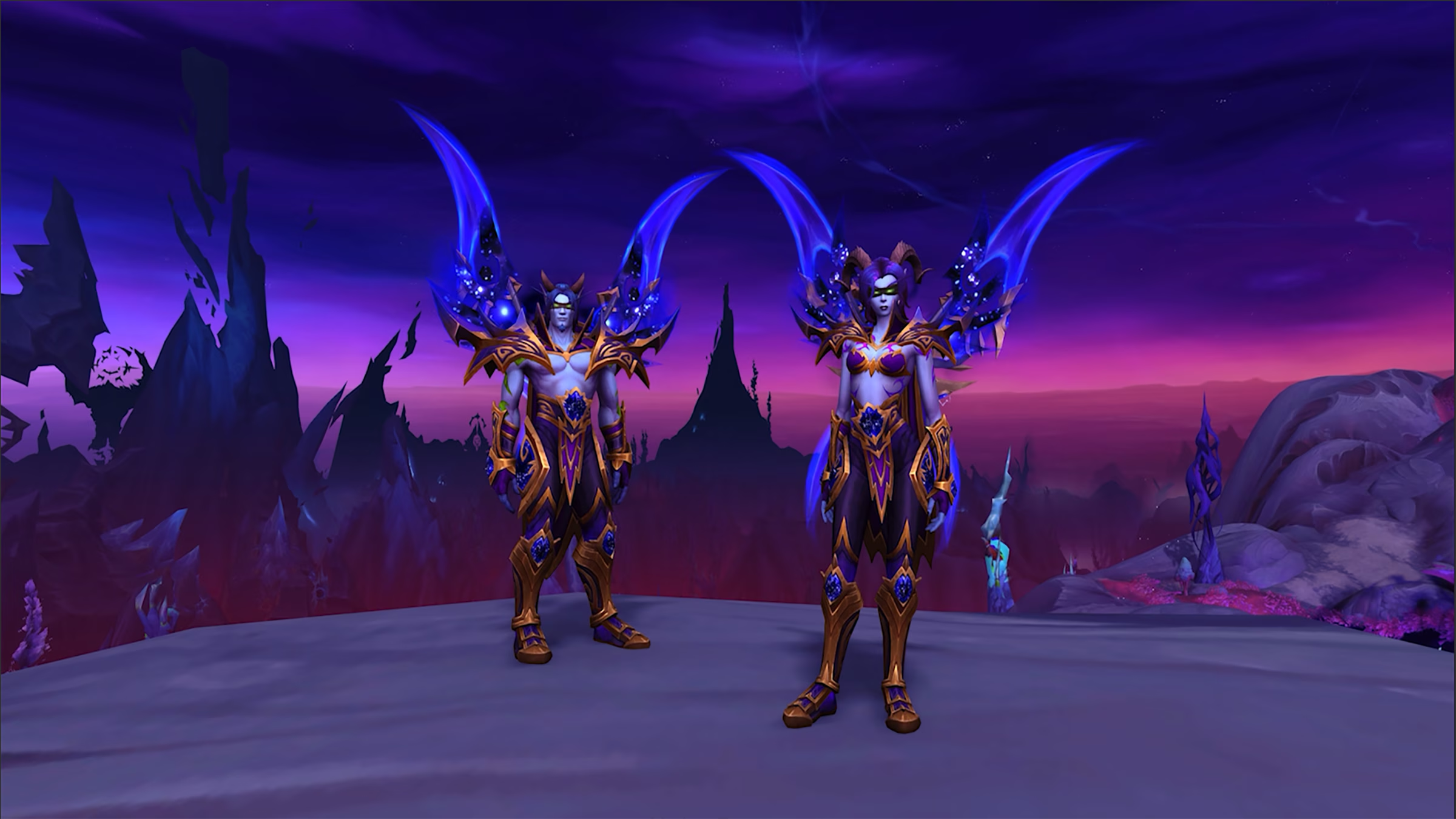
Devourer is the big new headline: a new spec with “semi-ranged” comfort, high mobility, and immediate competitive viability. It has dedicated guide coverage and is framed as a core part of Midnight’s meta conversation.
Why Devourer is A-tier
- Safer positioning than traditional melee (great in messy pulls)
- High mobility and strong rotational flow
- Strong damage profile that fits dungeon pacing
What Devourer players do better than Havoc in 2026
- Maintain damage while staying safer on dangerous mechanics
- Spend less time forced out of effective range
What keeps Devourer out of “automatic S”
- The spec is new, and tuning volatility is real
- Some groups still prefer more established utility packages depending on comp needs
6. Fire Mage (A Tier)
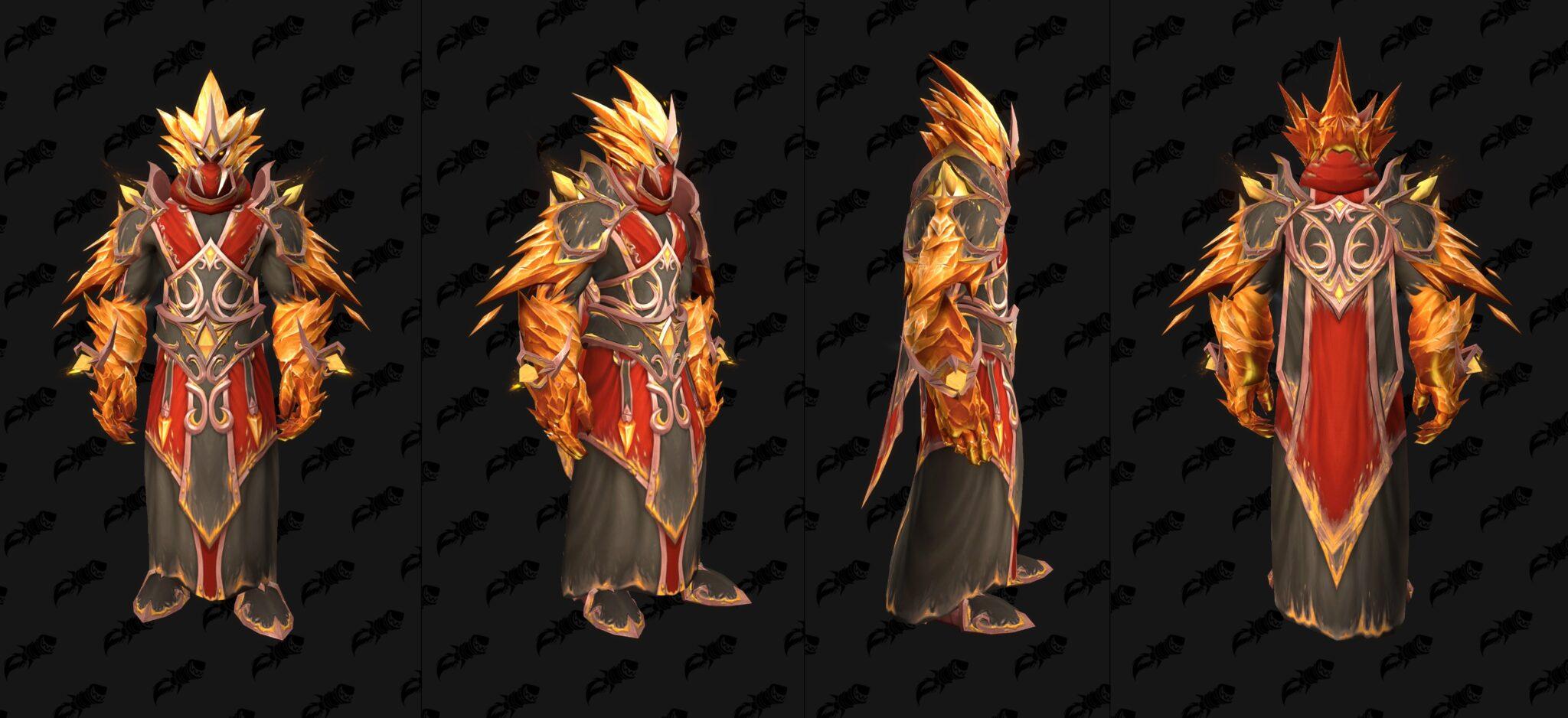
Fire remains strong because it scales into fights where enemies live long enough for its damage patterns to fully ramp. In the current meta, Fire typically competes as a top-end AoE option when pull size and duration cooperate.
Why Fire is A-tier
- Strong sustained AoE when packs don’t instantly evaporate
- Excellent in high keys where pulls are big and controlled
- Smooth mobility tools for a caster
Fire’s biggest limitation
- If content is tuned around extremely fast pack deaths, Fire’s ramp can feel late
- In those situations, Arcane and other burst-focused specs often look better
7. Elemental Shaman (A Tier)
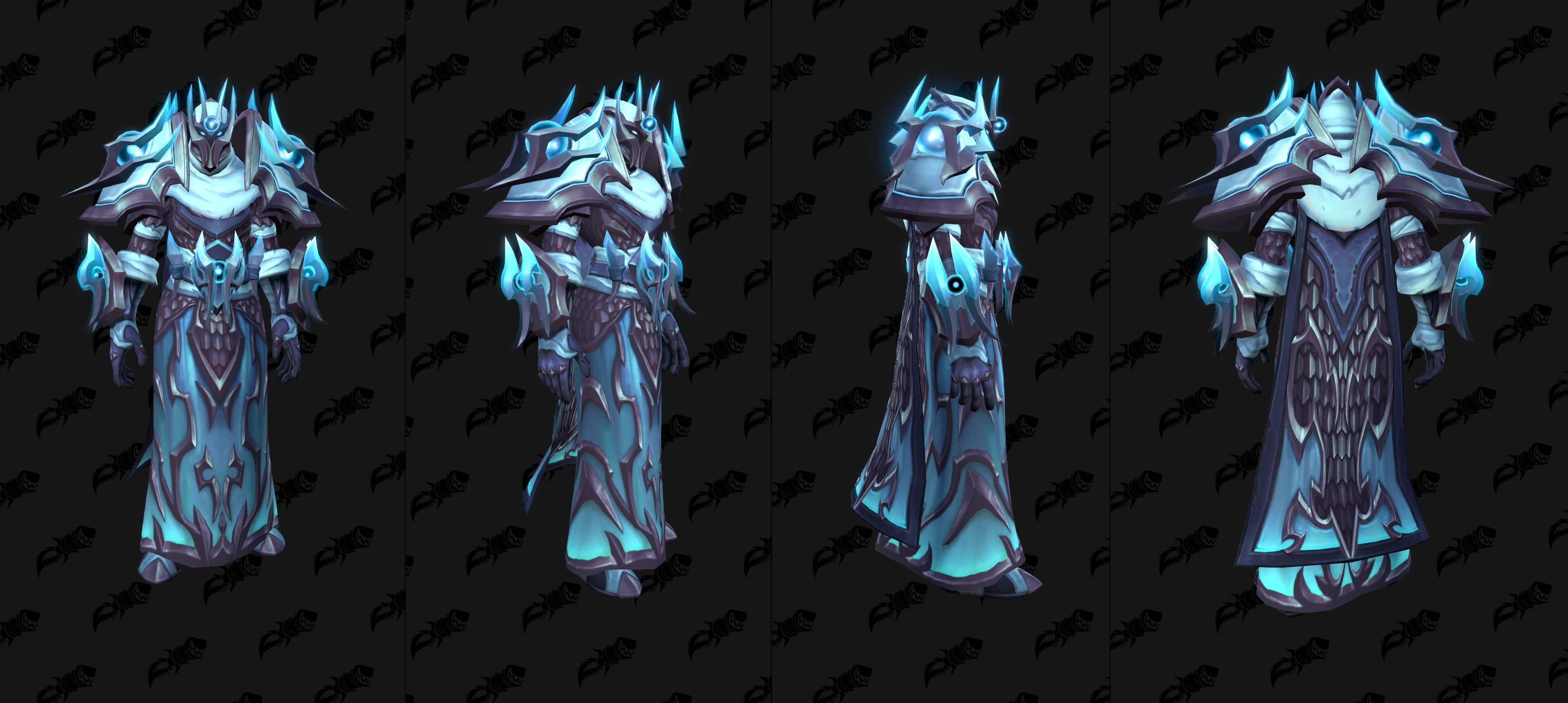
Elemental often rises when its damage is consistent and its utility is relevant. Current tier snapshots continue to rate it highly in the broader meta.
Why Elemental is A-tier
- Stable output in cleave situations
- Strong dungeon utility toolkit that helps groups survive
- Flexible damage profile depending on build choices
Where Elemental still struggles
- Heavy movement fights can disrupt throughput if positioning is sloppy
- The spec rewards players who pre-plan movement rather than reacting late
8. Devastation Evoker (A Tier)
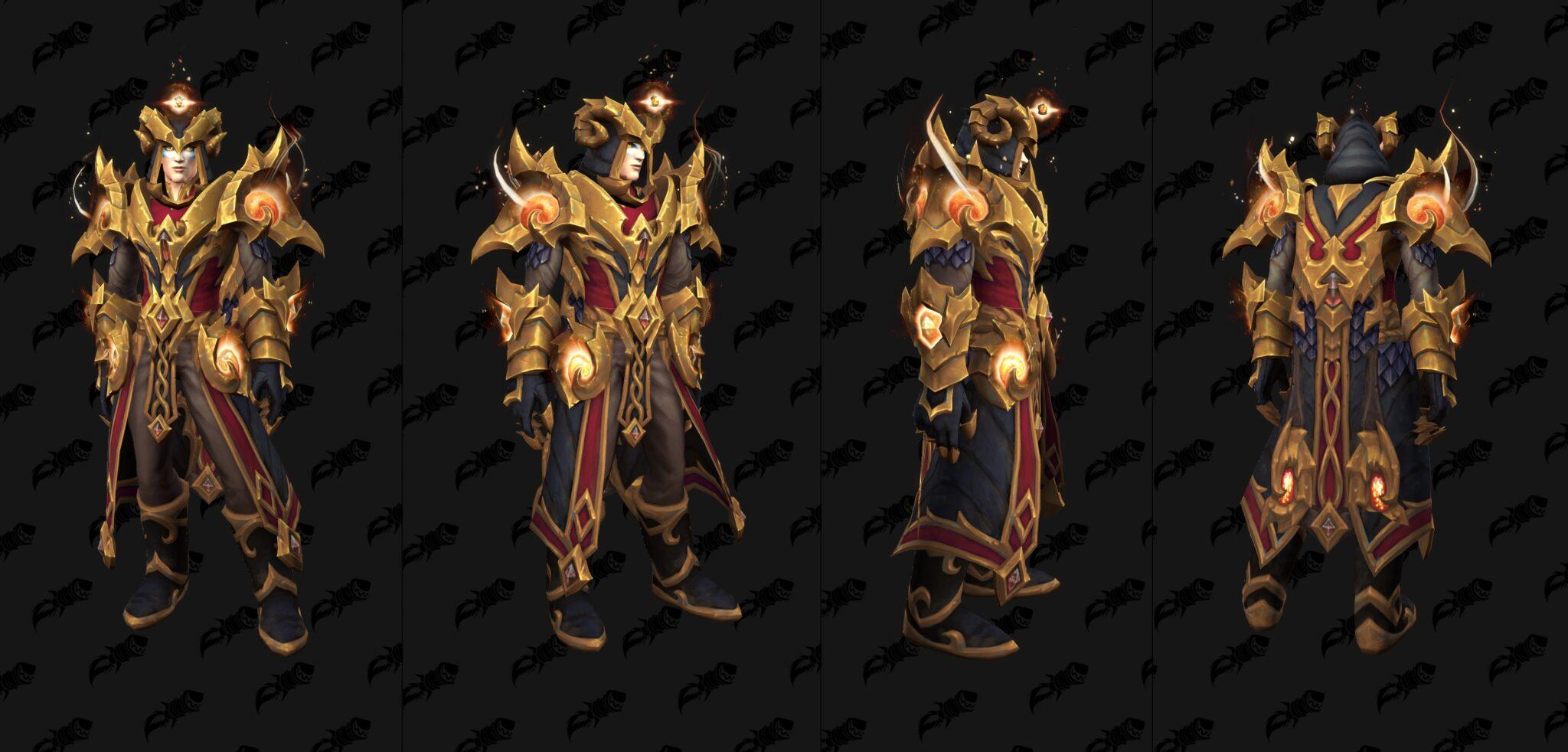
Devastation is one of the best “I want big numbers now” casters, with regular mentions as a burst-heavy pick in current Season 1 discussion.
Why Devastation is A-tier
- Massive opener damage that fits dungeon burst checks
- Mobility advantage compared to most ranged specs
- Strong survivability tools for a DPS caster
Where it can feel weaker
- Priority damage can lag behind top burst kings depending on tuning
- Works best when your group pulls in a way that lets you consistently land your full setup
B-Tier DPS Specs in Midnight Season 1
B-tier does not mean weak. It means competitive, but either more conditional, more difficult, or less favored by the current encounter design.
9. Shadow Priest (B Tier)
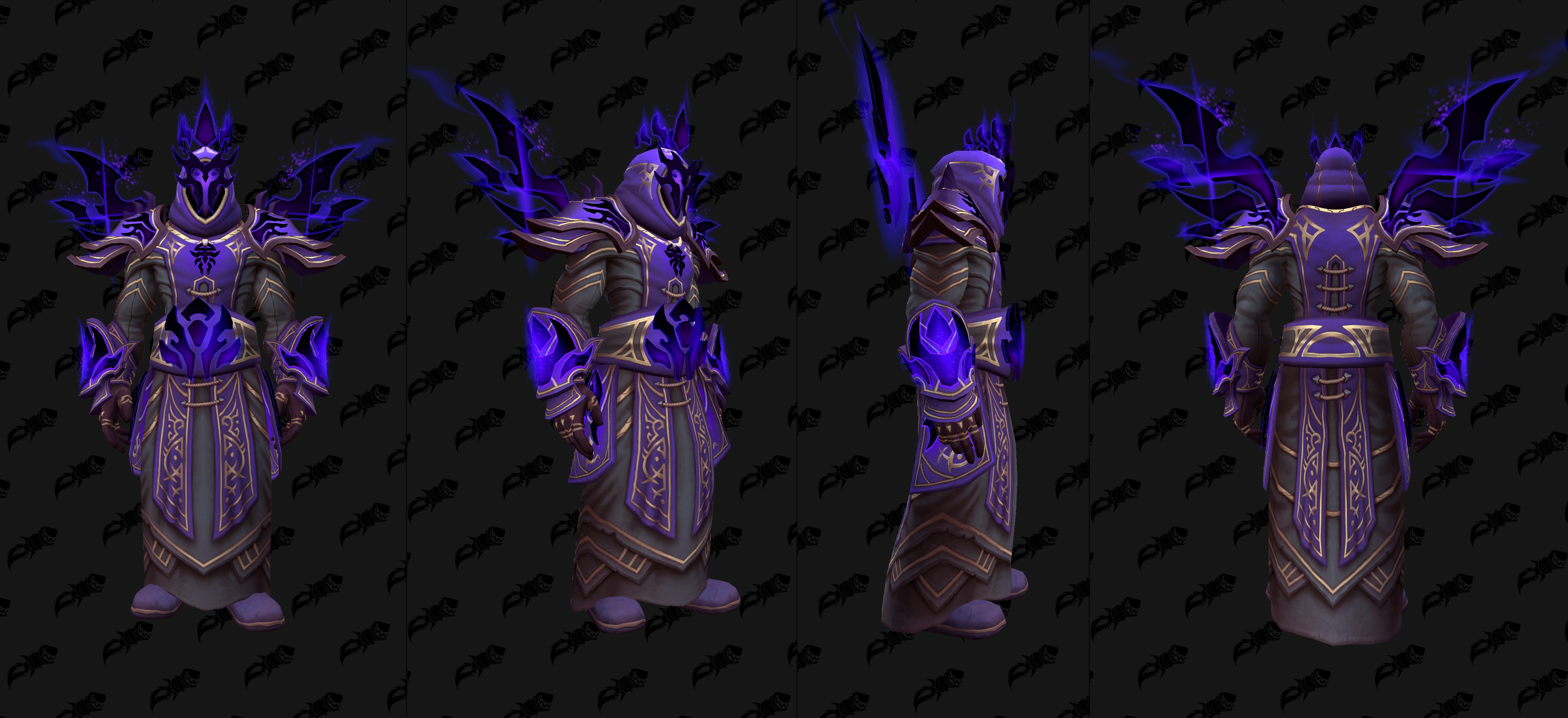
Shadow is reliable, but its value depends heavily on uptime and encounter structure. It tends to land in the “solid but not oppressive” category in current lists.
Why Shadow is B-tier
- Strong sustained pressure when fights allow full uptime
- Good performance in multi-target scenarios that live long enough
- Useful toolkit depending on group needs
Why it’s not higher
- If your group plays fast and packs die quickly, Shadow’s ramp can feel behind
- Movement or frequent target swapping can reduce real throughput
10. Fury Warrior (B Tier)
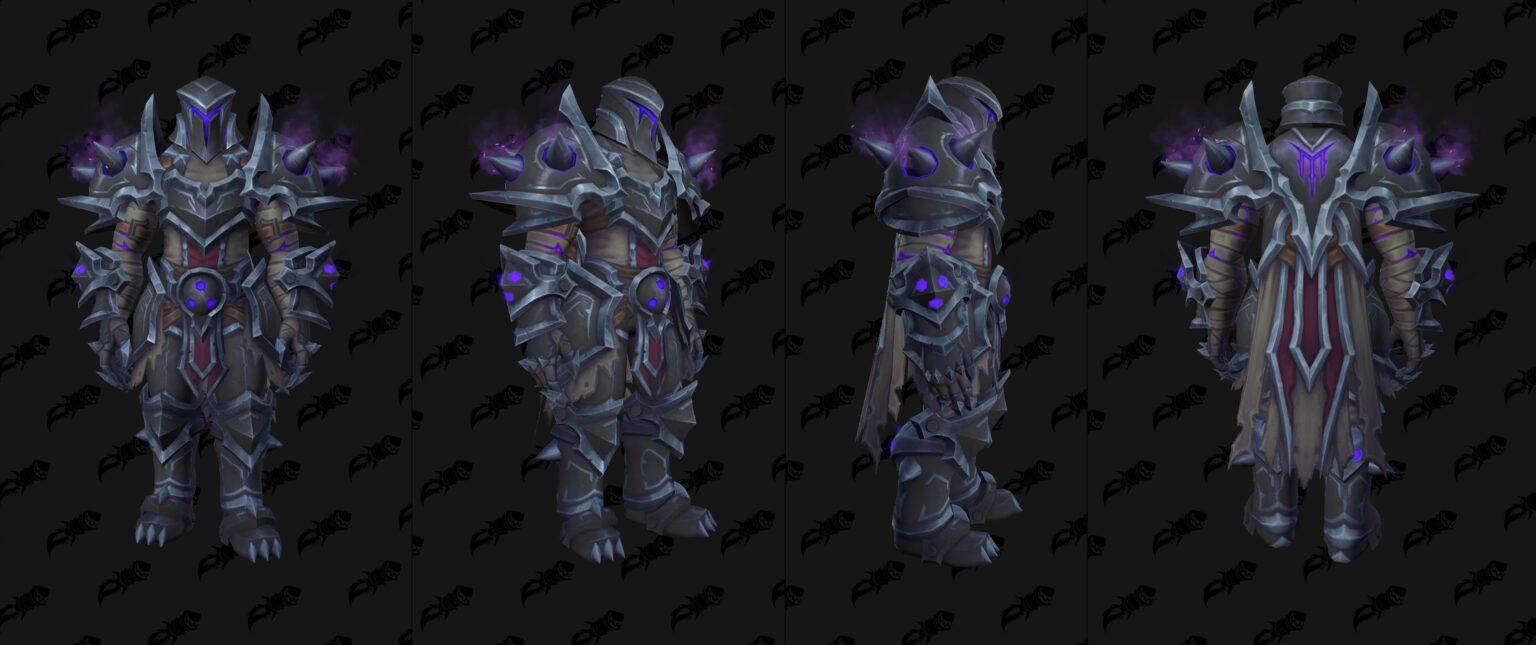
Fury often looks great in short windows and feels strong to play, but it can struggle to keep pace with top meta scaling and utility packages.
Why Fury is B-tier
- Great burst feeling and strong on-demand damage
- High mobility for melee, strong uptime
- Smooth gameplay makes it consistent for many players
Why it’s not A/S
- Typically brings less unique group value than several competing melee options
- Can fall behind in encounters that demand either extreme priority burst or extreme sustained AoE
11. Survival Hunter (B Tier)
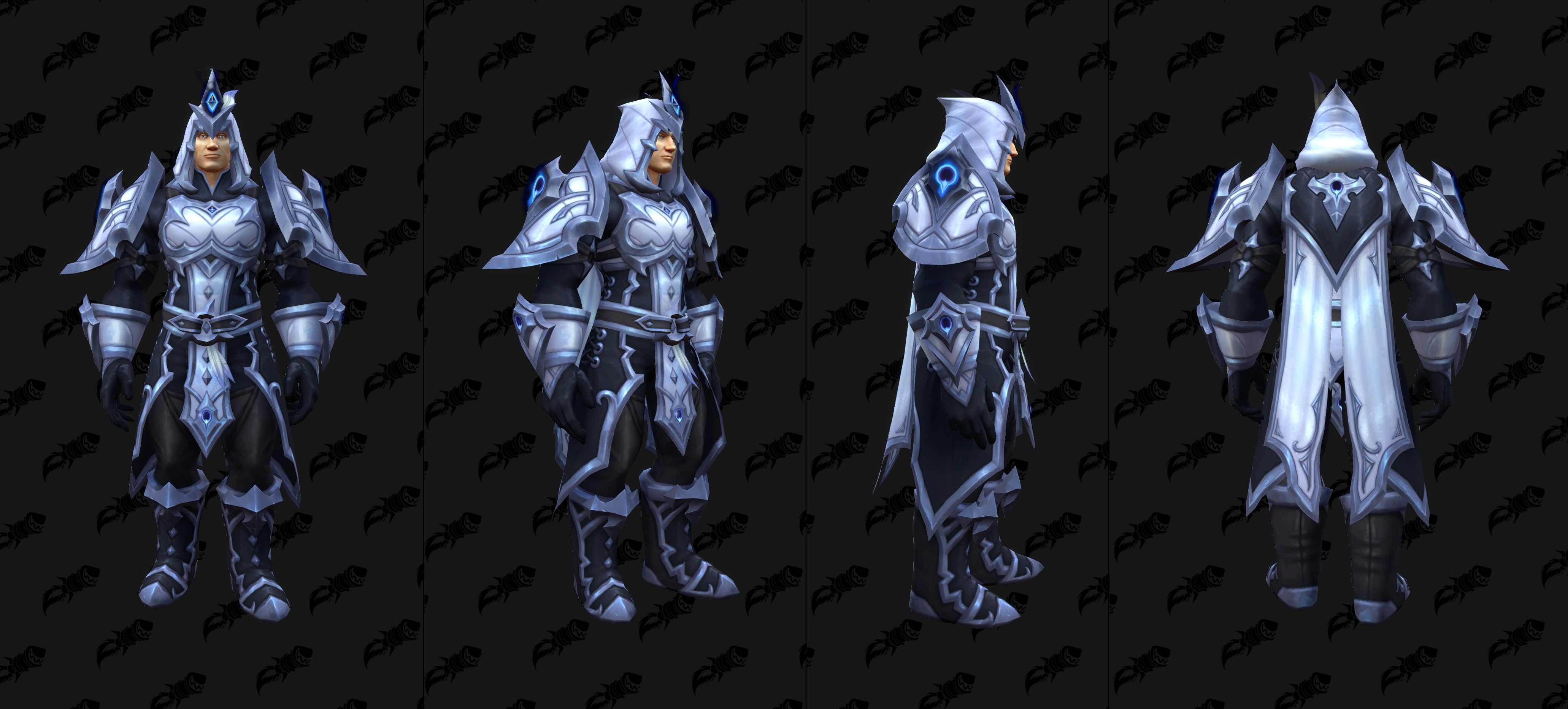
Survival is often the “quiet winner” for hunters in metas where the other two specs aren’t tuned as well. It’s currently the most compelling hunter option for players who still want to push harder content.
Why Survival is B-tier
- Stronger dungeon output potential than many assume
- Good “stickiness” on targets and solid cleave moments
- Hunter utility remains valuable across content
What holds it back
- In top-end comps, hunters in general can be less demanded than utility-heavy alternatives
- Still depends on tuning staying favorable versus other melee
12. Subtlety Rogue (B Tier)
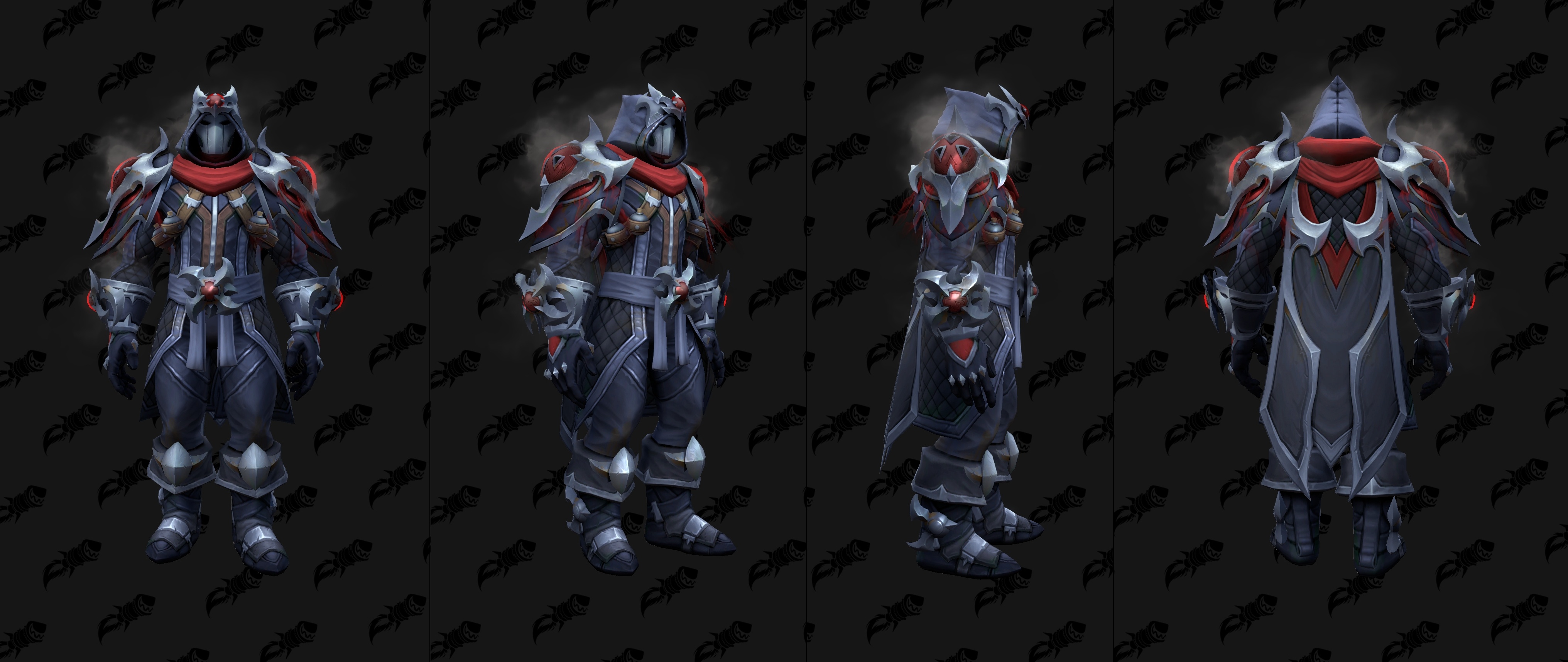
Sub is the “high skill, high payoff” rogue right now.
Why Subtlety is B-tier
- Excellent priority burst and target control
- Strong value in dungeons where stopping dangerous casts matters
- Can outperform higher tiers in the hands of a specialist
Why it’s not higher
- Execution cost is real
- Inconsistent groups reduce the value of planned burst and control
C and D-Tier DPS Specs in Midnight Season 1
These specs are playable, but they currently face tuning or design problems that make them less desirable in high-end environments.
13. Frost Mage (C Tier)

Frost has not disappeared; it’s simply been outpaced by Arcane (and often Fire) in the most valued damage patterns this season. Some sources even still list Frost highly during specific tuning moments, which is a reminder that patches can swing fast.
Why Frost is C-tier right now
- Less dominant burst ceiling compared to Arcane
- Can feel like “good damage” rather than “comp-defining damage”
Why you might still play it
- If you love control-heavy gameplay and consistent performance
- If your group needs slow, roots, and safer play patterns
14. Retribution Paladin (C Tier for high-end PvE)
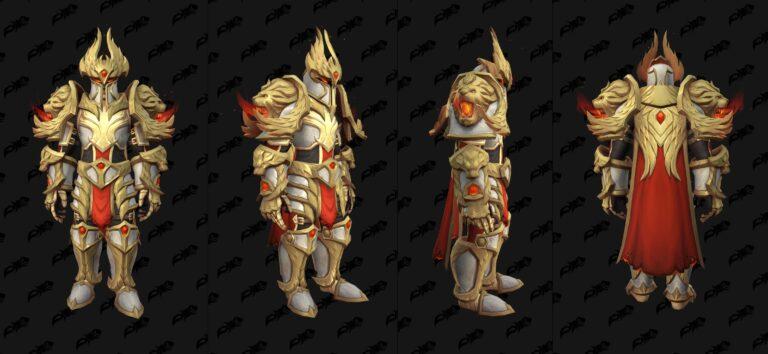
Ret is still fantastic for many players, but in high-end throughput metas it can trail the top options. This is a common split between “PUG power” and “leaderboard power.”
Why Ret is C-tier in high-end ranking
- Great survivability and clutch utility, but raw throughput may lag the top
- Comp value can be more about safety than speed
Where Ret is secretly great
- PUG keys where survivability and emergency buttons save runs
- Learning groups where stability matters more than shaving seconds
15. Marksmanship Hunter (C Tier)

MM’s identity is priority damage and burst, but if its tuning isn’t ahead, it struggles to justify a slot over specs that bring more utility or better AoE profiles.
Why MM is C-tier
- Competes poorly when dungeons reward massive AoE throughput
- Less desired utility package compared to meta staples
16. Balance Druid (C Tier)
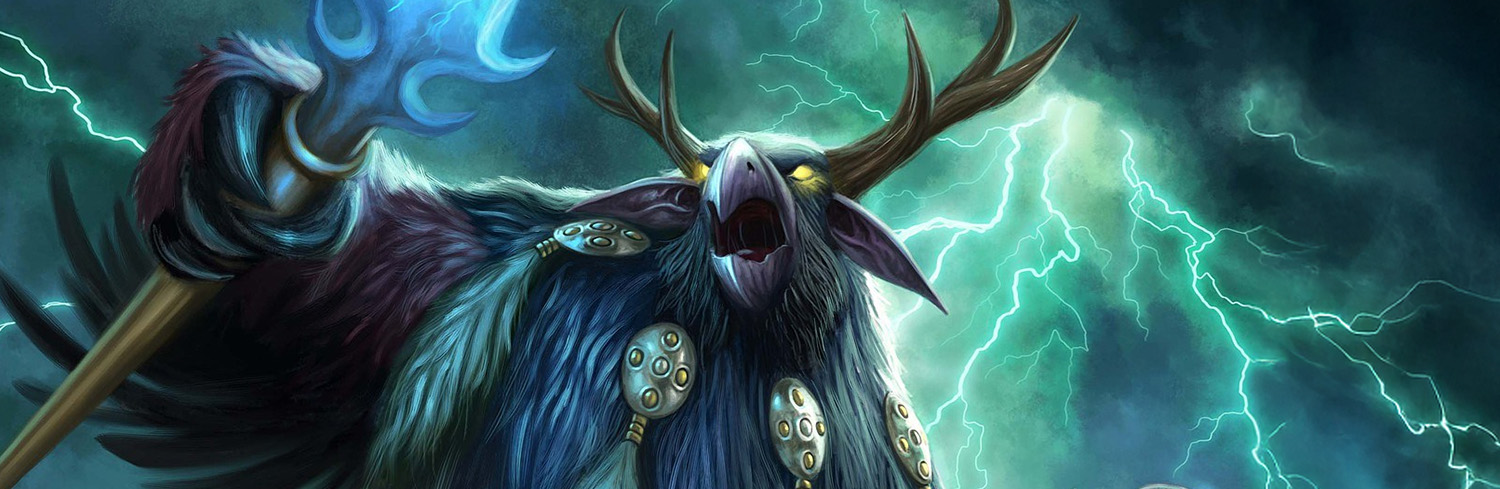
Balance remains valuable for utility, but it often needs favorable tuning or encounter profiles to reach the top.
Why Balance is C-tier
- AoE patterns can be strong, but not always aligned with current dungeon pacing
- Competes with specs that bring stronger burst or more demanded utility
17. Havoc Demon Hunter (D Tier)
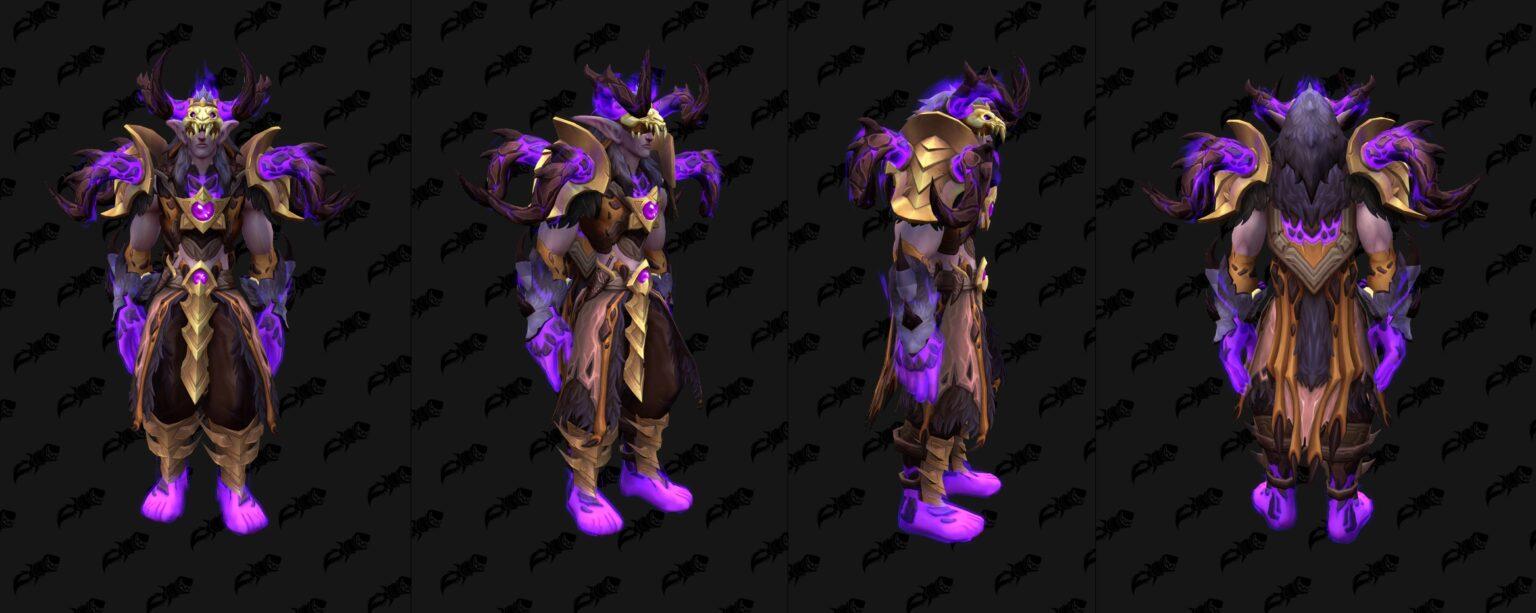
This is one of the biggest “Season 1 reality checks.” With Devourer entering the picture, Havoc’s niche shrank fast, and many DH players moved to the new spec. The existence of Devourer’s full guide ecosystem also signals how mainstream that shift is becoming.
Why Havoc is D-tier
- Outperformed by Devourer in many groups
- Less compelling value proposition when comps can get similar mobility with better damage safety
18. Beast Mastery Hunter (D Tier for high-end)

BM is still a comfort spec and a strong choice for many players, but high-end metas often punish low ceilings.
Why BM is D-tier
- Lower scaling ceiling for competitive pushing
- Less payoff in optimized groups compared to other ranged options
19. Outlaw Rogue (D Tier)
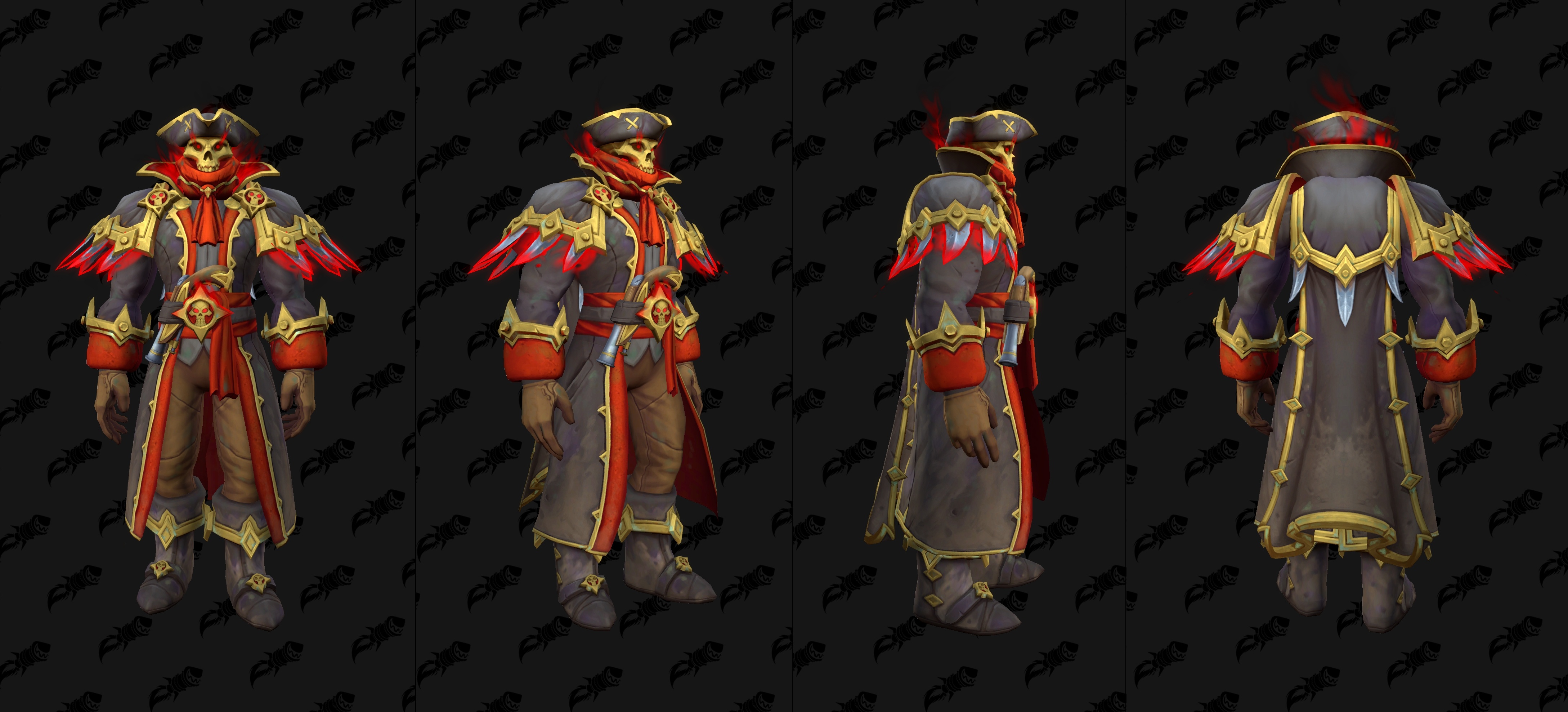
Outlaw’s RNG dependency is a consistent problem in fast-paced metas.
Why Outlaw is D-tier
- Unreliable damage in short, high-pressure windows
- Inconsistent pull-to-pull performance makes it less attractive for progression and key pushing
See also: Black Myth Wukong Abilities Tier List
Best DPS for Solo Content in Midnight
For solo play, survivability, pet value, and self-healing often matter more than perfect DPS profiles. Several current tier writeups explicitly call out solo-favorite picks like Demonology Warlock and Beast Mastery Hunter.
S-tier solo picks
- Demonology Warlock - Durable, self-sufficient, steady damage
- Beast Mastery Hunter - Easy uptime and safe play patterns for many solo challenges
- Unholy Death Knight - Strong survivability with reliable pressure
High value solo picks
- Retribution Paladin - Strong defensives and clutch healing (excellent “mistake insurance”)
- Devastation Evoker - Mobility plus burst when you need something dead immediately
What to Watch That Will Change This Tier List Fast
Midnight tuning is active, and metas shift hard in the first season.
Most likely tier movers
- Arcane Mage - if burst gets nerfed, it can still remain strong but may drop from “must-have”
- Devourer DH - new spec tuning volatility is always high early on
- Augmentation - any adjustment to scaling or buff efficiency can swing it quickly
- Frost Mage - has already seen “tier volatility” discussion, which means it could rebound depending on weekly changes
FAQs about War Within Dps Tier List
What is the best DPS in Midnight Season 1 right now?
Arcane Mage is widely treated as the highest ceiling DPS pick in current Season 1 snapshots, with Demonology Warlock and Unholy Death Knight also consistently ranking at or near the top.
Is Devourer Demon Hunter real and playable in endgame?
Yes. Devourer is an all-new specialization with established guides for Patch 12.0.1, including rotation and talent recommendations for raids and Mythic+.
Why is Augmentation Evoker still ranked so high?
Because it amplifies teammate damage and scales with how strong your carries are, which becomes increasingly valuable in coordinated raid groups and high Mythic+ keys.
Is Havoc Demon Hunter bad now?
“Havoc is unplayable” is an overstatement, but it’s currently less favored because Devourer provides a stronger overall package in many comps, and the meta has shifted toward that new option.
What DPS should I play if I mostly do solo content?
Demonology Warlock, Beast Mastery Hunter, and Unholy Death Knight are commonly recommended solo-friendly picks due to survivability and reliable damage patterns.
Final Thoughts
Midnight Season 1 rewards specs that deliver priority burst, repeatable AoE, and real survivability. Arcane Mage currently sits at the top of the damage conversation, Demonology Warlock remains the consistency monster, Unholy DK keeps thriving through movement and sustained pressure, and Augmentation continues to warp group output in coordinated play.
If you want the safest “meta-proof” route, pick one of the S-tier specs and learn the damage profile it’s best at. If you want a strong alternative without living on the knife-edge of tuning changes, A-tier specs like Devourer, Fire, Elemental, and Devastation are excellent choices that can still top charts in the right comps.
Jump to
Here’s What You’ll Learn in This DPS Rankings Tier List
Top Midnight DPS Rankings
How This Tier List Is Scored
Midnight DPS Tier List (Season 1) at a Glance
S-Tier DPS Specs in Midnight Season 1
A-Tier DPS Specs in Midnight Season 1
B-Tier DPS Specs in Midnight Season 1
C and D-Tier DPS Specs in Midnight Season 1
Best DPS for Solo Content in Midnight
What to Watch That Will Change This Tier List Fast
FAQs about War Within Dps Tier List
Final Thoughts
Latest Articles
Popular Articles