Warframe Primary Weapon Tier List - Best Picks By Stage
Warframe primary weapon tier list with S-to-D rankings, Steel Path value, unlock friction, and the best guns for each progression stage.
Mar 14, 20262.4K Shares188.7K Views
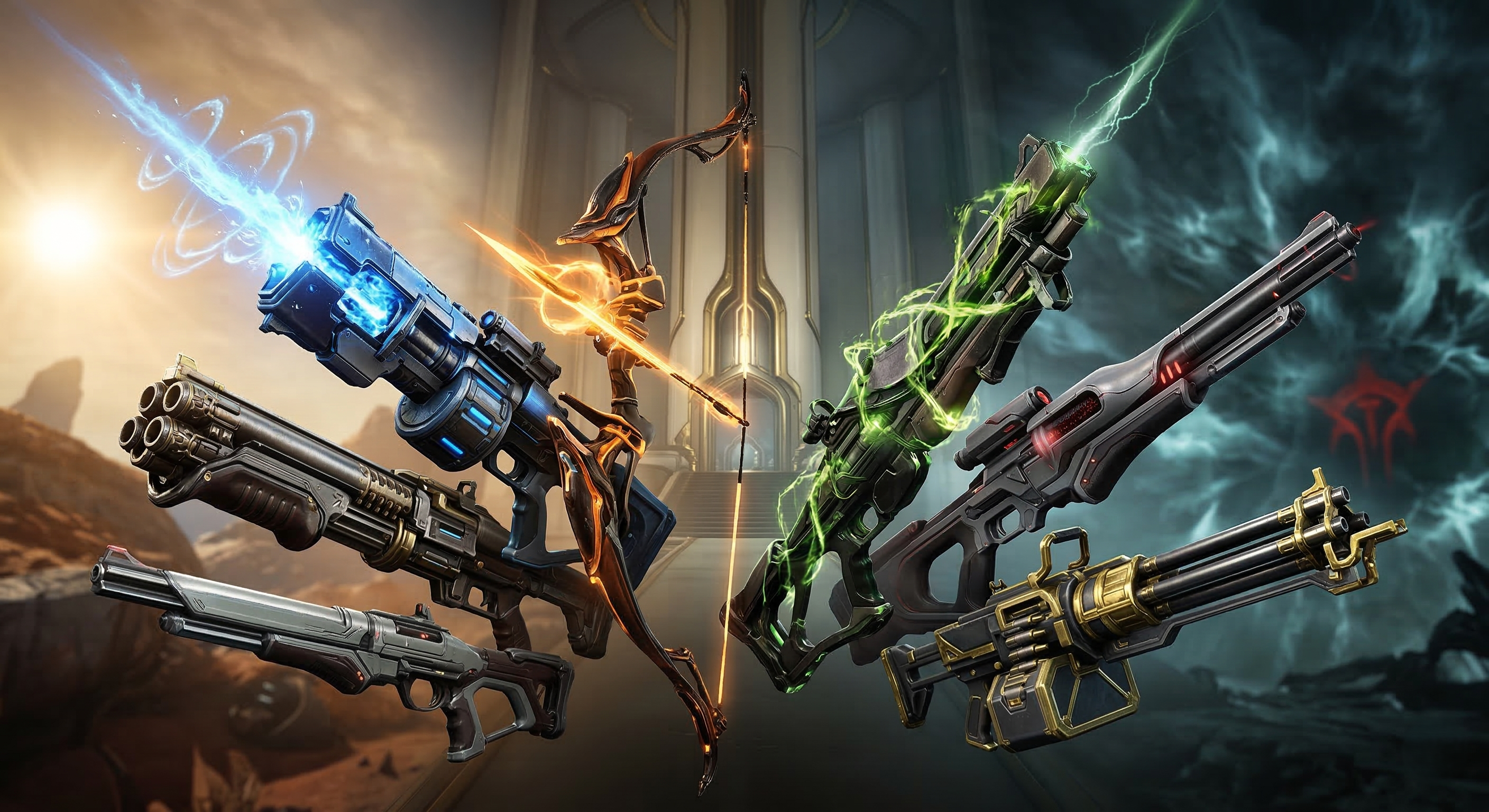
Warframe Primary Weapon Tier List For Beginners, Steel Path, And Long-term Progression
A flat weapon ladder looks clean on paper, but Warframe does not hand out value evenly. One player has The New War done and no Galvanized Mods.
Another has Steel Path unlocked, but no Incarnon adapters yet. A third has everything except the patience to farm a Sister.
Those players should not be given the same “best weapon” answer. The Steel Path alone adds +100 enemy levels to the Star Chart, which is exactly where weak rankings start to break.
This list is built around two questions:How high is the weapon’s ceiling? And how much friction does it take to reach that ceiling?
That means the ranking below is not just about raw output. It is about whether a primary deserves your Catalyst, Forma, Arcane slot, Genesis adapter, or Lich/Sister grind right now.
Incarnon upgrades, Galvanized Mods, and Primary Arcanes can transform a weapon’s value, but they also change when that weapon becomes worth your time.
Key Takeaways
- Best safe all-rounder:Tenet Arca Plasmor if you already have access to Sisters and want one broad-use primary.
- Best value bridge weapon:Nataruk if you have finished The New War and want big performance without a big setup.
- Best Steel Path room-clearer:Torid Incarnon because its Incarnon form chains damage across groups and scales into hard content.
- Best boss and priority-target killer: Phenmor because its Incarnon form converts into sustained, high-payoff single-target pressure.
- Most common ranking mistake:choosing by paper damage instead of uptime, ammo flow, acquisition friction, and mod dependence.
Quick Summary Table
| Weapon | Quick verdict |
| Tenet Arca Plasmor | S Tier - Best for all-around PvE and safe long-term use. Unlock friction: High (Sisters of Parvos). Investment: Medium to high. |
| Nataruk | S Tier - Best for low-friction progression and post–New War accounts. Unlock friction: Medium (quest-gated). Investment: Low to medium. |
| Torid Incarnon | S Tier - Best for Steel Path room clear and high-density missions. Unlock friction: Very high (Steel Path + Circuit/Incarnon path). Investment: High. |
| Phenmor | S Tier - Best for bosses, Acolytes, and priority targets. Unlock friction: High (MR 14 + Zariman path). Investment: High. |
| Trumna Prime | S Tier - Best for players who want a premium heavy rifle with long-term payoff. Unlock friction: Medium to high (Prime farm/trade). Investment: High. |
| Cedo | A Tier - Best for status-driven scaling and midgame-to-endgame value. Unlock friction: Medium (Deimos progression). Investment: Medium. |
| Kuva Bramma | A Tier - Best for explosive crowd clear if you can manage ammo carefully. Unlock friction: High (Kuva Lich system). Investment: Medium to high. |
| Kuva Zarr | A Tier - Best for explosive burst and flexible fire modes. Unlock friction: High (Kuva Lich system). Investment: Medium to high. |
| Fulmin Prime | A Tier - Best for comfortable rifle play with battery ammo and low maintenance. Unlock friction: Medium to high (Prime farm/trade). Investment: Medium. |
| Ignis Wraith | A Tier - Best for easy crowd sweeping and low-aim-fuss gameplay. Unlock friction: Low to medium. Investment: Medium. |
| Trumna | B Tier - Best as a bridge heavy rifle before Trumna Prime. Unlock friction: Medium. Investment: Medium to high. |
| Amprex | B Tier - Best for chaining beam comfort in regular PvE. Unlock friction: Medium. Investment: Medium. |
| Kuva Hek | B Tier - Best for focused shotgun burst, not broad all-purpose use. Unlock friction: High (Kuva Lich system). Investment: Medium. |
| Hek | B Tier - Best for early progression and honest shotgun power at low MR. Unlock friction: Low. Investment: Low to medium. |
| Kuva Karak | B Tier - Best for players who want a stable, dependable rifle without gimmicks. Unlock friction: High (Kuva Lich system). Investment: Medium. |
| Fulmin | C Tier - Best only if Fulmin Prime is not an option yet. Unlock friction: Low to medium. Investment: Low to medium. |
| Karak Wraith | C Tier - Best as a serviceable rifle, but outclassed by stronger modern options. Unlock friction: Medium. Investment: Medium. |
| Hind | C Tier - Best for players who enjoy burst rifles, but it lacks standout payoff. Unlock friction: Low to medium. Investment: Medium. |
| MK1-Braton | D Tier - Best only as a starter weapon for learning basics. Unlock friction: Very low. Investment: Very low. |
| Karak | D Tier - Best skipped unless you need mastery or a temporary filler rifle. Unlock friction: Low. Investment: Low. |
| Braton | D Tier - Best treated as a base-form filler unless upgraded through Incarnon later. Unlock friction: Low. Investment: Low. |
| Dera | D Tier - Best skipped in base form unless you specifically plan around its later upgrade path. Unlock friction: Low to medium. Investment: Low. |
These rankings assume general PvE and Steel Path value, not Rivens, level-cap niche setups, or base-form weapons later transformed by Incarnon unless explicitly named.
What Actually Makes A Primary Weapon Top-tier In Warframe
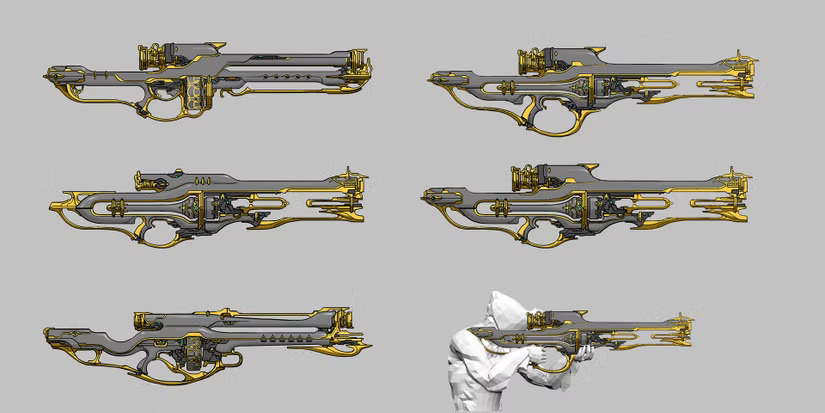
A useful tier list has to explain the scoring rules before it hands out medals. That matters even more in Warframe, where a weapon can look average in the Arsenal and still become absurd once its upgrade path is online.
The Five Ranking Factors That Matter More Than Hype
Raw Output And Scaling
Raw damage still matters, but in Warframe, it is never the whole answer. A primary earns top-tier status when its damage stays relevant after enemy level jumps, armor thickens, and your build shifts from “basic mods” to kill-triggered scaling.
That is why Galvanized Mods and Primary Arcanes matter so much:they reward weapons that can keep momentum once combat ramps up.
Mission Coverage And Ease Of Use
A weapon that deletes one enemy at a time is not automatically better than one that clears a hallway with less effort.
Tenet Arca Plasmor gains range before falloff and ricocheting shots, Torid Incarnon turns into a chaining beam, and Natarukfires large, forgiving projectiles with infinite ammo. In real missions, that kind of ease often beats prettier Simulacrum numbers.
Build Dependency And Mod Economy.
Some primaries are honest from minute one. Others ask for a full support package before they feel worthy of their reputation.
Nataruk is strong because its base kit already includes infinite ammo, strong perfect shots, and even a pre-installed Orokin Catalyst when you obtain it from The New War.
A weapon that only wakes up after Galvanized stacks and Merciless uptime belongs lower for newer accounts, even if its final ceiling is higher.
Acquisition Friction And Mastery Rank Gate
A strong recommendation becomes a bad recommendation if the player cannot reasonably unlock it. Phenmor requires Mastery Rank 14, and Incarnon Genesis access requires The Duviri Paradox, Angels of the Zariman, and The Steel Path.
Kuva and Tenet weapons come from the Lich and Sister systems, though Kuva weapons can bypass their listed Mastery Rank when claimed after a Vanquish.
Upgrade Ceiling Through Incarnon, Kuva, Tenet, And Prime Variants.
Prime, Kuva, Tenet, and Incarnon are not the same kind of power. Prime usually means a cleaner stat line.
Kuva and Tenet often mean a stronger special version with more system friction. Incarnon can completely rewrite what an older weapon is allowed to do. That is why a plain “Prime beats non-Prime” rule fails so often in this sandbox.
The rest of the list uses those five filters because that is what turns a ranking into a decision.
The Fast Answer: Best Warframe Primaries By Player Goal
Most readers do not need a museum tour. They need the shortest path to a good choice, so this section gives the quickest, honest answer for the most common goals.
Best All-rounder If You Want One Safe Recommendation
Tenet Arca Plasmor is the safest all-rounder on this list for a player who can actually get it. Its wide Radiation wave, guaranteed Impact proc, long falloff range, and ricochet behavior make it forgiving in normal missions and still relevant in harder content. It does not win every niche, but it rarely feels wrong.
Best Beginner-friendly Primary If Your Mods Are Limited
Nataruk is the most practical answer once The New War is complete. It arrives with a free slot and pre-installed Catalyst, has infinite ammo, and rewards timing without demanding a rare mod pile.
That is not “beginner” in the strict early-star-chart sense, but it is the cleanest low-friction bridge weapon for a still-growing account.
Best Pick For Steel Path Map Clear
Torid Incarnonis the strongest room-clear recommendation here. Its Incarnon form becomes a long-range Toxin beam with splash at impact and chaining between nearby enemies, which is exactly the kind of coverage that scales well in dense Steel Path missions. The only catch is that the unlock path is expensive.
Best Pick For Bosses And Priority Targets
Phenmor is the cleanest “delete the important enemy first” rifle on this list. It starts semi-auto, charges from weakpoint hits, and then shifts into a fast automatic Incarnon form with bonus Radiation damage, punch through, and reduced recoil.
That toolkit makes it shine against chunky targets and Acolyte-style pressure points.
Best Pick If You Want A Low Forma Investment
Again, Nataruk. A weapon with infinite ammo, huge projectiles, excellent perfect-shot stats, and a built-in Catalyst asks far less from a budget account than most meta darlings.
Few primaries give this much value before you start stacking expensive systems on top. That quick shortlist is enough for many players. The next sections explain why those picks land where they do.
S Tier
These are the primaries that feel worth building around, not just experimenting with. They either dominate across most PvE content or scale so hard into Steel Path that they justify long-term investment.
Torid Incarnon
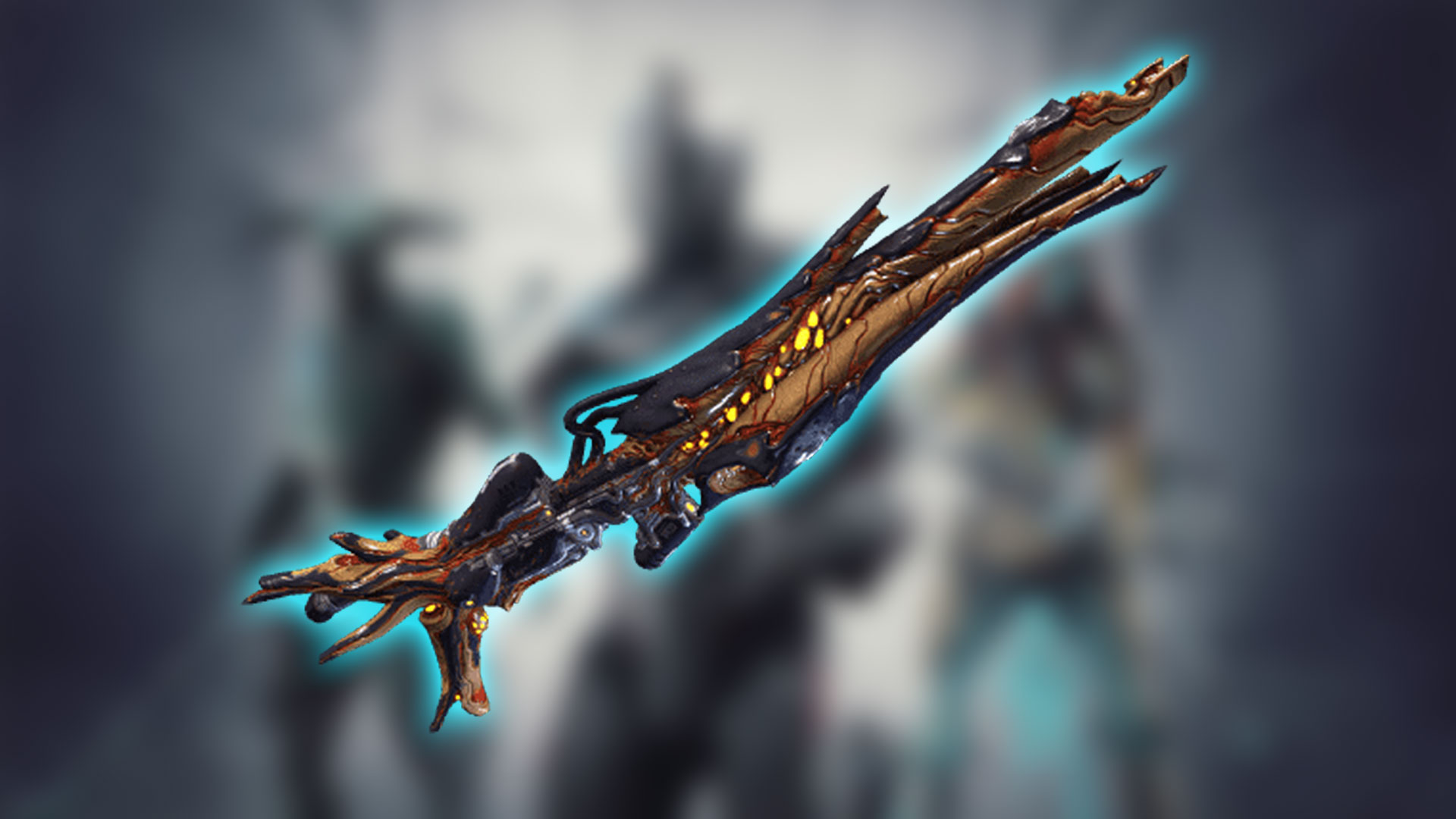
Torid Incarnon belongs in the S tier because it turns a previously modest weapon into one of the best room-clearing primaries in the game.
Its Incarnon Genesis adds a transformed mode with a much higher ceiling, which is exactly the kind of upgrade path that changes a weapon from “usable” to “build-defining” in endgame content.
It is especially strong for players who want wide coverage, constant pressure, and a weapon that still feels oppressive when enemy density rises.
The only real drawback is access:this is not a casual early-game pickup, and its value depends on already having the quest and Steel Path pipeline completed.
Phenmor
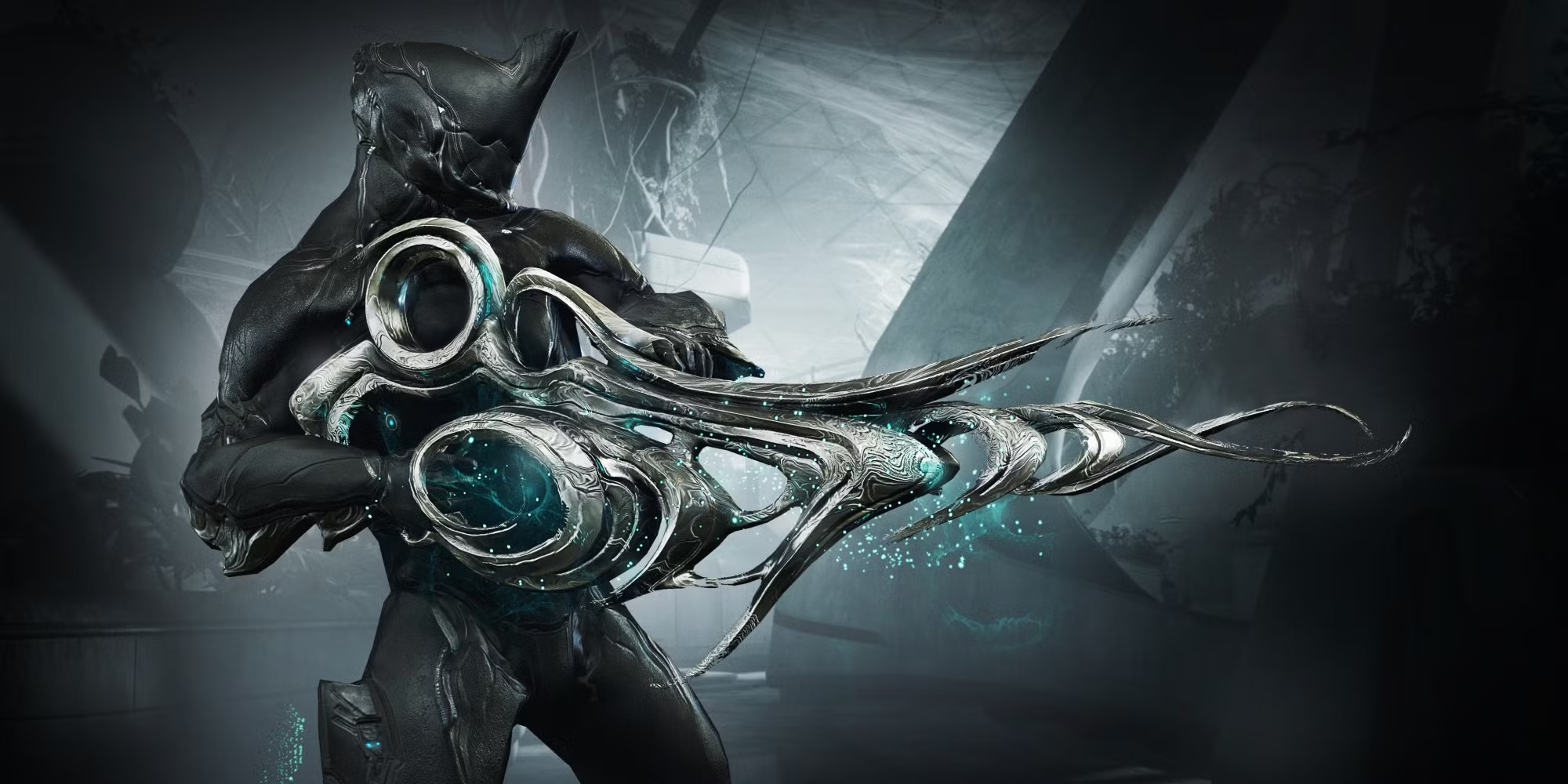
Phenmor is S-tier because it gives you one of the cleanest single-target kill packages among primary weapons.
In base form, it already feels strong, but the real reason it ranks this high is its Incarnon transformation, which turns it into a brutal automatic rifle with bonus Radiation damage and strong hard-target pressure.
This is the weapon I would point to when the question is not “What clears trash fastest?” but “What deletes the enemy that actually matters?”
It sits slightly behind the best room-clear options in ease of use, but its payoff against priority targets is high enough that it earns a top-tier slot anyway.
Tenet Arca Plasmor
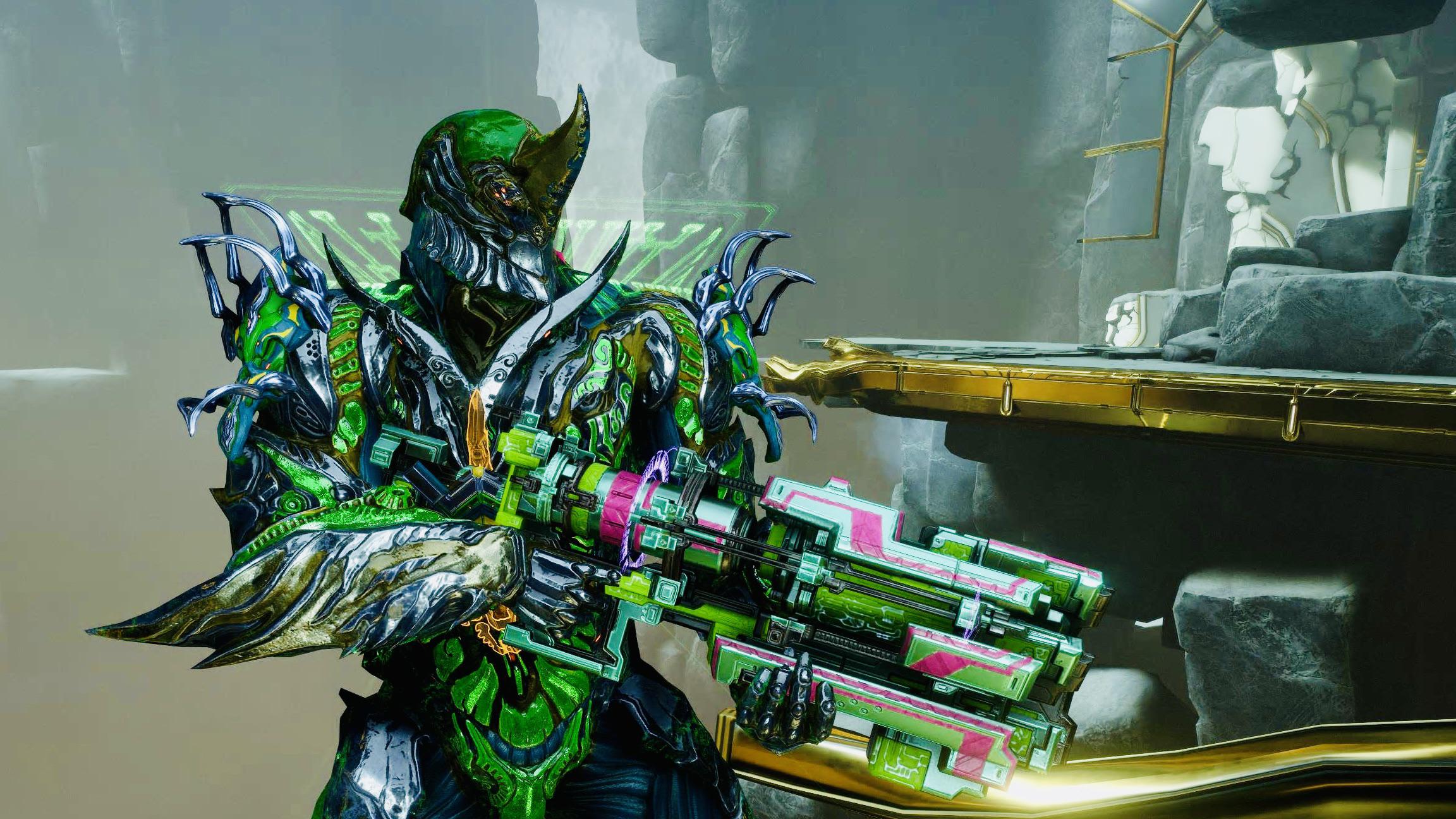
Tenet Arca Plasmor is S tier because it is the safest high-end recommendation for the widest number of players.
Its shots gain ricochet behavior and longer effective range, while the weapon also improves on the standard Arca Plasmor with better damage, crit multiplier, and status chance.
In practice, that means you get a weapon that feels forgiving in corridors, comfortable in mixed mission types, and effective without demanding perfect aim.
It is not the absolute peak specialist in every niche, but it is one of the rare primaries that seldom feels like the wrong choice.
Nataruk

Nataruk is S-tier because its value is out of proportion to its friction. Perfect Shots gain a higher critical chance and critical multiplier than fully charged shots.
Both Charged and Perfect Shots use large projectiles with infinite body punch through, and the weapon has infinite ammo.
Those traits make it unusually rewarding even before a player has fully optimized mods and Arcanes.
What keeps it this high is not just damage; it is the combination of damage, comfort, and long-term usefulness. Nataruk is one of the best examples of a weapon that can carry a progressing account while remaining relevant later.
Burston Prime Incarnon
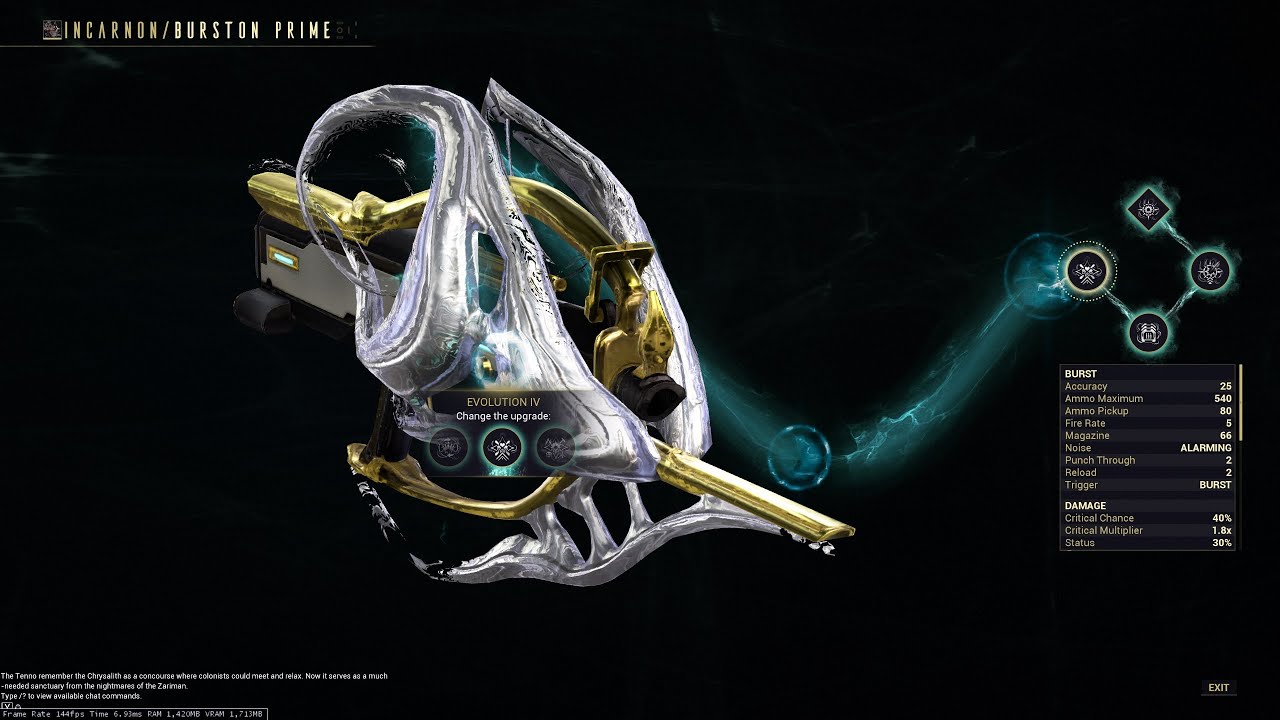
Burston Prime Incarnon earns its S-tier status by completely rewriting the rules of the classic assault rifle. The base burst-fire mode is merely a low-friction vehicle to charge the Incarnon battery through easy headshots.
Once transformed, it drops the burst mechanic entirely and becomes a recoil-free, 600-round bullet hose that effortlessly outputs sustained red critical hits and explosive Heat damage.
It is the perfect answer for players who hate the punishing ammo restrictions of AoE launchers but still want to melt entire hallways of Steel Path heavy units through sheer, overwhelming volume of fire.
The only friction lies in waiting for its rotation in the Duviri Circuit; once acquired, its ceiling is arguably the highest sustained hit-scan DPS in the game.
Latron Prime Incarnon
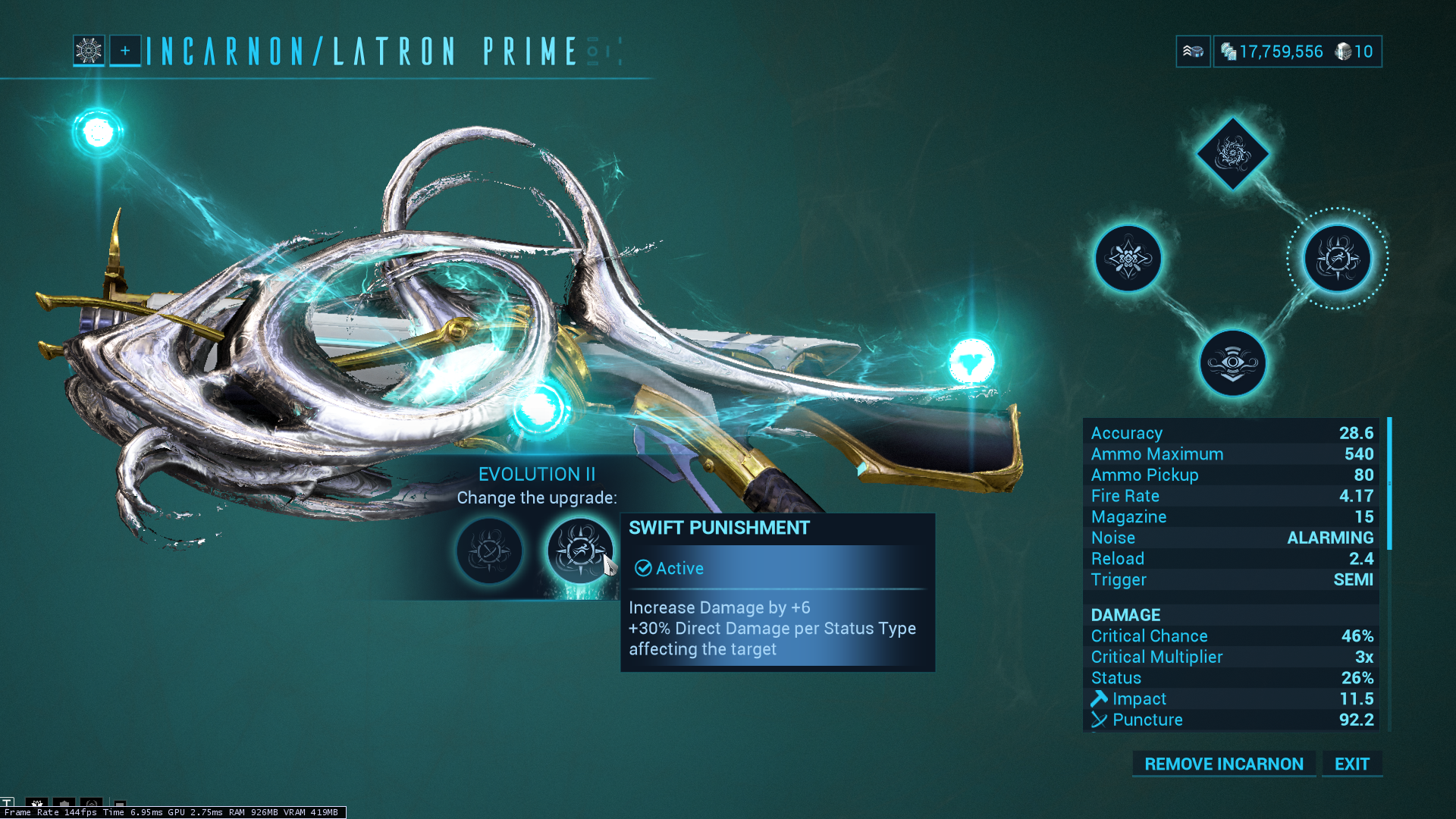
Latron Prime Incarnon sits firmly in the S tier because it offers one of the most mechanically forgiving and devastating AoE transformations available.
While the base weapon is a capable designated marksman rifle, charging it swaps precision for massive, bouncing explosive spheres that ricochet off surfaces.
This ricochet behavior effectively multiplies its damage potential in tight corridor tilesets, allowing it to bypass the harsh ammo economy issues of the Kuva Zarr while delivering superior room-clearing power.
Fire a few spheres into a chokepoint, and the overlapping explosions will instantly vaporize a Steel Path Eximus patrol. It is the definitive choice for players who want maximum destructive coverage with minimal aiming effort.
Strun Prime Incarnon (and Boar Prime Incarnon)
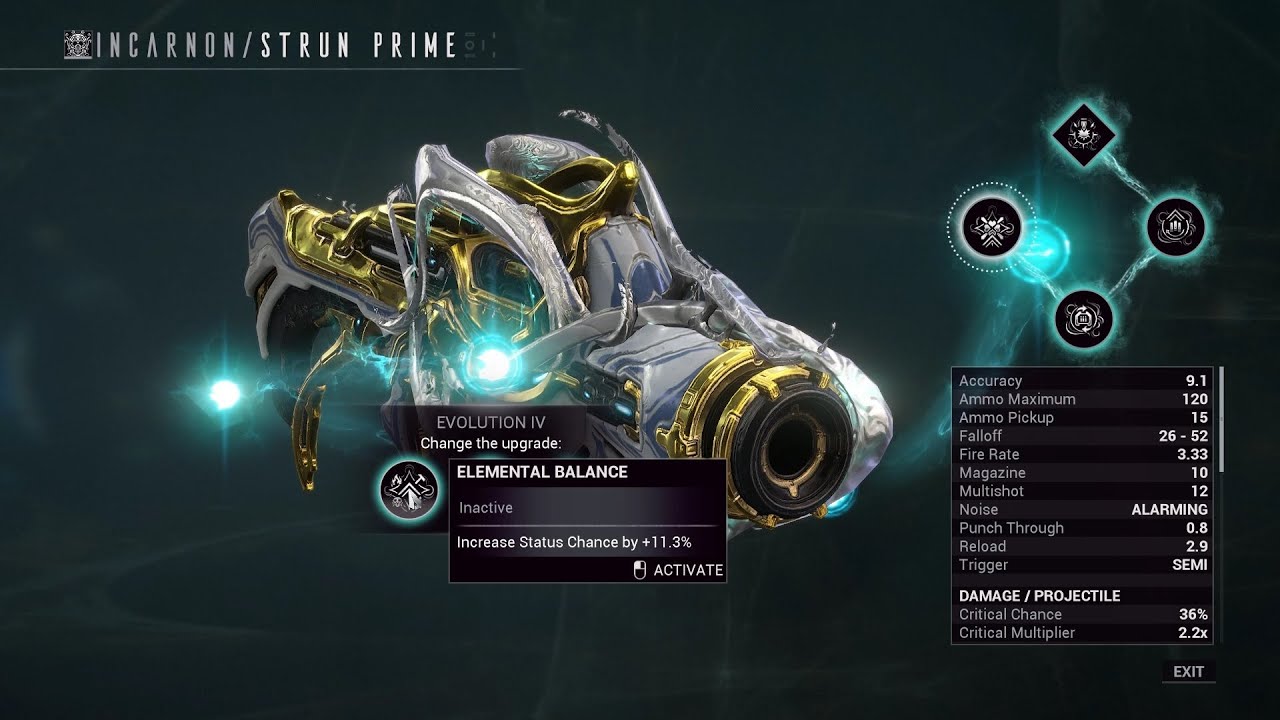
Strun Prime Incarnon, alongside its close rival, the Boar Prime Incarnon, lands at the very top of A tier because it definitively solves the classic shotgun problem of poor crowd control.
The Strun’s Incarnon form shifts from a standard pellet spread to devastating, wide-arcing explosive energy blasts, while the Boar transitions into a massive chaining beam.
Both options are exceptional at applying dense status effects and clearing rooms.
They sit just slightly below the S-tier Incarnons only because their base shotgun forms require you to be a bit closer to the enemy to reliably land the headshots needed to charge them.
For players willing to manage that brief, close-range setup friction, they offer an endgame damage ceiling that traditional shotguns simply cannot reach.
Trumna Prime
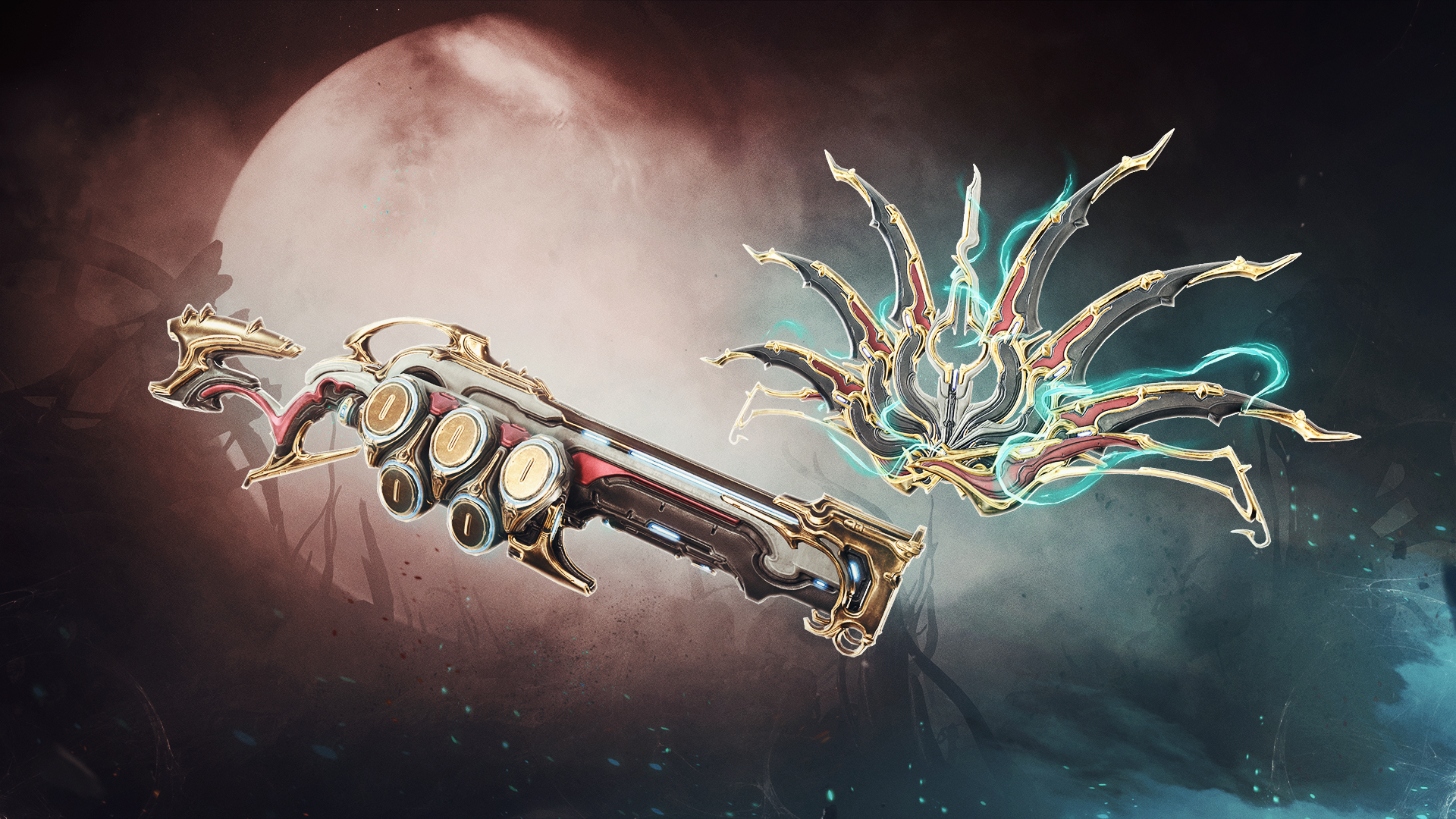
Trumna Prime lands in the S tier because it takes an already strong heavy rifle concept and removes enough friction to make the full package easier to justify.
The Prime variant improves key stats like magazine size, crit multiplier, status chance, reload speed, and damage, which matters a lot for a weapon that wants sustained fire and a satisfying payoff loop.
It is not as effortless as Tenet Arca Plasmor and not as warped by transformation systems as Torid Incarnon, but it offers premium all-around performance for players who enjoy heavier rifles and do not mind a more deliberate weapon rhythm.
Felarx
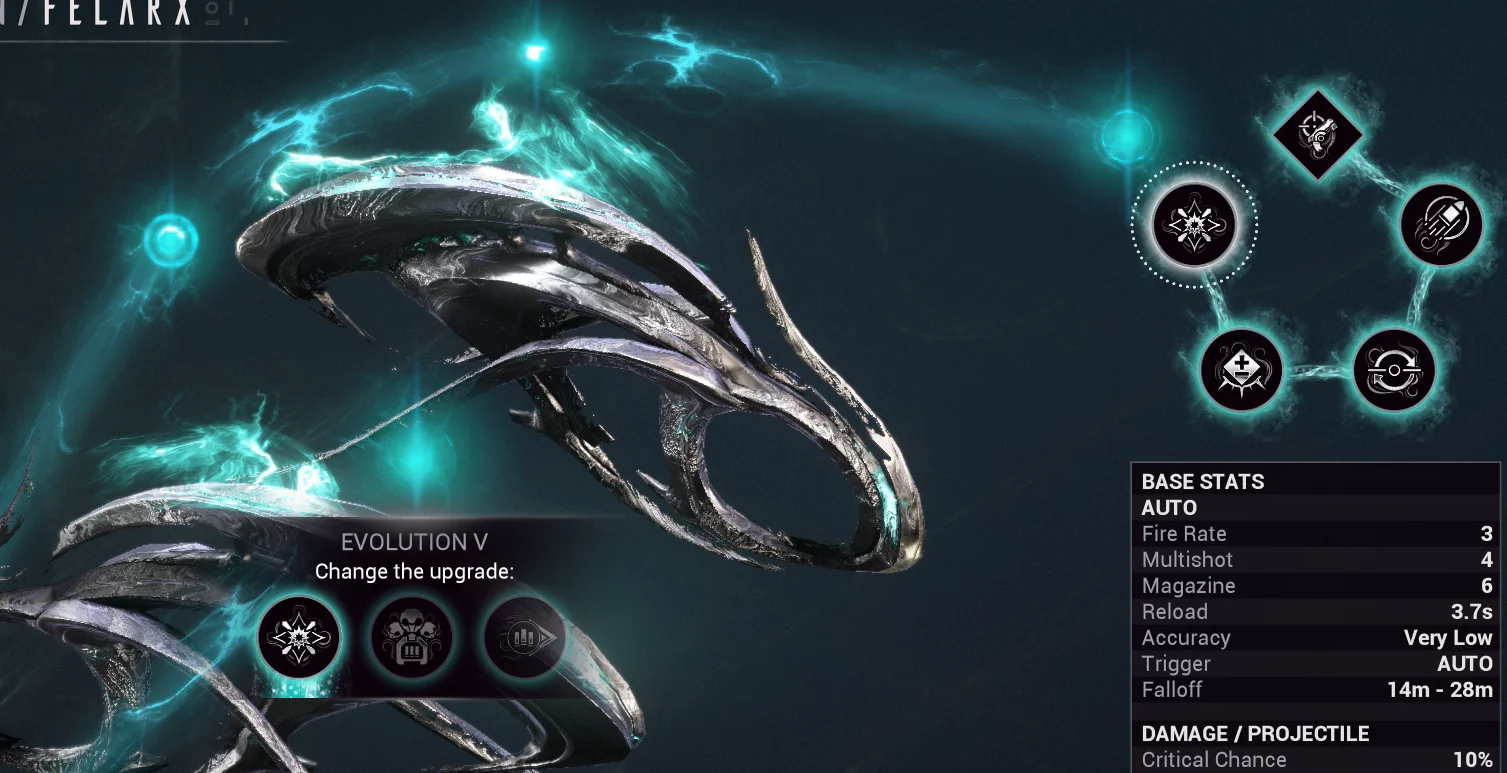
Felarx belongs in the S tier because it completely breaks traditional Warframe modding rules to deliver unmatched burst damage against the game's toughest bosses.
Its power relies on a specific Incarnon evolution that grants a massive 2000% damage multiplier on non-critical hits.
By intentionally lowering your critical chance and stacking raw damage, multishot, and reload speed, you create a shotgun designed specifically to bypass the brutal damage attenuation mechanics of Archons.
Take the Felarx into a high-level Steel Path assassination or an Acolyte encounter, and you will watch health bars vanish before the boss mechanics even have a chance to trigger.
The only real friction is the Zariman reputation grind and the highly counterintuitive modding setup required to bring it online.
Once built correctly, it is the undisputed king of single-target elimination and a mandatory addition to any serious endgame arsenal.
A Tier
A-tier weapons are still excellent. Most players would be happy to main these for a long time. They sit below the S tier because they are either more specialized, slightly less efficient, or just a little more demanding to use well.
Cedo
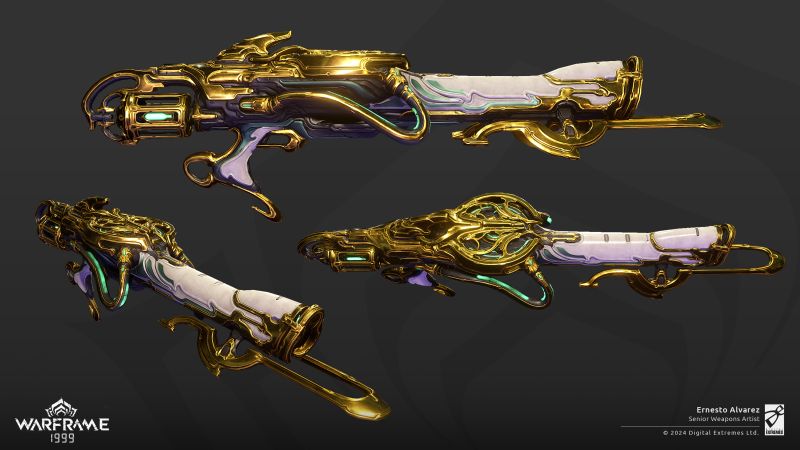
Cedo is A tier because it has one of the smartest self-synergy loops in Warframe. Its primary fire gains bonus damage for each unique status effect on the target, while its alt-fire launches a bouncing glaive that spreads status in an area.
That means the weapon actively helps create the condition it wants in order to hit harder.
It is not as universally dominant as the strongest S-tier picks, but it is one of the best midgame-to-endgame investments for players who want a shotgun that practically builds its own momentum.
Kuva Bramma

Kuva Bramma stays in A tier because its explosive map-clear identity is still very strong, but it carries more friction than the safest S-tier weapons.
The weapon remains deadly in clustered missions and can erase groups quickly, but its ammo pickup override limits how carelessly you can play.
That is the core reason it drops a tier:it still hits hard enough to feel premium, yet it asks the player to manage ammo and shot value more carefully than top all-rounders do. For players who love explosive bows, it is still one of the best options in the game.
Kuva Zarr
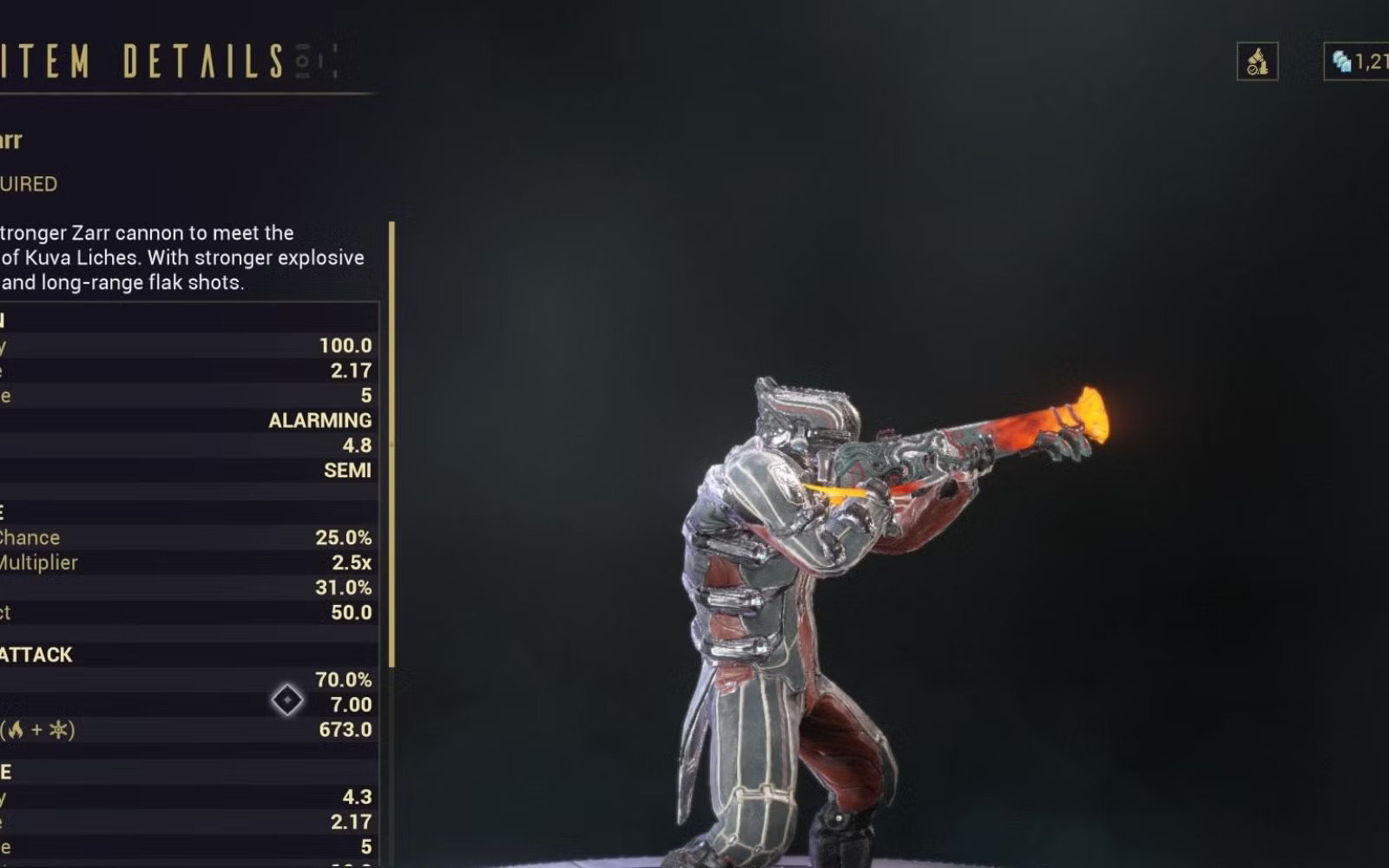
Kuva Zarr is A tier for the same broad reason as Kuva Bramma: massive destructive potential, but more upkeep.
Its Cannon Mode offers serious damage through projectile, explosion, and cluster-bomb behavior, while Barrage Mode gives it some flexibility.
The downside is obvious and meaningful:extremely poor ammo economy, very low reserves, reload friction, and self-stagger risk.
When everything is working, it feels devastating. When the mission punishes waste, it feels less smooth than the best S-tier choices.
Fulmin Prime
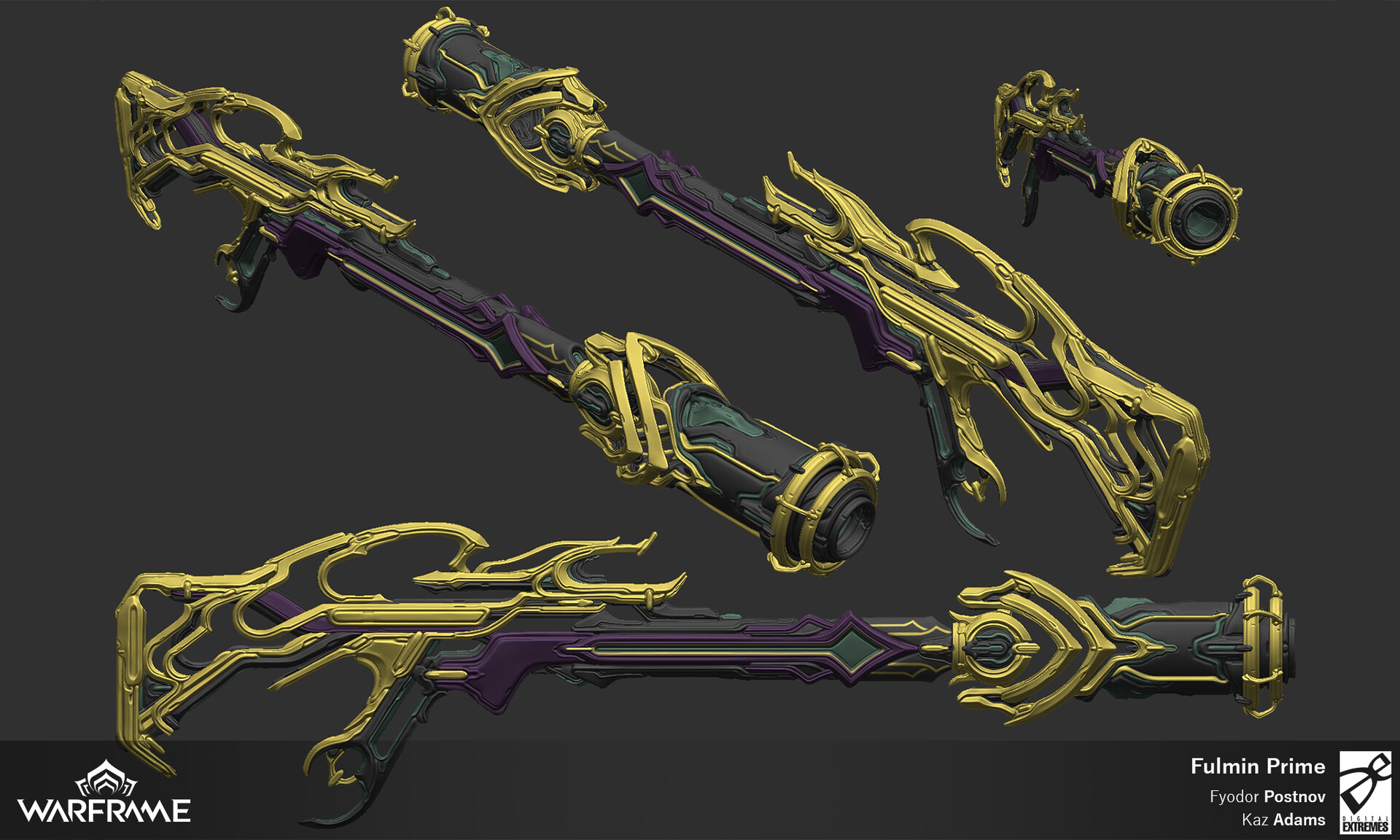
Fulmin Prime belongs in the A tier because it offers one of the cleanest “comfortable but still powerful” rifle experiences.
It uses a battery-style ammo system rather than standard reserves and regenerates ammo after a short delay, which keeps the weapon easy to maintain across long missions.
That convenience alone makes it easier to recommend than many standard rifles.
It does not hit the same meta high notes as the top transformation or Tenet choices, but it remains one of the most reliable premium options for players who want flexibility without the messiness of launcher ammo management.
Ignis Wraith

Ignis Wraith earns an A tier because it still does exactly what players want a comfort beam weapon to do. Its hit detection combines a long central beam with a spherical blast at the endpoint, which gives it broad crowd coverage and forgiving handling.
That makes it especially good for players who value movement, sweep, and low-aim friction. It no longer feels as oppressive as the strongest endgame transformations, but it remains one of the best “keep moving and keep killing” primaries in the game.
B Tier
B-tier weapons are good. Some are even excellent in the right hands. They land here because they are either outclassed by better variants, more specialized than they first appear, or less efficient as long-term investments.
Trumna
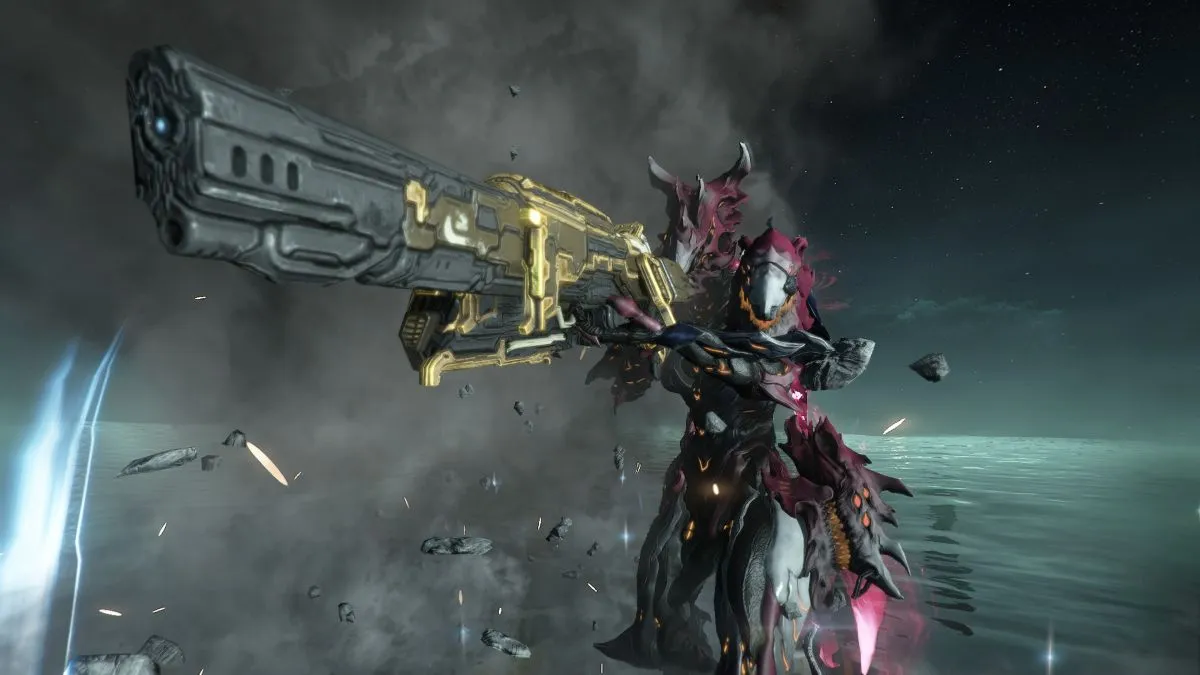
Trumna is B-tier because the base weapon is still strong, but Trumna Prime now does the same job better.
The original keeps the identity that made it popular in the first place: heavy automatic fire, a large magazine, and an alt-fire payoff that feels great when you build around it.
The problem is not that Trumna is weak. The problem is that its Prime version is simply the cleaner long-term destination, which makes the base model harder to recommend as a final stop.
Amprex
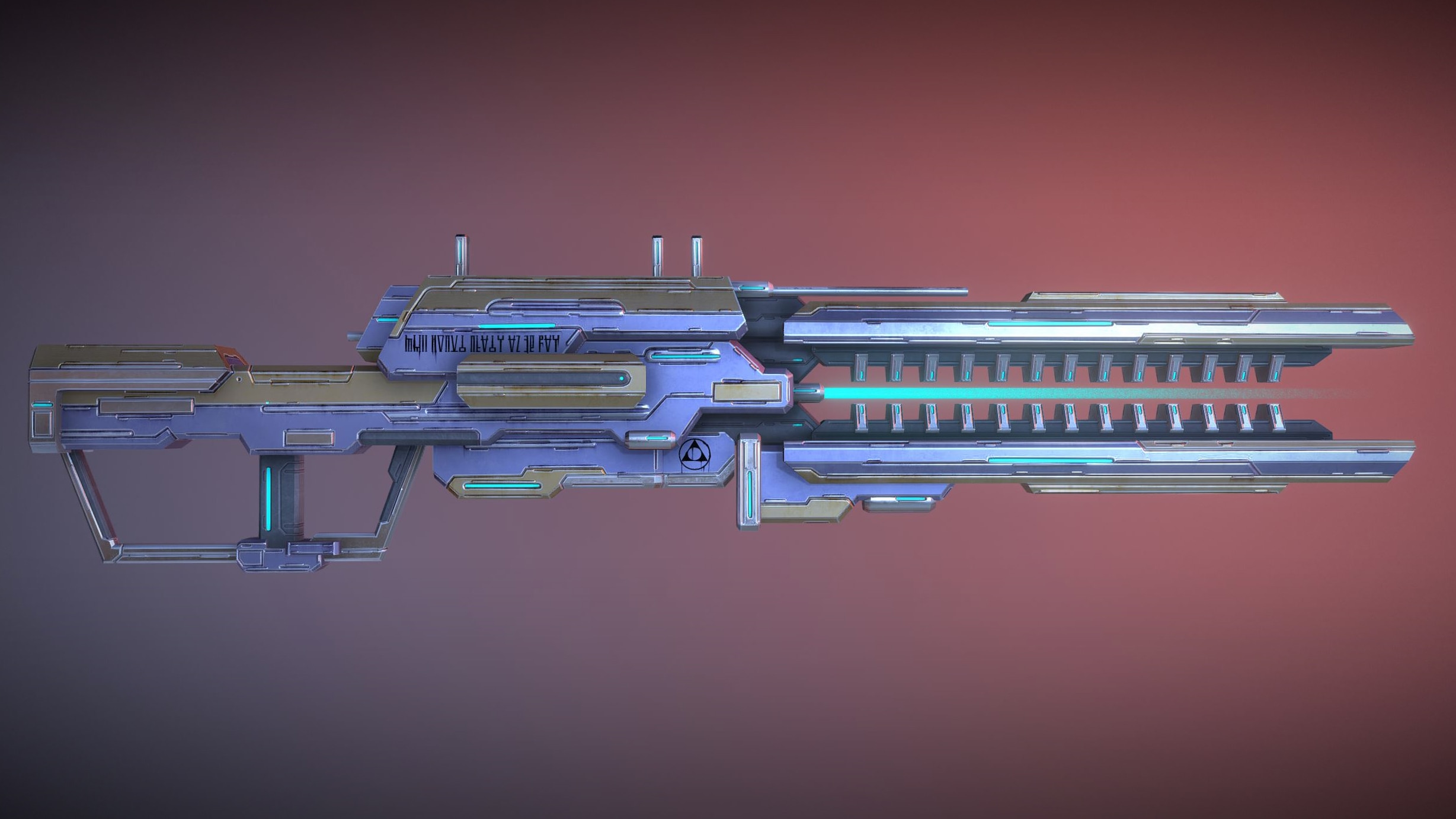
Amprex fits B tier because it still offers a satisfying chaining beam playstyle, but it no longer feels exceptional in a meta full of Incarnon spikes and stronger variant weapons.
It remains fun, effective in normal content, and capable of handling grouped enemies well, but it does not scale with the same authority as the top room-clear primaries above it. This is a classic case of a weapon aging from “dominant” to “solid.”
Kuva Hek
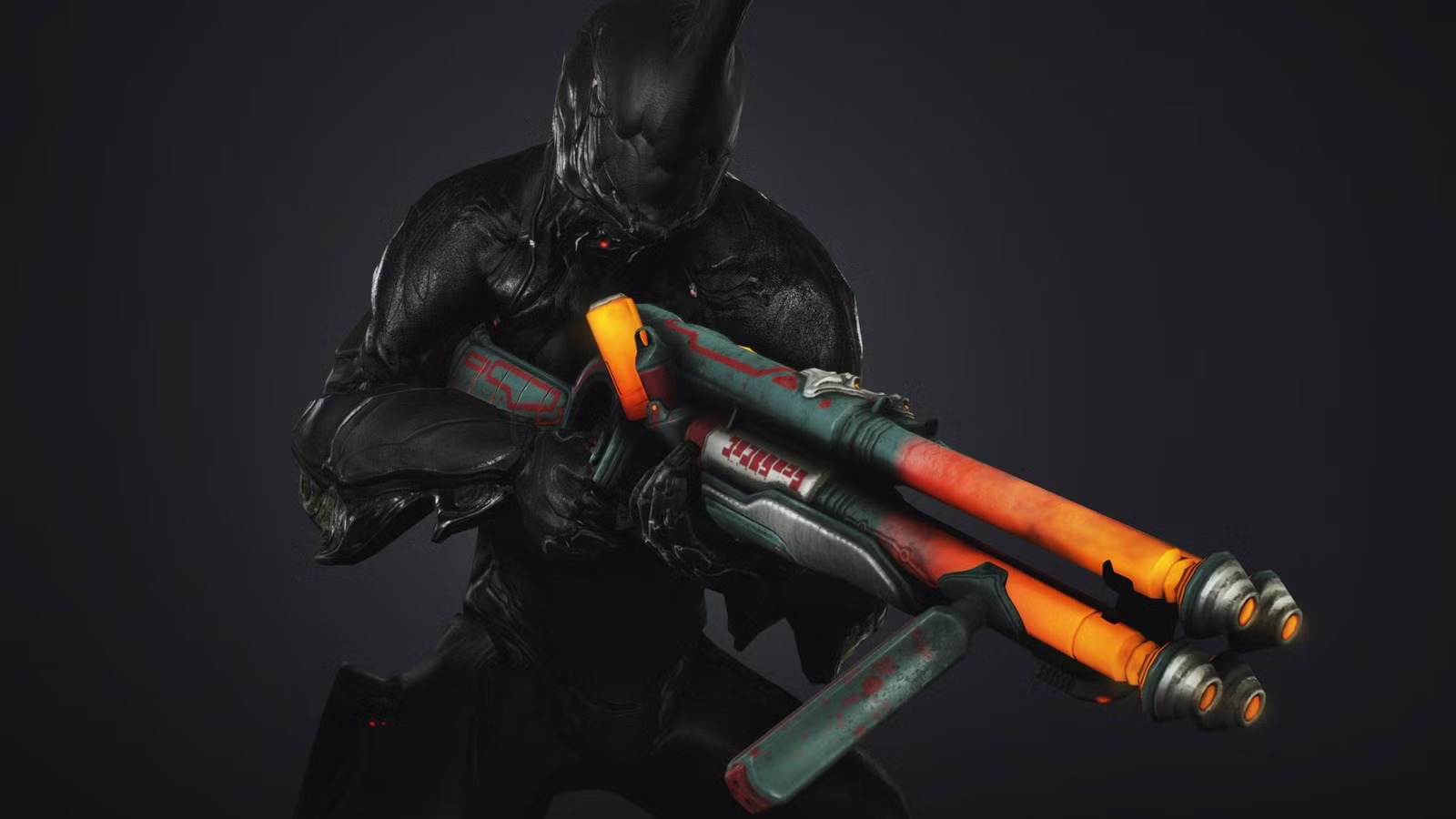
Kuva Hek lands in B tier because it is powerful, but narrower than its reputation sometimes suggests.
It still hits very hard, and the modern compatibility with Scattered Justice helps its appeal, but it is more of a focused damage shotgun than a broad-use answer for every mission type.
Compared with Tenet Arca Plasmor, for example, it asks more from positioning and target selection while offering less flexibility. It is a strong weapon, just not a universally efficient one.
Hek
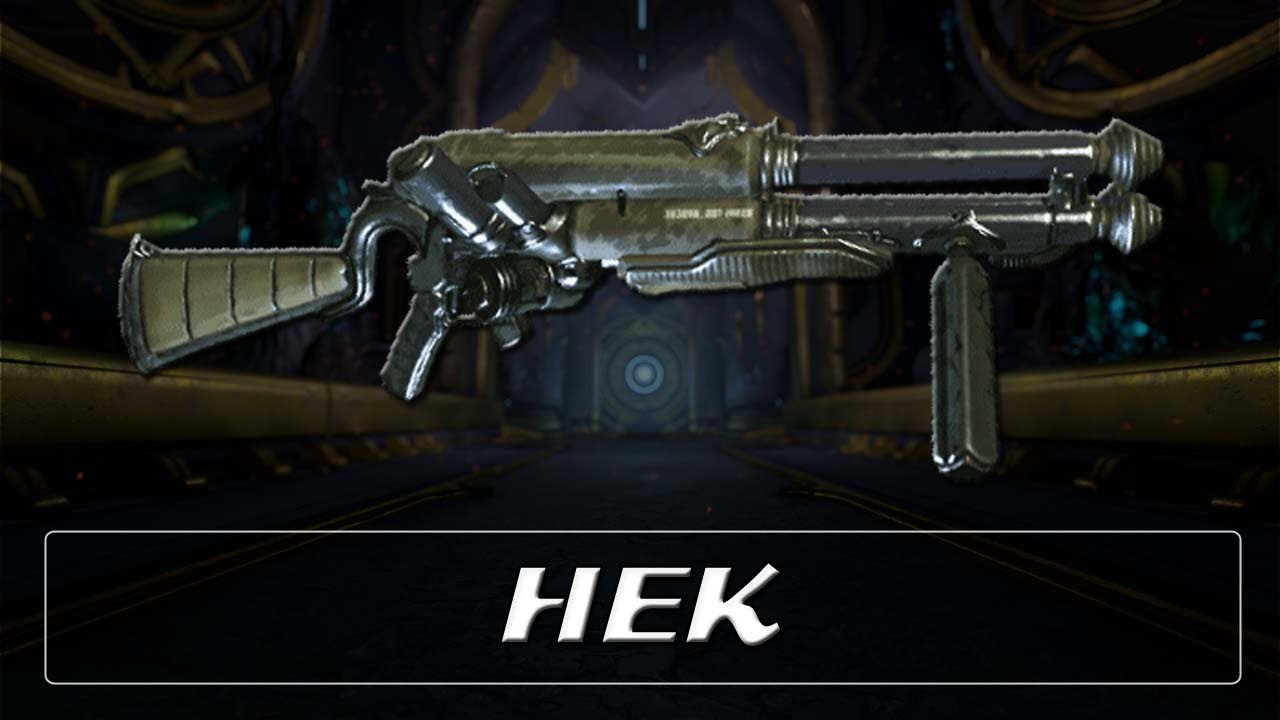
Hek belongs in B tier because it remains one of the best honest progression shotguns in the game. Its tight spread lets it perform better at moderate ranges than many early shotguns, and that alone gives it more staying power than people expect.
At the same time, the small magazine and limited crowd-control potential put a clear ceiling on it. Hek is the kind of weapon that teaches good habits and delivers reliable value, but it is not built to dominate modern high-end PvE the way the S-tier list is.
Kuva Karak

Kuva Karak lands in B tier because it is a dependable rifle upgrade, not a meta breakthrough. It improves on the standard Karak with innate punch through, higher accuracy, lower recoil, fast reload, a large magazine, and strong status chance.
Those are all useful upgrades, and together they create a rifle that feels stable and practical in actual missions. What it lacks is a standout trait that pushes it into higher tiers. It is strong, clean, and easy to use, but not extraordinary.
C Tier
C-tier weapons are still playable, especially in normal content, but they have clearer limitations. In most cases, these are guns that work fine until you compare them directly with stronger variants or newer systems.
Fulmin

Fulmin is C-tier because it is still a pleasant weapon, but Fulmin Prime now captures the same role more efficiently.
The base Fulmin benefits from the same battery-style identity that makes the family comfortable to use, yet once a player has access to the Prime, there is very little reason to stay here unless resources are tight. That is the story of many C-tier weapons: not bad, just overtaken by a better version of the same concept.
Karak Wraith
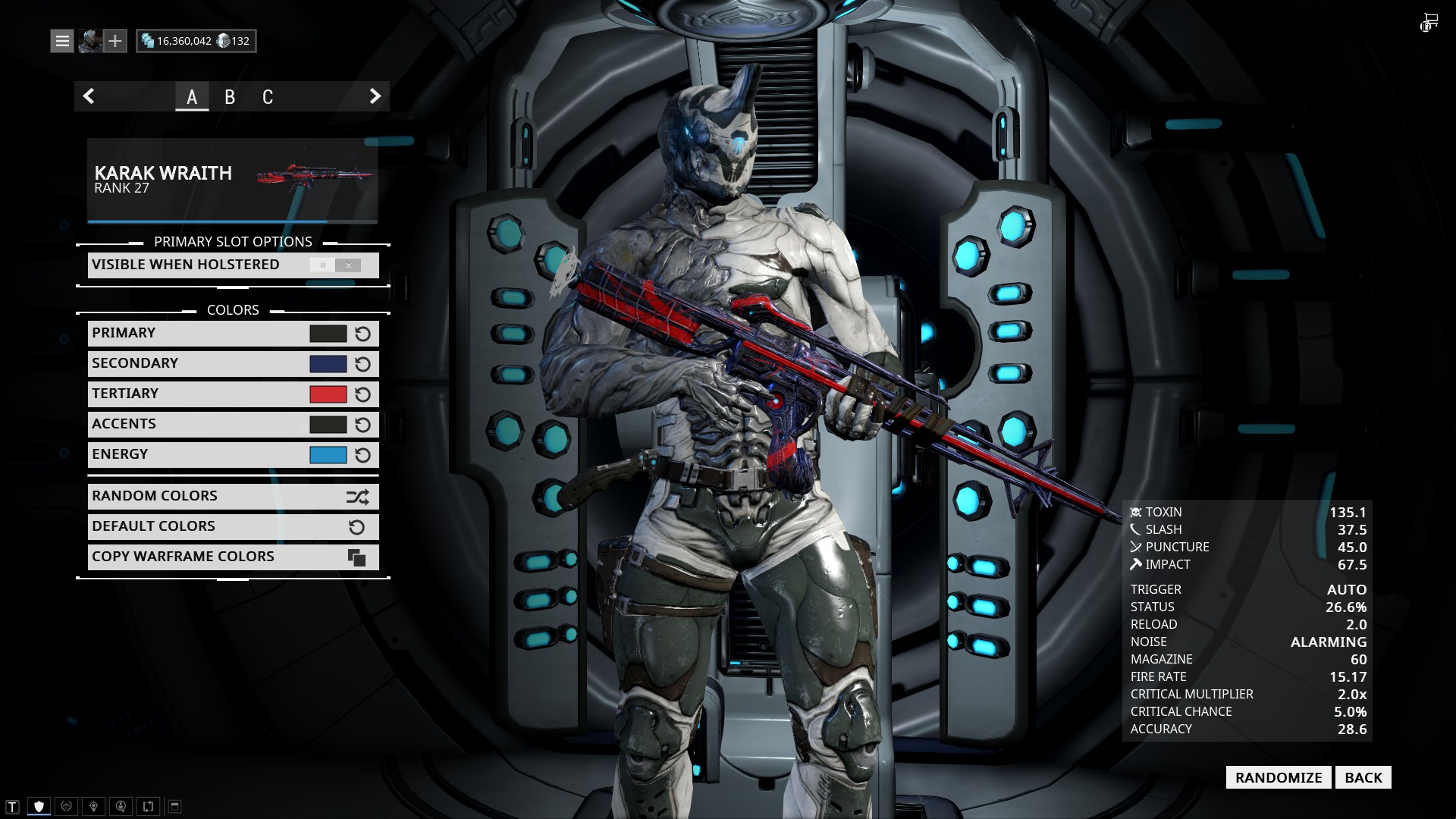
Karak Wraith sits in C tier because it improves on the ordinary Karak but still does not reach the performance bar set by stronger modern rifles.
It feels fine, handles well enough, and gets the job done in less demanding content, but it lacks the damage profile, scaling identity, or special mechanic needed to stay exciting once your account matures. It is usable, not memorable.
Hind

Hind lands in the C tier because it is competent without being especially rewarding. It has a functional burst-rifle identity and can certainly clear content when built properly, but it lacks the standout ceiling, forgiving utility, or upgrade payoff that would move it into the higher tiers.
In a game full of stronger rifles, shotguns, launchers, and Incarnon options, Hind ends up feeling serviceable rather than compelling.
D Tier
D-tier is where base-form, low-ceiling rifles usually land. These are not unusable weapons. They are simply poor long-term investments compared with what else Warframe offers today.
MK1-Braton
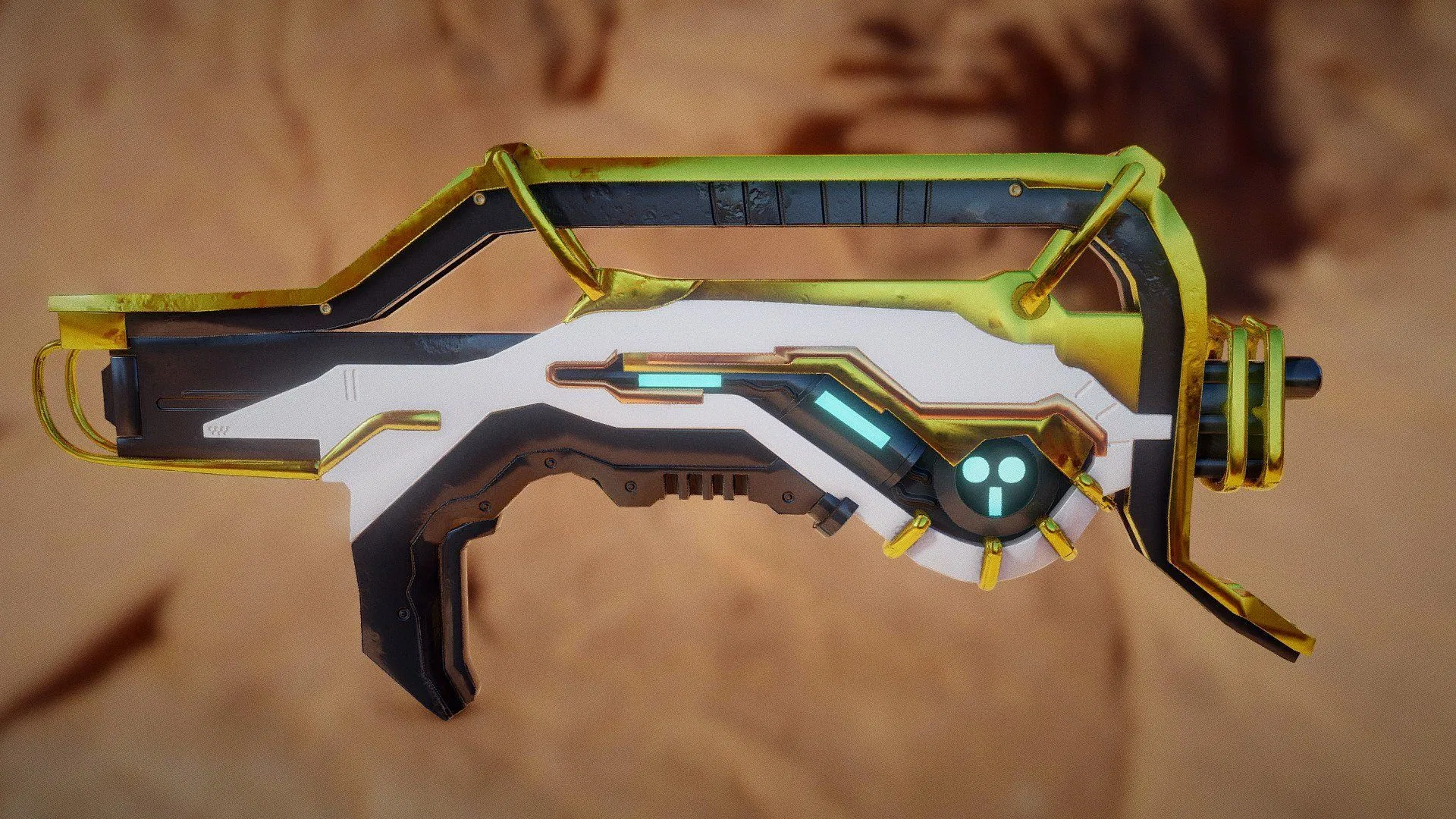
MK1-Braton is a textbook D-tier weapon because it is designed as a starter rifle, not a destination weapon.
The wiki describes it as accurate and stable, but also notes that its damage is sub-optimal. That is exactly the right summary.
It is fine for learning movement, recoil control, and basic gunplay, but it is not something a player should invest in once better options appear.
Karak

Karak belongs in D tier because it is too ordinary for the current sandbox. Compared with stronger related rifles, it falls behind in critical chance, critical multiplier, status chance, and both burst and sustained DPS.
None of that makes it broken or unusable. It just means the weapon does not offer enough upside to justify meaningful resource investment when a Kuva variant or a better rifle archetype is available.
Braton
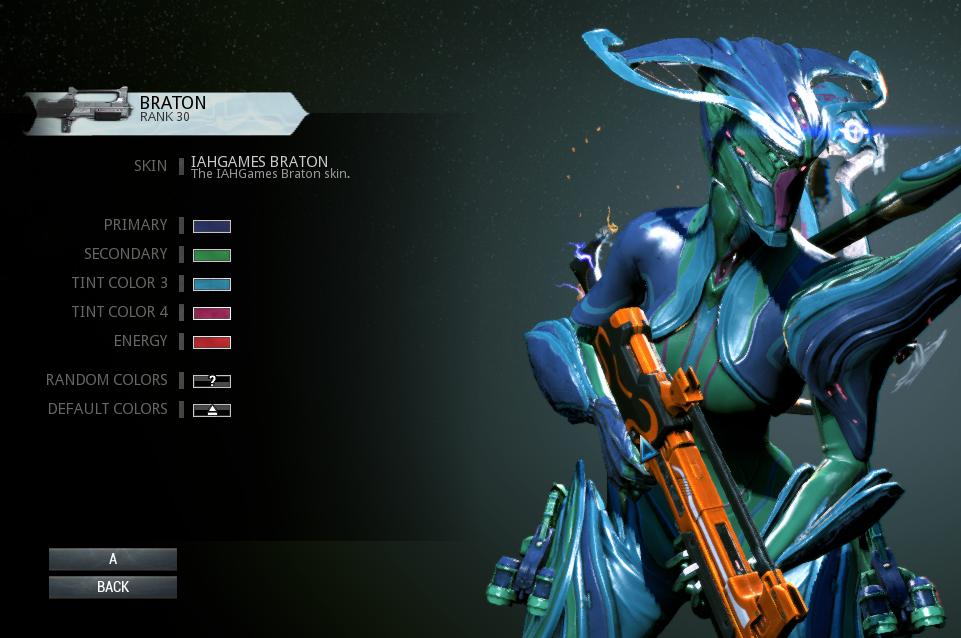
Braton is D-tier in its base form because it is a simple, well-known rifle with very little modern leverage. It is easy to understand and easy to use, but that simplicity comes with a low ceiling.
The important caveat is that this ranking applies to standard Braton only. Once Braton Incarnon Genesis enters the conversation, the weapon stops being a D-tier discussion entirely.
Dera
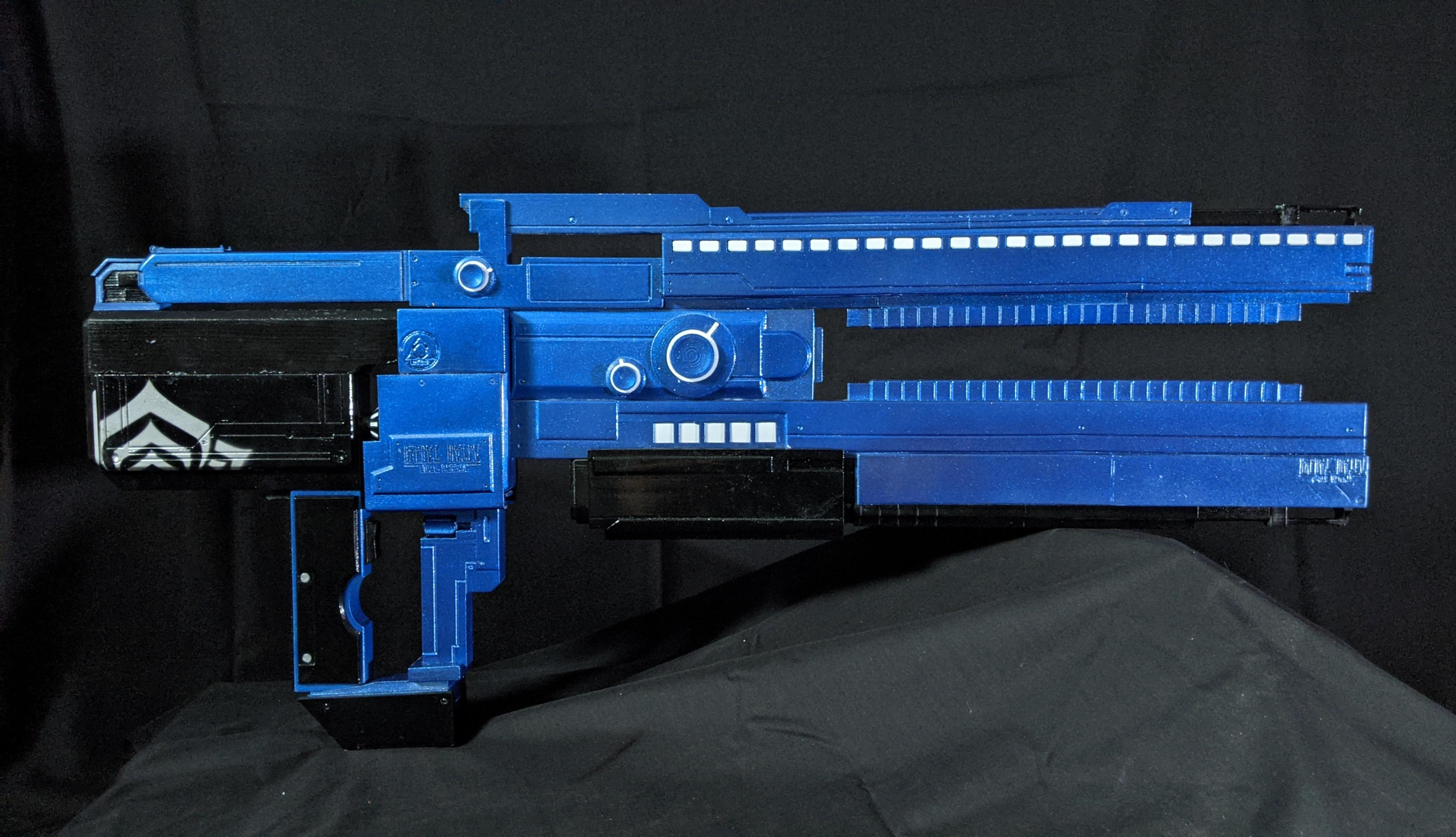
Dera lands in D tier because its base form feels too plain for a weapon class that now has far more threatening alternatives.
It is accurate and projectile-based, which gives it a certain comfort at range, but it lacks the pressure, standout damage behavior, and payoff that would make it efficient as a serious investment.
Just like Braton, this judgment changes sharply if you switch to Dera Incarnon Genesis, but the base gun alone belongs near the bottom.
Related Reading:Warframe Tier List 2026
Best Primary Weapons For Beginners And Mastery Rank Progression
A progression section should not pretend every player has the same unlock history. The best “beginner” weapon changes depending on whether the player is truly early, mid-questline, or returning with content gaps.
Best Early-game Picks At Low Mastery Rank
For a truly early account, Hek is still a clean answer because it hits hard, keeps a tight spread for a shotgun, and remains reliable at more moderate ranges than many early alternatives.
It will not clear rooms like a late-game launcher, but it teaches good target priority and stays useful longer than many early primaries.
The Ignis path is the opposite style. It trades precision for crowd comfort, using a long continuous flame spray and endpoint splash to sweep groups. If an account later upgrades into Ignis Wraith, the same easy handling gets better crit, status, and magazine stats.
Best Bridge Weapons Before Steel Path
If The New War is already finished, Nataruk is the best bridge weapon in the game. It arrives ready to matter.
If the player is further down the Deimos route, Cedo and Trumna are the other two bridge choices worth special attention because both stay relevant after the rest of the loadout grows.
Fulmin Prime also deserves a look for players who want flexible fire modes and ammo regeneration rather than brute-force explosions.
Common Trap Picks New Players Should Skip
The trap is usually not one specific gun. It is overinvesting in whatever a random tier list called S-tier before the account has the mods, quests, and systems to support it.
A player chasing an Incarnon adapter or a Lich weapon too early can spend far more time and Forma than they need to solve the next fifty hours of content.
Once Steel Path enters the picture, those progression mistakes get punished much harder.
Steel Path, Incarnon, And Variant Systems That Can Change A Ranking Overnight
This is the part many weaker-tier listsskip. In Warframe, the weapon itself is only half the story. The surrounding systems are what push a good gun into a ridiculous one.
Why Steel Path Exposes Weak Tier Lists
Steel Path adds +100 enemy levels to the regular Star Chart, and it is also the ecosystem where Acolytes feed Primary Arcanes into your build path.
That means a ranking that ignores Steel Path usually ignores the point where weapon scaling, kill-triggered buffs, and survival pressure actually separate the good from the great.
Incarnon Upgrades That Massively Raise A Weapon’s Ceiling
Incarnon is one of the biggest reasons old tier lists age badly. The system adds alternate forms and evolutionary upgrades, and Incarnon Genesis adapters can be applied to a wide range of existing weapons after the required quest path and Steel Path unlock.
That is why Torid, Burston, Paris, and similar names can jump from “fine” to “build-defining” depending on account progress.
Kuva And Tenet Primaries Are Worth The Grind
The grind-heavy variants most worth the trouble are Tenet Arca Plasmor, Kuva Bramma, and Kuva Zarr.
Tenet Arca Plasmor is the safest broad-use option. Bramma and Zarr are the better picks when you specifically want explosive map control and are willing to manage their downsides.
Kuva weapons are generated through the Kuva Lich system and can bypass their listed Mastery Rank when claimed, which makes them powerful but not necessarily efficient for every account stage.
Prime Weapons That Are Smart Investments
Trumna Prime and Fulmin Prime are smart long-term Prime targets because they give clear stat improvements while preserving already-strong core identities.
Prime upgrades are valuable, but the larger lesson is that Prime does not automatically outrank everything else. Some Incarnon, Kuva, and Tenet weapons still create a bigger practical jump than a Prime upgrade alone.
Galvanized Mods And Primary Merciless: The Upgrades That Unlock Real Endgame Performance
Galvanized Mods were introduced as kill-scaling alternatives that can rise above their conventional versions once combat gets going, and Primary Merciless stacks weapon damage on kill while also improving reload speed at max rank.
Those systems are why a weapon can feel merely good in the Star Chart and suddenly feel elite once Steel Path farming begins.
That system layer is exactly why the smartest next step is not always the weapon with the loudest reputation.
What To Build Next: A Simple Decision Framework
A short framework saves more resources than a long tier list. The point here is to match the weapon to the account, not to win an argument.
2-column Decision Table: Your Situation And The Best Weapon Direction
| Your situation | Best weapon direction |
| Just finished The New War, and your mod pool is still thin | Nataruk |
| Farming Deimos and want a weapon that helps itself scale | Cedo |
| Want a heavy rifle that stays relevant in harder content | Trumna or Trumna Prime |
| Already comfortable in Steel Path and want the room cleared | Torid Incarnon |
| Already comfortable in Steel Path and want a single-target payoff | Phenmor |
| Running Sister content and want one broad-use primary | Tenet Arca Plasmor |
| Love explosive weapons and can manage their constraints | Kuva Bramma or Kuva Zarr |
Those directions line up with each weapon’s actual mechanics and unlock path, not just community hype.
A 60-second Checklist Before You Spend Forma Or Catalysts
- Can you unlock the weapon this week without derailing progression?
- Does it solve a real problem: bossing, map clear, ammo comfort, or low-investment scaling?
- Will it still matter after your next Mastery Rank jump?
- Does it need Galvanized Mods, Arcanes, or an Incarnon adapter before it feels good?
- Are you choosing it for your account, or for someone else’s finished account?
Illustrative Scenarios: Three Players, Three Correct Answers
A player who has just finished The New War and owns only a partial mod collection should not chase Phenmor first. That player gets more immediate value from Nataruk because the weapon arrives ready to work and asks less from the build.
A player farming Deimos standings and wanting one dependable primary for the midgame is better served by Cedo or Trumna than by waiting on a perfect endgame unlock. Both offer clear power loops before the account is fully optimized.
A player already living in Steel Path, farming Acolytes, and rotating Circuit rewards has earned the right to choose between Torid Incarnon for map control and Phenmor for heavier single-target duty. At that stage, the ceiling matters more than the friction.
That is the whole model in action:the “best” weapon changes when the account changes.
The BEST WEAPONS for Warframe ENDGAME!
Common Mistakes That Make Strong Primaries Feel Weak
Most bad weapon takes come from bad framing, not bad intent. These are the mistakes that make strong primaries underperform.
Ranking By Paper DPS Only
A weapon can look absurd in a stat argument and still feel miserable in a real mission. Fire mode friction, weak area coverage, poor stack maintenance, and awkward target flow all reduce practical damage. Warframe rewards weapons that kill continuously, not just weapons that look perfect in a stationary test.
Ignoring Ammo, Uptime, And Map Flow
Kuva Bramma and Kuva Zarr earn their reputations honestly, but both also highlight why ammo economy matters.
On the other end, Nataruk’s infinite ammo and Tenet Arca Plasmor’s forgiving wave behavior reduce those headaches dramatically. A weapon that never interrupts your rhythm often outperforms a stronger one that constantly does.
Copying Endgame Builds Onto Underbuilt Accounts
Galvanized Mods and Primary Merciless are not decorative. They are part of why many primaries feel endgame-ready.
A player missing those systems can copy the same mod layout from a video and still get a much worse result. The build was not wrong. The account state was.
Chasing Variants You Cannot Realistically Unlock Yet
Incarnon Genesis asks for specific quests and Steel Path access. Kuva and Tenet weapons ask for adversary-system grind.
If that route delays your overall progression, the smarter move is usually a bridge weapon that helps now rather than a dream weapon that arrives late.
Avoid those four mistakes, and your tier list decisions become much more expensive in the right way.
Frequently Asked Questions
What’s The Best Primary Gun In Warframe?
There is no universal best for every account. The strongest recommendation depends on your progression and goal: Tenet Arca Plasmor for broad-use comfort, Nataruk for value, Torid Incarnon for map clear, and Phenmor for heavier single-target pressure.
What Is The Primary S Tier In Warframe?
S-tier primaries are the weapons that combine high real-mission damage, broad usefulness, and strong scaling. For this list, that group is led by Tenet Arca Plasmor, Nataruk, Torid Incarnon, Phenmor, and Trumna Prime.
What Is The Highest DPS Weapon In Warframe?
That question is less useful than it sounds. Practical DPS changes with enemy type, kill stacks, ammo flow, and whether the weapon is built around room clear or priority-target deletion. In actual play, Phenmor and Torid Incarnon are stronger reference points than any single “paper DPS” answer.
What Are The Best Primary Weapons For Beginners?
For a truly early account, Hek and the Ignis family are safe answers because they are straightforward and forgiving. For a progressing account that has finished The New War, Nataruk becomes the best low-friction answer by a wide margin.
Are Incarnon Weapons Worth It?
Yes. Incarnon and Incarnon Genesis are worth the grind for players who already have the quest path and Steel Path access, because the system can dramatically raise a weapon’s ceiling and even revive older favorites.
Are Kuva And Tenet Weapons Worth The Grind?
Usually yes, but only when they fill a real need. Tenet Arca Plasmor is the most broadly useful primary in that family for most players, while Kuva Bramma and Kuva Zarr are better when explosive crowd control is the priority.
What Should I Build First For Steel Path?
The smartest first Steel Path primary is a weapon that already feels good before every endgame system is online. For most accounts, that means Nataruk if available, then Tenet Arca Plasmor or Cedo, depending on access and playstyle.
Do Prime Weapons Always Beat Regular Weapons?
No. Prime variants usually improve stats, but Warframe’s bigger power spikes often come from Incarnon, Kuva, and Tenet systems. A non-Prime weapon with the right upgrade path can absolutely outrank a Prime in practice.
What Matters More, Crit Or Status?
Neither wins by default. The right answer depends on the weapon’s base design and mechanics. Nataruk rewards timed crit-heavy shots, while Cedo directly benefits from stacking unique status effects on targets.
Can Lower-tier Weapons Still Clear Steel Path?
Yes, but the cost rises fast. Lower-tier weapons usually need better mods, stronger support, and cleaner play to survive the same Steel Path pressure that top-tier primaries handle more comfortably.
Conclusion
Navigating Warframe's massive arsenal does not have to be an expensive trial-and-error process.
By focusing your early Forma on accessible powerhouses like the Ignis Wraith, and ultimately transitioning to meta-defining tools like the Torid Incarnon and Felarx, you secure your place in endgame squads.
The meta will inevitably shift with future updates, but investing in weapons with strong foundational mechanics, like chaining AoE and powerful damage multipliers, ensures your loadout remains highly effective for years to come. Optimize your builds, farm those Incarnon Adapters, and make every trigger pull count.
Also Check Out: The Ultimate Warframe Melee Tier List
Jump to
Warframe Primary Weapon Tier List For Beginners, Steel Path, And Long-term Progression
Quick Summary Table
What Actually Makes A Primary Weapon Top-tier In Warframe
The Fast Answer: Best Warframe Primaries By Player Goal
S Tier
A Tier
B Tier
C Tier
D Tier
Best Primary Weapons For Beginners And Mastery Rank Progression
Steel Path, Incarnon, And Variant Systems That Can Change A Ranking Overnight
What To Build Next: A Simple Decision Framework
Common Mistakes That Make Strong Primaries Feel Weak
Frequently Asked Questions
Conclusion
Latest Articles
Popular Articles