CEDH Tier List: Best Decks, Staples, And Picks For 2026
Win more pods with this cedh tier list. Clear rankings, real strengths/weaknesses, and best cards for cEDH in one page.
Apr 01, 20267.2K Shares140.3K Views

cEDH Tier List - Competitive Commander Decks That Actually Win
Competitive EDH rewards the same thing every time: efficiency under pressure. When three opponents can win early, your deck needs to threaten a win, stop wins, and rebuild after the table fights back. That’s the real difference between “strong Commander” and cEDH.
A good cEDH tier list isn’t a popularity chart. It’s a forecast of what keeps performing when pods are packed with fast mana, free interaction, and compact win conditions. The list below is built to match what readers want in 2026: a scannable tier breakdown, enough commander coverage to be useful, and the “why” behind each placement supported by current metagame signals.
What “Tier” Means in Competitive EDH
Tiers are not moral judgments and they’re not fixed power levels. They’re a snapshot of how commander-led archetypes perform in an environment where:
- Players mulligan aggressively for functional hands
- Interaction is cheap and frequent
- Win lines are compact and protected
- Games are decided by windows, not turns
A tier reflects three things at once:
- Baseline strength of the shell (colors, card quality, tutor density)
- Commander contribution (draw engine, mana engine, combo enabler, inevitability)
- Meta positioning (what the table is playing right now)
To keep this genuinely “2026,” the rankings lean on current tournament/metagame tracking that reports meta share, conversion, and top cuts, not just vibes.
How This cEDH Commander Tier List Is Evaluated
These are the filters that matter most in real pods:
Real win speed, not goldfish fantasy
Can the deck present a protected win through resistance, not just “I win on turn 2 if nobody plays Magic”?
Consistency and redundancy
Tutors matter, but so does redundancy. The best decks can pivot into a second win line without losing tempo.
Interaction density and quality
Free interaction and 1-mana answers define who survives the early turns.
Resilience after disruption
If your first attempt fails, can you rebuild without giving the table a full turn cycle of safety?
Flexibility across pod types
Turbo-heavy pods reward speed and free counters. Stax-heavy pods reward mana efficiency, commander-based advantage, and non-stack win angles.
Quick Tier Summary
S Tier (format leaders you should prep for first)
Kraum & Tymna (Blue Farm), Kinnan, Rograkh & Thrasios, Rograkh & Silas, Sisay, Etali, Thrasios & Tymna, Tivit
A Tier (event-capable staples, slightly more meta-dependent)
Najeela, Kenrith, Winota, Dargo & Tymna, Tevesh & Thrasios, Krark & Sakashima, Malcolm & Vial Smasher, The Gitrog Monster, Magda
B Tier (strong but easier to target or pilot-intensive)
Yuriko, Atraxa (Grand Unifier), K’rrik, Derevi, Rocco, Dihada, Rowan, Marneus Calgar, Zirda
C Tier / Specialist Picks and Emerging Builds (viable, but narrower or less proven)
Arcum Dagsson, Inalla, Tayam, plus newer or niche commanders that spike in specific environments
See also: Blue Archive Tier List
S-Tier cEDH Decks
S Tier decks combine three traits: consistent access to wins, enough interaction to force wins through, and commander value that reduces “dead hands.”
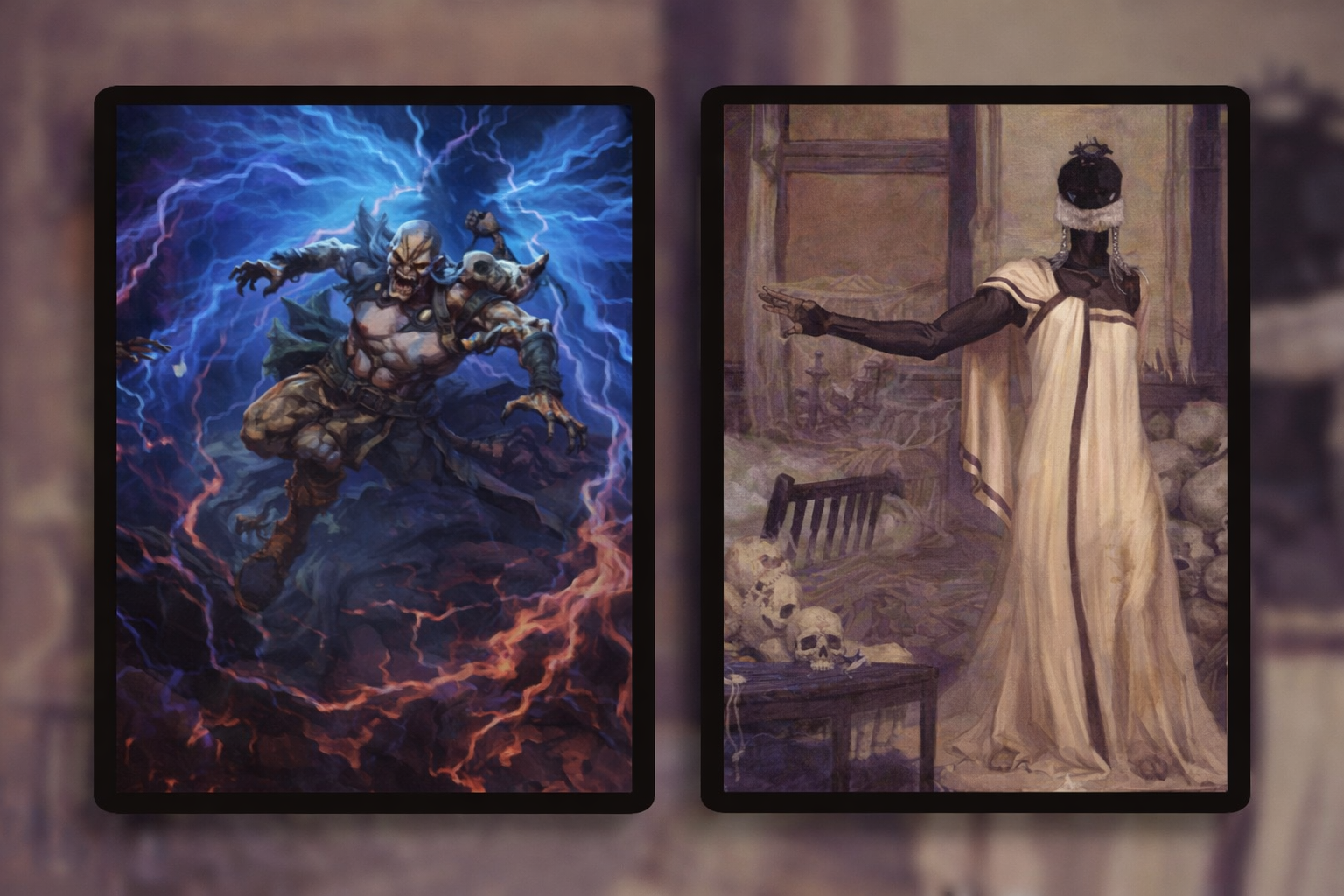
1. Kraum, Ludevic’s Opus & Tymna the Weaver (Blue Farm)
Why it’s S Tier
- It’s the most complete package of speed + interaction + card flow in current tournament data, sitting at the top of recent commander rankings by meta share.
- Tymna converts early bodies into cards. Kraum punishes opponents for playing spells, which matters because cEDH tables cast a lot of spells.
How it wins
- Thassa’s Oracle plus Consultation-style effects
- Underworld Breach loops (graveyard-based “one-turn engine” lines)
- Ad Nauseam into a protected win turn
How it loses
- Early hate that stops engines (graveyard hate versus Breach lines, rule-of-law effects versus stormy turns)
- Tables that coordinate interaction and force multiple win attempts in one cycle
What it preys on
- Pods that are light on free interaction
- Players who keep “good-looking” hands that don’t actually interact early
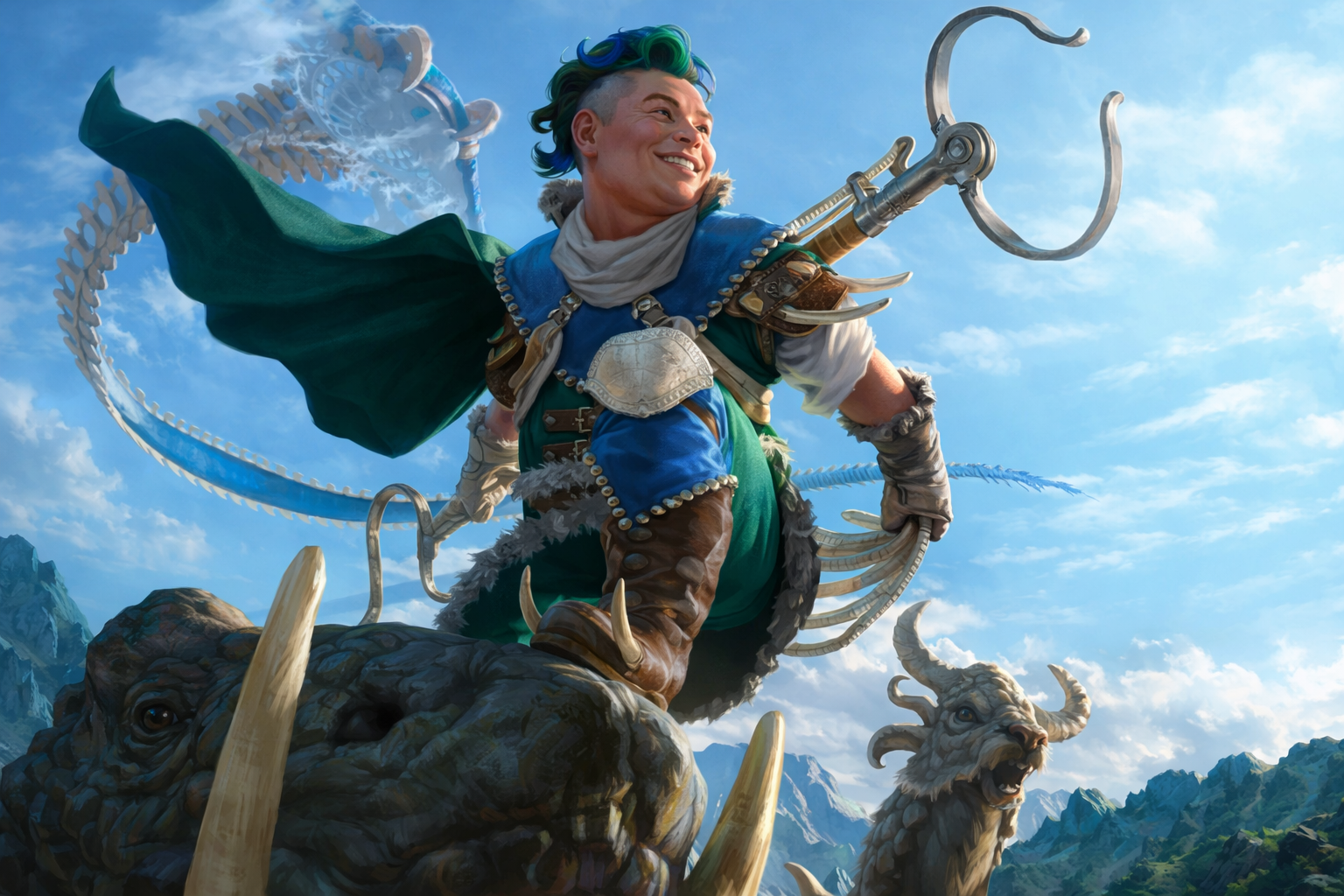
2. Kinnan, Bonder Prodigy
Why it’s S Tier in 2026 metas
- It holds the #2 slot on top commanders list by meta share in the current dashboard view.
- Kinnan compresses time by turning mana rocks and dorks into explosive resources, then converts that mana into inevitability via activated ability value.
How it wins
- Infinite mana packages and creature-based engines
- Overwhelming resource advantage that forces opponents to act into bad trades
How it loses
- Stax that turns off artifacts or activations
- Well-timed removal that breaks the “mana math” mid-turn
What it preys on
- Greedy, tap-out pods that can’t answer early accelerants
- Midrange decks that can’t keep up with Kinnan’s mana scaling
3. Rograkh, Son of Rohgahh & Thrasios, Triton Hero (RogThras)
Why it’s S Tier
- It’s ranked #3 on top commanders list by meta share in the current view.
- Rograkh enables absurd early starts and cheap engines; Thrasios provides inevitability and a clean infinite mana outlet.
How it wins
- Fast mana into protected combo turns
- Infinite mana into Thrasios to draw the deck and finish cleanly
How it loses
- Stax-heavy pods that constrain spell volume and mana activation
- Aggressive interaction that forces the deck to spend resources defending instead of progressing
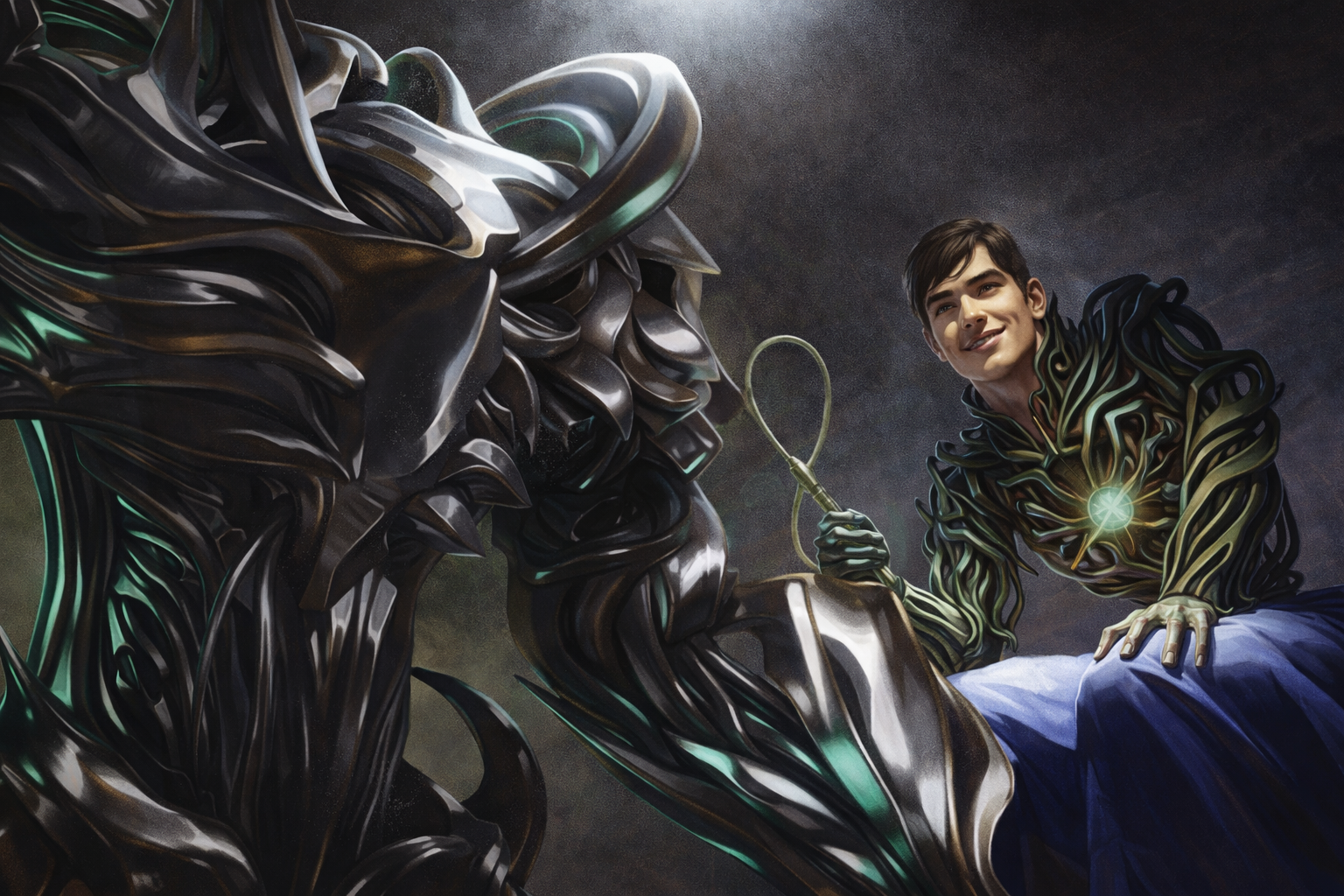
4. Rograkh, Son of Rohgahh & Silas Renn, Seeker Adept (Turbo Grixis variants)
Why it’s S Tier / high S-A border depending on meta
- It sits at #4 in the current view, reflecting how frequently this shell shows up and converts in competitive environments.
- Grixis gives premium tutors, Breach lines, and strong stack interaction, while Rograkh enables early velocity.
How it wins
- Ad Nauseam-style turns
- Underworld Breach loops with cheap protection
How it loses
- If the first attempt is stopped and the pod shifts into grind mode
- Rule-of-law effects and graveyard hate that force awkward pivots
5. Sisay, Weatherlight Captain
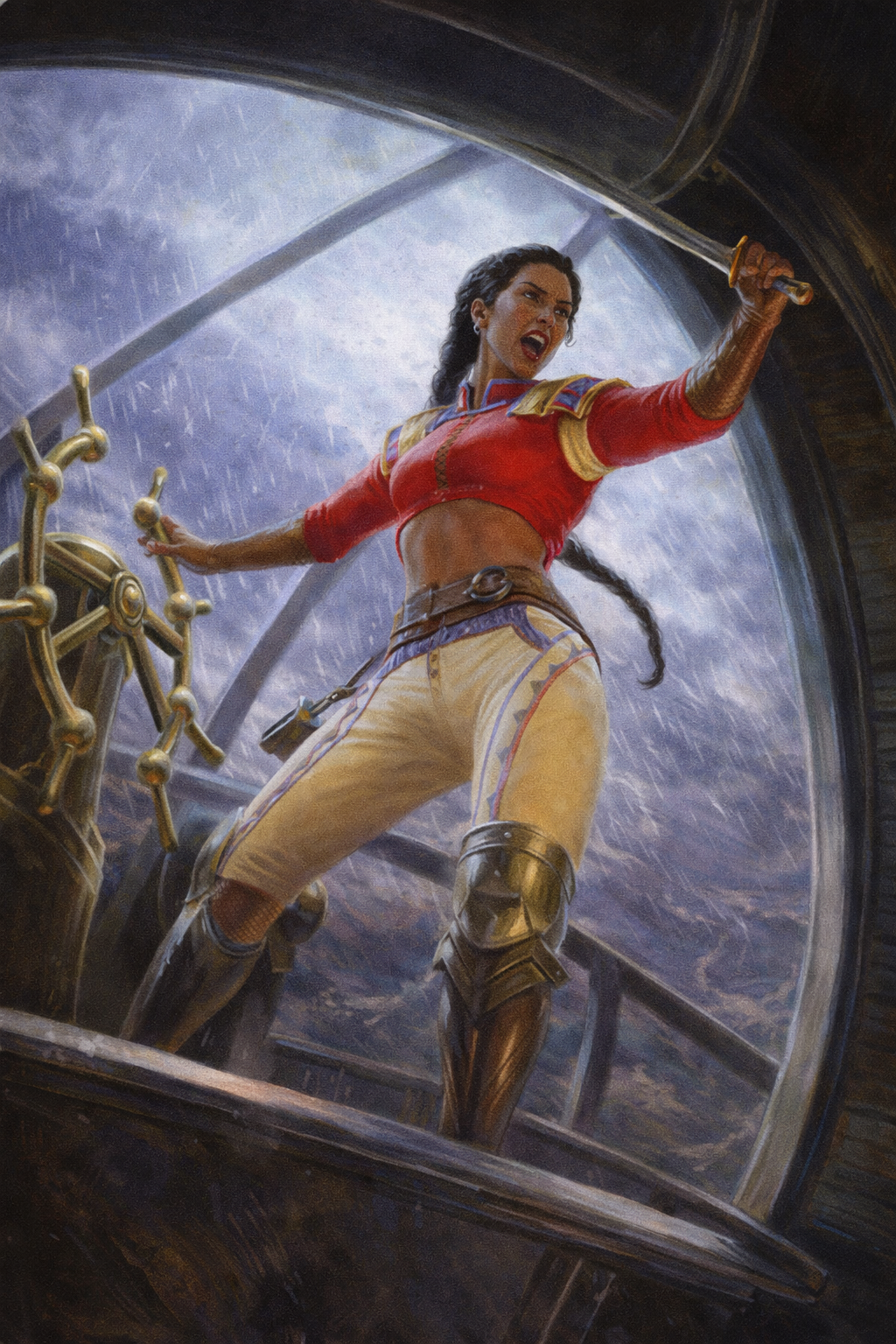
Why it’s S Tier in 2026
- Sisay appears near the very top of current commander rankings and is also among the leaders in top-cut dashboards.
- Sisay is a tutor engine in the command zone, which changes the entire consistency conversation.
How it wins
- Assembles deterministic lines by tutoring key legends
- Can shift roles mid-game: setup, protection, then win
How it loses
- Targeted hate that shuts off tutoring or creature activations
- Pods that remove Sisay repeatedly before value is established
6. Etali, Primal Conqueror
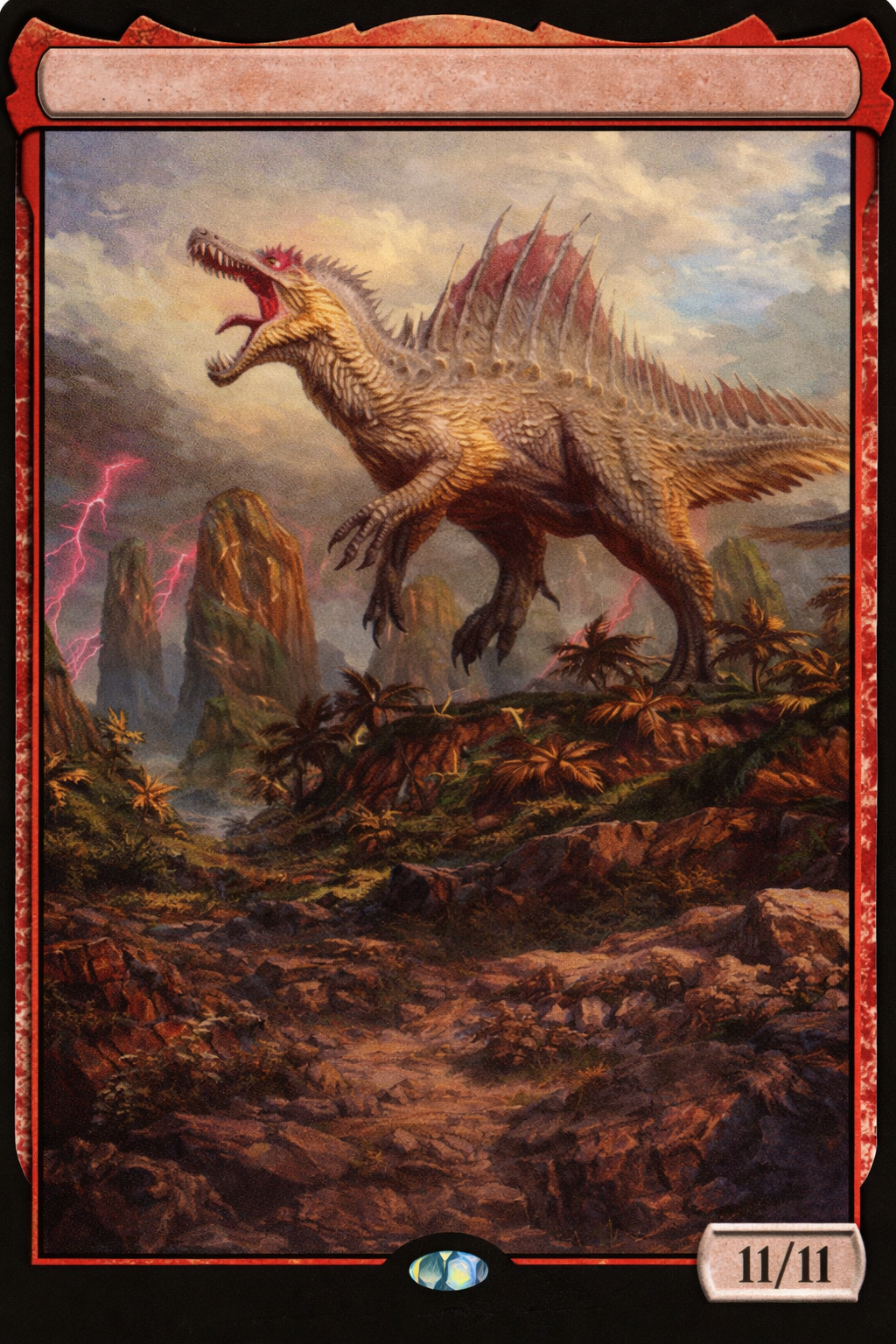
Why it’s a real S/A pillar now
- Etali ranks #6 on MythicHub’s current view, showing that it’s not a novelty pick; it’s a consistent part of the metagame.
- Etali attacks from a different axis: raw advantage and tempo swings that can bypass “I counter your win” patterns.
How it wins
- Explosive turns fueled by steals/casts that generate massive advantage
- Converts a single opening into a win attempt backed by surplus resources
How it loses
- Early pressure that prevents Etali from landing safely
- Interaction that punishes expensive commander-centric lines
A-Tier cEDH Decks (High Win Potential, More Meta-Sensitive)
A Tier decks win tournaments and top cut regularly, but either:
- Depend more on matchup spread, or
- Require tighter piloting to maintain conversion rates across pods
7. Najeela, the Blade-Blossom
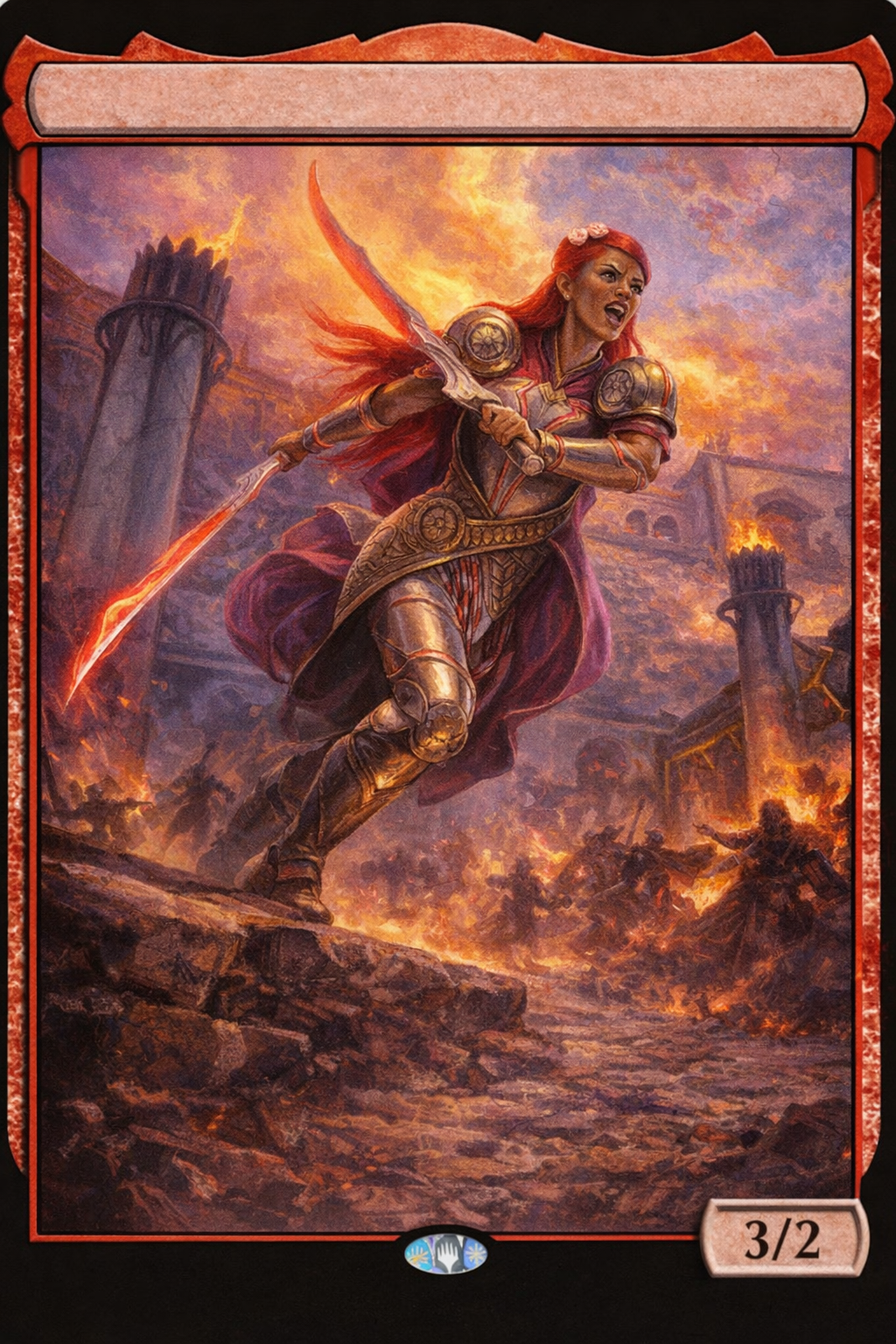
Why it’s A Tier (and sometimes feels S Tier at the table)
Najeela forces different answers than most blue stack-based strategies. If a pod over-indexes on counterspells and ignores creature interaction, Najeela becomes oppressive.
How it wins
- Combat pressure that forces bad blocks and early removal
- Combo lines that can win with minimal setup
How it loses
- Cheap removal at the right moment
- Stax pieces that limit combat development and extra-combat style lines
8. Kenrith, the Returned King
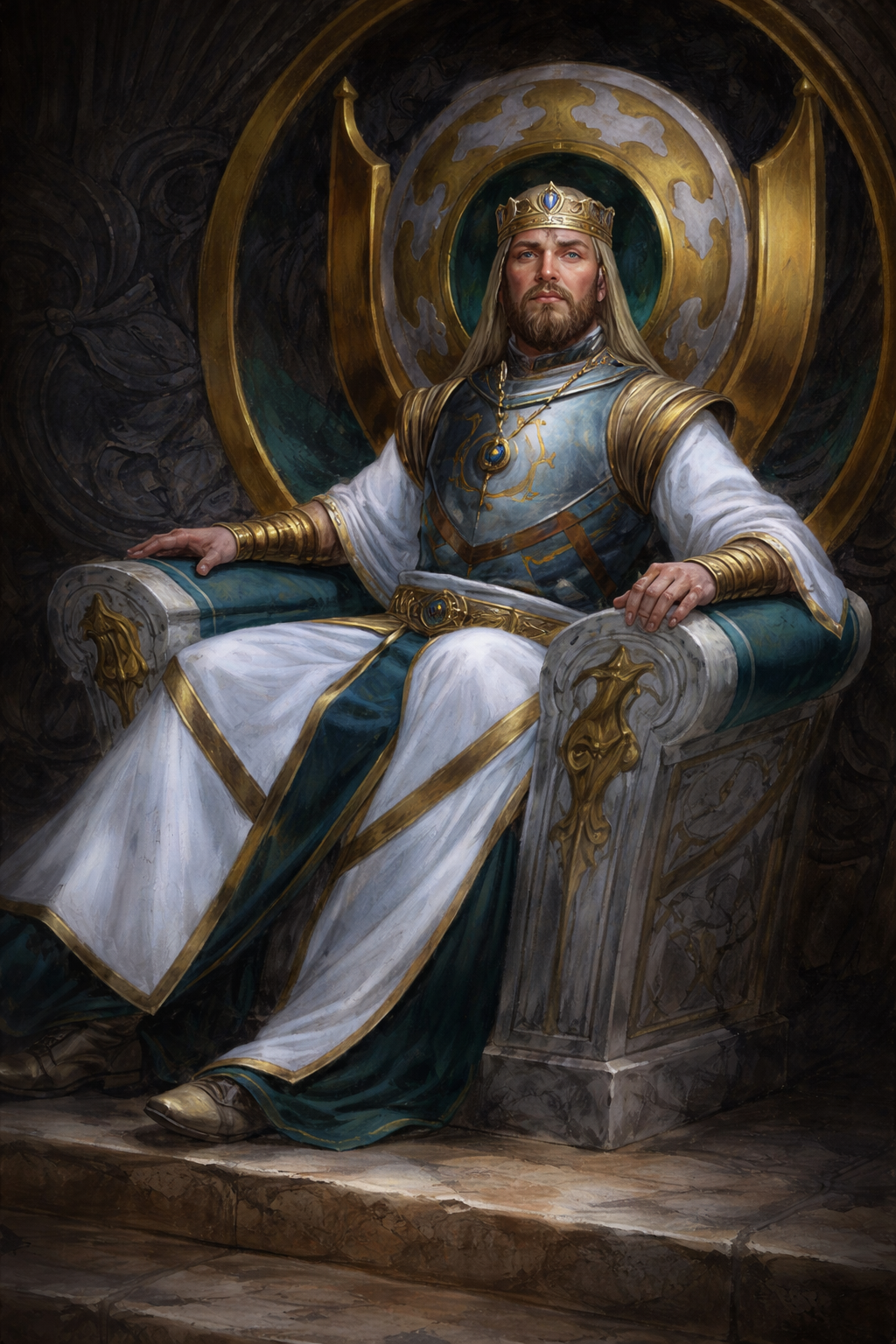
Why it’s A Tier in many 2026 metas
Kenrith is the most adaptable “five-color pile” commander. It rewards meta tuning and punishes predictable pods.
How it wins
- Infinite mana into command-zone lethality
- Flexible win packages that shift with the metagame
How it loses
- Being “a little of everything” without enough density in any one plan
- Pods that punish five-color mana greed
9. Tivit, Seller of Secrets

Why it’s A Tier
Tivit thrives in interactive pods where staying power matters. It’s also explicitly visible in top-cuts listings for recent windows.
How it wins
- Time Sieve patterns that lock the table under repeated turns
- Control posture until a single opening ends the game
How it loses
- Fast turbo pods that end the game before Tivit stabilizes
- Artifact hate that targets key loop pieces
10. Winota, Joiner of Forces
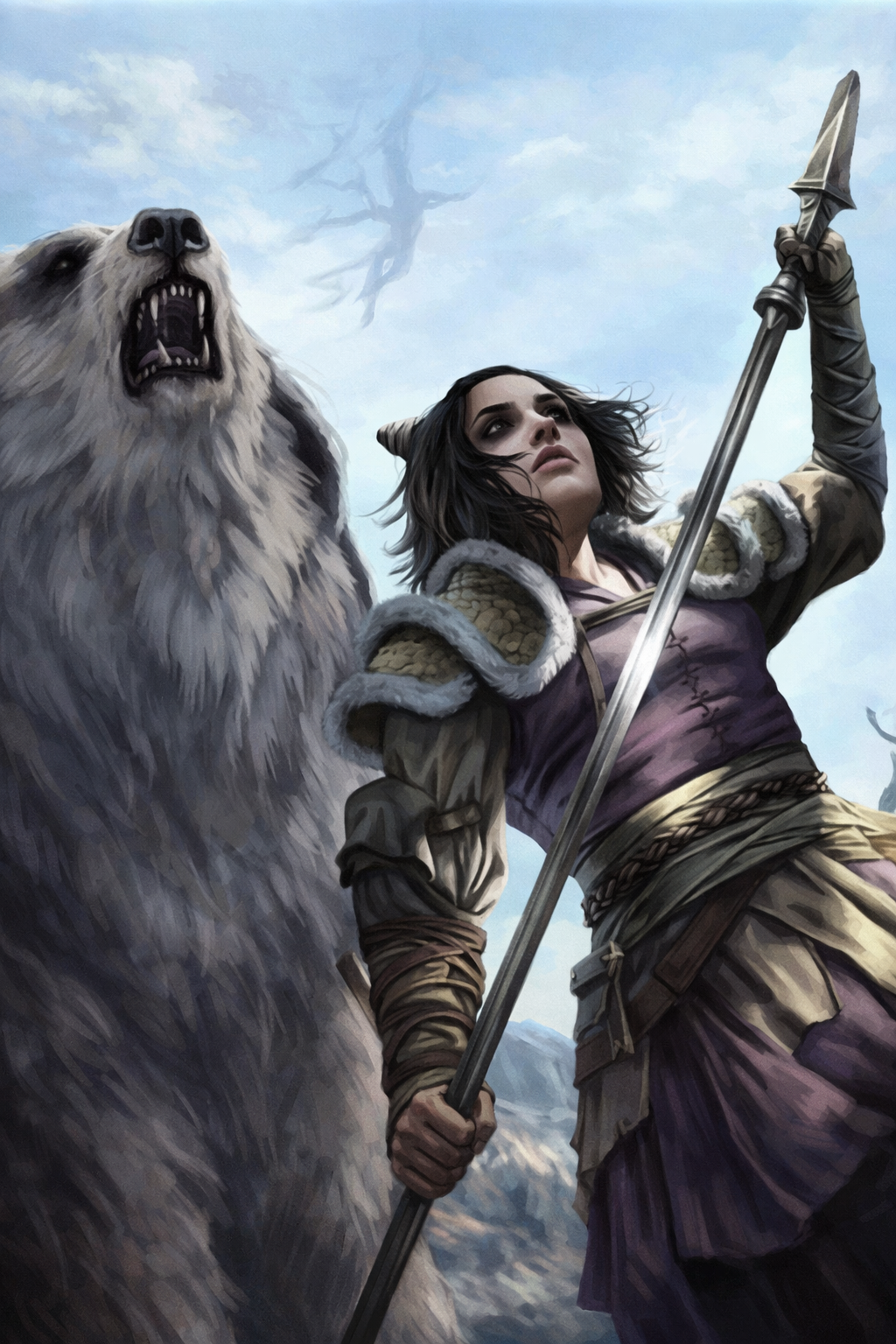
Why it’s A Tier
Winota punishes greedy mana bases and “hands full of counters” that don’t answer board pressure. It also attacks through common interaction habits: people keep mana up and still lose to combat-driven inevitability.
How it wins
- Stax pressure plus explosive combat triggers
- Wins that don’t require a long stack exchange
How it loses
- Creature interaction density and specific hate tuned for Winota
- Pods that survive the first two combat steps and then stabilize
B-Tier cEDH Decks (Strong, but Easier to Target or More Specialist)
B Tier decks win games and events, but they have clearer pressure points or require a higher skill floor.
Common examples that remain relevant in 2026 metagame lists:
- Yuriko(pressure + draw, but can struggle to close into the fastest combo shells)
- Atraxa, Grand Unifier (big value, but can be slower and more commander-centric)
- K’rrik(explosive, but fragile to disruption and life pressure)
- Derevi(strong in certain stax/control setups, but meta-dependent)
C Tier / Specialist Picks and Emerging Builds
C Tier does not mean unplayable. It means narrower. These decks can spike wins when:
- Opponents don’t know the lines
- The pod is poorly configured to answer the axis you attack from
- You pilot with specialist-level knowledge
Examples that show up as real presences in recent top-cut snapshots include Arcum Dagsson and Inalla, which can post high conversion in specific contexts even if they’re not broadly popular.
2026 Metagame Snapshot
- Kraum & Tymna sits at the top of the current commander ranking with about 10% meta share and a conversion rate around 30% in that view.
- Kinnan follows with a large meta share and strong conversion in the same dataset view.
- Rograkh partner shells (RogThras and RogSilas) are both extremely present and convert well.
- EDHTop16’s top-cuts view for the last three months highlights the same “core cast” repeatedly at the top of the list.
Translation: the best “default choices” in 2026 are still the decks that combine speed, interaction, and commander-based card/mana advantage. The main change is how firmly certain newer pillars have established themselves as regular top performers rather than occasional spikes.
The cEDH Player Tier List (Skill Styles That Win More Games)
1. S Tier Player:The Window Hunter
- Counts resources: mana up, cards in hand, and tutor patterns
- Passes with protection when the table is forced to act first
- Uses small threats to pull interaction before committing to a win
How to level up into this tier
- Stop asking “Can I win?” and start asking “Who must act first?”
- Track which opponent is representing what, not just who looks scary
- Treat life totals as a resource map, not a scoreboard
2. A Tier Player: The Stack Architect
- Sequences spells to force inefficient counters
- Knows when to fight and when to let a win attempt fail (so another player spends resources)
- Plans the turn around priority and interaction density
How to level up
- Practice “bait lines” that cost you little but cost opponents a lot
- Learn the common interaction points for Oracle, Breach, Dockside loops, and commander engines
- Develop a rule: never commit to a win without a backup plan unless the table is locked out
3. B Tier Player:The Clean Pilot
- Mulligans well, plays tight, avoids obvious mistakes
- Sometimes over-respects threats or misses hidden windows
How to level up
- Review games for missed “pass-and-win-next” spots
- Improve threat assessment: not “best deck,” but “best positioned player”
4. C Tier Player:The Goldfisher
- Plays like opponents don’t exist
- Taps out at the wrong times, fights the wrong battles, and loses to coordinated pods
How to level up
- Build the habit of leaving mana up when you’re not winning immediately
- Stop countering “scary” cards and start countering win enablers
Best Cards for cEDH (Staples That Actually Move Win Rate)
Here’s a practical staple list grouped by role, plus what to prioritize first. Staples dashboards exist specifically to show what top decks share.
Fast mana and acceleration (turn compression)
- Mana Crypt, Sol Ring, Mox Diamond, Chrome Mox, Mox Opal
- Jeweled Lotus (meta and commander dependent)
- Lotus Petal, Lion’s Eye Diamond
- Dockside Extortionist (meta dependent but format-warping in the right pods)
Why these matter
They let you threaten wins while still holding up interaction. In cEDH, that’s the difference between “fast” and “fast enough to survive.”
Free and cheap interaction (the price of admission)
- Force of Will, Force of Negation, Fierce Guardianship, Pact of Negation
- Flusterstorm, Swan Song, Spell Pierce, Miscast, Mental Misstep
- Deflecting Swat
- Swords to Plowshares, Abrupt Decay, Assassin’s Trophy, Chain of Vapor
Why these matter
If you cannot interact on turns 1–3 for low mana, you’re not really playing cEDH against tuned pods.
Tutors and consistency engines
- Demonic Tutor, Vampiric Tutor, Imperial Seal
- Enlightened Tutor, Mystical Tutor, Worldly Tutor
- Gamble
- Intuition (shell dependent)
Why these matter
They turn your deck from “draw the combo” into “assemble the win through resistance.”
Card advantage and velocity
- Rhystic Study, Mystic Remora
- Necropotence (shell dependent)
- Esper Sentinel
- The One Ring (meta dependent but common in grind shells)
- Wheel of Fortune / Wheel effects (shell dependent)
Why these matter
The table fights wins. You need to reload faster than opponents.
Compact win conditions
- Thassa’s Oracle plus Consultation-style effects
- Underworld Breach lines (Brain Freeze / LED patterns)
- Infinite mana outlets (Thrasios, Kenrith, etc.)
Why these matter
Compact wins are easier to protect and easier to re-attempt.
Best “first upgrades”
Priority order that improves most decks fastest:
- Fix the mana base (speed and color access)
- Add cheap interaction
- Add tutor density or redundancy
- Tighten win package to fewer cards
- Add meta hate only after the above
Common Mistakes You Need To Avoid
These are the errors that make good decks look bad:
- Keeping hands with “good cards” but no early interaction
- Fighting the wrong war: countering value engines while letting win enablers resolve
- Tapping out because “nobody can win right now” (someone usually can)
- Overcommitting to your first win attempt without a rebuild plan
- Playing stax without a clock (you lock the table… then hand the win to the best value deck)
FAQs About cedh tier list
What is the most accurate way to read a cEDH tier list?
Treat it as a metagame tool, not a universal truth. Look for consistency signals (meta share), performance signals (conversion/top cuts), and then adjust based on your local pod’s speed and hate density.
Which deck is the safest pick for unknown pods in 2026?
Kraum & Tymna (Blue Farm) remains the most reliable “default” because it combines speed, interaction, and commander-driven card flow, and it leads current metagame rankings by meta share in major dashboards.
What is the difference between meta share and conversion rate?
Meta share shows how often a commander appears in recorded competitive results. Conversion rate indicates how often those entries convert into top finishes relative to their appearances. Using both prevents the “popular but underperforming” trap.
What are the best cards for cEDH if I can only buy a few upgrades?
Start with fast mana and cheap interaction, then tutors. Those upgrades improve both your ability to threaten wins and your ability to stop losses. Staples dashboards exist to show which cards repeatedly appear across high-performing shells.
Is the cEDH Decklist Database a tier list?
No. The DDB explicitly states it is not a tier list and should not be considered a list of the “best” decks. It’s a curated showcase for learning and inspiration.
Final Thoughts
This cEDH tier list is designed to be more useful than the typical Google roundup: it gives a scannable cEDH commander tier list, explains why decks win and lose, and grounds “what’s best in 2026” in current metagame signals rather than recycled lore.
If you want the biggest practical edge, focus on two things that don’t show up in most tier list articles: mulligan discipline and window recognition. When your decisions get sharper, the gap between A Tier and S Tier shrinks fast, and you’ll start stealing games from tables that technically brought “better” decks.
Jump to
cEDH Tier List - Competitive Commander Decks That Actually Win
What “Tier” Means in Competitive EDH
How This cEDH Commander Tier List Is Evaluated
Quick Tier Summary
S-Tier cEDH Decks
A-Tier cEDH Decks (High Win Potential, More Meta-Sensitive)
B-Tier cEDH Decks (Strong, but Easier to Target or More Specialist)
C Tier / Specialist Picks and Emerging Builds
2026 Metagame Snapshot
The cEDH Player Tier List (Skill Styles That Win More Games)
Best Cards for cEDH (Staples That Actually Move Win Rate)
Common Mistakes You Need To Avoid
FAQs About cedh tier list
Final Thoughts
Latest Articles
Popular Articles