Clear Puzzle Assembly Tips For Fast & Easy Completion
Discover expert puzzle assembly tips that save time, reduce frustration, and make every puzzle session more enjoyable from the very start.
Mar 25, 20254K Shares193.7K Views
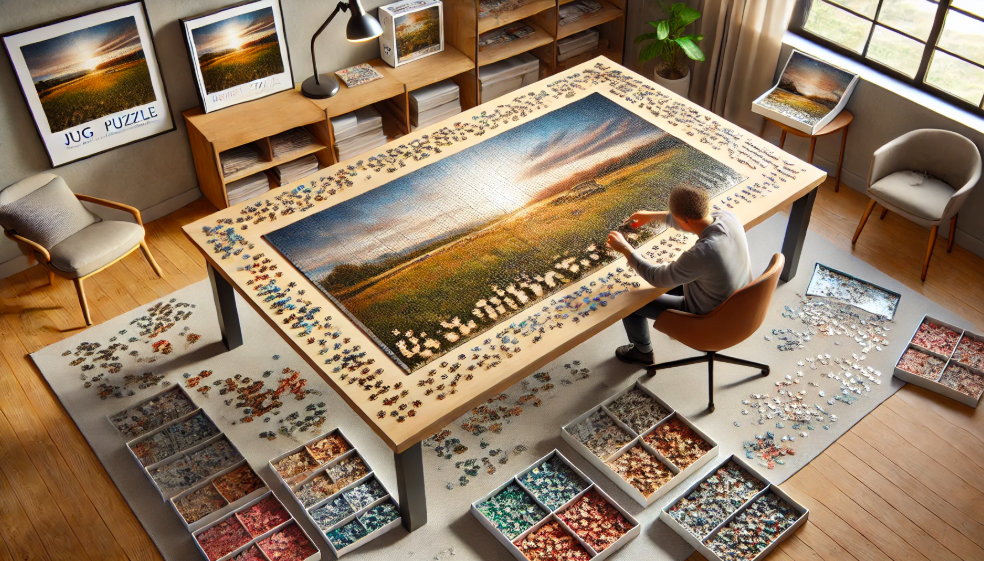
Jigsaw puzzleshave long been a cherished pastime, offering both entertainment and cognitive benefits. Engaging in puzzle assembly exercises various mental skills, including visual perception, problem-solving, and memory. Studies have shown that solving jigsaw puzzles can improve cognition and visual-spatial reasoning, contributing to overall brain health.
However, without a clear and organized approach, assembling puzzles can become frustrating. Implementing effective strategies and tips for assembling clear puzzles effectivelynot only enhances the enjoyment of the activity but also promotes a sense of accomplishment. This article aims to provide straightforward, actionable tips to make your puzzle-solving experience more efficient and rewarding.
Choose The Right Puzzle For Your Skill Level
Selecting a jigsaw puzzle that aligns with your skill level is essential for an enjoyable and fulfilling experience. The complexity of a puzzle is influenced by factors such as piece count, image intricacy, and cut style. Understanding these elements can help you choose a puzzle that matches your abilities and keeps the activity engaging.
Piece Count:
- Beginners:Starting with puzzles that have fewer pieces can help build confidence and develop problem-solving skills. Puzzles ranging from 100 to 500 pieces are ideal for those new to the hobby. These puzzles are manageable and provide a sense of accomplishment upon completion.
- Intermediate Puzzlers:As you become more comfortable, you can progress to puzzles with 500 to 1,000 pieces. These offer a moderate challenge and allow for the development of more advanced strategies.
- Advanced Enthusiasts:For seasoned puzzlers seeking a greater challenge, puzzles exceeding 1,000 pieces provide intricate and time-consuming experiences. These puzzles often feature complex images and require a higher level of patience and dedication.
Image Complexity:
The visual design of a puzzle significantly affects its difficulty. Puzzles with clear, distinct sections and a variety of colors are generally easier to assemble. Conversely, images with large areas of similar color or repetitive patterns can be more challenging, as they offer fewer visual cues. Selecting an image that appeals to you and matches your skill level can enhance the puzzling experience.
Cut Style:
The way puzzle pieces are cut also impacts difficulty. Standard grid cuts, where pieces have uniform shapes, are more predictable and easier to assemble. In contrast, random cuts feature irregular shapes and sizes, increasing the challenge. Understanding the cut style can help you choose a puzzle that aligns with your desired level of difficulty.
Prepare Your Workspace Before Starting
Creating an organized and comfortable workspace is essential for an enjoyable and efficient jigsaw puzzle experience. Proper preparation can significantly enhance your focus and overall satisfaction. Here are key aspects to consider when setting up your puzzle workspace:
1. Select a Suitable Table:
- Size and Surface:Choose a table that is larger than the dimensions of your puzzle to accommodate all pieces and provide ample space for sorting. Ensure the surface is flat and stable to prevent pieces from shifting.
- Height Considerations:A table at a comfortable height helps prevent strain during extended sessions. Adjustable tables can offer added flexibility to suit your seating preferences.
2. Ensure Adequate Lighting:
- Natural Light:Position your workspace near a window to utilize natural daylight, which offers the best illumination for distinguishing colors and details.
- Artificial Lighting:If natural light is insufficient, use a well-placed lamp with bright, even lighting to reduce eye strain and avoid glare on puzzle pieces.
3. Invest in Comfortable Seating:
- Ergonomic Chair:Select a chair that provides proper back support and allows you to sit at the correct height relative to your table. Adjustable chairs are ideal for customizing your seating position.
4. Utilize Organization Tools:
- Sorting Trays:Use trays or shallow containers to categorize pieces by color, pattern, or edge types. This organization streamlines the assembly process and minimizes clutter.
- Puzzle Mats or Boards:Consider a puzzle mat or board that allows you to roll up or cover your puzzle, preserving your progress and freeing up space when needed.
5. Minimize Distractions and Clutter:
- Dedicated Space:Set up your puzzle in a low-traffic area to reduce interruptions and prevent pieces from being disturbed.
- Organized Environment:Keep the workspace tidy by removing unnecessary items, allowing you to focus solely on the puzzle without external distractions.
Sort Pieces By Edges, Colors, And Patterns
Organizing your puzzle pieces before assembly can significantly enhance your puzzle-solving experience. By sorting pieces into specific categories—such as edge pieces, color groups, and distinct patterns—you can streamline the process, reduce confusion, and make the activity more enjoyable.
1. Separate Edge Pieces:
Begin by identifying and setting aside all edge pieces, which have at least one straight edge. These pieces form the puzzle's border, providing a defined framework that simplifies the placement of interior pieces. Completing the border first offers a clear outline and a sense of progress.
2. Group by Colors and Patterns:
After isolating the edge pieces, sort the remaining pieces based on similar colors, patterns, or textures. For instance, pieces depicting the sky might share shades of blue, while those representing grass could be predominantly green. Grouping pieces this way allows you to focus on assembling specific sections, making the task more manageable.
3. Identify Distinct Features:
Look for pieces that showcase unique elements, such as text, faces, or architectural details. These standout features can serve as focal points and are often easier to assemble due to their distinctive characteristics. By constructing these sections first, you create anchor points that facilitate the integration of surrounding pieces.
4. Utilize Sorting Tools:
Employing tools like sorting trays, shallow boxes, or repurposed containers (e.g., ice cube trays) can help keep your categorized pieces organized and accessible. These tools prevent pieces from getting mixed up and allow for efficient assembly.
Build The Border First To Frame Your Puzzle
Constructing the border of a jigsaw puzzle at the outset is a widely recommended strategy that offers several benefits for an efficient assembly process. By focusing on edge and corner pieces first, you establish a clear framework that guides the placement of interior pieces.
1. Establishing the Puzzle's Framework:
- Defining Size and Shape:Assembling the border pieces, which have at least one straight edge, outlines the puzzle's dimensions and final form. This approach provides a clear boundary, making it easier to organize and place the remaining pieces.
- Creating a Visual Guide:Completing the border offers a visual reference that aids in aligning interior sections, facilitating a more organized assembly process.
2. Tips for Identifying and Assembling Edge Pieces:
- Sorting Edge and Corner Pieces:Begin by separating all edge pieces from the rest. Corner pieces, identifiable by their two straight edges, serve as anchor points and are particularly helpful in forming the puzzle's frame.
- Handling Uniform Edge Designs:In puzzles where the border is a single color or repetitive pattern, assembling the border can be more challenging. In such cases, it may be beneficial to sort edge pieces by shape or defer border assembly until more sections are completed.
Assemble In Sections Using Color And Detail Cues
Assembling a jigsaw puzzle by focusing on distinct sections defined by color and detailed elements can greatly enhance both the efficiency and enjoyment of the process. This method involves concentrating on specific areas—such as the sky, buildings, or characters—based on their unique hues and patterns.
1. Focus on Distinct Sections:
- Identify Unique Areas:Begin by pinpointing sections of the puzzle that have standout colors or intricate details. For instance, areas depicting the sky, buildings, or characters often have distinctive hues and patterns that set them apart from other parts of the image.
- Group Similar Pieces:Once these sections are identified, gather and group pieces that share these specific colors or patterns. This targeted approach allows you to concentrate on assembling manageable portions of the puzzle, making the overall task less daunting.
2. Utilize the Puzzle Image as a Reference:
- Compare and Confirm:Regularly refer to the puzzle box image to verify the placement of pieces within these sections. This practice helps ensure accuracy and provides visual cues that can assist in identifying the correct positioning of pieces.
- Adjust as Needed:If a piece doesn't seem to fit within the section you're working on, consult the reference image to determine its correct location. This proactive approach can prevent misplacements and streamline the assembly process.
❓ FAQs: Clear Puzzle Assembly Tips
What Is The Best Way To Start A Puzzle For Beginners?
Start by turning all pieces picture-side up and sorting out the edge and corner pieces. Build the border first to frame the puzzle. Then, group the remaining pieces by color or pattern to begin working on small, clear sections. This makes the puzzle easier and more enjoyable to complete.
How Do I Choose A Puzzle That's Right For My Experience Level?
Choose a puzzle based on the number of pieces, the image design, and how the pieces are cut. If you're new to puzzles, start with 300 to 500 pieces and clear images with different colors. If you have more experience, you can try puzzles with 1,000 pieces or more and more complex pictures. This helps match the puzzle to your comfort level and keeps it fun without being frustrating.
Should I Sort All The Pieces Before Starting The Puzzle?
Yes, sorting the pieces before starting helps make the puzzle easier and faster to complete. Begin by turning all pieces picture-side up, then separate edge pieces, and group the rest by colors or patterns. This step saves time and reduces confusion during assembly.
How Can I Make Puzzle Assembly Faster And More Efficient?
To make puzzle assembly faster, start by sorting edge pieces and building the border. Use sorting trays to group pieces by color or pattern, and work on one section at a time. Keep your workspace clean and well-lit to stay focused and avoid mistakes.
What Tools Or Accessories Help With Puzzle Organization?
Helpful tools for puzzle organization include sorting trays, puzzle mats, storage boards, and piece sorters. These keep pieces in place and make it easier to work in sections or store your puzzle between sessions without losing progress.
Latest Articles
Popular Articles