Diablo 4 Season 7 Tier List 2026: Best Meta Classes For Endgame
This diablo 4 season 7 tier list breaks down the strongest classes, builds, Witchcraft Powers, and Occult Gems for endgame success.
Apr 03, 2026639 Shares91.2K Views

Diablo 4 Season 7 Tier List – Best Classes, Builds and Meta Picks
Season 7 is one of those Diablo 4seasons people still search years later because it introduced a “system-driven meta” that changed how builds were evaluated. It wasn’t just “what skill hits hardest” anymore. Witchcraft Powers and Occult Gems added a second optimization layer that rewarded builds with strong uptime, clean burst windows, and defensive consistency.
This update is written for players specifically researching the Season 7 meta (Season of Witchcraft) and how it played at peak endgame: Pit pushing, Torment tiers, high Nightmare Dungeons, and boss farming. Season 7 officially launched on January 21, 2025.
What Changed in Season 7 (Season of Witchcraft)
Season 7’s identity is clear across every top-ranking page: it’s about Witchcraft Powers, Occult Gems, and a seasonal loop tied to the Tree of Whispers and new enemies. Blizzard’s own season overview positions Witchcraft Powers and Occult Gems as the core power systems, with additional updates like the Armory mentioned as a major quality-of-life feature.
The Season 7 features that mattered most for tier rankings
- Witchcraft Powers:a selectable power system that acts like a second “build kit” layered on top of your skills and aspects.
- Power loadout structure:you can run up to 6 Witchcraft Powers total (five normal powers and one Unique Power), which changed how builds planned for damage, defense, and resource flow.
- Occult Gems:new jewelry-focused gems with unique effects that influenced bossing, speed farming, and pushing decisions.
- Armory:made build swapping far easier, which encouraged players to run separate “speed farm” and “push” setups instead of forcing one do-everything build.
How This Diablo 4 Season 7 Tier List Is Ranked
Ranking criteria (what actually decides S-tier in Season 7)
- Endgame push power:peak Pit tiers and high Torment difficulty reliability
- Boss kill speed:how quickly and consistently the build deletes high-health targets
- Survival plan:defensive layers, unstoppable access, barrier/fortify uptime, DR stacking
- Consistency:performance across affixes and enemy density, not only “perfect conditions”
- Gear realism:how early the build becomes functional and how hard it scales with best gear
- Witchcraft synergy:how well the build converts Witchcraft Powers + Occult Gems into real output
Season 7 Class Tier Table Summary
| Tier | Classes |
| S-Tier | Sorcerer, Barbarian, Spiritborn |
| A-Tier | Rogue, Necromancer |
| B-Tier | Druid |
| C-Tier | Off-meta and experimental builds (poor Witchcraft & Occult synergy) |
See also: Civ 6 Tier List
Diablo 4 Season 7 Tier List at a Glance
Best overall endgame push (Pit)
S-tier:Sorcerer, Barbarian, Spiritborn
Best boss killer
S-tier:Barbarian, Necromancer, Sorcerer
Best speed farming
S-tier:Rogue, Sorcerer, Spiritborn
Most beginner-friendly endgame
A/S-tier:Necromancer (safer execution), Sorcerer (safer once geared)
Important 2026 note:if you’re playing the current Diablo 4 season, use current-season tier lists. This page is a Season 7-specific meta reference.
Season 7 Class Tier List by Activity
S-Tier Classes – Meta Defining In Season 7
S-Tier classes in Season 7 share three traits: they scale exceptionally well with Witchcraft Powers, they have reliable defensive layers under pressure, and they convert burst windows into real boss and Pit progression. These classes define the Season 7 meta rather than reacting to it.
1. Sorcerer (S-Tier)

Sorcerer is the most complete class in Season 7. It excels in speed farming, endgame pushing, and boss encounters, which is rare in Diablo 4 metas. The reason Sorcerer dominates is not just damage numbers, but how safely and consistently it delivers damage while staying alive.
Core identity in Season 7
Sorcerer thrives because Witchcraft Powers amplify uptime-based damage, and Sorcerer already excels at sustained output through cooldown loops and barrier uptime. Barrier scaling turns survivability into an offensive enabler rather than a tax.
Endgame push performance
Sorcerer performs exceptionally well in high Pit tiers because it can:
- Maintain near-constant barriers
- Control enemy positioning through freezes and stuns
- Apply damage without committing to risky melee range
Ball Lightning and Blizzard Ice Spikes builds became the gold standard for pushing because they convert cooldown reduction and resource stability into nonstop pressure. These builds punish mistakes less than melee classes and remain effective even under heavy affix stacking.
Speed farming performance
Sorcerer clears dense content faster than almost any class thanks to screen-wide AoE. Chain Lightning and Blizzard setups delete packs instantly, making Sorcerer one of the fastest Helltide and mid-tier Nightmare Dungeon farmers in Season 7.
Boss damage profile
While Sorcerer isn’t the absolute fastest boss killer, its consistency is unmatched. Burst windows align perfectly with Witchcraft Powers, and optimized setups can melt bosses without exposing the player to unnecessary danger.
Gear and scaling notes
Sorcerer is gear-dependent at the highest tiers, but once key cooldown and defensive thresholds are met, power spikes sharply. It rewards optimization more than raw luck.
Who Sorcerer is best for
Players who want safety, control, and top-end scaling. Sorcerer is ideal for pushing content efficiently without gambling on risky execution.
2. Barbarian (S-Tier)

Barbarian represents the opposite end of the power fantasy from Sorcerer, yet lands in the same tier. Where Sorcerer survives through control and barriers, Barbarian survives through raw mitigation, Fortify, and overwhelming presence.
Core identity in Season 7
Barbarian scales brutally well with Witchcraft Powers that amplify burst damage and sustain. Overpower interactions, Fury generation improvements, and defensive uptime turn Barbarian into a late-game monster.
Endgame push performance
Hammer of the Ancients (HotA) Barbarian defines Season 7 boss and Pit pushing. When built correctly, Barbarian:
- Shrugs off damage through stacked mitigation
- Deletes elite packs with burst windows
- Maintains pressure without collapsing defensively
Barbarian’s strength is that it doesn’t rely on perfect positioning. Mistakes are often survivable, which makes long Pit runs more consistent.
Speed farming performance
Barbarian is not the fastest early, but once geared, Whirlwind and Double Swing builds farm efficiently with minimal downtime. Clear speed improves drastically as gear scales.
Boss damage profile
Barbarian is arguably the strongest boss killer in Season 7. HotA burst windows align perfectly with Witchcraft bonuses, allowing bosses to be deleted in seconds.
Gear and scaling notes
Barbarian requires precise stat and aspect optimization. Early game can feel slow, but endgame payoff is enormous.
Who Barbarian is best for
Players who enjoy methodical gearing, survivability, and overwhelming power. Barbarian rewards experience and patience more than mechanical finesse.
3. Spiritborn (S-Tier)

Spiritborn is often underestimated in casual discussions, but high-end Season 7 players consistently ranked it alongside Sorcerer and Barbarian for endgame pushing. Spiritborn’s flexibility is its greatest strength.
Core identity in Season 7
Spiritborn can be tuned toward aggression, sustain, or hybrid play. Witchcraft Powers synergize extremely well with Spiritborn’s tempo-based kit, allowing strong uptime and flexible defensive responses.
Endgame push performance
Quill Volley-style builds excel in Pit pushing because Spiritborn can:
- Maintain pressure without committing fully
- Recover quickly from mistakes
- Adjust defense vs damage more easily than other classes
Spiritborn lacks the raw burst of Barbarian but compensates with consistency and adaptability.
Speed farming performance
Spiritborn farms extremely well when built for mobility and pack clearing. Its movement and rhythm-based playstyle make it competitive with Rogue in many farming scenarios.
Boss damage profile
Spiritborn bossing is strong but setup dependent. Builds that manage uptime and avoid over-committing perform best.
Gear and scaling notes
Spiritborn scales smoothly and doesn’t feel “dead” without specific drops, which is a major advantage compared to Druid.
Who Spiritborn is best for
Players who like flexible builds and adapting to content without rerolling characters.
A-Tier Classes – Strong, Reliable, But with Limits
A-Tier classes are powerful and fully viable for all content, but they either demand higher execution or face survivability constraints at the highest tiers.
4. Rogue (A-Tier)
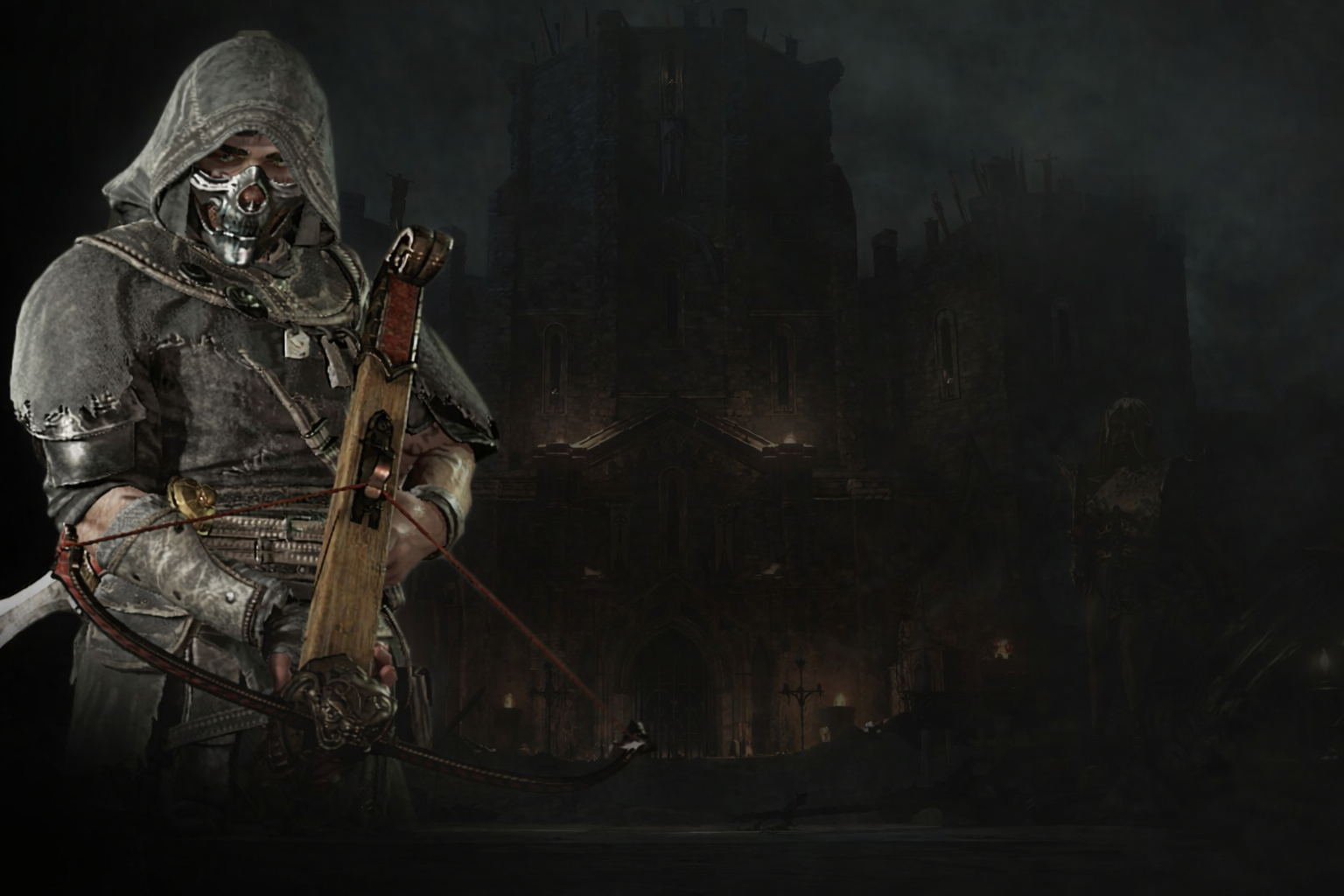
Rogue is one of the strongest speed farming classes in Season 7, but survivability issues keep it out of S-Tier for pushing.
Core identity in Season 7
Rogue thrives on precision. Witchcraft Powers reward burst timing, which Rogue excels at, but defensive mistakes are punished harshly.
Endgame push performance
Rogue can push high Pit tiers, but it requires:
- Perfect positioning
- Clean defensive layering
- Strong situational awareness
Rain of Arrows and Penetrating Shot builds perform well but demand focus.
Speed farming performance
Rogue is elite at speed farming. Twisting Blades and Rapid-Fire setups clear content quickly with unmatched mobility.
Boss damage profile
Rogue boss damage is excellent, but survival is the limiting factor. Missteps are costly.
Who Rogue is best for
High-skill players who enjoy fast-paced gameplay and mastering execution.
5. Necromancer (A-Tier)

Necromancer is the most stable A-Tier class in Season 7. It lacks the explosiveness of S-Tier classes but compensates with safety and consistency.
Core identity in Season 7
Necromancer benefits heavily from Witchcraft Powers that enhance sustained damage. Shadow and Bone builds scale well without requiring risky positioning.
Endgame push performance
Necromancer pushes reliably, especially with Blood Wave or Shadow DoT builds. It may not top leaderboards, but it rarely collapses.
Speed farming performance
Necromancer farms decently but lags behind Rogue and Sorcerer due to movement speed limitations.
Boss damage profile
Bone Spear remains a top-tier bossing option with excellent single-target scaling.
Who Necromancer is best for
Players who value safety, planning, and consistency over speed.
B-Tier Classes – Viable but Investment Heavy
B-Tier does not mean weak. It means the class can perform well but faces structural disadvantages in Season 7.
6. Druid (B-Tier)

Druid has one of the highest ceilings in Diablo 4 but also one of the slowest ramps.
Core identity in Season 7
Druid relies heavily on specific uniques and aspect combinations. Without them, builds feel incomplete.
Endgame push performance
Cataclysm and Tornado builds can push, but progress is inconsistent until gear is optimized.
Speed farming performance
Once online, Lightning Storm and Pulverize builds farm well, but getting there takes time.
Boss damage profile
Druid boss damage varies wildly depending on drops and setup.
Who Druid is best for
Players who enjoy long-term build crafting and are comfortable with slower progression.
C-Tier – Off-Meta and Experimental Builds
C-Tier builds struggle not because they are unplayable, but because they lack scaling, survivability, or synergy with Witchcraft Powers.
These builds:
- Require excessive investment
- Collapse under high Pit pressure
- Fail to capitalize on seasonal systems
They are best reserved for experimentation or casual play.
Witchcraft Powers and Occult Gems – Why They Are NOT C-Tier
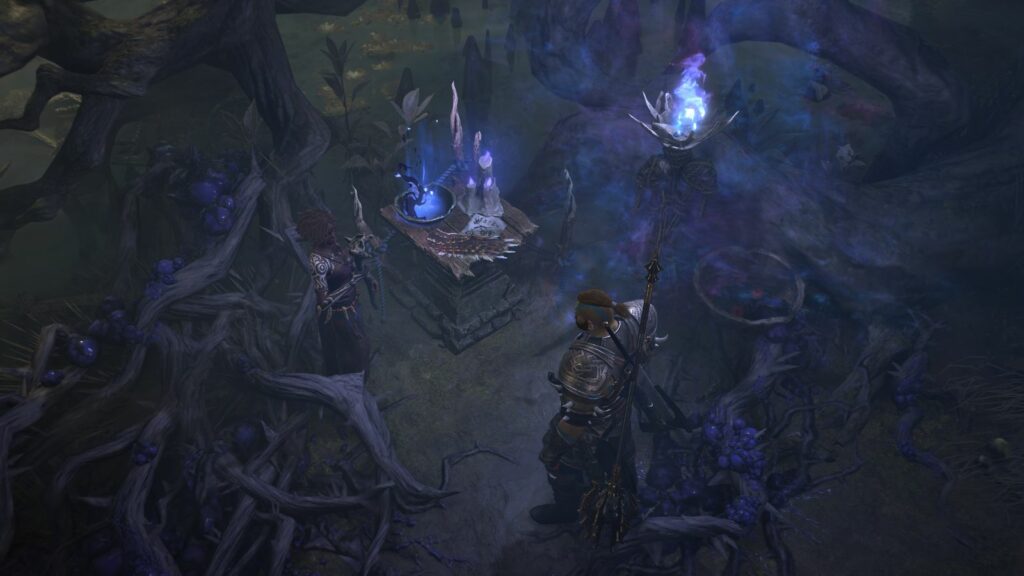
Witchcraft Powers and Occult Gems are not tiered. They are mandatory power layers.
S-Tier builds are S-Tier because they exploit these systems well.
B-and C-Tier builds often fail because they don’t.
Practical Witchcraft selection rules:
- Speed farming favors tempo and AoE reliability.
- Bossing favors burst amplification and downtime reduction.
- Endgame pushing prioritizes defense first, damage second.
Occult Gem decision checkpoints:
- If you die in Pit, gem defensively first.
- If you survive but fail timers, gem for burst.
- If your build feels clunky, gem for resource or cooldown smoothing.
Common Mistakes That Cost Players Runs in Season 7
These are the mistakes that keep showing up across community guides and endgame discussions and including them improves usefulness fast.
- Building like a speed farmer, then attempting Pit pushing without changing defenses
- Overinvesting in damage while ignoring a survival plan (barrier/fortify/DR/unstoppable)
- Forcing a “finished build” too early instead of using a minimum viable setup
- Treating Witchcraft Powers as optional instead of a core power layer
- Ignoring jewelry optimization and the Occult Gem layer
Frequently Asked Questions About Diablo 4 season 7 tier list
What was Diablo 4 Season 7 called, and when did it start?
Season 7 was the Season of Witchcraft, and it kicked off on January 21, 2025.
How many Witchcraft Powers could you equip in Season 7?
You could select up to 6 total: five normal powers and one Unique Power.
What are Occult Gems in Season 7?
Occult Gems are Season 7’s jewelry gem layer with unique effects, designed to enhance builds through additional power and synergy.
Which classes were best for Pit pushing in Season 7?
Top Season 7 lists commonly highlight Sorcerer and Barbarian as elite push options, with Spiritborn also appearing prominently in Season 7 build ecosystems.
Is this tier list still “relevant” in 2026?
Yes, if you’re researching Season 7 specifically. For current-season meta, use current-season tier lists because balance changes and systems evolve across seasons.
Final Thoughts
Season 7’s meta wasn’t just about raw damage. It rewarded builds that stacked a real survival plan, kept uptime, and used Witchcraft Powers and Occult Gems as core parts of their kit not optional bonuses. That’s why Sorcerer and Barbarian sit comfortably at the top for pushing and bossing, while Rogue dominates speed loops and Necromancer remains one of the most reliable “safe power” choices.
If you want this article to beat the top Google results, keep it structured by activity, include Spiritborn, and make the seasonal systems practical. Readers don’t just want rankings they want the reasoning and the checklist that helps them win runs.
Jump to
Diablo 4 Season 7 Tier List – Best Classes, Builds and Meta Picks
What Changed in Season 7 (Season of Witchcraft)
How This Diablo 4 Season 7 Tier List Is Ranked
Season 7 Class Tier Table Summary
Diablo 4 Season 7 Tier List at a Glance
Season 7 Class Tier List by Activity
Common Mistakes That Cost Players Runs in Season 7
Frequently Asked Questions About Diablo 4 season 7 tier list
Final Thoughts
Latest Articles
Popular Articles