Civ 6 Tier List: Top Civilizations And Leaders Ranked For Deity
Struggling on Deity? This civ 6 tier list shows which leaders actually win and why timing and scaling matter more than bonuses.
Apr 02, 20266.6K Shares135.7K Views
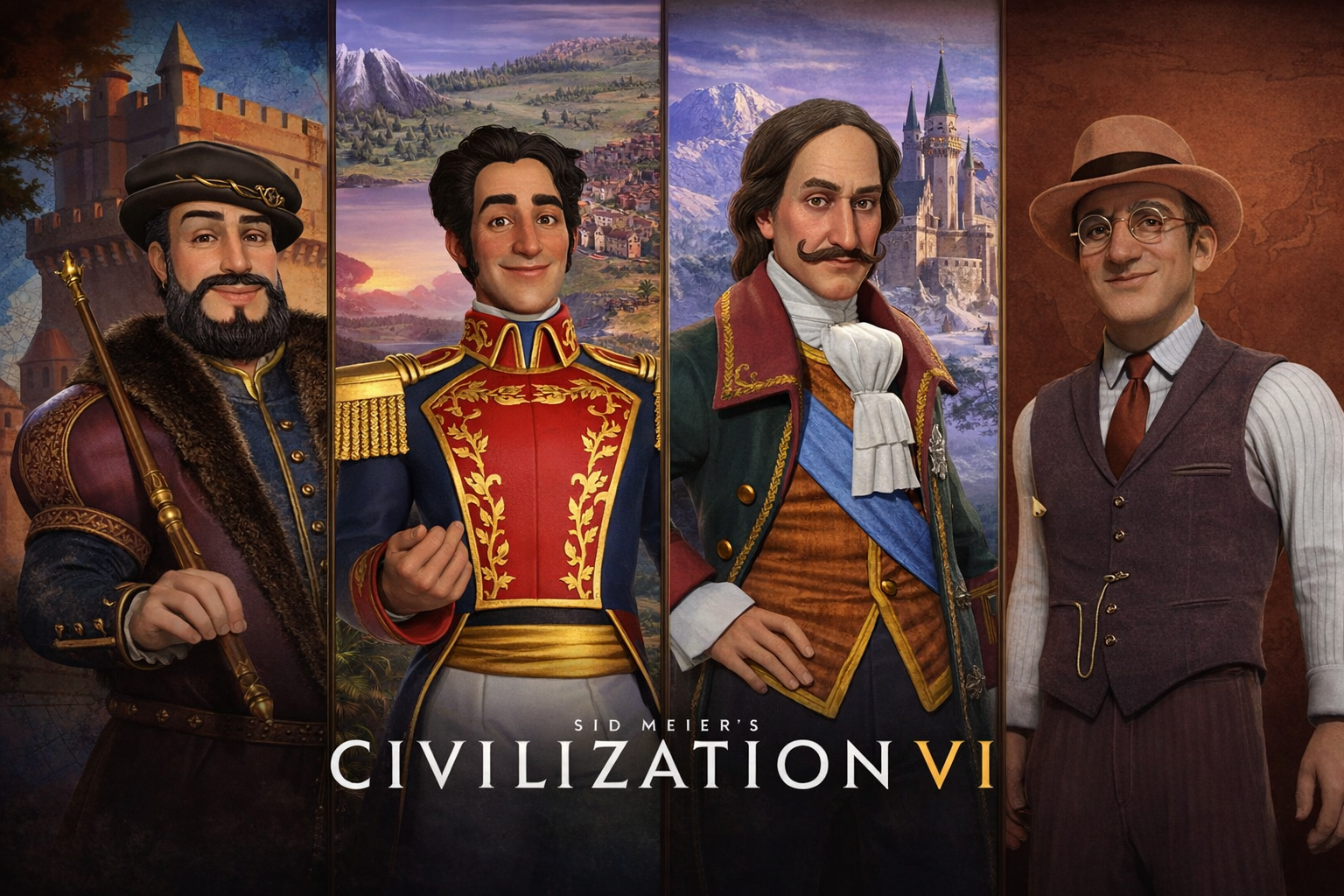
Civ 6 Tier List – Best Civilizations and Leaders Ranked by Real Gameplay Impact
Civilization VI rewards players who understand momentum better than raw bonuses. The strongest leaders aren’t just powerful on paper - they create advantages early, compound them efficiently, and remain flexible when the map, AI pressure, or victory conditions shift. In Deity games especially, the difference between a strong leader and an average one is often decided before turn 100.
This Civ 6 tier listreflects how the game is actually played in 2026: full ruleset enabled, all expansions active, and the complete Leader Pass roster available. Rankings are based on consistency, snowball potential, expansion synergy, and how reliably each leader converts their kit into real wins across science, domination, culture, and religion.
What Is a Civ 6 Tier List and Why It Matters
A Civ 6 tier list ranks leaders by overall strength and reliability across real games, not idealized scenarios. Instead of evaluating abilities in isolation, it considers how those abilities interact with districts, governors, loyalty, Golden Ages, strategic resources, climate systems, and diplomacy.
Tier listsmatter because Civ 6is a snowball-based strategy game. Leaders that secure early tempo advantages tend to scale exponentially, while leaders with delayed or narrow bonuses often struggle to recover on Emperor and Deity difficulties.
Who This Civ 6 Tier List Is For
This tier list is written with specific assumptions in mind. Rankings reflect how leaders perform when the game actively pushes back.
This tier list assumes:
- Emperor or Deity difficulty
- Rise & Fall and Gathering Storm enabled
- Leader Pass content active
- Standard to large map sizes
- No gameplay-altering mods
This tier list is not designed for:
- Base-game-only play
- Prince or lower difficulties
- Roleplay-focused or casual sandbox games
Under easier conditions, almost any leader can feel powerful. At higher difficulties, consistency and tempo matter far more than theoretical bonuses.
How This Civ 6 Tier List Is Ranked
This ranking prioritizes real outcomes over theory crafting.
Key evaluation factors include
- Early-game tempo and expansion speed
- Power spikes across eras
- Snowball mechanics that scale yields or control
- Flexibility across victory types
- Map and start dependency
- Synergy with Rise & Fall and Gathering Storm systems
- Margin for error in difficult games
All rankings assume Rise & Fall and Gathering Storm are enabled, as these expansions fundamentally reshape balance and render base-game-only tier lists outdated.
Tier Summary Table
| Tier | Characters |
| S-Tier | Babylon (Hammurabi), Russia (Peter), Khmer (Jayavarman VII),Gran Colombia (Simón Bolívar),China (Yongle) |
| A-Tier | Germany (Frederick Barbarossa), Japan (Hojo Tokimune), Ethiopia (Menelik II) |
| B-Tier | Portugal (João III), Australia (John Curtin), Korea (Seondeok),Maya (Lady Six Sky) |
| C-Tier | Spain (Philip II), Norway (Harald Hardrada), Georgia (Tamar) |
| D-Tier | Kongo (Mvemba a Nzinga), Mapuche (Lautaro), Scythia (Tomyris) |
See also: CEDH Tier List
Quick Picks – Best Civ 6 Leaders at a Glance
- Best overall leader (most consistent):Russia (Peter)
- Best for Deity difficulty:Babylon (Hammurabi)
- Best domination leader:Gran Colombia (Simón Bolívar)
- Best science leader:China (Yongle)
- Best culture leader:Khmer (Jayavarman VII)
- Best religious leader:Russia (Peter)
- Best naval maps leader:Portugal (João III)
- Best land maps leader:Germany (Frederick Barbarossa)
- Best beginner-friendly leader:Japan (Hojo Tokimune)
This block helps players quickly match a leader to their preferred victory condition or map setup.
Civ 6 Expansion Ranking – How DLC Reshaped Leader Power
Civilization VI’s expansions permanently changed which leaders are strong and why.
Rise & Fall introduced loyalty pressure, governors, and Golden Ages. This rewarded civilizations that expand efficiently, generate era score consistently, and use faith or production to snowball rather than overextend.
Gathering Storm added climate effects, strategic resource management, power systems, and diplomatic favor. These systems increased the value of production planning, economic resilience, and adaptability over narrow, late-game-only bonuses.
Practical takeaway:leaders with strong faith economies, early tempo, or scalable production benefited the most from expansions, while leaders with delayed or situational bonuses generally fell in relative power.
How Map Type Changes the Civ 6 Tier List
Map type dramatically affects leader performance, even at the highest difficulty levels.
On Pangaea and land-heavy maps, leaders with strong production scaling and early military tempo perform best. Germany, Gran Colombia, Russia, and Khmer consistently thrive here.
On Continents maps, flexible leaders that can pivot between land and sea gain value. Japan and Russia perform well due to balanced kits and strong midgame transitions.
On Archipelago and Small Continents maps, naval economies dominate. Portugal becomes a conditional S-tier leader in these settings, capable of generating overwhelming gold and science through trade routes.
Cold and tundra-heavy mapssignificantly increase the value of leaders with terrain synergy. Russia benefits more than almost any other civilization in these conditions.
Leader Pass Clarification
The Civilization VI Leader Pass added a total of 18 leaders:
- 12 entirely new leaders to Civ 6
- 6 “new takes” or alternate personas for existing civilizations, such as Yongle (China) and Ludwig II (Germany)
These leaders were released between late 2022 and early 2023 and represent the final content updates ever released for Civilization VI. All tier placements in this article fully account for Leader Pass content and post-expansion balance.
S-Tier Leaders – Game-Warping Power in Any Mode
S-tier leaders consistently dominate across most maps and victory conditions. They generate early momentum, scale hard, and remain dangerous even when things don’t go perfectly.
1. Babylon (Hammurabi)
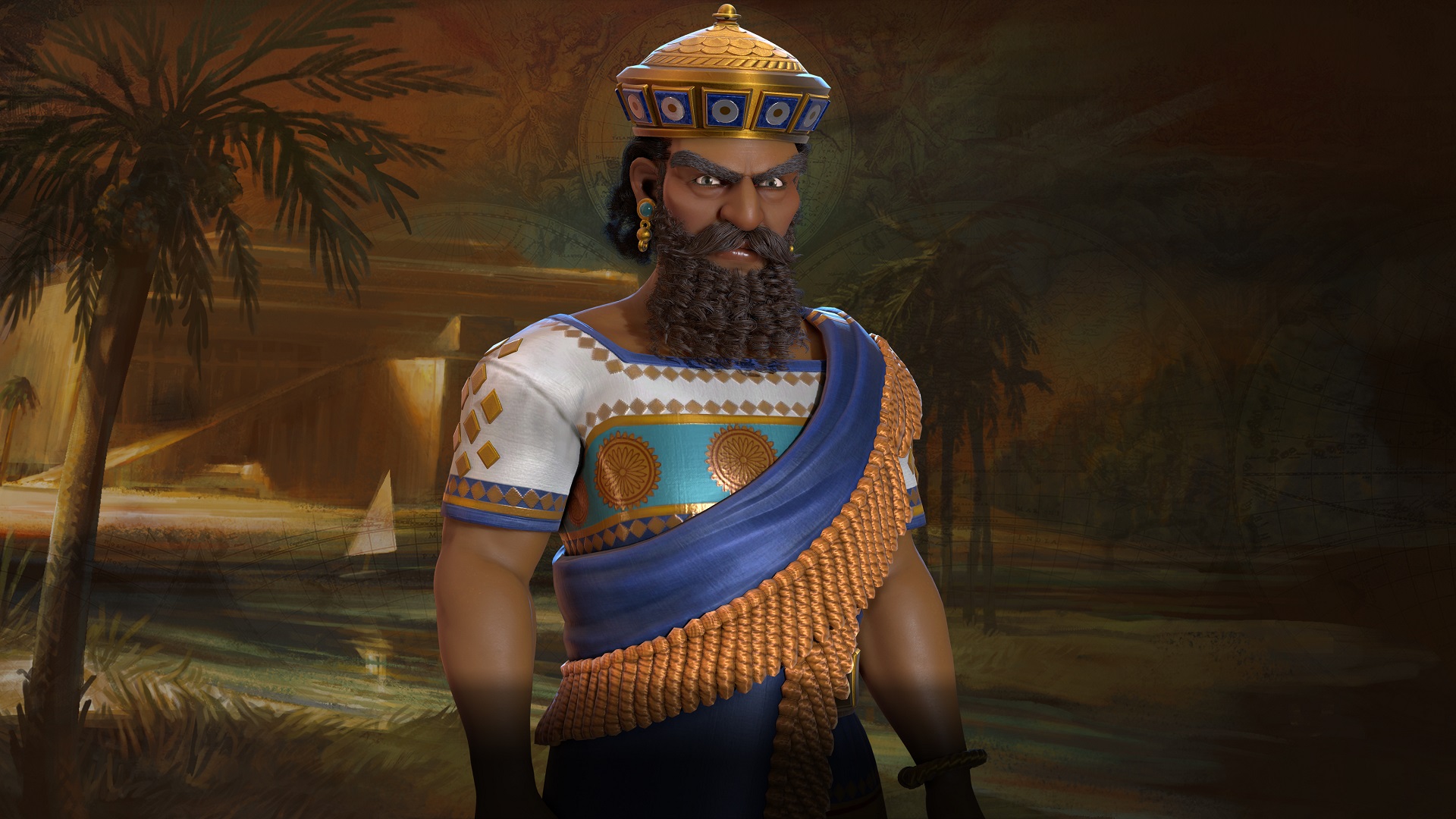
Babylon fundamentally breaks the technology progression system. Eurekas granting full technologies allow Babylon to skip eras entirely.
Why Babylon is S-tier
- Absurdly early access to advanced units and infrastructure
- Military timing pushes that end games before opponents stabilize
- Tech advantage converts directly into domination or space victories
Babylon rewards system mastery more than any other leader in the game.
2. Russia (Peter)
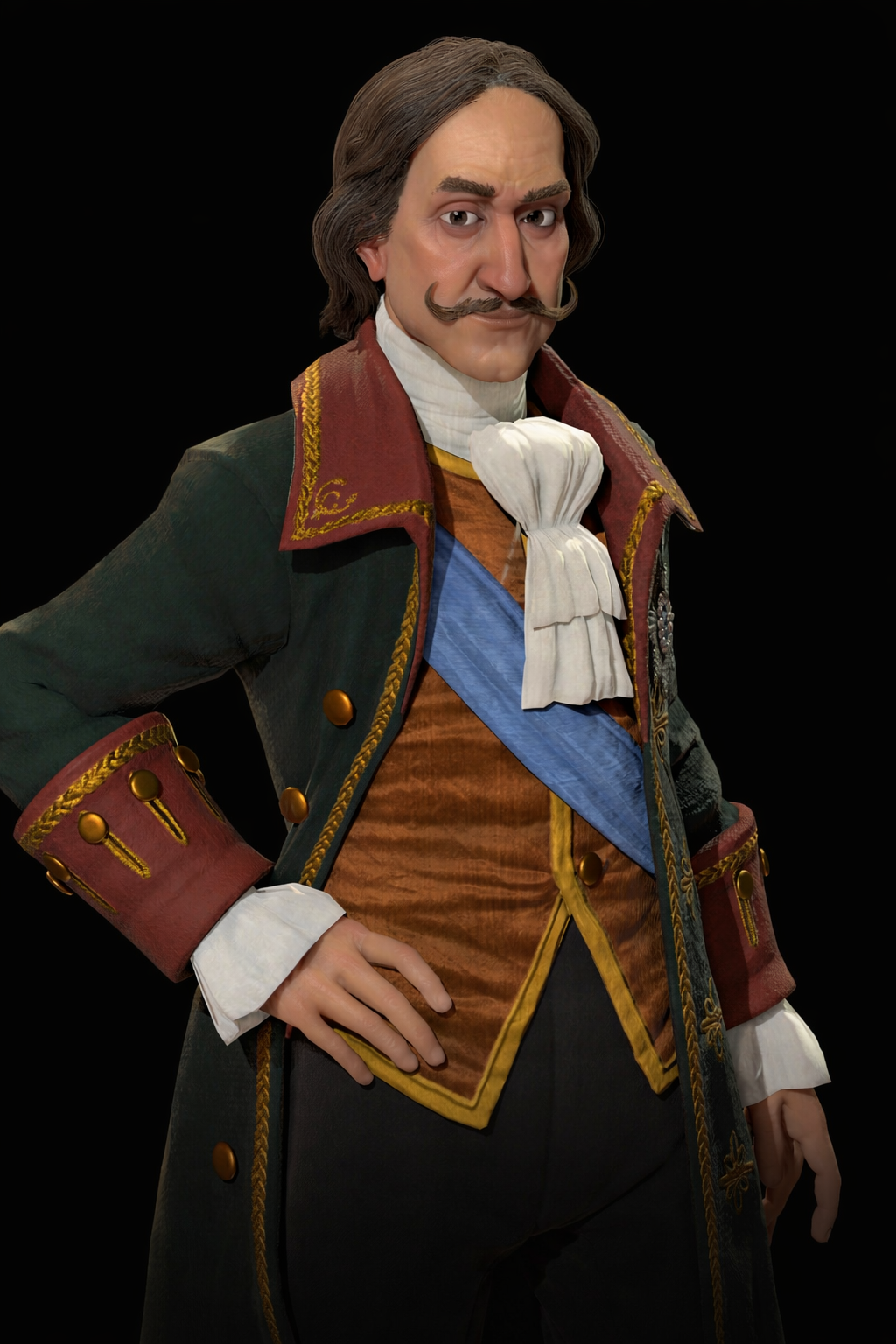
Russia combines faith, culture, and territorial control into one of the most consistent snowball engines in Civ 6.
Why Russia is S-tier
- Lavra districts accelerate Great People generation dramatically
- Faith fuels Monumentality Golden Ages for expansion
- Strong culture pressure and border growth secure land control
Russia excels in long games and scales effortlessly into culture or religion victories.
3. Khmer (Jayavarman VII)
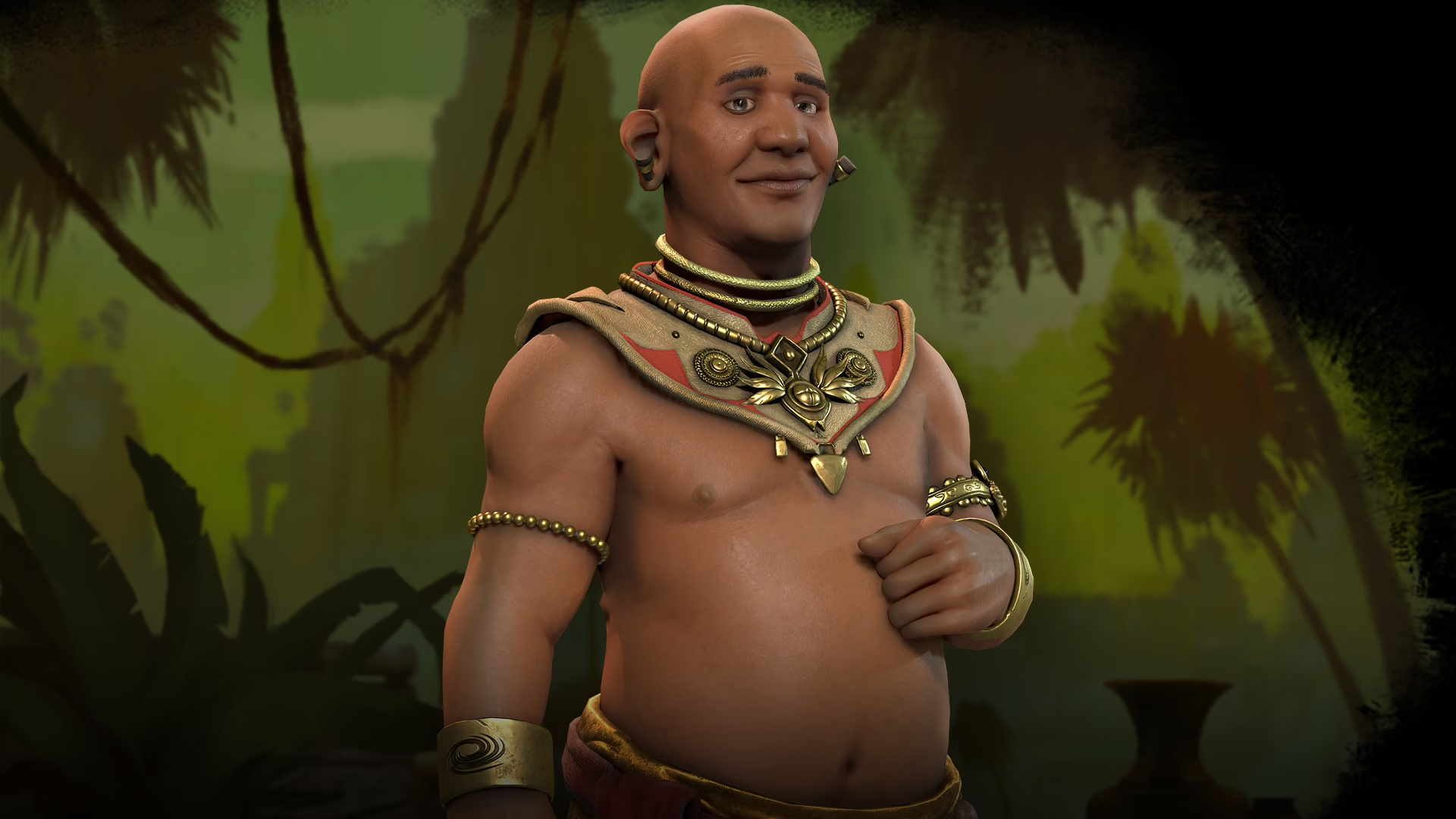
Khmer turns faith into growth, stability, and raw output.
Why Khmer is S-tier
- Holy Sites provide food and housing
- Enormous cities solve housing and amenity constraints
- Faith economy supports expansion, infrastructure, and tourism
Khmer’s cities become unstoppable economic engines by the midgame.
4. Gran Colombia (Simón Bolívar)

Gran Colombia’s strength comes from pure tempo.
Why Gran Colombia is S-tier
- Extra movement across all units changes positioning and combat outcomes
- Free promotions without losing movement maintain constant pressure
- Wars end faster, snowball harder, and cost less
Gran Colombia remains one of the best civ 6 leaders for domination victories in both single-player and multiplayer.
5. China (Yongle)
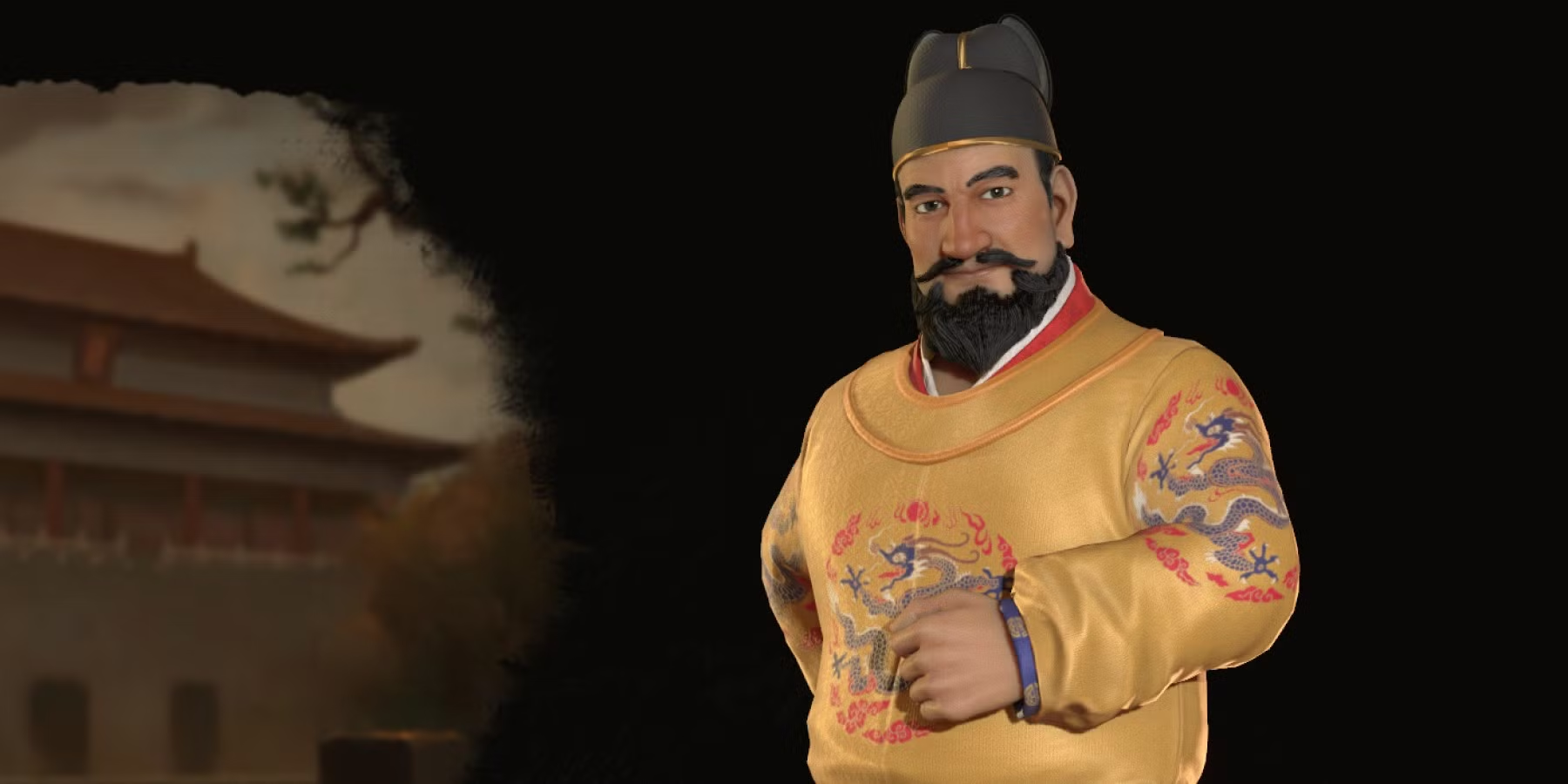
Yongle deserves S-tier status in the 2026 meta.
Why Yongle is S-tier
- Lijia projects convert population into science, culture, and gold at unmatched efficiency
- Tall cities scale faster than wide empires without heavy micromanagement
- Growth directly fuels victory conditions
Many high-level Deity players now rank Yongle alongside Germany and Korea for science, with far less rigidity and higher flexibility.
A-Tier Leaders – Elite and Consistent
A-tier leaders are powerful, reliable, and rarely weak, but lack the rule-breaking dominance of S-tier.
6. Germany (Frederick Barbarossa)
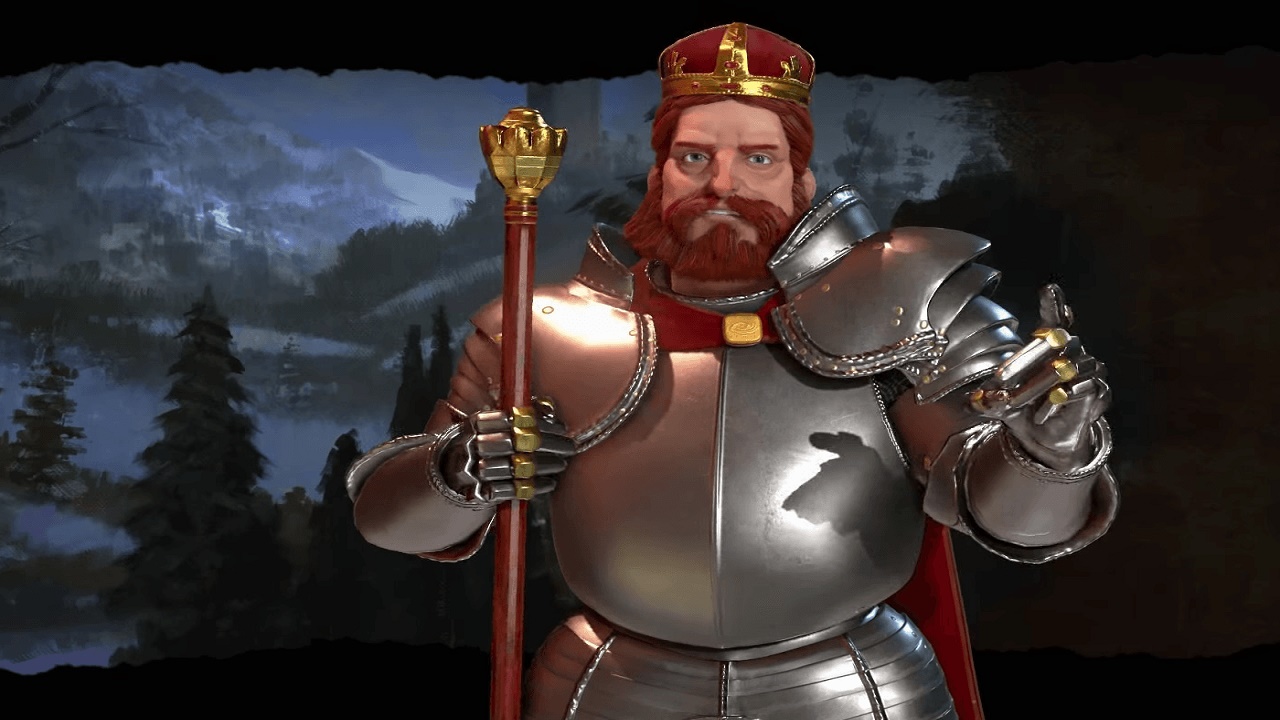
Germany’s production advantage remains one of the strongest scaling mechanics in Civ 6.
Strengths
- Extra district capacity accelerates development
- Industrial Zone dominance synergizes with power systems
- Strong science and domination pivots
7. Japan (Hojo Tokimune)
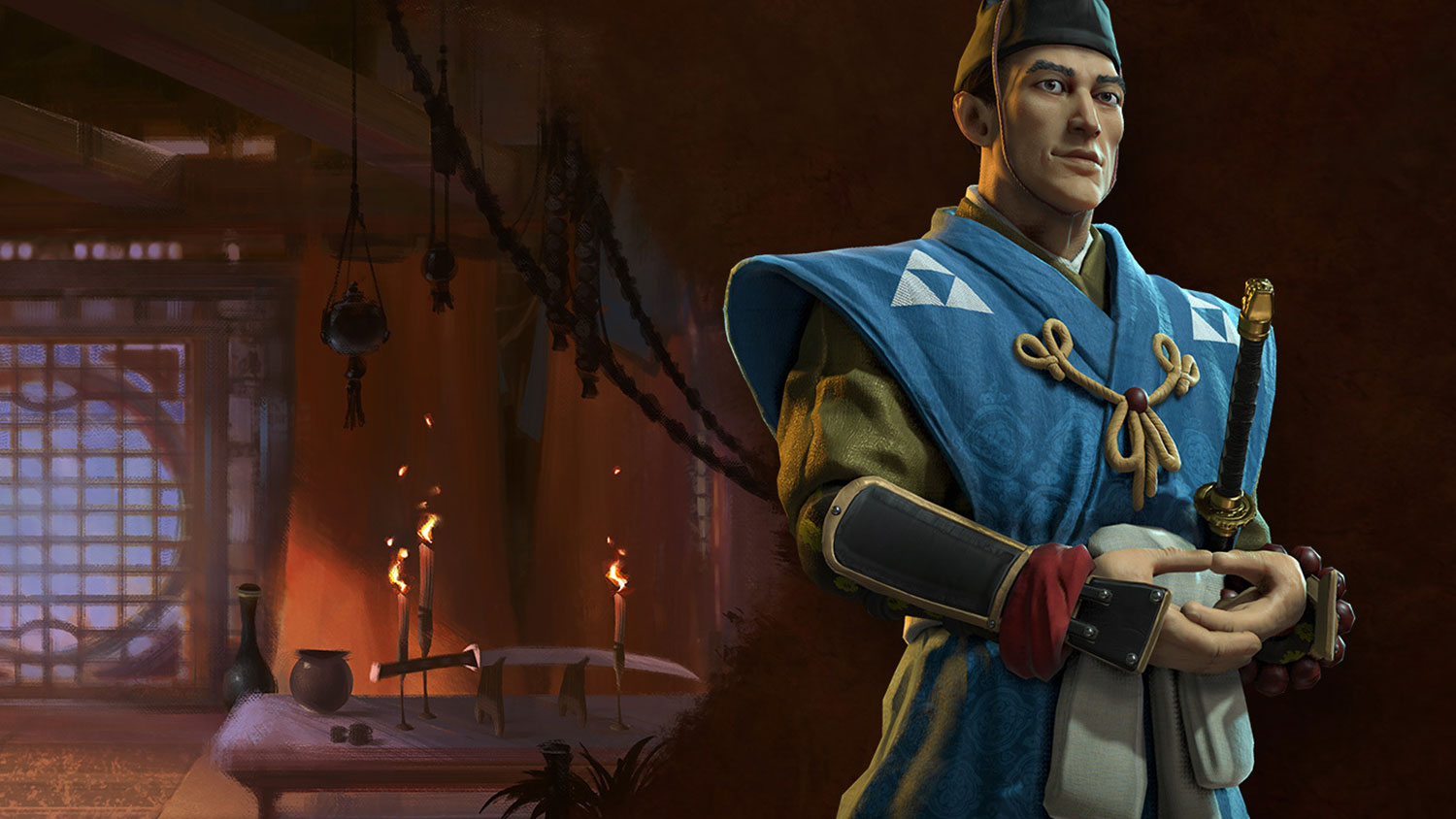
Japan excels at efficient city planning and adjacency stacking.
Why Japan works
- Dense districts create high yield cities
- Flexible across religion, culture, and science
- Strong coastal and inland performance
8. Ethiopia (Menelik II)
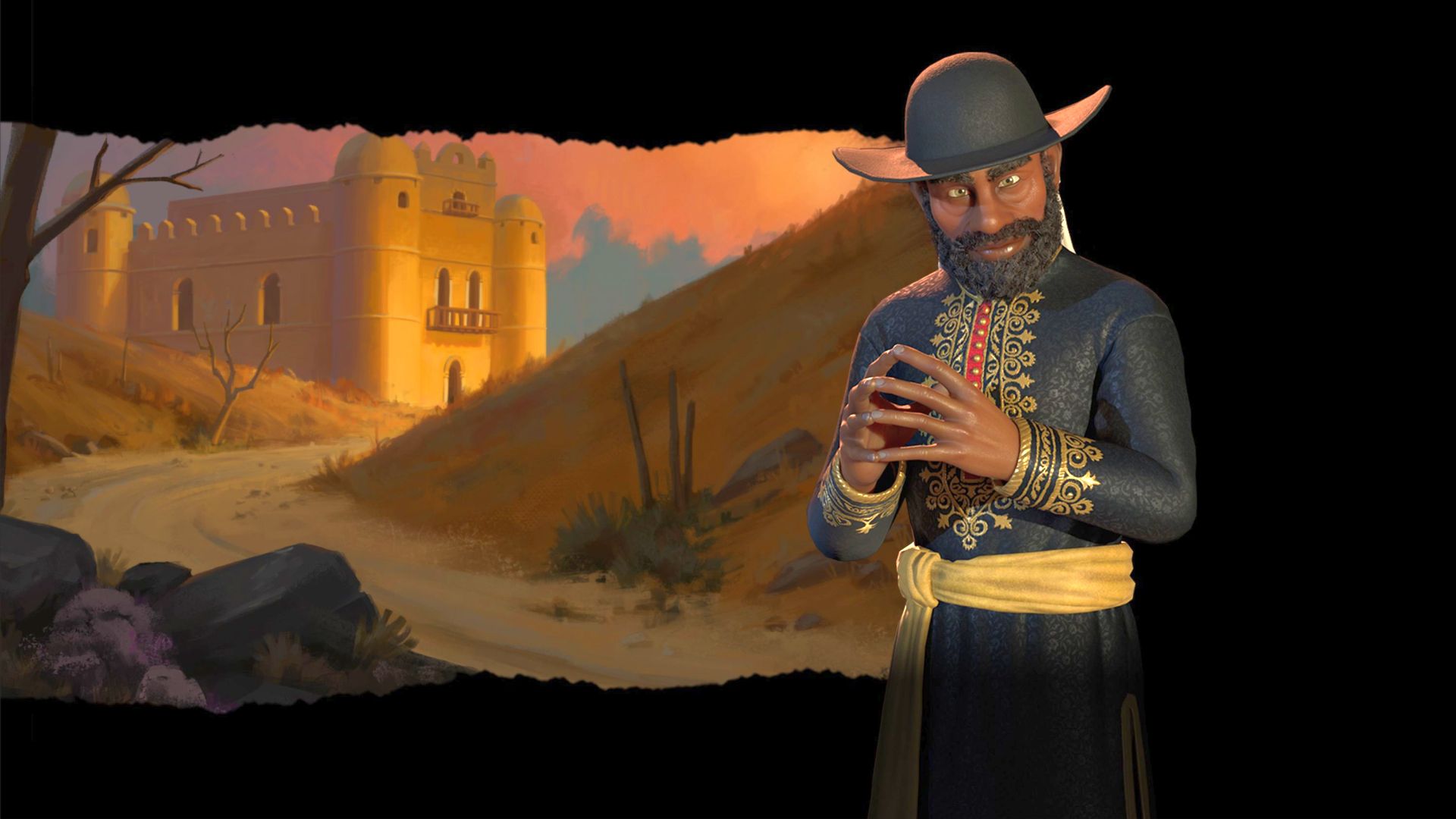
Ethiopia turns faith into a multi-purpose economic engine.
Key advantages
- Faith-driven scaling
- Strong defensive positioning on hills
- Reliable culture and religion victories
B-Tier Leaders – Strong but Context-Dependent
B-tier leaders can dominate under the right conditions but require favorable maps or execution.
9. Portugal (João III)
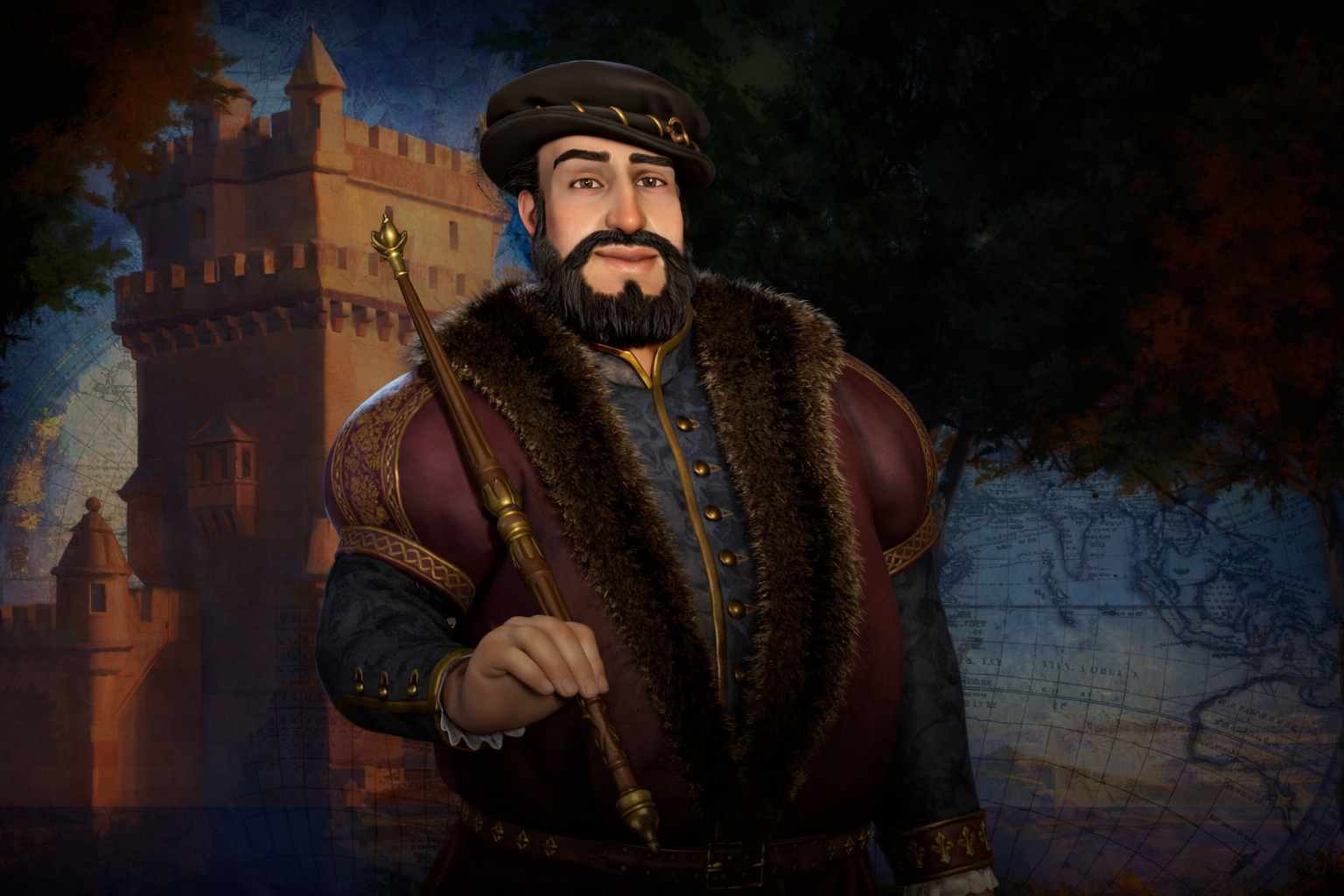
Portugal’s average ranking masks extreme map dependency.
Important clarification
- On Small Continents or Archipelago maps, Portugal is arguably the strongest leader in the game
- Midgame trade routes can exceed 1,000 gold per turn
- On inland maps, Portugal loses much of its advantage
Portugal is conditional S-tier on water-heavy maps and firmly mid-tier elsewhere.
10. Australia (John Curtin)

Australia spikes hard when its bonuses trigger but lacks consistency.
11. Korea (Seondeok)

Reliable science output with limited flexibility and predictable play patterns.
12. Maya (Lady Six Sky)

Extremely strong in compact layouts, punishing when expansion goes wrong.
C-Tier Leaders – Playable but Narrow
Spain (Philip II)
Strong bonuses arrive too late to shape early momentum.
Norway (Harald Hardrada)
Naval raiding economy excels on water maps but struggles inland.
Georgia (Tamar)
Golden Age reliance creates inconsistent performance.
D-Tier Leaders – High Effort, Low Return
Kongo (Mvemba a Nzinga)
Restrictions limit strategic flexibility.
Mapuche (Lautaro)
Anti-Golden Age bonuses are situational and unreliable.
Scythia (Tomyris)
Early rush power fades quickly without decisive momentum.
Best Civ 6 Leaders for Domination
Top domination leaders
- Gran Colombia (Simón Bolívar)
- Babylon (Hammurabi)
- Zulu (Shaka)
- Macedon (Alexander)
These leaders succeed due to early timing pushes, pillage economies, and sustained military pressure.
Best Leaders by Victory Type
Best science victory leaders
- Babylon
- Yongle
- Germany
- Korea
Best culture victory leaders
- Russia
- Khmer
- Ethiopia
- Japan
Best religious victory leaders
- Khmer
- Russia
- Ethiopia
Why Tier Placement Changes by Victory Condition
Leader strength is not universal across all victory paths. The mechanics that win one type of game may be far less valuable in another.
Domination victories reward movement speed, timing pushes, and pillage economies. Leaders that can strike early and maintain pressure rise in tier.
Science victories depend heavily on production scaling and late-game project output. Leaders with strong industrial foundations or growth-based scaling perform best.
Culture victories rely on tourism engines, Great Works throughput, and faith-driven conversion mechanics rather than raw culture output.
Religious victories emphasize faith generation, conversion pressure, and the ability to defend against theological counterplay.
Understanding these differences explains why some leaders shift tiers depending on the victory condition being pursued.
Common Misconceptions About Civ 6 Tier Lists
Many tier list debates come from misunderstandings about how Civilization VI actually rewards success.
A science victory is not just about building campuses. Production and timing matter more in the late game.
Domination does not require endless unit spam. Efficient wars, pillaging, and decisive timing windows win more games than sheer numbers.
Tall play is not weak in Civ 6. Leaders like Yongle and Khmer prove that population scaling can rival wide expansion when used correctly.
Lower-tier leaders are not unplayable. They simply demand better execution or more favorable conditions to match top-tier performance.
FAQs about Civ 6 Tier List
What is Civ 6 tier list?
A Civ 6 tier list ranks leaders based on overall strength, consistency, and effectiveness across different victory types and game conditions.
How does Civilization 6 tier list change over time?
Tier lists change with expansions, new leaders, balance updates, and evolving strategies. In Civ 6, Rise & Fall and Gathering Storm permanently reshaped what makes a leader strong.
Which tier civs are the best?
In the current 2026 meta, S-tier leaders include Babylon, Russia, Khmer, Gran Colombia, and Yongle due to their early tempo and long-term scaling.
Does Civ 6 expansion ranking affect tier placement?
Yes. Expansions reward faith economies, production scaling, and adaptability, which significantly alters leader rankings.
Is tier placement the same for multiplayer and single player?
No. Multiplayer emphasizes tempo and pressure, while single-player rewards consistency and long-term scaling.
Final Thoughts
This Civ 6 tier list reflects the game’s final, fully expanded state. No more balance patches are coming, and no new leaders will be added. What matters now is understanding why certain leaders dominate and how to use those strengths effectively.
Use this list as a strategic framework, not a rigid rulebook. The strongest leader is the one that matches your instincts and lets you convert early advantages into unstoppable momentum. In Civilization VI, mastery comes from understanding timing, not just picking the top tier.
Jump to
Civ 6 Tier List – Best Civilizations and Leaders Ranked by Real Gameplay Impact
What Is a Civ 6 Tier List and Why It Matters
Who This Civ 6 Tier List Is For
How This Civ 6 Tier List Is Ranked
Tier Summary Table
Quick Picks – Best Civ 6 Leaders at a Glance
Civ 6 Expansion Ranking – How DLC Reshaped Leader Power
How Map Type Changes the Civ 6 Tier List
Leader Pass Clarification
S-Tier Leaders – Game-Warping Power in Any Mode
A-Tier Leaders – Elite and Consistent
B-Tier Leaders – Strong but Context-Dependent
C-Tier Leaders – Playable but Narrow
D-Tier Leaders – High Effort, Low Return
Best Civ 6 Leaders for Domination
Best Leaders by Victory Type
Why Tier Placement Changes by Victory Condition
Common Misconceptions About Civ 6 Tier Lists
FAQs about Civ 6 Tier List
Final Thoughts
Latest Articles
Popular Articles