The Ultimate Guide To Druid From Pathfinder Game
A complete guide to the Pathfinder druid. Learn about class features, best roles, powerful archetypes, and optimal ability scores for your character.
Sep 16, 20258K Shares729.5K Views
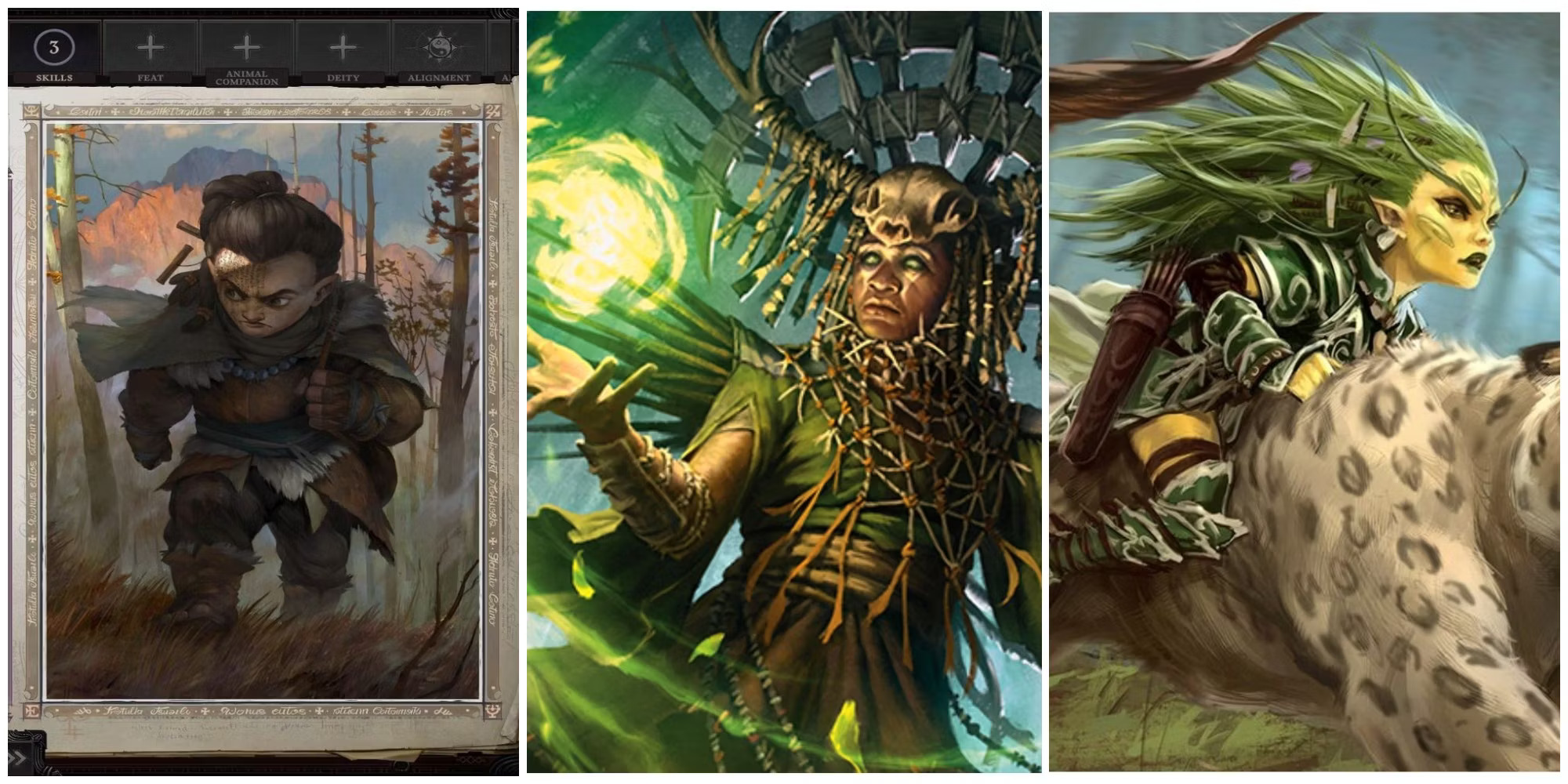
Pathfinder: A Comprehensive Look Into The Druid Class
Within the purity of the elements and the wild, a power far beyond civilization's reach lingers. It is a primal magic, guarded by servants of balance known as druids. These misunderstood protectors of the wild are allies to beasts and manipulators of nature, striving to shield their lands from all who would threaten them.
A druid from Pathfinder is rewarded for their devotion with incredible powers, gaining unparalleled shape-shifting abilities, the companionship of mighty beasts, and the power to call upon nature's wrath.
While many might simply see the druid as the "wild shape guy," this class is far more complex and versatile. With a medium base attack bonus and access to 9th-level divine spells, the druid is a jack-of-all-trades capable of filling nearly any role in a party-from a front-line melee combatant to a potent spellcaster and a stealthy scout.
This article is the definitive Pathfinder druid guide, offering a comprehensive look at the class's core features, practical strategies, and build tips from a veteran player's perspective. It's time to shed some light on the nuances, the common pitfalls, and the truly epic potential that often gets overlooked.
The Pathfinder Druid: A Master Of Adaptability
The true power of a Pathfinder druid isn't in a single ability, but in their immense adaptability. They are a spontaneous and ever-changing force of nature, and this versatility allows them to serve as a melee striker, controller, blaster, or support character.
The challenge for new players is finding the "sweet spot" within their party and specializing as they progress. Pathfinder rewards specialization at later levels, and with the right build, you can easily replace the wizard, cleric, or fighter in a conventional four-man party.
The class's foundation lies in the divine connection to nature, granting them access to a diverse spell list and unique class features. You are not just a spellcaster or a shapeshifter; you are a living embodiment of the natural world's power, capable of adapting to any situation.
The Druid's Core Class Features
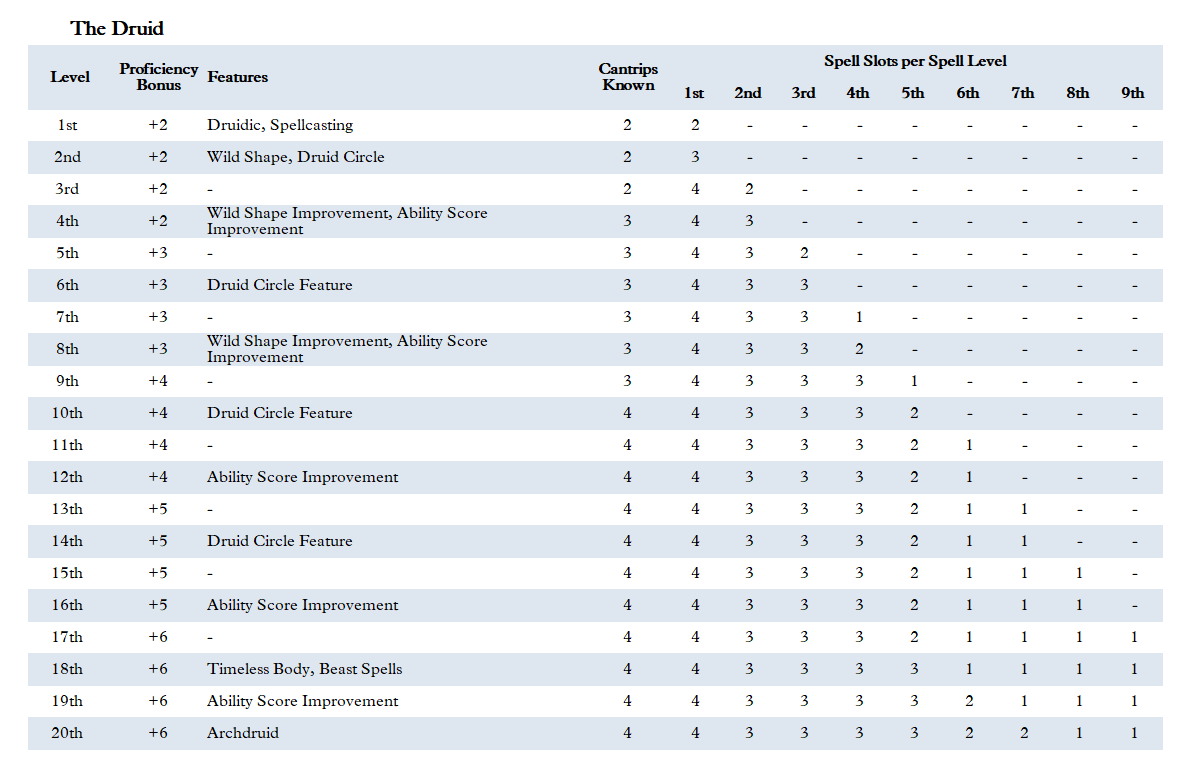
Understanding the druid's toolkit is the first step to mastering the class. Unlike a fighter who relies on a single set of skills, a druid's power comes from a synergy of diverse abilities.
Druid Proficiencies
Druids are proficient with a specific set of weapons and armor that respect their connection to nature.
- Weapons:Druids are proficient with the club, dagger, dart, quarterstaff, scimitar, scythe, sickle, shortspear, sling, and spear. Their most potent weapons, however, are their natural attacks gained from Wild Shape.
- Armor & Shields:They are proficient with light and medium armor, but only those made from non-metal materials like padded, leather, or hide armor. They are also proficient with wooden shields. This restriction encourages a playstyle that's less about heavy, clunky metal and more about light, natural defenses.
Spellcasting
The druid is a powerful divine spellcaster with a unique spell list and a flexible casting system.
- Wisdom-Based:Your Wisdom score is the most important ability for a spell-focused druid, determining the power and number of spells you can cast per day.
- Prepared Spells:You must prepare your spells ahead of time, but you have access to every spell on the druid list, allowing you to change your selection each day to suit the challenges ahead.
- Spontaneous Summoning:A key feature that adds immense flexibility. A druid can "lose" a prepared spell to spontaneously cast any summon nature's allyspell of the same level or lower. This allows you to fill the battlefield with allies on the fly, a game-changing tactical option.
- Orisons:At 1st level, druids gain a number of orisons, or 0-level spells, which can be cast at will without being expended.
- Detect Magic:This ability detects magical auras and is used in dialogues and exploration.
Nature Bond: Animal Companion Vs. Domain
At 1st level, a druid must make a crucial decision that will shape their entire build.
Animal Companion
This choice grants you a loyal, full-fledged animal ally that levels up with you.
- Pros:A powerful ally that provides a flanking partner, a scout, or a front-line tank. It effectively doubles your party's combat presence.
- Common Choices:The wolf is popular for its Trip ability, the bear for its durability, and big cats like the leopard for their high damage and mobility.
Nature Domain
This option grants you access to a cleric domain (like Air, Animal, Earth, Fire, Plant, Water, or Weather) and its associated powers and bonus spells.
Pros:This makes you a more powerful spellcaster, giving you access to unique spells and abilities that can control the battlefield or provide versatile utility.
Wild Shape
The ability to wild shape is the defining feature of the druid class. It's not just a combat ability but a tool for utility and problem-solving that can turn you into an incredibly versatile adventurer.
- Gained at 4th Level: A druid gains the ability to transform into a wolf once per day. The effect lasts for 1 hour per druid level.
- Progression:The number of uses per day and the available forms increase as you level up.
- Lvl 6:Leopard or Small Elemental
- Lvl 8:Bear or Medium Elemental
- Lvl 10:Smilodon, Shambling Mound, or Large Elemental
- Lvl 12:Huge Elemental
- Tactical Uses:Beyond combat, Wild Shape is a master of utility. A druid can turn into a small spider to scout ahead, a fish to navigate an underwater dungeon, or an eagle to bypass a chasm. The key is to think creatively about how an animal form can solve a non-combat challenge.
- Key Feat:Natural Spell: For any serious Wild Shape build, this feat is a must-have. It allows you to cast spells while in a wild shape form, turning you into a terrifying spellcasting beast.
Other Base Features
Beyond the core three, a druid's toolkit includes other crucial abilities:
- Nature Sense: A bonus on Lore (Nature) checks, reflecting their deep connection to the natural world.
- Resist Nature's Lure:At 4th level, you gain a bonus on saves against the abilities of fey and plants, a testament to your kinship with the wilds.
- Venom Immunity:A powerful defensive ability gained at 9th level, making you immune to all poisons.
Don't Miss: List Of The Pathfinder Traits
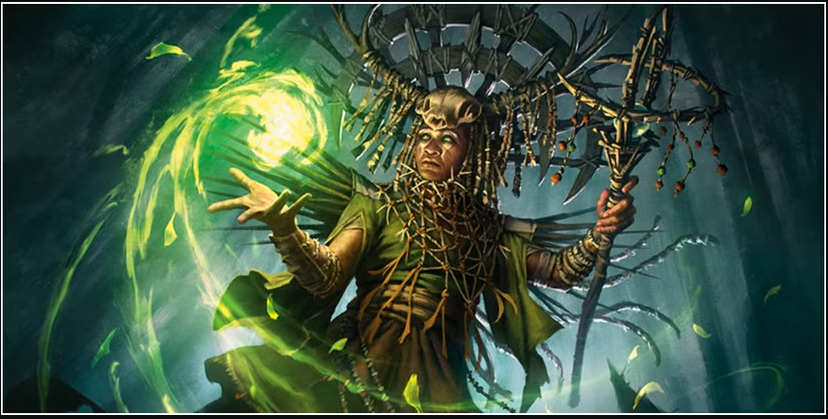
Building A Better Druid: A Practical Guide
A truly effective druid requires a shift in mindset. You're not just casting spells or transforming; you're orchestrating the battlefield. This section will help you build a cohesive and powerful character.
Choosing Your Abilities
Your ability scores should be prioritized based on your desired role.
- Wisdom:This is your most important stat. It's the focus of casters and determines the power and number of your spells.
- Strength:The best stat for a combat-focused druid.
- Constitution:Crucial for survivability. It influences your hit points and shouldn't be disregarded in any build.
- Dexterity:Important for your Armor Class and initiative. It can also be a primary stat for a Wild Shape build that focuses on agile forms like snakes.
- Intelligence & Charisma:Generally less important. Intelligence only provides more skill points, while Charisma is primarily useful for social skills like Wild Empathy.
Selecting A Race
While bonuses to physical ability scores are excellent, a bonus to Wisdom is often more valuable. It’s also important to note that a small race’s strength penalty does not disappear when you use Wild Shape, making them better suited for dexterous forms.
- Human:Always a strong choice for the bonus feat and skill point, offering incredible flexibility.
- Dwarf:Good for a combat-focused druid with a bonus to Constitution and a bonus on saves against poison, which stacks with your Venom Immunity.
- Half-Elf:A great option for its flexibility in placing ability bonuses and access to useful racial abilities.
- Half-Orc:A solid choice for a combat druid due to the bonus to Strength.
- Gnome & Halfling:Their size makes them excellent for stealth and utility builds using Wild Shape, as they can more easily take on small animal forms.
- Elf:A good choice for their bonus to Dexterity and Intelligence.
Essential Feats
The right feats can make or break a druid build.
- Natural Spell:Absolutely essential for any Wild Shape druid. Without it, you cannot cast spells in animal form.
- Shaping Focus:If you plan on multiclassing, this feat is mandatory. It ensures your Wild Shape progression keeps pace with your character level, even if you take levels in other classes.
- Combat Casting:Useful for druids who plan to cast spells in the middle of combat.
- Aspect of the Beast:A fantastic feat for combat druids that enhances their natural attacks.
- Divine Interference:Allows you to use your spellcasting to disrupt enemy actions.
Druid Roles
The druid's incredible versatility is best demonstrated by the sheer number of roles and archetypes they can fill.
Playing Different Roles
- Melee Striker:Focus on high Strength and use Wild Shape to become a powerful front-line combatant.
- Controller Caster:Prioritize Wisdom and use spells like Entangleand Spike Growthto dominate the battlefield and lock down enemies.
- Blaster:Use damaging spells like Call Lightningand Siroccoto deal immense damage from a safe distance.
- Scout:Master the use of Wild Shape to turn into a variety of animals for infiltration and reconnaissance.
- Support & Utility: Use healing spells and other utility spells like Speak with Animalsto provide invaluable assistance to the party.
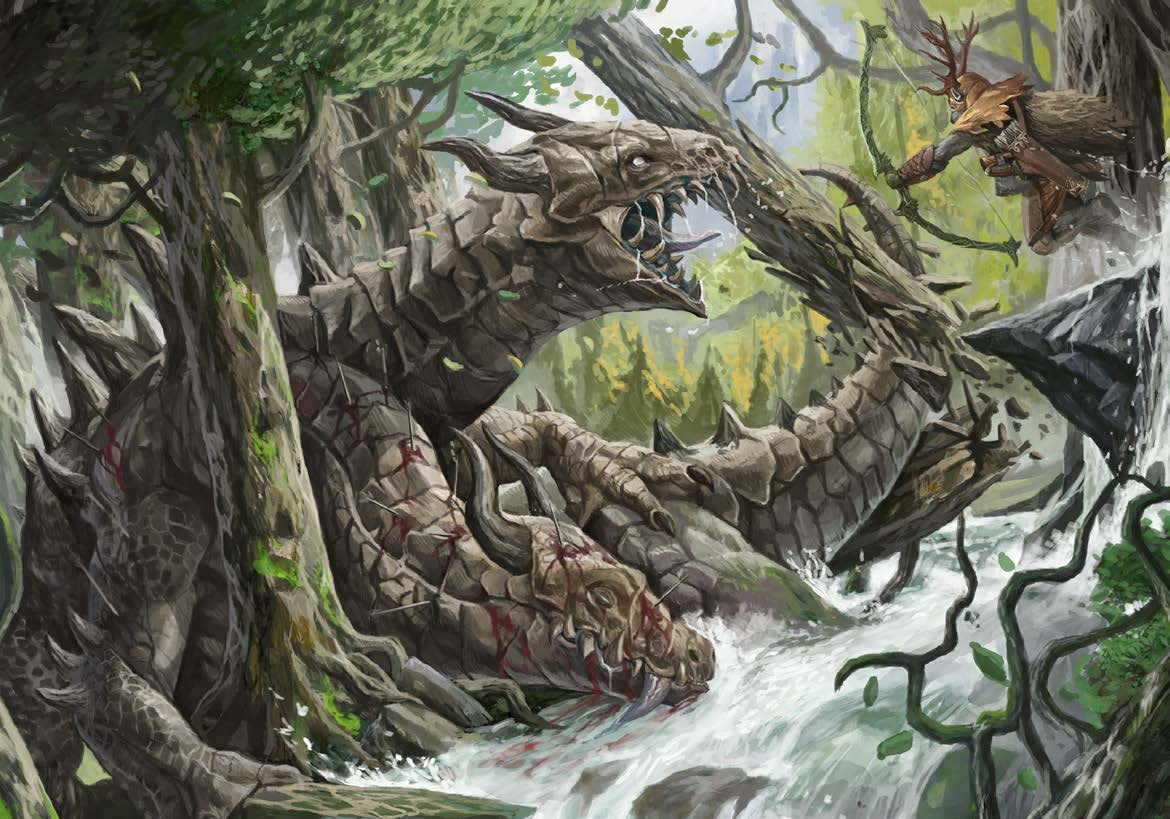
Druid Archetypes
Archetypes are specialized versions of the base class that trade some abilities for others. They are a great way to fine-tune your Pathfinder druid build.
Blight Druid
A druid who gains power from a corrupted land.
- Gains:Blight Bond, Miasma, Blightblooded, Plaguebearer.
- Loses: Nature Bond, Resist Nature's Lure, Venom Immunity.
Defender Of The True World
A protector of the fey who is particularly good at fighting them.
- Gains:Enemy of the Fey, Fey Stalker, Feybane, Beguiling Immunity.
- Loses:Spontaneous Summoning, Resist Nature's Lure, Venom Immunity.
Feyspeaker
A druid more attuned to the magic of the fey than the natural world.
- Gains:Fey Magic, 1/2 BAB progression, Fey Speech, altered Wild Shape.
- Loses:Wisdom as a spellcasting stat, 3/4 BAB Progression, Spontaneous Summoning, elemental Wild Shape.
Drovier
A druid focused on their animal companion and their shared bond.
- Gains:Communal Aspect.
- Loses:Nature Bond (Domains), Wild Shape.
Elemental Rampager
A druid who gives up their companion for the ability to unleash elemental rage.
- Gains:Claws, Rampage, Elemental Rampage.
- Loses:Nature Bond, Resist Nature's Lure, Venom Immunity.
Primal Druid
A druid who draws their power from ancient, primal beasts.
- Gains:Primeval Time's Animal Companion, Primal Size.
- Loses:Other animal companions, Nature Sense, Resist Nature's Lure.
Winter Child
A druid attuned to the harsh magic of winter.
- Gains:Call a Feast, Ice in the Blood, Arctic Native, Blizzard Servant, Snowcaster, Flurry Form.
- Loses: Nature Bond, Spontaneous Summoning, Resist Nature's Lure, all Wild Shape, Venom Immunity.
Related Reading: D&D 5e Wizard Spells - A Complete Guide (Cantrips To 9th Level)
Pathfinder Druid Multiclassing
Multiclassing a druid can be a powerful choice, but it requires careful planning to avoid losing out on key abilities and spell progression.
The Challenges And Rewards
Multiclassing a full spellcaster is a risk, as it delays your access to higher-level spells. However, a small "dip" into a different class can provide invaluable abilities that complement your druid powers.
Common Multiclass Options
- Monk:A one-level dip into Monk is a popular choice for a combat druid. It grants you a bonus to AC and saves, turning you into a formidable tank, especially in Wild Shape. This is a common Pathfinder: Kingmaker druid build.
- Fighter:A few levels in Fighter can give you access to more feats and proficiencies, making your combat druid even more effective. This is where the Shaping Focus feat becomes essential.
FAQs About The Pathfinder Druid
What Is A Druid In Pathfinder?
A druid is a divine spellcaster and martial character who draws power from their deep connection to the natural world. They serve as guardians of the wild, and their abilities reflect this, including the capacity to shapeshift, command animal companions, and wield a unique list of nature-themed spells.
Can Pathfinder Druids Wild Shape?
Yes, absolutely. The ability to wild shape into a vast array of creatures is a signature feature of the druid class. This power is gained at 4th level and grows in strength and versatility as they level up.
What Is The Best Weapon For A Druid In Pathfinder?
The "best" weapon for a druid is situational. Druids are proficient with a wide variety of simple weapons, but the Shillelaghcantrip makes a quarterstaff one of the most effective and versatile options, as it can be enhanced to become a powerful magical weapon.
Is The Druid A Good Class In Pathfinder?
Yes. The druid is widely regarded as one of the strongest and most adaptable classes in the game. With the ability to fill almost any role in a party—from a primary spellcaster to a powerful melee combatant—a druid can be a valuable addition to any group.
Is There A Druid God?
While a druid doesn't need to worship a specific deity, many revere personifications of natural forces or specific gods associated with nature, like Erastil, Gozreh, or even the Green Faith itself. A druid's faith is often more about honoring the balance and power of the natural world than a traditional religious observance.
What Is The Druid Language In Pathfinder?
Druids have a secret language called Druidic. This is a free language they know in addition to their normal allotment of languages. It is a forbidden language to teach to non-druids, serving as a sign of their shared reverence for nature.
Do Druids Have A Staff?
A staff is a common choice for druids, often serving as a spellcasting focus or a mundane weapon. However, it's not a requirement. A druid can fulfill their needs with a variety of tools, including a simple holly sprig or a component pouch. Many druids find a magic staff, such as a Staff of the Woodlands, to be an incredibly useful item to supplement their spellcasting.
A Quick Recap
The Pathfinder druid is a master of adaptation, a jack-of-all-trades who can seamlessly shift between roles on the fly. The power lies not in any single ability but in the synergy between their Wild Shape, Animal Companion, and diverse spell list.
A successful druid player thinks fluidly, seeing every challenge as an opportunity to apply a different facet of their immense toolkit. Embrace the full scope of the class, and you will find that the druid isn't just a powerful character, but a deeply satisfying and endlessly creative one.
If you enjoyed this deep dive, consider sharing it with your fellow adventurers! Happy gaming!
Continue Reading: Best Spells For Eldritch Knight | D&D 5e & Baldur’s Gate 3
Latest Articles
Popular Articles