Best Dungeons And Dragons Necromancy Spells 5e (All Levels)
Master the dark arts with our level-by-level guide to Dungeons and Dragons necromancy spells. Discover top picks to control, drain, and dominate in 5e.
Jan 31, 20268.2K Shares410.2K Views
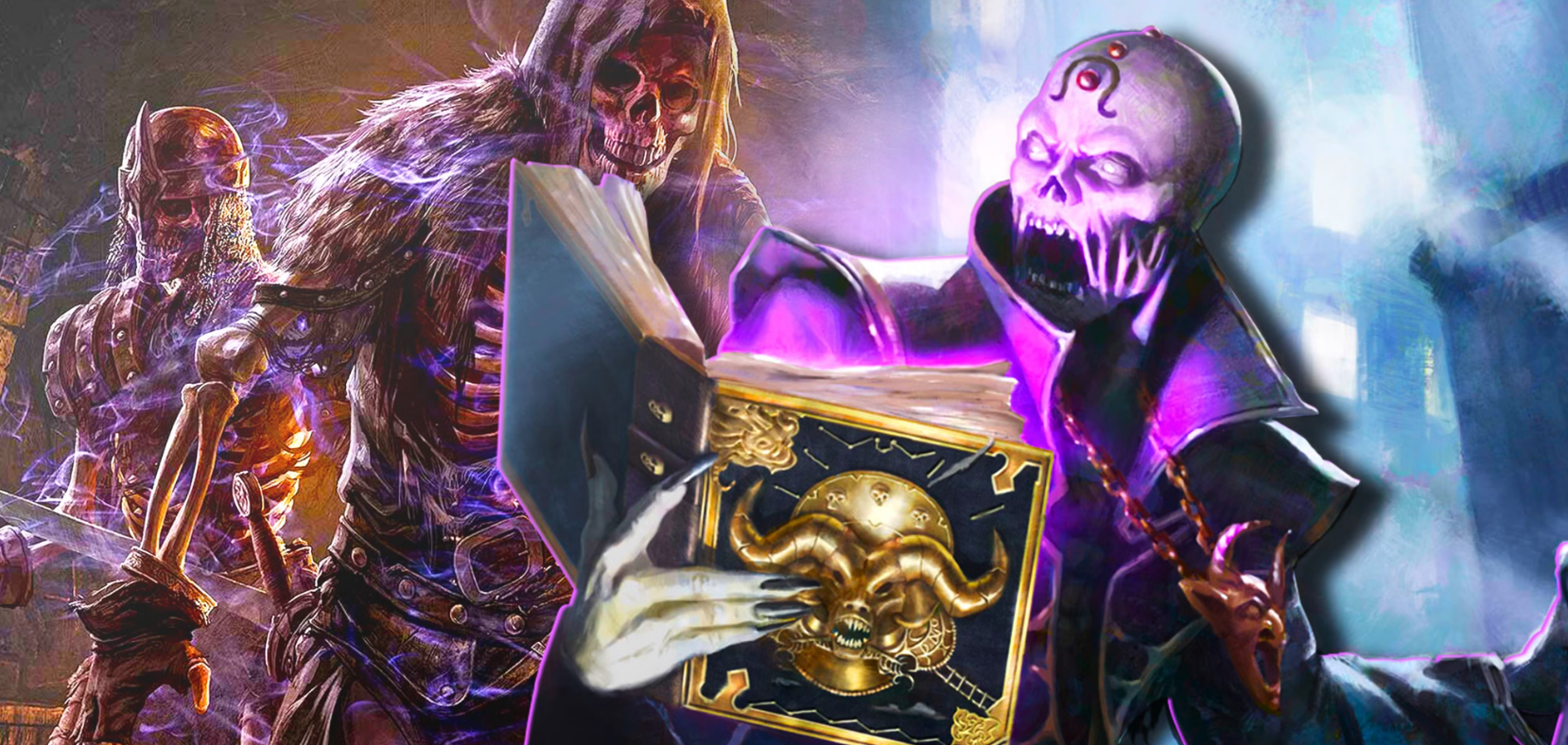
Top Necromancy Spells By Level: Unleashing Dark Power In D&D 5e
Necromancy in Dungeons & Dragonsoften evokes images of undead armies and forbidden rituals-but it's far more than dark theatrics. This powerful school of magic offers unmatched utility, battlefield control, and narrative depth for players who understand its true potential.
Far from being just “evil magic,” necromancy includes spells that drain life, raise and command the dead, protect allies from death, and even commune with lost souls.
Mastering necromantic magic entails using life and death as tools rather than just weapons, whether you're a warlock tapping into decay, a death-domain priest balancing divine cycles, or a wizard searching for ancient truths.
This guide cuts through the myths to reveal how necromancy spells can reshape combat, expand roleplay, and transform your character into a force that commands respect on every front.
Here’s a detailed look at the most impactful necromancy spells in D&D 5th Edition, selected for their strategic value, versatility, and roleplaying potential.
This level-by-level breakdown will help you choose the best spells for each tier of play-ensuring your character thrives in both the shadows and the spotlight.
The Many Faces Of Necromancy: Beyond Just Raising The Dead
While animating corpses is undeniably a hallmark of necromancy, it represents only one facet of this diverse magical discipline.
Necromancy is, at its heart, the magic of life, death, and the soul. Its spells can be broadly categorized into several key functions:
- Life Drain & Debilitation:These are the classic offensive necromancy spells. They sap vitality, weaken foes, and inflict necrotic damage, a type of energy that directly affects living tissue and can hinder magical healing.
- Animation & Control of the Undead:This category includes spells that breathe unholy "life" into fallen creatures, turning them into loyal (or at least controllable) servants. It's about battlefield control and creating temporary allies.
- Protection & Preservation:Surprisingly, necromancy also offers spells that shield against death, prolong life, or even ward off the undead. These are often overlooked but can be invaluable.
- Communication & Information:Some necromantic spells allow characters to speak with the deceased, gaining vital information or insight into past events. This highlights the school's investigative potential.
- Resurrection & Life Restoration:Though typically associated with divine magic, some high-level necromantic spells can even bring the dead back to life, albeit sometimes with grim consequences or limitations. This is rare but showcases the true power over life and death.
Understanding these distinctions is crucial for anyone looking to build a versatile and impactful necromancer, or simply to understand how these dark arts truly operate within the game world.
Cantrips
These low-level necromancy spells are your bread and butter, offering consistent utility and damage.
- Chill Touch:More than just damage, this spell (1 action, 120 feet, 1 round) prevents the target from regaining hit points and grants disadvantage on attack rolls against you if it's an undead creature. This makes it an excellent choice for shutting down enemy healers or mitigating threats from powerful undead.
- Sapping Sting:A quick cantrip (1 action, 30 feet, instantaneous) that can knock a creature prone on a failed Constitution save. This can be surprisingly effective for controlling melee threats or setting up attacks for your allies.
- Spare the Dying: While less flashy, this cantrip (1 action, touch, instantaneous) can stabilize a dying creature without requiring a Medicine check, a crucial non-combat utility for any party, preventing a tragic demise.
- Toll the Dead:Often superior to Sacred Flameor Fire Boltagainst wounded foes, this spell (1 action, 60 feet, instantaneous) deals more damage to creatures that are already hurt. Its unique scaling against damaged creatures makes it a potent and reliable damage cantrip for any spellcaster with access to necromancy.
1st Level
The first level introduces foundational necromantic abilities.
- Cause Fear:This spell (1 action, 60 feet, concentration up to 1 minute) targets a creature's sense of mortality, potentially frightening them and causing them to flee. Unlike some other fear effects, its thematic tie to necromancy makes it particularly potent.
- False Life: An often-underrated defensive spell (1 action, self, 1 hour). A temporary HP boost can make a substantial difference in early-game encounters, allowing you to absorb an extra hit or two that might otherwise drop you. It's a proactive defense, not a reactive heal.
- Inflict Wounds:A risky but rewarding melee spell (1 action, touch, instantaneous). When it hits, it deals a significant burst of necrotic damage, making it a powerful opener or finisher for a character willing to get close.
- Ray of Sickness:A solid single-target debuff (1 action, 60 feet, instantaneous) that can inflict the poisoned condition. While not always effective against creatures immune to poison, it can significantly weaken vulnerable targets, setting them up for subsequent attacks from allies.
2nd Level
As you gain power, your necromancy spells become more impactful.
- Blindness/Deafness:A fantastic non-concentration debuff (1 action, 30 feet, 1 minute). Blinding an enemy gives all attacks against them advantage, and their attacks disadvantage. This is a massive swing in combat effectiveness, and the fact it doesn't require concentration means you can maintain another powerful spell. It's not an illusion; it genuinely robs a creature of its senses.
- Gentle Repose: While seemingly niche, this ritual spell (1 action, touch, 10 days) is invaluable for parties dealing with time-sensitive resurrections or for preserving bodies for later interrogation via Speak with Dead. It's a utility spell that can save lives (and quests).
- Ray of Enfeeblement:This spell (1 action, 60 feet, concentration up to 1 minute) saps the target's strength, giving them disadvantage on Strength-based attack rolls. Against a powerful melee brute, this can be a game-changer.
- Wither and Bloom: A versatile spell (1 action, 60 feet, instantaneous) that deals necrotic damage to creatures in an area but can also allow a creature to use its reaction to expend a hit die and heal. This is an excellent choice for a supportive necromancer who wants to deal damage and offer recovery.
3rd Level
This level introduces some of the most iconic and essential necromancy spells, including the ability to raise an undead entourage.
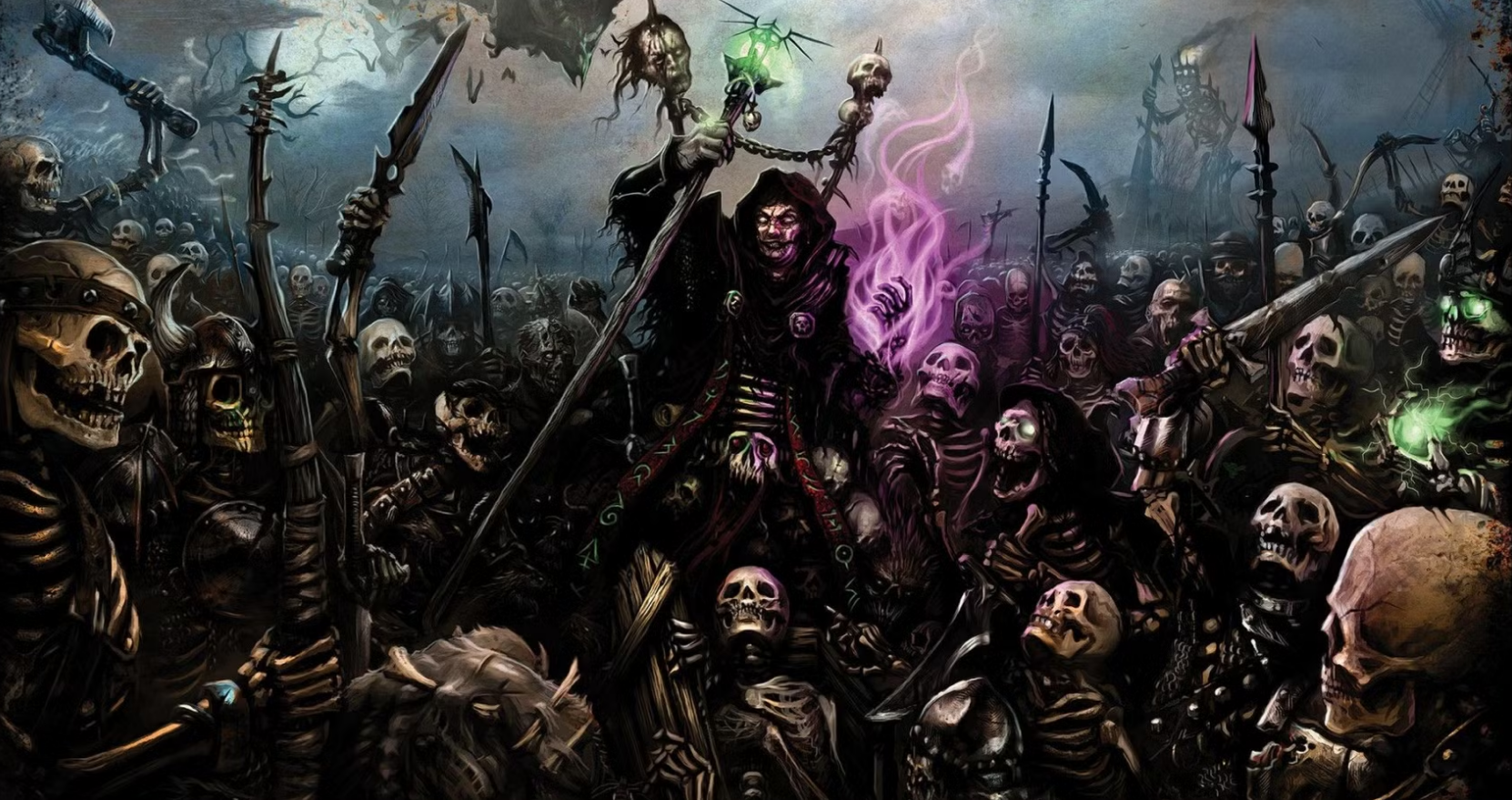
- Animate Dead:The quintessential necromancy spell (1 minute casting time, 10 feet range, instantaneous with daily upkeep). The key to mastering Animate Deadisn't just raising a horde, but managing your action economy. Pre-casting this spell and having your undead ready before combat is crucial. Remember to always bring extra components (bones/corpses) and factor in the maintenance cost. Your "minions" are excellent for flanking, soaking hits, and overwhelming foes through sheer numbers.
- Bestow Curse: While not strictly necromancy for all casters, this powerful spell (1 action, touch, concentration up to 1 minute) can cripple a foe, making them vulnerable to your other attacks or the party's strategies.
- Feign Death:A useful utility spell (1 action, touch, 1 hour) that makes a willing creature appear dead. Great for infiltration or escaping dangerous situations.
- Life Transference: A risky but potent healing spell (1 action, 30 feet, instantaneous) where you sacrifice your own hit points to heal an ally for twice that amount. A true display of life manipulation.
- Revivify:For Clerics and Paladins, this critical spell (1 action, touch, instantaneous) brings a creature back to life if cast within one minute of their death. It's a lifesaver that blurs the lines between typical divine and necromantic healing.
- Speak with Dead:A unique spell for gathering intelligence (1 action, 10 feet, 10 minutes). It allows for direct questioning of a corpse, though the answers can be cryptic. This is perfect for murder mysteries, uncovering hidden lore, or gaining insights into enemy plans. Always consider the questions carefully – you only get five!
- Spirit Shroud:This bonus action spell (1 bonus action, self, concentration up to 1 minute) surrounds you with spectral figures, dealing extra necrotic (or radiant/cold) damage on your attacks and reducing the speed of enemies hit. A great offensive buff for a combat-oriented caster.
- Summon Undead:Offers more control and choice than Animate Dead(1 action, 90 feet, concentration up to 1 hour). You summon a single, more powerful undead spirit with specific abilities (putrid, ghostly, skeletal), allowing for more tactical flexibility based on the combat situation. This is a powerful concentration spell.
- Vampiric Touch:A powerful self-healing option that also deals necrotic damage (1 action, self, concentration up to 1 minute, touch range). While it requires concentration and a touch attack, the ability to drain life from your foes to sustain yourself can significantly increase your survivability in the thick of combat.
4th Level
At this level, your necromantic power begins to truly dominate.
- Blight: A potent single-target damage spell (1 action, 30 feet, instantaneous), especially effective against plants. It deals a large burst of necrotic damage, bypassing resistances to other damage types. Great for finishing off tough enemies or dealing with specific environmental threats.
- Shadow of Moil:For warlocks, this excellent defensive buff (1 action, self, concentration up to 1 minute) cloaks you in shadow, granting resistance to all damage except force and psychic, and turning dim light around you to darkness, hindering enemies' vision.
- Spirit of Death (UA/potentially custom):While "Spirit of Death" might refer to specific homebrew or Unearthed Arcana content, spells at this level focusing on summoning potent death spirits or creating zones of necrotic decay are common themes.
5th Level
These spells mark a significant leap in your ability to manipulate life and death.
- Contagion: A truly devious spell (1 action, touch, 7 days) that inflicts a debilitating disease on a target. While it takes three failed saves for the disease to fully manifest, the effect, once active, can turn a powerful enemy into a helpless husk. Strategize its use against high-HP, low-save enemies.
- Danse Macabre: An upgraded Animate Dead(1 action, 60 feet, concentration up to 1 hour). This spell allows you to animate up to five corpses within range, and they benefit from a bonus to damage rolls. Excellent for quickly bolstering your undead forces in the midst of battle, especially useful for School of Necromancy Wizards.
- Enervation:A persistent drain of life force (1 action, 60 feet, concentration up to 1 minute). This spell allows you to continuously deal necrotic damage and heal yourself as a bonus action each round, making you a dangerous front-line spellcaster or a persistent threat to a single target.
- Negative Energy Flood:A burst of negative energy (1 action, 60 feet, instantaneous) that deals necrotic damage and can potentially reanimate a killed humanoid as a zombie. This offers both damage and minion creation in one spell.
- Raise Dead:While expensive and time-consuming (1 hour casting time, touch, instantaneous), this powerful spell can restore life to a creature that has died within the last 10 days, provided their body is mostly intact. This moves necromancy into the realm of true life manipulation, blurring lines with divine magic.
6th Level
At these higher levels, necromancy becomes truly terrifying and world-altering.
- Circle of Death:A high-damage area-of-effect spell (1 action, 150 feet, instantaneous), creating a sphere of negative energy that deals substantial necrotic damage. Great for clearing out groups of weaker enemies or softening up tougher ones.
- Create Undead:This spell (1 minute casting time, 10 feet, instantaneous) allows you to raise more potent undead such as ghouls, ghasts, or wights. These creatures come with unique abilities like paralysis or life drain, making them far more tactically interesting than basic skeletons or zombies. A powerful necromancer truly shines with these higher-tier minions.
- Eyebite:While an enchantment spell, its focus on debilitating foes through various effects like "asleep," "panicked," or "sickened" can complement a necromancer's control arsenal.
- Harm:A devastating single-target spell for Clerics (1 action, 60 feet, instantaneous), Harmdeals a massive amount of necrotic damage, potentially reducing a creature's hit points to 1. This is a strong finisher or a way to quickly neutralize a major threat.
- Magic Jar:A risky but potent spell (1 minute casting time, self, until dispelled) that allows you to possess other creatures. While not directly necromantic in damage, it embodies the manipulation of souls and bodies.
- Soul Cage:A grim yet powerful spell (special casting time, 60 feet, 8 hours) that traps the soul of a humanoid killed nearby. You can then query the soul, gain advantage on attacks against creatures that damaged the humanoid, or even steal hit points. A truly unique tool for information and vengeance.
7th Level
- Finger of Death:A classic high-level necromancy spell (1 action, 60 feet, instantaneous). This potent strike deals immense necrotic damage, and if it kills a humanoid target, that target immediately rises as a zombie permanently under your command. This is both a powerful offensive spell and a way to instantly recruit a new minion.
- Resurrection:A more powerful version of Raise Dead(1 hour casting time, touch, instantaneous), this spell can restore life to a creature that has died within the last century, provided they didn't die of old age and their body is mostly intact. It represents near-absolute power over death.
- Tether Essence:This intriguing spell (1 action, 60 feet, concentration up to 1 hour) links the life forces of two creatures, causing them to share damage and healing. A fascinating tactical spell for both offense and defense.
8th Level
- Abi-Dalzim's Horrid Wilting:An 8th-level spell (1 action, 150 feet, instantaneous) that dehydrates creatures, dealing massive necrotic damage in a large area. It's particularly effective against creatures composed mostly of water.
- Clone: A truly unique necromancy spell (1 hour casting time, touch, instantaneous) that allows you to create a living duplicate of a creature. This is a powerful insurance policy against death, as your soul can transfer to a prepared clone if your body perishes.
9th Level
- Astral Projection:While primarily a travel spell (1 hour casting time, 10 feet, special duration), it involves separating your spirit from your body, a deep manipulation of the soul that resonates with necromantic themes.
- Time Ravage:This terrifying spell (1 action, 90 feet, instantaneous) rapidly ages a creature, dealing massive necrotic damage and potentially turning them to dust. A true testament to the necromancer's ability to manipulate the very fabric of time and life.
- True Resurrection:The ultimate resurrection spell (1 hour casting time, touch, instantaneous), capable of bringing back a creature that has been dead for any amount of time, even if their body is completely destroyed, as long as their name is known. This represents the pinnacle of necromantic (and divine) power over death itself.
This extensive list of necromancy spells offers a strategic toolkit for D&D characters aiming to master the darker side of magic, whether they're focusing on controlling minions or draining life from their foes.
Also Check Out: Best Spells For Eldritch Knight In Dungeons & Dragons
The Moral Maze: Navigating Necromancy's Alignment
One of the most common questions surrounding necromancy is its alignment. Is using these spells inherently evil? The answer, like much in D&D, is nuanced and depends heavily on context, intent, and your Dungeon Master's interpretation.
The Act Vs. The Intent
Raising the dead, for example, is often seen as an affront to natural order. However, what if a cleric uses Gentle Reposeto preserve a body until it can be properly resurrected, saving a life?
Or a wizard uses Speak with Deadto uncover the truth behind a murder, bringing a killer to justice? The intentbehind the spell's use often dictates its moral alignment more than the spell itself.
Consequences And Consent
The most significant moral quandary often arises from animating the dead. Are you desecrating a corpse? Are you disturbing a soul's rest? Some settings might consider this inherently evil, while others might view it as simply a utilitarian act. Consider the disposition of the deceased or their living relatives.
Player & DM Collaboration
The best approach is to discuss this with your DM. Explore how necromancy fits into their world's cosmology and societal norms. Can a "good" necromancer exist? What are the repercussions of their actions?
Perhaps a necromancer who only animates the bodies of evil cultists or constructs undead from willingly donated remains could be considered neutral, or even good, if their purpose serves a greater good.
Fear And Perception
Even if your necromancer has the purest intentions, the perceptionof their magic by NPCs is a significant factor. Raising skeletons in the town square, even to fight off an invading horde, might still lead to panic and distrust. Roleplaying these social challenges can add immense depth to your character.
A truly compelling necromancer character isn't just about spell choices; it's about grappling with these ethical dilemmas and defining your character's unique moral compass within the shadowy landscape of the dark arts.
Building Your Necromancer: Class Synergies & Strategic Choices
While Wizards of the School of Necromancy are the quintessential necromancers, other classes can wield these powers with devastating effect.
If you're looking to explore the full range of magic available to this iconic class, our detailed guide on D&D 5e Wizard Spellscan provide even more insights into their arcane arsenal.
For a deeper dive into optimizing your necromancer, including specific multi-classing strategies and powerful combinations, check out this comprehensive video guide:
How to build a Necromancer in Dungeons and Dragons 5e
The Wizard (School Of Necromancy)
The obvious choice for someone wanting to command an army of undead. Their Grim Harvest feature allows them to regain hit points when they kill a creature with a spell, sustaining them through long encounters.
At higher levels, their Undead Thralls feature significantly boosts the power and number of their animated undead, making them true masters of the grave.
- Key Spells:Prioritize Animate Dead, Summon Undead, Create Undead, and the various life-draining cantrips and spells.
- Tactics:Focus on overwhelming foes with numbers, using your undead as a frontline and a source of distraction while you cast powerful control or damage spells from the backline. Consider spells like Wall of Forceor Hypnotic Patternto funnel enemies into your undead horde.
The Cleric (Death Or Grave Domain)
Clerics offer a unique take on necromancy, often blending offensive capabilities with healing and protective spells. The Death Domain (Dungeon Master's Guide) focuses on necrotic damage and the manipulation of negative energy, while the Grave Domain (Xanathar's Guide to Everything) is about respecting the balance of life and death, preventing undue death, and harnessing vulnerability.
- Key Spells (Death Domain):Inflict Wounds, Spirit Guardians(dealing necrotic damage), and of course, Animate Dead. Their Channel Divinity, Touch of Death, significantly boosts necrotic damage.
- Key Spells (Grave Domain):Path to the Grave(Channel Divinity to make a target vulnerable to the next attack, devastating for necrotic damage spells), Spare the Dying(cantrip for healing), and spells that prevent or undo critical hits. They gain access to Blightand Antilife Shell.
- Tactics:Death Clerics can be front-line necrotic damage dealers, while Grave Clerics excel at setting up powerful single-hit damage for allies or preventing party members from falling.
The Warlock (The Undying Or The Undead Patron)
Warlocks gain access to necromancy through their patrons. The Undying patron (Sword Coast Adventurer's Guide) grants features related to resisting death and healing, while The Undead patron (Van Richten's Guide to Ravenloft) provides even more direct necrotic abilities and the ability to temporarily transform into a terrifying form.
- Key Spells:Chill Touch, Cause Fear, Summon Undead, and eventually Finger of Death. Eldritch Invocations like Grave Touched (from Undead Patron) enhance necrotic damage.
- Tactics:Warlocks can leverage their limited spell slots with powerful necromantic effects, relying on Eldritch Blast for consistent damage. They excel at single-target debuffs and can be surprisingly resilient.
The Sorcerer (Shadow Magic)
Though not explicitly a necromancer, a Shadow Magic Sorcerer can blend necromantic themes with metamagic. Their Hound of Ill Omen can provide a persistent disadvantage on saving throws, making spells like Blindness/Deafnessor Contagionmuch more likely to succeed.
- Key Spells:Chill Touch, Blindness/Deafness, Blight, and Finger of Death.
- Tactics:Use Metamagic to twin or quicken necromancy spells, creating multiple threats or unleashing devastating damage in a single turn.
D&D Necromancy In Baldur's Gate 3

For players of Baldur's Gate 3 (BG3), necromancy spells function largely as they do in D&D 5th Edition, with some adaptations for the video game format.
The core spells like Animate Dead, Ray of Sickness, and Blightare present and powerful, allowing players to raise skeletal allies, deal significant necrotic damage, and debuff foes.
BG3 generally allows for more widespread use of Animate Deadsummons than a typical tabletop game might, often making minion-focused builds particularly strong in the video game.
The game’s presentation of these spells, with detailed animations and tactical positioning, truly brings the dark arts to life for players.
Necromancy For Dungeon Masters: Weaving Shadows Into Your Campaign
For DMs, necromancy isn't just a spell school; it's a powerful narrative device.
- Villain Design:A necromancer villain is a classic for a reason. But go beyond the "evil lich in a tower." Perhaps they seek immortality to protect their loved ones, or they believe animating the dead is the only way to combat a greater evil. What are their motivations?
- Ethical Quests: Present players with dilemmas. An NPC offers them a powerful necromantic item, but using it means desecrating a sacred burial ground. Or they encounter a "good" necromancer using their powers to help the living, challenging their preconceptions.
- Environmental Storytelling:Use the lingering effects of necromancy to paint a picture. Fields of blighted crops, towns plagued by disease, or ancient battlegrounds where spirits still linger. This adds atmosphere and makes the threat more palpable.
- Undead Encounters:Design varied undead encounters. Don't just throw zombies at your players. Use ghouls to paralyze, specters to drain strength, or powerful wights who can create more undead. Leverage their unique abilities to create dynamic and challenging fights.
- Counter-Necromancy:Introduce NPCs or factions dedicated to combating necromancy. Paladins, Grave Clerics, or orders of monster hunters can provide interesting plot hooks and challenges for a necromancer player.
By thinking beyond simple spellcasting, DMs can turn necromancy into a compelling force that shapes the very fabric of their campaign world.
You Might Also Like: Top Fan Favorite Games That Stand The Test Of Time
FAQs About D&D Necromancy Spells
What Spells Do Necromancers Typically Use In D&D?
Necromancers often wield life-draining spells like Toll the Dead, Vampiric Touch, and Finger of Death, along with undead control spells such as Animate Dead, Create Undead, and Summon Undead. They also use utility spells like Speak with Deadand Gentle Reposefor narrative and support roles.
Can You Play A Necromancer In D&D?
Yes. Wizards can specialize via the School of Necromancy subclass, but Clerics (Death/Grave Domains), Warlocks (Undying/Undead patrons), and Shadow Sorcerers can also be built as necromancers through their spell choices and features.
Which Deities Are Linked To Necromancy In D&D Lore?
Notable necromantic deities include Myrkul and Velsharoon (Forgotten Realms), Nerull (Greyhawk), Chemosh (Dragonlance), and The Keeper (Eberron). Each represents different facets of death or undeath, shaping their followers’ magic and ethics.
Is Necromancy Illegal In D&D Settings?
It depends on the world. In most civilized or religious areas, necromancy—especially animating corpses-is illegal or taboo. But in places like Thay, it's common and even encouraged. Campaign setting and DM rulings define legality and morality.
How Do Illusion And Necromancy Spells Differ?
Illusion spells manipulate perception (e.g., Minor Illusion, Hypnotic Pattern), while necromancy affects life and death directly (e.g., Blight, Animate Dead). Illusion deceives the senses; necromancy alters reality’s core forces.
Are There Non-combat Uses For Necromancy?
Yes. Speak with Deadaids investigations, Gentle Reposepreserves bodies, and necromantic detection spells help track undead. Some spells also provide protection against death or enhance resurrection rituals.
A Quick Recap
Necromancy in Dungeons & Dragons is a school of magic of immense power and surprising versatility. Far from being limited to cartoonish villainy, it offers a wide array of spells for damage, control, utility, and even protection.
True mastery lies in understanding the nuances of each spell, the ethical implications of their use, and how they can synergize with your character's class features and your party's overall strategy.
By delving into the deeper aspects of life, death, and the soul, a necromancer can become a formidable force on the battlefield, a crucial investigator, or a compelling figure navigating the moral complexities of their powers. So, embrace the shadows, study the forbidden arts, and unleash the true potential of necromancy in your next D&D adventure.
If you found this deep dive into necromancy enlightening, consider sharing it with your fellow adventurers! What are your favorite necromancy spells, or the most memorable necromancer you've encountered in D&D?
Jump to
Top Necromancy Spells By Level: Unleashing Dark Power In D&D 5e
The Many Faces Of Necromancy: Beyond Just Raising The Dead
Cantrips
1st Level
2nd Level
3rd Level
4th Level
5th Level
6th Level
7th Level
8th Level
9th Level
The Moral Maze: Navigating Necromancy's Alignment
Building Your Necromancer: Class Synergies & Strategic Choices
D&D Necromancy In Baldur's Gate 3
Necromancy For Dungeon Masters: Weaving Shadows Into Your Campaign
FAQs About D&D Necromancy Spells
A Quick Recap
Latest Articles
Popular Articles