20 Easy Jigsaw Puzzles For Beginners: Best Picks To Get Started
Check out 20 of the best easy jigsaw puzzles for beginners. Compare top picks, learn how to choose the right puzzle, and start puzzling with confidence.
Jul 25, 202641.9K Shares656.2K Views
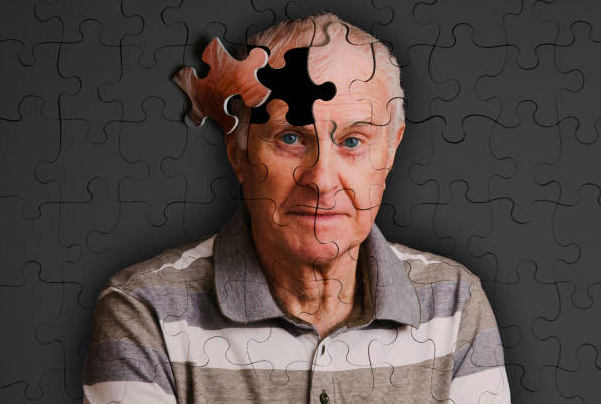
Best Starter Jigsaw Puzzles
Jigsaw puzzlesare easy to learn and fun for people of all ages. A relaxing hobby, a family activity, or a simple way to keep the mind active, they are even more enjoyable when the puzzle has the right piece count and a clear, colorful picture.
Below are the 20 best easy jigsaw puzzles for beginners, from chunky puzzles for toddlers to 500-piece options for adults. The list includes popular picks from trusted brands like Ravensburger, White Mountain, Melissa & Doug, Buffalo Games, and more. It also explains how to choose the right piece count, organize puzzle pieces, and use simple tips to complete puzzles with confidence.
1. Ravensburger My First Travel Far Puzzle (2-5 Pieces)
Best for:Toddlers and first-time puzzlers
Piece count:2-5 pieces
Difficulty:Very Easy
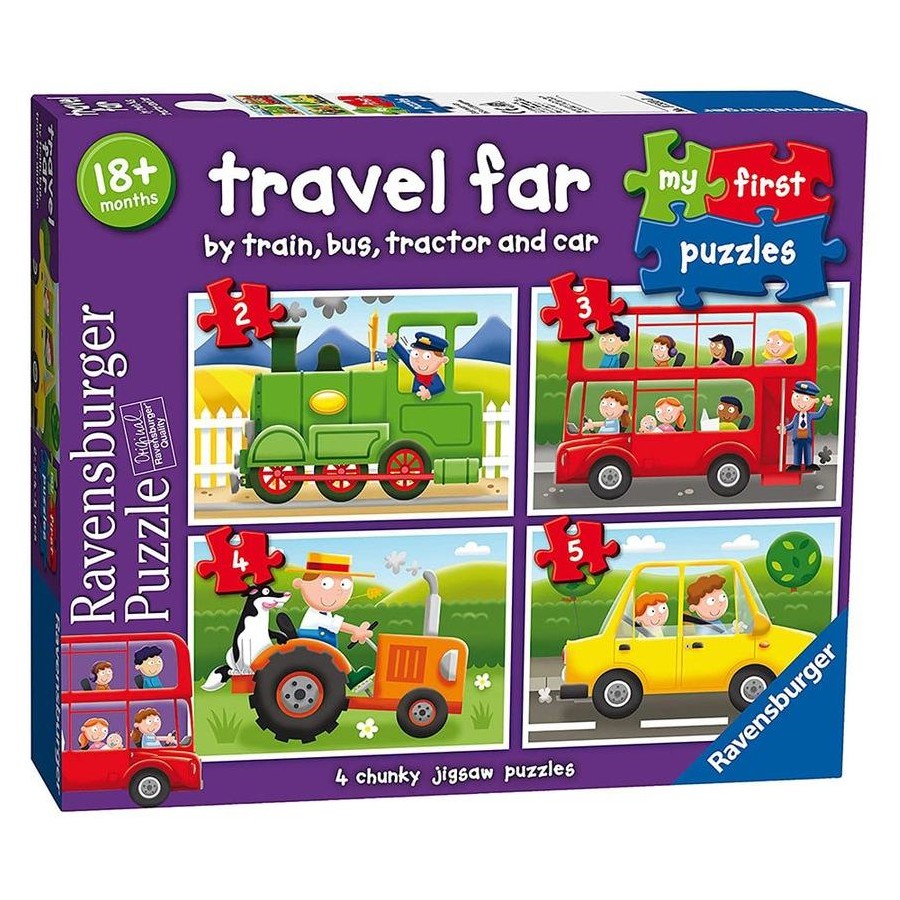
The Ravensburger My First Travel Far Puzzleis a great starting point for young children who are new to jigsaw puzzles. It includes four mini puzzles with 2, 3, 4, and 5 pieces, allowing children to learn one step at a time. The colorful vehicle illustrations and large pieces make matching simple and enjoyable.
Each puzzle is designed with clear pictures and sturdy pieces that are easy for small hands to hold. Besides introducing basic puzzle skills, it also helps develop hand-eye coordination, shape recognition, and early problem-solving in a fun and relaxed way.
2. Pomegranate Charley Harper - The World Of Birds
Best for:Art lovers and beginner bird enthusiasts
Piece count:300 pieces
Difficulty:Easy
The Pomegranate Charley Harper - The World of Birds puzzle features the artist's distinctive modern illustrations of birds from around the world. The simple shapes, bold colors, and clean design make the image easy to follow while creating an attractive finished puzzle.
Its 300-piece count is suitable for beginners looking for something different from traditional puzzle artwork. The combination of art and nature makes it a relaxing puzzle that is both enjoyable to build and beautiful to display afterward.
3. Buffalo Games Cats Selfies
Best for:Cat lovers and beginner puzzlers
Piece count:300 pieces
Difficulty:Easy
The Buffalo Games Cats Selfies puzzle combines a playful theme with an easy-to-build design. The image features funny cats posing for selfies, each with different expressions, colors, and accessories that make the puzzle interesting from start to finish.
The variety of colors and small details helps beginners sort pieces into clear sections without much difficulty. Its 300-piece count provides a comfortable challenge while keeping the experience fun and relaxing for all ages.
4. Melissa & Doug Farm Animals Chunky Wooden Puzzle
Best for:Toddlers and preschoolers
Piece count:8 pieces
Difficulty:Very Easy
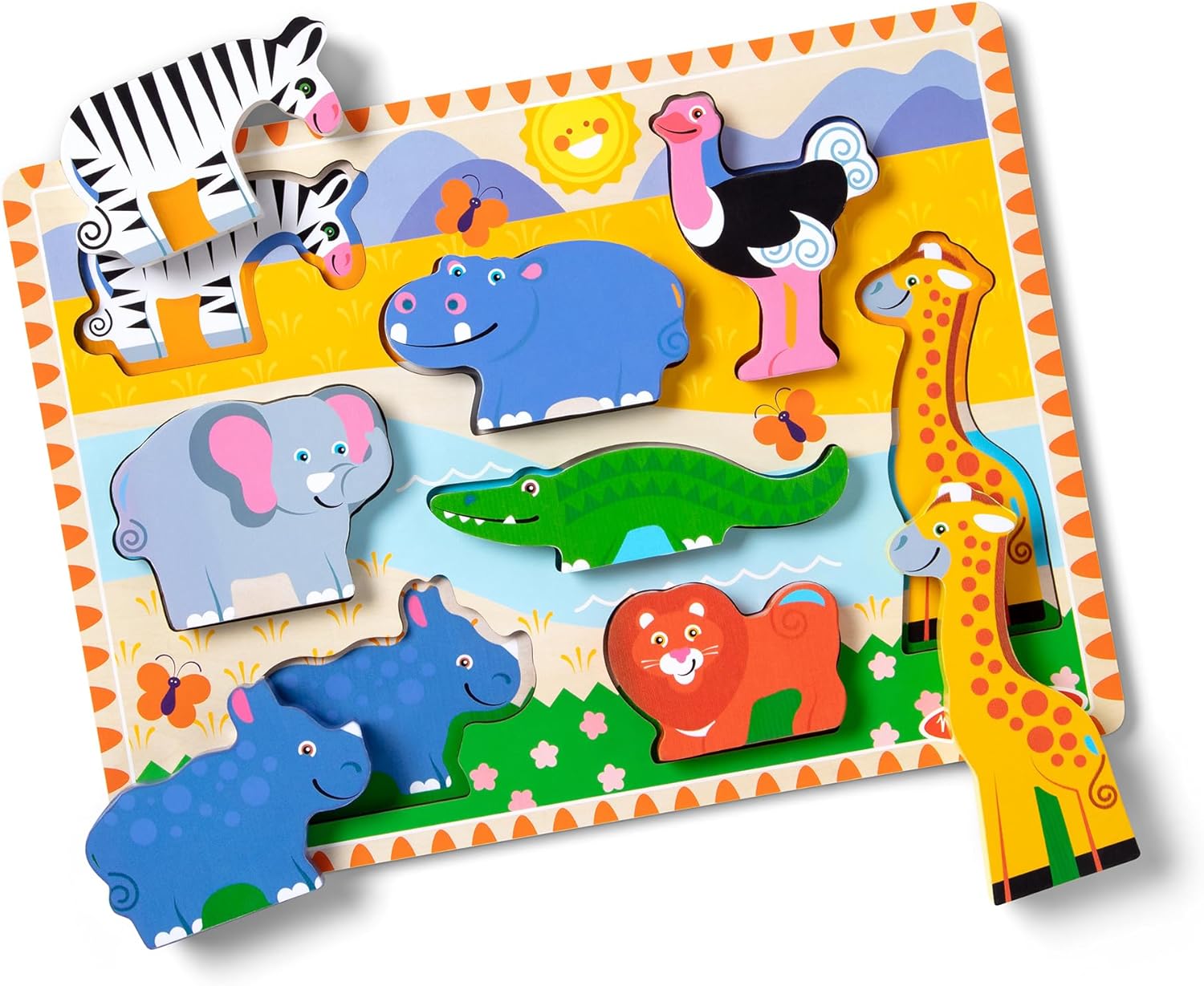
TheMelissa & Doug Farm Animals Chunky Wooden Puzzleis designed for young children who are just beginning to solve puzzles. Its thick wooden pieces are easy to pick up and fit neatly into matching spaces, helping children complete the puzzle with little assistance.
The colorful farm animals make learning more enjoyable while encouraging shape recognition and fine motor skills. Its sturdy wooden construction is built for everyday play, making it a popular choice for homes, preschools, and daycare centers. It also pairs well with other top puzzle games for kidsthat encourage learning through fun, hands-on activities.
5. Buffalo Games Darrell Bush - Canoe Lake
Best for:Nature lovers and first-time adult puzzlers
Piece count:300 pieces
Difficulty:Easy
The Buffalo Games Darrell Bush - Canoe Lake puzzle features a serene outdoor scene with a canoe, tranquil water, lush trees, wildlife, and vibrant reflections. The detailed artwork creates a relaxing and enjoyable puzzle that doesn't feel too challenging for beginners.
The picture includes many natural colors and distinct objects that make sorting pieces much easier than puzzles with large areas of the same color. It is a great choice for anyone looking for a calm and rewarding puzzling experience.
6. Cobble Hill Rainbow Collection
Best for:Beginners who enjoy colorful collage puzzles
Piece count:500 pieces
Difficulty:Easy
The Cobble Hill Rainbow Collection puzzle is a colorful collage that groups different objects by color, making it easier for beginners to organize and complete. Each section has its own distinct shades, allowing puzzlers to work on one area before moving to the next.
Its 500-piece count offers a slightly bigger challenge while still being suitable for beginners. The high-quality printing and unique random-cut pieces also make the puzzle more enjoyable without adding unnecessary difficulty.
7. White Mountain Farm Animals
Best for:Families and adult beginners
Piece count:300 pieces
Difficulty:Easy
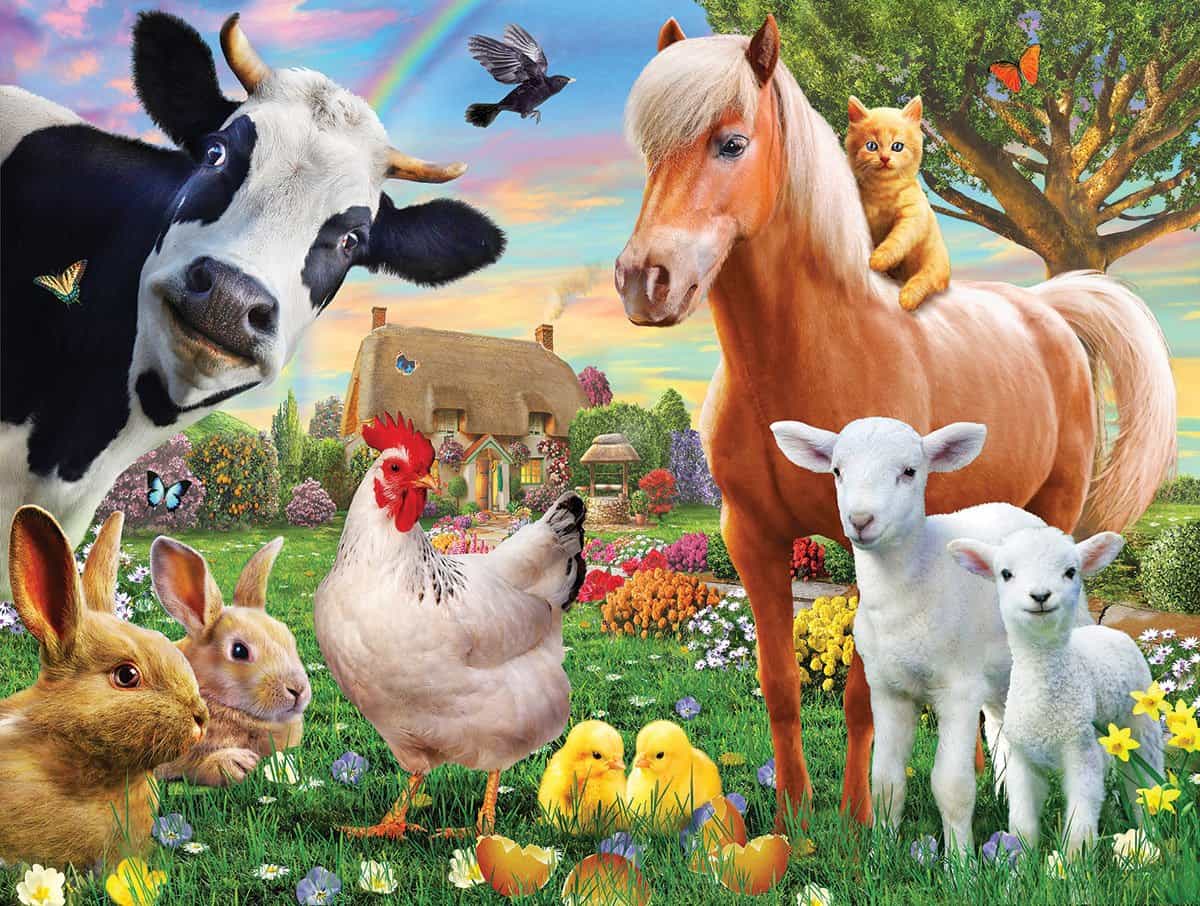
The White Mountain Farm Animals puzzle is a beginner-friendly option that offers just the right balance of fun and challenge. The colorful farm scene includes animals, barns, trees, and countryside details that naturally divide the picture into smaller sections, making it easier to sort pieces.
With 300 large pieces and a clear image, beginners can work through the puzzle without feeling overwhelmed. It is an excellent choice for families, older children, seniors, and adults looking for a relaxing first jigsaw puzzle.
8. Galison World Of Birds
Best for:Wildlife enthusiasts and beginners
Piece count:500 pieces
Difficulty:Easy
The Galison World of Birds puzzle features colorful bird illustrations from different parts of the world. The detailed artwork and variety of colors help beginners sort pieces more easily while creating an attractive finished picture.
Its 500-piece count offers a balanced challenge for beginners who have completed a few smaller puzzles. The high-quality printing and sturdy pieces also make it a satisfying choice for bird lovers and families.
9. Mudpuppy Forest Friends Floor Puzzle
Best for:Preschoolers
Piece count:70 pieces
Difficulty:Very Easy
The Mudpuppy Forest Friends Floor Puzzle is designed especially for preschoolers who enjoy large floor puzzles. It features friendly woodland animals in a colorful forest scene with oversized pieces that are easy for young children to handle.
The finished puzzle is large enough to build on the floor, making it more interactive than traditional tabletop puzzles. Its bright artwork and sturdy pieces encourage independent play while helping children develop coordination and matching skills.
10. White Mountain Dinosaurs
Best for:Children and dinosaur fans
Piece count:300 pieces
Difficulty:Easy
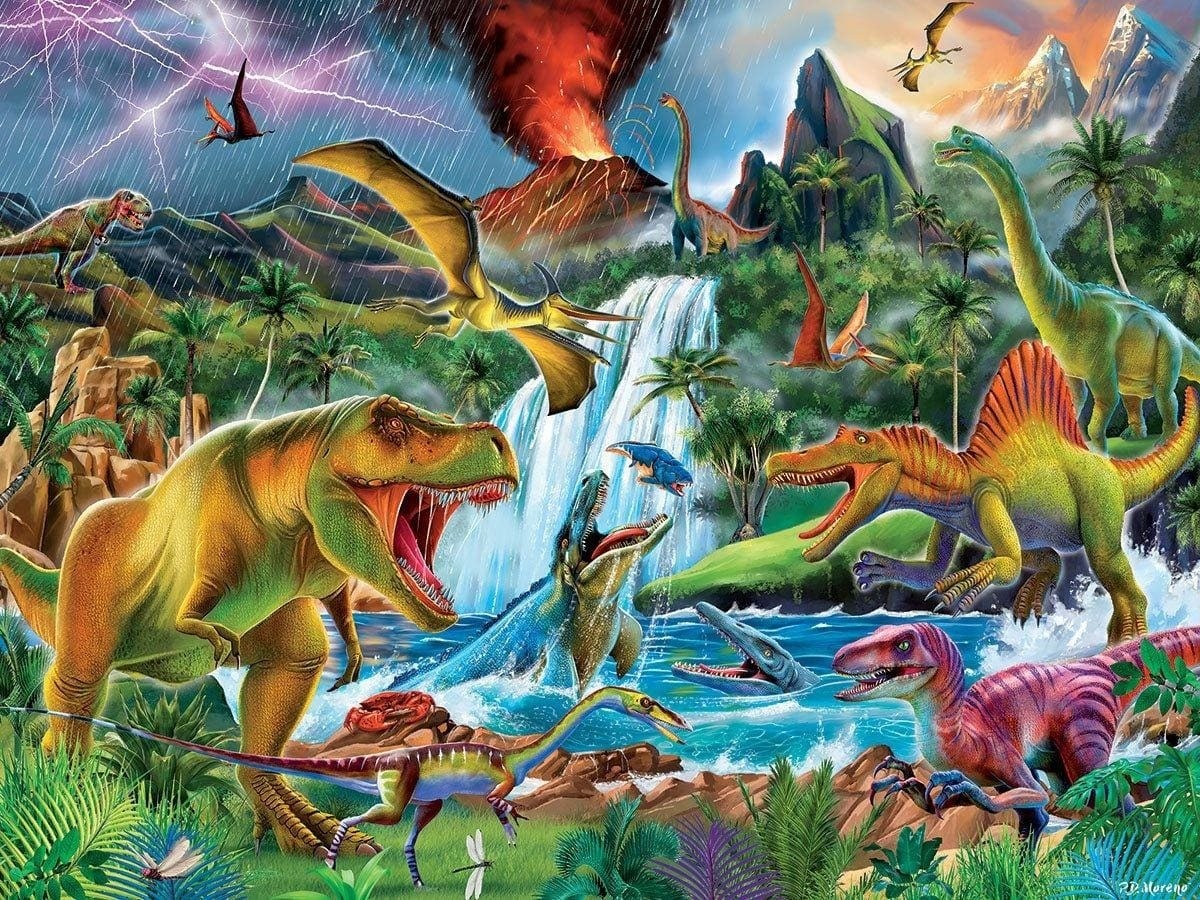
The White Mountain Dinosaurs puzzle is a fun choice for children and families who enjoy prehistoric adventures. It features brightly colored dinosaurs surrounded by trees, mountains, and water, creating a picture with plenty of different shapes and colors.
The detailed artwork makes it easier to group similar pieces and complete one section at a time. With 300 large pieces, it offers enough challenge to keep beginners engaged without becoming too difficult.
11. EeBoo Life On Earth
Best for:Young children and family puzzle time
Piece count:100 pieces
Difficulty:Very Easy
The eeBoo Life on Earth puzzle is a colorful introduction to jigsaw puzzles for young children. It features animals, plants, and nature in bright, easy-to-recognize illustrations that keep children interested while making it simple to identify matching pieces.
With 100 large pieces, it offers just enough challenge for beginners without becoming difficult. It is a great choice for family puzzle sessions and helps children improve observation, concentration, and problem-solving skills while having fun.
12. MasterPieces Audubon Birds
Best for:Bird lovers and beginner adults
Piece count:300 pieces
Difficulty:Easy
The MasterPieces Audubon Birds puzzle is a great choice for beginners who enjoy birds and nature. It features beautifully illustrated bird species surrounded by natural scenery, creating a colorful image with plenty of details to help separate puzzle pieces.
The 300-piece count provides a comfortable challenge without feeling overwhelming. It is ideal for adults, seniors, and families looking for a relaxing puzzle that combines entertainment with an appreciation for wildlife.
13. White Mountain Travel The World
Best for:Adults who enjoy travel-themed puzzles
Piece count:500 pieces
Difficulty:Easy
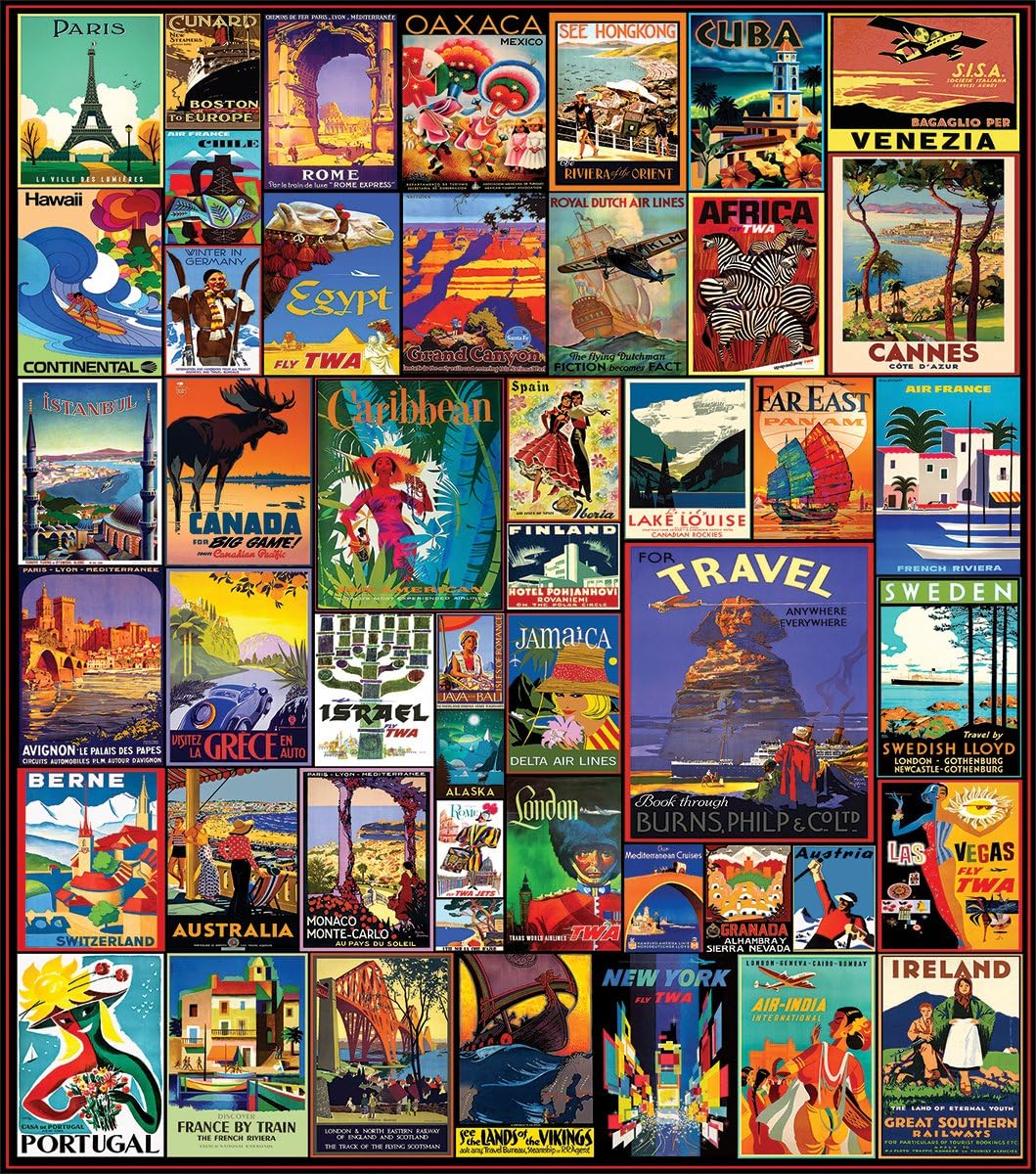
The White Mountain Travel the World puzzle is a great introduction to 500-piece puzzles for beginners and is an excellent choice for anyone who enjoys adventure puzzle gameswith travel-inspired themes. It features colorful vintage travel posters from destinations around the world, creating a collage with many different pictures instead of one large scene.
The separate poster designs make sorting pieces much easier because each section has its own colors and patterns. This helps beginners stay organized while enjoying a relaxing puzzle inspired by famous travel destinations.
14. Ravensburger Circle Of Colors: Animals
Best for:Adults looking for a relaxing challenge
Piece count:500 pieces
Difficulty:Easy to Moderate
The Ravensburger Circle of Colors: Animals puzzle features a unique circular design filled with colorful animals arranged in a rainbow pattern. The bold colors and detailed illustrations create clear sections that make it easier to organize pieces during assembly.
Although it has 500 pieces, the distinct color groups make it suitable for confident beginners ready for a slightly bigger challenge. Ravensburger's high-quality pieces fit together smoothly, making the puzzle enjoyable from beginning to end.
15. Springbok Fruit Platter
Best for:Adults who enjoy bright, colorful images
Piece count:500 pieces
Difficulty:Easy
The Springbok Fruit Platter puzzle is filled with colorful fruits arranged in a bright and detailed display. The different shapes, colors, and textures make it much easier to identify matching pieces than puzzles with large areas of similar colors.
With 500 pieces, it is suitable for beginners who want a relaxing challenge without feeling overwhelmed. Springbok's unique piece shapes also add variety while keeping the puzzle enjoyable and easy to complete.
16. White Mountain Old Candy Store
Best for:Beginners ready for their first large puzzle
Piece count:1,000 pieces
Difficulty:Easy to Moderate
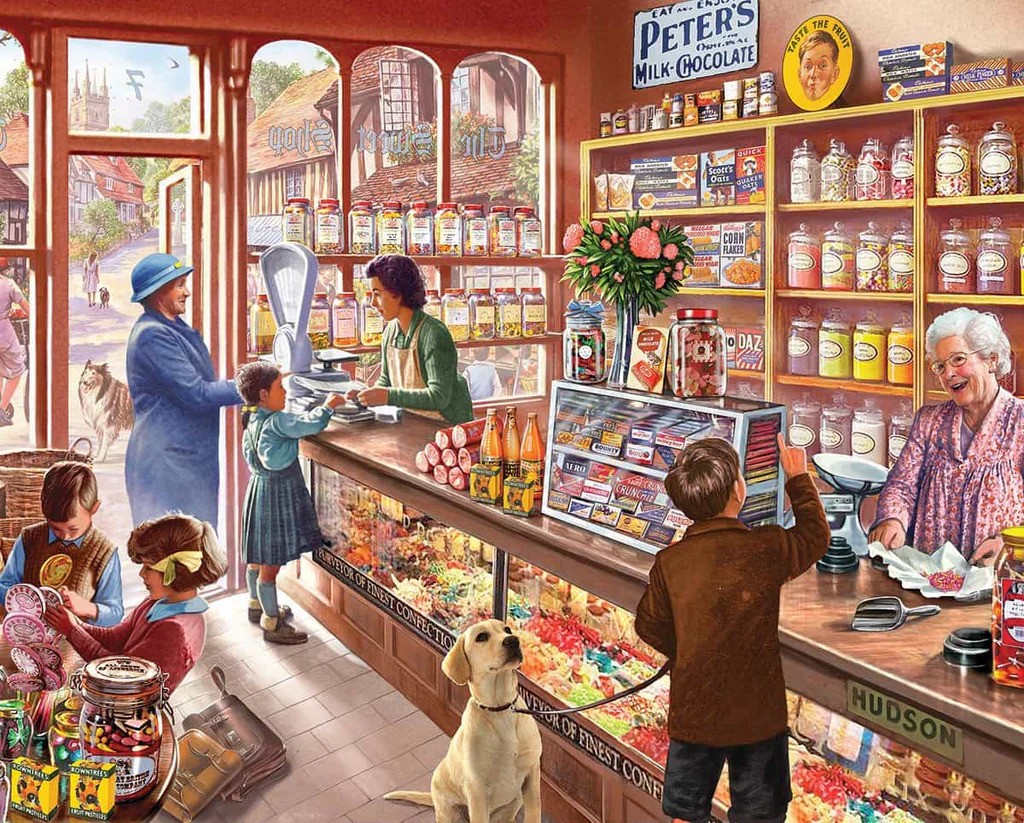
The White Mountain Old Candy Store puzzle is one of the easiest 1,000-piece puzzles for beginners, thanks to its colorful collage design. It features vintage candy wrappers, sweets, and classic shop displays, giving every section of the puzzle its own unique look.
Instead of searching through hundreds of similar pieces, beginners can focus on one small section at a time. This makes the puzzle feel much more manageable and is a great way to move up to a larger piece count.
17. Eurographics Solar System
Best for:Educational learning and families
Piece count:300 pieces
Difficulty:Easy
The Eurographics Solar System puzzle is a fun way to combine learning with entertainment. It features the planets, the Sun, and other space objects in bright, detailed illustrations that are easy to recognize, making it an excellent choice for children and families.
The colorful design helps beginners sort pieces into smaller sections while learning about the solar system as they build. With 300 pieces, it provides a comfortable challenge that encourages problem-solving, observation, and curiosity about space.
18. Springbok Books Brought To Life
Best for:Book lovers and casual puzzlers
Piece count:500 pieces
Difficulty:Easy
The Springbok Books Brought to Life puzzle is a great choice for readers and anyone who enjoys colorful bookshelf scenes. The image is filled with books, decorations, and small details that naturally divide the puzzle into manageable sections.
Its 500-piece count makes it suitable for beginners who are ready to move beyond smaller puzzles. The detailed artwork keeps the puzzle interesting while making it easier to organize pieces by color and object.
19. Ceaco Thomas Kinkade Disney: Mickey And Minnie Sweetheart Cove
Best for:Disney fans and families
Piece count:300 pieces
Difficulty:Easy
The Ceaco Thomas Kinkade Disney: Mickey and Minnie Sweetheart Cove puzzle combines Disney characters with Thomas Kinkade's colorful artwork. The bright scene features Mickey and Minnie surrounded by beautiful scenery, creating a fun puzzle for both children and adults.
With 300 pieces, it is easy enough for beginners while still offering a satisfying challenge. The colorful illustration provides plenty of visual clues, making it easier to sort pieces and complete the puzzle without frustration.
20. Gibsons Woodland Walk
Best for:Adults who enjoy peaceful countryside scenes
Piece count:500 pieces
Difficulty:Easy
The Gibsons Woodland Walk puzzle captures the beauty of a peaceful countryside path surrounded by trees, flowers, and wildlife. The natural colors and detailed landscape create a relaxing puzzle that is enjoyable for beginners and experienced puzzlers alike.
Its 500-piece count offers a gentle challenge, while the varied scenery helps separate pieces into smaller sections. The high-quality pieces and attractive artwork make it an excellent choice for quiet evenings or family puzzle time.
How To Choose An Easy Jigsaw Puzzle
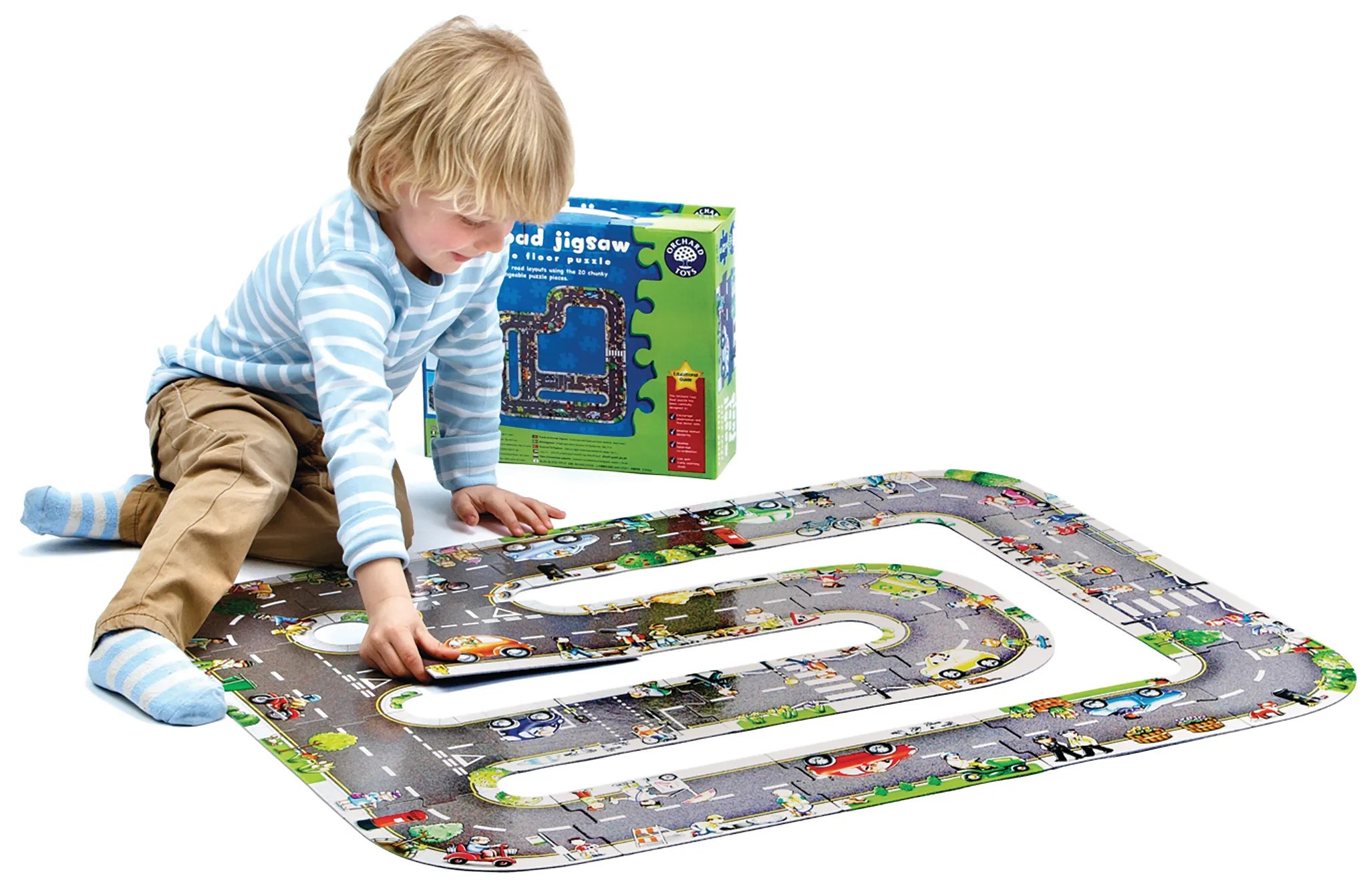
Not every puzzle labeled "easy" is suitable for beginners. Choosing the right piece count, image, and puzzle quality can make the experience much more enjoyable.
1. Consider The Piece Count
The number of pieces is one of the biggest factors that affect a puzzle's difficulty. While fewer pieces usually mean an easier puzzle, the image and puzzle design also play an important role.
As a general guide:
- 2-20 pieces:Toddlers and young children
- 50-100 pieces:Preschoolers and early beginners
- 100-300 pieces:Older children and families
- 300-500 pieces:Adult beginners
- 1,000 pieces:Beginners looking for a bigger challenge
Starting with a lower piece count helps build confidence before moving on to larger puzzles
2. Look For Large Puzzle Pieces
Large pieces are easier to pick up, turn, and connect, making them ideal for beginners, young children, seniors, and anyone with limited hand mobility. Thick, sturdy pieces also make puzzles more comfortable to complete.
3. Choose A Simple, Colorful Image
Images with bright colors, clear objects, and distinct sections are easier to assemble. Avoid puzzles with large areas of the same color, such as blue skies, oceans, snow, or repeating patterns, as they can be more difficult for beginners.
4. Choose A High-Quality Puzzle
A well-made puzzle is easier to complete because the pieces fit together properly and last longer. High-quality puzzles also reduce frustration caused by bent pieces or poor printing. Look for features such as:
- Thick cardboard pieces
- Precision-cut shapes
- Matte or linen finishes to reduce glare
- Minimal puzzle dust
- Strong storage boxes
- Reference posters for easier assembly
5. Pick A Theme That Interests You
Choosing a puzzle with a picture you enjoy makes the experience more fun and keeps motivation high. Popular beginner themes include animals, nature, flowers, travel, cities, vehicles, candy shops, and famous landmarks.
Why Easy Jigsaw Puzzles Are Great For Beginners
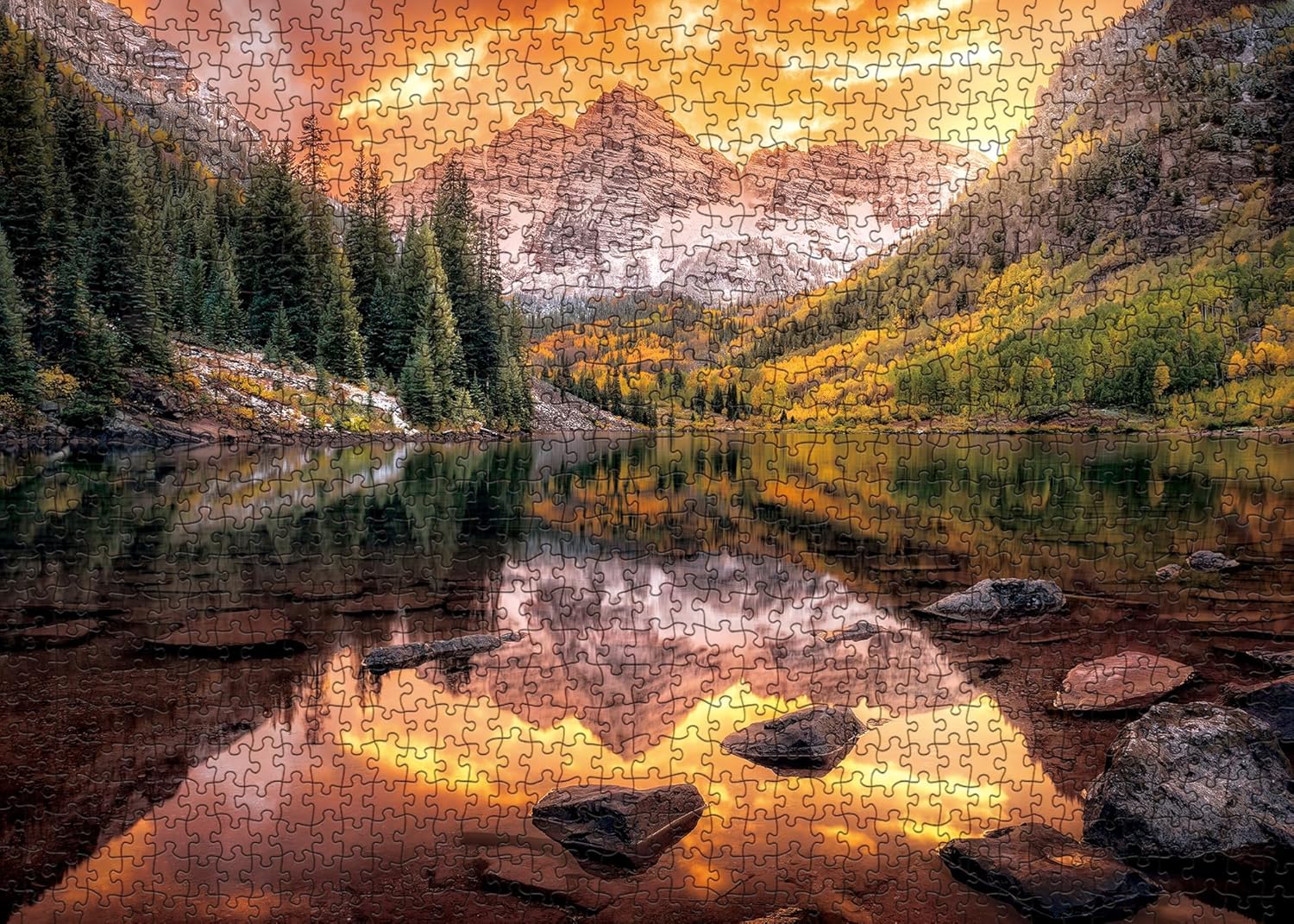
Easy jigsaw puzzles help beginners learn without feeling overwhelmed. They usually have fewer pieces, clear images, and larger puzzle pieces, making them easier and more enjoyable to complete than advanced puzzles.
Learn Basic Puzzle Skills
Starting with an easy puzzle helps beginners develop important skills such as sorting pieces by color, finding edge pieces, recognizing patterns, and understanding how different shapes fit together. These skills make larger puzzles easier to complete over time.
Build Confidence
Completing a puzzle in a short amount of time gives beginners a sense of achievement. Small successes encourage confidence and make it easier to move on to more challenging puzzles.
Enjoy Time With Family And Friends
Easy puzzles are suitable for all ages, making them a fun activity for families, classrooms, and senior groups. Large pieces and simple images allow everyone to join in and enjoy the experience together.
Support Brain Health
Besides being fun, jigsaw puzzles can improve concentration, memory, problem-solving skills, and patience while helping reduce stress. These benefits are why jigsaw puzzles are often used in puzzle therapy applicationsthat support cognitive health and relaxation. Most importantly, enjoy the process and build confidence one puzzle at a time.
How To Solve A Jigsaw Puzzle: Step-by-Step Guide
Many beginners wonder if there's a "right" way to complete a puzzle. While everyone develops their own style over time, these simple steps make the process much easier.
Step 1: Prepare Your Workspace
Choose a large, flat surface where you can leave the puzzle undisturbed. Make sure the area is well-lit and has enough space for sorting pieces.
Step 2: Turn Every Piece Face Up
Seeing every piece makes it much easier to identify colors, patterns, and edge pieces. Avoid stacking pieces on top of one another.
Step 3: Separate The Edge Pieces
Look for pieces with one straight edge. These form the border of the puzzle and create a helpful framework for everything else.
Step 4: Build The Border
Assembling the outside edge first gives you a clear idea of the puzzle's size and helps narrow down where the remaining pieces belong.
Step 5: Sort By Color And Pattern
Group pieces into categories such as:
- Sky
- Grass
- Buildings
- Animals
- Water
- Flowers
- Text
- Clothing
This makes finding matching pieces much easier.
Step 6: Complete Small Sections
Instead of trying to solve the entire puzzle at once, focus on one recognizable area.
For example:
- A red barn
- A yellow flower
- A person's face
- A tree
- A sign
- A colorful animal
Completing small sections creates momentum and provides useful reference points for surrounding pieces.
Step 7: Connect The Sections
Once several smaller sections are complete, gradually connect them until the image begins to take shape. This stage often feels much faster because you've already solved many of the most recognizable parts.
Step 8: Finish The Background
Leave the most repetitive sections, such as blue skies, grass, or water, until the end. By then, the surrounding pieces will provide helpful clues that make these areas easier to complete.
Step 9: Check For Missing Pieces
Before celebrating, inspect the finished puzzle to make sure every piece is properly connected. If a piece seems loose or doesn't align with the surrounding image, it may be a false fit that needs to be repositioned.
Common Beginner Mistakes To Avoid
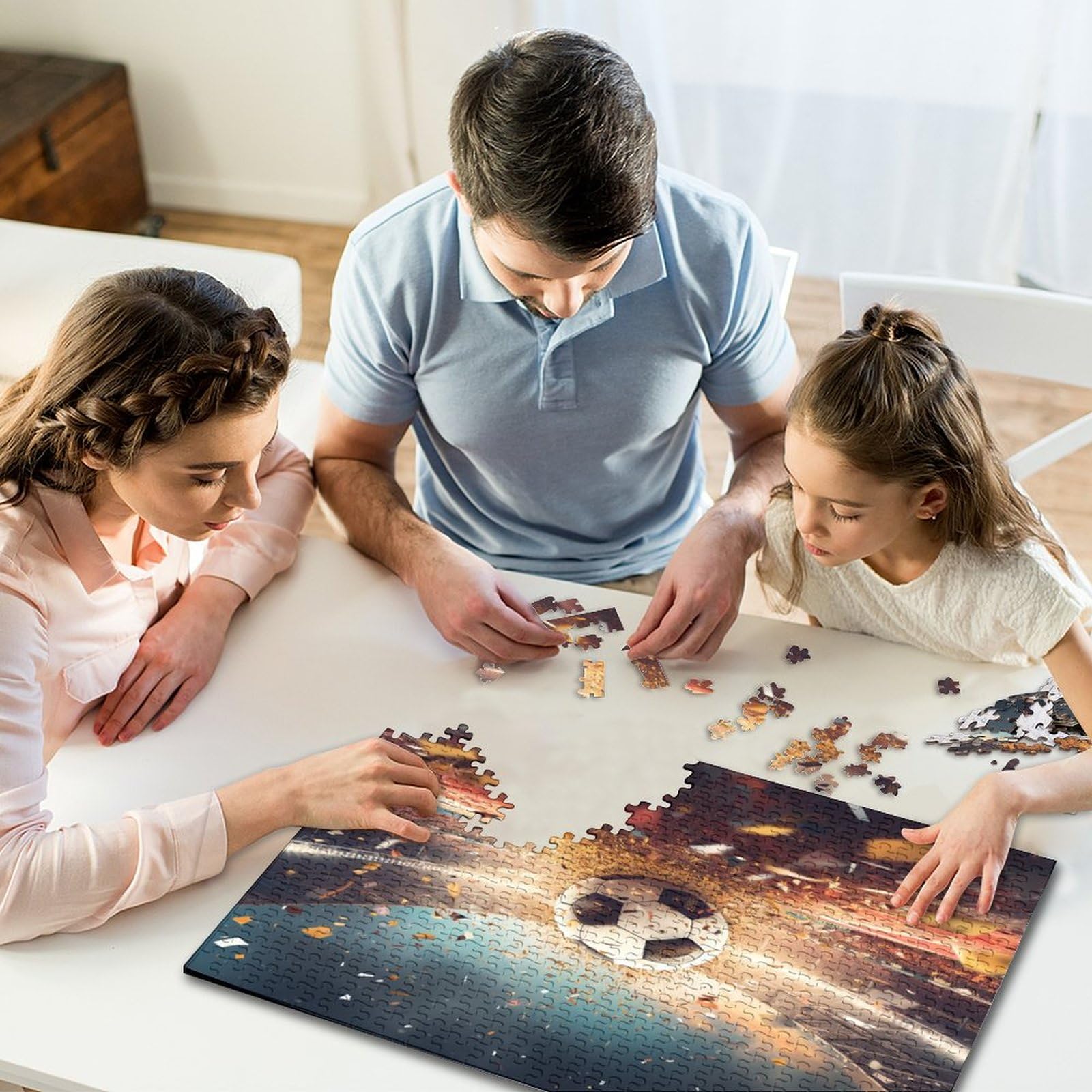
Every experienced puzzler started as a beginner, and almost everyone makes the same mistakes at first. Avoiding these common pitfalls will make your first puzzles much more enjoyable.
1. Choosing Too Many Pieces
Many beginners buy a 1,000-piece puzzle simply because it looks impressive. While there's nothing wrong with setting a challenge, starting with too many pieces often leads to frustration. Instead, begin with a 300-or 500-piece puzzle and gradually increase the difficulty as your confidence grows.
2. Ignoring The Picture
The image on the puzzle box is your best reference. Don't be afraid to use it throughout the process.
Many experienced puzzlers regularly compare their progress with the completed picture to identify where difficult sections belong.
3. Skipping The Sorting Step
Dumping every piece into one pile may seem faster, but it usually makes the puzzle harder. Spend a few minutes sorting pieces into groups such as:
- Edge pieces
- Corners
- Similar colors
- Distinct objects
- Patterns
- Background pieces
This simple habit saves time later.
4. Working In A Small Space
Trying to complete a puzzle on a crowded coffee table or desk quickly becomes frustrating. Choose a flat surface that's slightly larger than the completed puzzle, so you have room to sort pieces around the edges.
5. Forcing Pieces Together
If a piece doesn't fit naturally, it probably belongs somewhere else. Forcing pieces together can damage the puzzle and create "false fits," where pieces appear correct but actually belong elsewhere. Always let the pieces guide you.
6. Giving Up Too Quickly
Every puzzle has difficult sections. If you become stuck, take a short break or switch to another part of the image. Returning with fresh eyes often makes previously difficult sections much easier to solve.
Expert Tips For Faster Puzzle Solving
As you complete more puzzles, you'll naturally develop your own techniques. In the meantime, these expert tips can help improve both your speed and accuracy.
- Work on one section at a time instead of searching the entire puzzle.
- Rotate pieces frequently; sometimes the correct orientation isn't obvious at first glance.
- Compare colors under good lighting, as poor lighting can make similar shades look identical.
- Take short breaks when you feel stuck; a fresh perspective often reveals pieces you previously overlooked.
- Keep the puzzle box nearby for quick reference.
- Don't worry about speed. Accuracy and enjoyment matter far more than finishing quickly.
- Puzzle with friends or family if you enjoy collaboration. Sharing the task can make larger puzzles more manageable and add a social element to the experience.
People also ask
What is the best jigsaw puzzle for beginners?
The best jigsaw puzzle for beginners has a clear, colorful image, large or easy-to-handle pieces, and a manageable piece count. Popular beginner brands include Ravensburger, White Mountain, Melissa & Doug, Buffalo Games, and Cobble Hill.
What Puzzle Size Is Best For Beginners?
Start small. For adults or older kids new to puzzles, 100-500 pieces is a good range. Puzzles around 300 pieces often hit the sweet spot - they’re challenging yet manageable. Very young children should start with under 50 pieces and work up.
What is the best way to start a jigsaw puzzle?
Start by turning all the pieces face up and sorting them by color, pattern, or object. Build the border first, then complete small sections before connecting everything.
Do jigsaw puzzles help the brain?
Yes. Jigsaw puzzles can improve concentration, memory, visual recognition, problem-solving skills, and patience. They also provide a relaxing, screen-free activity that many people find calming.
Are jigsaw puzzles good for children?
Yes. Age-appropriate jigsaw puzzles help children develop fine motor skills, hand-eye coordination, concentration, and problem-solving abilities while encouraging independent learning through play.
Final Thoughts
The best way to enjoy jigsaw puzzles is to start with one that matches your skill level. A simple design, clear image, and manageable piece count can make the experience more fun and help build confidence for bigger challenges.
Choose a puzzle that interests you, enjoy the process, and have fun putting every piece together.
Jump to
Best Starter Jigsaw Puzzles
1. Ravensburger My First Travel Far Puzzle (2-5 Pieces)
2. Pomegranate Charley Harper - The World Of Birds
3. Buffalo Games Cats Selfies
4. Melissa & Doug Farm Animals Chunky Wooden Puzzle
5. Buffalo Games Darrell Bush - Canoe Lake
6. Cobble Hill Rainbow Collection
7. White Mountain Farm Animals
8. Galison World Of Birds
9. Mudpuppy Forest Friends Floor Puzzle
10. White Mountain Dinosaurs
11. EeBoo Life On Earth
12. MasterPieces Audubon Birds
13. White Mountain Travel The World
14. Ravensburger Circle Of Colors: Animals
15. Springbok Fruit Platter
16. White Mountain Old Candy Store
17. Eurographics Solar System
18. Springbok Books Brought To Life
19. Ceaco Thomas Kinkade Disney: Mickey And Minnie Sweetheart Cove
20. Gibsons Woodland Walk
How To Choose An Easy Jigsaw Puzzle
Why Easy Jigsaw Puzzles Are Great For Beginners
How To Solve A Jigsaw Puzzle: Step-by-Step Guide
Common Beginner Mistakes To Avoid
Expert Tips For Faster Puzzle Solving
People also ask
Final Thoughts
Latest Articles
Popular Articles