How To Pick The Best Limited Edition Art Puzzles
Choosing limited edition art puzzles? Learn what to consider—style, size, rarity, and value—to find the perfect piece for your collection or wall.
Mar 21, 202516.5K Shares223.4K Views
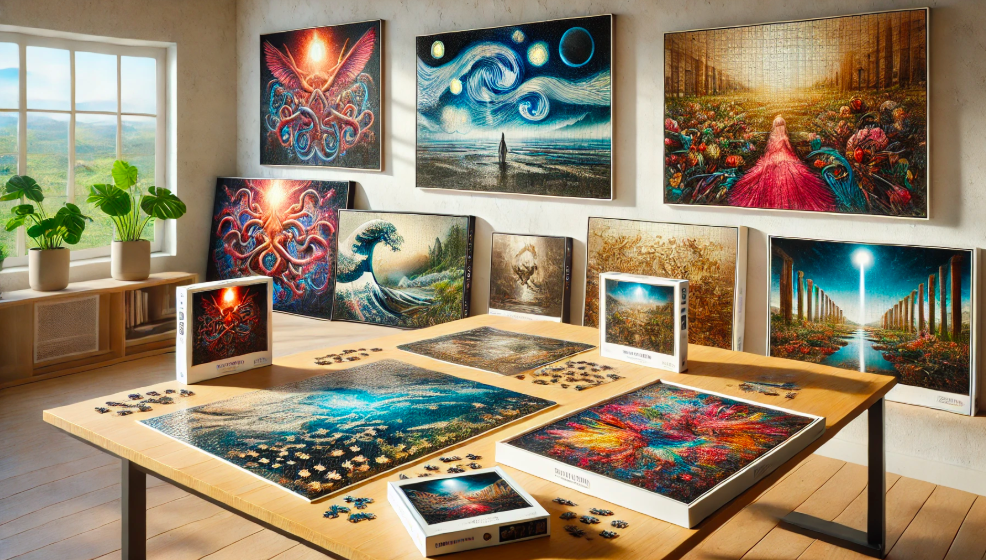
Art puzzles are becoming more popular around the world. Many people are now enjoying puzzles that feature artwork from famous painters and modern designers. These puzzles are not just fun to solve—they also look beautiful when finished. Some are even made in limited editions, which makes them valuable to collectors. People buy them not only for entertainment but also to display them as art. This trend is growing among art lovers, collectors, and those who enjoy relaxing, mindful games. As more people look for activities that are both calming and creative, art puzzles are becoming a top choice.
What Are Limited Edition Art Puzzles?
Limited edition artpuzzles are made in small, exclusive batches. Each puzzle in the series is usually marked with a number, such as 1 of 500, showing that only a few sets exist. These puzzles often feature artwork that is not used in other puzzle collections. The designs may come from well-known artists or special collaborations. Unlike regular puzzles that are mass-produced and sold in large quantities, limited edition puzzles are harder to find and are not restocked once they sell out. This makes them more valuable over time, especially for collectors. People often keep them in good condition or even frame them, because they are seen as both a game and a piece of art.
Why Collectors And Art Enthusiasts Love Them
Collectors and art lovers are drawn to limited edition artpuzzles because they offer a special way to connect with artwork. Building a puzzle piece by piece helps people slow down and enjoy the details of a painting or design. It turns the process of solving into a calm, creative experience. Many puzzles feature artwork that is bold, detailed, and carefully chosen, making the final result feel like a small masterpiece. Once finished, these puzzles are often glued and framed because they look good enough to hang on a wall. For many collectors, they are more than just games—they are personal art pieces that bring joy both during and after the puzzle is complete.
Types Of Art Featured In Limited Edition Puzzles
Limited edition puzzles offer a diverse range of art styles, transforming notable artworks into engaging jigsaw experiences. Here are some prominent genres featured:
Modern Art: Contemporary creations by artists like Rachel Perry have been transformed into limited edition puzzles, offering enthusiasts a chance to engage with current artistic expressions.
Fine Art: Classic masterpieces are frequently adapted into puzzles. For instance, Wentworth Puzzles offers a collection that spans movements such as Post-Impressionism, Impressionism, Japanese art, and the Renaissance, allowing puzzlers to piece together iconic works.
Photography: Renowned photographers like Steven Meisel have seen their works transformed into limited edition puzzles. His photograph of model Meghan Collison, first published in Vogue Italia's December 2007 issue, was produced as a 1000-piece puzzle, merging fashion photography with the tactile challenge of puzzling.
Surrealism: The dreamlike and imaginative qualities of surrealism make it a popular choice for puzzles. Collaborations with contemporary artists have resulted in puzzles that challenge traditional perceptions, offering puzzlers a chance to reconstruct fantastical scenes.
Minimalism: While less common, minimalist art has been featured in puzzles, providing a unique challenge. The simplicity and subtlety of minimalist designs require keen attention to detail, making the assembly process both meditative and demanding.
The Making Of A Limited Edition Puzzle
Creating a limited edition puzzle is a meticulous process that combines artistic collaboration, superior materials, and precise craftsmanship to produce a premium, artisanal product. Here's an overview of the key steps involved:
Artist Collaboration: The journey begins by partnering with artists to select or create artwork suitable for a puzzle. This collaboration ensures that the final product reflects the artist's vision and meets the aesthetic standards desired for the puzzle.
Design: Once the artwork is chosen, designers adapt it for the puzzle format. This involves determining the appropriate piece count and layout to balance visual appeal and challenge. Attention is given to color distribution and intricate details to enhance the puzzling experience.
Print Quality: High-quality printing is crucial for capturing the artwork's essence. Utilizing advanced printing techniques ensures vibrant colors and sharp details. Some manufacturers, like Artifact Puzzles, use soy-based inks on 1/4" thick, high-quality 3-ply plywood, combining environmental friendliness with durability.
Puzzle Cut: Precision in cutting is vital for a seamless fit and satisfying assembly. Traditional methods involve hand-cutting each piece, while modern techniques may use laser cutting for accuracy. For example, Wentworth Wooden Puzzles employs laser-cutting methods to produce intricate designs with unique "whimsy" pieces that reflect the puzzle's theme.
Materials: Premium puzzles often use high-end materials like wood to ensure durability and a luxurious feel. Companies such as Stave Puzzles craft their products from cherry-backed, five-layered, 1/4-inch wood, resulting in heirloom-quality puzzles.
Finishes: To enhance both aesthetics and usability, puzzles may feature matte finishes that reduce glare and provide a tactile, refined touch. This attention to detail elevates the overall puzzling experience.
Packaging: The final product is presented in custom boxes that reflect the puzzle's premium nature. Thoughtful packaging not only protects the puzzle but also adds to its visual appeal. For instance, Wentworth Wooden Puzzles package their products in cloth bags within sturdy boxes made from recycled materials, emphasizing both elegance and sustainability.
Top Brands And Artists Offering Limited Edition Puzzles
Several notable brands and artists offer limited edition puzzles that combine art and craftsmanship. Here are a few examples:
Stave Puzzles: Renowned for their handcrafted wooden puzzles, Stave Puzzles offers limited edition designs such as "Sword In The Stone" and "Atlantis." These puzzles are known for their intricate craftsmanship and unique themes.
Eric Dowdle: An American folk artist, Eric Dowdle creates puzzles featuring his own artwork. His designs often depict vibrant scenes of American life and landmarks, offering a unique perspective on various locales.
Josephine Wall: An English fantasy artist, Josephine Wall's intricate and dreamlike paintings have been transformed into limited edition puzzles. Her work is characterized by rich imagery and imaginative themes.
Charles Wysocki: Known for his nostalgic portrayals of early American life, Charles Wysocki's artwork has been featured in limited edition puzzles. His pieces often depict quaint village scenes and Americana themes.
How To Choose The Right Limited Edition Puzzle
Selecting the right limited edition puzzle involves considering several factors to ensure it aligns with your interests and goals. Here are key aspects to guide your choice:
1. Size and Piece Count: Determine the puzzle's dimensions and number of pieces. Larger puzzles with more pieces offer a greater challenge and can be more rewarding, but they also require more time and space.
2. Art Style: Choose a puzzle featuring artwork that appeals to you. Limited edition puzzles often showcase unique or commissioned art, making them special additions to a collection.
3. Difficulty Level: Assess the puzzle's complexity. Some puzzles are designed with unique challenges, such as pieces that fit in multiple places, adding to the difficulty.
4. Edition Size and Rarity: Limited edition puzzles are produced in restricted quantities, enhancing their exclusivity. For example, some puzzles may be part of a limited run of 50 or 100 units. A smaller edition size can increase the puzzle's value over time.
5. Resale Potential: If considering the puzzle as an investment, research its potential resale value. Factors like brand reputation, edition size, and demand influence this. However, not all limited edition puzzles become valuable collectibles.
6. Personal Preference vs. Collector Mindset: Reflect on your primary motivation. Are you purchasing for personal enjoyment or as a collector's item? This will influence your choices regarding art style, difficulty, and edition size.
Displaying Or Preserving Your Finished Puzzle
Completing a jigsaw puzzle can be a rewarding experience, and preserving or displaying your finished work allows you to enjoy it beyond the assembly process. Here are some methods to consider:
1. Framing Your Puzzle
Framing is a popular way to showcase a completed puzzle as wall art. Here's how you can do it:
- Preparation: Begin by ensuring your puzzle is intact and free of debris.
- Adhesion: Apply a thin layer of puzzle glue to the front surface to hold the pieces together. Products like Mod Podge are commonly used for this purpose. Allow it to dry completely.
- Mounting: Once dry, mount the puzzle onto a backing board cut to its dimensions. This provides stability and makes framing easier.
- Framing: Place the mounted puzzle into a frame that matches its size. Ensure the frame has the appropriate depth to accommodate the puzzle's thickness.
2. Using Puzzle Glue
If framing isn't your preference, you can still preserve your puzzle using glue:
- Application: Carefully slide wax paper or parchment paper under the completed puzzle to protect the surface beneath. Apply puzzle glue evenly across the front, ensuring it seeps into the gaps between pieces.
- Drying: Allow the glue to dry thoroughly, which will solidify the puzzle into a single piece.
- Display: With the puzzle now sturdy, you can display it on an easel, shelf, or wall without additional support.
3. Preserving Without Glue
For those who wish to keep the puzzle intact without using adhesives:
- Backing: Carefully flip the completed puzzle over onto a flat surface. Apply strips of strong adhesive tape, such as packing tape, across the back to hold the pieces together.
- Support: Attach the secured puzzle to a piece of foam board or cardboard for added stability.
- Hanging: Use removable adhesive strips to mount the puzzle on the wall, avoiding potential damage from nails or screws.
4. Storing as a Collectible
If you prefer to store the puzzle for future enjoyment:
- Disassembly: Carefully break down the puzzle, keeping the pieces intact.
- Storage: Place the pieces in a sealable plastic bag to prevent loss and protect them from moisture.
- Boxing: Return the bagged pieces to the original box or a sturdy container, storing it in a cool, dry place to maintain the puzzle's condition.
The Investment Side: Do Limited Edition Puzzles Gain Value?
Investing in limited edition puzzles can be intriguing, but their potential to appreciate in value varies. Several factors influence a puzzle's future worth:
1. Brand and Manufacturer
Puzzles from renowned brands often hold or increase their value over time. For instance, Stave's handmade wooden puzzles are famous for their intricate designs and durable craftsmanship, making them highly prized among collectors.
2. Rarity and Edition Size
The scarcity of a puzzle significantly impacts its value. Limited production runs or unique designs can make certain puzzles more desirable. For example, Waddingtons' limited edition Christmas jigsaw puzzles, produced annually between 1994 and 2007, have become highly collectible due to their limited availability.
3. Condition and Completeness
The puzzle's condition is crucial. Collectors seek puzzles that are complete and well-preserved. Missing pieces or damaged boxes can significantly decrease a puzzle's value. As noted in discussions among enthusiasts, serious collectors typically avoid puzzles with missing pieces, emphasizing the importance of completeness.
4. Market Demand
The popularity of certain themes or artworks can drive up a puzzle's value. Puzzles featuring iconic images or collaborations with famous artists may attract more interest, influencing their resale potential.
It's important to note that not all limited edition puzzles appreciate in value. While some become sought-after collectibles, others may not see significant changes in worth. Factors such as brand reputation, rarity, condition, and market demand all play pivotal roles in determining a puzzle's investment potential.
🧩 FAQs For "Limited Edition Art Puzzles"
What Makes A Puzzle “limited Edition”?
A "limited edition" puzzle is produced in a restricted quantity, enhancing its exclusivity and appeal to collectors. This concept is common in art and collectibles, where items are made in small numbers to increase their value. For example, Stave Puzzles offers limited edition designs, each undergoing months of creation to ensure a masterpiece that will thrill enthusiasts. Similarly, Puzzles of Color releases limited edition puzzles celebrating cultural moments, available only for a short time. These limited runs make the puzzles more desirable to collectors and enthusiasts alike.
Are Limited Edition Puzzles Worth More?
Yes, limited edition puzzles can be worth more. They are harder to find because fewer copies exist. Collectors are often willing to pay extra for these puzzles, especially if they are in good condition. The maker's reputation also affects the value. According to Antique Trader (antiquetrader.com), puzzles linked to big events or featuring well-known artwork can sell for higher prices when they are rare or no longer produced.
Can I Frame A Limited Edition Puzzle?
Yes, you can frame a limited edition puzzle. According to puzzlewarehouse.com, framing a puzzle helps protect it from dust, sunlight, and damage. They recommend using puzzle glue or adhesive sheets to keep the pieces in place before putting the puzzle in a frame. If you use a frame with non-glare glass and acid-free backing, the puzzle's colors will stay bright for a longer time.
Where Can I Buy Limited Edition Art Puzzles?
You can buy limited edition artpuzzles through puzzlewarehouse.com, specialized puzzle shops, or directly from certain puzzle brands. According to puzzlewarehouse.com, some puzzle makers release special collections that appear on their official websites or through selected retailers. Art museums may also offer exclusive puzzles in their gift shops. Since these items can be produced in small numbers, they might sell out fast.
How Do I Know If A Puzzle Is Truly Limited Edition?
Some puzzle makers print an edition number or production count on the box or puzzle pieces. They might also include a certificate showing how many were made. According to puzzlewarehouse.com, the brand's website or customer service can confirm if a puzzle is limited edition. Collector forums can also share details about the puzzle's release and total production.
Jump to
What Are Limited Edition Art Puzzles?
Why Collectors And Art Enthusiasts Love Them
Types Of Art Featured In Limited Edition Puzzles
The Making Of A Limited Edition Puzzle
Top Brands And Artists Offering Limited Edition Puzzles
How To Choose The Right Limited Edition Puzzle
Displaying Or Preserving Your Finished Puzzle
The Investment Side: Do Limited Edition Puzzles Gain Value?
🧩 FAQs For "Limited Edition Art Puzzles"
Latest Articles
Popular Articles