Eco-friendly Puzzles: Safer, Greener, Last Longer
Discover how puzzles made with recycled materials and non-toxic inks can reduce waste, protect forests, and provide a healthy way to play.
Mar 21, 2025655 Shares130.9K Views
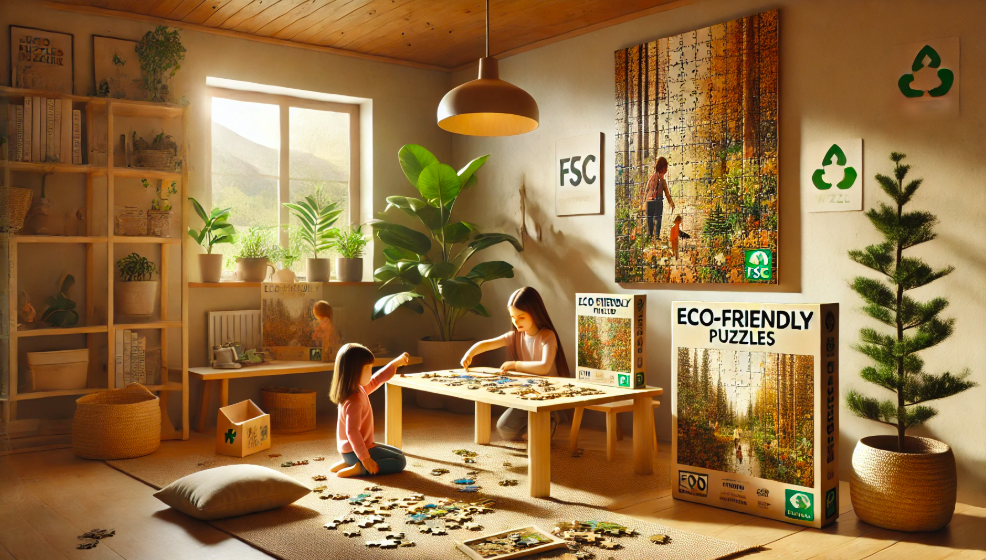
Traditional puzzle manufacturing often uses plastic, chemical inks, and non-recycled cardboard, which can harm the environment. According to a 2020 report by the United Nations Environment Programme, plastic waste and toxic materials from toys and games add to global pollution and landfill problems.
In the world of puzzles, "eco-friendly" means using recycled or biodegradable materials, safe inks, and packaging that does not create waste. These puzzles are made in ways that lower pollution and save energy.
Eco-friendly puzzles offer more than just a fun activity. They support mindful play by encouraging people to think about how their choices affect the planet. Choosing sustainable puzzleshelps protect nature while still enjoying a relaxing and creative experience.
What Makes A Puzzle Eco-Friendly?
An eco-friendly puzzle is made with materials and methods that are safer for the environment. According to the Forest Stewardship Council (FSC), puzzles made from FSC-certified wood or paper come from forests that are managed in a way that protects trees, animals, and local people.
These puzzles often use biodegradable materials, which break down naturally and do not leave long-lasting waste. A 2021 study published in Sustainabilityshowed that using such materials in toys helps lower pollution and reduce harm to land and water.
Eco-friendly puzzles also use non-toxic inks, which are safe for both people and the planet. Instead of plastic wrap or large boxes, they usually come in low-waste packaging, which uses less material and is easy to recycle.
Benefits Of Choosing Sustainable Puzzles
Choosing sustainable puzzlesoffers several benefits that positively impact both the environment and personal health:
Environmental Benefits:
- Reduced Plastic Use:Sustainable puzzles are often made from eco-friendly materials like wood or recycled paper, minimizing reliance on plastic and decreasing environmental pollution.
- Biodegradability:Wooden puzzles naturally decompose over time, reducing landfill waste and lowering our overall carbon footprint.
Personal Health Benefits:
- Non-Toxic Materials:These puzzles are crafted using non-toxic paints and dyes, ensuring they are safe for both children and adults.
Supporting Ethical Brands:
- Sustainable Practices:Opting for eco-friendly puzzles supports companies committed to environmental responsibility, encouraging broader adoption of sustainable practices within the industry.
Long-Term Value and Durability:
- Enhanced Durability:Wooden puzzles are more durable than their cardboard counterparts, resisting wear and tear over time. This longevity allows them to be enjoyed repeatedly and even passed down through generations, offering lasting value.
Popular Materials Used In Eco-Friendly Puzzles
Choosing eco-friendly puzzles involves selecting materials that are both sustainable and safe. Here's an overview of popular materials used in eco-friendly puzzles, along with their environmental benefits:
- Recycled Cardboard:Utilizing recycled cardboard reduces the demand for new raw materials, leading to less deforestation and energy consumption. This practice also helps in minimizing landfill waste.
- Sustainably Sourced Wood:Wood from responsibly managed forests ensures that tree harvesting doesn't harm ecosystems. Puzzles made from such wood are durable and biodegradable, offering an eco-friendly alternative to plastic-based puzzles.
- Organic Dyes:Using vegetable-based or soy-based inks in puzzles prevents harmful chemicals from entering the environment. These non-toxic dyes are safer for both manufacturers and users, especially children.
Top Eco-Friendly Puzzle Brands To Know
1. Petit CollageThis brand focuses on using recycled materials and vegetable-based inks. Their puzzles are designed with sustainability in mind and packaged without plastic.
2. LondjiBased in Barcelona, Londji uses sustainably sourced paper and cardboard for their puzzles. They also emphasize creativity and original artwork in their designs.
3. EebooEeboo creates puzzles using 90% recycled board and non-toxic inks. Their products are known for artistic collaboration and their commitment to responsible manufacturing.
4. MudpuppyMudpuppy is recognized for using recycled materials and soy-based inks in their puzzles. They offer a wide range of designs for children and support eco-conscious production.
5. CloudberriesThis UK-based brand plants a tree for every puzzle sold. Their puzzles are made from FSC-certified paper and board, ensuring responsible sourcing.
Eco-Friendly Puzzles For Kids Vs. Adults
Eco-friendly puzzles are designed differently for kids and adults to meet their unique needs.The materials may be similar—such as recycled cardboard or sustainably sourced wood—but the design, safety, and purpose vary based on age.
For Kids:
- Themes:Puzzles often feature animals, numbers, letters, or nature, supporting early learning. Montessori-style puzzles are common and help improve hand-eye coordination, fine motor skills, and problem-solving.
- Size and Safety:Pieces are larger and easier to handle. They are also made with rounded edges and non-toxic, organic dyes to ensure safety.
- Complexity:These puzzles have fewer pieces and are designed to be simple and educational.
For Adults:
- Themes:Puzzles tend to include detailed images like landscapes, artwork, architecture, or abstract designs.
- Size and Complexity:Pieces are smaller and more numerous—ranging from 500 to 2000 pieces—to offer a longer, more challenging experience.
- Purpose:Adult puzzles often serve as a relaxing activity and may be used as home decor once completed (e.g., framed puzzles).
DIY & Upcycled Puzzle Ideas At Home
Creating your own puzzles at home is a fun, eco-friendly way to reuse everyday items. It’s great for both kids and adults, and you don’t need special tools or expensive materials. Below are some creative and easy-to-follow ideas that turn waste into play.
1. Cereal Box PuzzleInstead of throwing away an empty cereal box, turn it into a simple jigsaw puzzle. Cut off the front panel with the printed design. Then draw puzzle shapes on the back side and carefully cut them out using scissors. This activity works well for younger kids, helping them improve hand-eye coordination and matching skills.
Eco-benefit:Gives a second life to packaging that would otherwise be tossed.
2. Wooden Scrap PuzzleIf you have extra wood pieces from old furniture or DIY projects, you can create your own wooden puzzle. Sand the pieces to remove sharp edges, then paint simple shapes, animals, or numbers on top. Once dry, mix the pieces and let your child solve it. These are long-lasting and make great educational toys.
Eco-benefit:Reuses wood that might be thrown out, reducing household waste
3. Magazine Collage PuzzleCut out a colorful picture from an old magazine or greeting card and glue it onto cardboard—like an old delivery box. After it dries, cut it into irregular shapes to form a custom puzzle. This is perfect for older kids or even adults looking for a light challenge.
Eco-benefit:Keeps old magazines and packaging from going to landfills
4. Personalized Photo PuzzlePrint out a favorite family photo or artwork, then glue it onto a firm surface like a cereal box or thick paperboard. Once it’s set, cut it into square or freeform puzzle pieces. You can store it in a reusable envelope or small box.
Eco-benefit:Encourages reuse of old packaging and gives personal items new life.
5. Painted Rock PuzzleCollect some smooth, flat stones from your garden or a walk outdoors. Paint a picture across the surface of several rocks—like a rainbow, a flower, or a face. Once the paint dries, mix up the rocks and solve the puzzle by putting the picture back together.
Eco-benefit:Uses natural materials and encourages outdoor activity.
How To Identify Truly Eco-Friendly Puzzle Products
With more brands talking about sustainability, it’s becoming harder to know which puzzle products are truly eco-friendly and which are just using “green” words for marketing. Some products are labeled in a way that soundsgood, but they don’t meet real environmental standards. This is called greenwashing—when a company gives a false impression of being eco-conscious.
To help you make smarter choices, here are some tips for identifying authentic eco-friendly puzzlesand avoiding misleading claims.
1. Check For Trusted Certifications
The easiest way to confirm a product’s environmental claims is to look for recognized certifications. These show that the product has passed official environmental or safety standards.
- FSC (Forest Stewardship Council)This label means the wood or paper used in the puzzle is taken from forests that are responsibly managed. It helps protect forests and wildlife.Look for:“FSC Certified” or the FSC tree logo.
- ASTM F963 / EN71 (Toy Safety Standards)These are global safety standards for toys. If a puzzle meets these, it means the materials (like glue, paint, and coating) are safe and non-toxicfor children.Look for:Statements like “Meets ASTM F963” or “EN71 certified.”
- Green Seal / EcoLabel / USDA BioPreferred (For Materials and Packaging)These labels (less common but important) indicate that the product or its packaging meets sustainable manufacturing standards.Look for:Eco-friendly packaging labels or USDA Certified Biobased Product.
2. Beware Of Misleading Buzzwords
Some companies use vague or unregulated wordsto make their products sound green when they are not. These words may seem positive but often lack proof.
- “Natural”– Doesn’t guarantee that the product is free from chemicals. Even plastic can be labeled “natural.”
- “Eco-friendly” or “Earth-safe”– These sound nice, but without a certification or materials list, they don’t mean much.
- “Sustainable”– This word is widely used, but unless it's backed by evidence (like FSC or recycled content), it can be misleading.
Tip:If a product only uses these words and has no certifications or detailed materials list, it's probably greenwashing.
3. Read The Materials List Carefully
A genuine eco-friendly puzzle will tell you exactly what it’s made from. Look for:
- Recycled cardboard– Reduces waste and avoids cutting new trees.
- Sustainably harvested wood– Taken from forests that are regrown and not overused.
- Non-toxic inks or paints– Usually labeled as “soy-based ink,” “vegetable-based dye,” or “water-based paint.”
- Glue-free or natural adhesives– Safer for both users and the environment.
If the product doesn’t mention what it's made of, or just says “made with natural materials” without details, it may not be sustainable.
4. Check The Packaging
Authentic eco-friendly brands try to reduce waste in their packaging too.
- Minimal or plastic-free packaging– Most green products come in recyclable paper boxes without plastic wrap.
- Clearly labeled recyclability– Look for recycling symbols or instructions on how to dispose of the packaging properly.
Excessive plastic wrapping, foam inserts, or glossy coating on boxes often point to a less sustainable product.
5. Research The Brand’s Values
Eco-conscious companies are usually transparent. They talk about their materials, supply chain, and how they reduce waste. You can check their website for information like:
- Do they give back to the environment? (e.g., tree planting, carbon offsetting)
- Do they explain how they source their materials?
- Are they certified by any third-party organizations?
Brands that offer detailed information are usually more trustworthy than those that only use “green” slogans.
🧩 FAQs For "Eco-Friendly Puzzles"
What Are Eco-friendly Puzzles Made Of?
Eco-friendly puzzles are made of materials that have less impact on nature. Many of them use recycled cardboard or paper certified by the Forest Stewardship Council (FSC). This certification means the paper comes from forests that are cared for and replanted. Some puzzles use soy-based or vegetable-based inks instead of inks with harmful chemicals. These puzzles may also have water-based coatings, which break down more easily. This information comes from the Forest Stewardship Council (fsc.org), which is a recognized group that sets standards for forest products.
Are Eco-friendly Puzzles Safe For Children?
Eco-friendly puzzles are safe for children because they often use non-toxic inks and materials like recycled paper or FSC-certified wood. They usually follow rules set by the US Consumer Product Safety Commission (cpsc.gov), which tests toys for harmful substances. This helps ensure that these puzzles do not have chemicals like lead or formaldehyde. Many eco-friendly puzzles also use water-based glues, so there is less risk from fumes or residue. These steps make eco-friendly puzzles a good choice for children’s health.
Do Eco-friendly Puzzles Last As Long As Regular Puzzles?
Eco-friendly puzzles can last as long as regular puzzles when they use sturdy recycled or FSC-certified cardboard. A recognized group called Green Seal (greenseal.org) checks the durability of materials in some certified products. Their testing helps ensure that puzzle pieces hold their shape and stay strong for repeated use. Many eco-friendly puzzle makers also use water-resistant finishes that help protect the surface and artwork.
Where Can I Buy Eco-friendly Puzzles?
Eco-friendly puzzles are sold in many online and local stores that focus on natural toys or green products. Groups like Green America (greenamerica.org) list businesses that meet their rules for safer materials and better labor practices. Some puzzle brands that use eco-friendly methods also sell their products in larger retail stores. Look for labels or certifications on the box to make sure the puzzle is made with safe and responsible materials.
How Do I Know If A Puzzle Is Really Eco-friendly?
You can check if a puzzle is truly eco-friendly by looking for reputable labels and certificates on the box. The Forest Stewardship Council (fsc.org) makes sure the paper or wood in the puzzle is from responsible sources. The Green Seal (greenseal.org) mark shows that the product meets certain environmental standards, such as using non-toxic inks and reducing waste. Some brands also share details about water-based glues or vegetable-based inks on their packaging. These labels and details help you know if a puzzle is made with safer and greener materials.
Can I Recycle Old Puzzles?
Some old puzzles can be recycled if they are mostly cardboard or paper. However, puzzles with plastic layers or shiny coatings are often not accepted. The US Environmental Protection Agency (epa.gov) recommends checking your local recycling guidelines to see if they allow puzzles in the paper stream. If the puzzle has too much damage or mixed materials, you might need to discard or repurpose it. You can also donate complete puzzles to local thrift stores or community centers if they are still in good shape.
Jump to
What Makes A Puzzle Eco-Friendly?
Benefits Of Choosing Sustainable Puzzles
Popular Materials Used In Eco-Friendly Puzzles
Top Eco-Friendly Puzzle Brands To Know
Eco-Friendly Puzzles For Kids Vs. Adults
DIY & Upcycled Puzzle Ideas At Home
How To Identify Truly Eco-Friendly Puzzle Products
🧩 FAQs For "Eco-Friendly Puzzles"
Latest Articles
Popular Articles