20 Best Heroes In FEH Tier List: Ver. 10.1.0 Meta Guide
Staying updated with the FEH tier list is essential for any player looking to optimize their Orb spending and build a competitive roster.
Feb 01, 20262.2K Shares50.5K Views
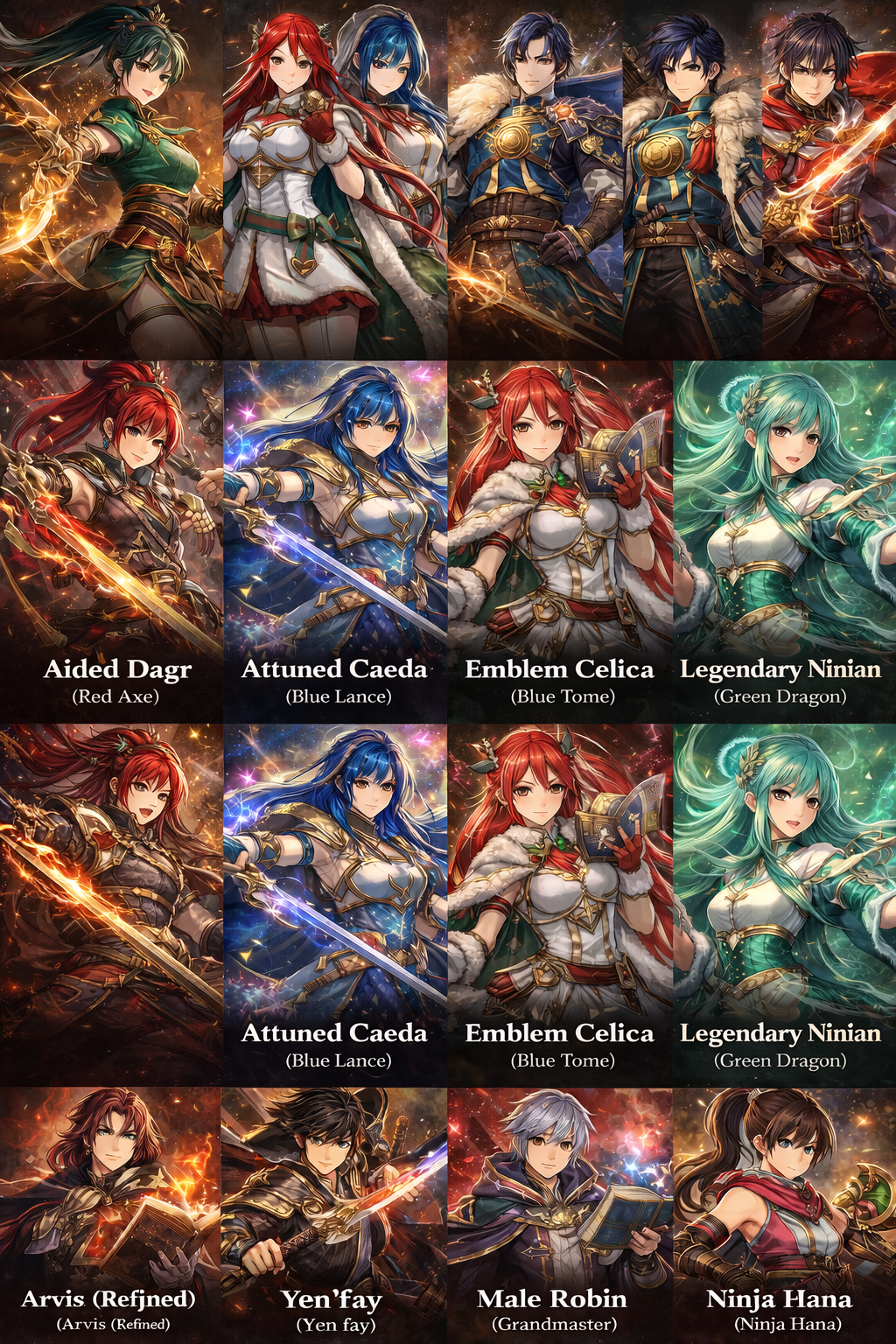
FEH Tier List (2026): Best Heroes Ranked
Fire Emblem Heroeshas a funny way of making you feel behind even when you play every day. One banner later, a matchup flips. One skill later, your “unkillable” tank starts dropping. The game isn’t just adding stronger units; it’s constantly changing what “strong” even means.
A good FEH tier list in 2026 should do more than label heroes SS/S/A. It should tell you what jobs matter right now, how different modes reward different builds, and what to invest in so your roster stays relevant after the next patch. This guide is built around decision-making, not hype.
What a FEH Tier List Actually Means
A tier list isn’t a ranking of “strongest unit in the game.” It’s a ranking of usefulness inside a specific environment. That’s why tier listsvary so much depending on where you look.
- Arena players care about scoring and merges.
- AR players care about consistency and season bonuses.
- Summoner Duels players care about tempo, threat range, and mobility.
- PvE players care about fast clears and auto-battle reliability.
A unit can be top tier in one mode and mediocre in another.
A real tier list needs context.
Instead of asking:
“Who is SS-tier?”
The better question is:
“What job does this hero do, and does my roster need that job?”
The 2026 FEH Tier List Methodology
We evaluate heroes based on four distinct pillars that dictate their longevity and effectiveness in high-tier play.
- Rule-Breaking Potential- Does the unit introduce a new mechanic, such as the "Range: 2 Style" buff or the "Time's Grip" terrain effect?
- Mode Versatility- Is the hero a specialist for Summoner Duels, or do they have the BST (Base Stat Total) and scoring potential to carry an Arena core?
- Support Ceiling- How much value does the unit provide simply by standing near an ally? In 2026, "multiplier" units are often ranked higher than pure damage dealers.
- Update Resilience- Units that rely on flat stats often fall off quickly. Those that provide unique debuffs, like "Discord" or "Feud," tend to stay in the S and A tiers for much longer.
The Tier System That’s Actually Useful in Real Matches
SS Tier (Meta-warping)
These are units that force the meta to react to them.
- They win matchups they “shouldn’t.”
- They either define team archetypes or hard-counter them.
- They’re usually strong even at low merges because their kit is overloaded.
S Tier (Top meta, but not meta-breaking)
These are tournament-ready units that consistently perform.
- They may need the right team support, but they’re never dead weight.
- They have clear counters but still remain among the best at their role.
A Tier (Strong, reliable, needs context)
A-tier heroes are good, but they aren’t plug-and-play monsters.
- They may need premium inheritance, merges, or the right support.
- They are usually “great at one job,” not “great at everything.”
B Tier (Playable, but you’ll feel the limits)
These units can work, especially for PvE or mid-level competitive play.
- They’re often outdated, stat-checked, or easily countered.
- You build them because you like them, or because your barracks lacks options.
C Tier (Niche or outdated)
They can still do something, but it’s usually narrow.
- Requires heavy investment for modest payoff.
- Mostly used by fans, theme teams, or specific counters.
D Tier (Outclassed)
It doesn’t mean “unusable,” but it usually means:
- Almost everything they do is done better by other units.
- Investment here is for love, not efficiency.
See also: Supervive Tier List <year>
SS-Tier: The Metagame Defining Gods
The SS-Tier is not just for "strong" units; it is for heroes that warp the entire game around their presence. If you do not have a dedicated counter for these units, your win rate will plummet.
1. Mythic Lyn (Colorless Bow)

Standing at the pinnacle of the 2026 meta, Lyn’s ability to grant the 【Range: 2 Style】 buff to multiple allies is game-breaking. This allows infantry and armored units to attack from a distance normally reserved for cavalry, completely dismantling traditional defensive formations.
2. Emblem Eirika (Red Sword)
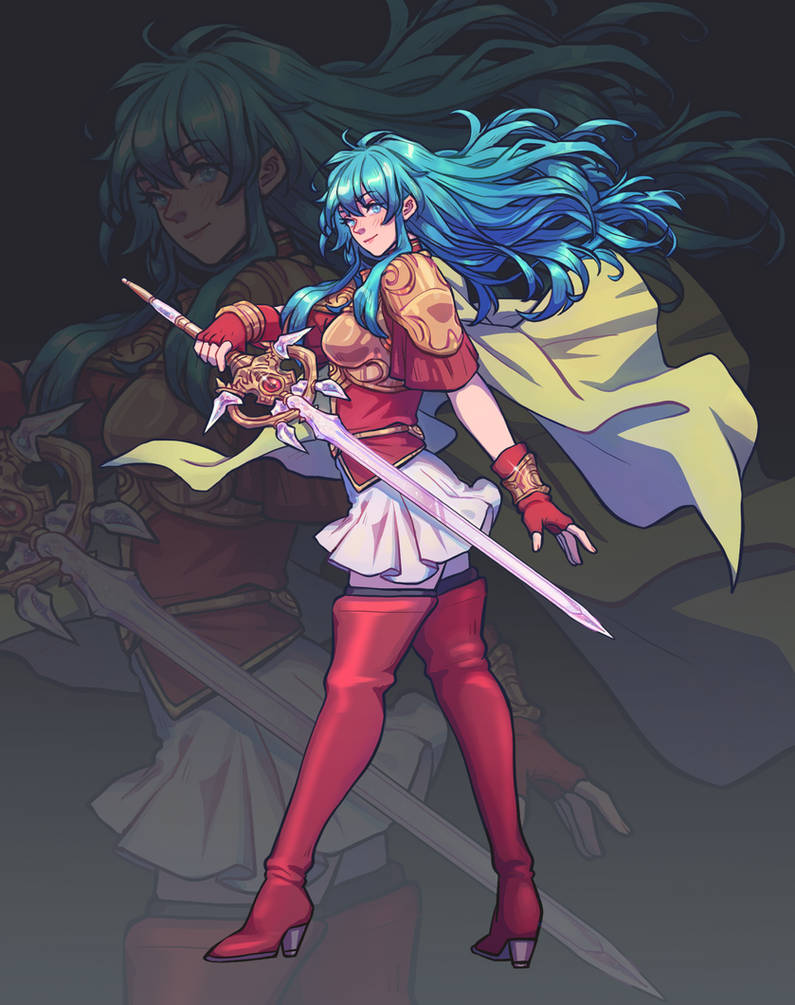
Her "Engage" ring remains the most influential item in the game. By granting any unit true damage and special acceleration, she makes even mid-tier favorites viable against modern tanks.
3. Chosen Alfonse (Blue Sword)

As the face of the Ver. 10.1.0 update, Alfonse benefits from massive stat stacking when paired with Mythics. His "Great Aura" grants team-wide flat damage reduction that makes him nearly impossible to one-shot.
4. Anniversary Marth (Red Sword)
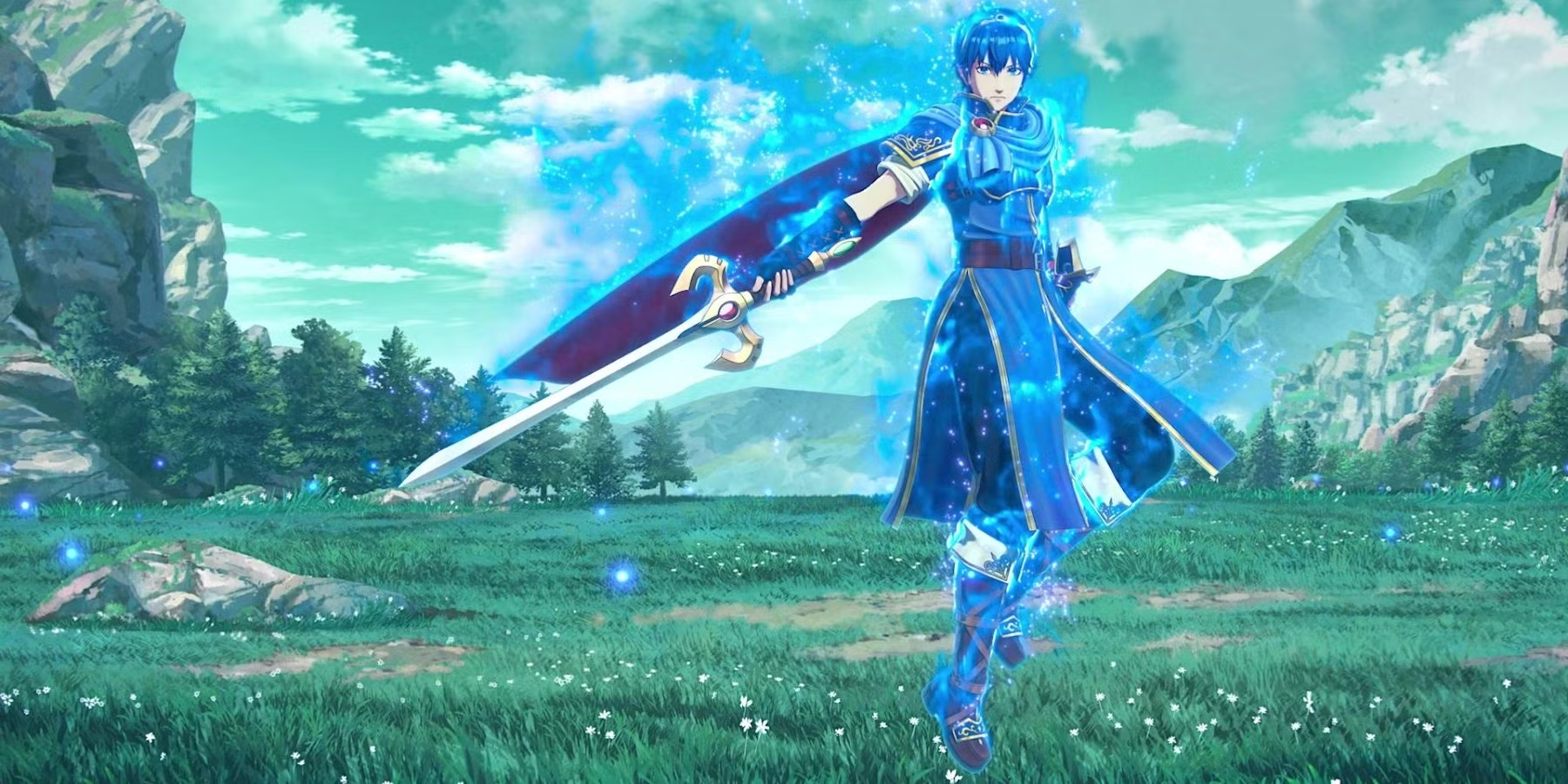
A master of the "Shield of Hope" mechanic, Marth can survive lethal blows and counterattack with overwhelming force, serving as the ultimate "omni-tank" for Arena.
S-Tier: Premier Competitive Anchors
S-Tier heroes are consistently powerful and reliable. They don't necessarily "break" the game, but they are the most efficient at performing their specific roles.
5. Aided Dagr (Red Axe)
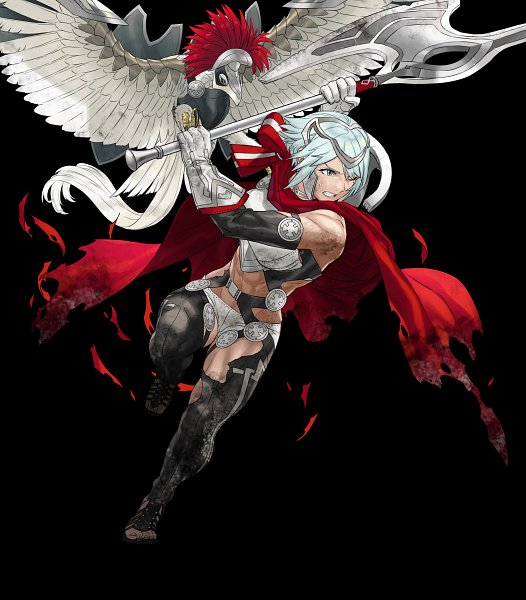
She revolutionized infantry mobility with her combination of Pathfinder and Null Follow-Up. She is a staple in Aether Raids Defense (AR-D) for creating unavoidable turn-one threat zones.
6. Attuned Caeda (Blue Lance)

A warp-focused nuke with 50% damage reduction piercing. She excels at jumping over enemy lines to delete a "Far Save" protector before they can react.
7. Emblem Celica (Blue Tome)

Known for her "Special Skipping," Celica allows teams to cycle high-cooldown specials like Aether or Galeforce with almost every hit.
8. Legendary Ninian (Green Dragon)

Her unique dance refresh that grants a self-action restoration makes her the most dangerous dancer in the game, capable of refreshing an ally and then initiating combat herself.
A-Tier: Strong Specialists and Heavy Investors
The A-Tier contains heroes that are exceptional when given the right team support or premium skill inheritance. Many of these units were SS-Tier just a year ago but have been slightly overtaken by newer mechanics.
9. Brave Felix
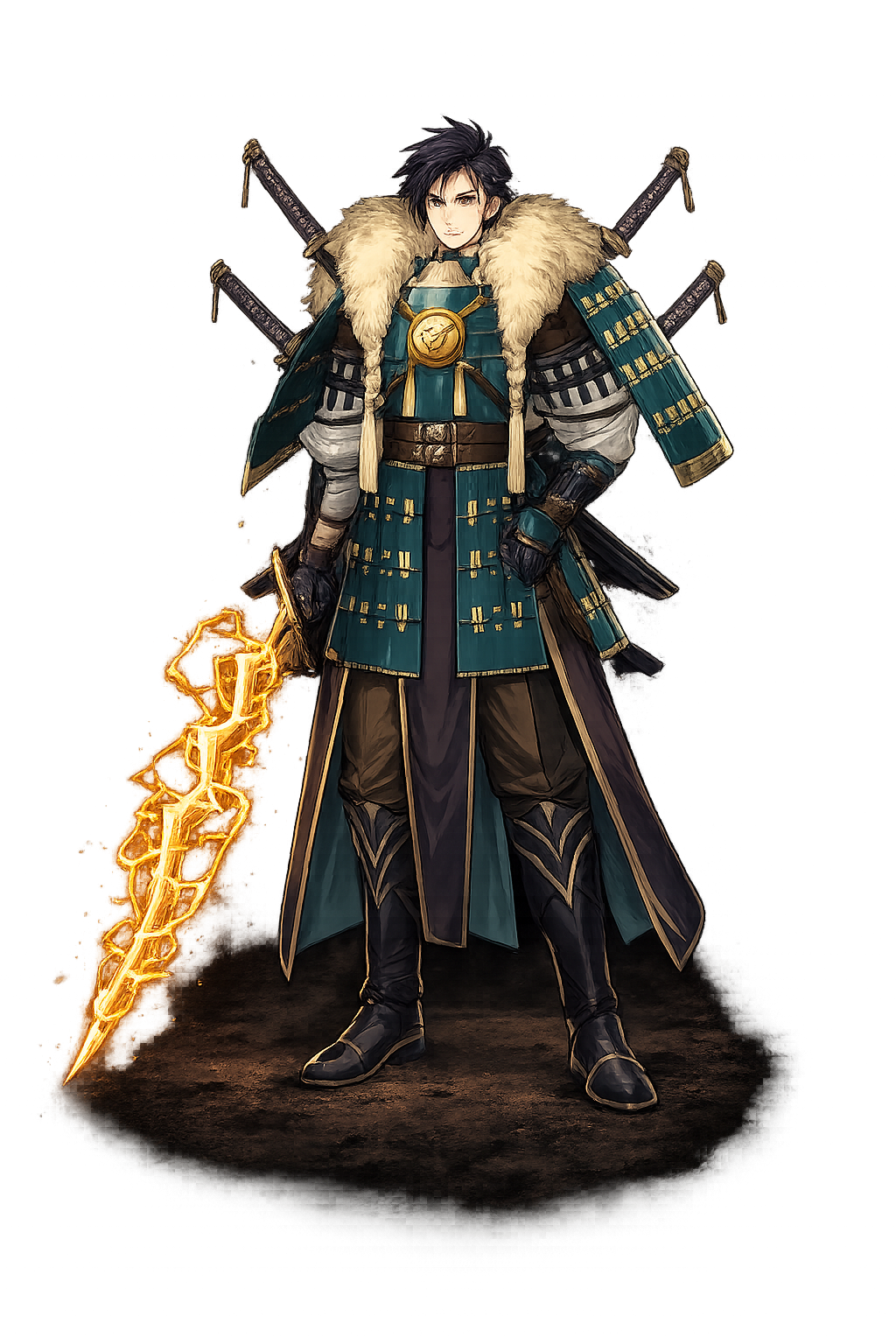
His "Lone Wolf" mechanic provides incredible sustain and action refreshes, but he requires careful positioning to avoid losing his buffs.
10. Attuned Eirika

A premier green infantry that provides "Dodge" to her allies. She is a fantastic support but lacks the raw killing power of the S-Tier nukes.
11. Winter Cordelia
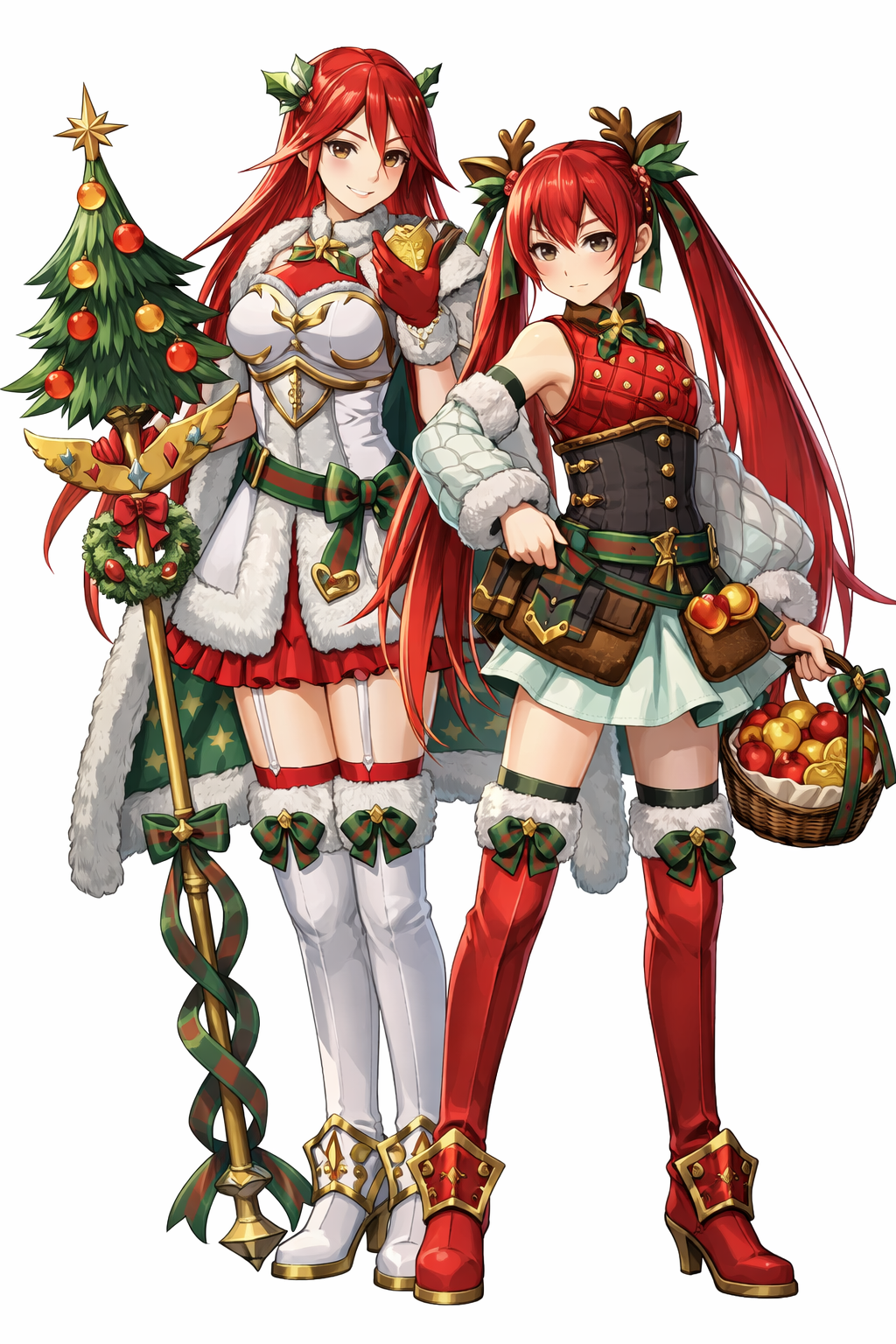
Still one of the best "Dual Strike" enablers in the game. She remains a top-tier pick for Galeforce teams in Aether Raids Offense.
12. Fallen Alear (M)
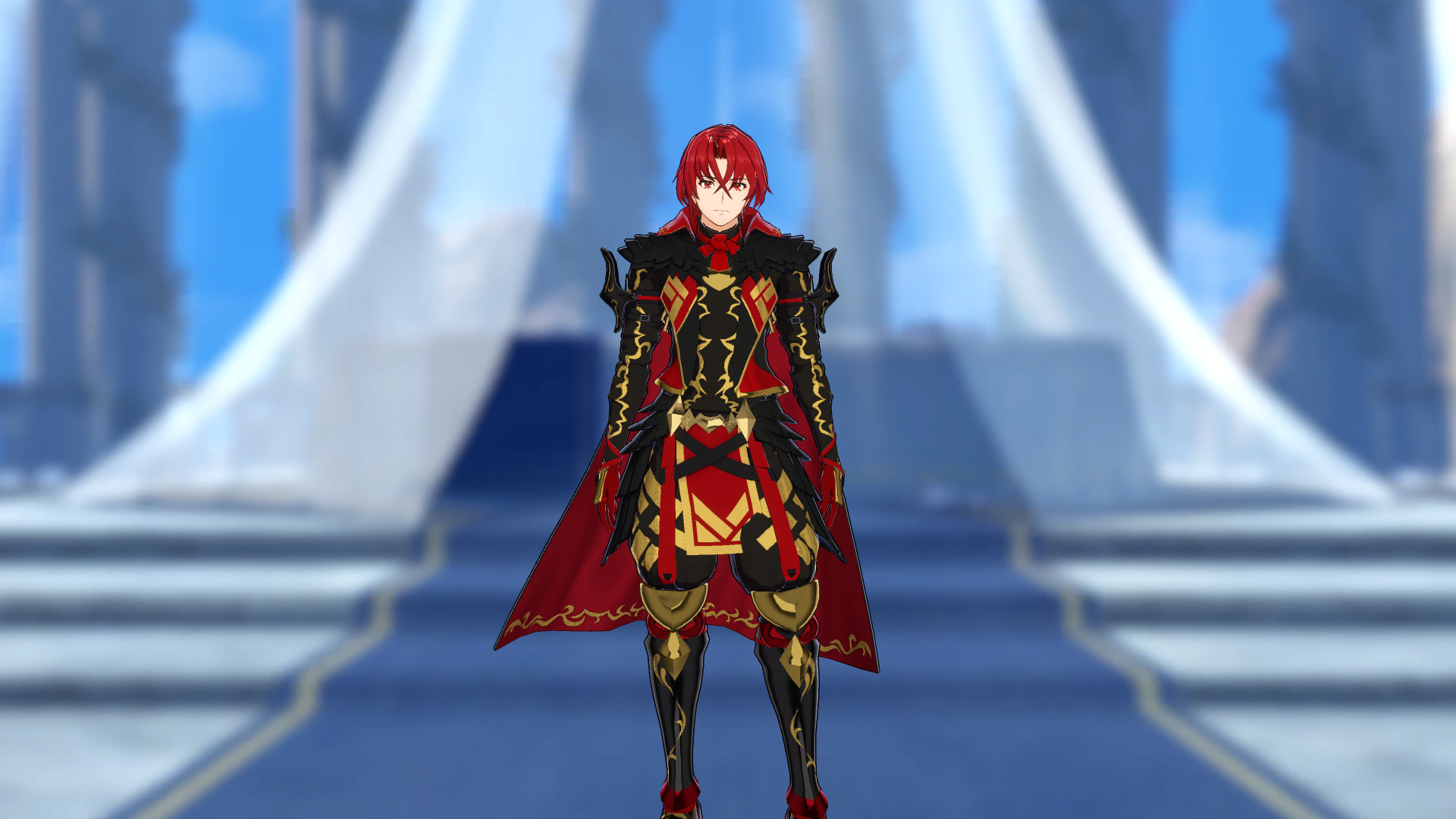
His ability to inflict widespread "Discord" debuffs makes him a great disruptor, even if his raw combat stats are starting to age.
B-Tier: Reliable Niche and Budget Picks
B-Tier is where many "fan favorites" and older high-investment units land. These characters are still very capable of clearing high-level content but require more effort to achieve the same results as an S-Tier unit.
13. Arvis (Refined)
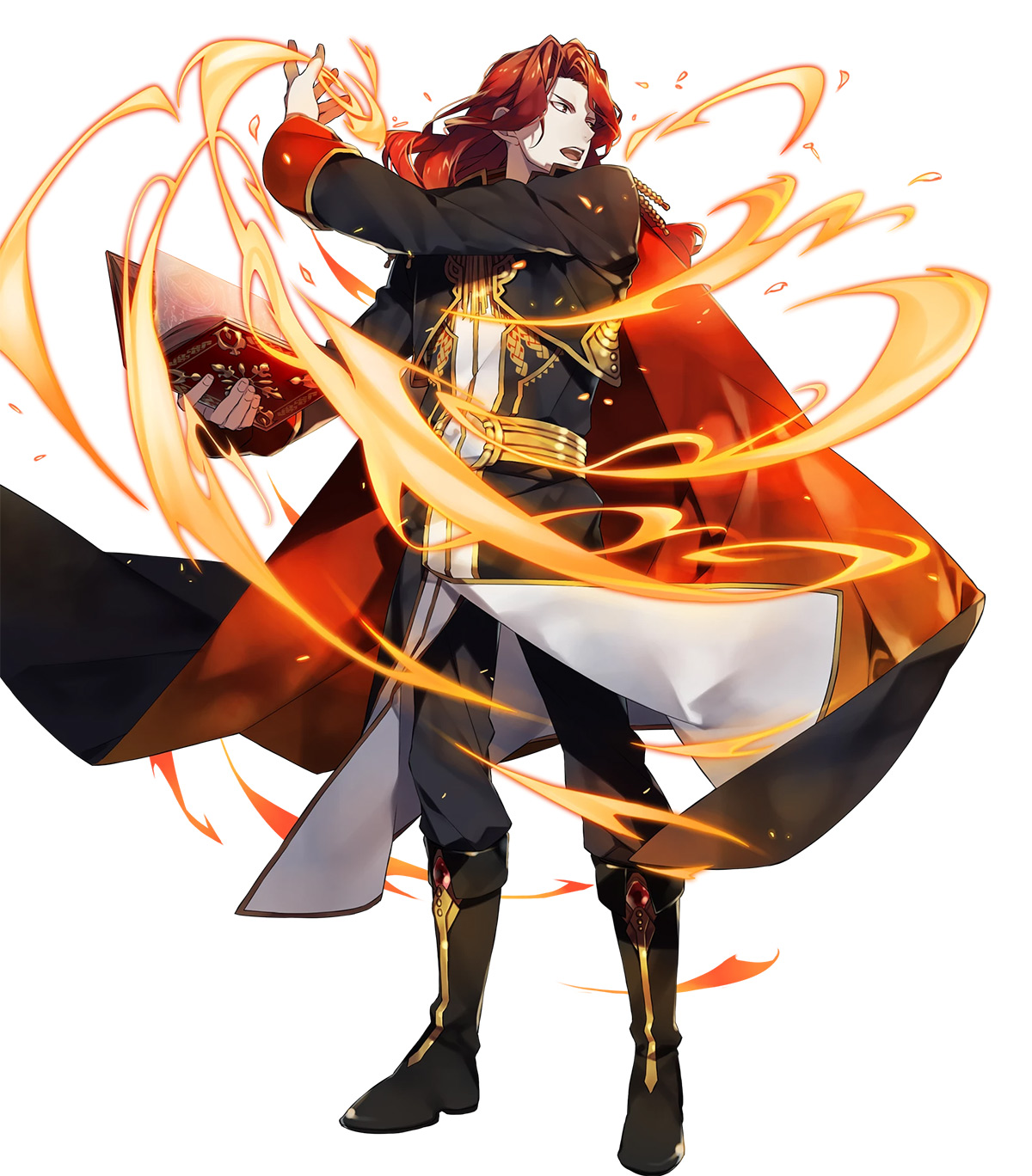
With his recent refine, Arvis has become a potent "Ploy" bot. He can shutdown modern buffs, but his low physical bulk makes him a liability in Summoner Duels.
14. Yen’fay
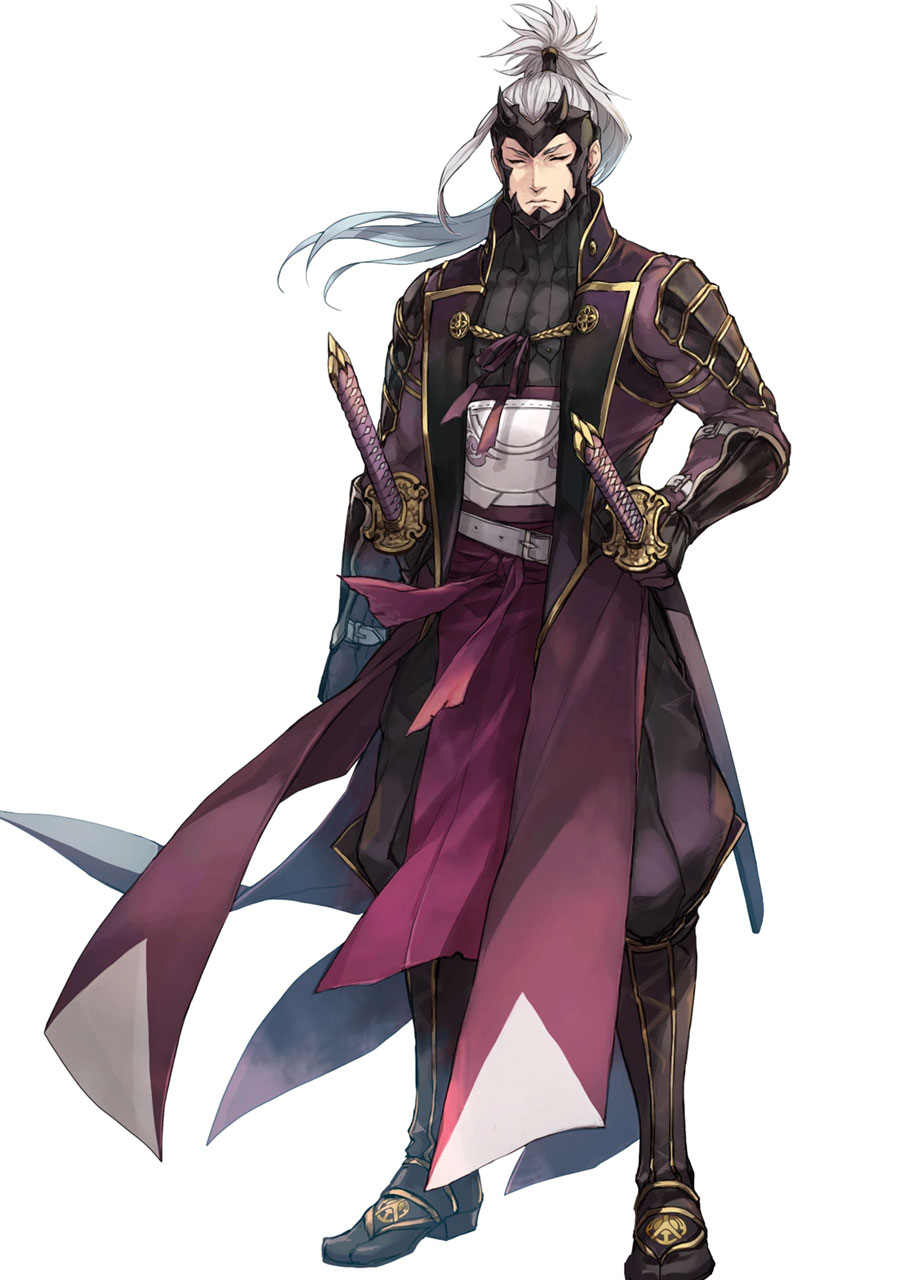
A former F2P king who still performs well with modern Laguz Friend 4 or Distant Bonus Doubler investment. He is the definition of a "reliable budget project."
15. Male Robin (Grandmaster)
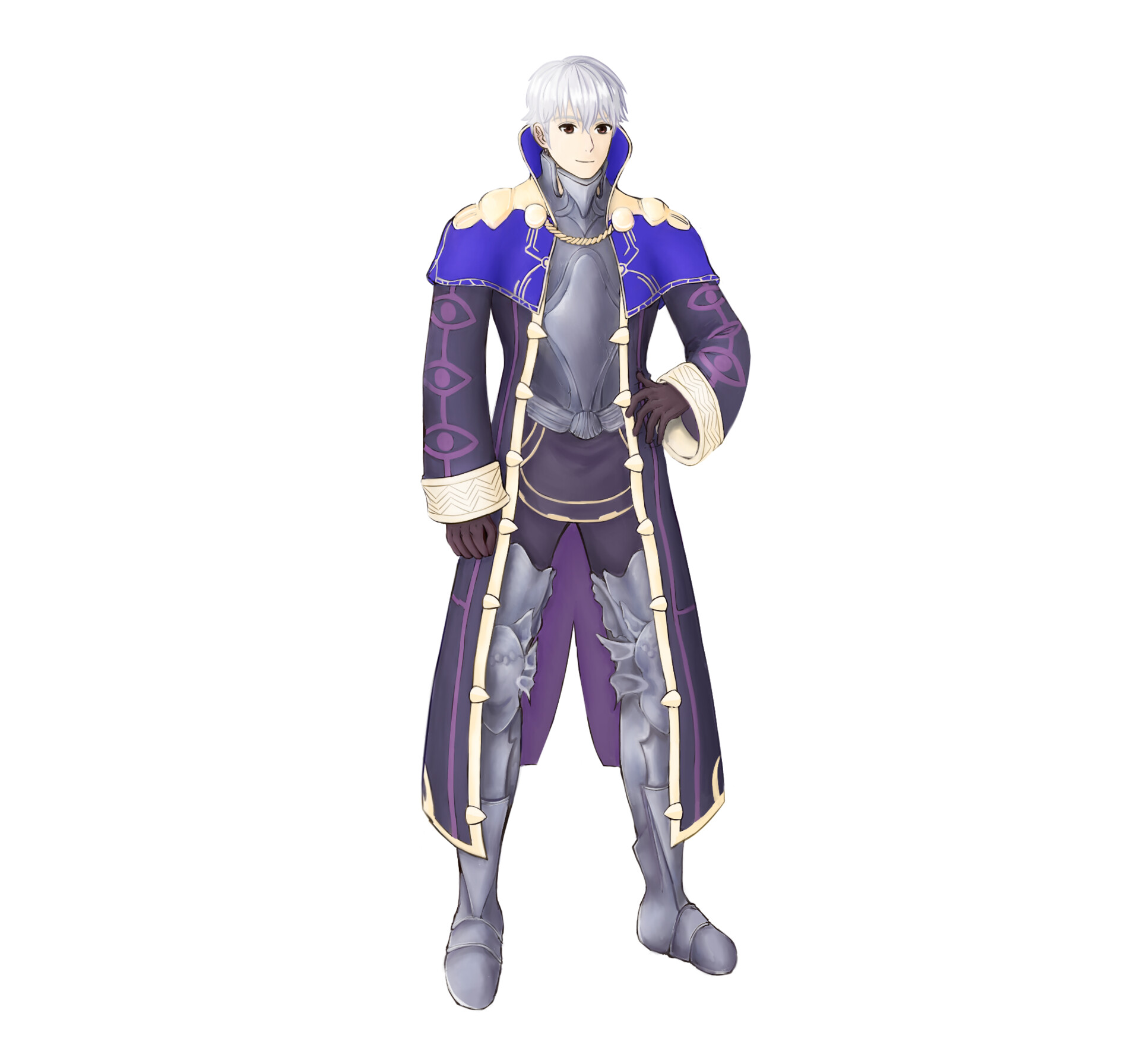
His ability to grant "Grand Strategy" is still niche and powerful against debuff-heavy teams, but modern "Sanity" skills can occasionally neutralize his value.
16. Ninja Hana
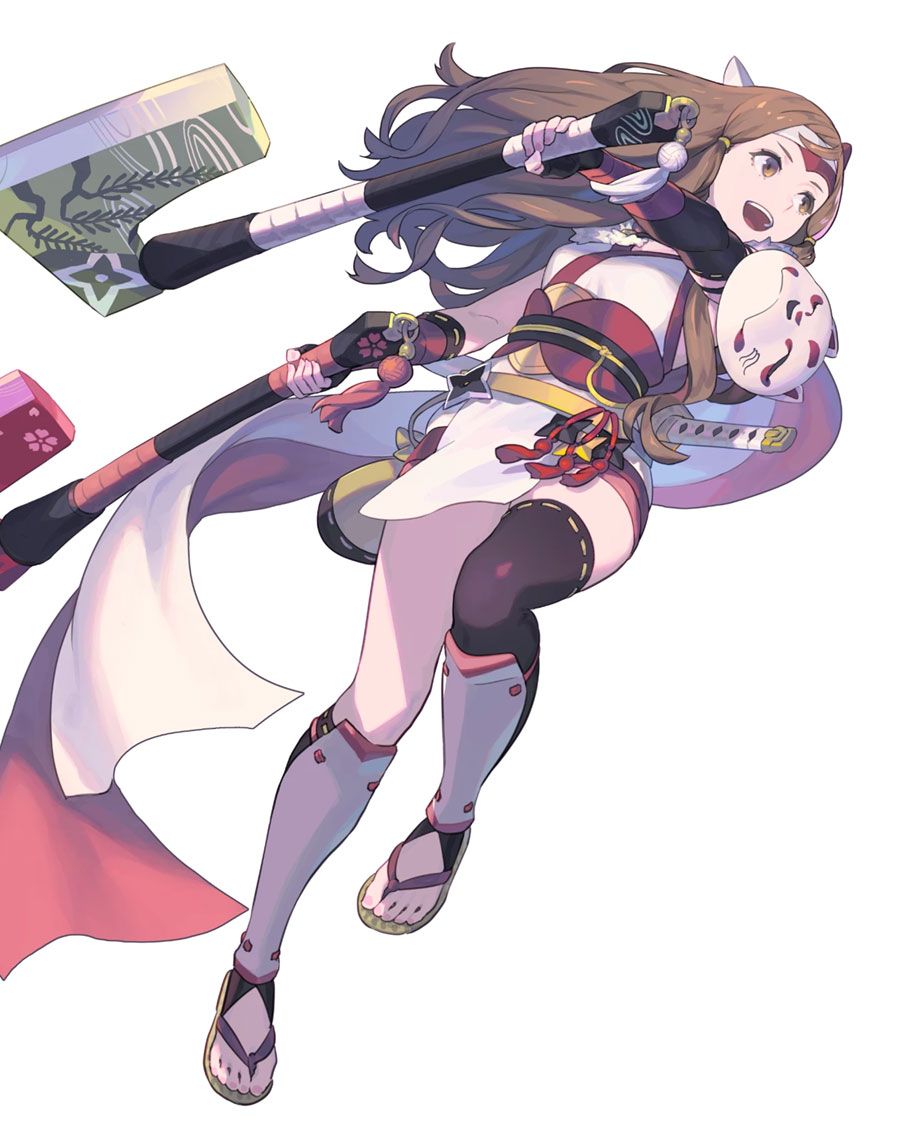
She remains a high-speed axe infantry that can utilize every modern speed-based skill. She is a favorite for those who want to build a "speed-demon" without spending Orbs.
C-Tier: The "Bridge" and Specific Counter-Meta
C-Tier units are generally not recommended for general use, but they shine in one specific area or serve as the perfect "bridge" for skill inheritance.
17. Young Innes

While his stats have aged, his "Deadeye" weapon effect still allows him to one-shot certain flying threats that rely on percentage-based damage reduction.
18. Aversa
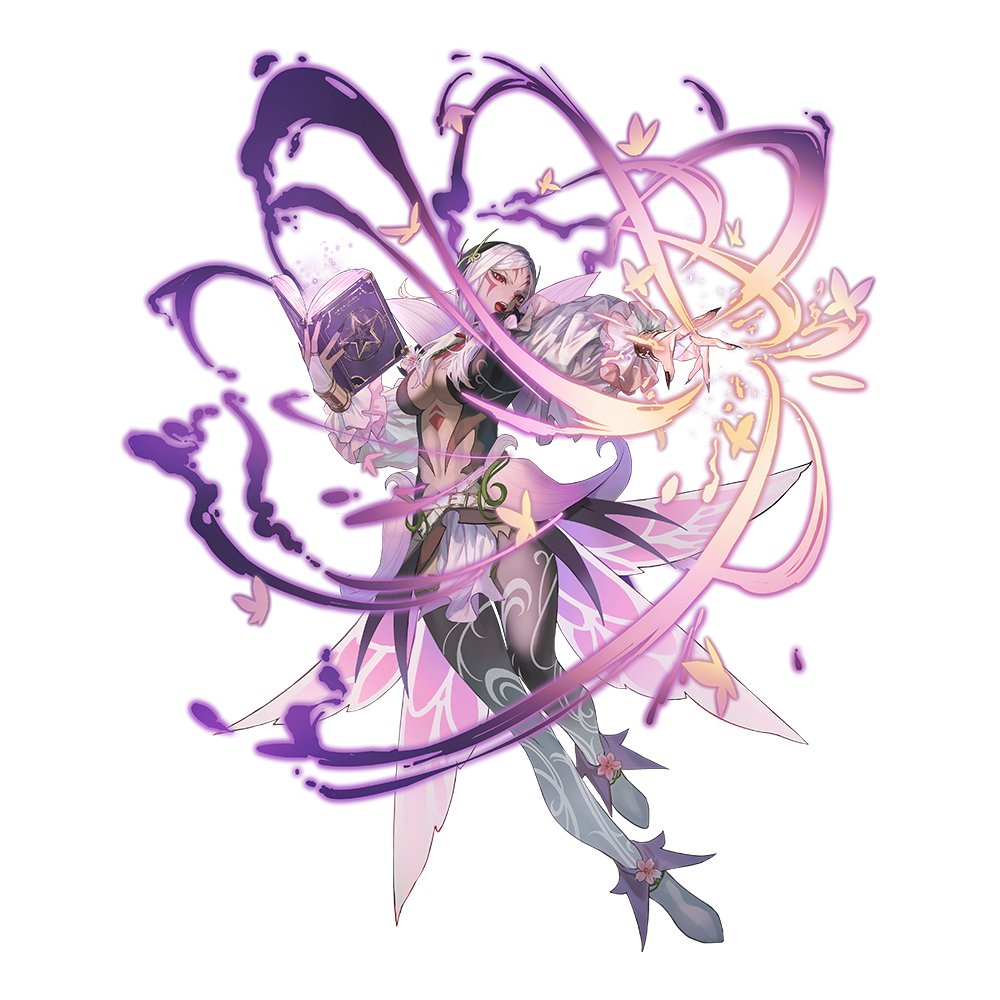
She is the queen of the "Budget Debuffer" role. In Aether Raids, she can still panic an entire team if they are positioned incorrectly, though modern "Null Panic" effects have pushed her down.
19. Reinhardt

The legendary "Dire Thunder" mage. While he no longer dominates the meta, a max-investment Reinhardt with modern Occultist's Strike can still surprise unprepared players in Arena Assault.
20. Balthus

Primarily used as a "Near Save" armor for budget Arena teams. He gets the job done but lacks the unique protection skills of the S-Tier armors.
Understanding the "Chosen Hero" Rule in Ver. 10.1.0
The Ver. 10.1.0 update changed the logic of a FEH tier list by introducing Chosen Heroes. These units are a specific subset of characters often the winners of recent polls or protagonists that receive a massive power spike in Aether Raids.
If you place a Chosen Hero on the same team as a Mythic Hero of the same season, the Chosen Hero gains all the Mythic stat boosts (HP, Atk, Spd, etc.). This makes them significantly tankier than any other unit in the game. Furthermore, Chosen Heroes are "score-neutral," meaning they don't lower your score in Arena even if their BST is slightly lower, as long as they have the "Powerful Foes" buff active.
Support Tier List: The Units That Defy Powercreep
If you want to spend your Orbs wisely, look at the support units. A support unit in the A-Tier is often more valuable than a nuke in the S-Tier because the support will still be useful three years from now.
| Hero | Key Support Effect |
| Duo Seiðr | Turn Ending |
| Fallen Lena | Miracle Support |
| Mythic Lumera | Divine Vein (Stone) |
| Aided Lute | Skill Duplication |
Arena Tier List: BST vs. Practical Combat
In the Arena, a FEH tier list looks different because of the "BST Bin" system. To stay in Tier 21, your units must have high base stats and high-SP skills.
- The +10 Core- Your Arena team should consist of three +10 merged units and one bonus unit.
- Duel Skills- If you want to use an older favorite (like Nino or Laslow), you mustuse a Tier 4 Duel skill in the A-slot. This takes up a valuable skill slot, which is why older units are generally ranked lower in Arena-specific lists.
- Legendary Seasons- Always align your team with the current Legendary Hero. A Legendary Hero provides a massive scoring boost to any unit with a matching blessing.
Aether Raids Offense (AR-O) Strategies
To win in AR-O, you need a "Toolbox" approach. Your tier list for this mode should be separated by strategy types.
- Omnitanking- Using a unit like Anniversary Marth to stand in the middle of the map and counter everything. This requires heavy support from units like Flayn or Elimine.
- Hit and Run- Using Mythic Lyn and a dancer to snipe an enemy and then retreat out of the danger zone.
- Galeforce- Using units like Winter Edelgard to take 3-4 actions in a single turn and wipe the entire enemy team before they can react.
Customizing Your FEH Tier List Maker
Don't just follow a static list you found online. Use a FEH tier list maker to build a strategy that fits your specific barracks and available fodder.
- Sort by Role- Create rows for "Save Tanks," "Nukes," "Dancers," and "Buffbots."
- The Investment Tag- Mark units that are "Low Investment" (work at +0) versus "High Investment" (need +10 merges and Arcane weapons).
- Counter-Mapping- If you constantly lose to Emblem Ike, create a specific tier for units that can actually kill him (like Duo Lyon or Legendary Shez).
The Green FEH Tier List: Solving the Blue Meta
Because the current meta is dominated by powerful blue units like Chosen Alfonse and Attuned Caeda, green units have seen a massive rise in value.
- Green Nukes- Attuned Eirika is the standout here, capable of shredding through blue damage reduction.
- Green Supports- Legendary Ninian remains the best green support for her ability to manipulate the turn economy.
- Green Tanks- Valentine's Edelgard is the premier choice for players who want a green unit that can take a hit and immediately retaliate with a "brave" attack.
FAQs about FEH Tier List
What is the best FEH tier?
The best tier is typically SS or S, depending on the site. These tiers represent heroes that either define the meta or remain consistently dominant with minimal support across multiple modes.
How do I get a ranking on Fire Emblem Heroes?
In Arena, prioritize scoring fundamentals: merges, BST, and high-SP skills, then build a season plan around Legendary bonuses. In Aether Raids, prioritize consistency and seasonal optimization, which includes understanding rule-based interactions introduced in recent updates like Ver. 10.1.0’s Chosen Hero synergy.
What is the green Fire Emblem Heroes tier list?
It’s a subset ranking focused only on green units so players can patch color coverage gaps. It’s especially common because some tier list sources organize their rankings by color for quick scanning.
How many FEH heroes are there?
FEH has a very large, continually growing roster, and many public tier list sources emphasize “latest additions” and constant updates because the roster changes too often for a one-time count to stay accurate.
Should I always summon for the newest top-tier hero?
Not if the hero is replaceable. During big cycles (and especially around high-attention months), your safest pulls are units that provide unique utility, scoring value, or role compression. A unit that only provides “more damage” is the easiest kind of power to replace later.
Final Thoughts
A strong FEH tier list in 2026 is role-first and mode-first. It respects Arena scoring realities, treats AR as a consistency game, and treats Summoner Duels as a tempo game. It also recognizes that recent version updates can change optimization rules, like Ver. 10.1.0’s Chosen Hero + Mythic effect synergy in Aether Raids.
If you take one thing from this guide, let it be this: invest in jobs, not hype. Build an anchor for each mode, add problem-solvers for what you keep losing to, and use a tier list maker or generator to keep your personal rankings honest as the meta shifts.
Jump to
FEH Tier List (2026): Best Heroes Ranked
What a FEH Tier List Actually Means
The 2026 FEH Tier List Methodology
The Tier System That’s Actually Useful in Real Matches
SS-Tier: The Metagame Defining Gods
S-Tier: Premier Competitive Anchors
A-Tier: Strong Specialists and Heavy Investors
B-Tier: Reliable Niche and Budget Picks
C-Tier: The "Bridge" and Specific Counter-Meta
Understanding the "Chosen Hero" Rule in Ver. 10.1.0
Support Tier List: The Units That Defy Powercreep
Arena Tier List: BST vs. Practical Combat
Aether Raids Offense (AR-O) Strategies
Customizing Your FEH Tier List Maker
The Green FEH Tier List: Solving the Blue Meta
FAQs about FEH Tier List
Final Thoughts
Latest Articles
Popular Articles