Interlocking Puzzle Designs: Basics, Types & Expert Tips
Explore interlocking puzzle designs, including burr puzzles, design principles, common mistakes, and easy steps for creating your own puzzle.
Mar 29, 2025211 Shares42.2K Views

Interlocking puzzles are mechanical puzzles composed of multiple pieces that fit together to form a unified structure. The challenge lies in disassembling and reassembling these pieces, which are mutually supporting and hold the puzzle together without external aids. Enthusiasts appreciate these puzzles for their intricate designs and the intellectual engagement they offer.
The allure of interlocking puzzles stems from their blend of creativity, complexity, and craftsmanship. Designers must meticulously craft each piece to ensure precise fitting, requiring a deep understanding of geometry and spatial relationships. This attention to detail not only enhances the puzzle's aesthetic appeal but also its functional integrity, providing solvers with a satisfying and challenging experience. The success of these puzzles largely relies on the intricate interlocking puzzle mechanismsthat make them both challenging and rewarding to solve.
In this article, we will explore the fundamental principles behind interlocking puzzle designs, examine popular types such as burr puzzles and Chinese wood knots, and offer practical advice for aspiring designers on creating their own interlocking puzzles. By understanding these elements, enthusiasts can deepen their appreciation and mastery of these captivating mechanical puzzles.
Understanding The Basics Of Interlocking Puzzle Designs
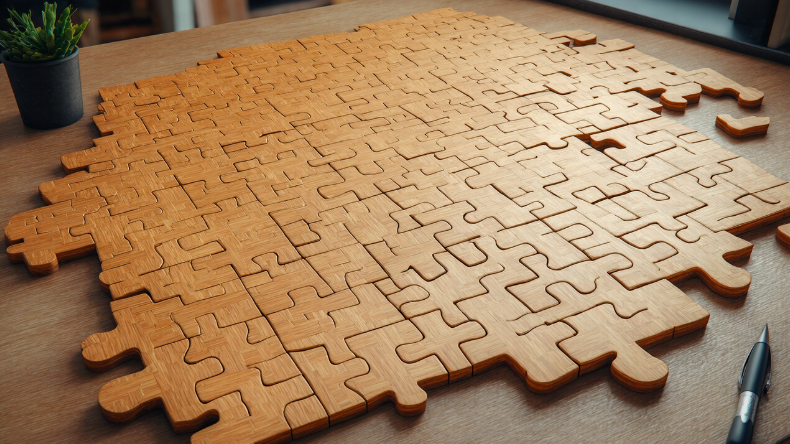
Interlocking puzzles are mechanical puzzles where multiple pieces fit together to form a unified structure without the use of external connectors like glue or fasteners. The pieces are mutually self-sustaining, meaning each piece supports the others, maintaining the integrity of the assembled form. The challenge lies in disassembling and reassembling the puzzle, as the pieces are designed to hold together firmly.
Key Characteristics of Interlocking Puzzles:
- Mutual Support:Each piece interlocks with others, creating a stable structure that remains intact without additional supports.
- Disassembly and Reassembly Challenge:The primary objective is to take apart and then reconstruct the puzzle, requiring careful analysis and strategy.
- Precision Fit:Pieces are crafted to fit together exactly, demanding accuracy in both design and assembly.
Common Materials Used:
- Wood:Traditional interlocking puzzles are often made from wood, offering a classic aesthetic and tactile experience.
- Metal:Some puzzles utilize metal for durability and a sleek appearance.
- Plastic:Modern manufacturing allows for plastic versions, providing affordability and versatility in design.
Ensuring Stability and Functionality:
Designers focus on precise craftsmanship to ensure that each piece fits snugly with its counterparts. This precision prevents unintended movement and maintains the puzzle's structural integrity. The design process often involves careful planning and testing to achieve the desired level of difficulty and ensure that the puzzle functions as intended.
4 Popular Types Of Interlocking Puzzle Designs
1. Burr Puzzles
Burr puzzles are classic interlocking puzzles made of wooden sticks or bars. These bars intersect at right angles to form a solid structure. Burr puzzles usually have symmetrical designs. The complexity comes from figuring out how to slide, rotate, or shift the bars correctly to disassemble and reassemble the puzzle. A key challenge for designers is balancing difficulty with precision in how the pieces fit together without forcing them.
2. Cube Puzzles
Cube puzzles consist of interlocking pieces that form a solid cube. Each piece has unique shapes and notches. The complexity arises from the need to identify the correct sequence of moves to take apart and rebuild the cube. A typical design challenge is ensuring each piece fits precisely while making the puzzle challenging but solvable.
3. 3D Geometric Puzzles
These puzzles feature multiple pieces designed in complex shapes, forming three-dimensional geometric objects like spheres, pyramids, or polyhedra. They often have irregularly shaped components, making assembly tricky. Designers must pay close attention to symmetry and how each part interacts, creating puzzles that are both appealing and challenging.
4. Star-Shaped Interlocking Puzzles
Star-shaped puzzles combine symmetrical star forms using precisely shaped interlocking pieces. Their complexity involves finding the exact alignment and sequence to unlock the puzzle. The primary design challenge involves crafting each star arm and notch accurately to ensure stability and precision without external supports.
Essential Elements Of Successful Interlocking Puzzle Designs
1. Precision In Design
Precision is vital for interlocking puzzles. Each puzzle piece must fit exactly with others, without gaps or loose parts. Accurate measurements ensure pieces hold tightly but still move smoothly. Precision ensures that the puzzle functions well and provides solvers with satisfaction when pieces align perfectly.
2. Symmetry And Balance
Symmetry gives puzzles a visually pleasing and balanced look. It helps puzzle-solvers quickly see patterns, aiding in the solving process. Symmetrical puzzles also tend to feel satisfying to handle, creating an attractive experience for puzzle enthusiasts.
3. Proper Alignment Of Pieces
Alignment means each puzzle piece connects with others in an orderly way. Proper alignment makes assembly logical and achievable. Without good alignment, pieces might stick or become hard to move. This frustrates solvers, so good alignment is essential for a successful puzzle.
4. Aesthetic Appeal
Attractive puzzles draw more interest. Good puzzle design doesn't just focus on function but also on visual beauty. Designers often use materials like polished wood, colorful plastic, or smooth metal to enhance appearance. A puzzle that looks good encourages people to pick it up and attempt to solve it.
5. Appropriate Difficulty Level
A successful puzzle has the right difficulty—not too easy or too hard. Designers must carefully balance challenge and accessibility. If a puzzle is overly complex, it becomes frustrating; if it's too simple, solvers feel no satisfaction. Achieving the right balance keeps puzzle-solvers engaged and eager to complete it.
5 Practical Steps For Designing Your Own Interlocking Puzzles
Step 1: Choose The Right Materials
Start by selecting a material suitable for your puzzle. Wood is easy to handle, looks appealing, and feels good to touch. Metal provides durability but is harder to work with. Plastic is affordable and good for creating colorful designs. Choose materials based on ease of use, the look you prefer, and your puzzle’s complexity.
Step 2: Sketch Your Puzzle Design
Begin by drawing a simple sketch of your puzzle. Clearly define each puzzle piece and how they fit together. Sketch multiple angles to ensure all parts connect correctly. Keep your sketches clear and simple. They will guide you through the entire design process.
Step 3: Create A Basic Prototype
Using your sketches, make a basic model or prototype. If you're new, start with cardboard or foam board. These materials let you adjust the design easily without much cost. Prototypes help you quickly test if the pieces fit well and reveal issues early.
Step 4: Test And Adjust Your Puzzle
Give your prototype to others to solve. Pay attention to how easily they handle it and where they get stuck. Use their feedback to find mistakes or tricky areas. Make changes as needed, like resizing pieces or adjusting alignment, to improve usability.
Step 5: Make The Final Puzzle
After refining your design, create the final version using your chosen materials. Carefully cut and assemble each piece, checking precision and smoothness. Finish your puzzle by sanding, polishing, or painting it neatly, making sure it looks attractive and professional.
5 Common Mistakes In Interlocking Puzzle Designs And How To Avoid Them
Mistake 1: Ignoring Tolerances
Beginners often design pieces that fit too tightly, making puzzles difficult or impossible to assemble.Solution:Allow slight gaps (called tolerances) in your designs. A small space (around 0.1mm to 0.3mm) lets pieces slide smoothly without becoming loose.
Mistake 2: Overly Complex Pieces
New designers sometimes create complicated shapes that are hard to produce or assemble. Complex designs make puzzles frustrating rather than enjoyable.Solution:Keep your puzzle pieces simple, clear, and easy to handle. Start with basic shapes and gradually introduce complexity after testing simpler versions.
Mistake 3: Choosing the Wrong Materials
Beginners might choose materials that are unsuitable for puzzles, causing issues like warping, breaking, or poor fitting.Solution:Select durable, stable materials like quality wood or acrylic. Consider how the material reacts to humidity, heat, and regular use.
Mistake 4: Neglecting Symmetry and Balance
Ignoring symmetry makes puzzles look unbalanced and harder to solve. Pieces that are uneven or lack symmetry confuse puzzle-solvers.Solution:Design symmetrical pieces to improve appearance and make the puzzle easier to understand and assemble. Balance in design enhances usability and appeal.
Mistake 5: Skipping the Prototype Stage
Beginners sometimes rush directly to making final puzzles without first creating a prototype. This can result in costly mistakes and wasted time.Solution:Always make a simple prototype from cardboard or foam board first. Test this version thoroughly and make adjustments before creating the final puzzle.
FAQs
What is an interlocking puzzle?
Interlocking puzzles are puzzles made of separate pieces that fit together tightly without glue or connectors. The pieces support each other, creating a solid shape that's challenging to take apart and reassemble.
What materials are commonly used in interlocking puzzle designs?
Common materials include wood, plastic, and metal. Wood is popular for its feel and looks. Plastic is common due to low cost and variety in colors. Metal is chosen for strength and durability.
How many pieces should a good interlocking puzzle have?
A good interlocking puzzle usually has between 6 and 12 pieces. Fewer pieces are better for beginners, while more pieces add complexity and challenge for experienced solvers.
What makes an interlocking puzzle challenging to solve?
Interlocking puzzles are challenging because each piece affects the others. Solvers must find the exact order and method to remove and replace pieces. Precision fitting also adds difficulty, as pieces must align perfectly.
How can I test my interlocking puzzle design effectively?
The best way is to build a prototype using simple materials like cardboard or foam board. Ask others to solve your puzzle and watch closely for areas where they get stuck or confused. Adjust your design based on this feedback.
What tools or software can help me design interlocking puzzles?
Common design software includes SketchUp, Fusion 360, and AutoCAD. These programs help designers create precise models, check fit, and easily adjust puzzle pieces before making prototypes.
Are interlocking puzzles suitable for beginners?
Yes, interlocking puzzles are suitable for beginners if they have fewer pieces and simpler designs. Starting with puzzles of around six pieces helps beginners learn basic solving skills before trying more complex versions.
How can symmetry improve my puzzle designs?
Symmetry helps solvers recognize patterns, making the puzzle easier to understand and more visually appealing. It also ensures pieces balance correctly, providing better stability and a more satisfying solving experience.
What are some famous interlocking puzzle examples?
Famous examples include the Burr Puzzle, Soma Cube, and Diagonal Burr Puzzle. These puzzles are well-known for their unique designs, complexity, and the interesting solving challenges they provide.
Where can I learn more about advanced interlocking puzzle design?
You can learn advanced puzzle design from online puzzle communities, forums like Puzzle Place, or specialized websites like Cubic Dissection. Puzzle-solving events and puzzle design books also offer great resources.
Jump to
Latest Articles
Popular Articles