Marvel Rivals Tier List 2026: Who Are The Best Heroes Right Now?
Updated marvel rivals tier list for Season 6 with high-rank meta picks, synergy notes, and practical counters built for real ranked decision-making.
Jan 01, 20269.7K Shares131.2K Views
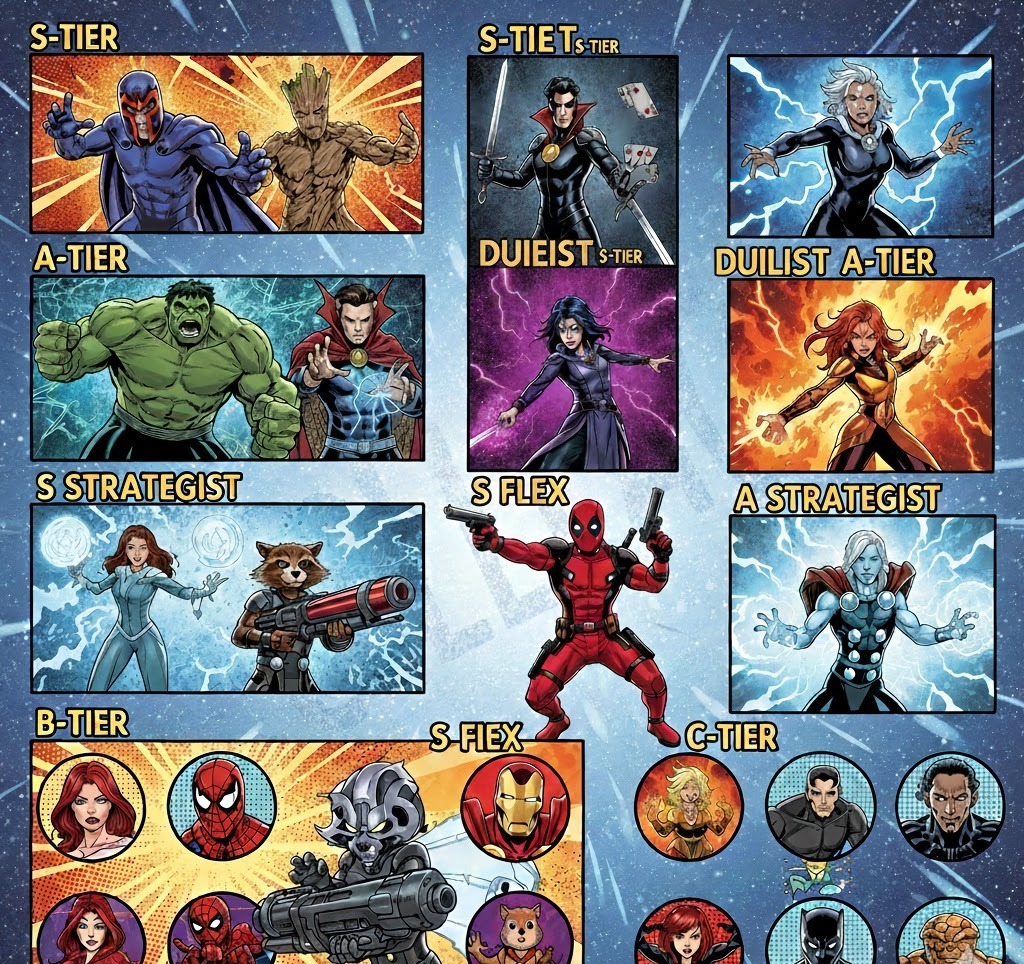
Marvel Rivals Tier List – Best Heroes Ranked For The Current Meta
Marvel Rivals doesn’t reward “highest damage” nearly as much as it rewards control. The teams that win consistently are the ones that claim space first, survive the opening cooldown dump, and turn objectives into forced, uncomfortable fights for the enemy. That reality changes what “best hero” actually means, and it’s why this Marvel Rivals tier listfocuses on what wins matches in the current meta, not what looks strongest in a vacuum.
Season 6 is especially defined by two things: shield-heavy defenses and Team-Up value. A hero’s power often spikes when paired with the right partner, and the best comps are built to make the enemy’s approach routes predictable, slow, and expensive. This tier list is built from a combination of current meta trackers, rank-filtered stats (win rate/pick rate/ban rate), and Season 6 balance changes from official patch notes and reputable breakdowns.
How This Marvel Rivals Tier List Is Ranked
This Marvel Rivals tier list uses one core idea: a hero’s tier reflects how often they help a team win; not how flashy they look in one highlight clip.
Ranking Criteria Used Throughout
1. Team-Up Potential
Some Marvel Rivals character picks essentially double in value with the right synergy partner because Team-Ups can add new abilities, buffs, or power spikes that change fight outcomes. Team-Ups are a major system in Marvel Rivals and are explicitly tracked and updated over time.
2. Objective Persistence
How well a hero holds a point against shield-heavy and multi-frontline setups. In Season 6, defensive value often comes from shields and battlefield segmentation, not just healing.
3. Cooldown Efficiency
High-impact tools with low downtime tend to outperform burst kits with long “dead windows.” Season 6 is a great example, with Hulk’s Gamma Burst cooldown reduction being a direct power spike that changes his tier value.
4. Rank Reliability
A hero can be S-tier in Diamond+ and only A-tier in Bronze–Platinum because follow-up, target focus, and rotations change dramatically by rank. MarvelRivals.gg even publishes separate tier list links for different rank brackets, which reflects this reality.
Tier Meanings In This Marvel Rivals Tier List
S-Tier
Meta-defining heroes that consistently force enemy adaptations. In high ranks, these are often “must-picks” or “must-answer” heroes.
A-Tier
Strong, reliable picks with clearer counterplay. Often the best solo queue climbing choices.
B-Tier
Viable but execution or comp dependent. These heroes can feel amazing in the right hands and terrible without the right conditions.
C-Tier
Outclassed or heavily matchup dependent. Can still win, but you’re choosing a harder path.
Important Note About “marvel Rivals Tier List 4.5”
You’ll see searches like “marvel rivals tier list 4.5” because some stat sites bucket balance states by seasons and sub-seasons (4.5, 5.0, 5.5, 6.0) rather than using only traditional patch naming. RivalsMeta, for example, lets you filter hero stats by Season and even lists Season 4.5 directly.
The useful takeaway isn’t the number. It’s the intent: players want a tier list for the current balance environment.
See also:Top Watcher Of Realms Tier List
What This Season 6 Tier List Focuses On
A tier list is only useful if it helps you make better decisions in real matches. Simply knowing which heroes are strong isn’t enough you need to understand whythey are strong, whenthey reach peak value, and what conditions cause them to fall off.
This Season 6 Marvel Rivals tier list is built around practical decision-making rather than surface-level rankings. The goal is to help players translate tier placements into smarter drafts, better in-game choices, and more consistent wins.
This tier list emphasizes:
- Role-based rankings (Vanguard, Duelist, Strategist) so team compositions have proper coverage instead of overlapping strengths
- Solo queue versus coordinated play differences, explaining why certain heroes gain or lose value depending on communication and follow-up
- Map and objective context, showing how choke points, open sightlines, and forced brawl objectives directly affect hero strength
- Direct hero comparisons (“why one hero ranks above another”) to make placements logical and earned
- Upgrade and downgrade triggers, tied to balance changes, pitch notes, and shifting meta trends
- Emma Frost counterplay, with clear fight rules and hero-specific answers instead of vague advice
By focusing on these elements, the tier list becomes a strategic reference rather than a static ranking.
Marvel Rivals Tier List (Season 6): The Two-Tier Reality
Hero strength is not universal. A hero that feels "broken" in a Gold lobby might be completely unplayable in a Diamond+ match where players have mastered the art of "peeling" and "counter-swapping." To provide an honest look at the meta, we categorize value into two distinct lenses:
General Ranked Meta (Bronze–Platinum)
Individual carry potential and ease of use matter most. High-damage heroes often thrive because mistakes go unpunished.
Diamond+ Meta
Utility, resource management, and execution dominate. S-tier heroes here create space, deny value, or control objectives rather than simply dealing damage.
Each hero is tagged as:
- [Solo Queue Carry]
- [Coordination Dependent]
Vanguard (Tank / Space Control) Tier List
S-Tier – Magneto, Groot
These are the Vanguards that don’t just “tank damage.” They decide where fights happen, which angles are playable, and how the enemy is allowed to approach objectives. In Season 6, that is the difference between a good tank and a meta-definer.
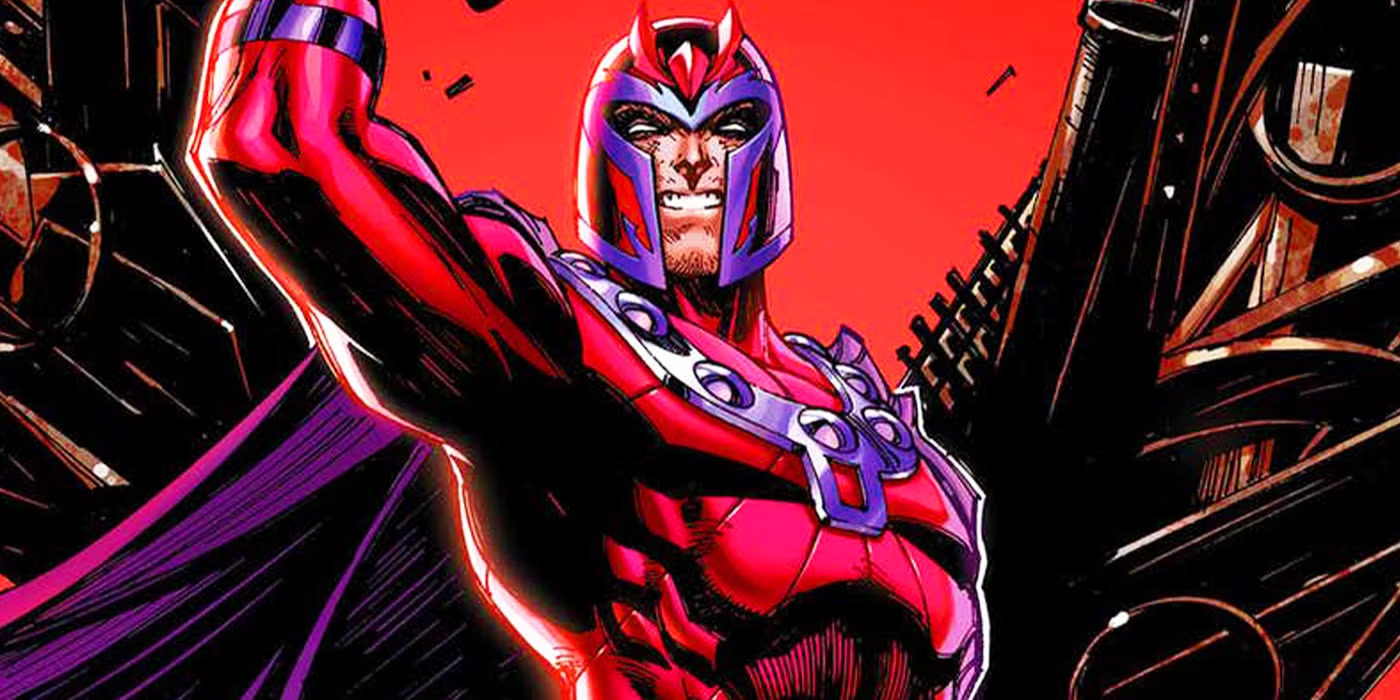
1. Magneto – S-Tier Vanguard
Why Magneto is S-Tier
Magneto is S-Tier because he is one of the few tanks that can repeatedly take space without needing perfect timing from teammates. In shield-heavy metas, the best Vanguard is the one that forces enemy DPS to stop shooting what they want and start dealing with what they have to.
What Magneto does better than most Vanguards
First, Magneto denies angles. That means enemies can’t freely set up on high ground, peek long sightlines, or rotate through choke points without paying a cost. Even when Magneto isn’t killing people, he’s controlling what options the enemy has.
Second, Magneto disrupts ultimate value. Many team fights in Marvel Rivals are decided by which team gets more ultimate impact. Magnetois strong because his defensive utility can reduce how much value enemy ultimates generate. That is huge in Diamond+ where teams actually layer ultimates correctly.
Third, Magneto scales with coordination and Team-Ups. A major reason Magneto becomes oppressive is synergy. When paired with Scarlet Witch, Magneto’s threat spikes because he stops being a “tank you ignore” and becomes a frontline that can punish you for trying to walk through him. At high ranks, that forces swaps because enemies cannot play the same greedy backline heroes into a Magneto that can also delete them.
Magneto win condition
- Take the most important space before the enemy does
- Force the enemy to spend cooldowns to contest it
- Win the second half of the fight when their tools are down
What makes Magneto fall off
Magneto only “falls off” when the player wastes defensive tools early and gives enemies a free window to walk in. If you cycle your defenses correctly, you stay S-Tier.
2. Groot – S-Tier Vanguard

Why Groot is S-Tier
Groot is S-Tier because he controls the battlefield in the most literal way. Most tanks pressure by standing in front of you. Groot pressures by changing the map. In Season 6, physical segmentation is one of the strongest forms of objective control because it breaks line-of-sight and isolates supports.
What Groot does better than most Vanguards
Groot excels at splitting fights into unfair pieces. He makes it difficult for enemy Strategists to heal, shield, or peel because he can separate frontline from backline. Even a small separation can cause a quick pick, and one pick usually wins the objective fight.
Groot also punishes teams that rely on single-lane pushes. A lot of ranked teams stack together and “walk in.” Groot turns that into a losing plan because he can block, funnel, and force enemies into predictable routes where your Duelists can farm damage safely.
Groot win condition
- Segment the battlefield before the fight fully starts
- Force a temporary 4v2 or 4v3 by cutting off supports
- Convert that isolation into a pick, then snowball the fight
What makes Groot fall off
Groot struggles when enemies have strong vertical mobility and can bypass the segmentation completely. He also becomes less dominant on very open maps where walls don’t create the same pressure.
3. Hulk – A-Tier Vanguard

Why Hulk is A-Tier
Season 6 buffs improved Hulk’s uptime and reliability, but he is still not a universal meta-definer. Hulk excels when fights are forced and chaotic but coordinated teams can sometimes disengage from him and re-engage when his main pressure window ends.
Why the Season 6 buffs matter
Gamma Burst cooldown reduction means Hulk gets more chances to contest space rather than being forced into one “all-in” moment per fight. Knockback and launch immunity in Monster form reduces how easily he can be peeled once he commits.
That changes Hulk’s role. He’s no longer just a “dive and hope” Vanguard. He becomes a consistent tempo tank who can repeatedly threaten the objective.
Hulk win condition
- Force enemies to react to you, not the objective
- Create enough chaos that your Duelists get free shots
- Keep pressure up long enough for the enemy to run out of peel tools
Why Hulk is not S-Tier
His engage patterns are readable. If your team doesn’t follow up, enemies can kite and ignore you. S-Tier Vanguards still create advantage even without perfect follow-up. Hulk often needs it.
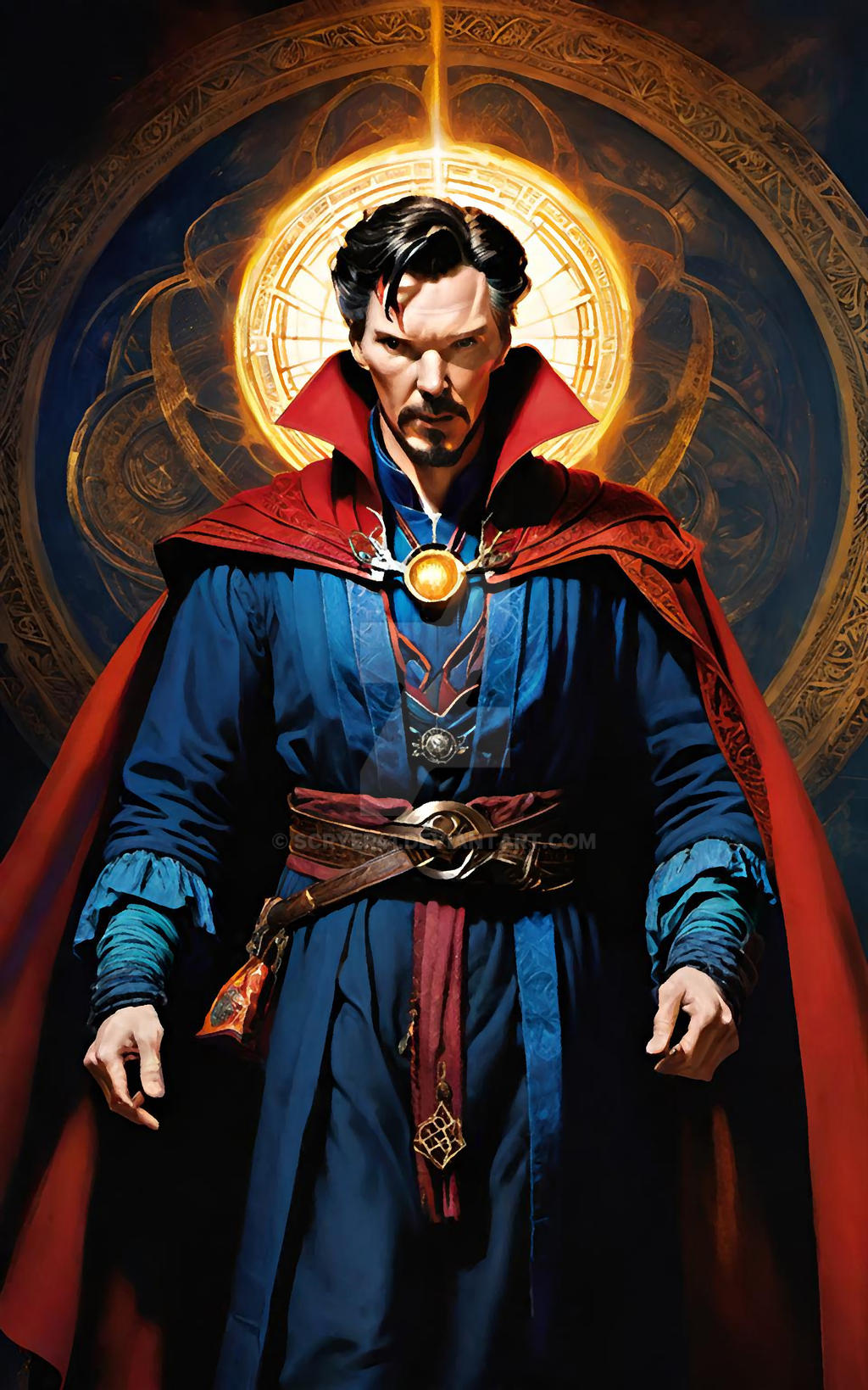
4. Doctor Strange – A-Tier Vanguard
Why Doctor Strange is A-Tier
Doctor Strange is A-Tier because his value is utility-based, not brute-force based. He’s incredible when your team understands how to use the windows he creates, but his impact can feel muted in solo queue where teammates don’t always capitalize.
What Strange does best
He controls fight timing. He can turn bad engages into safe resets and good engages into guaranteed positional advantages. That means he is strongest in coordinated play where teams actually take the space he creates.
Doctor Strange win condition
- Create a favorable fight location
- Control the tempo of engages and disengages
- Enable your Duelists to fight safely
Why Strange is not S-Tier
He’s not always the one finishing fights himself. His power depends on your team’s ability to convert utility into eliminations.
Duelist (Damage) Tier List
S-Tier – Hela, Gambit, Magik These Duelists are S-Tier because they consistently turn pressure into kills without requiring perfect conditions.
5. Hela – S-Tier Duelist
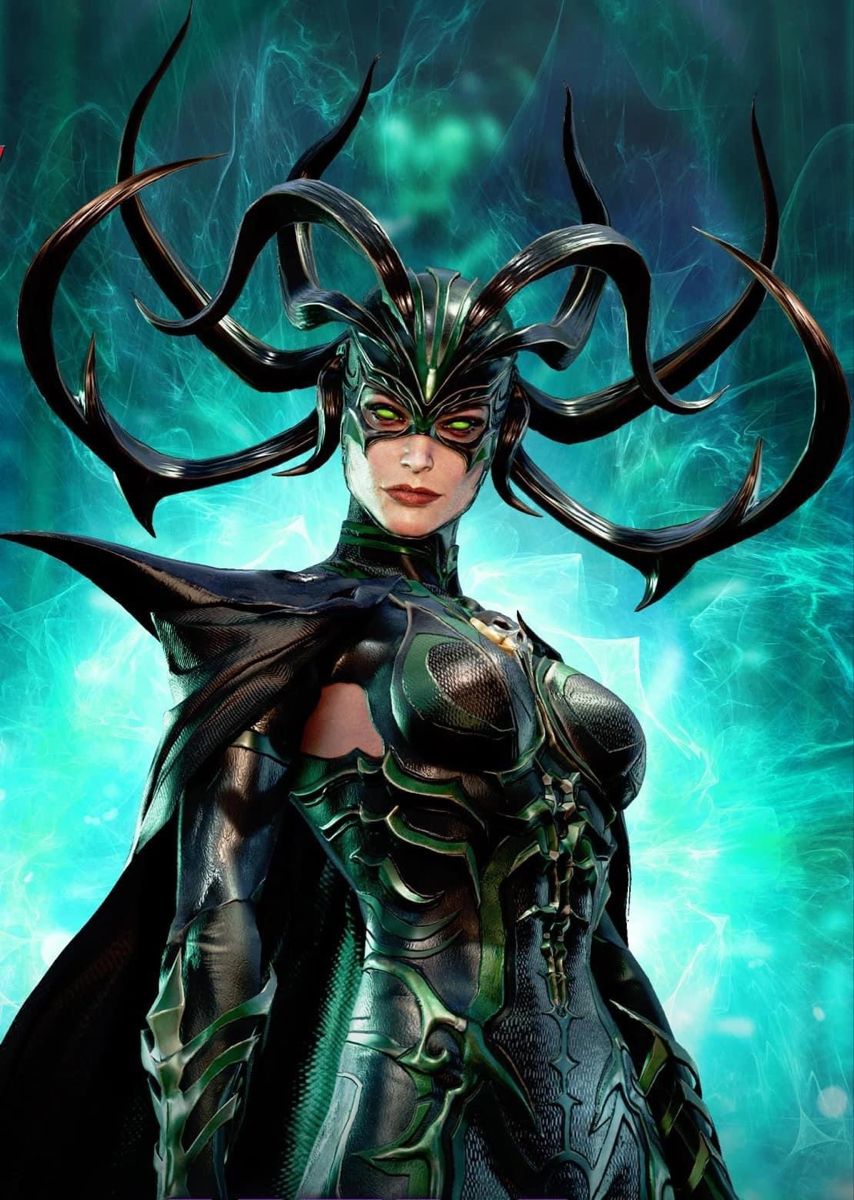
Why Hela is S-Tier Hela is S-Tier because she delivers lethal damage from safe ranges, and high ranks reward low-risk kill pressure. If a Duelist can consistently threaten picks without overexposing, they stay meta for a long time.
Hela win condition
- Hold an angle that forces enemies to respect you
- Punish any exposed support or DPS instantly
- Convert pressure into objective advantage
What makes Hela fall off
Hela struggles when enemies have disciplined shielding, fast dives, or can deny her angles repeatedly. But even then, her reliability keeps her S-tier.
The "Shield-Break" Threshold
While Hela is S-Tier for picks, Phoenix and Namor have risen to High-A Tier specifically because their damage types bypass or shred shields faster than standard projectiles. If you are facing a 'Bunker' (Magneto + Groot + Invisible Woman), a Hela pick can actually struggle; in these specific windows, the 'shield-breakers' become the real S-Tier.
6. Gambit – S-Tier Duelist
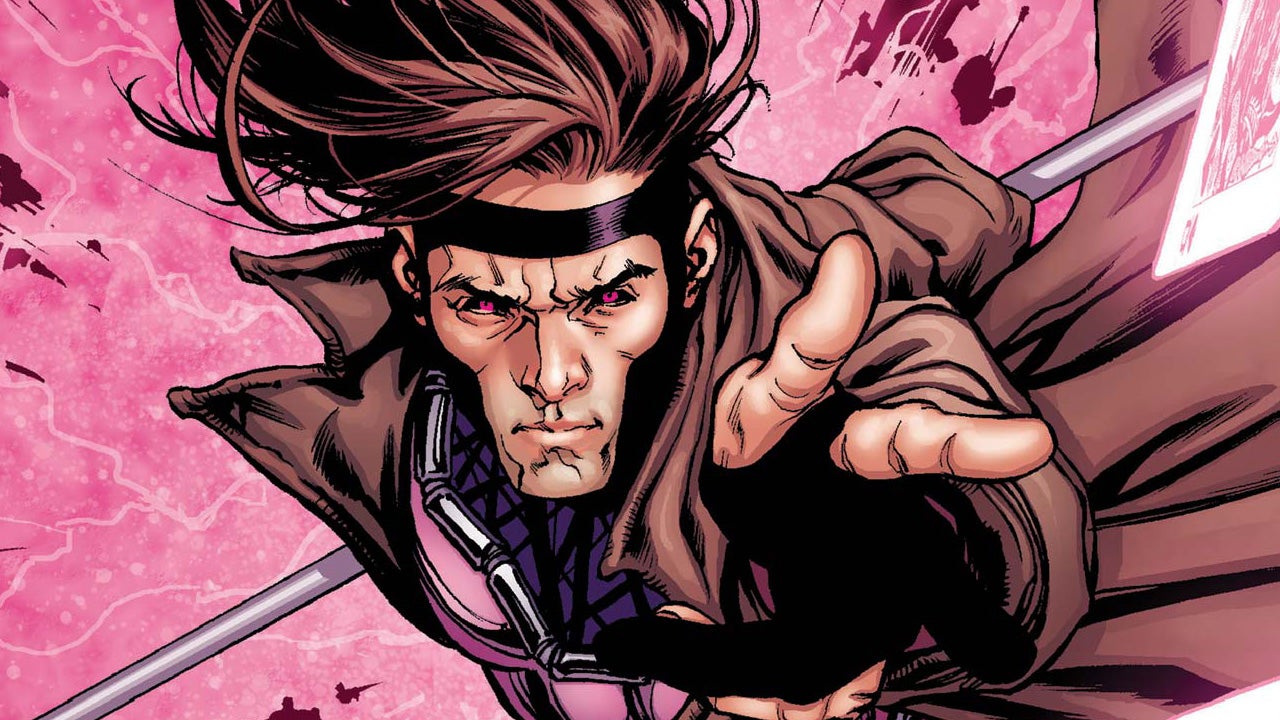
Why Gambit is S-Tier
Gambit thrives because he is excellent in the mid-fight, the phase where most ranked matches are decided. In real games, fights don’t end instantly. They become messy. Gambit gets stronger in mess.
What Gambit does best
- Punishes grouped enemies
- Maintains strong damage output without needing perfect aim windows
- Capitalizes on disrupted enemies after a Vanguard engage
Gambit win condition
- Play behind your tank line
- Farm pressure until enemies are forced into cover
- Use that pressure to secure a pick during their reposition
Why Gambit stays S-Tier
He doesn’t rely on one ability to be useful. His value is consistent.
7. Magik – S-Tier Duelist
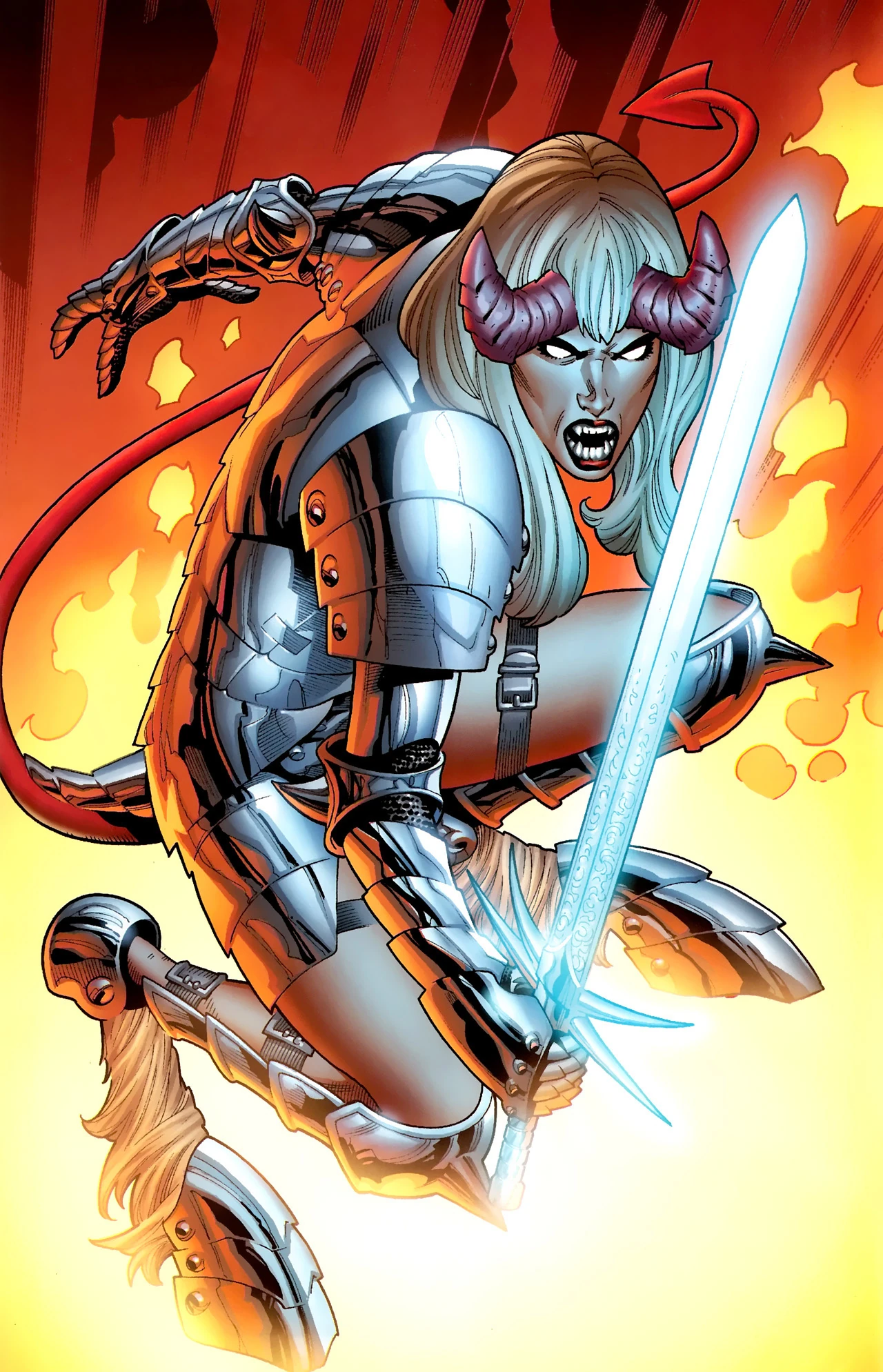
Why Magik is S-Tier
Magik is S-tier because she thrives in scrappy fights where positioning breaks down. She converts chaos into consistent picks, and that’s why she shows up at the top of win-based tier environments.
Magik win condition
- Enter after enemy stuns are used
- Commit when enemies are mid-rotation or mid-reload
- Clean up targets who are already pressured
What makes Magik fall off
Shield-stacked bunker comps can shrink her windows if your team refuses to force fights. She needs fights to happen.
8. Storm – A-Tier Duelist
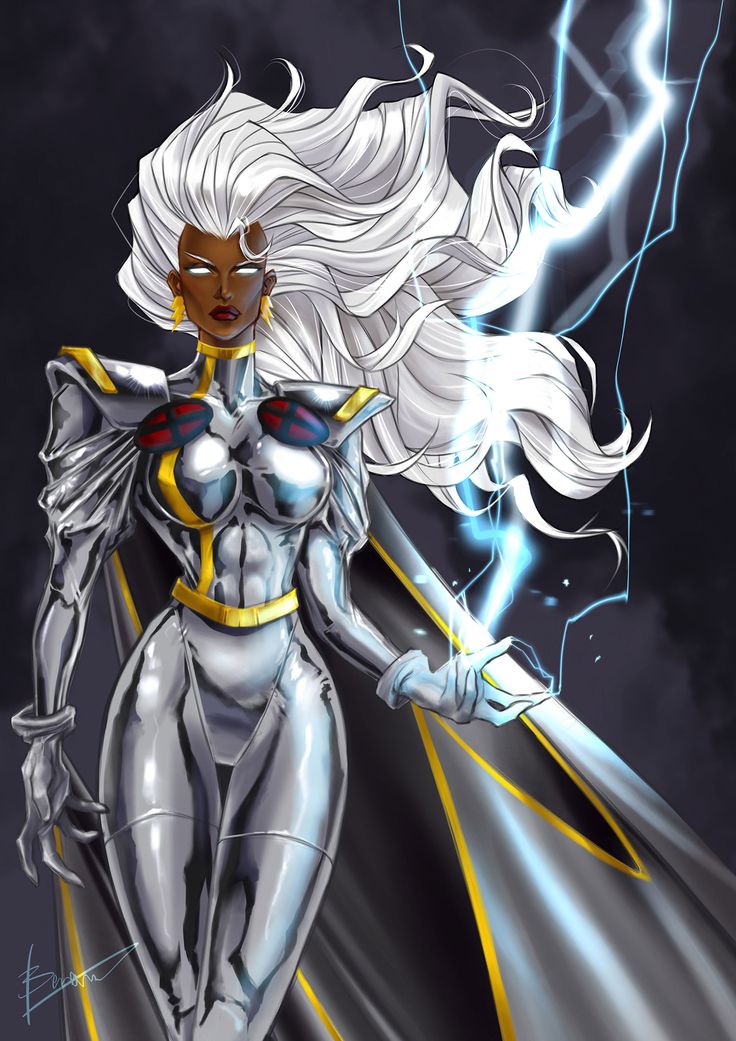
Why Storm is A-Tier
Storm is one of the best zoning carries in the game, but she’s A-tier because her value depends on the fight location. On choke maps she can look S-tier. On open maps, enemies can play around her more easily.
Storm win condition
- Control the objective approach routes
- Force enemies into bad rotations
- Win the fight before it starts by denying options
9. Phoenix – A-Tier Duelist
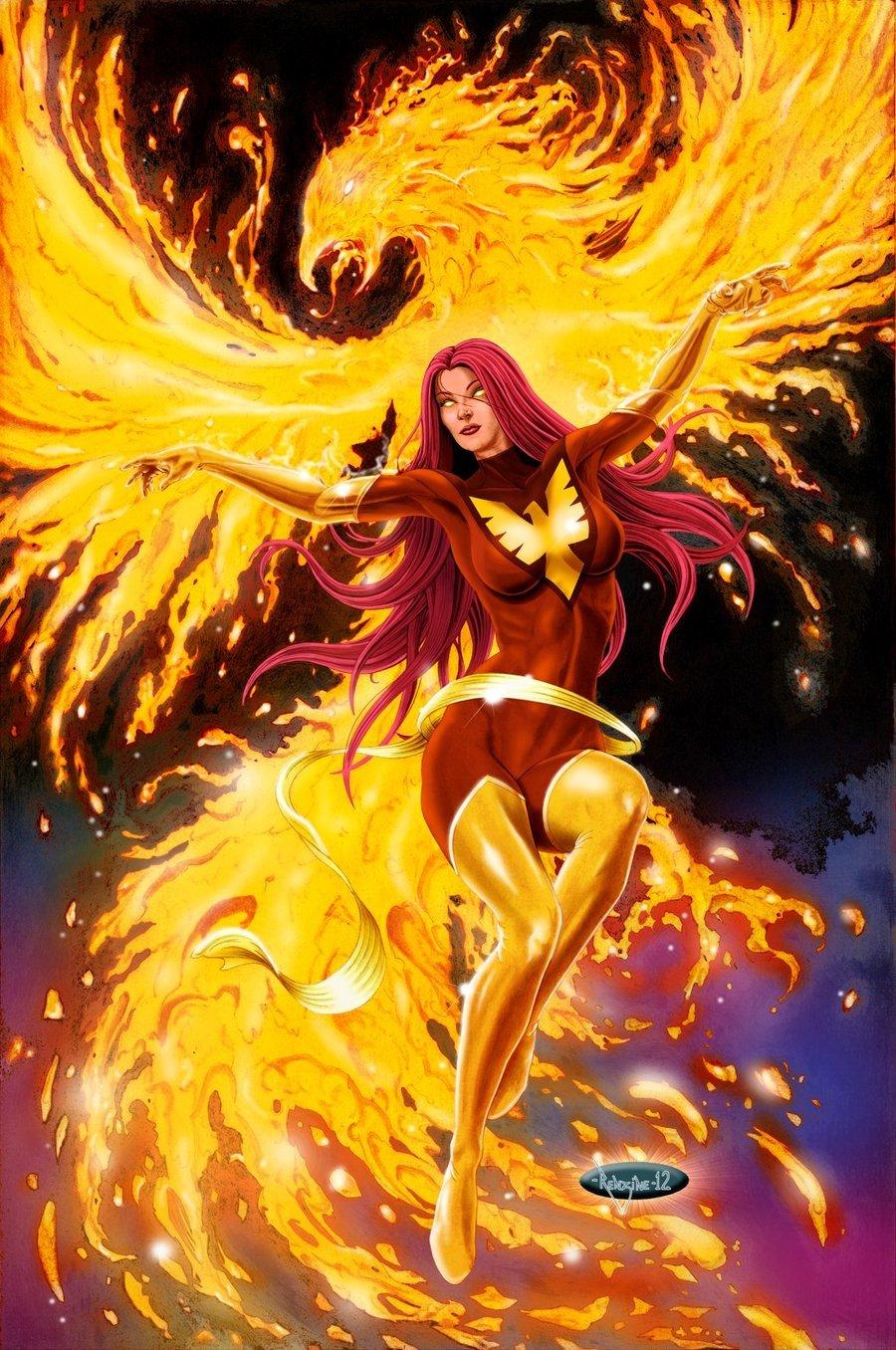
Why Phoenix is A-Tier
Phoenix is strong because she has high team fight impact, but she requires disciplined positioning. If she’s focused early, she loses her ability to control the fight.
Phoenix win condition
- Take safe angles
- Punish teams that clump
- Stay alive long enough for her value to stack
Best Strategist (Support) Heroes – Season 6 Meta Breakdown
Strategists define how long fights last, how safe rotations are, and whether mistakes are recoverable. In Season 6, the shift toward shields, prevention, and AoE control has reshaped what “best support” actually means.
S-Tier Strategists – Invisible Woman & Rocket Raccoon
10. Invisible Woman – S-Tier Strategist
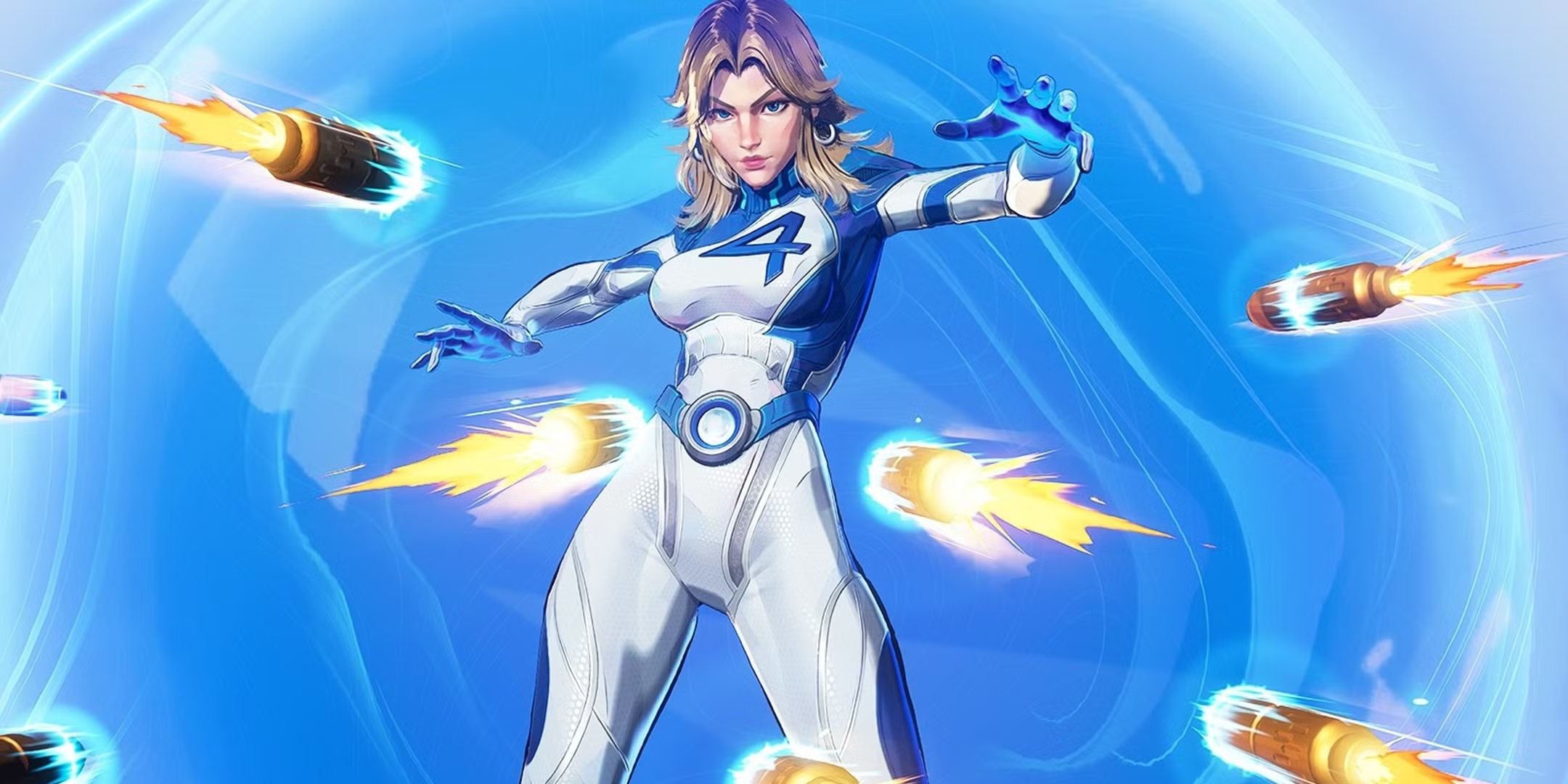
Invisible Woman is S-Tier because preventing damage is stronger than healing it in the current meta. Shields scale better into burst, deny ult breakpoints, and give teams more control over when fights actually begin.
What makes Invisible Woman dominant:
- Team-wide shielding increases effective health across the entire lineup
- Invisibility enables safer rotations, disengages, and repositioning
- Strong answer to poke-heavy and long-range Duelist comps
Even after shield nerfs, she remains elite because high-level play rewards damage denial, not reactionary healing.
Invisible Woman’s win condition:
- Absorb the enemy’s opening pressure
- Preserve cooldowns and positioning
- Win the fight once enemies run out of burst windows
11. Rocket Raccoon – S-Tier Strategist
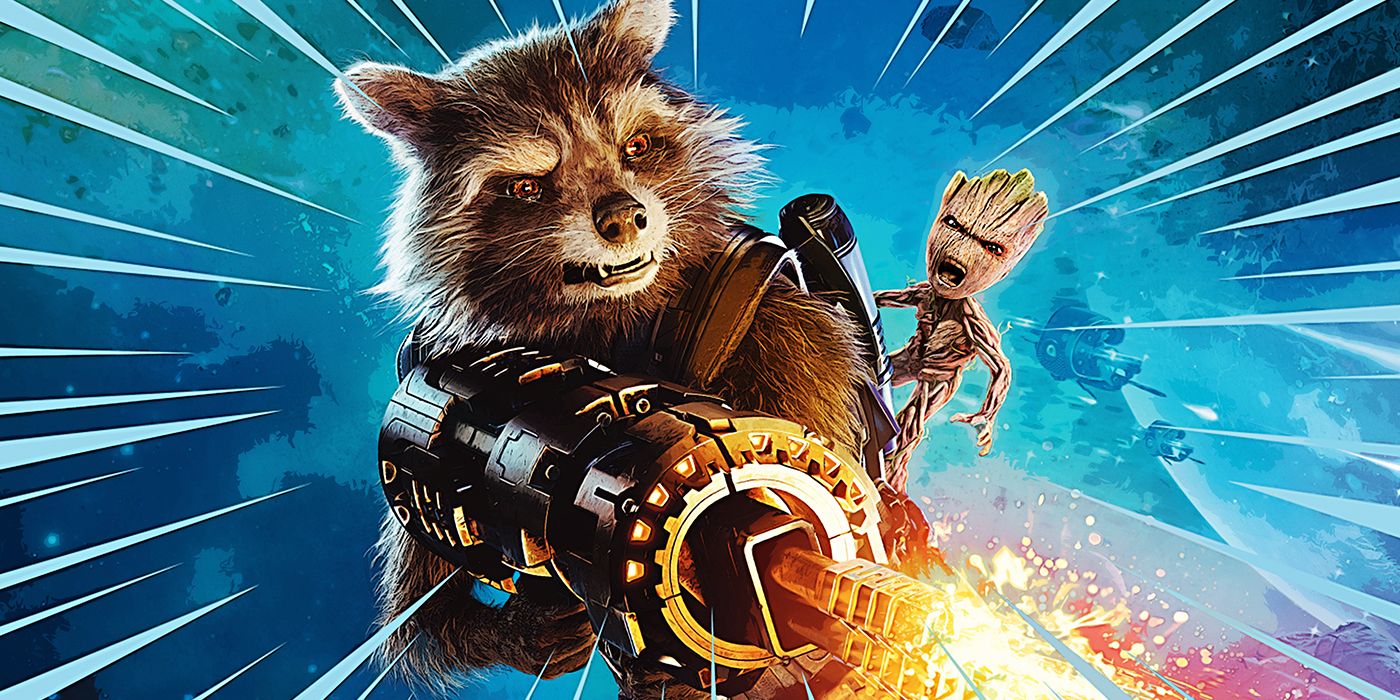
Rocket Raccoon is S-Tier because utility wins objectives. He doesn’t just keep teams alive; he controls how enemies are allowed to approach the fight.
What Rocket does better than most Strategists:
- Trap-based zoning that punishes predictable pushes
- Strong choke control and disengage tools
- Enables safe retreats without turning fights into wipes
Rocket shines on objective maps where enemies are forced to walk into specific lanes. When played correctly, he removes “good” approach options entirely.
Rocket’s win condition:
- Shape the battlefield before the fight starts
- Force enemies into bad angles
- Win fights by denying clean engages
A-Tier Strategists – Luna Snow & Mantis
These heroes are powerful but slightly more dependent on timing, positioning, or team coordination.
12. Luna Snow – A-Tier Strategist
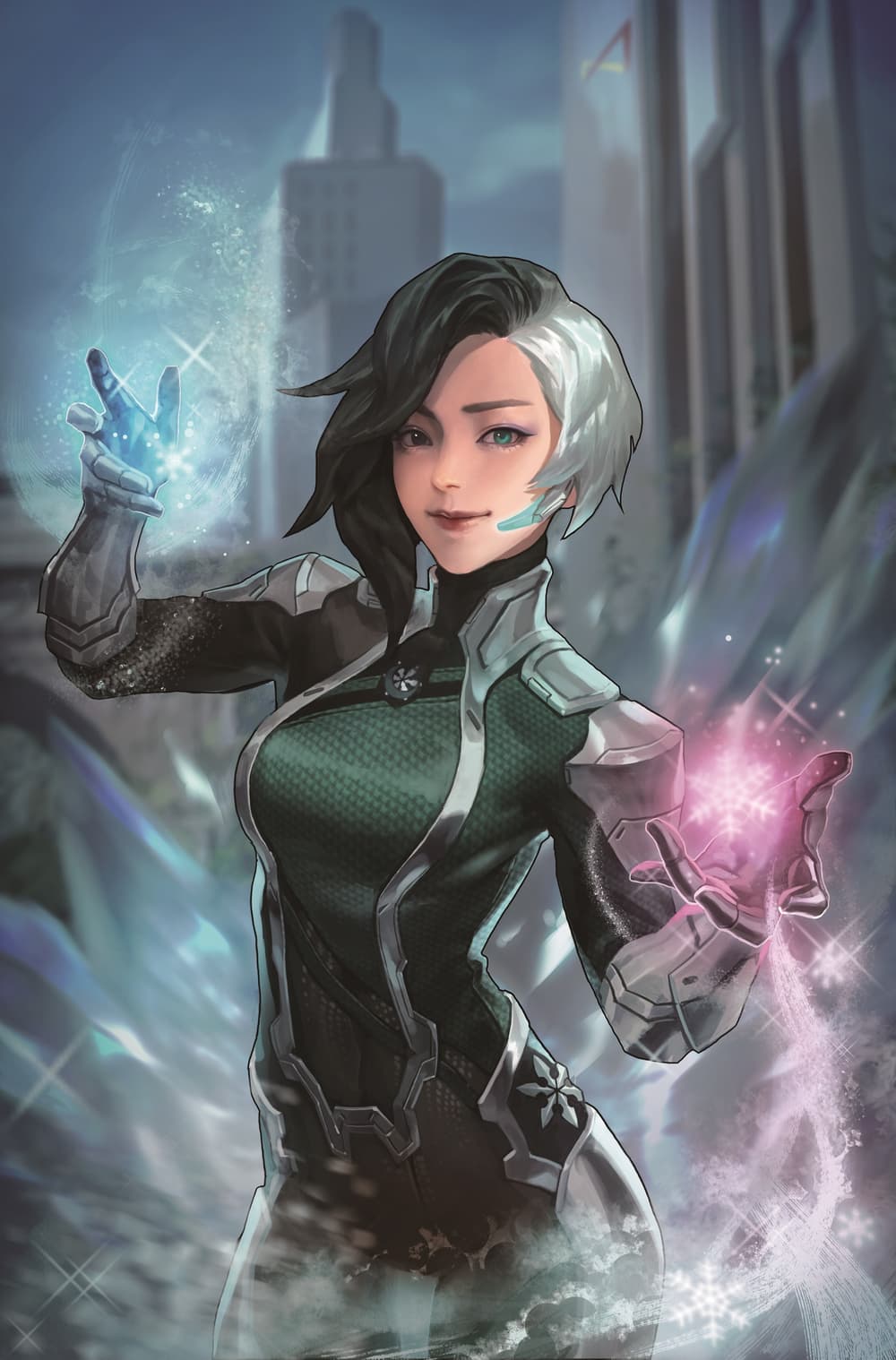
Luna Snow is strong because hard crowd control remains one of the best answers to aggressive divers and self-sustaining heroes like Emma Frost.
Where Luna excels:
- Freeze-based control that interrupts momentum
- Strong defensives counterplay against commit-heavy heroes
- Excellent at stopping snowball fights
She drops to A-Tier because her value is more situational and timing-dependent. Missed freezes or poor positioning reduce her impact significantly.
13. Mantis – A-Tier Strategist

Mantis remains one of the best fight stabilizers in the game. She excels in extended fights and chaotic lobbies where teammates make mistakes.
What Mantis does well:
- Rescues overextended teammates
- Provides strong sustain in drawn-out fights
- Enables second wave re-engages
She sits in A-Tier rather than S-Tier because prevention (shields, zoning) currently outperforms sustain in coordinated play. However, in messy solo queue games, Mantis can feel borderline S-Tier.
14. The Deadpool Factor – The Flex S-Tier
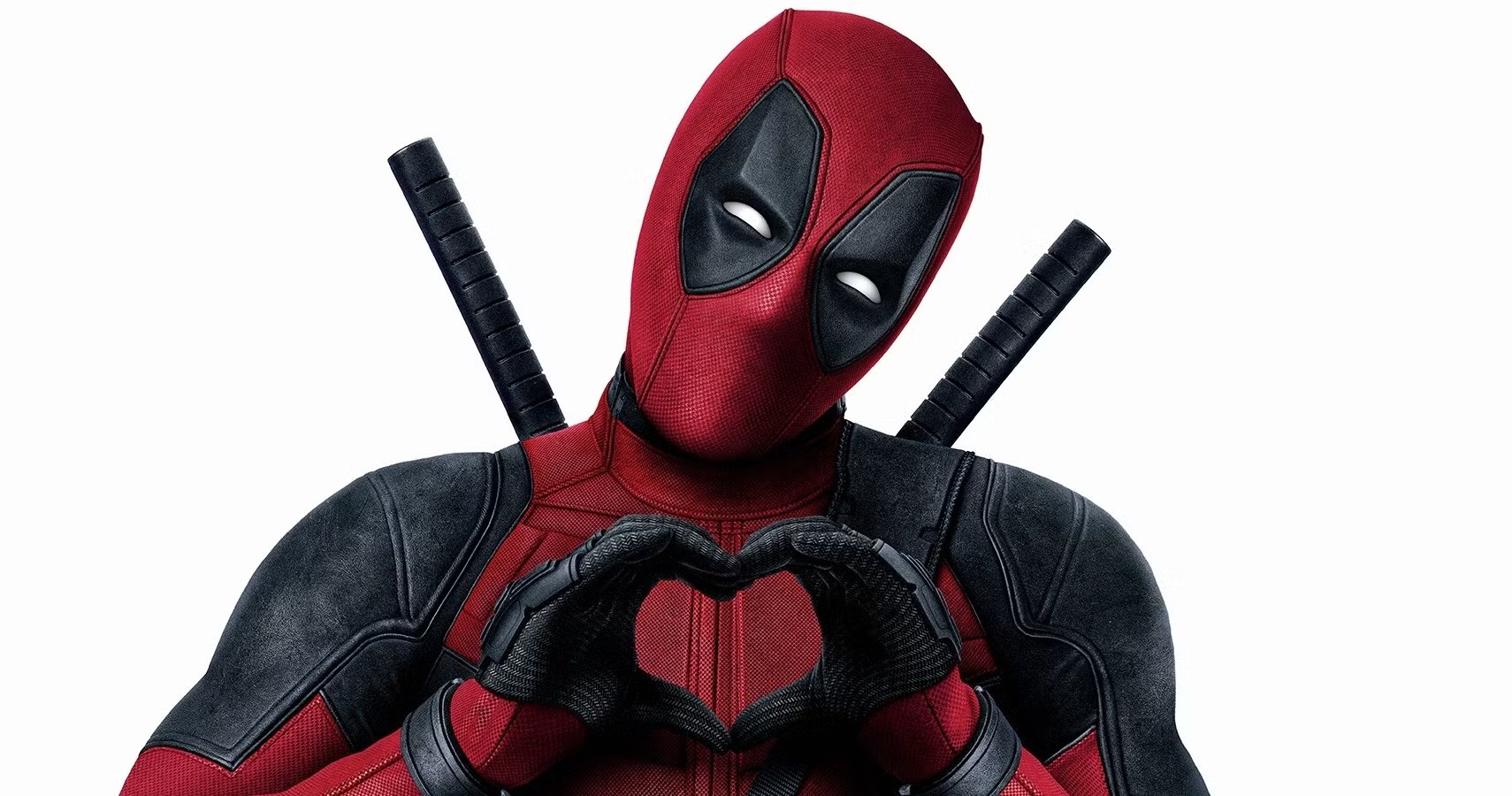
Deadpool does not fit cleanly into any single role. His strength comes from draft unpredictability and on-the-fly role adaptation, which is extremely valuable in Season 6.
If you see an enemy Deadpool, you are not drafting against one role you are drafting against potential role swaps designed to counter your comp.
Deadpool’s Role-Based Power Spikes
Vanguard Deadpool
- Gains +50 Health through the Interdimensional Toy BoxTeam-Up with Jeff the Land Shark
- Becomes a surprisingly durable space-holder
- Strong on vertical or brawl-heavy maps
Duelist Deadpool
- Gains +5% Damage
- Functions as a sustained mid-fight DPS rather than a burst assassin
- Excels at punishing overextended targets
Strategist Deadpool
- Gains +5% Healing
- Offers flexible sustain without committing to a traditional healer
- Enables unusual draft combinations
Why Deadpool is effectively “Flex S-Tier”:
- Forces enemies to guess your final comp
- Can counter-pick mid-series or mid-session
- Breaks predictable draft logic
Deadpool’s presence alone changes how teams approach drafting.
The Pro Tip:"Watch the enemy team UI. Deadpool’s icon color changes slightly based on his current role (Yellow for Vanguard, Red for Duelist, Blue for Strategist). If the enemy Deadpool shifts to Blue mid-fight, your team must immediately switch to a 'Dive' focus, as the enemy team has just gained a massive sustain boost.
B-Tier – Situational Specialists
Spider-Man, Venom, Thor, Iron Man, Loki These heroes can be excellent, but they’re more punishing, more matchup-sensitive, or require higher execution.
15. Spider-Man – B-Tier
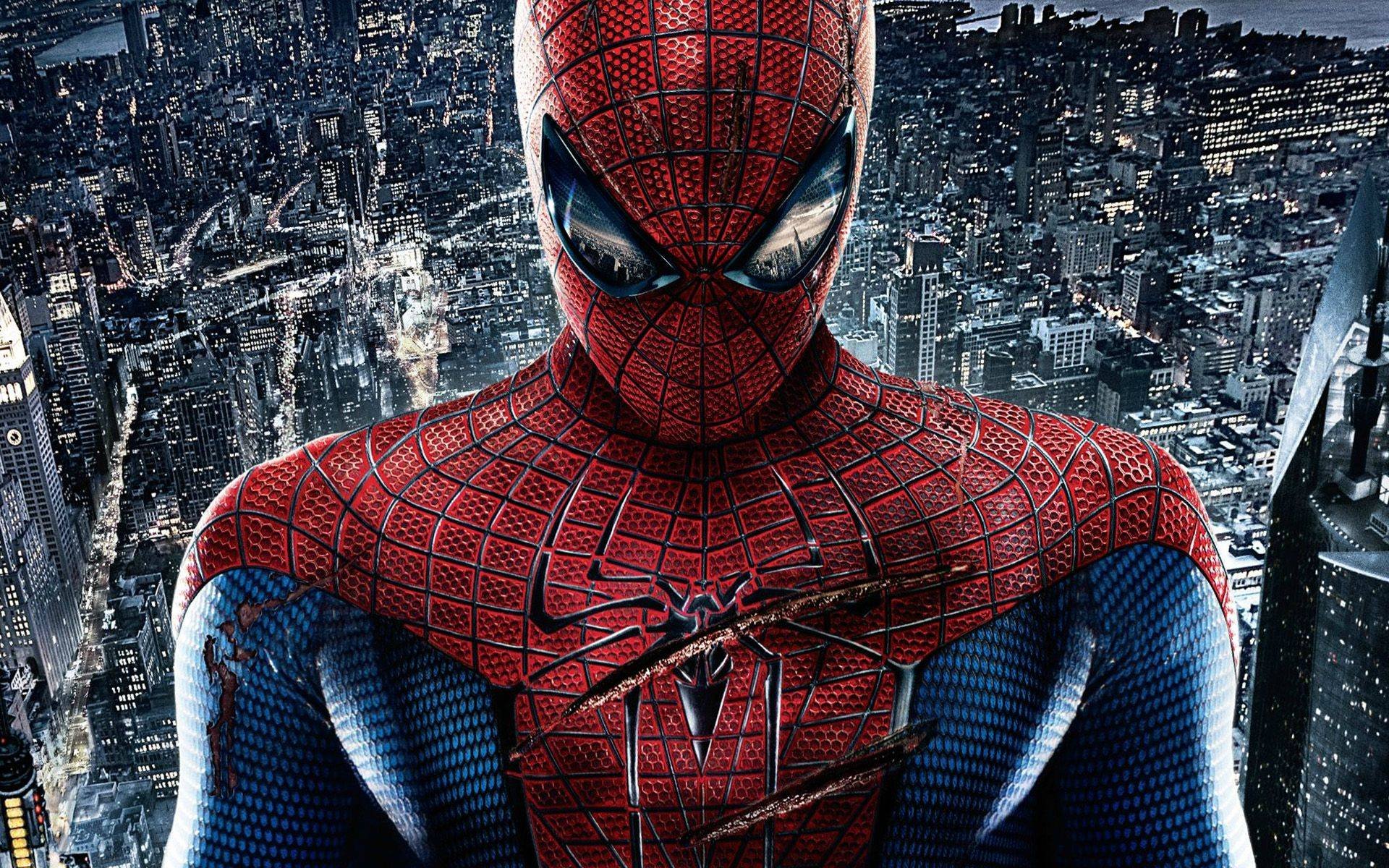
Spider-Man’s skill ceiling is massive, but he is punished heavily if the enemy team tracks stuns and peels correctly.
16. Venom – B-Tier
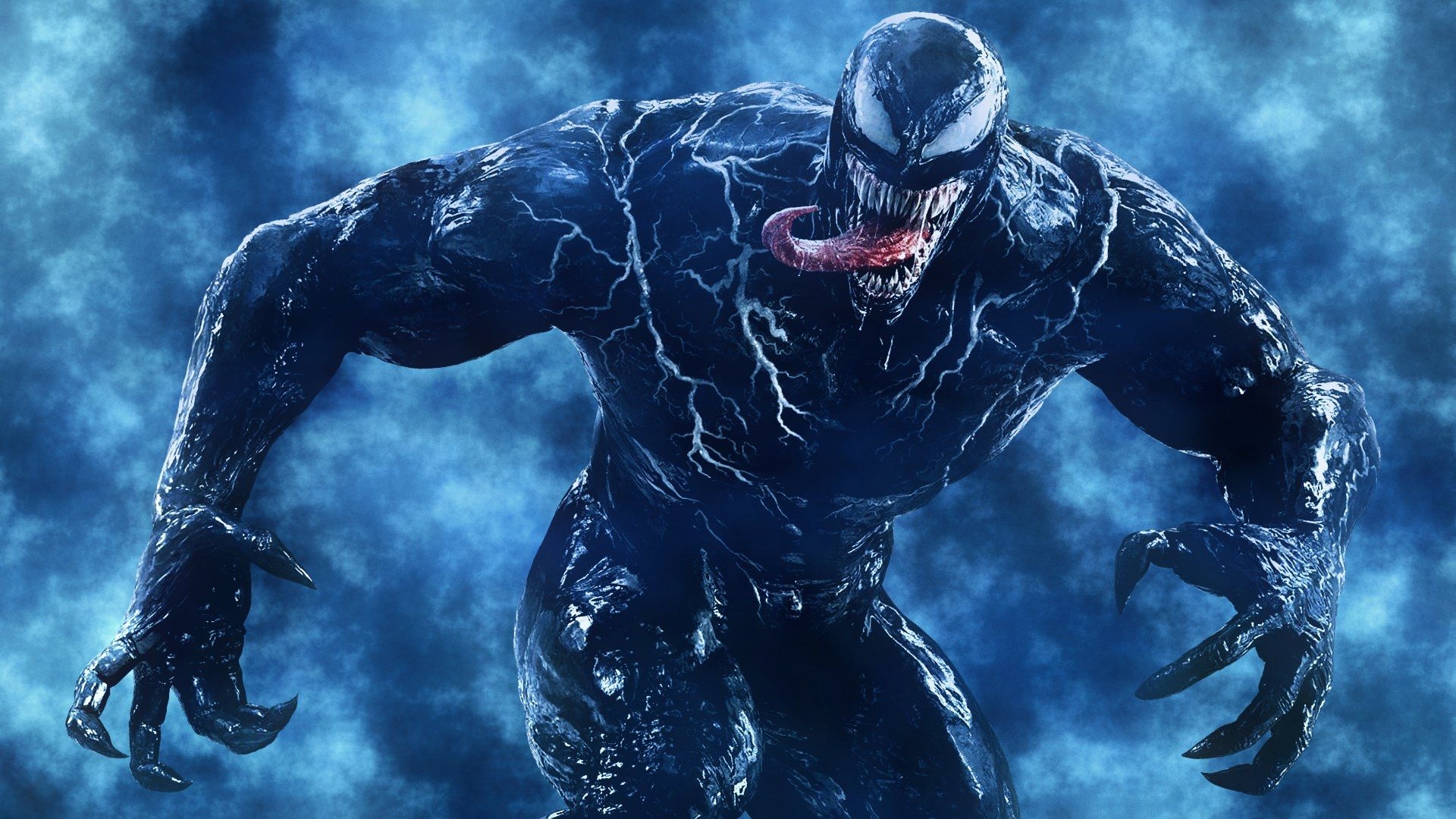
Venom excels when he can isolate targets, but in coordinated play he is often denied by grouped teams.
17. Thor – B-Tier
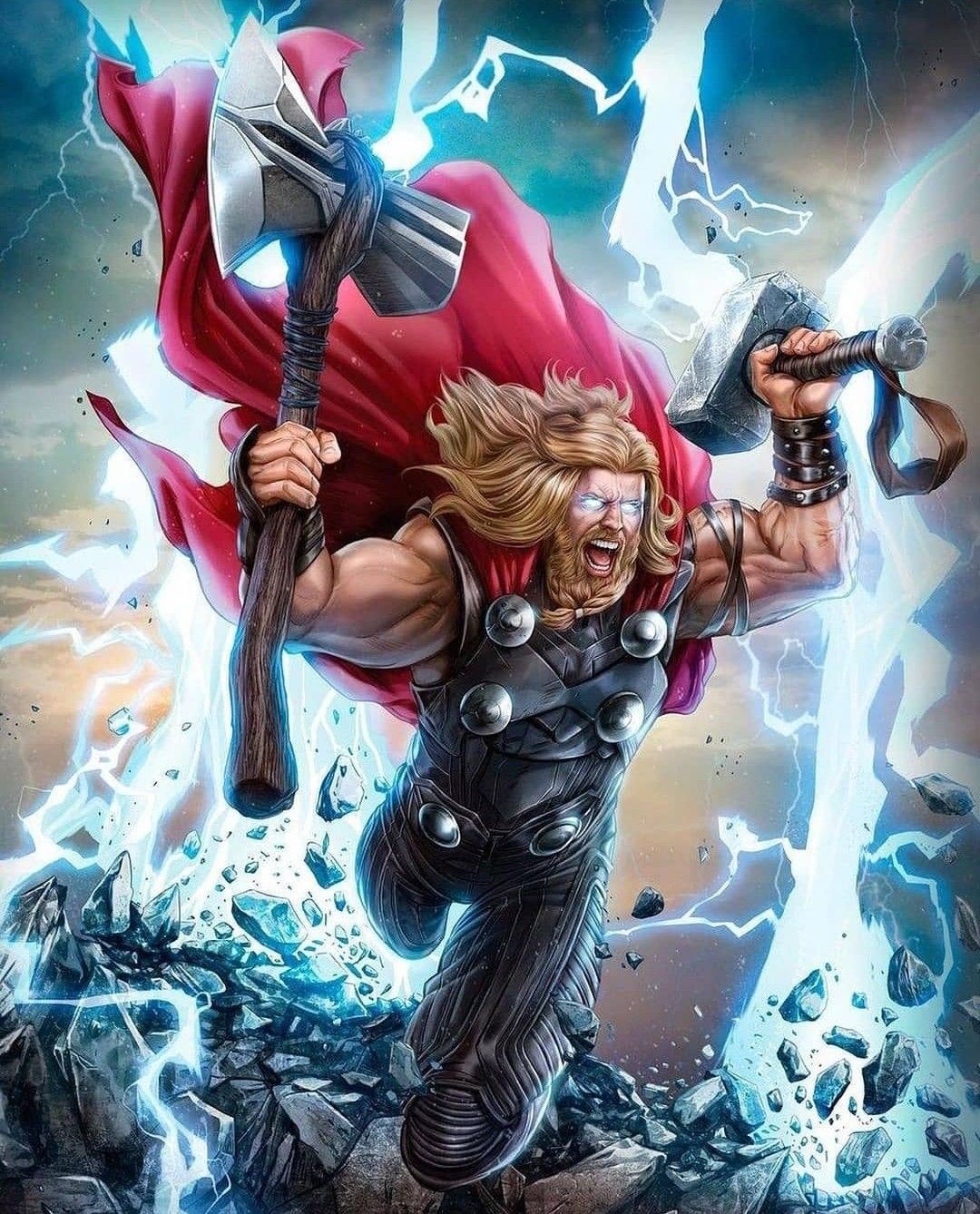
Thor can dominate brawl maps, but he competes with stronger Vanguards for the same “frontline pressure” niche.
18. Iron Man – B-Tier
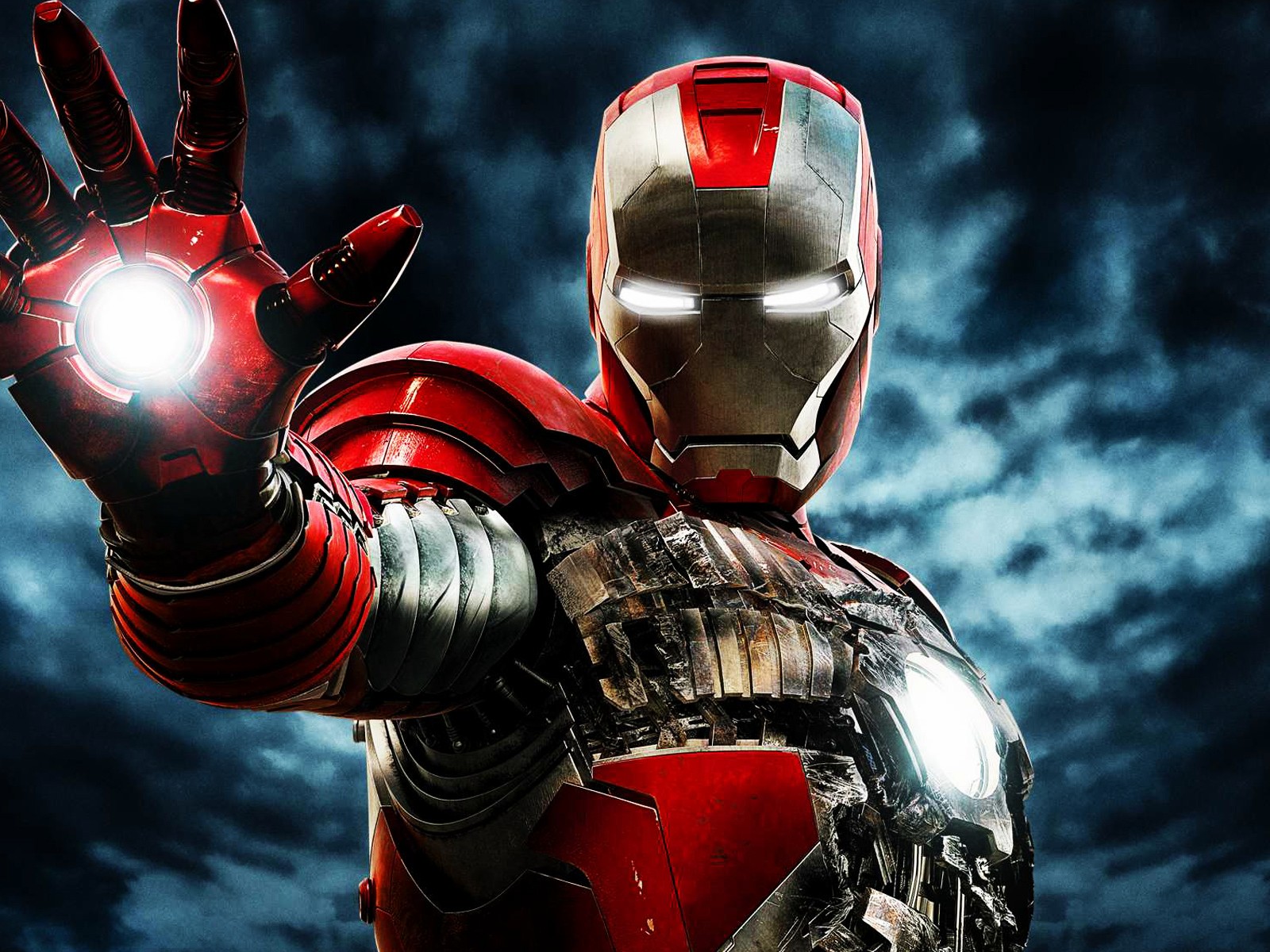
Iron Man is consistent, but against elite long-range pressure he struggles to take angles without being punished.
19. Loki – B-Tier
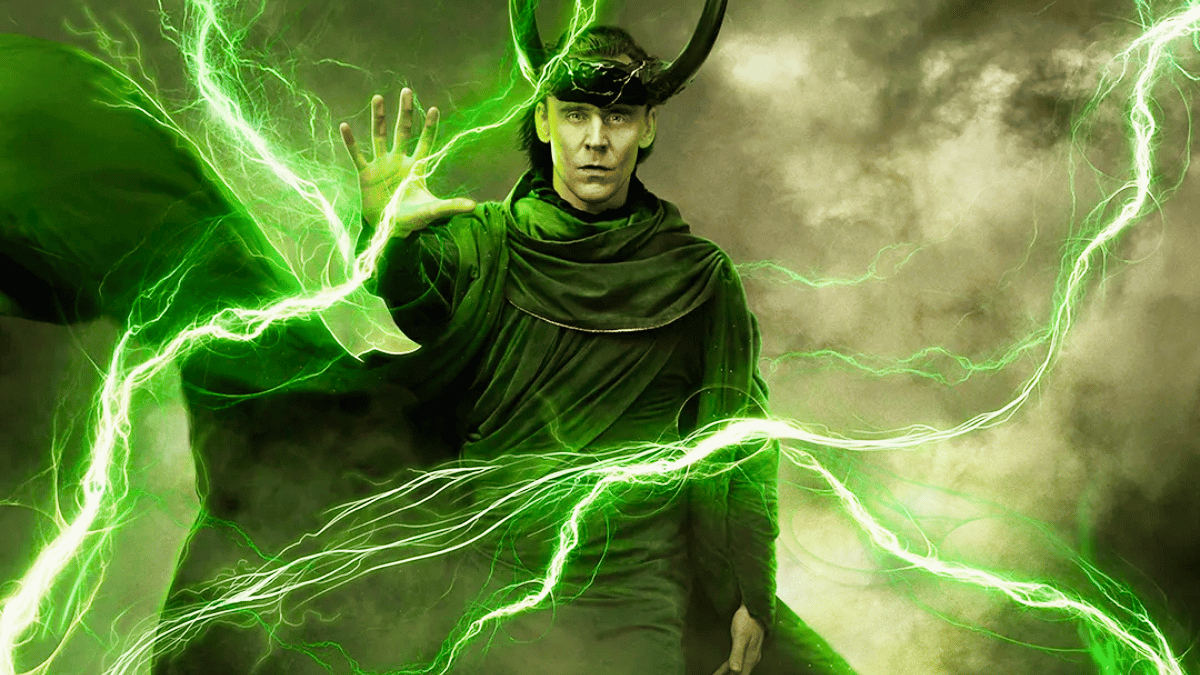
Loki can disrupt teams that tunnel vision, but disciplined teams don’t give him the chaos he needs.
C-Tier – Underperformers
Scarlet Witch, Ultron, Squirrel Girl, Black Widow, Black Panther, The Thing These picks struggle because they are either outclassed or lack consistent objective impact.
20. Scarlet Witch – C-Tier

She can punish mistakes, but disciplined teams reduce her value and she’s often outperformed by safer, more consistent damage options.
21. Ultron – C-Tier
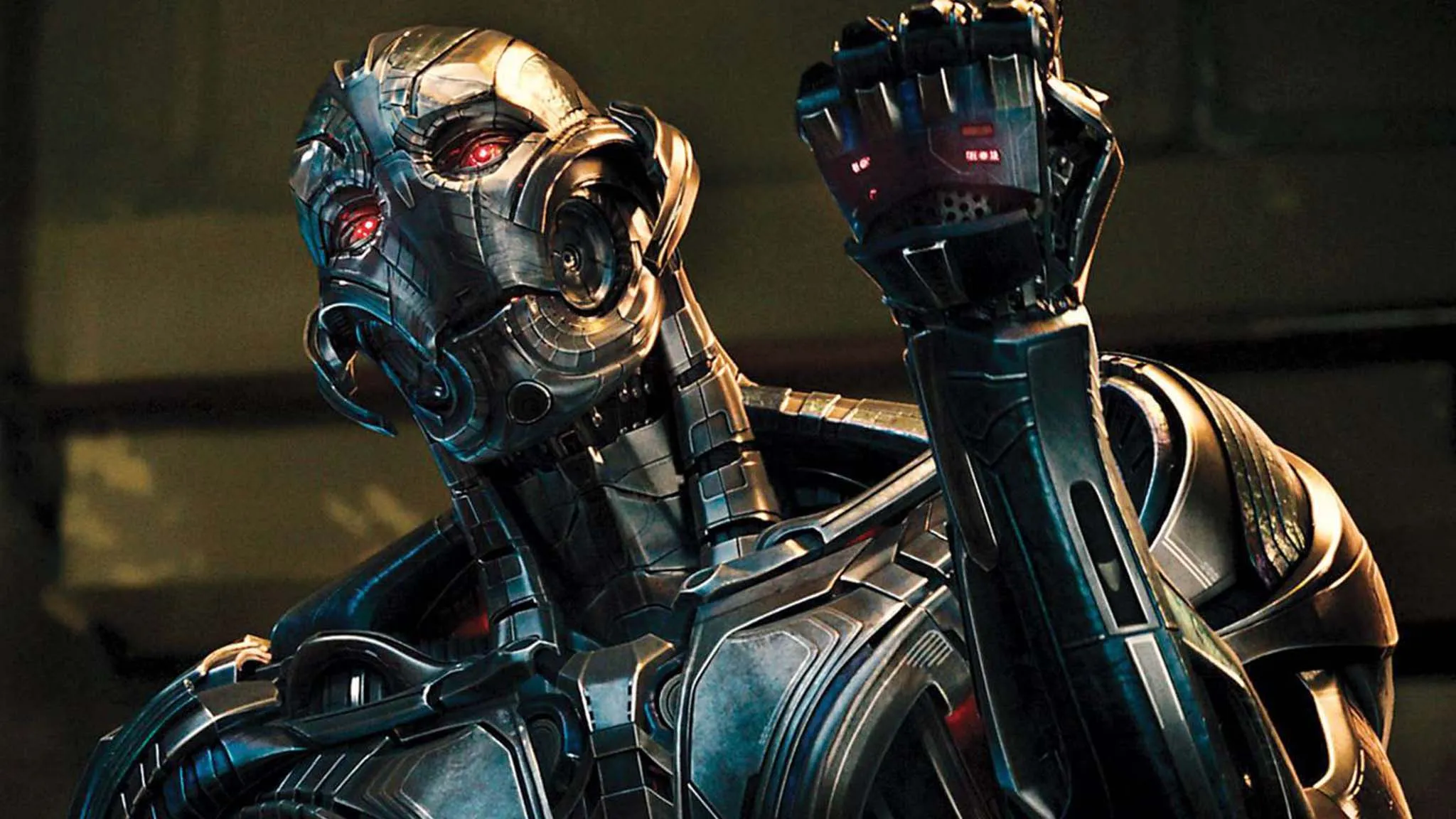
In shield-heavy metas, raw healing becomes less valuable than prevention. Ultron can stabilize, but his impact is harder to justify when the best comps are built around shielding. While Ultron is generally C-Tier due to the prevalence of shields, he remains an S-Tier counter-pick specifically against Loki. Ultron’s sentries automatically prioritize Loki’s illusions, effectively 'clearing' the battlefield of decoys and allowing your Duelists to find the real target instantly.
22. Squirrel Girl / Black Widow / Black Panther / The Thing
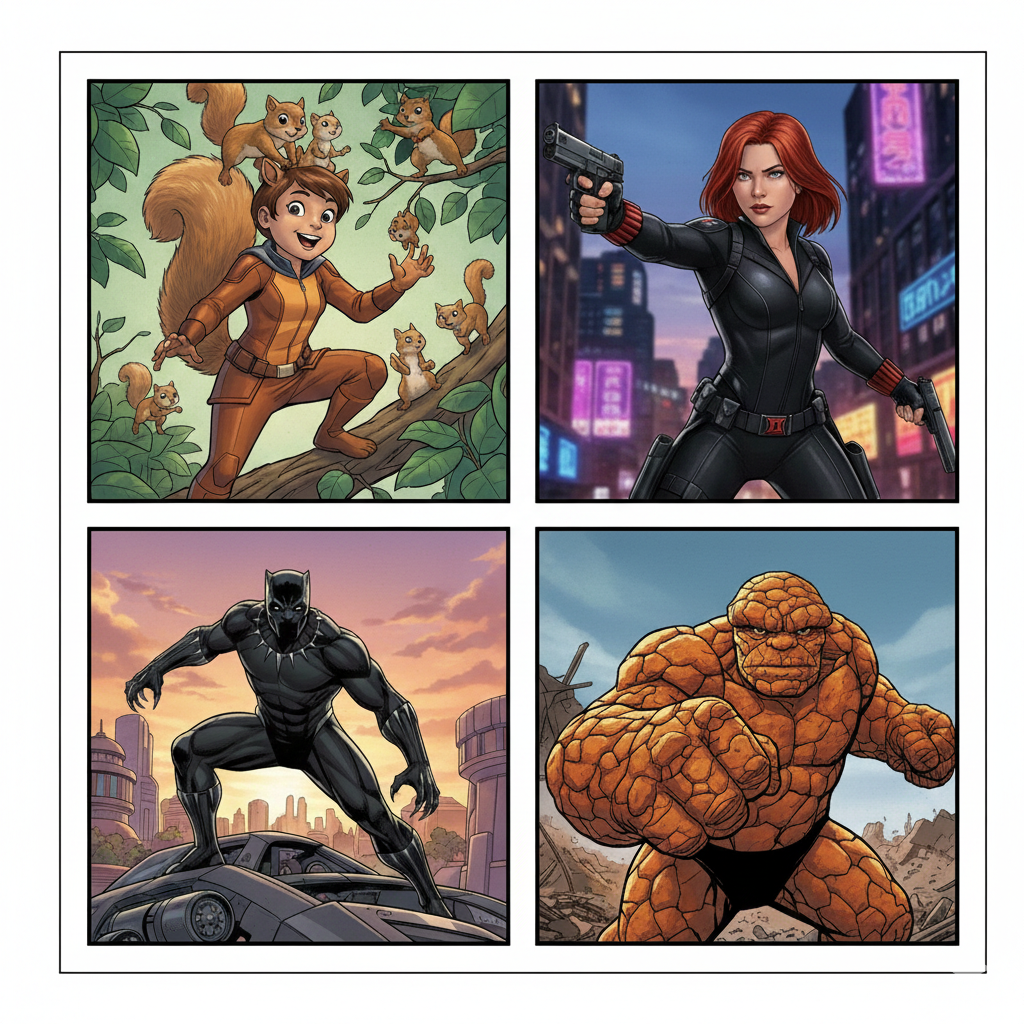
These heroes generally struggle with either survivability, uptime, or objective relevance compared to stronger alternatives.
Key Season 6 Team-Up Changes
Season 6 firmly established Team-Ups as core power spikes, not optional bonuses. Ignoring them means giving up raw stats, new tools, or better fight windows.
Parker Power-Up – Peni Parker + Spider-Man
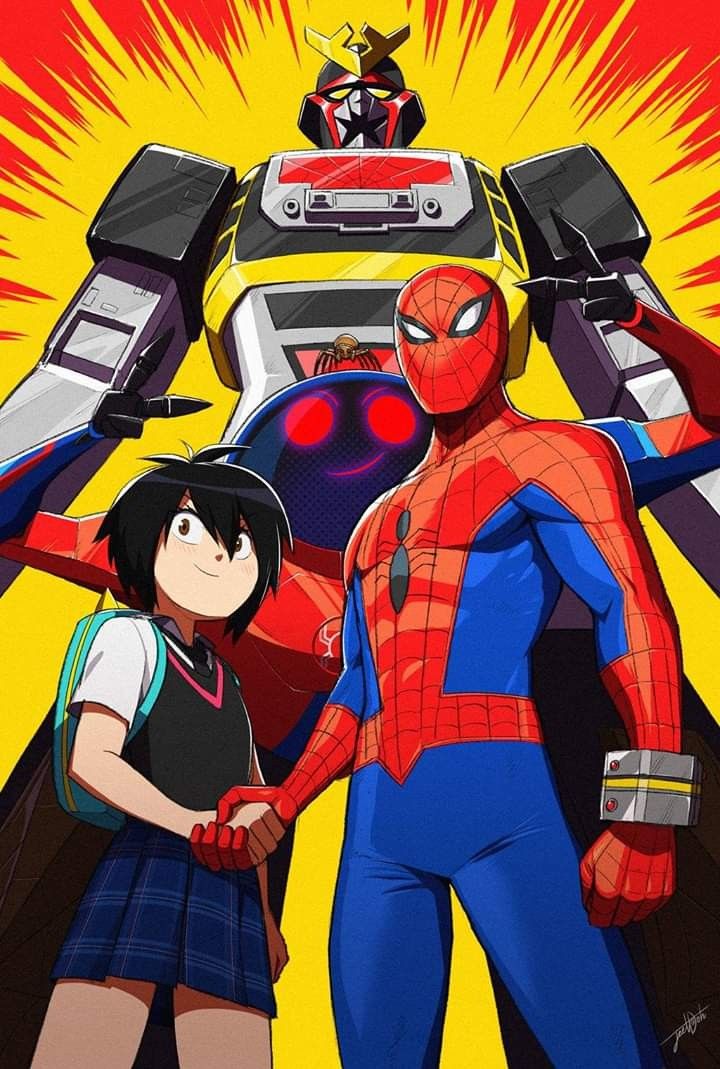
This Team-Up adds offensive pressure to Peni and gives Spider-Man a safer dive anchor.
Why it matters:
- Peni gains tools to threaten enemies, not just stall
- Spider-Man gets more reliable entry paths
- Makes objective setups harder to ignore
This synergy pushes Peni from pure defense into proactive control.
Mr. Pool’s Interdimensional Toy Box – Deadpool + Jeff
This Team-Up dynamically buffs Deadpool based on his chosen role.
Why it’s meta-defining:
- Rewards flexible drafting
- Gives Deadpool real stat advantages, not just utility
- Makes role swaps genuinely impactful
Vibrant Vitality – Mantis + Groot/Loki
Loki’s Deific Blessing damage boost was reduced from 25% to 15%, but the combo remains one of the strongest defensive pairings in the game.
Why it’s still elite:
- Groot segments the battlefield
- Mantis stabilizes extended fights
- Forces enemies to layer ultimates to break through
The "Anti-Synergy" Rule:"To break the Mantis + Groot Vibrant Vitalityloop, you must prioritize the 'Life-Link' visual cue. When you see the green tether, shifting all fire to Mantis is a trap; instead, use displacement (like Iron Fist’s knockback) to physically push Groot away from the tether range, which instantly cancels the 15% damage reduction buff.
Map & Objective Context
The Museum Of Contemplation (New Convoy Map)
Meta Shift: High Verticality & Multi-Role Flexibility
The Museum is the definitive test for the Season 6 "Triple-Role" meta. With its launch on January 29, it introduces three-dimensional combat that renders "ground-locked" heroes significantly less effective.
- Verticality Dominance:The map features multiple tiers of scaffolding and display platforms. This elevates Hulk and Vanguard Deadpool to S-tier here, as their high-jump and teleportation abilities allow them to contest high-ground snipers instantly.
- The "Flank-Heavy" Convoy:Unlike older maps, the Museum has wide engagement zones with destructible walls. Strategist Loki and Invisible Woman thrive here by using the open space to hide illusions or provide team-wide stealth for a "back-cap" push.
- Best Heroes:Hulk (Vanguard), Deadpool (Flex), Hela (Duelist), Loki (Strategist).
The Museum Map "Ceiling" Strategy
On the Museum map, the 'Grand Hall' section features a massive destructible ceiling. Hulk can leap through these gaps to initiate from a 90-degree vertical angle, which completely bypasses Magneto’s forward-facing Metallic Curtain. This is why Hulk is an S-Tier pick specifically for this map’s second checkpoint.
Poke & Sightline Maps (Tokyo 2099, Yggsgard)
Meta Shift: Shield-Cycling & Precision Pressure
Tokyo 2099and Yggsgard are defined by long, narrow hallways and massive open sightlines. These maps reward "The Poke Meta," where the team that breaks the enemy’s shield first usually wins the fight.
- Shield Vanguards are Mandatory:Because of the lack of natural cover, Magneto is the undisputed king here. His ability to cycle "Metallic Curtain" and "Metal Bulwark" provides the safe passage your team needs to move between checkpoints.
- Long-Range Supremacy:Duelists like Hela and Gambit rise to S-Tier on these maps. They can deal lethal damage from outside the effective range of brawlers like Magik or Black Panther.
- The "Jump Pad" Risk:On maps like Odin’s Archive, the reliance on jump pads makes low-mobility heroes easy targets mid-air.
- Best Heroes:Magneto (Vanguard), Hela (Duelist), Gambit (Strategist/Duelist), Doctor Strange (Vanguard).
Brawl & Objective "Mosh Pit" Maps
Meta Shift: Battlefield Segmentation & Space Denial
Maps focused on tight capture points (Domination) or cramped interiors (Final Push of Midtown) elevate heroes who can physically alter the map or punish "clumping."
- Segmentation over Shields:On objective points, Groot is arguably stronger than Magneto. His walls don't just block damage; they physically separate the enemy team, cutting off healers from their tanks.
- Trap-Based Control:Peni Parker and Rocket Raccoon turn the objective into a minefield. In a 20x20 foot capture zone, Peni’s mines are unavoidable, forcing the enemy to waste valuable cooldowns just to clear the floor.
- Punishing the Clump:Strategists like Luna Snow and Mantis see a tier-jump here. Luna's Fate of Both Worldsultimate can save an entire team inside a crowded point, while Mantis’s Sleep-spores are nearly impossible to miss in a "mosh pit" fight.
- Best Heroes:Groot (Vanguard), Peni Parker (Vanguard), Rocket Raccoon (Strategist), Luna Snow (Strategist).
Environmental Hazard Maps (Spider-Islands, Klyntar)
Meta Shift: Displacement & Knockback Tactics
Certain maps, particularly Spider-Islands, feature "Death Pits" and water hazards directly adjacent to the payload path.
- The "Boop" Meta:Heroes with high knockback, such as Iron Fist (Dragon's Defense) or Invisible Woman (Force Displacement), move up a full tier. A well-timed push can eliminate a 900-HP Vanguard instantly, regardless of their health pool.
- Gravity Control:Jeff the Land Shark is a hidden S-Tier pick on these maps. His ultimate allows him to swallow enemies and literally swim them off the edge of the map for a team-wipe.
- Best Heroes:Jeff the Land Shark (Strategist), Invisible Woman (Strategist), Iron Fist(Duelist/Vanguard).
Strategic Summary: The Draft Rule
- If the map has high ground: Draft a Hulk or Iron Man.
- If the map has tight chokes: Draft a Groot or Storm.
- If the map is open and long: Draft a Magneto or Hela.
Solo Queue Vs. Coordinated Play
Tiers shift based on how much you can trust your teammates.
- Solo Queue Rewards Self-Sufficiency:Picks like Iron Man (mobility), Mantis (self-peel), and Hulk (pure aggression) thrive here because they don't require a coordinated "bubble" to survive.
- Coordinated Play Rewards Setup:Magneto and Groot scale exponentially when a team follows up on their space-taking. Invisible Woman is the best support in the game, but only if your team stays within her protective radius.
The "Emma Frost" Rule (Season 6 Update)

The January 2026 patch increased Emma's energy gain when she takes hits in Diamond Form.
- The Correction:Do not "poke" Emma Frost while she is in Diamond Form. You are effectively charging her ultimate for her.
- The Counter-Habit:Wait for her Diamond Form to expire, then collapse with crowd control (Luna Snow’s freeze or Mantis’s sleep). Emma is a "habit" counter, force her to fight your whole team, never an isolated backliner.
Season 6 "Pitch Notes": What Actually Matters
When reading the latest patch notes, look for these Tier Mover changes:
- Mobility Overhauls:Doctor Strange moving up because of his Cloak cancel is a prime example.
- Shield/HP Breakpoints:Invisible Woman’s nerf was small enough that she stayed S-Tier; if they drop her shield below 200, she will fall.
- Cooldown Slashing:Hulk’s 2-second reduction on Gamma Burstis the reason he is now viable in high ranks.
How To Use A Marvel Rivals Tier List Maker Without Ruining Your Comp
A “Marvel Rivals tier list maker” is useful for organizing opinions, but ranked wins come from coverage, not stacking high-tier names.
Use this comp checklist:
- 1 Vanguard to take and hold space (Magneto/Groot/Thor/Hulk/Peni depending on rank)
- 1 Duelist to convert pressure into eliminations (Hela/Magik/Iron Man/Scarlet Witch)
- 1 Strategist to stabilize fights (Invisible Woman/Mantis/Rocket/Ultron)
- 1 Flex slot for matchup needs (extra burst, anti-dive, more zoning)
The Quick Draft Cheat Sheet
If you aren't sure how to counter the enemy's specific S-Tier picks, use this "If/Then" logic during the draft:
| If the Enemy Team Has... | Your Best Counter-Pick Strategy |
| Heavy Shields (Magneto/Groot) | Phoenix / Namor: Their damage types shred or bypass barriers significantly faster than standard projectiles. |
| High Mobility (Spider-Man/Venom) | Peni Parker / Mantis: Use trap-based zoning and Slumbering Spores to "ground" the dive before it reaches your backline. |
| Triple Support (High Sustain) | Magik / Hela: You need burst damage to outpace their healing. Magik is ideal for diving the "anchor" support. |
| Decoy Chaos (Loki/Illusions) | Ultron / Thor: Ultron’s sentries automatically prioritize real targets and clear decoys; Thor provides the AoE to hit the real Loki. |
| Emma Frost (Diamond Form) | Luna Snow: Save your Freeze for when her Diamond Form expires to prevent her from building Ultimate energy. |
| Aerial Pressure (Iron Man/Storm) | Hulk / Hela: Hulk's leap allows him to snatch fliers out of the sky, while Hela provides the hitscan pressure to force them down. |
Frequently Asked Questions About Marvel Rivals Tier List
Which Hero Is OP In Marvel Rivals?
In Season 6 high ranks, Magneto, Groot + Mantis, Invisible Woman, and Hela are the biggest meta-definers because they force swaps and reshape objective fights. In broader ranked play, Magik and Peni Parker also stand out due to consistently strong performance signals.
Who Is The Best Beginner-friendly Hero?
Iron Man is the best beginner-friendly hero because his mobility helps you recover from positioning mistakes, and his ranged pressure stays valuable even while you’re learning timing and angles.
What Heroes Counter Emma Frost?
Emma Frost is best countered through coordinated focus, saving crowd control for her key windows, and avoiding meaningless poke into her strongest defensive state. Luna Snow and Mantis are commonly used to disrupt her timing with freeze/sleep control, then enable a team collapse.
Are A-tier Heroes Worth Using?
Yes. A-tier heroes are often the smartest ranked choices because they’re strong and consistent without requiring perfect coordination. Many players climb faster on reliable A-tier picks than on volatile S-tier heroes they haven’t mastered.
How Often Does The Marvel Rivals Tier List Change?
Tier listsshift whenever balance updates, new Team-Ups, or meta trends change what wins objective fights. Many stat sites track these shifts using season and sub-season buckets (such as 4.5, 5.0, 5.5, 6.0) to reflect meaningful meta states over time.
Final Thoughts
Season 6 is a meta where prevention often beats recovery, and where Team-Ups can swing a hero from “solid” to “absurd.” That’s why high-rank play elevates shield-centric Strategists and space-segmenting Vanguards, while broader ranked play still rewards simple, repeatable win conditions like objective trap control and skirmish dominance.
If you want the fastest improvement from this Marvel Rivals tier list, treat it like a draft tool. Lock in one hero per role, learn the Team-Up that makes your comfort pick spike, and build comps that can both hold space and finish kills. That approach outperforms chasing whatever name sits at the top of a tier chart on any given day.
Jump to
Marvel Rivals Tier List – Best Heroes Ranked For The Current Meta
How This Marvel Rivals Tier List Is Ranked
What This Season 6 Tier List Focuses On
Marvel Rivals Tier List (Season 6): The Two-Tier Reality
Vanguard (Tank / Space Control) Tier List
Duelist (Damage) Tier List
Best Strategist (Support) Heroes – Season 6 Meta Breakdown
B-Tier – Situational Specialists
C-Tier – Underperformers
Key Season 6 Team-Up Changes
Map & Objective Context
Solo Queue Vs. Coordinated Play
The "Emma Frost" Rule (Season 6 Update)
Season 6 "Pitch Notes": What Actually Matters
How To Use A Marvel Rivals Tier List Maker Without Ruining Your Comp
Frequently Asked Questions About Marvel Rivals Tier List
Final Thoughts
Latest Articles
Popular Articles