Mindfulness Puzzles: Boost Focus And Reduce Stress Today!
Explore how mindfulness puzzles can boost focus and calm the mind. Reduce stress and enhance relaxation with these simple, daily activities.
Mar 20, 20255.2K Shares158.5K Views
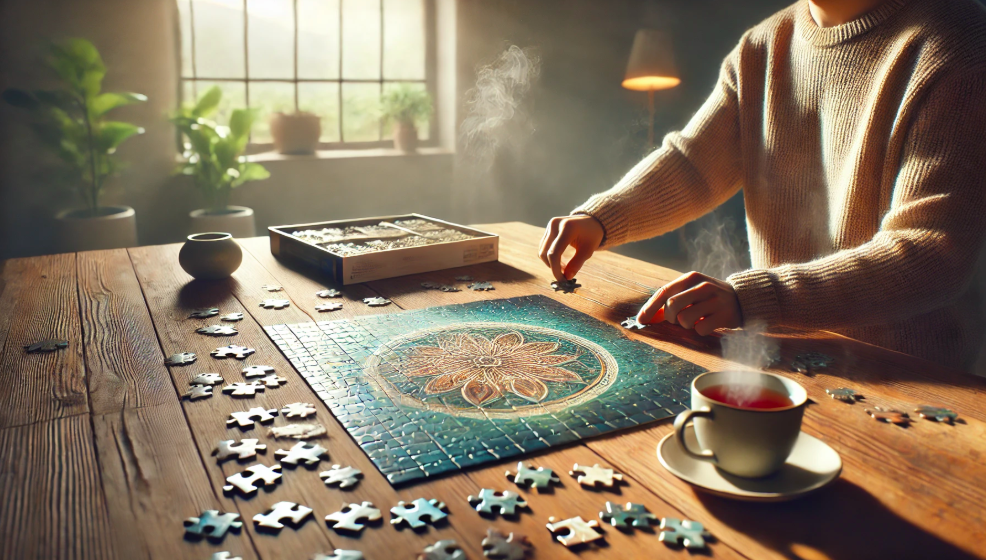
Mindfulness puzzlesare activities that blend traditional puzzle-solving with mindfulnesspractices. They encourage focusing on the present moment, enhancing mental clarity and relaxation. Engaging in tasks like jigsaw puzzlesrequires attention to detail and patience, promoting a meditative state. This immersion can reduce stress and improve cognitive functions. By concentrating on each piece and its place in the bigger picture, individuals practice mindfulness, leading to increased creativity and productivity.
How Mindfulness Puzzles Benefit Your Mental Health
Mindfulness puzzlesare a simple yet powerful way to support mental well-being. These puzzles require focus, patience, and attention to detail, which helps the brain stay engaged while promoting relaxation. Here are some key mental health benefits of using mindfulness puzzles:
1. Reduced Anxiety
Mindfulness puzzles help calm the mind by shifting attention away from worries. When focusing on a puzzle, the brain moves away from anxious thoughts and enters a state of concentration. Studies suggest that engaging in activities that require problem-solving can lower cortisol levels, the hormone responsible for stress.
2. Improved Focus
Solving puzzles strengthens the brain’s ability to concentrate. Regular practice enhances cognitive function and improves attention span. Research shows that activities requiring sustained focus, such as puzzles, can boost problem-solving skills and memory retention over time.
3. Stress Management
Mindfulness puzzles encourage deep breathing and relaxation. The repetitive nature of solving puzzles, whether it's a crossword, sudoku, or jigsaw puzzle, creates a meditative effect. This process lowers stress levels and promotes a sense of peace, similar to the benefits of mindfulness meditation.
4. Better Emotional Regulation
Engaging in puzzles provides a structured way to deal with emotions. It allows the brain to take a break from overwhelming thoughts and return with a clearer perspective. Completing a puzzle gives a sense of achievement, which boosts confidence and emotional stability.
5. Increased Overall Sense Of Calmness
Mindfulness puzzles create a quiet and focused state of mind. They provide a healthy escape from daily stressors and encourage relaxation. Studies indicate that engaging in calming activities can enhance overall mental resilience and emotional well-being.
Types Of Mindfulness Puzzles You Can Try
Mindfulness puzzles help train the mind to stay present and focused. They promote relaxation, reduce stress, and improve concentration. Below are different types of mindfulness puzzles that offer unique benefits for mental well-being:
1. Jigsaw Puzzles
Jigsaw puzzles require careful attention to detail and patience. As each piece fits into place, the mind becomes fully engaged in the process. This activity strengthens problem-solving skills and encourages a sense of calm by promoting steady, focused thinking.
2. Mandala Coloring Puzzles
Mandala coloring involves filling intricate patterns with color. This type of puzzle enhances mindfulness by slowing down thoughts and encouraging creative expression. Studies suggest that coloring structured patterns can reduce anxiety and increase relaxation.
3. Crossword Puzzles
Crossword puzzles challenge the brain with word associations and problem-solving tasks. They improve vocabulary, memory, and cognitive flexibility. Solving them requires concentration, helping the mind stay focused and reducing distractions.
4. Sudoku
Sudoku puzzles involve placing numbers in a logical sequence. This type of puzzle strengthens critical thinking, improves patience, and enhances concentration. By focusing on patterns and sequences, the mind stays engaged and stress levels decrease.
5. Labyrinth Puzzles
Labyrinth puzzles, also known as maze puzzles, require tracing a path from start to finish without hitting dead ends. This activity strengthens decision-making skills and encourages a meditative state by directing attention to a single task.
6. Tangrams
Tangrams are geometric puzzles that involve arranging shapes to form a complete figure. This puzzle type promotes spatial awareness, creativity, and problem-solving skills. The process of adjusting pieces helps the mind stay calm and focused.
Step-by-Step Guide To Practicing Mindfulness While Solving Puzzles
Mindfulness can make puzzle-solving a more calming and enjoyable experience. It helps train the brain to focus on the present moment, reducing stress and improving concentration. Follow these steps to practice mindfulness while solving puzzles:
1. Choose A Quiet Space
Find a peaceful area with minimal distractions. A calm environment allows the mind to stay focused and fully engaged in the puzzle without interruptions.
2. Take Deep Breaths Before Starting
Before beginning, take slow, deep breaths. Inhale through the nose, hold for a few seconds, and exhale through the mouth. This helps relax the body and prepares the mind for focused attention.
3. Set An Intention
Decide how you want to approach the puzzle. The goal is not to rush but to enjoy the process. Set an intention to stay patient, observe details carefully, and stay present with each step.
4. Observe Without Judgment
As you work on the puzzle, notice your thoughts and emotions. If frustration or distraction arises, acknowledge it without judgment and gently bring your focus back to the puzzle.
5. Focus On Each Movement
Pay close attention to each action, whether placing a puzzle piece, filling a number in Sudoku, or coloring a pattern. Engaging deeply in each step helps strengthen concentration and mindfulness.
6. Take Short Breaks
If the mind starts to wander or stress builds up, pause for a moment. Take a few deep breaths, stretch, or close your eyes briefly before returning to the puzzle with a refreshed focus.
7. Appreciate The Process
Instead of focusing only on completing the puzzle, enjoy the experience. Notice the colors, shapes, and patterns. Let the activity bring a sense of calm and relaxation.
8. End With Reflection
Once the puzzle is finished, take a moment to reflect on the experience. Observe how you feel—whether more relaxed, focused, or accomplished. Carry this mindfulness into other parts of your day.
Creating The Ideal Environment For Mindful Puzzle-Solving
A well-prepared environment plays a key role in practicing mindfulness while solving puzzles. The right setup helps reduce distractions, improve focus, and create a sense of calm. Follow these steps to create a peaceful and comfortable space for puzzle-solving:
1. Choose A Quiet And Peaceful Space
Select a location where you can focus without interruptions. Avoid crowded or noisy areas, as they can break concentration. A quiet setting allows the mind to stay present and engaged in the puzzle.
2. Adjust The Lighting
Use soft, natural lighting if possible. Harsh lighting can cause strain on the eyes, while dim lighting may make it hard to see details. A well-lit space with warm or neutral light creates a soothing atmosphere and enhances focus.
3. Control Noise Levels
Minimize background noise to maintain concentration. If complete silence feels uncomfortable, play soft instrumental music or nature sounds. These can create a calming effect and help maintain a steady focus.
4. Sit In A Comfortable Position
Choose a chair and table that provide good posture support. Sitting in a relaxed but upright position helps prevent physical discomfort, allowing you to stay focused on the puzzle for longer periods.
5. Keep Your Space Clutter-Free
A clean and organized workspace reduces mental distractions. Arrange your puzzle pieces, pencils, or tools neatly. Keeping the area tidy helps maintain a sense of order and supports a mindful approach.
6. Set A Relaxing Mood
Adding elements like a scented candle, a small plant, or a cup of herbal tea can enhance relaxation. These simple touches create a pleasant atmosphere that encourages mindfulness.
7. Take Small Breaks
If solving a puzzle for a long time, take short breaks to stretch or close your eyes. This prevents mental fatigue and helps maintain focus throughout the session.
Common Mistakes To Avoid When Doing Mindfulness Puzzles
Mindfulness puzzles are meant to bring relaxation, focus, and a sense of calm. However, certain habits can prevent these benefits and lead to frustration instead. Here are some common mistakes to avoid when solving mindfulness puzzles:
1. Multitasking While Solving Puzzles
Trying to complete a puzzle while watching TV, checking messages, or thinking about other tasks can break concentration. Mindfulness requires full attention on the present moment. Focusing only on the puzzle improves awareness and enhances relaxation.
2. Rushing To Finish
Many people try to complete a puzzle as quickly as possible. This takes away from the calming effect of the activity. Mindfulness is about enjoying the process rather than reaching the end result. Taking time to observe details and patterns helps develop patience and focus.
3. Getting Frustrated Too Easily
If a puzzle feels difficult, frustration may build up. This goes against the purpose of mindfulness. Instead of getting upset, take a deep breath, step back, and return with a fresh perspective. Approaching the challenge with a calm mind makes the process more enjoyable.
4. Solving Puzzles In A Distracting Environment
A noisy or cluttered space can make it hard to focus. Solving puzzles in a peaceful and organized setting helps the mind stay present. Choosing a quiet area with comfortable lighting improves concentration and reduces stress.
5. Ignoring Physical Comfort
Sitting in an uncomfortable position or staying in one posture for too long can cause discomfort. If the body is tense, it becomes harder to focus on the puzzle. Sitting in a relaxed but supportive position helps maintain mindfulness throughout the activity.
6. Setting Unrealistic Expectations
Expecting to complete a puzzle perfectly or quickly can create unnecessary pressure. Mindfulness puzzles should be a stress-free activity. Allowing mistakes and accepting challenges with patience makes the experience more rewarding.
7. Forgetting To Breathe And Relax
Some people become too focused on solving the puzzle and forget to breathe naturally. Shallow or fast breathing can create tension. Taking slow, deep breaths while solving the puzzle helps maintain a relaxed and mindful state.
Mindfulness Puzzles For Children: Building Calmness And Concentration Early
Introducing mindfulness puzzles to children can help them develop focus, patience, and emotional balance from an early age. These activities encourage children to stay present, solve problems calmly, and manage stress in a healthy way.
How Mindfulness Puzzles Benefit Children
- Improves Focus and AttentionMindfulness puzzles require children to pay attention to details, which strengthens their ability to concentrate. Regular practice helps them stay engaged in learning and daily tasks.
- Enhances Emotional RegulationWhen children work on puzzles, they learn to handle frustration and problem-solving challenges. This teaches patience, resilience, and emotional control.
- Reduces Stress and AnxietySolving puzzles creates a calming effect by engaging the brain in a structured activity. This can help children relax and manage their emotions better, especially in stressful situations.
- Boosts Problem-Solving SkillsPuzzles encourage logical thinking and creativity. They help children develop critical thinking skills, which are essential for academic success and real-life challenges.
Best Mindfulness Puzzles For Children
- Jigsaw Puzzles– Encourage focus and patience by fitting pieces together. Choose age-appropriate puzzles with engaging images.
- Mazes and Labyrinths– Teach decision-making and perseverance as children find their way through paths.
- Mandala Coloring– Helps children slow down and express creativity while improving focus and relaxation.
- Tangrams– Develop spatial awareness and problem-solving skills by arranging geometric shapes into different figures.
- Sudoku for Kids– Enhances logical thinking and patience through number patterns.
Techniques For Parents And Teachers
- Encourage Deep Breathing– Before starting a puzzle, guide children to take slow, deep breaths to help them focus.
- Set a Calm Environment– Reduce distractions by choosing a quiet place with good lighting.
- Use a Step-by-Step Approach– Help children break down complex puzzles into smaller steps to prevent frustration.
- Praise Effort, Not Just Results– Encourage children to enjoy the process rather than rushing to finish.
- Make it a Group Activity– Solve puzzles together to build patience, teamwork, and communication skills.
Integrating Mindfulness Puzzles Into Your Daily Routine
Finding time for mindfulness puzzles can be simple, even with a busy schedule. Short puzzle sessions can help improve focus, reduce stress, and promote relaxation. Here are practical ways to fit mindfulness puzzles into daily life:
1. Start Your Day With A Quick Puzzle
A short puzzle session in the morning can help clear the mind and improve focus for the day ahead. Spend 5–10 minutes on a crossword, Sudoku, or a simple jigsaw puzzle before work or school.
2. Use Break Time For Mental Relaxation
Taking a break from work or household tasks to solve a puzzle can help refresh the mind. A quick puzzle session during lunch or a coffee break provides a mindful reset, reducing stress and boosting concentration.
3. Replace Screen Time With A Puzzle
Instead of scrolling through social media or watching TV in the evening, dedicate a few minutes to a mindfulness puzzle. This not only reduces screen fatigue but also promotes relaxation before bedtime.
4. Keep A Puzzle Handy For Travel Or Waiting Time
Carry a small puzzle book, Sudoku, or a crossword app on your phone. Solve puzzles while commuting, waiting for an appointment, or standing in line to turn idle moments into mindful practice.
5. Make It A Family Activity
Solving puzzles together with family members in the evening or on weekends encourages mindfulness for everyone. It also strengthens bonding while promoting patience and focus.
6. Use Puzzles As A Wind-Down Routine Before Bed
A few minutes of a calming puzzle, like mandala coloring or a simple jigsaw puzzle, can help relax the mind before sleeping. Avoid high-challenge puzzles at night to prevent overstimulation.
7. Combine Mindfulness Techniques With Puzzle Solving
Practice deep breathing while working on puzzles. Stay present by focusing on each piece or step. This enhances the relaxation benefits of the activity.
Frequently Asked Questions (FAQs) About Mindfulness Puzzles
How long should I spend on mindfulness puzzles daily?
A daily practice of 10 to 15 minutes is often recommended. In a 2020 study published in the Journal of Behavioral Medicine, participants who solved puzzles for at least 10 minutes a day reported lower stress and increased focus. You can start with this amount of time and adjust based on your comfort. If you feel calm and want to continue, you can extend your session, but avoid turning it into a stressful activity.
Can mindfulness puzzles really help with anxiety?
Yes, mindfulness puzzles can be helpful in managing anxiety. They work by shifting your attention to a single task and reducing worry. In a 2019 study published in the Journal of Anxiety Disorders, participants who did puzzle-based activities regularly reported lower anxiety and a better mood. By calmly focusing on each step of a puzzle, you train your mind to stay in the present moment, which supports relaxation and emotional balance.
Do mindfulness puzzles require any special skills or prior knowledge?
No, special skills or prior knowledge are usually not required. In a 2021 study published in the Journal of Cognitive Enhancement, researchers found that puzzle-based mindfulness activities can be adapted for beginners of all ages. It is best to choose a puzzle that matches your comfort level, and you can learn as you go. By focusing on the process rather than the final result, you can still enjoy the calming benefits, even if you have never tried mindfulness puzzles before.
Jump to
How Mindfulness Puzzles Benefit Your Mental Health
Types Of Mindfulness Puzzles You Can Try
Step-by-Step Guide To Practicing Mindfulness While Solving Puzzles
Creating The Ideal Environment For Mindful Puzzle-Solving
Common Mistakes To Avoid When Doing Mindfulness Puzzles
Mindfulness Puzzles For Children: Building Calmness And Concentration Early
Integrating Mindfulness Puzzles Into Your Daily Routine
Frequently Asked Questions (FAQs) About Mindfulness Puzzles
Latest Articles
Popular Articles