Once Human Tier List | Top Combat & Utility Deviants Ranked
Unlock the top deviants in Once Human for fighting and farming. This tier list breaks down which ones are worth keeping and which to skip.
Jan 31, 202619.3K Shares403.7K Views

How I Built My Best Deviant Team In Once Human
When I first started playing Once Human, I underestimated how important Deviants would be. At first, I thought they were just quirky little companions, cool to look at but not game-changing. I couldn’t have been more wrong. As I dug deeper into both PvE missions and territory control, I realized that choosing the right Deviants can completely change how you play, how fast you progress, and how effective your entire build becomes.
So in this guide, I want to walk you through the Once Human Deviant tier listbased on how I’ve used them in different roles, from farming to fighting to defending. I’ll be honest about which ones helped me dominate tough PvE bosses, which ones boosted my base production, and which ones I eventually dropped because they just didn’t pull their weight.
S-Tier Deviants: The Elite Collection
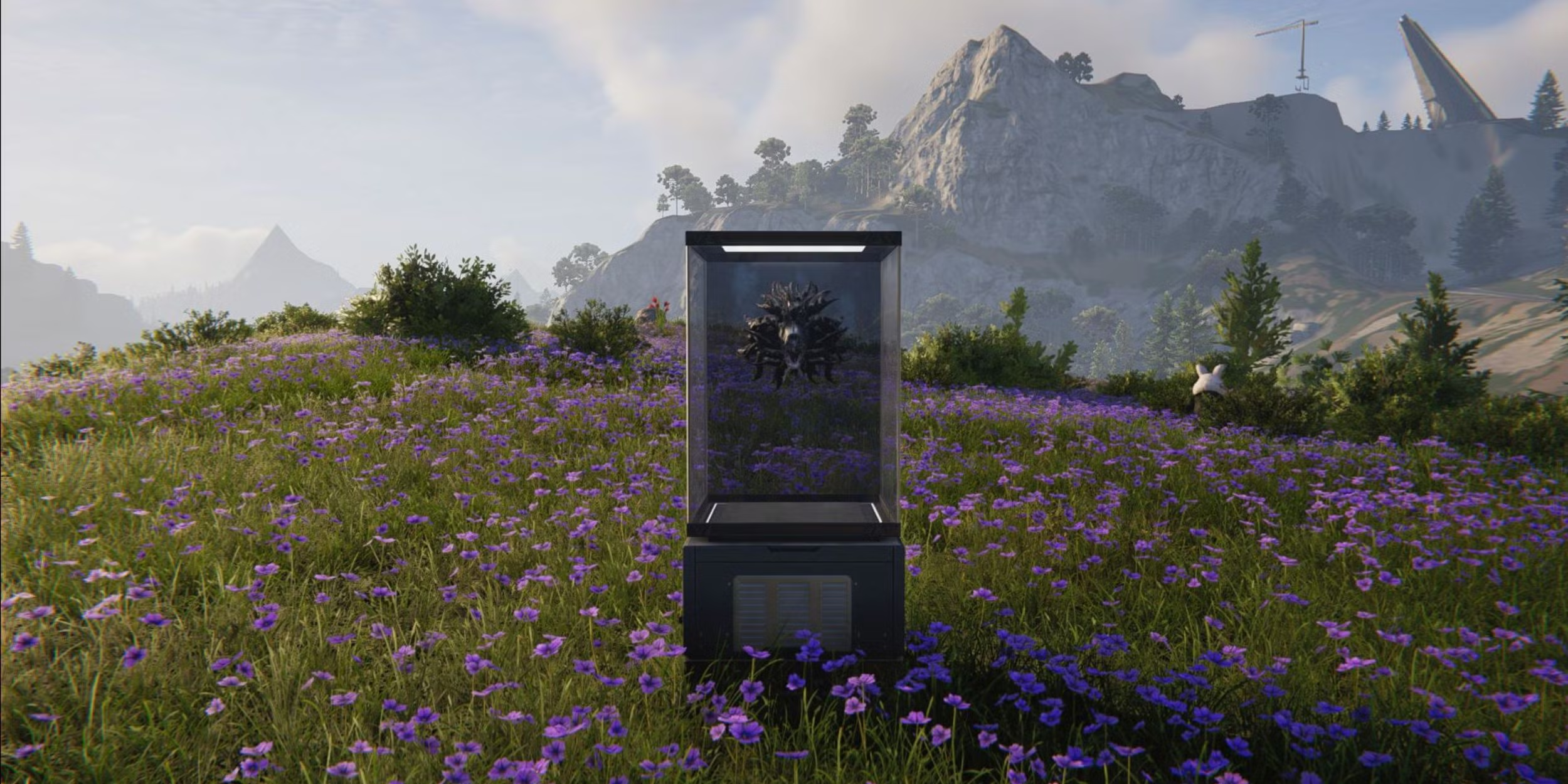
These are the Deviants I never go without. They've proven themselves in high-level fights, supported my base operations in meaningful ways, and made a real difference when it counted. If you're focusing on PvE, resource efficiency, or territory control, these are the ones to prioritize.
Lonewolf's Whisper - PvP And PvE Disruptor With Style
Category:Combat | Acquisition:Blackfell Oil Fields
Lonewolf's Whisper is one of those Deviants that feels like an all-in-one disruptor. I first used him during a PvP zone capture, and his electric burst attack completely threw the enemy off balance. He’s also great in PvE, especially against enemy groups thanks to his AoE control. I consider him a hybrid damage/support unit perfect for players who want both offensive pressure and utility.
Electric Eel - Burst Damage With Status Shock
Category:Combat | Acquisition:Near Quicksand Lake
Electric Eel might not look like much, but don’t let that fool you. He delivers high-voltage burst damage that can disable enemies, especially in PvE zones with lots of weak mobs. His electric shock status effect stuns targets, making it easier to land combos. I pair him with ranged builds to keep enemies locked down from a distance; it works incredibly well in elite camps.
Logging Beaver - Passive Resource Genius
Category:Logistics | Acquisition:Logging Camp Events
The Logging Beaver is surprisingly one of the best passive Deviants for anyone working on base-building or territory expansion. He passively gathers logs and boosts construction speed, which adds up quickly during long play sessions. I always assign him to the Stronghold when I’m doing any major upgrades. He doesn’t fight but his work in the background is just as important as winning fights.
The Digby Boy - Rare Resource Scavenger Extraordinaire
Category:Logistics | Acquisition:Excavation Sites, Loot Chests
I didn’t think much of Digby Boy at first, but after a few days, I noticed my rare resource count spiking. He’s built for scavenging and mining rare nodes, and he’s the reason I could afford several endgame blueprints. I deploy him every time I go farming in high-yield zones or when I’m crafting expensive gear. His yield boost makes him a permanent part of my logistics lineup.
Mogma - The Ultimate Tank Companion
Category:Combat | Acquisition:Verdant Woods
I’ve relied on Mogma more times than I can count. This Deviant soaks up damage like a sponge and draws aggro when things get chaotic. His taunt ability gives me the breathing space I need during boss fights and world events. Whether I’m farming high-level PvE content or defending a Stronghold, Mogma’s presence gives me control over any fight. He’s hands down one of the most reliable combat companions in the game.
Cinder - Elite DPS That Melts Everything
Category:Combat | Acquisition:Central Plains
Cinder is my go-to for raw, consistent DPS. When I’m up against tanky enemies or world bosses, I always bring him in. His burn effect stacks rapidly and shreds both mobs and elites. What I love most is that he performs well in both short fights and longer PvE boss phases. If you're trying to optimize your damage output, especially in sustained combat, Cinder is a no-brainer.
Panook - The MVP For Base Resource Efficiency
Category:Logistics | Acquisition:Kappa Mine
At first, I didn’t expect much from Panook but once I deployed him to my Stronghold, I realized just how much time he saved me. He boosts material processing, speeds up production, and makes the entire crafting loop smoother. If you’re focusing on building and upgrading your base, Panook pays for himself in just a few hours. He’s one of those Deviants that helps you progress passively while you focus on combat.
Spectra - The Healer That Keeps Me Alive
Category:Support | Acquisition:Fallen Waves Ruins
Spectra wasn’t on my radar until I started pushing into higher-end PvE. Now I don’t go into any long fight without her. Her healing aura, passive regen, and revive ability have saved my run more than once. In co-op or solo play, she makes mistakes more forgiving and gives me the sustain I need to win in drawn-out battles.
Fluffie - Elite Farming Support For Rare Loot
Category:Logistics | Acquisition:Green Wilds (Elite Hunt)
Fluffie is another sleeper pick that turned into a core part of my farming loadout. He increases rare material drop rates, especially from elite monsters. If you’re grinding for crafting materials or trade items, he’ll help you cut that grind time down dramatically. He’s not built for combat, but his utility value is off the charts if you care about resource gain and efficiency.
Gnasher - My Close-Quarters Combat Monster
Category:Combat | Acquisition:Broken Delta
Gnasher is a melee powerhouse, and I use him whenever I run close-range builds. His attack animations are fast, and his crowd control lets me stay aggressive without getting overwhelmed. Against bosses or dense mob packs, he keeps enemies stunned or slowed long enough for me to land key shots or retreat. He pairs perfectly with shotguns, SMGs, or melee weapons.
Continue Reading: Once Human Weapon Tier List
A-Tier Deviants: Exceptional Performers
These A-tier Deviants are the ones I keep going back to when I want reliable, consistent support, whether I’m exploring the wilderness solo or taking on tougher PvE missions. While they might not always be as flashy or broken as the S-tier options, they pack a punch and often shine in more situational setups. I’ve found myself leaning on these guys more than once when I needed a dependable edge.
Mini Wonder
Category:Combat | Acquisition:Forsaken Monolith
Mini Wonder lives up to its name it’s small, fast, and hits harder than you'd expect. It’s perfect for hit-and-run tactics or supporting my flanking strategies in PvP. Its speed makes it tough for enemies to target, and I often send it ahead to draw aggro or scout enemy positions. It adds a layer of unpredictability I love in competitive zones.
Polar Jelly
Category:Combat | Acquisition:Broken Delta (Cryogenic Pod)
Polar Jelly is deceptively strong. At first glance, it looks like a passive Deviant, but once it gets going, its cryogenic attacks are brutal. I use it to slow down enemy movement and chip away health while I reposition. In PvE, it's great for boss fights where control matters more than sheer damage.
Chefosaurus Rex
Category:Crafting | Acquisition:Blackfell Oil Fields
Chefosaurus Rex is one of the strangest Deviants I’ve collected and also one of the most useful. It boosts food production and gives crafting bonuses for consumables, which means fewer supply runs and more time for missions. If you’re focused on base efficiency or prepping for extended raids, Chefosaurus is a must-have.
Steel Swarm
Category:Ranged | Acquisition:Chaos Cube Research Lab
Steel Swarm was one of the earliest Deviants I bonded with, and even now, I consider it a solid pick. It’s a ranged unit that attacks in bursts, firing energy projectiles that can keep enemies at bay. It doesn’t have the raw stopping power of something like Thunderclap, but it can consistently pressure enemies from a distance. I tend to pair Steel Swarm with melee-focused builds; it keeps enemies distracted while I close the gap.
Buzzy Bee
Category:Territory | Acquisition:Dayton Wetlands

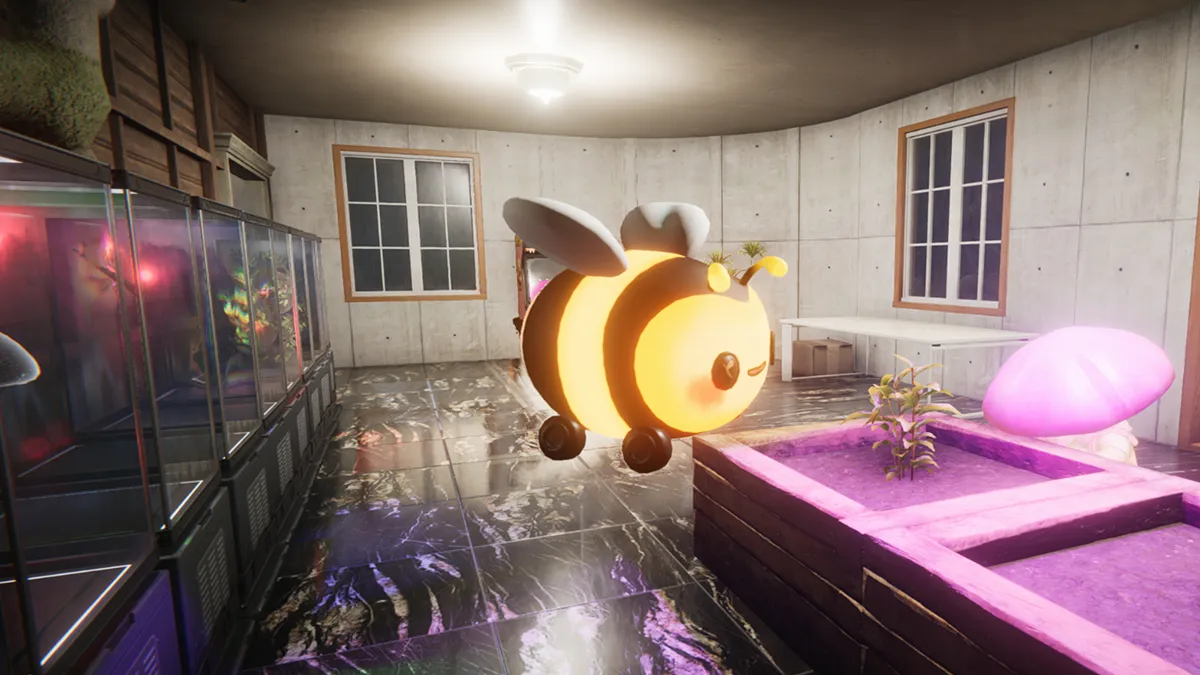
Once Human: How to Get Buzzy Bee | Deviation Location | Once Human Buzzy Bee Location
Managing territory resourcescan get tedious, but Buzzy Bee makes it smoother. It gathers resources efficiently and contributes to base building in the long run. I always assign it to my outpost when I’m focused on exploration, that way, my crafting stockpile keeps growing passively. It’s a quiet MVP when it comes to long-term progression.
Blaze Ant
Category:Combat | Acquisition:Burnt Forest
There’s something satisfying about unleashing Blaze Ant during a raid. It delivers steady fire damage over time, and it seems to thrive in group fights. When I’m fighting clusters of enemies or PvE mobs, Blaze Ant melts them down bit by bit. It’s not a one-hit wonder, but in longer battles, it proves its worth. Just be mindful of positioning, it’s not the tankiest option out there.
Bone Roamer
Category:Tank | Acquisition:Red Hill Graveyard
Bone Roamer is my go-to when I need a frontline sponge. It soaks up damage like a champ and gives me room to maneuver. In PvE, I use it to keep aggro away from glass cannon teammates or high-value objectives. It’s not flashy, but when your run hinges on survival and crowd control, Bone Roamer becomes a quiet MVP.
Ironjaw
Category:Combat | Acquisition:Steelmane Barracks
Ironjaw plays like a classic bruiser heavy melee damage with some stagger effects. I bring it out in PvP when I need to disrupt snipers or ranged campers. It doesn’t teleport or do anything fancy, but it gets in your opponent’s face and makes them panic. When paired with stun or slow effects, Ironjaw feels borderline S-tier in the right hands.
Frostblight
Category:Elemental | Acquisition:Glacier Ridge
Frostblight is a Deviant I underestimated at first. Its ice-based AoE attacks aren’t flashy, but they’re incredibly disruptive in PvE missions. Slowing enemies gives you time to reposition or unleash a heavy-hitting skill. I especially like using Frostblight when escorting cargo or defending a fixed position the battlefield control is priceless.
Barkhide
Category:Utility | Acquisition:Verdant Expanse
Barkhide is all about survivability and support. It can buff defenses and sometimes even cleanse debuffs, which I didn’t think I’d need until it saved me during a swarm mission. This one shines most when I’m running support roles or helping newer players stay alive during high-difficulty fights. It’s not as aggressive as other Deviants, but it earns its spot on the team through utility and team synergy.
B-Tier Deviants: Reliable Workhorses
These Deviants get the job done, just don’t expect miracles. I usually treat them as backup units or temporary picks until I unlock stronger combat or utility companions. Still, they’ve helped me out in more situations than I expected.
Mini Feaster
Category:Combat | Acquisition:Various Locations
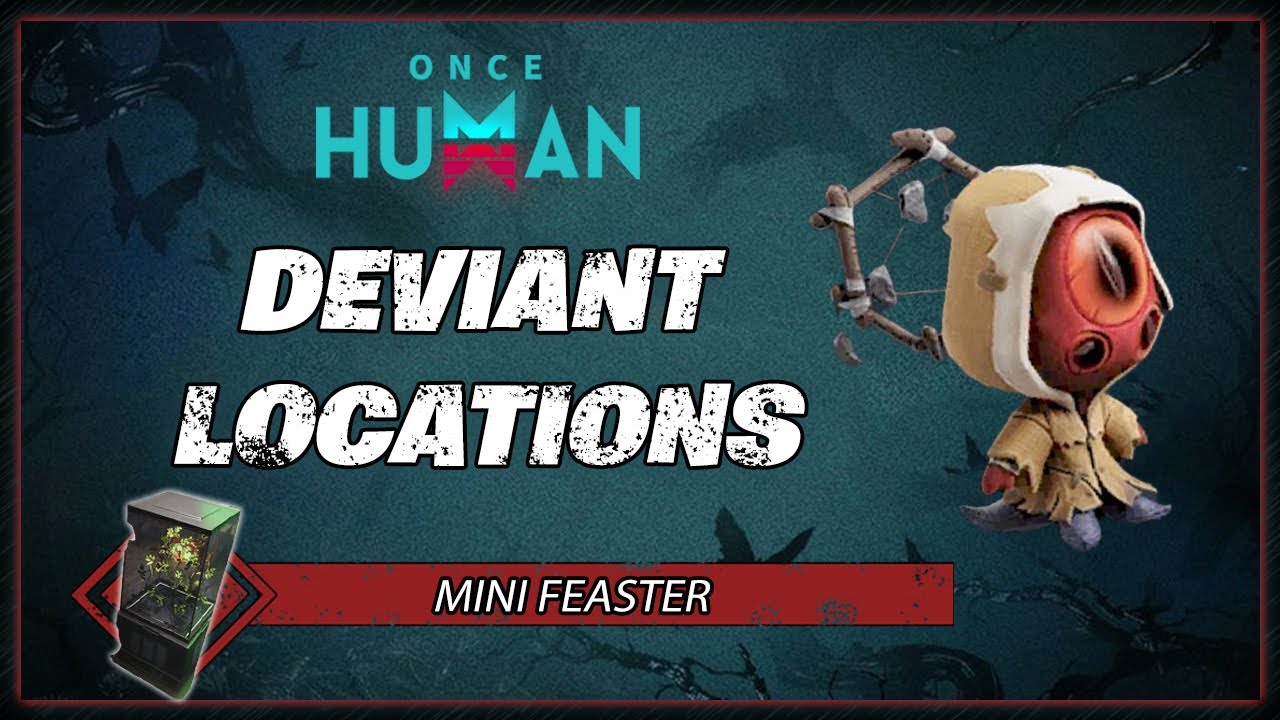
Mini Feaster Deviant Location | Once Human Gameplay Guide
Mini Feaster gave me a surprise advantage during some mid-game encounters. It deals steady melee damage and has decent durability, but its main issue is consistency. Sometimes it shines, especially against single enemies, but other times it feels too slow or underwhelming. I’d call it a dependable backup, not a frontline beast.
Enchanting Void
Category:Combat | Acquisition:Iron River
Enchanting Void has a cool visual style and a void-based damage set that can interrupt enemies. I enjoyed using it during PvE exploration, especially against foes that rely on abilities or charges. Its power is situational, though great for support, but not strong enough to lead a fight.
Festering Gel
Category:Combat | Acquisition:Chalk Peak
This one’s all about corrosive damage. Festering Gel wears enemies down with its toxic abilities, and I’ve used it a lot during early territory raids. But the damage-over-time effect just doesn’t scale well into endgame content. It’s great for softening up enemies in PvE, but you’ll need a stronger finisher alongside it.
Lava Puffer
Category:Elemental | Acquisition:Molten Crater
I used Lava Puffer during my first few PvE missions, and while it doesn’t hold up in endgame content, its fire-based area damage helped me clear mobs early on. It’s fun to use when you’re just starting and want flashy effects. But once you get access to stronger elemental Deviants, Lava Puffer gets outclassed pretty fast.
Cragwalker
Category:Utility | Acquisition:Rockhollow Canyon
Cragwalker is one of those Deviants that’s useful on paper but too situational in practice. It boosts gathering yield slightly when I’m collecting minerals and stone, but that’s not something I rely on often. I only bring Cragwalker out when I’m doing a long farming session otherwise, it stays at base.
Night Howler
Category:Combat | Acquisition:Shadowlands
Night Howler looks cooler than it performs. It deals consistent melee damage and adds a slight debuff to enemies, but it’s fragile and struggles against tankier foes. I’ve used it in territory defense where enemy waves are predictable, but I usually swap it out for better combat Deviants when difficulty ramps up.
Echo Sprite
Category:Support | Acquisition:Aurora Fields
This is one of the first support Deviants I tried. Echo Sprite can reduce cooldowns slightly and improve some passive effects, which sounded amazing at first. But in practice, the buffs are too mild to justify keeping it around in harder missions. I still use it during casual runs or team farming, though it’s not bad, just not standout.
Rumble Hog
Category:Territory | Acquisition:Verdant Canyon
Rumble Hog is a territory-focused Deviant that helps with base material generation. It’s reliable for long-term progression, but I rarely bring it into combat. I keep Rumble Hog stationed at my outpost so I can free up stronger units for field missions. It’s great for what it does, just not exciting gameplay-wise.
Fume Hopper
Category:Debuff | Acquisition:Gaslight Bog
I wanted to like Fume Hopper. It's poison gas cloud sounds useful, especially in PvP or against groups. But the cloud is too slow, and most enemies move out of the area before it takes full effect. I’ve had better luck with burn or freeze effects, so Fume Hopper ends up being more of a novelty than a core unit in my squad.
C-Tier Deviants: Niche Applications
Not every Deviant in Once Human can be a game-changer. Some are just… there. These are the companions I’ve used once or twice, usually out of curiosity or because I had nothing better early on. They aren’t completely useless, but in most cases, they’ve been replaced quickly by stronger or more specialized options.
Butterfly’s Emissary
Category:Tutorial/Utility | Acquisition:Tutorial reward

Best place to farm Butterfly's Emissary | Once Human #miss_rofl #oncehuman
This was one of my very first companions, and it’s meant to teach you the basics. While I appreciate the aesthetic and backstory, it doesn’t hold up in real content. I kept it out of nostalgia, but it’s not practical once you're past the opening missions.
Gingerbread House
Category:Utility | Acquisition:Seasonal events
This is one of those festive deviants that shows up during holiday events. It’s a fun cosmetic pick with minor crafting bonuses, but it doesn’t hold up against even B-tier utility deviants. I only bring it out during seasonal farming or to show off in my base.
Dust Snail
Category:Utility | Acquisition:Rustwood Valley
Dust Snail’s only real job is territory farming. It gives a slight bonus to gathering speed for sand and soil resources, which helped me early in base building. But in combat, it’s dead weight. I keep it around for collection purposes, not performance.
Crystalloop
Category:Support | Acquisition:Snowpine Ridge
Crystalloop is one of those Deviants that looks cool but doesn’t do much. It provides weak energy shields that break almost instantly, even in low-tier PvE. I gave it a shot during a few missions, but it never made any real difference. Maybe it’ll get buffed someday.
Hoot Hoot
Category:Territory | Acquisition:Forest’s Edge
I wanted to like Hoot Hoot. It’s cute, has a night-vision passive, and helps a little with scouting. But it doesn’t contribute anything meaningful to combat, crafting, or base defense. I only deploy it when I have a free slot in my deviant roster and nothing better to fill it.
Bubble Minnow
Category:Crafting | Acquisition:Aqua Basin
Bubble Minnow’s niche is water-based resource gathering, especially for players focused on food or potion crafting. I used it a bit when farming for alchemical ingredients, but its usefulness is very narrow. Outside that one role, it’s just another low-tier pet.
Spark Rat
Category:Combat | Acquisition:Thunder Marsh
Spark Rat had potential with its electric damage, but it’s far too fragile. Any time I tried to use it in PvP or even moderate PvE, it would get wiped out quickly. Its stun effect occasionally lands, but not often enough to justify a roster slot. Fun idea, weak execution.
Petal Sprout
Category:Support | Acquisition:Blooming Grove
This Deviant is supposed to boost health regen slightly over time. And while I noticed the effect, it was too small to help during intense fights. In peaceful exploration zones or light farming, it’s okay. But in real combat? I wouldn’t rely on it.
Sludge Leech
Category:Debuff | Acquisition:Marshfall Caverns
Sludge Leech slows enemies slightly with toxic pools, but its range is terrible and the debuff feels weak. I only used it during territory raids where movement control mattered, but even then, I usually regretted not bringing a more offensive companion.
Wobbly Wisp
Category:Territory | Acquisition:Duskmire Highlands
Wobbly Wisp helps with territory influence gain and adds a minor XP boost. It doesn’t fight and can’t defend itself, but if you’re grinding region progress or passive bonuses, it can be worth deploying. Just don’t bring it into any mission with combat, it won’t survive.
D-Tier Deviants: Collection Completers
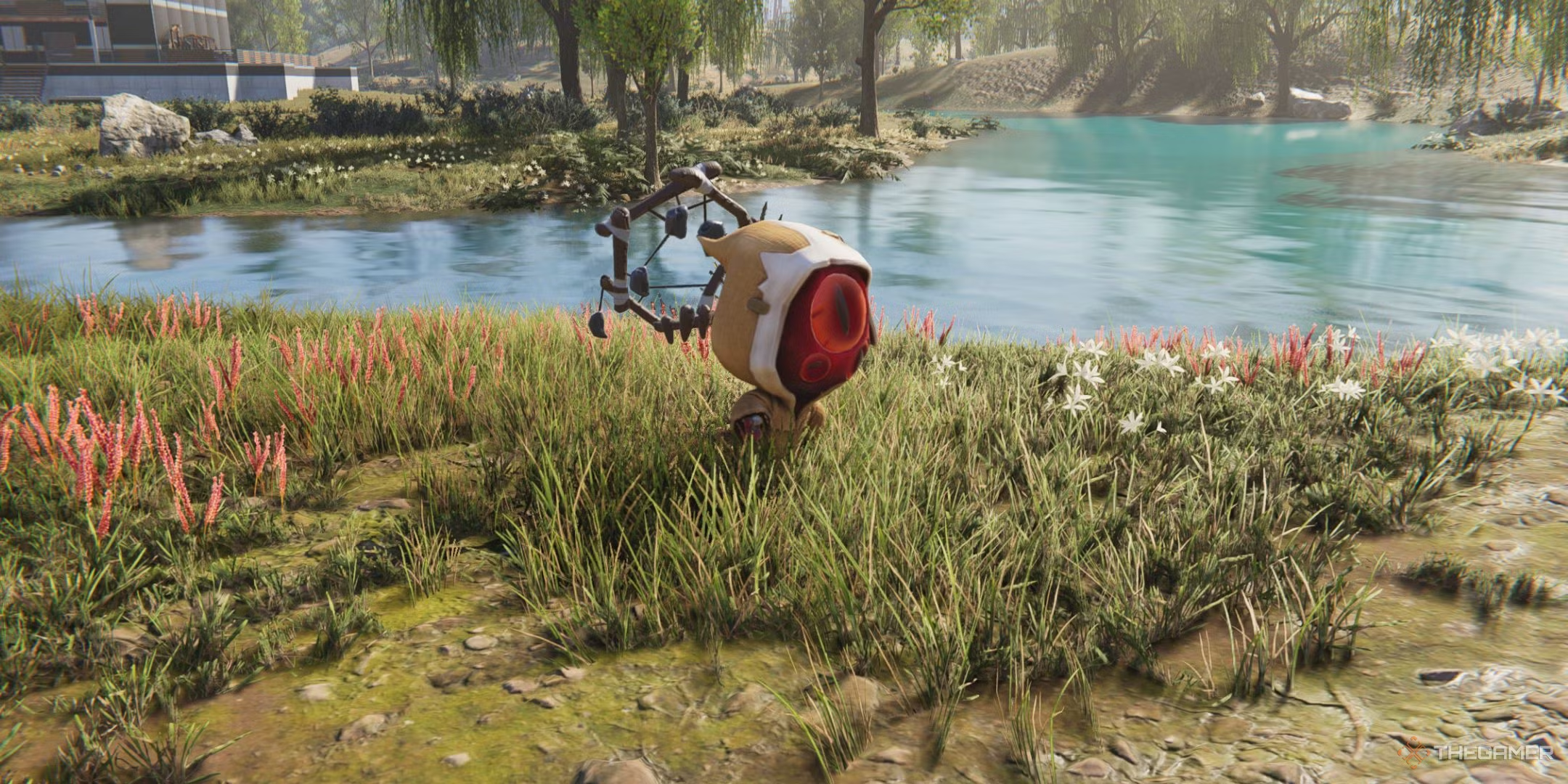
Every game has its share of misfires, and in Once Human, these Deviants fall into that category for me. Whether it’s due to broken skills, poor scaling, or just being completely outclassed, these companions offer little to no value in any meaningful content. I tested them just to be thorough, but I wouldn’t recommend keeping them past the tutorial phase.
Sticky Mite
Category:Combat | Acquisition:Forgotten Mines
Sticky Mite was one of those Deviants I hoped would surprise me but it didn’t. Its sticky slow effect barely triggers, and the damage output is laughable. In both PvE and PvP, it made no noticeable difference. I benched it quickly.
Flicker Wisp
Category:Utility | Acquisition:Duskmire Highlands
Flicker Wisp offers light radius buffs and a little visibility at night. Sounds cool, right? Unfortunately, visibility is rarely an issue in this game, and its other stats are way too weak to justify using it. I only kept it out of curiosity, not function.
Molten Pebble
Category:Combat | Acquisition:Crater's Edge
I expected some fiery impact with this one, but Molten Pebble is more like a sparkler than a grenade. Its burn effect is extremely short and weak, and it dies fast in actual combat. I replaced it after two fights.
Rusty Shroom
Category:Crafting | Acquisition:Old Soil Caves
Rusty Shroom gives minor boosts to low-level crafting recipes, but it’s irrelevant as soon as you unlock even basic crafting stations. I only used it once to complete a daily task. Total waste of a companion slot otherwise.
Hollow Peeper
Category:Territory | Acquisition:Whispering Fields
This one is supposed to scout territory and mark enemies, but in my experience, it rarely marked anything important. Its range is short and the cooldown is too long. I kept it in my collection but never deployed it again.
Lumpy Toad
Category:Combat | Acquisition:Swampy Ruins
Lumpy Toad tries to be a brawler-type Deviant, but its leap attack misses more often than it hits. Even when it lands, the damage is unimpressive. It’s a clunky, outdated design that doesn’t hold up with today’s meta deviants.
Foggy Puff
Category:Support | Acquisition:Mistveil Canyon
I tested Foggy Puff hoping for a decent support role, maybe some concealment or buffs. What I got instead was a weak smoke screen that barely affected enemy aggro. It’s one of the least effective support Deviants I’ve tried.
Ember Worm
Category:Utility | Acquisition:Firebreak Caverns
Ember Worm is supposed to help with heat-based crafting bonuses, but I didn’t see any meaningful improvement. Its passive buffs don’t stack well, and once I found even a mid-tier crafting Deviant, this one was forgotten.
Related reading: Apex Legends Legend Tier List
The Strongest Combat Deviants In Once Human
Meta Combat Compositions
Aggressive Rush Build:
- Primary:Lonewolf's Whisper (damage dealer)
- Secondary: Polar Jelly (AoE control)
- Support:Mini Wonder (defense)
Balanced Exploration Build:
- Primary:Lonewolf's Whisper (versatile damage)
- Secondary:Mini Feaster (enemy marking)
- Support:Mini Wonder (bullet protection)
PvP Specialist Build:
- Primary:Lonewolf's Whisper (long-range pressure)
- Secondary: Polar Jelly (area denial)
- Utility:Gingerbread House (situational stealth)
Combat Deviant Synergy Analysis
The key to maximizing combat effectiveness lies in understanding how different deviants complement each other. Lonewolf's Whisper provides the raw damage output needed for most encounters, but pairing it with Mini Wonder creates a formidable combination where offensive capability meets defensive utility.
Polar Jelly adds crowd control to any composition, making it invaluable for encounters with multiple enemies. The ice damage not only deals area damage but also slows enemies, giving you tactical advantages in positioning and retreat options.
Acquisition Strategies By Game Stage
Early Game Priorities (Levels 1-20)
Focus on deviants that provide immediate, tangible benefits:
- Butterfly's Emissary:Tutorial acquisition, helps learn mechanics
- Mini Wonder:Easy acquisition from Forsaken Monolith, immediate defensive value
- Electric Eel:Start fishing early to secure power infrastructure
- Any available territory deviant:Begin passive resource generation
Mid Game Expansion (Levels 21-40)
Prioritize specialized deviants that solve specific problems:
- Lonewolf's Whisper:Primary combat upgrade from Blackfell Oil Fields
- Logging Beaver:Resource bottleneck solver
- Polar Jelly:Combat versatility from Broken Delta
- Multiple Electric Eels:Scale power infrastructure
Late Game Optimization (Levels 41+)
Focus on meta compositions and rare acquisitions:
- The Digby Boy:Rare material generation becomes critical
- Chefosaurus Rex:Advanced crafting for endgame preparation
- Additional copies of S-tier deviants:Maximize effectiveness
- Situational specialists:Fill specific role gaps
People Also Ask
Which Deviant Should I Prioritize First As A New Player?
Start with Mini Wonder from the Forsaken Monolith for immediate defensive benefits, then focus on getting an Electric Eel through fishing to establish power infrastructure. These two deviants solve fundamental problems that every player faces early in their journey.
How Many Electric Eels Do I Need For Optimal Power Generation?
Most players find that 3-4 Electric Eels provide sufficient power for standard territory development. However, if you're planning large-scale construction projects or running multiple power-hungry facilities, consider farming 5-6 Electric Eels for maximum flexibility.
What's The Best Combat Deviant Combination For PvP?
Lonewolf's Whisper paired with Mini Wonder provides the strongest long-range PvP foundation with bullet protection. Add Polar Jelly for area control in team fights, or Gingerbread House for situational stealth plays.
Final Thought
Building a strong Deviant team in Once Human is all about strategy. I start with accessible picks like Electric Eel or Mini Wonder, then gradually work toward top-tier options as I unlock tougher regions. Even reliable B-tier Deviants often solve specific farming or combat needs early on.
The key is synergy, not just raw power. Focus on how each Deviant fits into your overall gameplay strategy. With the right mix, you’ll create a balanced, efficient team that evolves with you, and that’s how you truly master the Deviant system.
Check Out: Top Watcher Of Realms Tier List
Jump to
How I Built My Best Deviant Team In Once Human
S-Tier Deviants: The Elite Collection
A-Tier Deviants: Exceptional Performers
B-Tier Deviants: Reliable Workhorses
C-Tier Deviants: Niche Applications
D-Tier Deviants: Collection Completers
The Strongest Combat Deviants In Once Human
Acquisition Strategies By Game Stage
People Also Ask
Final Thought
Latest Articles
Popular Articles