Tekken 8 Tier List | Top Characters Ranked In 2026
Tekken 8 tier list updated for this year with S-tier picks, full character rankings, beginner recommendations, and ranked vs tournament advice.
Apr 04, 20268.1K Shares163.6K Views
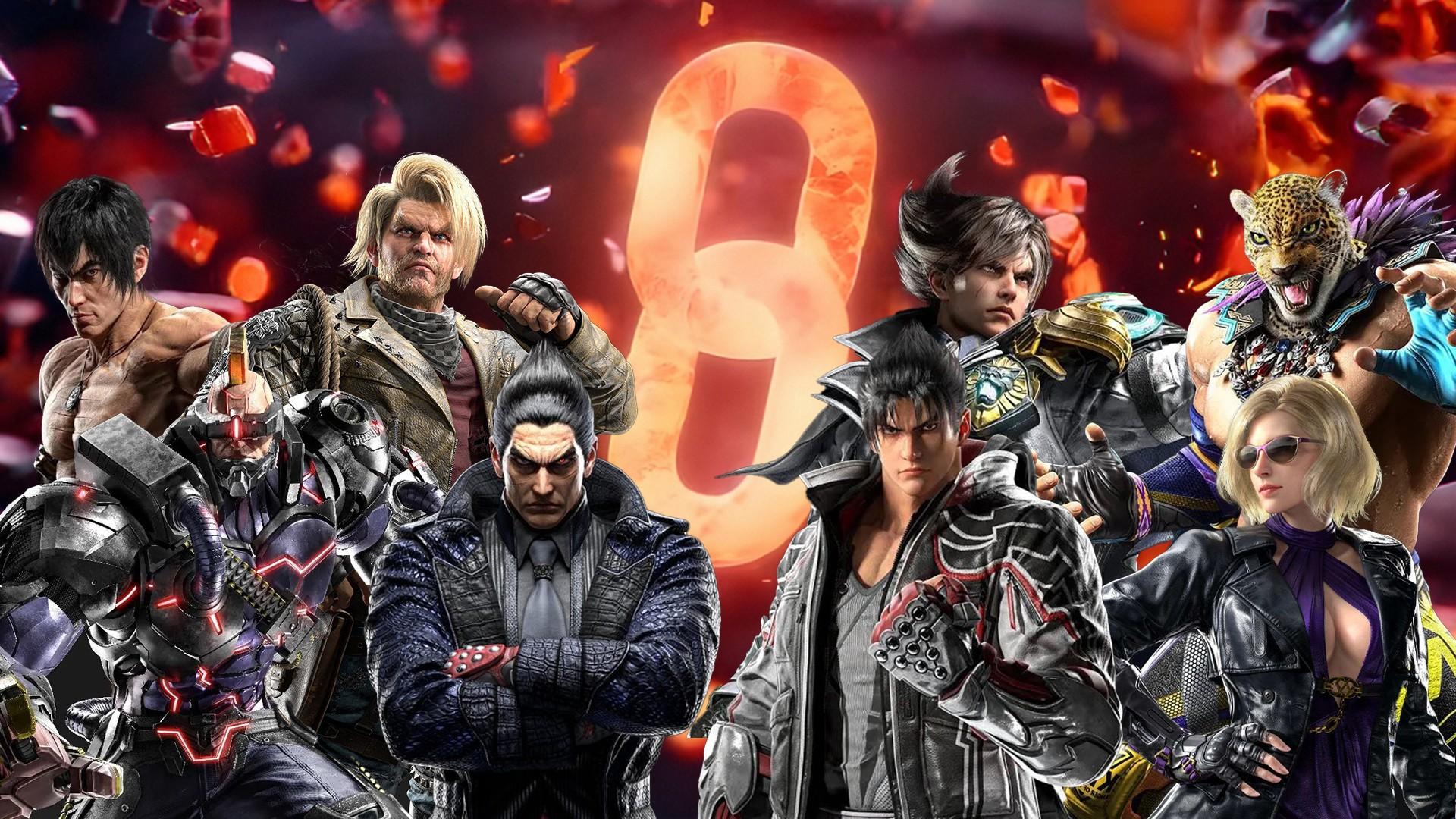
Tekken 8 Tier List - Best Characters For Ranked, Tournaments, And Beginners
Right now, the safest all-around S-tier picks in Tekken 8are Nina, Dragunov, Jin, Anna, and Clive, with the rest of the roster separated more by difficulty and matchup spread than by raw viability.
In Short
- S tier:Nina, Dragunov, Jin, Anna, Clive
- A tier:Bryan, Feng, Reina, Victor, Shaheen, Yoshimitsu, Hwoarang, Alisa, Heihachi, Lidia, King, Law
- B tier:Kazuya, Jun, Paul, Jack-8, Lars, Xiaoyu, Asuka, Lili, Claudio, Azucena, Raven, Leo, Steve, Lee, Devil Jin, Fahkumram, Armor King, Miary Zo
- C tier:Leroy, Zafina, Eddy, Kuma, Panda
- Data note:Data as of April 2026. Season 3 began with Ver.3.00 on March 17, 2026, and Bandai Namco followed it with Ver.3.00.01 on March 26, 2026, so check the latest official notes before treating any tier list as final.
Tekken 8 is in a patch-sensitive place right now. Bandai Namco started Season 3 in March 2026, described its new balance policy as “Refined Balance,”and specifically targeted excessive reward tied to Heat interactions, including Heat Smash wall splat and some Heat-linked power-up states. That matters because older lists can still name good characters, but the reasons behind those rankings have shifted.
This ranking is built for the 40-character released rosterthat includes Miary Zo, the final Season 2 DLC fighter. I am weighting current stability, reward-to-risk, matchup spread, and practical strength in long setsmore heavily than raw highlight-reel explosiveness.
This list prioritizes long-set reliability, repeatable pressure, and low hidden weaknesses over early-patch chaos, ladder frustration, or temporary DLC panic.
Tekken 8 Tier List For The Current Meta
This section gives you the fast read: who sits where, what the current meta rewards, and how to use the list without letting it choose your main for you.
Since Season 3 toned down some of the most extreme Heat rewards, I give extra credit to characters who still create pressure honestly, keep strong mids and punishment, and do not collapse when the opponent knows the matchup.
Here is the tier spread I would use right now:
- S tier:Nina, Dragunov, Jin, Anna, Clive
- A tier:Bryan, Feng, Reina, Victor, Shaheen, Yoshimitsu, Hwoarang, Alisa, Heihachi, Lidia, King, Law
- B tier:Kazuya, Jun, Paul, Jack-8, Lars, Xiaoyu, Asuka, Lili, Claudio, Azucena, Raven, Leo, Steve, Lee, Devil Jin, Fahkumram, Armor King, Miary Zo
- C tier:Leroy, Zafina, Eddy, Kuma, Panda
That does notmean C-tier characters are dead or that B-tier characters are weak. It means S-tier characters ask the fewest questions of the player while forcing the hardest questions on the opponent, and the lower tiers need either more matchup work, more execution, or more patience to get the same return.
The most common mistake I see in tier talk is treating strength, difficulty, and ladder convenienceas the same thing. They are not.
A character can be terrifying in expert hands and still be a bad first main, while a less glamorous A-tier pick can carry a player much farther in ranked. That is why the next sections separate raw ranking from player goals and difficulty.
Where This Ranking Differs From Other
| Topic | Why I rank it this way |
| Asuka in B-tier | I rate Asuka as a strong beginner and fundamentals pick, but not as oppressive overall as the best current pressure characters. |
| Shaheen in A-tier | I value his long-set consistency, clean neutral, and reliability more than ladder-focused lists usually do. |
| Hwoarang in A-tier, not S-tier | His pressure is elite, but the player-management cost and matchup volatility keep him just below the safest top-tier core. |
| Claudio in B-tier | He is still clean and useful, but I see him as more honest and less meta-warping than lists that push him into S or A. |
| Narrow S-tier overall | I would rather keep S-tier exclusive to the characters with the fewest real weaknesses than expand it to everyone who feels strong this patch. |
What Changed In The Latest Patch And Why It Matters
You need the patch context before the list makes full sense. These changes explain why some characters stayed elite while others lost a little edge.
Season 3 Balance Direction
Bandai Namco’s stated Season 3 direction is not “turn Tekken 8 into a defensive game overnight.” The official explanation says the team is making incremental refinementswhile keeping the game’s core identity intact, and it explicitly warns against large, abrupt balance swings that would distort the battle environment.
For tier-list purposes, that means you should expect rebalancing, not a genre change. Characters who already had strong tools outside of one abusive interaction remain good. Characters that depended more heavily on extreme reward sequences, especially near the wall or off Heat-driven momentum, have less room to bully the cast for free.
The takeaway is that Season 3 rewards well-rounded powermore than one-note robbery. That leads directly into the specific system changes.
Heat Smash And Power-up Changes That Reshaped Rankings
The official Ver.3.00 notes call out three important shifts. First, Heat Smash no longer causes wall splatfor characters who previously got it. Second, character-specific powered-up states that start through Heat now end when Heat ends.
Third, some air-combo behavior tied to grounded Heat Engagers into Heat Dash was adjusted, including damage scaling moving from 60% to 70% in that context.
Those changes do two things to the tier list. They lower the value of characters whose scariest rounds came from one oversized Heat swing, and they raise the relative value of characters who still dominate through neutral control, pressure structure, punishment, and clean combo routing without leaning on a single extreme wall sequence.
That is why my list leans toward Nina, Dragunov, and Jinat the top rather than chasing the loudest clip from the latest week of matchmaking. The patch rewards repeatable pressure and fewer hidden liabilities.
Why Older Season 2 Or 2024 Lists Can Now Mislead Users
Season 3 officially began in March 2026, and Bandai Namcopaired it with a rank reset and an ongoing balance plan rather than a one-and-done overhaul. At the same time, the game’s released roster has grown to 40 characters, which alone makes older lists incomplete even before balance changes enter the picture.
So if you are reading a list built around a 2024 tournament snapshot or a Season 2 patch, you are often getting two outdated assumptions at once: the wrong system rules and the wrong roster environment. That is why the next section focuses on method before individual placements.
How This Tekken 8 Tier List Was Built
This tier list is based on three things: the latest official patch direction, how characters perform in serious play, and how reliable they feel in real matches.
- Patch notes first:Season 3 reduced some of the most extreme Heat rewards, so I value stable, repeatable strength more than one big gimmick.
- Tournament context:Long sets expose which characters stay strong after adaptation.
- Practical value:I rank characters by power, consistency, and difficulty-not by hype alone.
Confidence note:
- High confidence:Nina, Dragunov, Jin
- Medium confidence:Anna, Clive, Hwoarang, Claudio, Shaheen
- Lower confidence / early-read territory:Miary Zo, some newer risers and fallers after the latest patch cycle
Takeaway:A strong character is not always easy, and an easy character is not always top tier.
Full Tekken 8 Tier List Rankings
This is the core of the page: the actual placements, the logic behind the top tier, and the practical meaning of each rank.
S-Tier: Meta-defining Picks
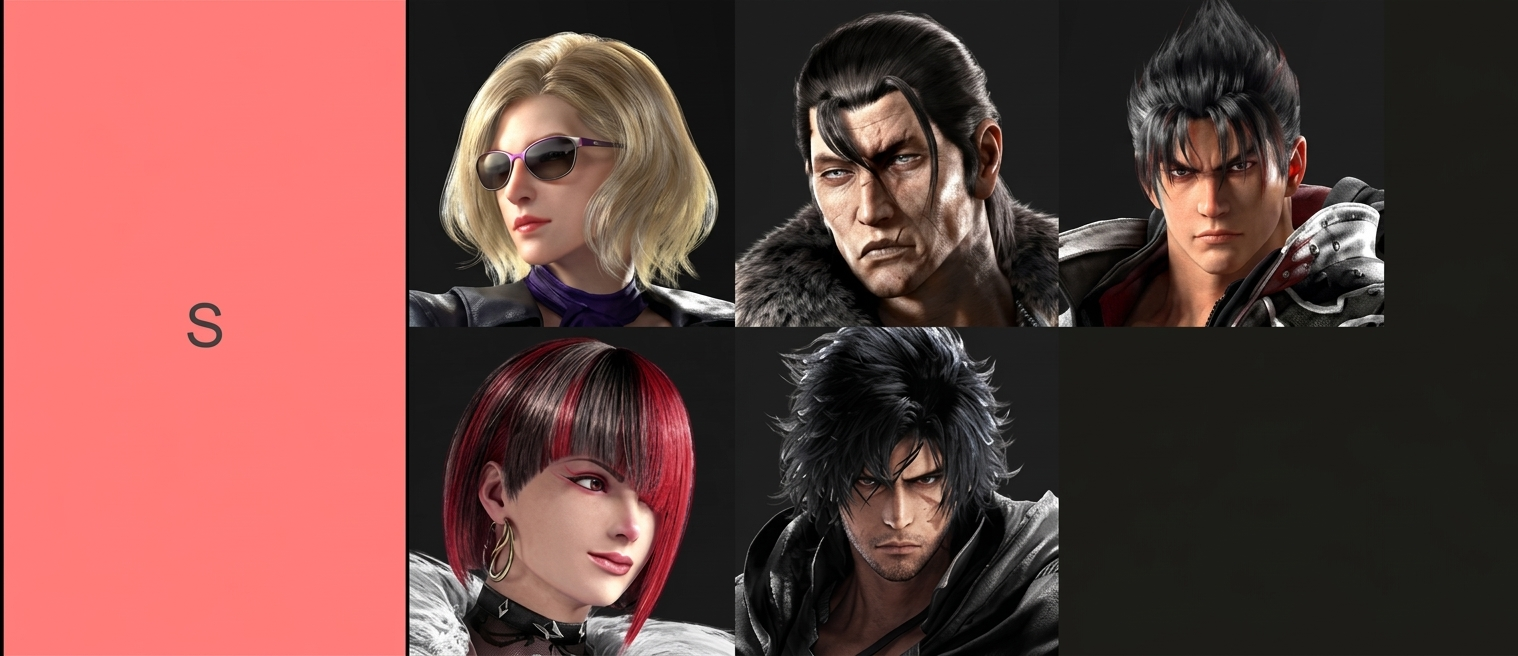
These are the characters with the fewest real weaknesses and the highest week-to-week reliability. If you want the safest high-level choices, this is where the list starts.
Nina Williams
Nina stays S-tier because her elite poking, oppressive close-range pressure, and fast damage conversion still work even when the meta gets more disciplined. She rewards strong fundamentals, but unlike many “honest” characters, she also has the tempo and frame control to smother rounds quickly.
Dragunov
Dragunov is one of the cleanest examples of top-tier efficiency: strong mids, relentless pressure, and almost no wasted turns once he gets momentum. He does not need gimmicks or rare setups to win, which makes him one of the most dependable picks in the game.
Jin Kazama
Jin is S-tier because he covers almost every important Tekken situation well: solid punishment, strong neutral, flexible pressure, and very few matchup-specific holes. When a character is this complete and still converts cleanly, he stays near the top almost by default.
Anna Williams
Anna earns this spot because her game plan is built around forcing ugly guesses and cashing them out immediately. Her stance pressure, scary lows, and fast momentum shifts make her one of the best “one mistake can cost you the round” characters in the roster.
Clive Rosfield
Clive remains one of the strongest all-around characters because his tools create stable offense from multiple ranges without needing wildly risky commitments. He feels fairer than some early reactions suggested, but his pressure flow, confirms, and ease of conversion still make him too complete to drop below the top group.
Takeaway: S-tier characters give you the strongest mix of pressure, reliability, and low-maintenance winning potential. A-tier can absolutely compete with them, but usually with one extra condition or drawback.
A-Tier: Strong, Reliable Tournament-ready Characters
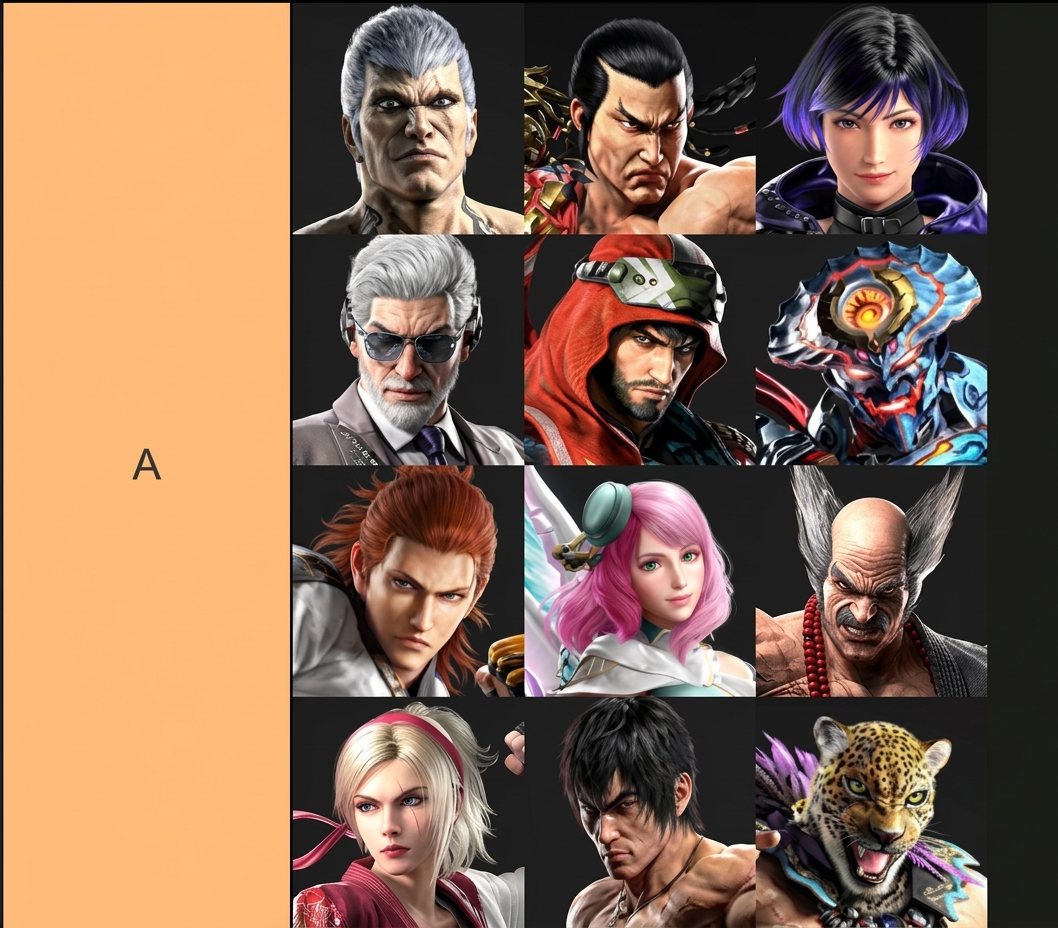
A-tier characters are excellent and fully viable at every serious level. They are either just short of S-tier efficiency or they ask a bit more from the player to reach the same level of control.
Bryan Fury
Bryan is terrifying because his counter-hit snowball, wall damage, and long-range control still punish mistakes harder than almost anyone else. He sits just below S-tier because he asks for more precision and timing discipline than the safest top picks.
Feng Wei
Feng is still one of the best poking and space-control characters in the game, especially if you like grinding people down with movement and compact pressure. He stays in A-tier because he is strong in almost every phase, even if he no longer feels quite as oppressive as the very top names.
Reina
Reina has the explosiveness, pace, and pressure to overwhelm people fast, especially when the opponent starts respecting her too early. She stays out of S-tier because her consistency is a little more player-dependent than the most stable top picks.
Victor
Victor remains dangerous because he gets to strong offense quickly and can turn hesitation into fast rounds. He lands in A-tier because prepared opponents can force him to play more honestly than the S-tier core.
Shaheen
Shaheen is one of the cleanest “strong fundamentals” characters in the roster, and that matters more in long sets than many ladder-first tier listsadmit. He may not feel flashy, but his consistency, clean whiff punishment, and low-maintenance game plan keep him comfortably A-tier for me.
Yoshimitsu
Yoshimitsu is dangerous because he can break structure, steal tempo, and force weird decision trees better than almost anyone else. He stays in A-tier because his value spikes hardest in specialist hands rather than across the full player base.
Hwoarang
Hwoarang is still a nightmare once he gets momentum and starts forcing layered pressure with oppressive offense flow. He sits in A-tier because his strength is undeniable, but the management cost, knowledge burden, and volatility keep him just below the safest S-tier characters.
Alisa Bosconovitch
Alisa is strong because her movement, range, and space control make her consistently annoying to pin down at mid-range. She is not quite S-tier because her pressure and damage flow do not feel as overwhelming as the very best characters.
Heihachi Mishima
Heihachi hits hard, controls pace well when he gets going, and always threatens to turn one opening into huge momentum. He stays in A-tier because the reward is huge, but the volatility is still slightly higher than the most stable top-tier choices.
Lidia Sobieska
Lidia is a strong, direct character whose offense stays structured and threatening without needing constant gimmick value. She lands in A-tier because she is powerful and dependable, but not quite as universally oppressive as the highest group.
King
King remains a real threat because one strong read can become throw fear, huge damage, and immediate round control. He stays in A-tier because he is deadly, but his consistency still depends more on reads, timing, and matchup conditioning than the top five.
Marshall Law
Law is fast, aggressive, and excellent at forcing momentum when he gets started, especially if you like direct offense and clear punish windows. He lands in A-tier because his strengths are real, even if he does not dominate every phase quite as cleanly as S-tier.
Takeaway: A-tier is full of characters you can confidently main for ranked or tournaments. B-tier is where the caveats become more noticeable and matchup texture matters more.
B-Tier: Viable But More Matchup-dependent Picks
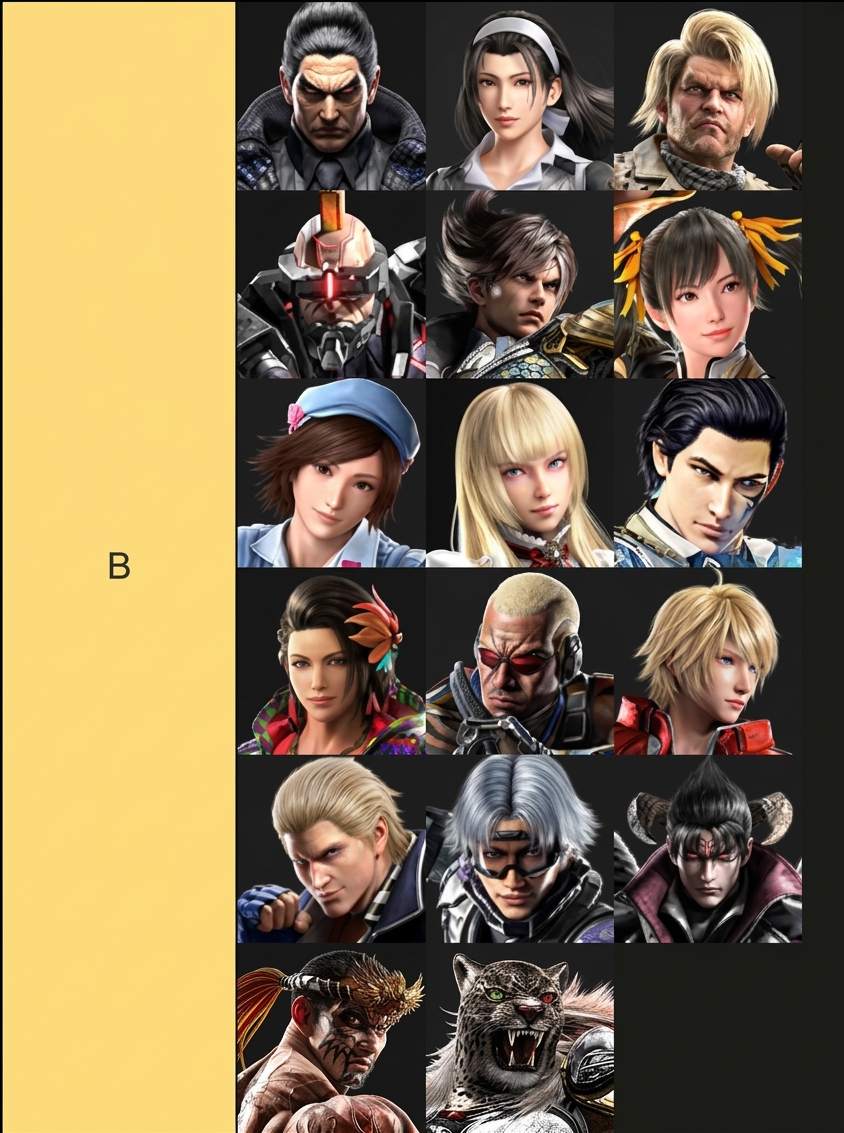
B-tier characters are still strong enough to win consistently, but they usually need more execution, better reads, or more favorable matchups to feel as efficient as the upper tiers.
Kazuya Mishima
Kazuya still explodes people when your punishment, timing, and execution are sharp, especially if you are comfortable with high-volatility Mishima play. He is dangerous, but far less forgiving than the easier top choices.
Jun Kazama
Jun is solid, versatile, and generally stable across different matchups, but she does not pressure or overwhelm as brutally as the characters above her. She feels more balanced than oppressive right now.
Paul Phoenix
Paul still hits extremely hard and rewards simple, direct decisions, which keeps him threatening at almost any level. The problem is that stronger opponents can slow him down before his offense snowballs.
Jack-8
Jack-8 controls space well and can make neutral feel miserable if you let him set the pace. He drops into B-tier because once people get in on him, the defensive cracks become much easier to expose.
Lars Alexandersson
Lars is dangerous when his stance flow gets rolling and the opponent is unsure where the real answers are. Once the matchup is understood, the risk starts rising faster than the reward.
Ling Xiaoyu
Xiaoyu is still slippery, tricky, and capable of frustrating people badly with evasive movement and awkward timing. She sits in B-tier because her effectiveness rises and falls sharply with matchup knowledge on both sides.
Asuka Kazama
Asuka is easy to recommend because she is stable, practical, and one of the better characters for learning real Tekken. She lands in B-tier overall because she wins cleanly, but not as brutally as the upper-tier pressure monsters.
Lili Rochefort
Lili is great for players who value movement, whiff punishment, and evasive spacing over constant forced pressure. She stays in B-tier because her overall reward does not feel as oppressive as the best current meta picks.
Claudio Serafino
Claudio is fundamentally sound, easy to understand, and still rewards solid decision-making. He sits here because he feels more honest than the characters who can steal rounds with less effort, which is why I rank him lower than some 2026 lists do.
Azucena
Azucena can still annoy people and create awkward interactions, especially against weaker preparation or impatient defense. She falls into B-tier because her consistency does not quite match the stronger all-purpose characters.
Raven
Raven is strongest when movement, surprise, and timing are doing part of the work for him. Once the opponent settles in, he becomes less reliable than safer mid-tier options.
Leo Kliesen
Leo is underplayed, well-rounded, and capable of real stance pressure once the offense gets started. B-tier fits because the toolkit is good, but it does not dominate the meta cleanly enough to justify a higher slot.
Steve Fox
Steve is still dangerous for players who love precision, pressure, and defensive timing, especially in drawn-out sets. He stays in B-tier because the execution tax and specialist burden are still very real.
Lee Chaolan
Lee remains rewarding for players who enjoy precision, counter-hit control, and clean punishment. He lands here because the execution cost is high and easier characters often get comparable results with less work.
Devil Jin
Devil Jin still has scary mix, air threat, and real explosive potential. He sits in B-tier because he no longer feels as overwhelming or as reliable as his strongest versions did.
Fahkumram
Fahkumram has strong range and can still bully people when he controls the pace from the outside. He stays in B-tier because he does not feel as universally stable as the best pressure characters.
Armor King
Armor King is dangerous, disciplined, and appealing if you like straightforward threat with strong payoff and cleaner structure than pure gimmick characters. He lands in B-tier because he feels solid rather than meta-defining, even though I do think the current environment helps him a bit more than older patches did.
Miary Zo
Miary Zo is still being fully explored by the player base, which gives her natural matchup value and some early-read upside. For now, B-tier makes sense because the potential is clear, but the long-term consistency is not fully proven yet.
Takeaway: B-tier is full of playable characters with real strengths, but they ask more from you or give the opponent more room to respond. C-tier is where that tradeoff becomes even harder to ignore.
C-Tier: Niche Choices That Need More Work
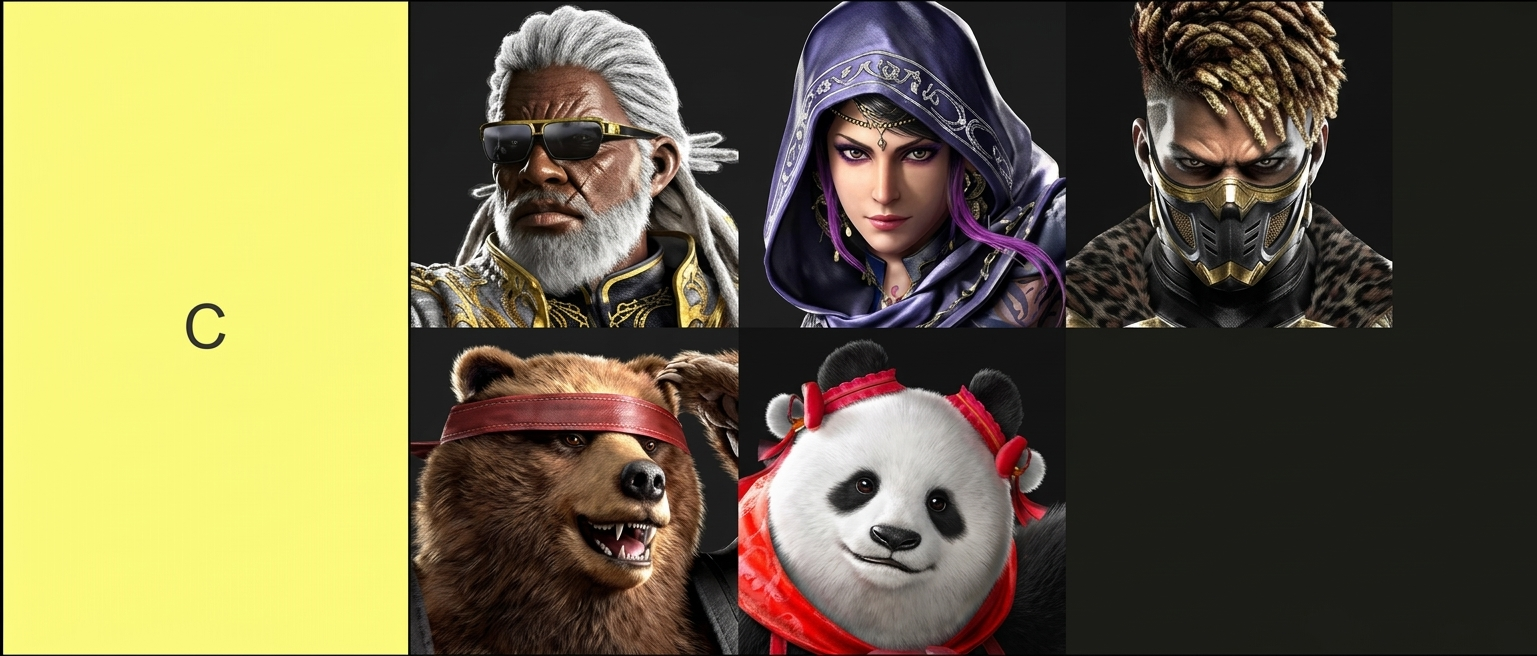
These characters can still win, but they usually require more compensation from the player than the rest of the roster. They are viable as specialists, just not the most efficient answers in the current meta.
Leroy Smith
Leroy is playable and still has useful tools, but the fear factor is much lower than it used to be. He now needs cleaner defense, stronger reads, and better discipline to keep up with characters that get paid more for less effort.
Zafina
Zafina is still awkward and slippery in the right hands, especially if you enjoy movement and stance-heavy disruption. The issue is that the payoff does not always justify the amount of setup, reads, and familiarity she asks for.
Eddy Gordo
Eddy can still create chaos and punish hesitation, especially against players who are uncomfortable in the matchup. He stays low because that chaos is not as dependable as stronger roster-wide fundamentals.
Kuma
Kuma still hits hard and can absolutely steal rounds when the opponent gets flustered. He sits in C-tier because his size, movement issues, and awkward defensive spots make too many matches harder than they need to be.
Panda
Panda can work if you are committed and matchup knowledge is on your side. Even so, there is not enough consistent advantage here to justify ranking Panda above the rest of the lower tier.
Takeaway: C-tier does not mean unplayable. It means you are choosing character loyalty, matchup depth, or specialist comfort over raw efficiency.
The important point is simple: none of these characters are unplayable. They just require more deliberate compensation in a roster that now has 40 released fighters competing for space.
Related Reading: Elden Ring Weapon Tier List
Best Tekken 8 Characters By Player Goal
A tier list is only useful if it turns into a decision. This section helps you match the roster to what you actually want out of the game.
| Your goal | Best starting options |
| Climb ranked quickly | Dragunov, Nina, Victor |
| Play long tournament sets | Jin, Bryan, Shaheen |
| Learn solid Tekken fundamentals | Jin, Asuka, Shaheen |
| Use an easy first main | Asuka, Law, Victor |
| Commit to a high-skill long-term project | Kazuya, Steve, Lee, Yoshimitsu |
Best Characters By Playstyle
| Playstyle | Best starting options |
| Rushdown / momentum | Nina, Hwoarang, Law, Victor |
| Poking / neutral control | Dragunov, Feng, Jin, Shaheen |
| Movement / whiff punishment | Lili, Alisa, Bryan, Feng |
| Throws / grappler threat | King, Armor King |
| Stance-heavy specialists | Anna, Xiaoyu, Lars, Leo, Yoshimitsu |
| High-execution mastery project | Kazuya, Steve, Lee, Devil Jin |
Best For Ranked Climbing
For pure ladder efficiency, I would start with Dragunov, Nina, or Victor. They give you direct offense, strong round control, and game plans that do not disappear just because the opponent blocks once.
These picks also punish hesitation. In ranked, many matches are decided before both players fully adapt, so a character that starts strong and stays active has extra value.
Best For Tournament Play
For tournament play, I like Jin, Bryan, and Shaheena lot. They hold up in longer sets, they have fewer fake answers, and they do not rely as much on surprise value once the opponent has watched one or two games.
That is also why I keep tournament value and ranked value separate. A character that farms first-to-two ladder chaos is not always the one I would trust on stage.
Best For Beginners
The best beginner choices are the characters that teach you real Tekken without demanding heroic execution. My shortlist is Asuka, Shaheen, Law, and Jin.
Asuka and Shaheen are especially useful because they reward good decisions cleanly. Law is more aggressive and accessible. Jin is stronger overall, but his flexibility can tempt new players to do too much too soon.
Best If You Want An Easy First Main
If your main priority is “give me someone who feels good quickly,” I would point you toward Asuka, Victor, and Law.
They get to their point fast. You can build a functioning game plan early, which matters because frustration kills more fighting-game progress than any bad matchup chart ever will.
Best If You Want A High-skill Long-term Project
If you want a character you can keep growing into for months, I would look at Kazuya, Steve, Lee, Yoshimitsu, and Hwoarang.
These are the characters that keep paying you back as your execution, matchup knowledge, and setplay deepen. They are not always the fastest route to wins, but they are some of the best routes to mastery.
Also Check Out: Attack On Titan Tier List
Easiest To Hardest Characters To Play Effectively
Raw tier placement never tells the whole story. This section separates character strengthfrom player burden, which is the difference many tier lists miss.
Low-execution, High-reward Picks
The easiest effective picks right now are Asuka, Law, Victor, Dragunov, and Shaheen.
That does not mean they are brainless. It means their strongest ideas appear early, their combo requirements are reasonable, and their core win conditions are easy to repeat under stress.
Moderate Difficulty Mains
This is the biggest bucket in the game. I would put Jin, Nina, King, Feng, Bryan, Alisa, Lidia, Paul, Lars, Leo, and Lilihere.
They are accessible enough to start, but they reward stronger spacing, sharper confirms, better timing, or smarter pressure as you improve. This is often the sweet spot for players who want both results and room to grow.
Highest Execution Characters
The hardest characters to play effectively are the ones where the toolset is strong, but the margin for sloppy play is thin. My top names here are Kazuya, Steve, Lee, Devil Jin, Hwoarang, Yoshimitsu, Xiaoyu, and Raven.
These characters often look amazing in specialist hands and merely fine in ordinary hands. That gap is exactly why difficulty should never be confused with weakness.
Biggest Risers And Fallers Since Season 2
This is the “patch delta” section: who benefited, who lost a little ground, and which DLC additions changed how the roster has to prepare.
Patch delta box
- Risers:Jin, Bryan, Shaheen, Asuka, Armor King
- Stable elites:Nina, Dragunov
- Slight fallers:Claudio, some Heat-dependent pressure characters, the Bears
Characters Helped By The Newer Balance Direction
I like Jin, Bryan, and Shaheenmore in a refined environment because their value comes from clean fundamentals, not only from exaggerated system reward. I also think Asukagets a little more attractive when the field slows down just enough for stable defense and straightforward punish-based play to matter.
Armor Kingis the interesting name here. He is not suddenly a top-tier monster, but a more measured environment gives disciplined, solid characters more room to matter.
Characters That Lost Edge After System Changes
I am a little colder on characters whose scariest rounds leaned more heavily on extreme Heat payoff or unusual pressure extension. Claudiois the obvious conceptual example because Bandai Namco specifically highlighted the relationship between Heat and character-specific powered-up states when explaining Season 3’s direction.
I also think the Bearsand a few momentum-heavy picks lose relative value when the patch removes some of the easiest oversized reward. They can still win, but they now have to work a little more honestly for it.
DLC Characters That Changed Matchup Prep
The roster is larger now, and that alone changes tier conversations. Officially, Miary Zo completed the Season 2 DLC roster and brought the released roster to 40 characters, while Season 3 was announced separately for 2026.
That matters because Anna, Clive, Fahkumram, Armor King, and Miary Zodo not just bring new strengths. They also tax the opponent’s preparation. In practice, a decent DLC character with poor matchup familiarity often outperforms a theoretically stronger old favorite whose patterns everyone has studied for two years.
Why Tier Lists Disagree So Much
Most tier lists disagree because they are judging different things.
- Pro listsusually rank maximum potential.
- Community listsoften reflect online frustration and matchup unfamiliarity.
Takeaway:The best tier list is the one that tells you what kind of strengthit is measuring.
The best tier list is the one that tells you exactly what kind of strength it is measuring - and where it deliberately differs from other current lists.
Don't Miss: The Ultimate Among Us Tier List
FAQ About The Tekken 8 Tier List
Who Is S-tier In Tekken 8 Right Now?
My S-tier is Nina, Dragunov, Jin, Anna, and Clive. They offer the best mix of pressure, consistency, and practical reward in the current environment.
What Changed In The Season 3 Tier List?
Season 3 removed Heat Smash wall splat, made some Heat-linked power-up states end when Heat ends, and continued Bandai Namco’s “Refined Balance” direction. That pushes the meta toward cleaner, more stable strength.
Why Do Tekken 8 Tier Lists Disagree?
Because they often answer different questions. Some rank tournament ceiling, some rank ranked convenience, and some reflect community frustration more than long-set strength.
Is This Tier List For Ranked Or Tournaments?
It covers both, but it separates them on purpose. Ranked values immediate pressure and ease of use more, while tournaments reward consistency, adaptation, and fewer hidden matchup holes.
Who Are The Best Tekken 8 Characters For Beginners?
My best beginner shortlist is Asuka, Shaheen, Law, and Jin. They teach useful fundamentals without demanding the hardest execution from day one.
Which Tekken 8 Characters Are Hardest To Play?
The hardest effective picks are Kazuya, Steve, Lee, Devil Jin, Hwoarang, Yoshimitsu, Xiaoyu, and Raven. They can be excellent, but they ask more from the player than most of the cast.
Can Low-tier Characters Still Win In Tekken 8?
Yes. Low tier means less efficient or less consistent, not unplayable. A well-practiced specialist can absolutely beat stronger characters, especially when the opponent lacks matchup knowledge.
How Often Should A Tekken 8 Tier List Be Updated?
At minimum after every major patch, major DLC release, or clear tournament-phase shift. For this game, the safest habit is to check after each official balance update.
Final Words
Use the tier list to cut down uncertainty, not to outsource your taste. If you want the safest answer, start with Jin, Nina, or Dragunov. If you want a character you will still love after 500 matches, let difficulty and style matter as much as raw rank.
The best Tekken 8 tier list is not the one that tries to sound absolute. It is the one that helps you understand the meta, pick a character that fits you, and see clearly where opinion ends and evidence begins.
Jump to
Tekken 8 Tier List - Best Characters For Ranked, Tournaments, And Beginners
Tekken 8 Tier List For The Current Meta
What Changed In The Latest Patch And Why It Matters
How This Tekken 8 Tier List Was Built
Full Tekken 8 Tier List Rankings
Best Tekken 8 Characters By Player Goal
Easiest To Hardest Characters To Play Effectively
Biggest Risers And Fallers Since Season 2
Why Tier Lists Disagree So Much
FAQ About The Tekken 8 Tier List
Final Words
Latest Articles
Popular Articles