The Ultimate Among Us Tier List: Ranking Every Role And Map
This Among Us tier list ranks the best roles and maps, then explains how lobby type, map layout, and settings change who actually deserves S-tier.
Mar 11, 202643 Shares42.7K Views
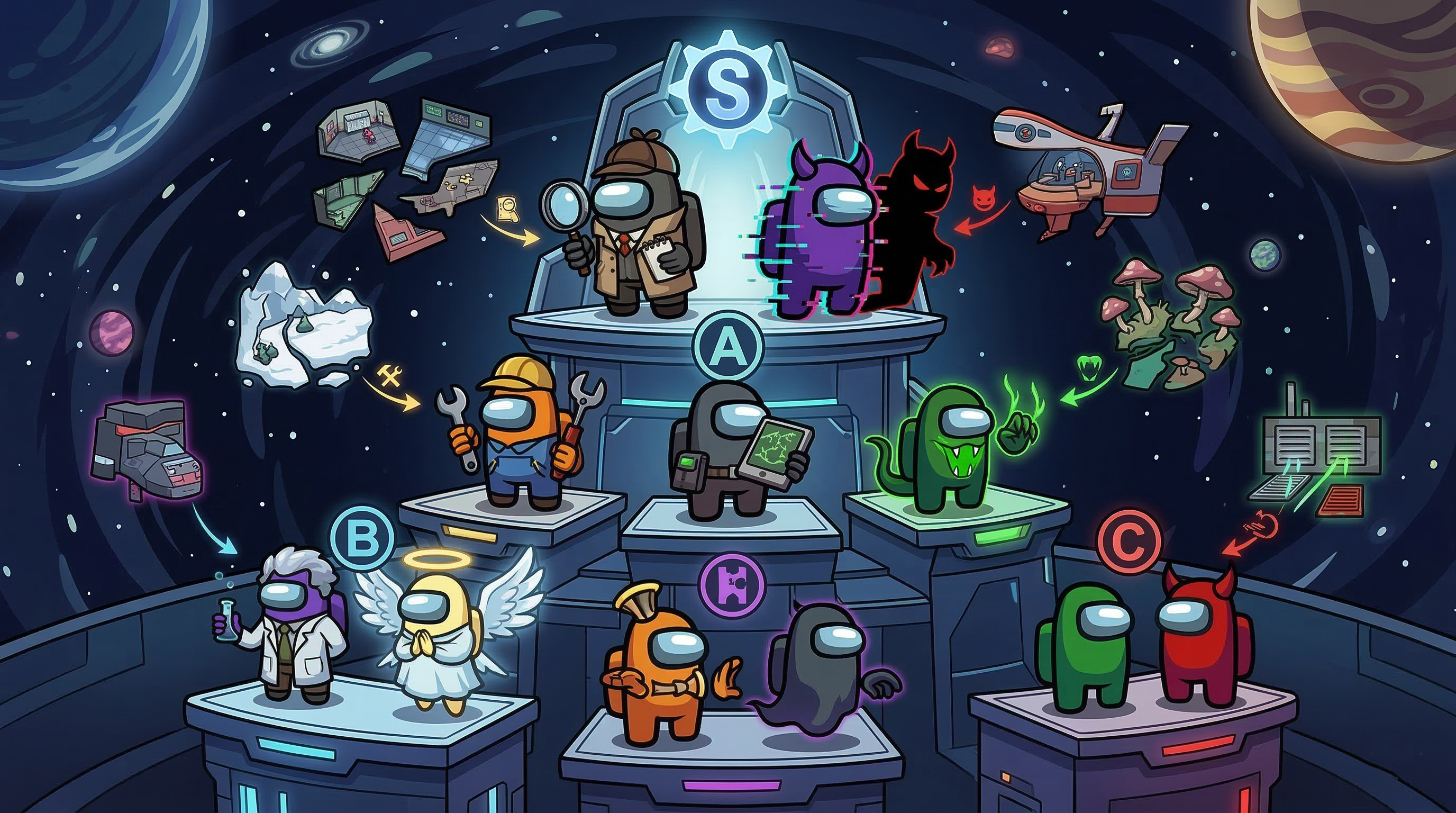
The Ultimate Among Us Tier List: Ranking Every Role And Map
Social deduction games are won in the margins of player behavior and map knowledge. You can formulate the perfect alibi, but if you fail to leverage the specific utility of your assigned role within the layout of the map, you surrender your advantage.
Based on extensive gameplay analysis and lobby meta, this tier list breaks down the exact roles, environments, and synergies that consistently secure victories.
Key Takeaways
- Detective and Shapeshifter sit at the top of the default board because both can swing meetings and snowball momentum fast.
- Engineer is the safest beginner recommendation because the value is immediate and easy to understand.
- Viper can jump from strong to brutal when the map gives it quiet corners and the lobby fails to rotate well.
- Detective gets better when meetings are disciplined and room-based information is easier to use.
- The best Among Us tier listis never fully flat; map, lobby quality, and settings always change the real order.
How This Among Us Tier List Was Scored
Before you read the tiers, here is the framework behind them. I ranked roles and maps using six practical filters:
- Adaptability- how well a role or map performs across different lobby styles.
- Winning potential- how often it helps create a real advantage, not just flashy moments.
- Information value- how reliably it creates usable reads, pressure, or meeting control.
- Beginner-friendliness- how easy it is to get value without perfect execution.
- Counterplay and reliability- how strong it stays once other players know how it works.
- Team fit- how well it supports common lobby settings, map layouts, and communication quality.
Among Us Tier List At A Glance
Here is the fastest, most useful answer. This table gives a default ranking for normal Classic-mode lobbies with average communication and no gimmick-heavy settings.
Officially, Classic mode centers on Crewmates and Impostors, with specialist roles layered on through lobby settings.
| Role | Default Tier |
| Detective | S |
| Shapeshifter | S |
| Engineer | A |
| Tracker | A |
| Viper | A |
| Scientist | B |
| Guardian Angel | B |
| Noisemaker | C |
| Phantom | C |
| Base Crewmate | C |
| Base Impostor | B |
That table is the starting point, not the whole truth. The rest of the article explains why each role sits there and exactly what should move it up or down.
What This Among Us Tier List Is Ranking And What It Isn’t
This section clears up the scope so you do not waste time on the wrong kind of answer. The main ranking here is about roles, because that is where the biggest gameplay swing lives in the current version of Among Us.
Official role documentation now covers specialist Crewmate roles such as Scientist, Engineer, Guardian Angel, Tracker, Noisemaker, and Detective, plus specialist Impostor roles such as Shapeshifter, Phantom, and Viper.
Why Does This Page Focus On Roles First?
A player searching among us tier list usually wants a gameplay answer that changes wins and losses, not a cosmetic popularity poll. Roles change information access, movement, deception, kill pressure, and meeting control.
That makes them the highest-value thing to rank first.
Where Maps Fit Into The Answer
Maps still matter a lot, but they work better as modifiers than as the main article spine.
Innersloth’s own design notes for Detective show that room names, hallways, and outside spaces can directly affect how much value a role gets from its clues, which is exactly why one flat list feels wrong in practice.
Why Colors, Pets, Hats, And Streamers Stay Secondary Here
Those are real search variants, but they solve a different need. They are mostly community-fun or culture queries.
A player trying to decide which role is strongest should not have to wade through cosmetics and meme rankings first.
That boundary matters because once the scope is clean, the ranking method becomes much easier to trust.
How The Rankings Were Built
A tier list earns its place only when the reader can see the rules behind it. These are the six filters used to rank each role.
Information Power
How much usable truth does the role generate? Detective ranks so high because its Notes and Interrogate abilities can help reconstruct murders and expose lies, while Scientist and Tracker provide narrower streams of information.
Innersloth explicitly describes Detective as a clue-driven role and Tracker as a way to keep tabs on another player.
Kill Conversion And Pressure.
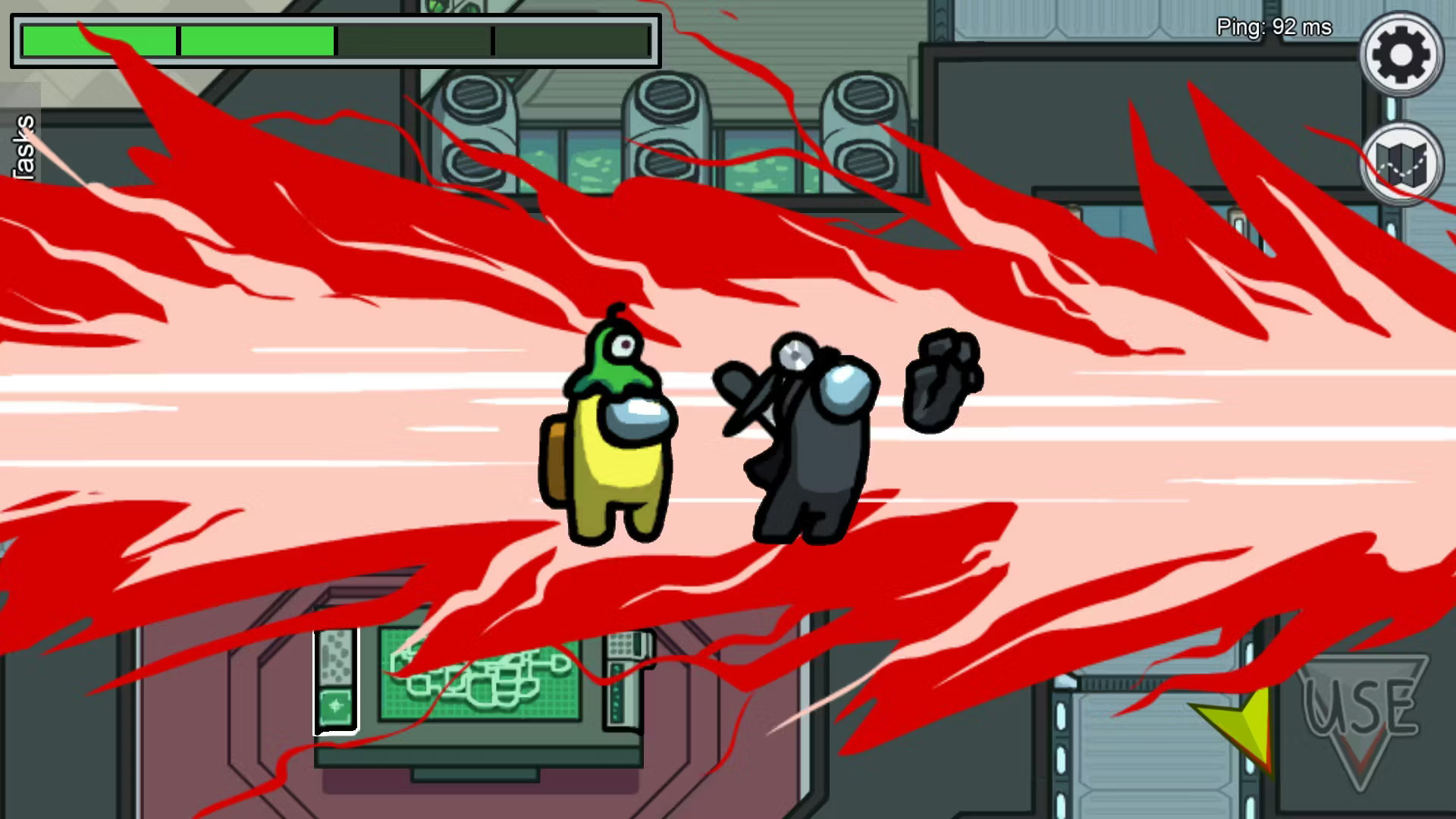
For impostor-side roles, the key question is simple:how often does the role turn pressure into safe eliminations? Shapeshifter creates confusion and fake alibis, while Viper can remove bodies from the evidence chain entirely.
Counterplay And Reliability
A great role is not just flashy. It stays useful even when the lobby understands it. An engineer can still gain value through movement and timing, but a shapeshifter leaves evidence if used carelessly, and a phantom cannot kill while invisible.
Skill Floor Vs. Skill Ceiling
Some roles are strong only in trained hands. Innersloth’s Detective dev log says the role has one of the highest skill floors and skill ceilings they have created, which is a strong clue for ranking: elite players can push it to S-tier, but weak discussion habits drag it down fast.
Map Dependence
A role that thrives in tight rooms may dip in outside-heavy layouts. Detective’s official design notes spell this out directly: room-based information becomes less precise when kills happen in hallways or broad outdoor spaces.
Host Settings Dependence
Innersloth’s help center states that all roles can be altered, turned on, or turned off in lobby settings. That means any honest tier list has to admit that settings can buff or nerf roles before the first round even starts.
The result is a better kind of ranking:not just a list of names, but a framework you can reuse when your own lobby behaves differently.
Best Roles In Among Us, Tier By Tier
This is the heart of the page. The goal is not to hand out dramatic labels. It is to explain which roles actually change the match most often.
S-Tier Roles
These are the roles that can bend the game around themselves when the player knows what they are doing.
Detective
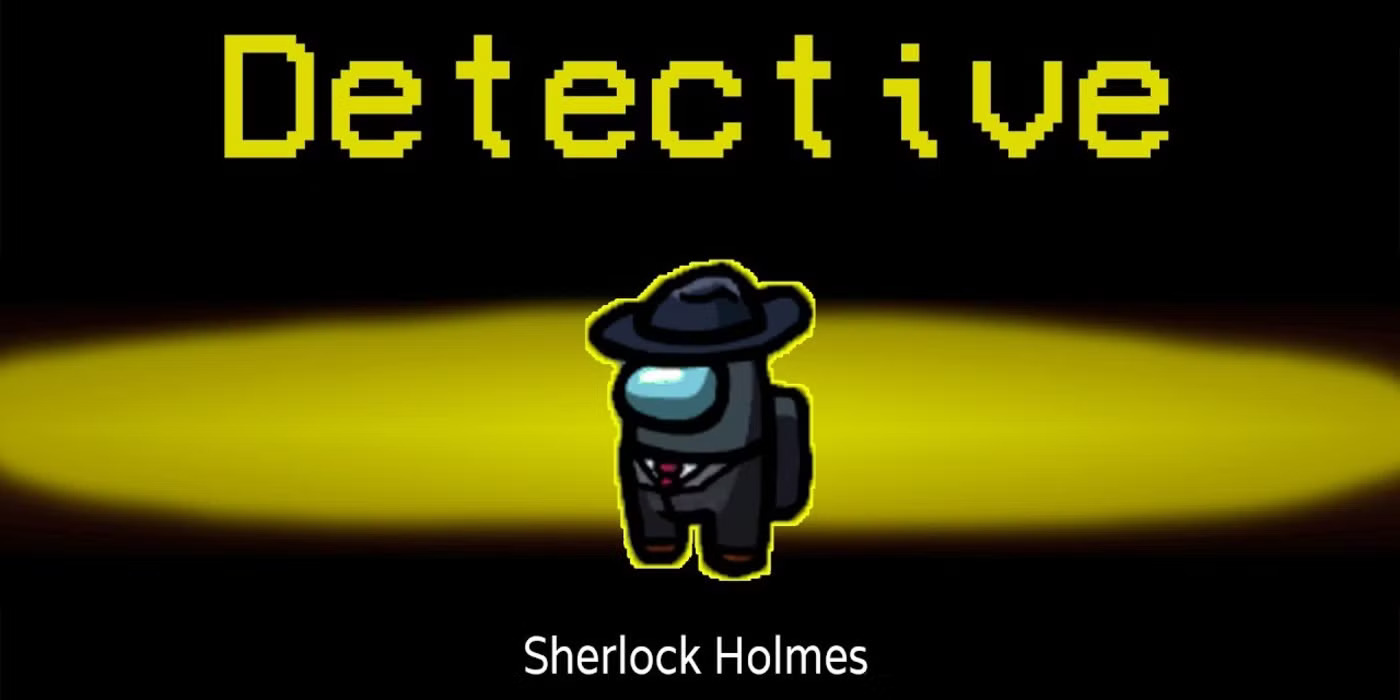
Detective earns the top spot because it can turn scattered meeting talk into structured evidence.
Officially, the role uses Notes and Interrogate to track details around discovered bodies and figure out who is lying.
Innersloth’s design blogalso makes clear that the role was built around gathering clues and solving murders, not just receiving passive data.
Picture a disciplined lobby after a messy double kill. Most players have fragments: I was near Storage, I saw Blue late, the body was close to Reactor.
Detective is the one role that can turn those fragments into pressure that sticks. The catch is real: it has a high skill floor, so weak speakers will not extract the same value.
Shapeshifter

Shapeshifterstays in S-tier because it attacks the trust layer of the game itself.
Officially, the role can copy another living Crewmate’s appearance, while also risking exposure if someone catches the shift or finds the evidence it leaves behind.
That tradeoff is exactly why it belongs at the top instead of above the game entirely. A bad shapeshifter creates obvious tells.
A good one creates the kind of meeting where two innocent players begin accusing each other with total confidence. Very few roles can distort the room that hard.
A-Tier Roles
These roles are excellent and often easier to use consistently than the S-tier options, but they do not dominate as many lobbies by default.
Engineer
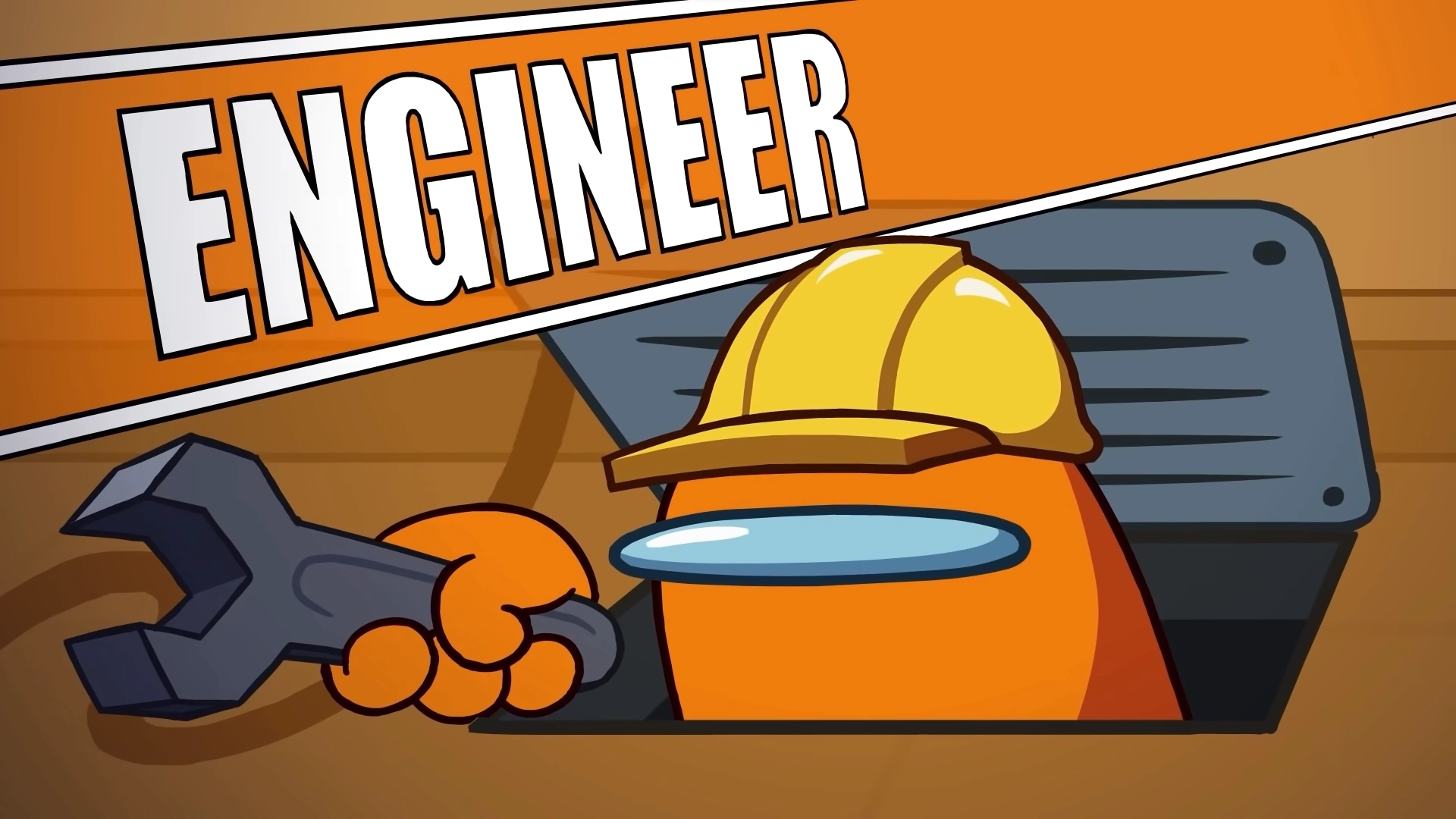
An engineer is the best all-around recommendation for newer or rusty players. Officially, Engineers can use vents to move quickly, watch rooms in secret, and escape pressure, though vent use is limited.
That toolkit is strong because the value shows up immediately. A beginner does not need perfect meeting logic to understand faster rotations or a timely escape.
In a suspicious public lobby, an engineer can still get misread for venting, which is the main reason it lands in A rather than S.
Tracker

Tracker is the calm, reliable information role. Innersloth describes it simply: place a tracker on another player and watch where they go on your map.
That simplicity is a strength. Tracker does not ask you to build a courtroom case the way Detectivedoes.
It gives steady, actionable information with less ceremony. In lobbies where meetings are brief or sloppy, that reliability can make it feel even better than more advanced clue roles.
Viper
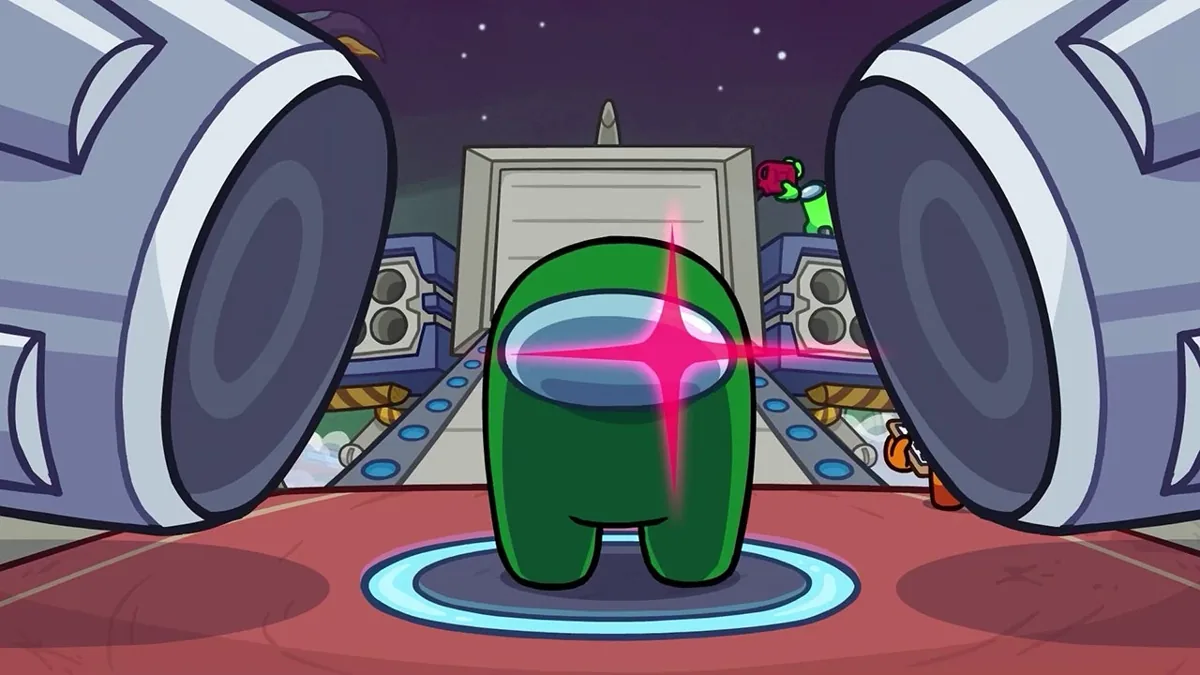
Viper is the swingiest role in A-tier and the one most likely to move up. Officially, Viper kills with acid, and after a short time, the body dissolves away, potentially removing the report entirely.
Innersloth’s dev notes add the deeper point: a good Viper thinks about how long the body has to dissolve, the entry and exit points of the location, and how sabotages can buy more time.
That is why Viper is terrifying in the right hands. An illustrative example makes it clear: a Viper gets a quiet kill, locks the area behind a door, and drags the lobby into a meeting where nobody can agree whether a kill even happened, where they think it did.
That is elite pressure. It stays in A by default only because some maps and some lobbies deny it enough quiet space.
B-Tier Roles
These roles are strong enough to matter, but they need more help from the lobby, the timing, or the settings.
Scientist
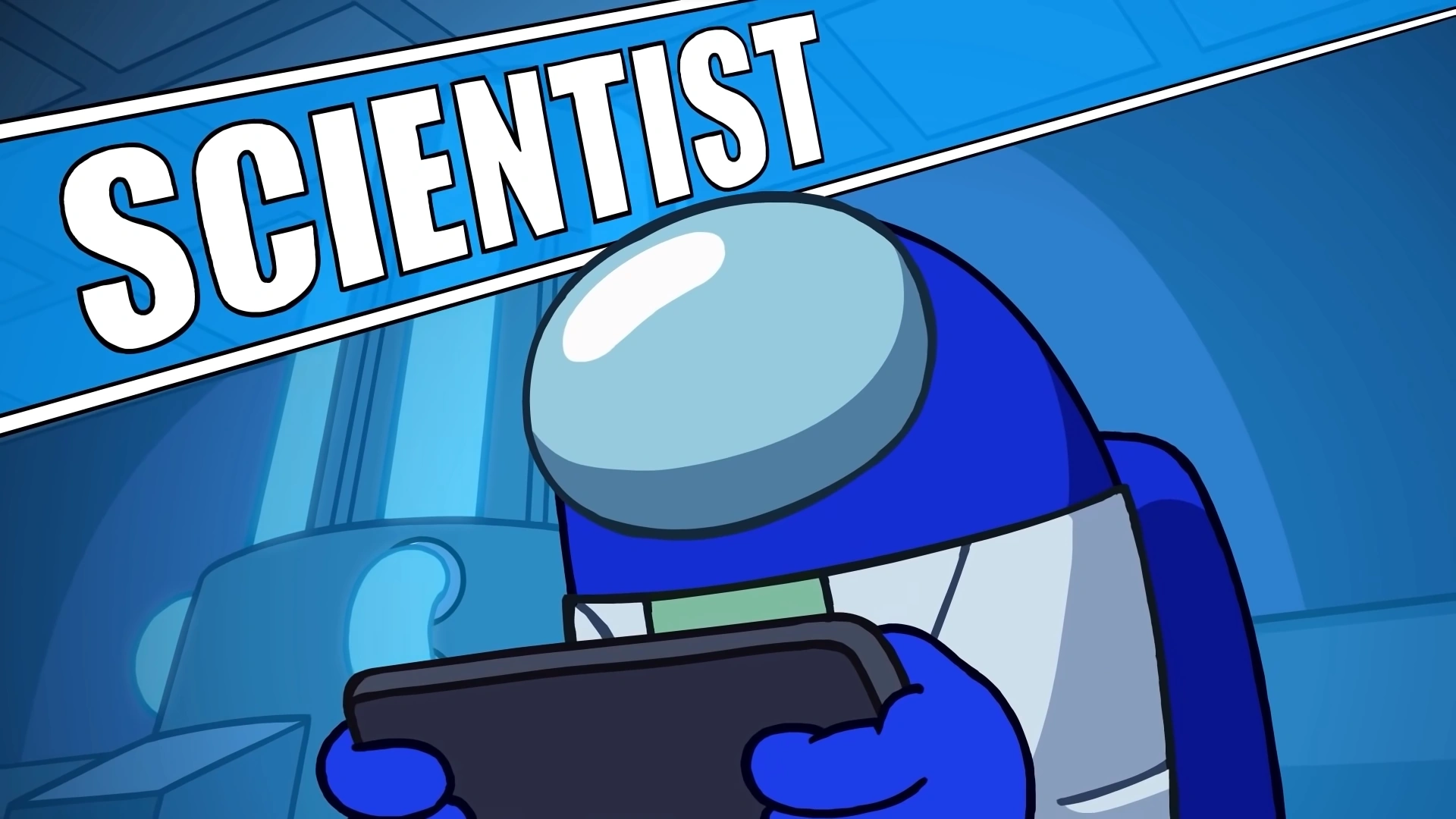
A scientist gets constant access to vitals, with tasks recharging the battery. That is useful, especially for narrowing death windows and checking whether chaos matches the story players tell.
The problem is that scientists often help after suspicion already exists. It is a good support role, not a round-warping one. In coordinated groups, it can climb, but in average lobbies, it usually does less than Detective or Tracker.
Guardian Angel
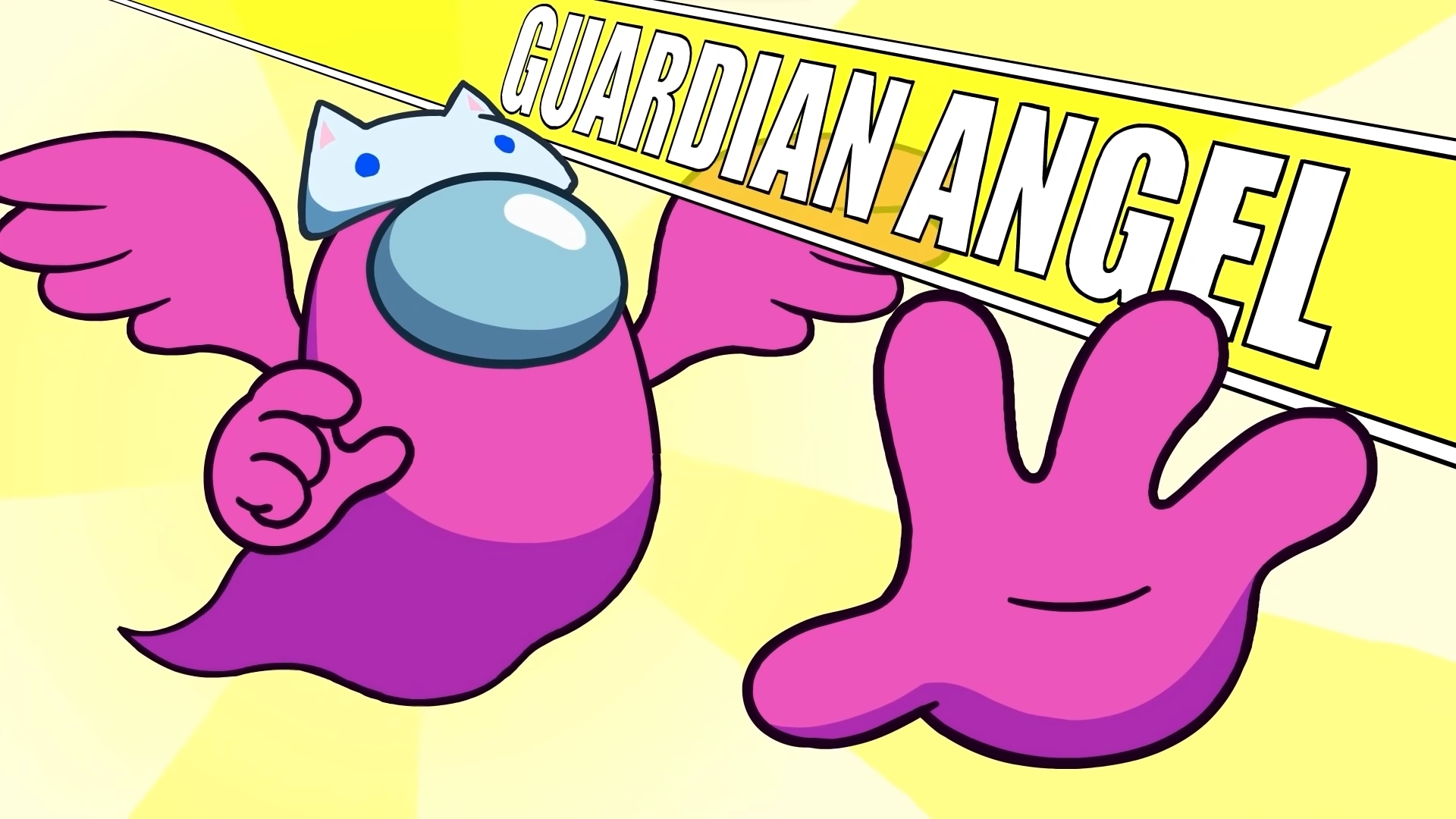
Guardian Angel is powerful in exactly the kind of moment players remember. Officially, after death, the role can cast a temporary protective shield on a living Crewmate, but timing is critical because the shield does not last long.
That timing dependency is why it lands in B. A brilliant save can rewrite a round. A late or panicked shield can do almost nothing.
It also cannot influence the match until its owner is already dead, which lowers its average impact.
C-Tier Roles
These roles are still playable and sometimes fun, but they are less consistent than the options above.
Noisemaker
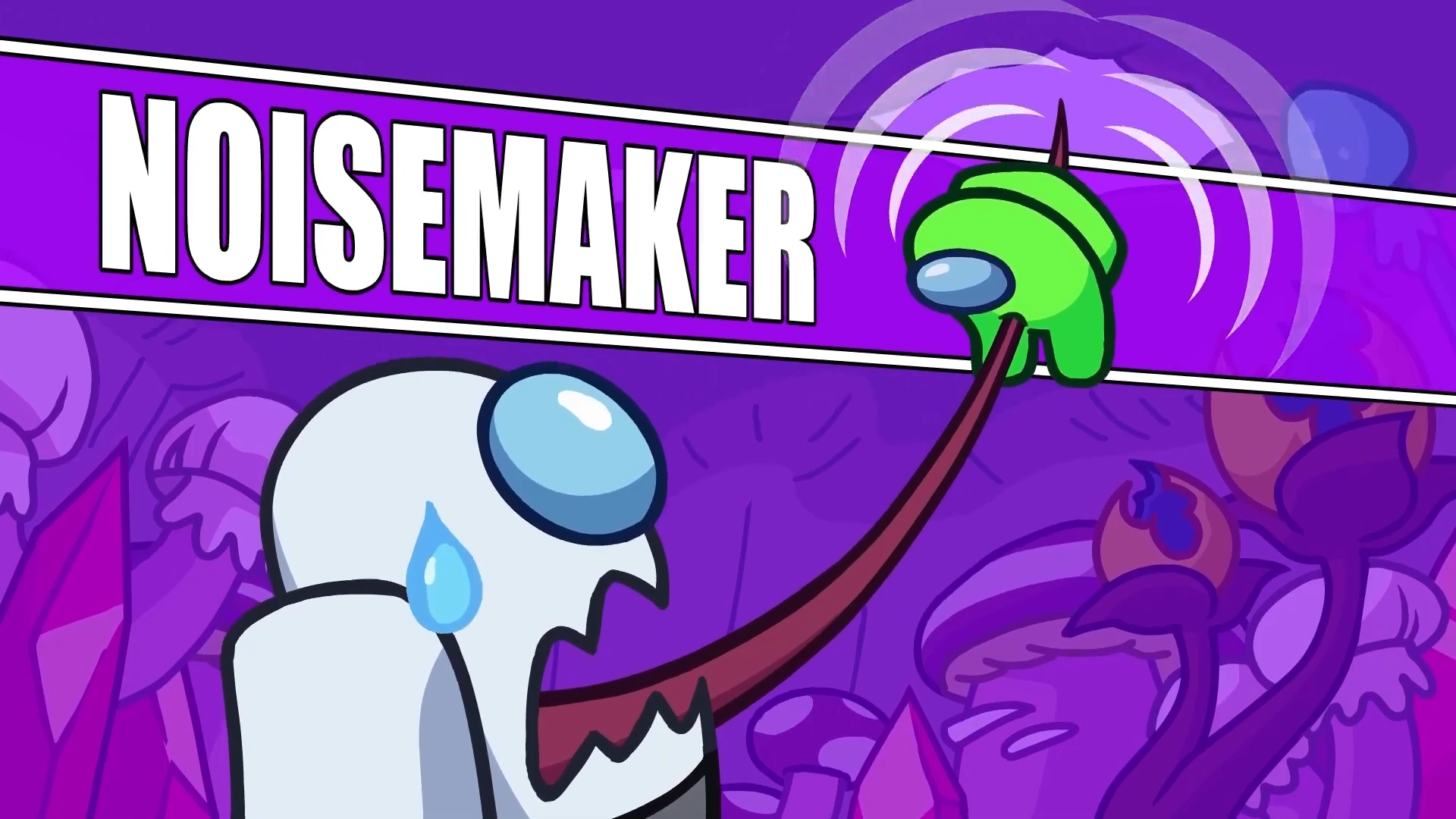
Noisemaker has a simple official promise: when the role dies, it sets off an alarm so everyone knows to come running, with hosts able to decide whether impostors can tell that the alarm went off.
That makes it useful, but reactive. The role usually pays off only after you lose the player attached to it. In fast public lobbies, that alarm can create urgency.
In sharper groups, it is still less valuable than information or movement roles that influence the round before death.
Phantom

Phantom is harder to place because it can look amazing in clips and average in real play.
Officially, Phantom can disappear temporarily, though other players can still see the vanish and reappear moments, and the role cannot kill while invisible.
That means Phantom helps with positioning and escape more than direct domination.
It has tricks, but Shapeshifter and Viper usually create stronger lies and stronger kill pressure, which pushes Phantom down the board.
Where The Base Crewmate And Base Impostor Fit
Base Crewmate and base Impostor are not weak in a vacuum. They are the foundation of the game. But in a role-focused tier list, they sit below the specialists because they lack extra tools.
Officially, Classic mode still revolves around the core win conditions of tasks, ejections, kills, and sabotages.
The key takeaway is simple:The top of the list belongs to roles that create extra leverage, not just honest baseline play.
When The Tier List Changes

Rating All Among Us Roles 2024 | BEST Tier list
This is where a destination article separates itself from a flat ranking page. The default order is useful, but the real value comes from knowing when to override it.
Map Modifiers: The Skeld, Polus, Mira HQ, The Airship, The Fungle
Map design changes role value more than most players admit. Officially, Polus is a spacious planet base larger than the previous maps, and MIRA HQ is tightly packed and adds distinct vent mechanics.
The Airship is the fourth map and the biggest one yet, and The Fungle features wide beaches, mushroom jungles, cliffs, highlands with elevation-based vision, and an open beach that can isolate players.
My ranking shifts like this:
| What changes | Which roles move and why |
| Tight, room-heavy map | Detective and Tracker rise because information stays more readable |
| Wide, spacious map | Viper rises because isolated kills get more room to disappear |
| Biggest, most sprawling map | An engineer rises because mobility saves time and mistakes |
| Outside-heavy or hallway-heavy map | Detective loses some precision because location clues get fuzzier |
A practical example helps. On a broad map with quiet edges, Viper gets more chances to erase evidence. On a tighter layout, Detective gets more precise meeting ammunition. That is not a contradiction. That is how honest ranking works.
Lobby Modifiers: Public Rooms Vs. Private Voice Chat
Lobby quality changes everything. In a chaotic public room, the best role is often the one that gives value without demanding perfect discussion. That pushes Engineer and Tracker up a touch.
In a disciplined private voice-chat lobby, Detective becomes even scarier.
The role’s official design is built around collecting clues, interrogating, and assembling cases; that pays off hardest when players actually listen long enough for a case to form.
Host Settings That Swing Power
The game’s own help center states that roles can be altered, turned on, or off in the lobby. That is the cleanest official reason never to treat a tier list as rigid law.
Interrogations And Detective Tuning
If a host gives Detective generous room to operate, the role can edge from elite to oppressive. If the meeting culture is rushed or the clues are de-emphasized, it slips closer to A-tier.
Dissolve Timing And Viper Tuning
This is the easiest swing setting to understand. The more likely a body is to dissolve before anyone finds it, the higher Viper climbs.
Innersloth’s own Viper notes revolve around exactly that question: how do you give the body more time to disappear?
Vent Timing And Engineer Balance
An engineer is strongest when vents are a mobility reward, not an automatic death sentence in discussion. Suspicious lobbies can drag the role down even when the mechanics stay strong.
Visual Tasks And Information Pressure
Any setting environment that makes information cleaner also helps clue roles. Any environment that creates noise or rushed meetings makes self-sufficient roles feel better.
The big lesson is that you should move two or three roles, not rebuild the whole board, when settings shift.
Among Us Map Tier List: Where Should You Play?
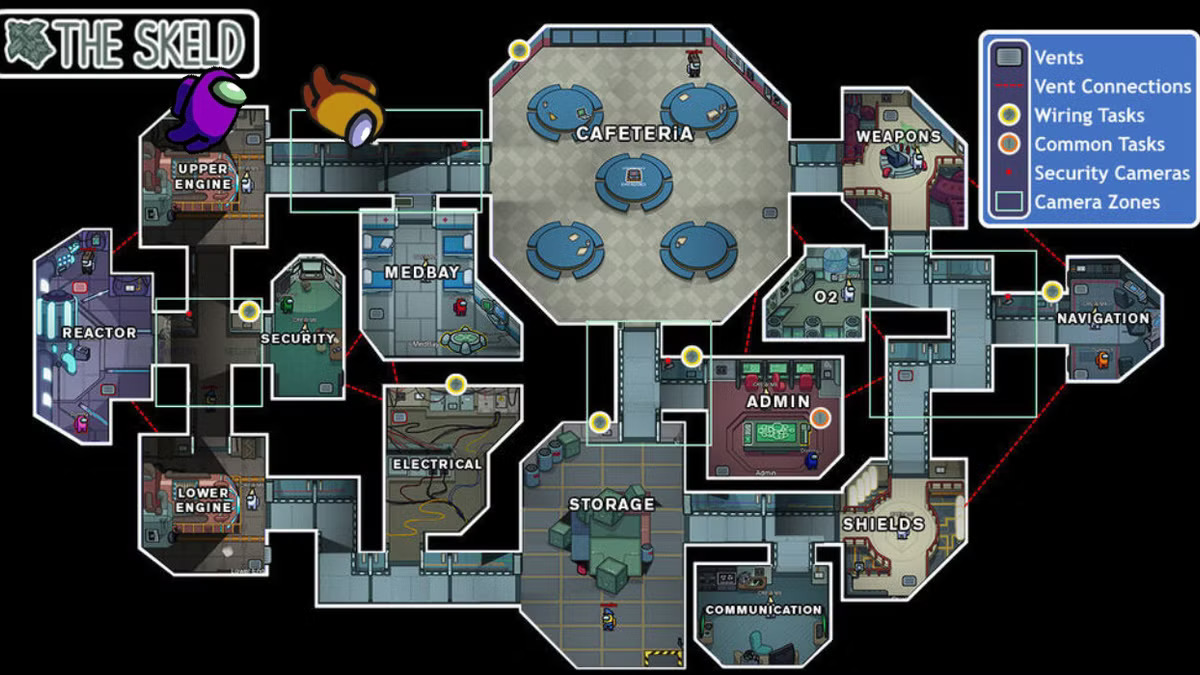
A role's core effectiveness shifts dramatically depending on the architectural layout and task distribution of the environment.
Expert's Take:The Engineer's Map Bias
An Engineer on The Skeld is mildly useful, but an Engineer on The Airship is God-tier.
The Airship's massive scale makes walking between tasks dangerous; the Engineer's ability to cross the map via vents instantly neutralizes the Impostor's size advantage.
S-Tier: Polus
Polus is consistently ranked as the best map due to its balanced layout, open spaces, and complex task distribution.
The separation between vital areas like Specimen and O2 forces players to commit to dangerous, isolated paths, rewarding both clever Impostor traps and high-IQ Crewmate pathing.
A-Tier: The Skeld
The original map offers tight corridors and highly predictable camera rotations.
It favors highly aggressive Impostors who can manage door sabotages effectively, but its small footprint means Crewmates can easily verify each other's locations.
B-Tier: The Airship
The Airship's sheer size dilutes the impact of standard Crewmates and heavily favors Shapeshifters who can isolate targets easily.
It requires a highly coordinated Crewmate team to avoid being picked off one by one.
B-Tier: The Fungle
The Fungle is the most volatile map in the pool. Officially, it combines wide open beach space, highlands with elevation-based vision, ziplines, and the Mushroom Mixup sabotage, which temporarily swaps everyone’s colors and cosmetics.
That creates a map where information gets messy fast, and isolated kills are easier to engineer than on tighter, more readable layouts.
That makes The Fungle excellent for chaos, deception, and aggressive impostor play, but less consistent for clean deduction.
If your lobby enjoys confusion and fast identity breakdowns, it can feel amazing. If your group prefers precise tracking and reliable callouts, it usually lands below Polus and The Skeld.
C-Tier: Mira HQ
Mira HQ features a uniquely interconnected vent system that allows Impostors to travel anywhere instantly.
The map relies heavily on the Doorlog mechanic, making it feel restrictive and highly repetitive for Crewmate pathing.
Choosing the right map is the first and most critical strategic decision your lobby will make.
The Cosmetics Tier List: Pets, Colors, And Hats
Cosmetics do not change your mechanical strength, but they absolutely shape recognizability, lobby identity, and social memory.
In a game built on accusation and recall, that still matters. The best cosmetics make you easy to remember in a discussion without becoming visual clutter.
To keep this useful, I’m ranking cosmetics on four filters: recognizability, personality, readability in motion, and social impact.
S-Tier Cosmetics
These cosmetics create instant identity. They are easy to describe, easy to remember, and strong at building a player’s brand in the lobby.
- Red (color) - the most iconic color in the game and still the one players notice fastest.
- Black (color) - clean, suspicious, and visually strong in almost any lobby.
- Cyan (color) - bright, highly readable, and easy to call out during meetings.
- Mini Crewmate (pet) - still one of the most memorable pets because players notice it immediately.
- Brain Slug (hat) - one of the clearest I remember that player cosmetics because it has instant personality.
- Simple high-silhouette hats (hat category) - cosmetics that read clearly at a glance tend to outperform more cluttered options.
A-Tier Cosmetics
These are strong cosmetic choices that add personality and visibility, but they do not dominate memory quite as hard as the S-tier picks.
- White (color) - very readable and easy to describe, though less socially loaded than Red or Black.
- Pink (color) - high personality and instantly recognizable in most lobbies.
- Purple (color) - stylish and memorable without feeling overplayed.
- Small expressive pets (pet category) - pets that add charm without distracting from the avatar.
- Funny hats with a clean shape (hat category) - hats that create a joke or vibe quickly tend to perform best here.
B-Tier Cosmetics
These cosmetics are solid, but they usually feel more common, less distinct, or more dependent on the rest of the outfit.
- Blue (color) - dependable and readable, but not especially identity-defining.
- Green (color) - clear enough in discussion, though rarely unforgettable.
- Yellow (color) - visible and functional, but more useful than iconic.
- Most standard hats (hat category) - fine in normal play, but not memorable enough to carry a look on their own.
- Most standard pets (pet category) - pleasant, but often not distinctive enough to change how players remember you.
C-Tier Cosmetics
These are not bad. They just do the least social work for you.
- Brown (color) - usable, but rarely feels iconic unless paired with a very specific look.
- Lime (color) - fun in the right lobby, but less sticky in memory than stronger colors.
- Low-contrast or overly subtle hats (hat category) - easy to forget once the round starts.
- Very minor or low-visibility pets (pet category) - if other players barely register them, they do not add much lobby presence.
What Actually Makes A Cosmetic Top-tier?
A cosmetic rises when it does at least two things well:
- makes you easy to identify in a crowded lobby,
- gives you a clear personality,
- creates memorable discussion shorthand,
- or helps your avatar stand out over multiple rounds.
That is the real value of cosmetics in Among Us. They do not improve your odds directly, but they can make you more socially readable, more memorable, and easier to track in conversation.
Also Check out:A One Piece Game Fruit Tier List
Frequently Asked Questions
What Is The Best Among Us Role Overall?
There is no universal best in every lobby, but Detective and Shapeshifter are the strongest default picks. Detective can dominate meetings, while Shapeshifter can distort trust at the source.
What Role Is Best For Beginners?
An engineer is usually the best beginner-friendly strong role because its movement and escape value are immediate and easy to understand. Officially, Engineers can vent for mobility, scouting, and escapes.
Is Detective Better Than Scientist?
Usually yes. The scientist gives useful vitals access, but the detective creates stronger meeting-winning evidence when the player can organize clues and challenge alibis.
Is Viper Stronger Than Shapeshifter?
Usually not by default. Shapeshifter is more broadly powerful across average lobbies, while Viper spikes hardest when the map and settings help bodies disappear cleanly.
Which Map Is Best For Beginners?
My beginner pick is The Skeld because it asks less from your memory and movement than sprawling alternatives. The official map releases reinforce that contrast by describing MIRA as tightly packed, Polus as spacious, Airship as the biggest map yet, and The Fungle as a broad island with elevation and open beach space.
What Is The Hardest Map For Crewmates?
A strong case can be made for MIRA HQ or The Fungle, depending on your lobby. MIRA’s vent mechanics and tight structure can reward clever impostors, while The Fungle gives impostors open-space isolation and identity chaos through Mushroom Mixup.
Why Do Older Guides Disagree?
Because they were written for an older version of the role pool. Officially, the current role set includes newer additions like Detective and Viper, which change how the whole board should be ranked.
Should Colors And Pets Be Included On The Same Page?
Only briefly. They are real adjacent searches, but they solve a different user need than a role-focused gameplay ranking.
Conclusion
A useful Among Us tier list is not the loudest opinion on the page. It is the one that stays useful after your next lobby changes shape.
So keep the core order in mind: Detective and Shapeshifter at the top, Engineer as the safest beginner recommendation, Viper as the role most likely to surge with the right map and settings.
Then make small, intelligent adjustments for your own room instead of throwing the whole list away. That is how a tier list stops being content and starts being a tool.
If your group plays one map far more than the others, the smartest next step is to rerank only the top five roles for that environment and test the result over a few sessions.
Jump to
The Ultimate Among Us Tier List: Ranking Every Role And Map
How This Among Us Tier List Was Scored
Among Us Tier List At A Glance
What This Among Us Tier List Is Ranking And What It Isn’t
How The Rankings Were Built
Best Roles In Among Us, Tier By Tier
When The Tier List Changes
Among Us Map Tier List: Where Should You Play?
The Cosmetics Tier List: Pets, Colors, And Hats
Frequently Asked Questions
Conclusion
Latest Articles
Popular Articles