Best Seven Deadly Sins Characters Ranked In 2026
See the seven deadly sins best characters tier list with 25 ranked fighters, peak forms, power scaling, and updates across the franchise.
Mar 06, 202610.5K Shares149K Views
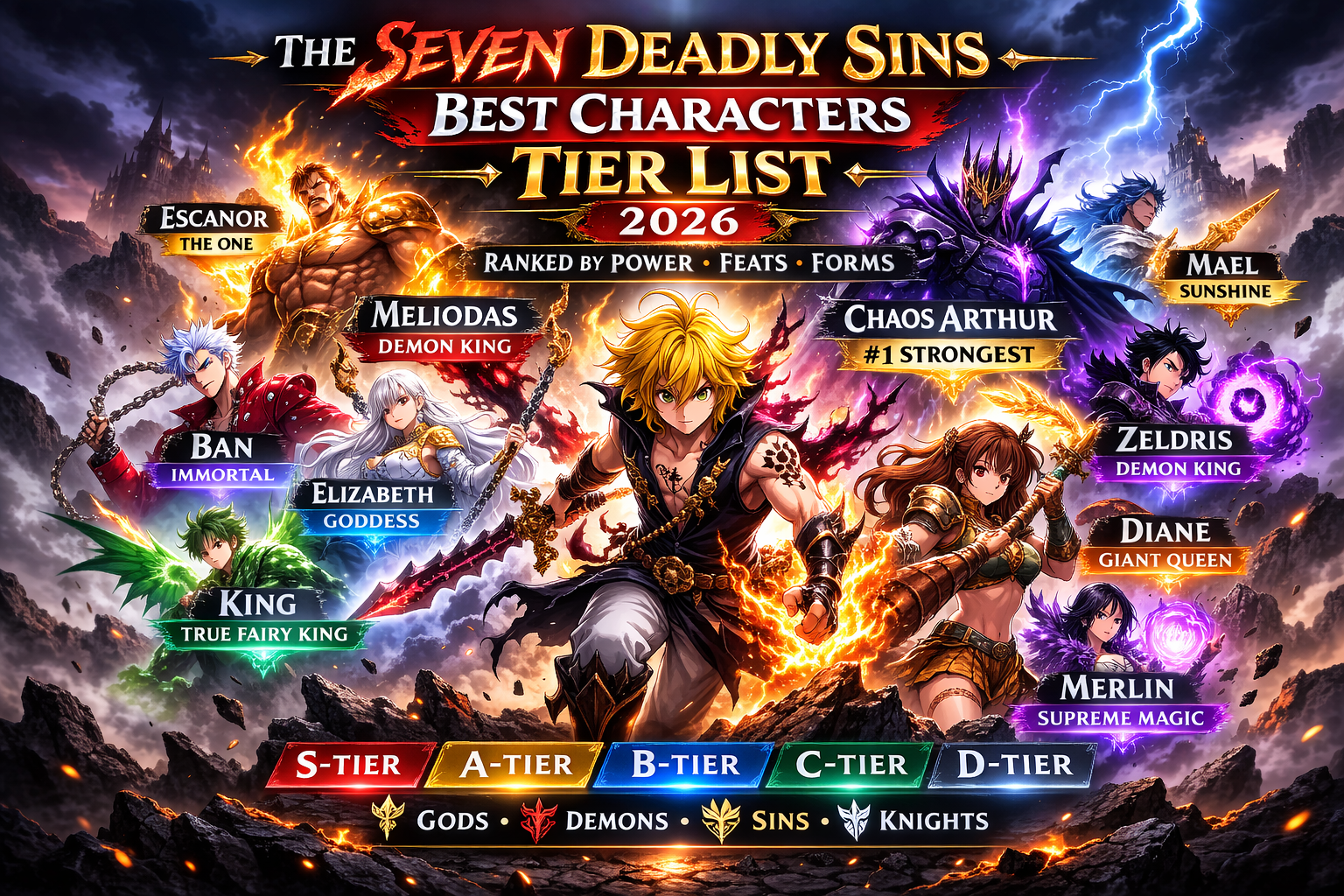
What You’ll Learn In This Tier List
- The strongest Seven Deadly Sinscharacters ranked from S-Tier to D-Tier
- Which fighters dominate the S-Tier, including Meliodas, Escanor, and Chaos Arthur
- The peak forms and abilities that make each character powerful
- Key battle feats and power scaling behind each ranking
- Major fan debates, like Meliodas vs Escanor and Ban vs King
- A clear look at the overall power hierarchy in the Seven Deadly Sins universe
The Seven Deadly Sins Best Characters Tier List
Power-scaling The Seven Deadly Sinsis still one of the easiest ways to start a fight in an anime comment section. That is part of the fun. The series keeps stacking demon kings, graces, commandments, sacred treasures, and absurd last-minute power jumps until “who is strongest?” turns into a real debate instead of a lazy ranking.
For this version, the big challenge is scope. The franchise did not stop with the original ending, Four Knights of the Apocalypseis the ongoing sequel in the same world, and Kodansha lists it as an active series with Volume 21. That matters because Arthur’s Chaos power changes the entire top end of the conversation.
Scope And Ranking Rules For This Tier List
This list ranks the best characters in combat terms. Top-ranking pages from CBR, Fiction Horizon, and Game Rant all frame similar articles around strength, power, or strongest-character logic rather than pure popularity or writing quality.
This tier list uses a franchise-aware lens. That means the original manga, anime ending, and Cursed by Lightmatter, and sequel-era context matters when it directly affects original-series characters like Arthur. Netflix’s official Cursed by Lightpage and Kodansha’s official sequel page confirm the franchise timeline extends beyond the original ending.
Quick Tier Overview
S-Tier
- Chaos Arthur
- Meliodas
- Demon King
- Supreme Deity
- Escanor
A-Tier
- Ban
- King
- Mael
- Zeldris
- Elizabeth
B-Tier
- Original Demon
- Ludociel
- Merlin
- Chandler
- Cusack
C-Tier
- Diane
- Gowther
- Sariel
- Tarmiel
- Derieri
D-Tier
- Monspeet
- Gilthunder
- Hendrickson
- Howzer
- Vivian
See also: Once Human Tier List
S-Tier - The Characters Who Break The Scale
1. Chaos Arthur
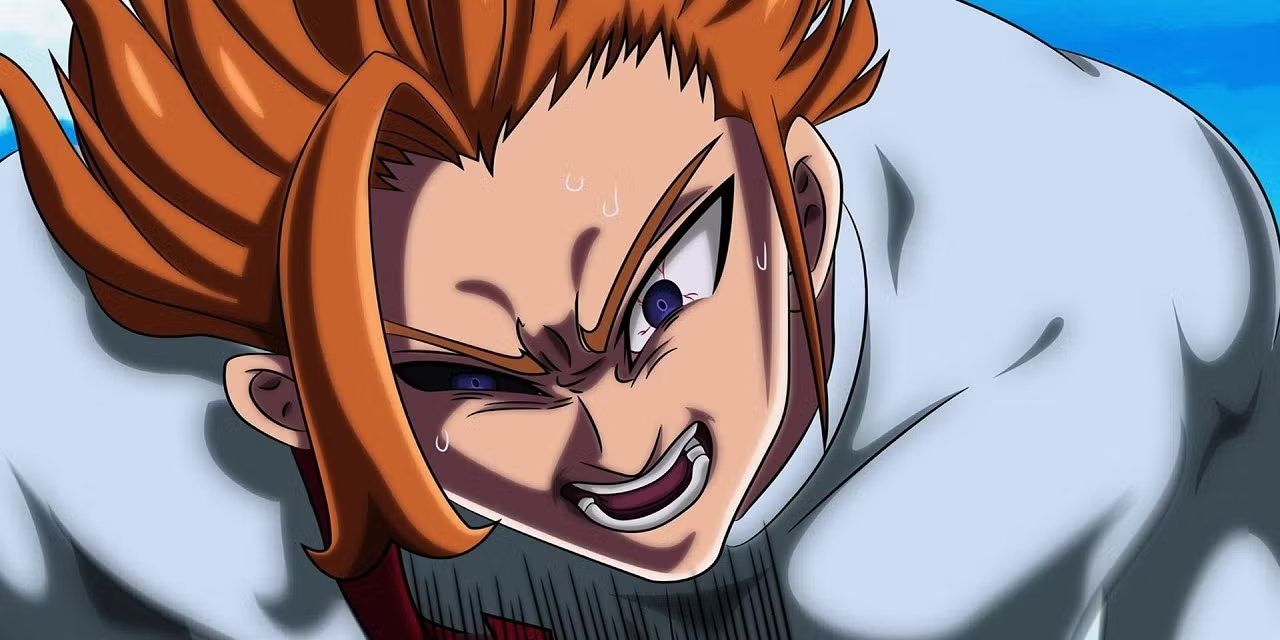
Arthur is the hardest character to ignore in this ranking. The sequel exists specifically in a post-original timeline where he matters at the highest level, and multiple modern franchise-wide rankings place Chaos Arthur at or near the top because Chaos sits above normal clan-based scaling. Fiction Horizon ranks Arthur first in its list, and other franchise-wide ranking pages make the same basic argument.
What makes Arthur so dangerous is not just raw destructive power. It is the fact that Chaos is treated as a primordial force tied to the world’s creation and to the existence of beings like the Demon King and Supreme Deity. That gives him a ceiling that most other characters simply do not have. In a pure full-franchise list, leaving him out would make the tier list feel dated.
2. Meliodas
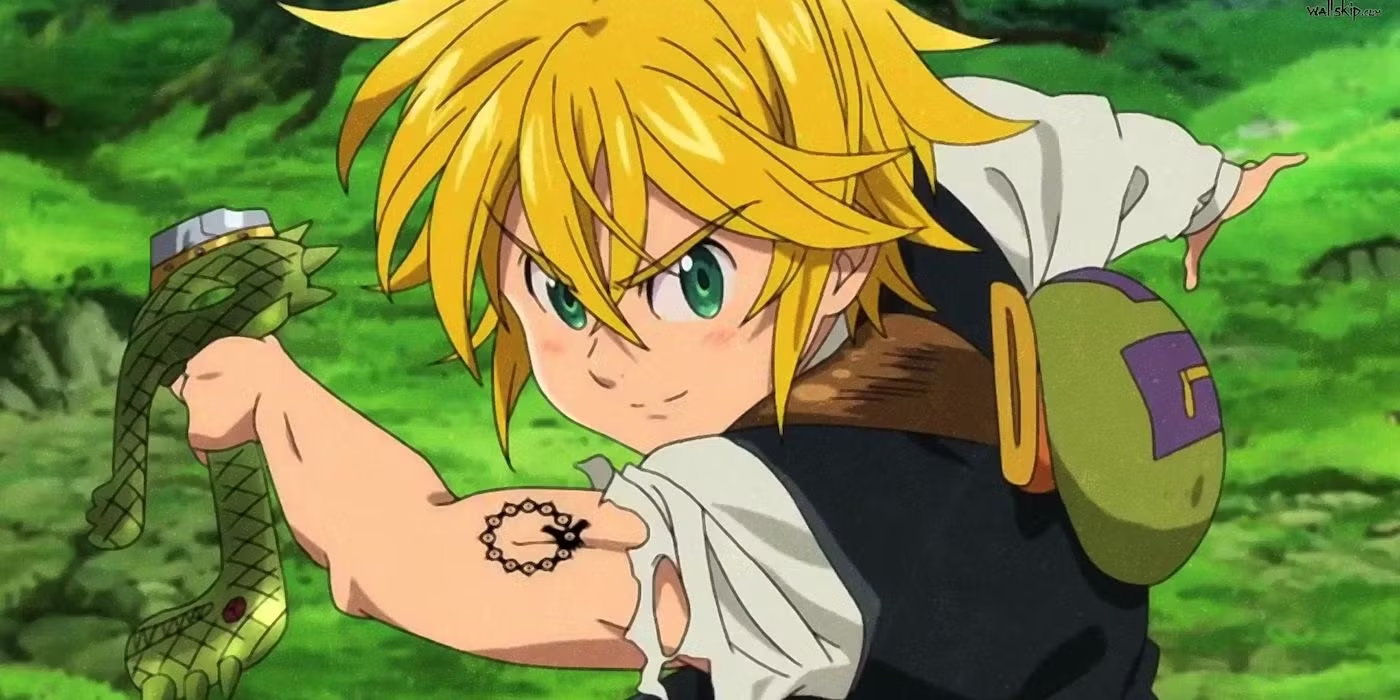
Meliodas remains the cleanest all-around powerhouse in the franchise. He has the best combination of raw power, battle IQ, versatility, and endgame relevance, and that is why so many strongest-character lists keep him in the top tier even when Arthur is included. CBR and other ranking pages consistently place him among the absolute elite.
The real argument for Meliodas is not just Full Counter. It is the complete package - demon physiology, darkness manipulation, monstrous durability, leadership in high-end fights, and multiple peak forms that let him remain terrifying in almost any matchup.
He is also one of the clearest benchmarks for endgame scaling because defeating the Demon King is the central late-series bar everyone else is measured against. Cursed by Lightalso reinforces that he remains a top-tier force after the main conflict ends.
3. Demon King
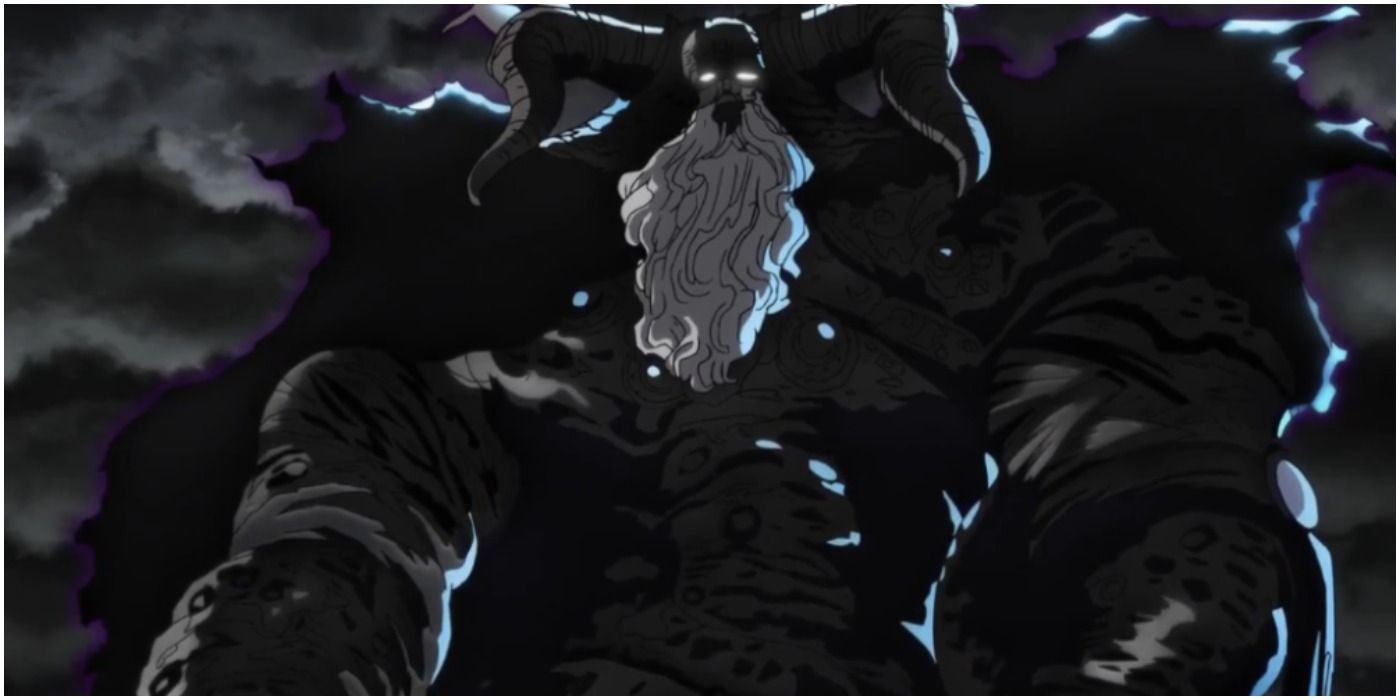
The Demon King is still one of the defining endgame standards of the series. Even lists that disagree on exact order rarely push him far down, because his power, authority over commandments, and threat to the world are foundational to the story’s final escalation. CBR’s ranking even uses “Demon King Zeldris” as its top-end label, which shows how central that power state remains in ranking discourse.
His placement stays this high because he is the boss-fight yardstick. If a character can contest the Demon King, that character belongs near the summit. If they cannot, they do not.
The only reason he is not above Arthur or Meliodas here is that franchise-aware discussion increasingly treats Chaos and Meliodas’ peak toolkit as more flexible and, in Arthur’s case, potentially broader in scope.
4. Supreme Deity
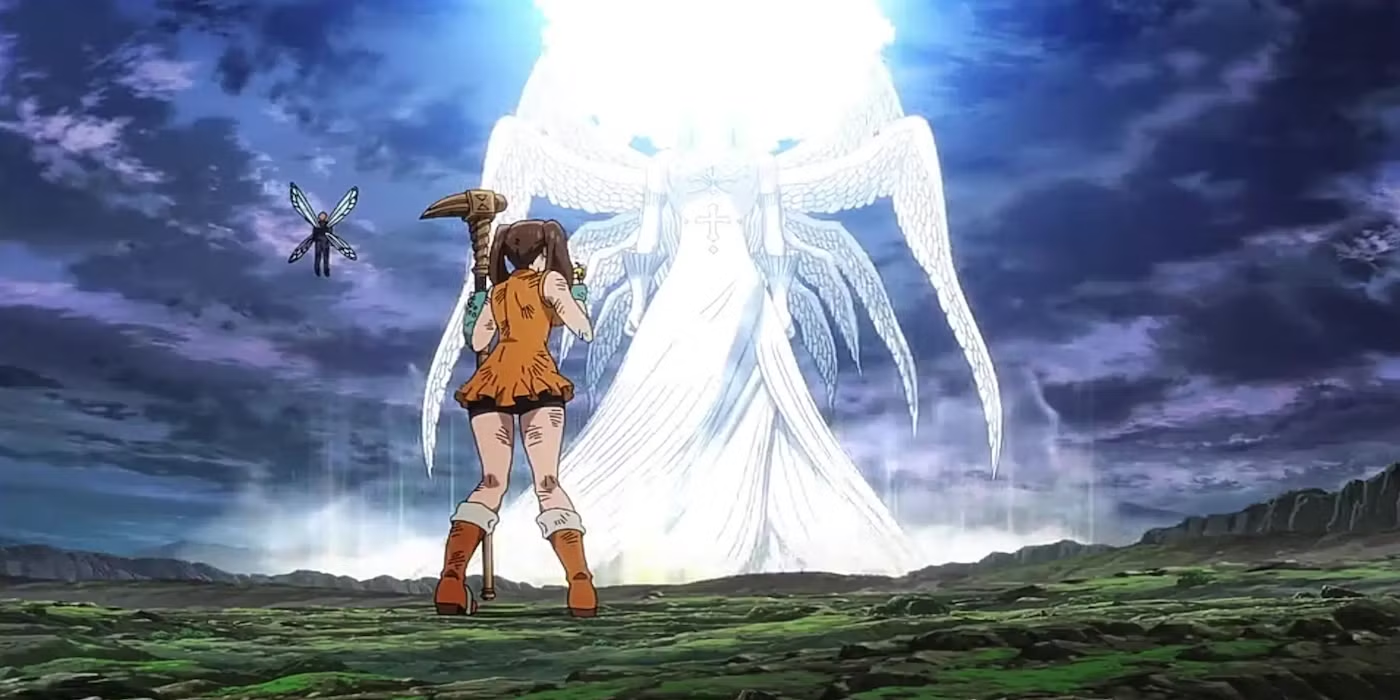
The Supreme Deity has always been tricky to rank because her lore status is enormous, but her direct page time is limited compared with Meliodas or Escanor. Still, she exists as the divine counterpart to the Demon King and Cursed by Lightmakes her far easier to include confidently in a modern ranking because she actively re-enters the conflict after the main ending.
Her power matters for two reasons. First, she confirms that the story’s top end is not demon exclusive. Second, her return helps justify a list that does not stop at the original TV ending. She lacks the same volume of visible feats as Meliodas, which is why she lands slightly below the very top, but she absolutely belongs in S-tier.
5. Escanor
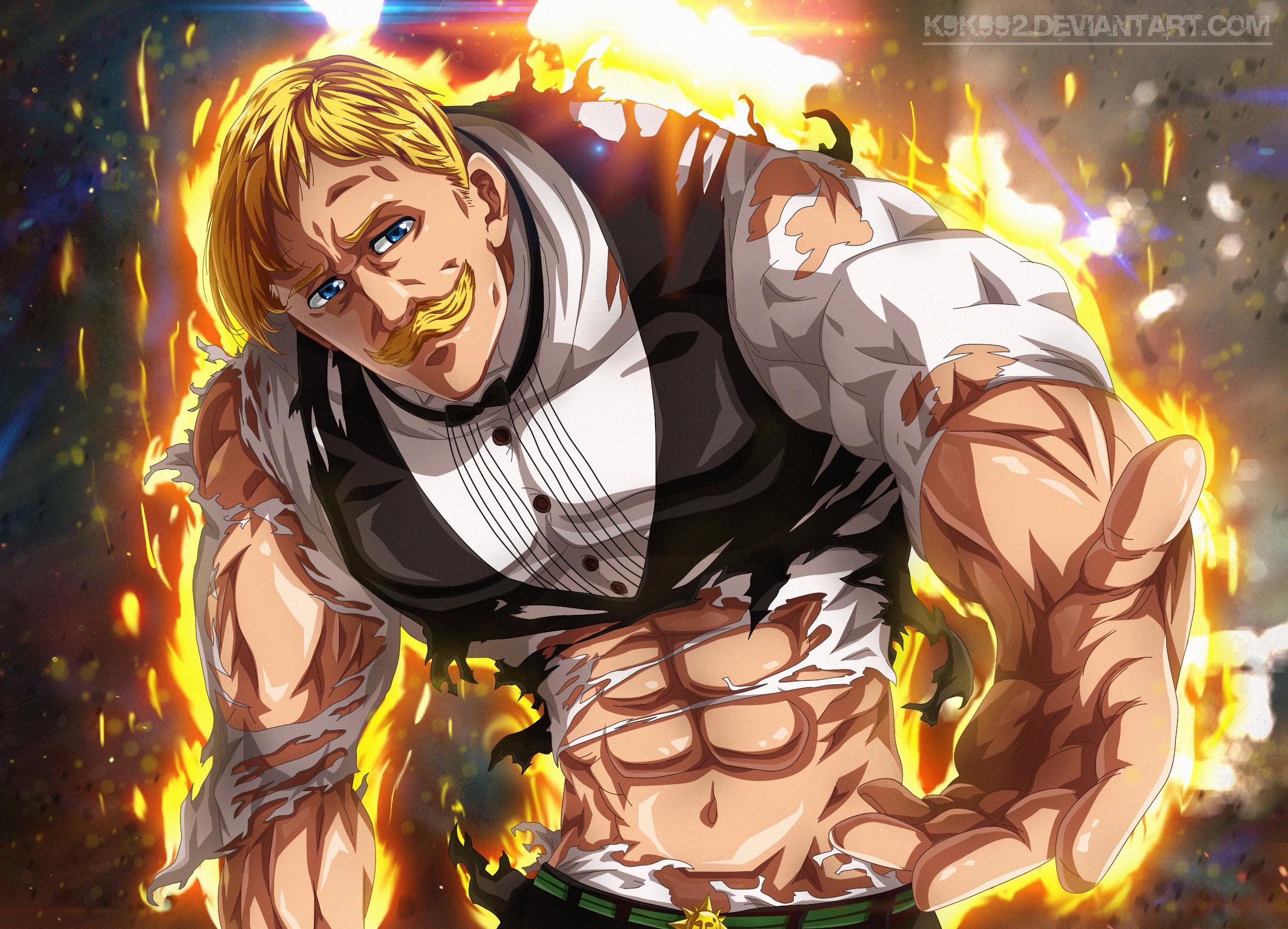
Escanor is the most matchup-dependent god-tier in the series. At his best, especially in The One and The One Ultimate, he can stand toe-to-toe with monsters no sane person should challenge. That short-burst peak is why fans still put him in “strongest ever” conversations years after the main ending.
The reason he lands below Meliodas, the Demon King, and Arthur is sustainability. Escanor’s highest level is temporary and self-destructive, which matters in a serious tier list. In a one-moment clash, he can look unbeatable.
Across a full fight or broader power discussion, his limits matter too much to ignore. That tension is exactly why he remains one of the most argued placements in the franchise.
A-Tier - Endgame Monsters Who Can Threaten Almost Anyone
6. Ban
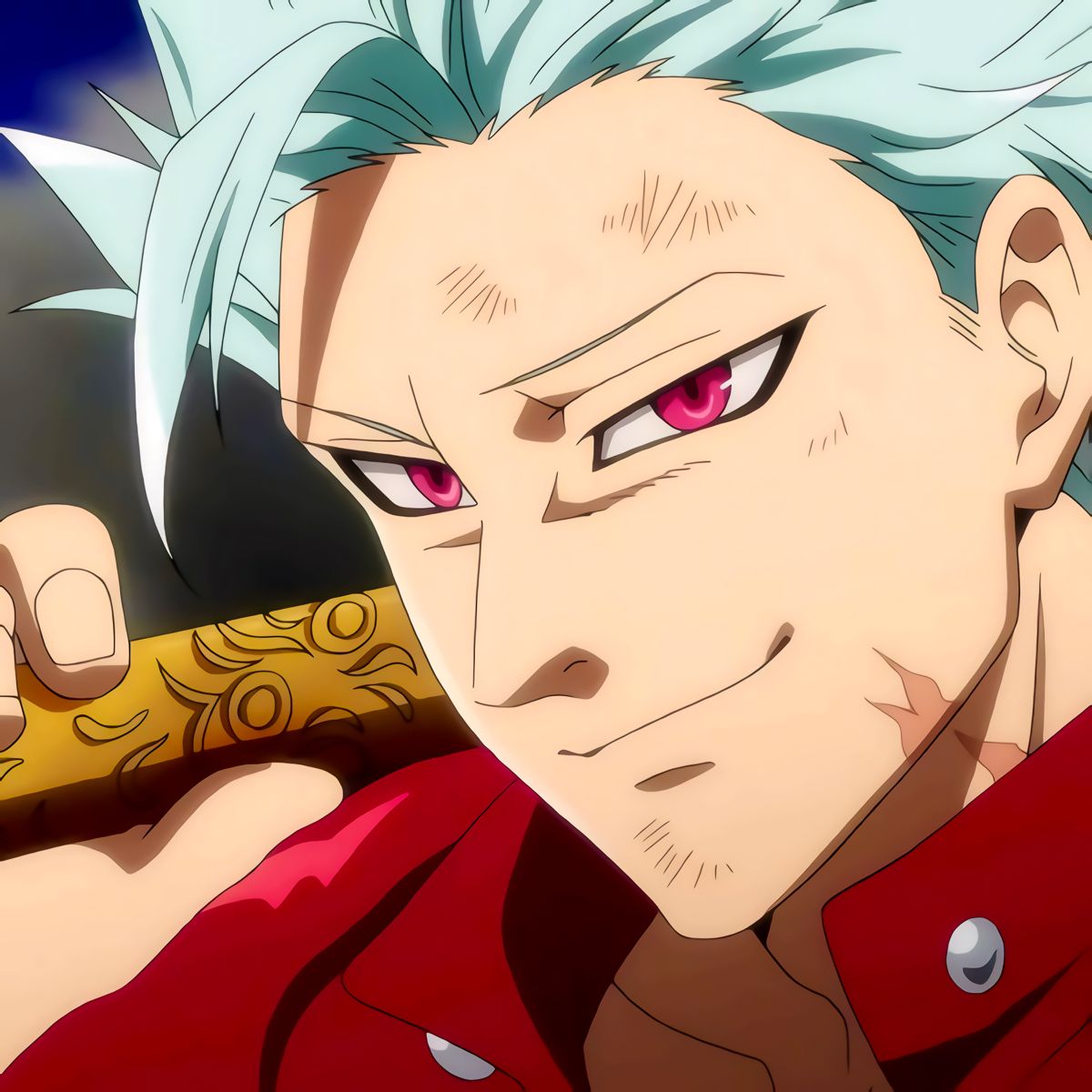
Post-Purgatory Ban is one of the best glow-ups in the whole series. He goes from a tricky immortal brawler into a legitimate top-end monster whose body has adapted to absurd punishment. That jump is a major reason modern rankings keep him high.
Ban’s case is simple: he is devastating in attrition fights. He is not as flashy as Escanor or as supernatural as Meliodas, but in terms of toughness, close-range pressure, and refusal to go down, he belongs near the top. His biggest limitation is that he does not have the same broad magical dominance as the S-tier gods and Chaos users.
7. King
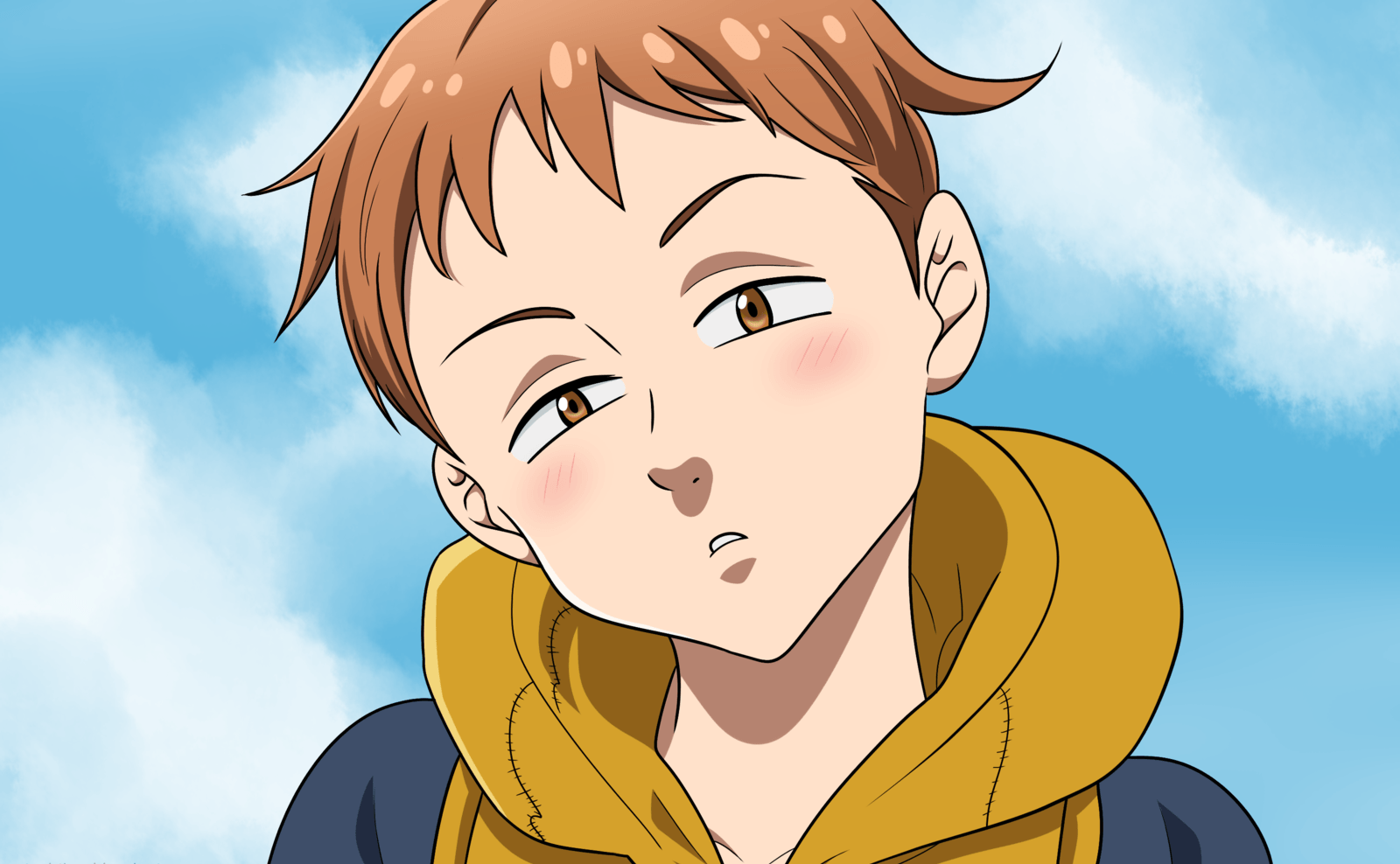
King’s final growth is one of the most meaningful power jumps among the Sins. Once his wings mature, True Fairy King King stops feeling like a support-heavy specialist and starts feeling like a complete elite fighter with enormous range, versatility, and battlefield control.
What pushes King this high is Chastiefol’s flexibility. He can pressure from range, defend, overwhelm, and adapt far better than many brute-force fighters. The only reason he stays below Ban here is that Ban feels more reliable in pure high-end survivability, while King sometimes depends more on space and setup. Still, this is close.
8. Mael
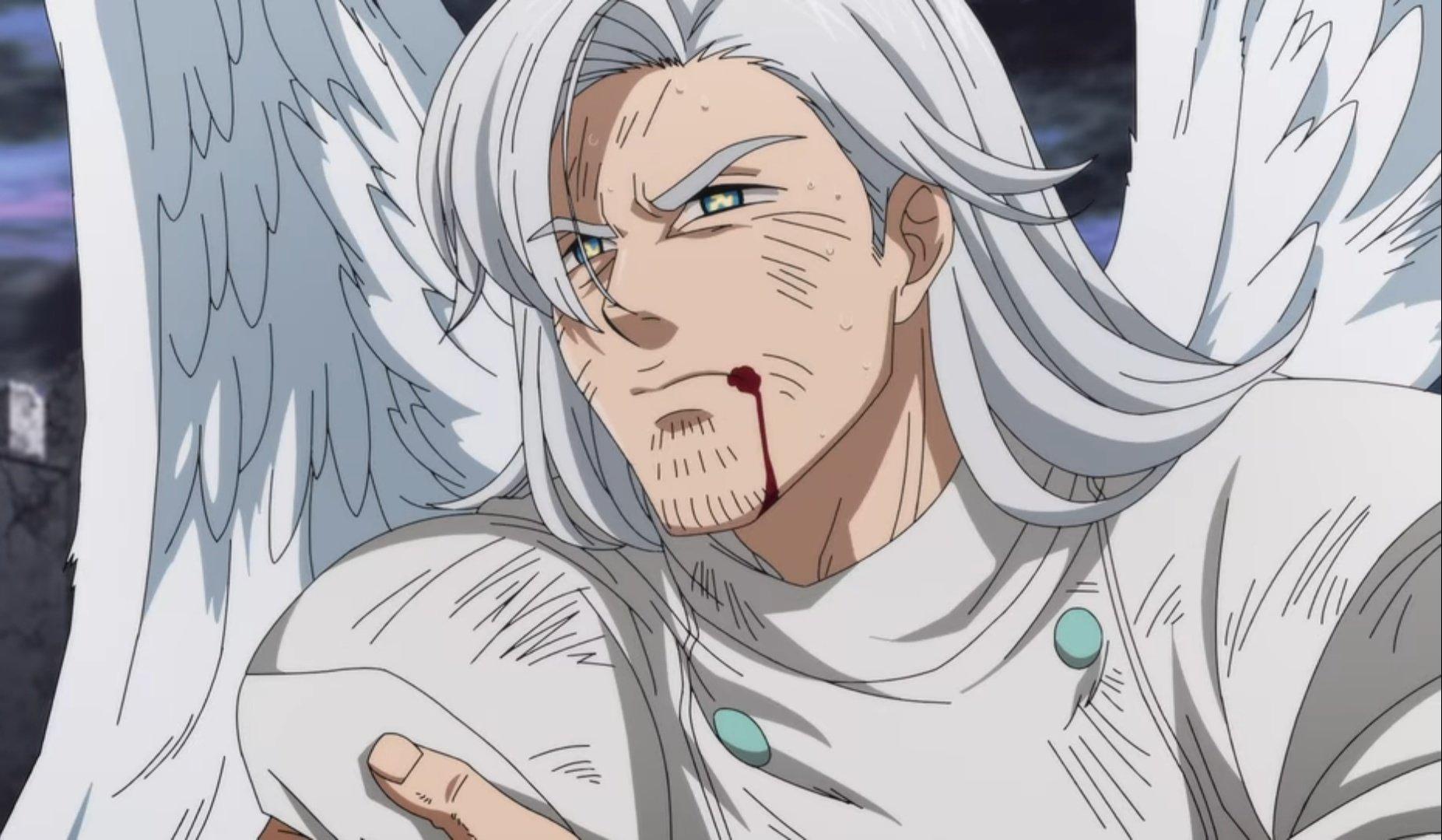
Mael is one of the strongest Goddess Clan benchmarks in the entire franchise. Modern lists consistently rate him very highly, and for good reason - once Sunshine is back in the picture, he becomes a terrifying reminder that Escanor’s grace was never ordinary.
His biggest selling point is ceiling. At peak output, Mael can legitimately be argued over several other A-tier names depending on the matchup. He sits just outside S-tier here because his portrayal is powerful but less iconic and less fully stressed at the absolute summit than the very top five.
9. Zeldris
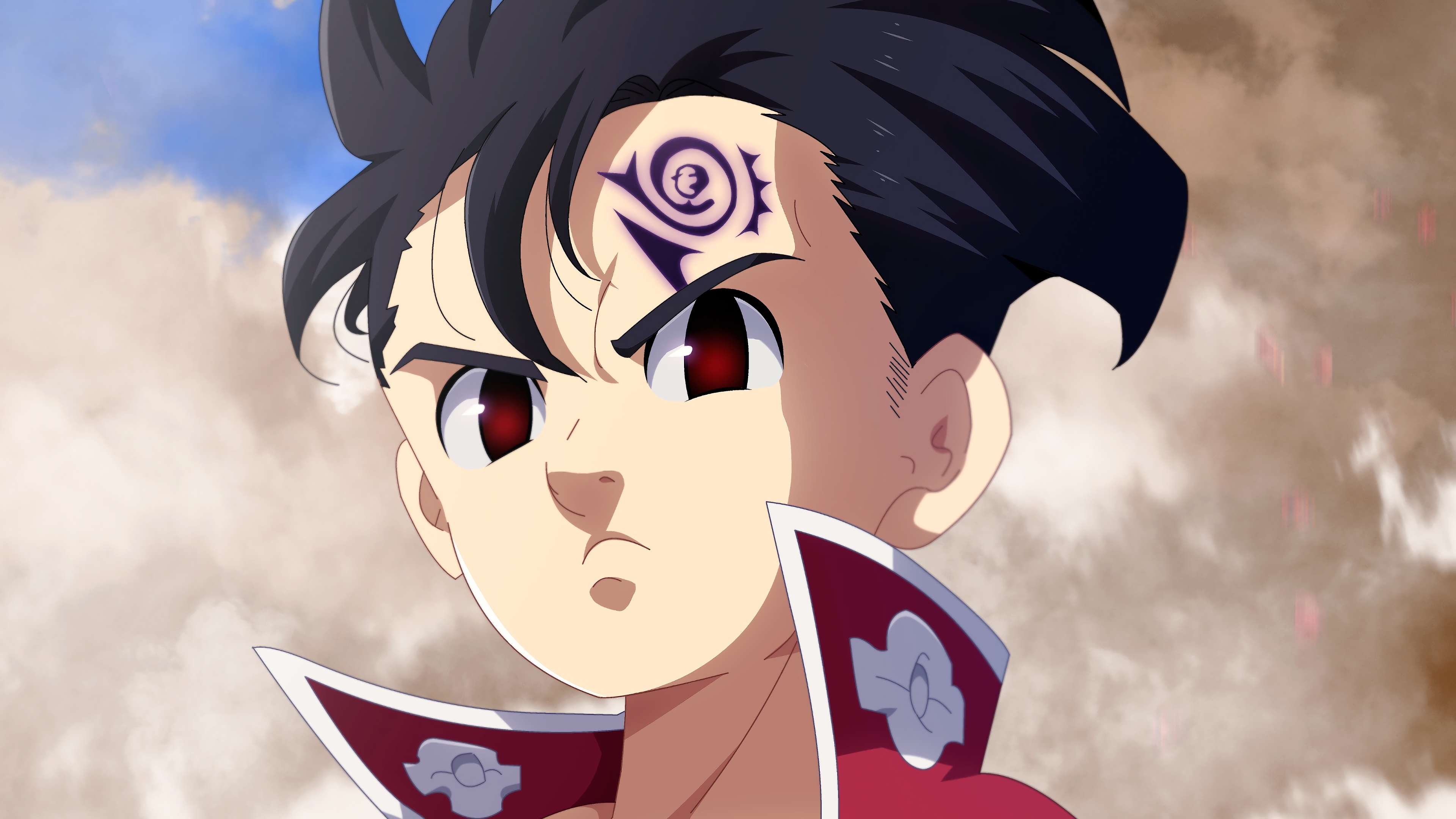
Zeldris was a major omission in your earlier draft, and he is far too important to leave out. Strongest-character lists from major entertainment sites repeatedly include him near the top because he is not just Meliodas’ brother, he is one of the core power checks of the late story.
He combines elite swordsmanship, commandment-level demon authority, and top-end late-game presence. He is not above Meliodas, but he is absolutely above most human and Holy Knight characters. Any serious updated tier list needs him.
10. Elizabeth
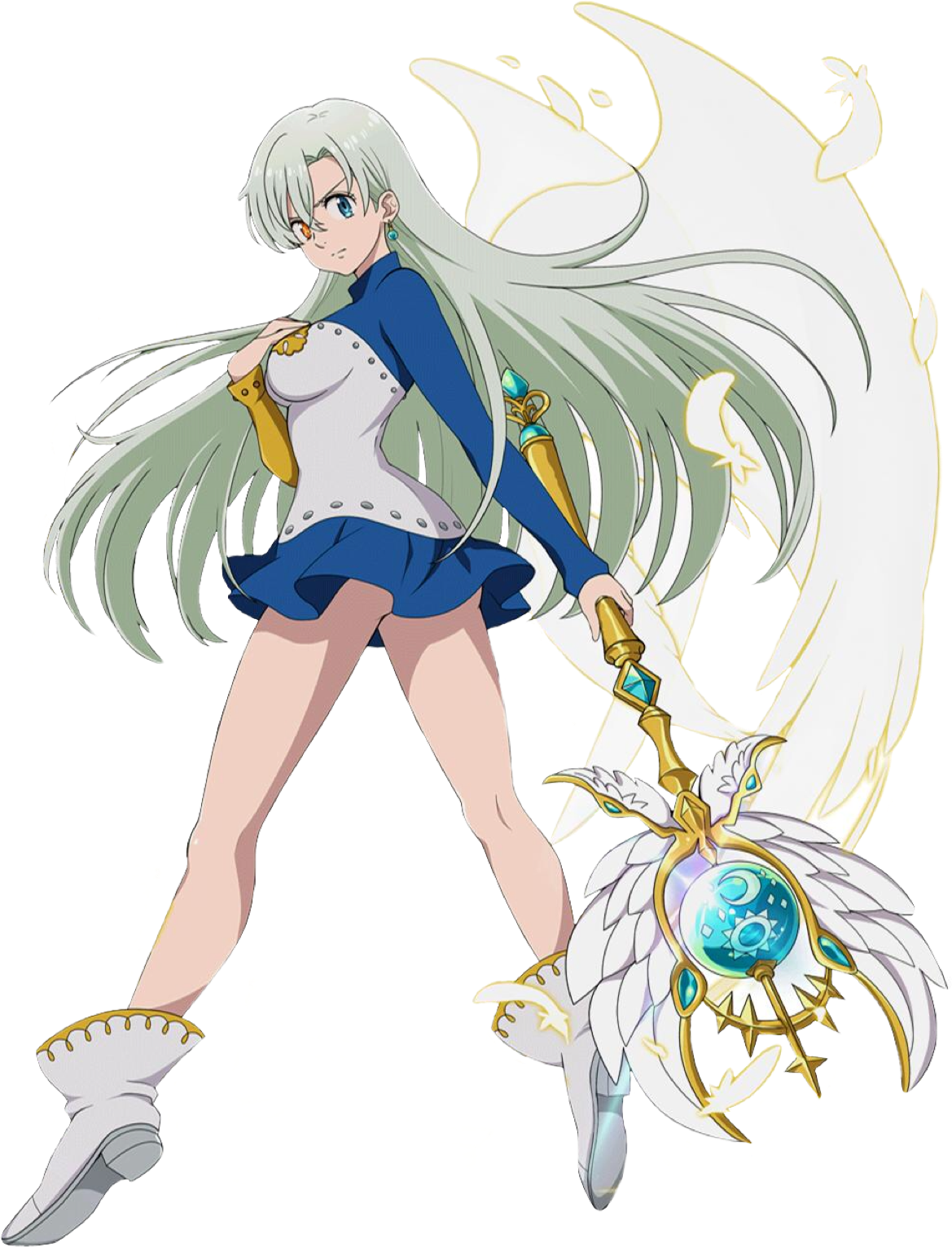
Elizabeth is the most underrated high-tier character in the franchise. Casual fans remember the healer. Serious readers remember Bloody Ellie, a goddess whose combat reputation was feared during the Holy War. Fiction Horizon also places Goddess Elizabeth firmly in its upper rankings.
She lands in A-tier because her magical reserves, support value, and offensive potential are all elite. The only thing that holds her back is visibility. She simply does not get as many extended showcase fights as Ban, King, or Zeldris, so her placement has to rely more on scaling and war-era reputation than nonstop feat spam.
B-Tier - Elite Threats With Clear Limits
11. Original Demon
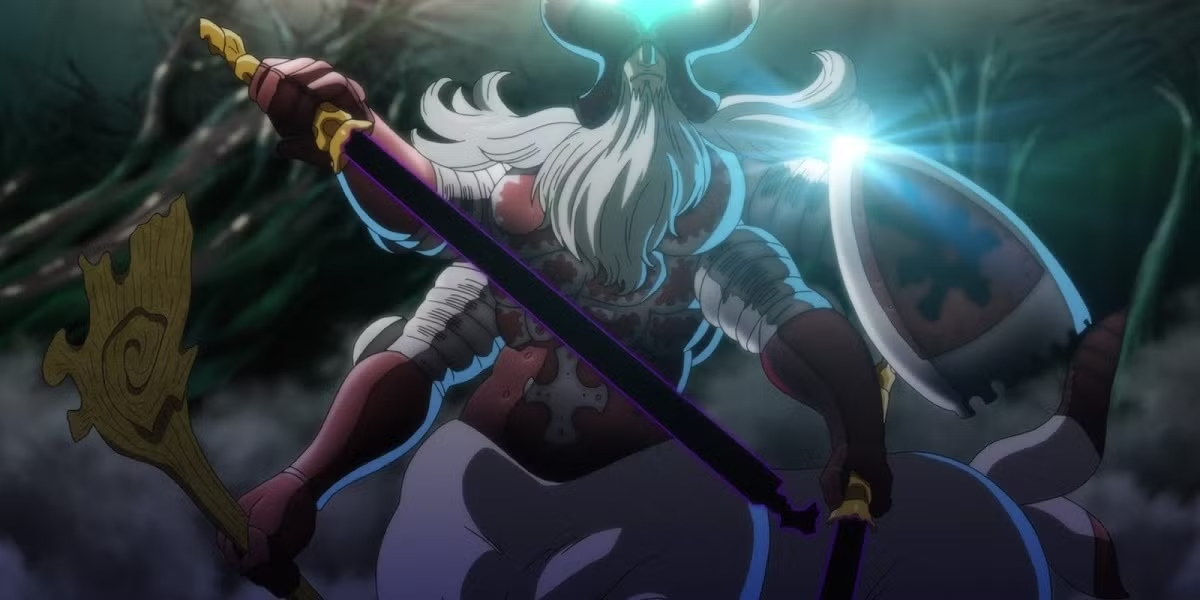
The Original Demon is exactly the kind of character that helps a tier list feel serious. He functions as a bridge between “very strong” and “late-game nightmare,” and modern ranking pages often include him for that reason. Fiction Horizon places him inside its top 10 and treats him as a major benchmark.
He belongs here because his presence confirms how deep demon scaling goes beyond just Meliodas and Zeldris. He misses A-tier because the absolute elite still have more complete showings or broader narrative weight.
12. Ludociel
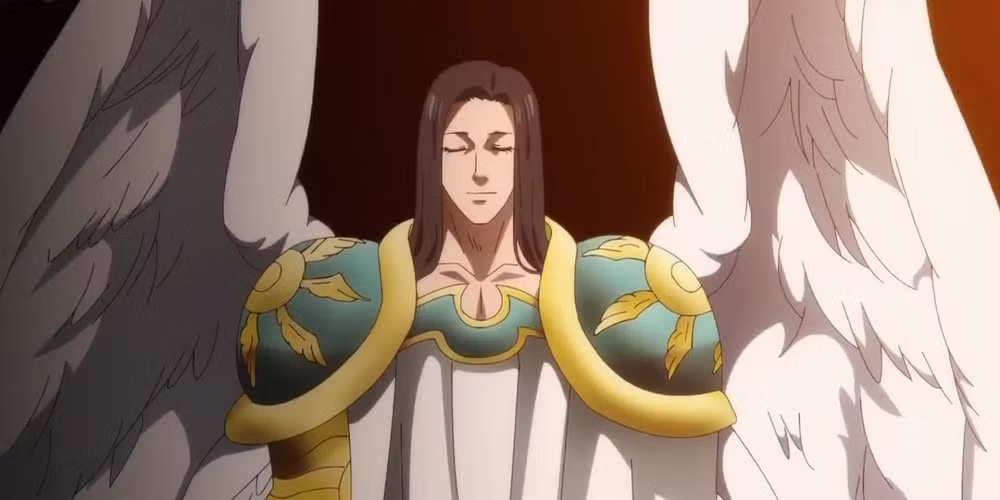
Ludociel is one of the strongest Archangels and an essential name for roster completeness. A ranking should include Mael, it gives players a clear benchmark for where the upper Goddess Clan officers sit, and Ludociel is that benchmark. Fiction Horizon places him above many notable characters for exactly this reason.
He is fast, powerful, and prestigious, but he falls short of Mael’s peak and does not have the same all-conditions dominance as S-tier characters. He is elite, not untouchable.
13. Merlin
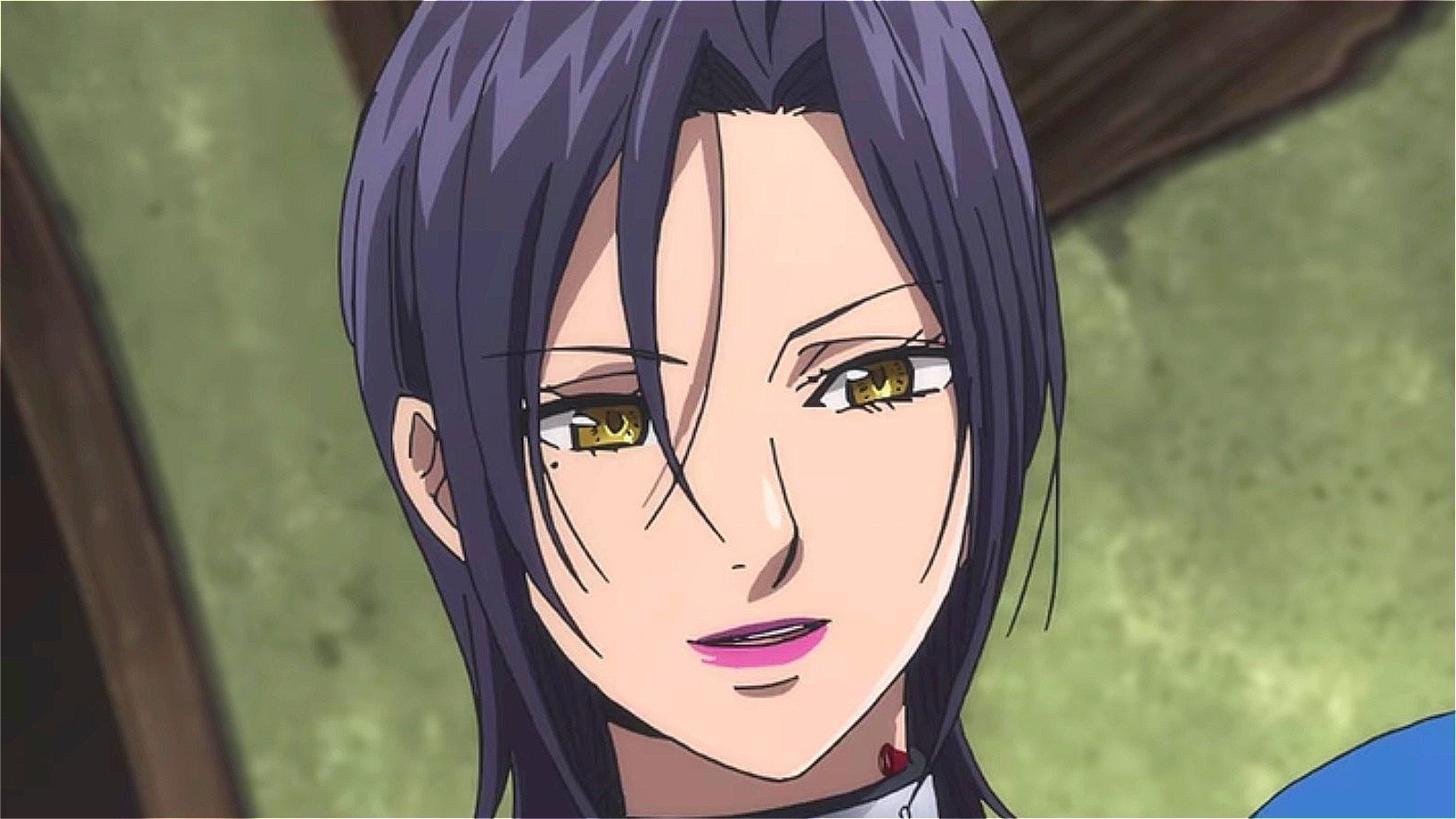
Merlin may have the highest “prep-time ceiling” in the non-god part of the cast. That is what makes her so annoying to rank and so valuable to players. Raw power alone would place her lower. Combat influence and spell utility place her much higher. CBR’s ranking starts with Merlin among its strongest-character pool, which shows how often she is treated as a special case.
Infinityis the reason she remains terrifying. A lot of characters hit harder than Merlin. Very few can weaponize knowledge, hax, and sustained magic in the same way. She stays out of A-tier because head-to-head against the true monsters, she is still usually the less physically dominant fighter.
14. Chandler
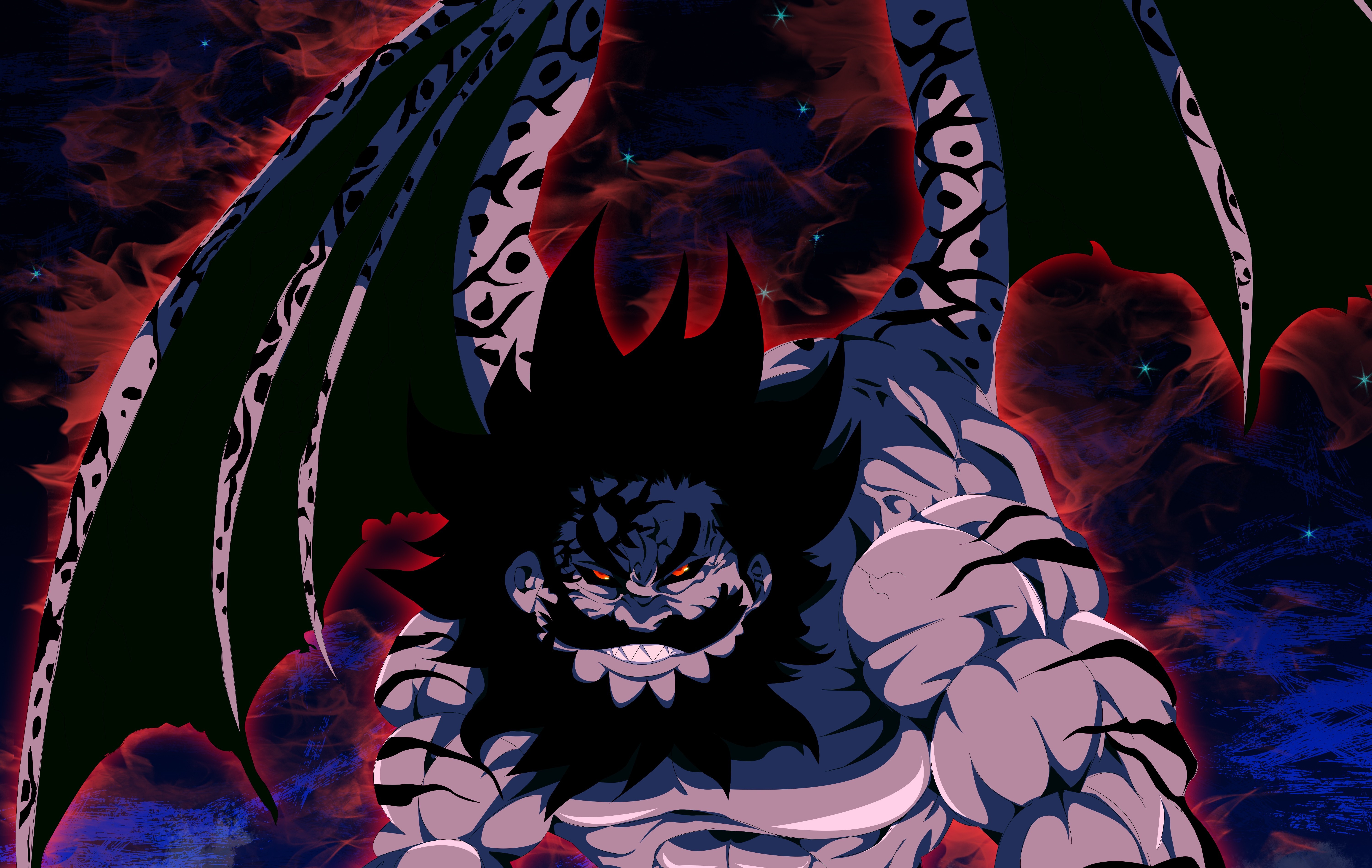
He is a monstrous demon whose power level and portrayal are too high for omission. Fiction Horizon puts him above many fan-favorite names and treats him as one of the series’ true late-game threats.
He ranks below Merlin here because Merlin’s versatility can create ugly matchup problems, but Chandler is still one of the nastiest direct-combat demons outside the franchise’s absolute top names.
15. Cusack
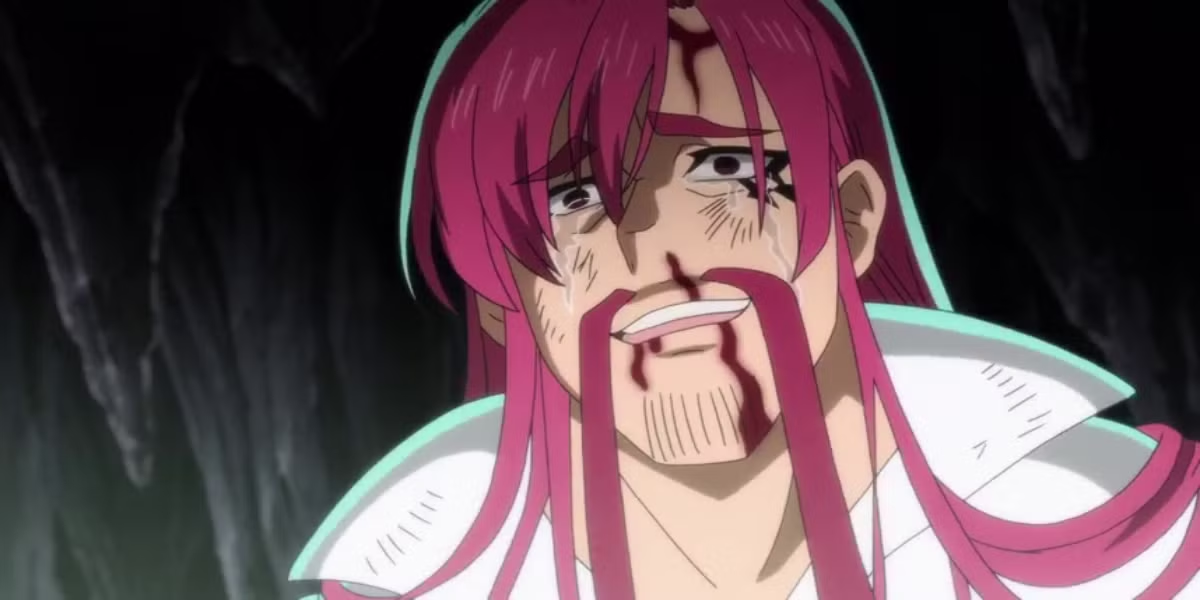
Cusack belongs right next to Chandler in most discussions. He brings enormous demonic power, sword skill, and late-game threat value, and modern ranking pages repeatedly pair the two as major upper-tier demons.
The reason he lands just behind Chandler here is mostly presentation and impact. Chandler tends to leave the louder impression in strength discussions, while Cusack sometimes feels like the more refined but slightly less iconic half of the pair.
C-Tier - Powerful Specialists And Upper-Mid Tier Mainstays
16. Diane
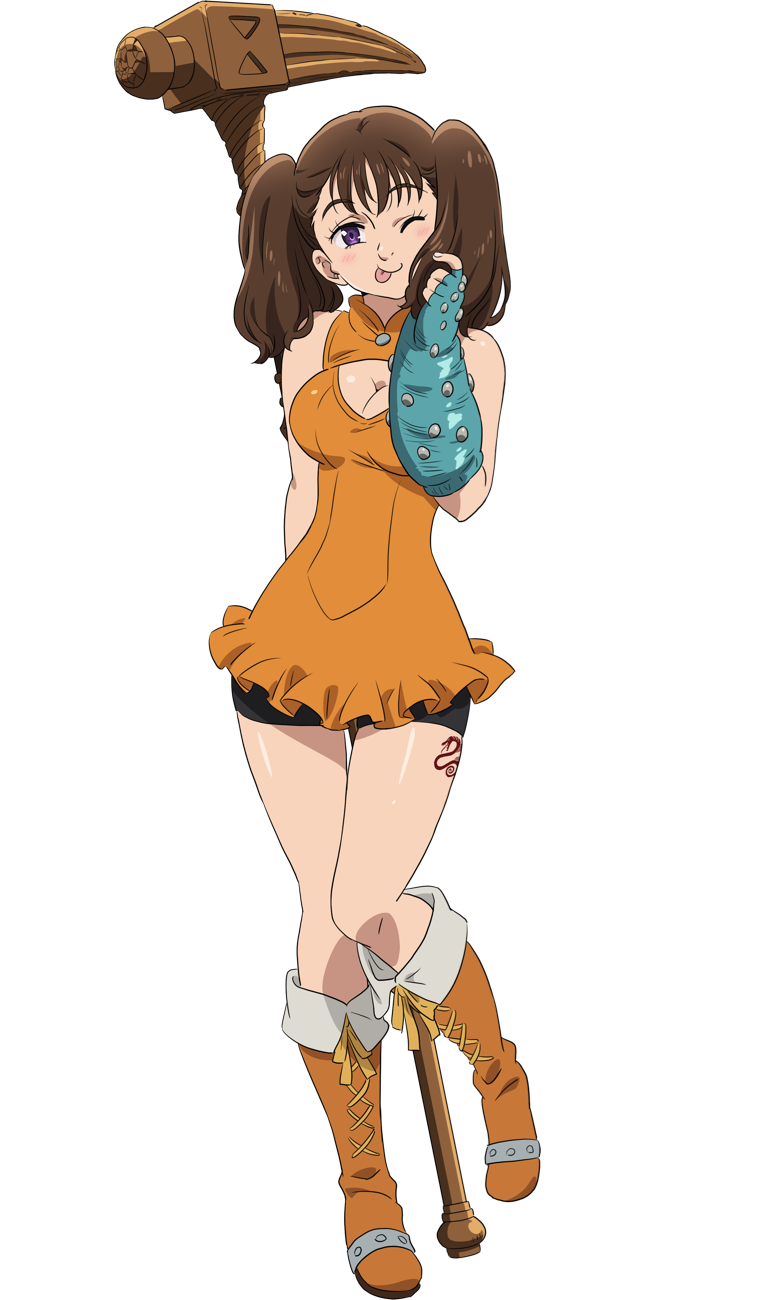
Diane’s Drole Dance makes her much more dangerous than early-series impressions suggest. She has real battlefield control, giant-clan power, and better scaling than many secondary fighters.
She does not rank higher because the late-game ceiling rises too fast. Against the very best demons, archangels, and Sins, she starts to feel more role-specific than dominant.
17. Gowther
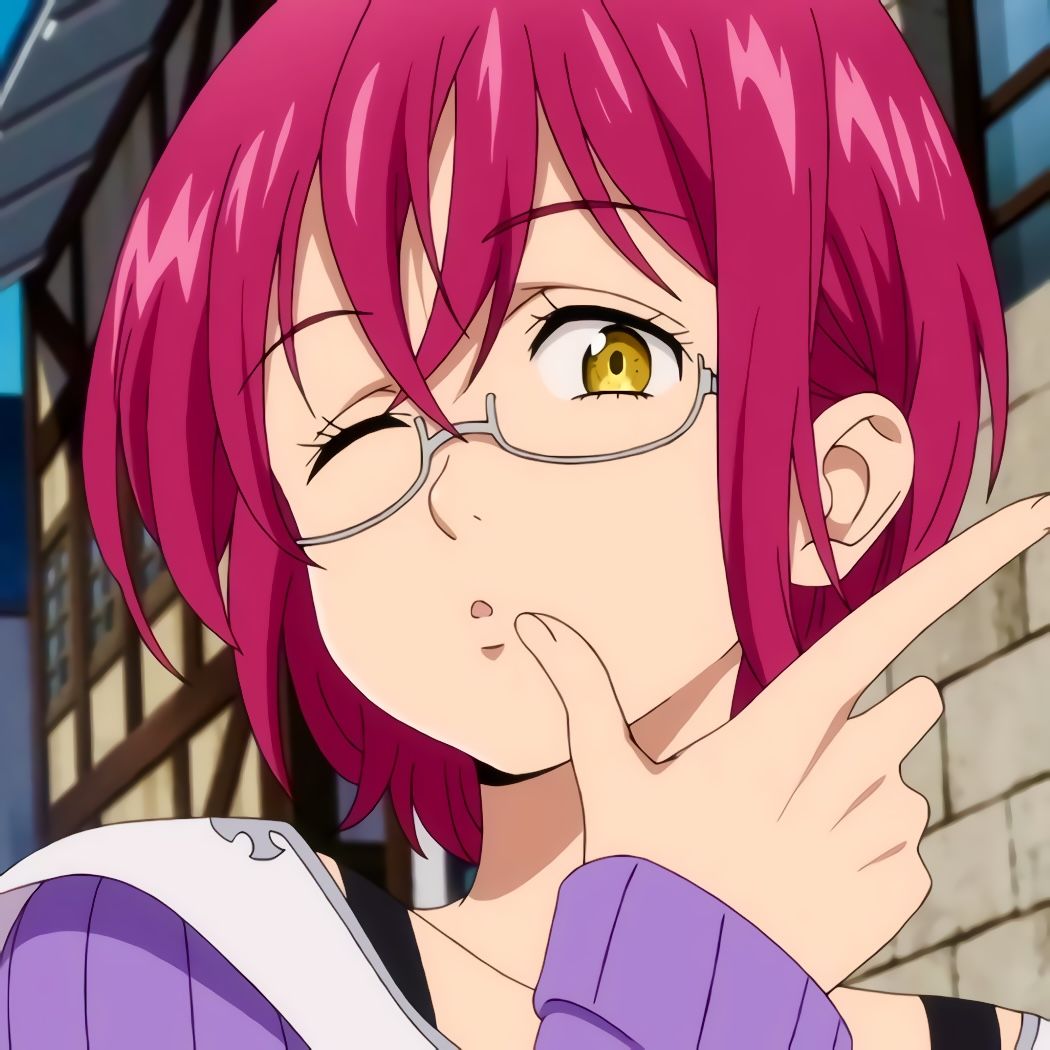
Gowther is the strangest rank on the page because mental hax is never easy to compare with raw destructive force. In the right situation, he can be terrifying. In the wrong matchup, he looks much less decisive.
That puts him here. He is too useful and dangerous to push into the bottom tiers, but too conditional to sit with Ban, King, or Zeldris in a straightforward combat ranking.
18. Sariel
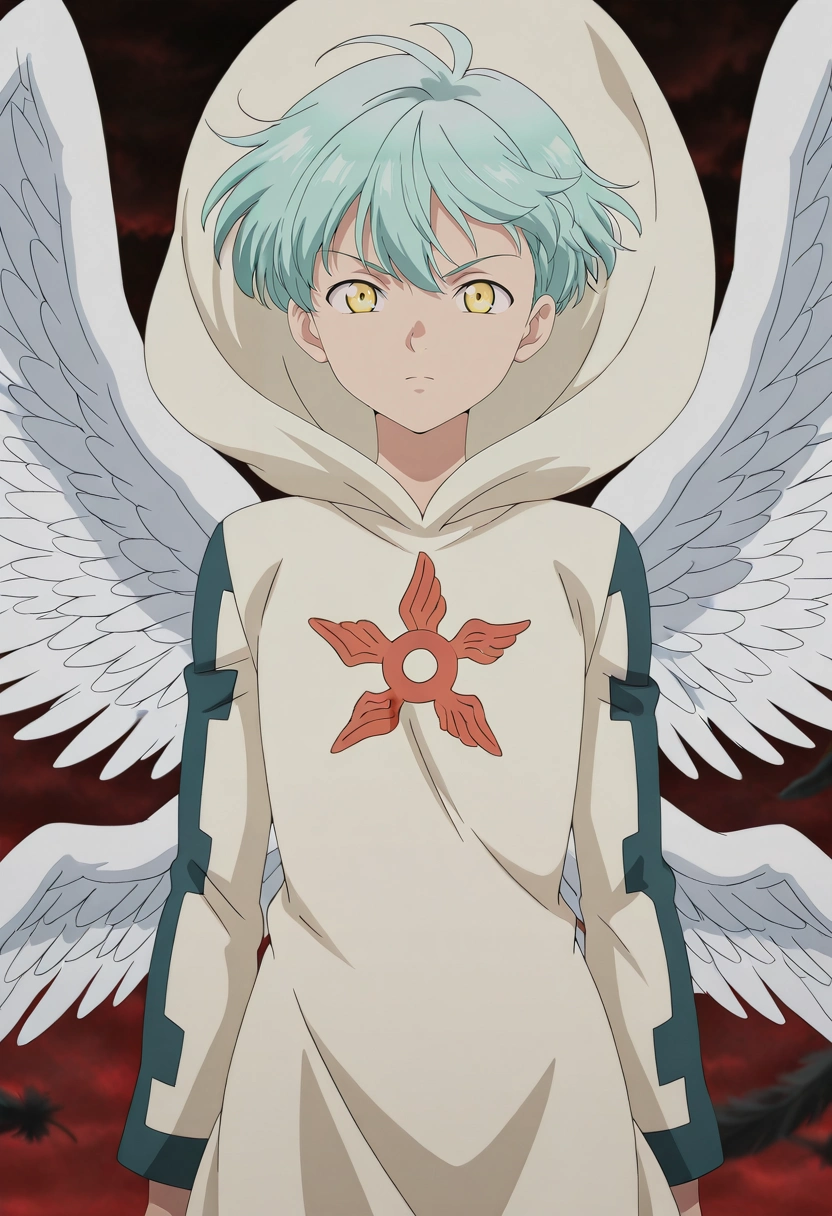
Sariel deserves inclusion for the same reason Tarmiel and Ludociel do. Current large rankings include these names because they help map the real middle and upper-middle of the power ladder.
He has excellent clan prestige and real combat value, but he is still below the franchise’s most oppressive top-end names.
19. Tarmiel
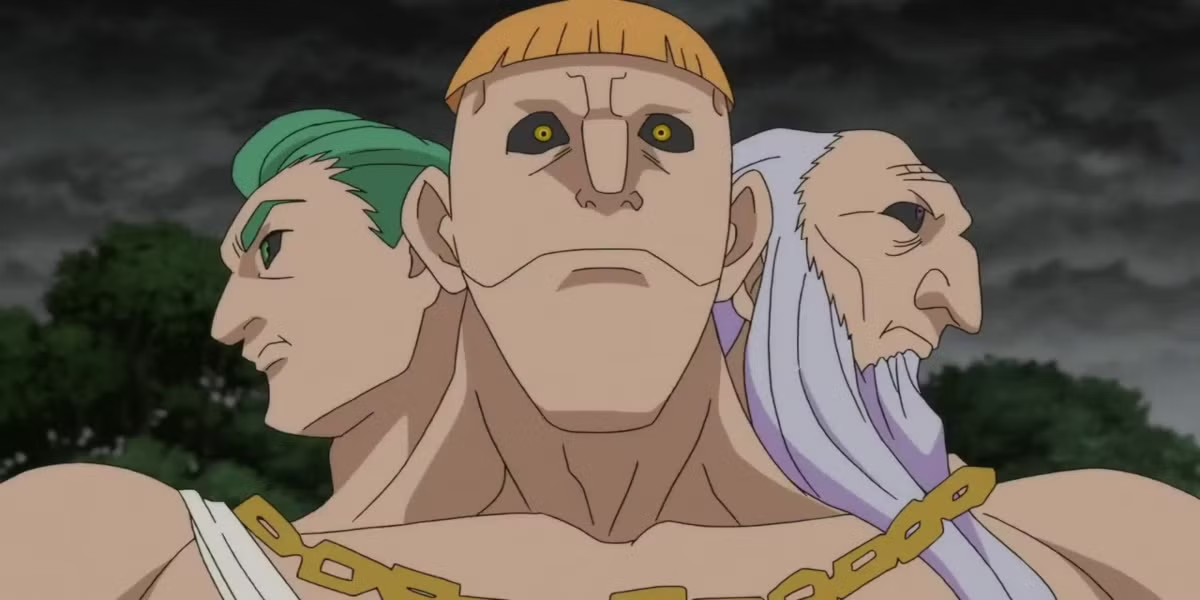
Tarmiel is one of the clearest examples of a character who is very strong but not built to dominate the whole verse. Fiction Horizon includes him in its top 20 and notes his serious durability and status as an Archangel.
That is why he sits here rather than lower. He is a legitimate threat, just not a final-boss-level one.
20. Derieri
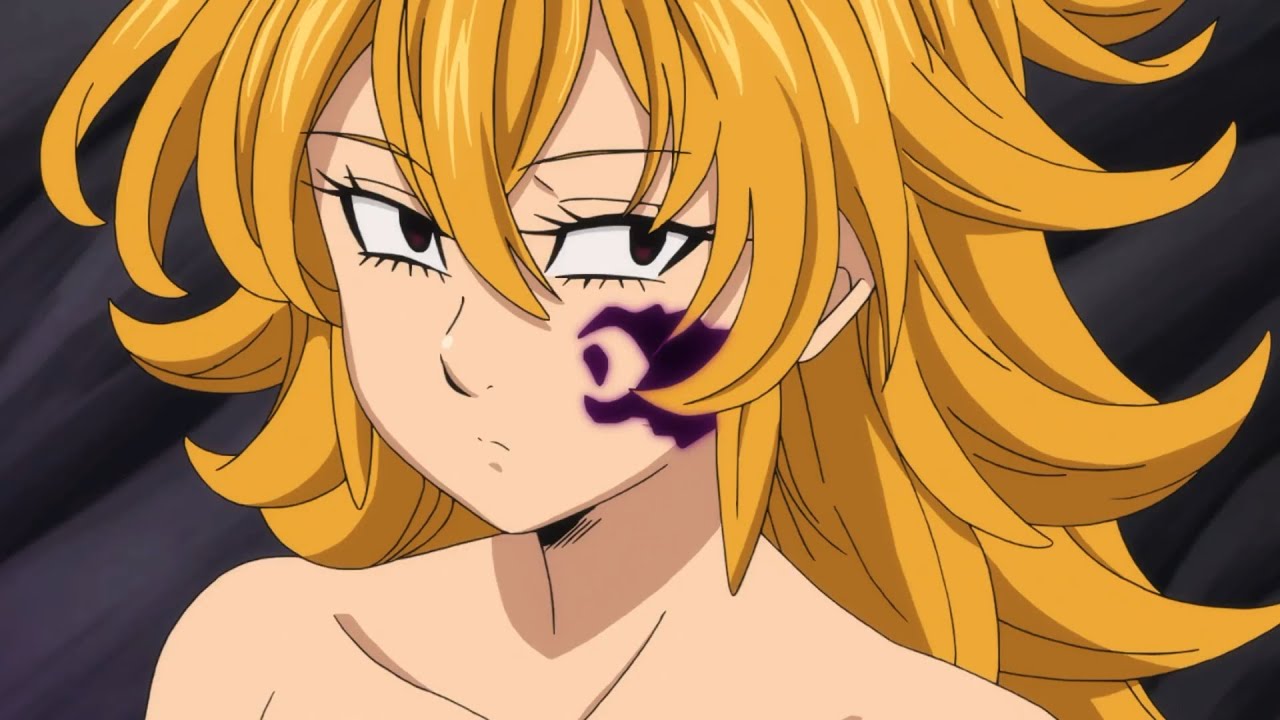
Derieri rounds out the top 20 because she represents the high watermark of powerful but not god-tier Commandments. Her offensive pressure and memorable battle presence make her a better inclusion than low-end Holy Knights in a list this competitive. Modern ranking pages often place her and Monspeet in this range.
She misses B-tier because the absolute top demons and archangels simply scale beyond her by the end.
D-Tier - Not Weak, Just Outscaled
21. Monspeet
Monspeet is strong enough to matter, especially paired with Derieri, but he does not have the same ceiling as the characters above him. He is useful in a complete list because he helps show where Commandment-level threats stop being endgame-defining.
22. Gilthunder
Gilthunder remains one of the better Holy Knights, but that label only carries so far once the story starts tossing around gods, archangels, and endgame demons. He is respectable, not elite in verse-wide terms.
23. Hendrickson
Hendrickson looks terrifying early because the story has not exploded yet. Once it does, he becomes a classic example of arc inflation. That does not make him weak. It just means the world outgrows him fast.
24. Howzer
Howzer is memorable and capable, but this is exactly the kind of character that should not be crowding out Zeldris or Chandler in a top-heavy list. He works best near the bottom of a broader ranking.
25. Vivian
Vivian has tricky magic and can still be threatening in specific setups, but she is not a real contender once the article shifts to endgame power discussion. She belongs as roster texture, not as a core challenger.
Most Controversial Placements In This Tier List
Meliodas Vs Escanor
This is the franchise’s forever debate. Escanor may have the more explosive moment-to-moment peak, but Meliodas has the deeper kit, broader consistency, and better long-form case. That is why Meliodas ranks higher here.
Ban Vs King
Ban usually wins the durability and attrition argument. King usually wins the versatility and range argument. There is no ridiculous answer here as long as both are close.
Merlin’s Ceiling
Merlin is the classic “worse stats, scarier brain” character. If you value prep and hax heavily, she rises. If you only care about direct brawling, she falls.
FAQs About The Seven Deadly Sins Best Characters Tier List
Who Is The Strongest Character In The Seven Deadly Sins?
In a full franchise-aware discussion, Chaos Arthur has the strongest case for number one because sequel-era context pushes him above the older clan-based hierarchy. In an original-series-only list, Meliodas is the safest pick for the top spot.
Is Escanor Stronger Than Meliodas?
At his absolute peak, Escanor can challenge anyone. Over a full ranking, Meliodas usually places higher because his power is more sustainable, more versatile, and less dependent on a narrow time window.
Why Is Elizabeth So High In This Tier List?
Because the series repeatedly frames Elizabeth as far more than a healer. Her Bloody Ellie reputation, goddess lineage, and upper-tier scaling make her one of the most underrated combatants in the franchise.
Why Were Hawk, Howzer, And Gilthunder Moved Down?
Because a stronger tier list has to reflect the full late-game roster. Once characters like Zeldris, Ludociel, Chandler, Cusack, and the Original Demon are included, lower-end Holy Knights and mascot characters cannot realistically sit near the middle.
Does Four Knights Of The Apocalypse Count For This Ranking?
It should at least be acknowledged. Kodansha lists Four Knights of the Apocalypseas an ongoing sequel in the same world, so any tier list that ignores it entirely risks feeling outdated, especially when discussing Arthur.
Final Thoughts
A good Seven Deadly Sinstier list is not just a pile of names under S, A, B, and C. It needs clear rules, a complete enough roster to feel credible, and enough nuance to handle the franchise’s messiest debates. That is especially true now that the sequel era exists and changes how readers see Arthur, Chaos, and the legacy of the original cast.
The safest takeaway is this: Meliodas, Arthur, the Demon King, Supreme Deity, and Escanor define the top of the mountain, while Ban, King, Mael, Zeldris, and Elizabeth make the next tier brutally competitive.
Jump to
What You’ll Learn In This Tier List
The Seven Deadly Sins Best Characters Tier List
Scope And Ranking Rules For This Tier List
Quick Tier Overview
S-Tier - The Characters Who Break The Scale
A-Tier - Endgame Monsters Who Can Threaten Almost Anyone
B-Tier - Elite Threats With Clear Limits
C-Tier - Powerful Specialists And Upper-Mid Tier Mainstays
D-Tier - Not Weak, Just Outscaled
Most Controversial Placements In This Tier List
FAQs About The Seven Deadly Sins Best Characters Tier List
Final Thoughts
Latest Articles
Popular Articles