Dead By Daylight Killer Tier List | My Definitive Rankings After Testing Every Killer
I've tested all 39 Dead by Daylight killers to create the ultimate tier list. Get my definitive rankings with detailed explanations of why each killer works and when to use them for maximum wins.
Aug 31, 202582 Shares82K Views

Dead By Daylight Killer Tier List: Complete Rankings For Every Killer In 2025
Picture this: you're staring at 39 different killers in the lobby with no clue which one will help you win matches. I've been there countless times, and picking the wrong killer can turn what should be a fun gaming session into pure frustration. After spending thousands of hours testing every killer across different skill levels, I've learned that most tier listscompletely miss the deeper strategy behind killer selection.
This isn't just about who's "good" or "bad" it's about understanding exactly why certain killers dominate the current meta and how you can use that knowledge to pick the perfect killer for your playstyle. By the end of this guide, you'll understand not just which killers are strongest, but exactly when and how to use them for maximum effectiveness against different survivor teams and on various maps.
S-Tier Killers: Meta Dominators
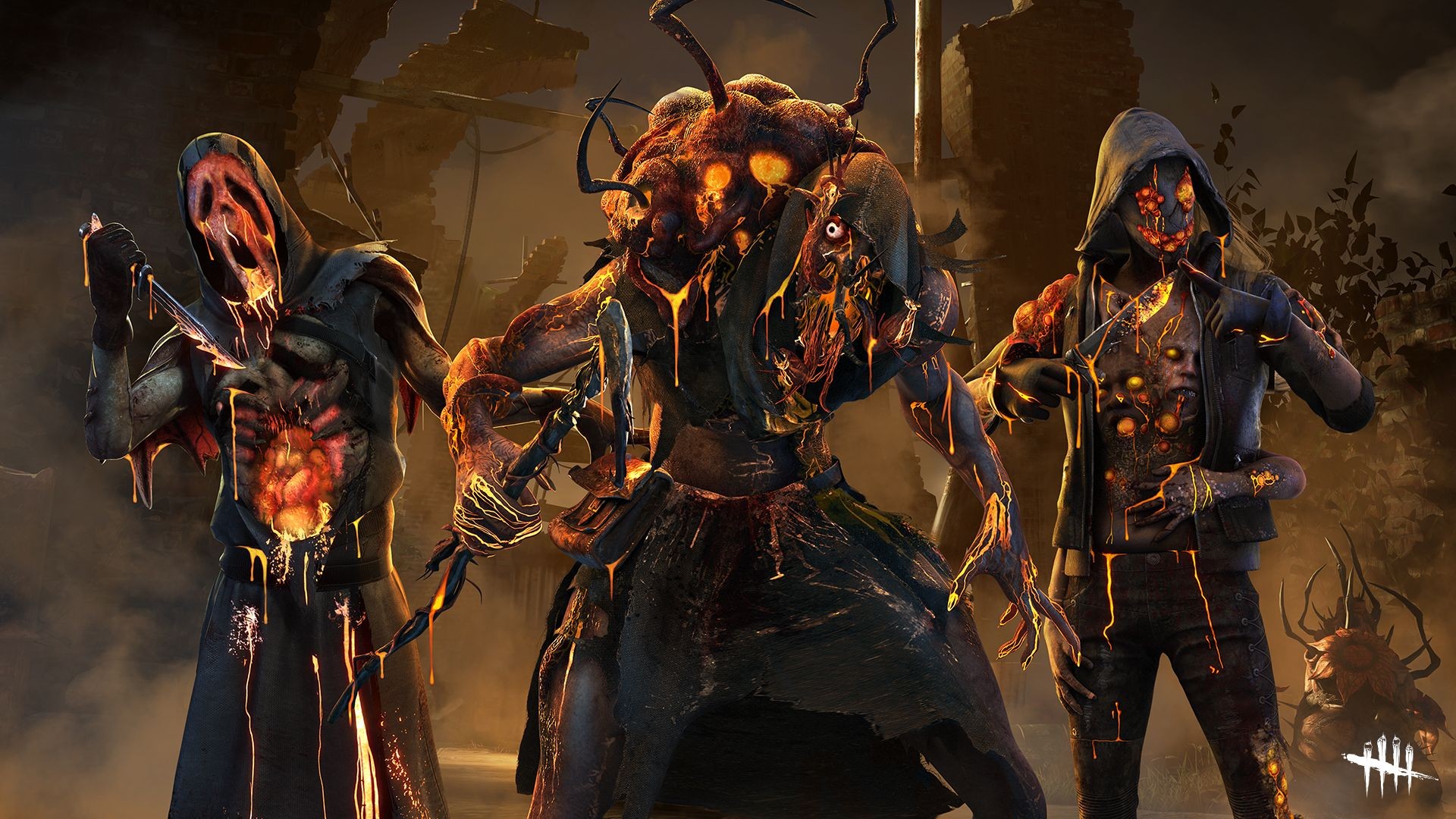
These are the killers that define the current meta. They excel in multiple areas, adapt well to different situations, and consistently deliver results even against experienced survivor teams.
Nurse - My Go-To Reality Breaker
Nurse remains the undisputed queen of Dead by Daylight for one simple reason: she ignores the fundamental game mechanicsthat limit other killers. While survivors can loop most killers around pallets and windows, Nurse teleports through everything. Her learning curve is brutal, but mastering her blink mechanics rewards you with the strongest killer in the game. I've seen good Nurse players consistently 4K against tournament-level survivor teams.
Blight - My Speed Demon Choice
I love Blight because he combines incredible map mobility with devastating chase potential. His rush ability lets me cross maps in seconds while his collision mechanics create unique mind-game opportunities. What makes Blight S-tier is his ability to end chases quickly while maintaining map pressure. His add-ons like Alchemist's Ring can turn him into an absolute monster.
Spirit - My Mind Game Master
Spirit excels at information denial and mind games that I find incredibly satisfying. Survivors never know if she's phasing or standing still, creating constant uncertainty in my favor. Her ability to track through sound and scratch marks while invisible makes her incredibly oppressive in chases. Phase walking also provides excellent map mobility for generator pressure.
Huntress - My Long-Range Specialist
Huntress brings ranged lethality that bypasses traditional looping mechanics in ways I love. A skilled Huntress can hit survivors over most loops, around corners, and across maps. Her hatchets create map-wide pressure and her terror radius humming provides consistent information about survivor locations.
Wesker - My Chase Dominator
Wesker has become my favorite recent addition to S-tier. His Uroboros power allows me to dash across loops and grab survivors through windows, making traditional safe spots hazardous. The infection mechanic adds passive slowdown while his mobility helps with map pressure. He feels incredibly satisfying to play and consistently delivers results.
Pyramid Head - My Anti-Loop Legend
I consider Pyramid Head one of the most oppressive killers when played correctly. His Punishment of the Damned cuts right through loops, forcing survivors into impossible situations. The torment trails create map control while his cages bypass hook perks entirely. He takes practice but rewards skilled players with devastating chase power.
A-Tier Killers - Consistently Strong Performers
These killers offer solid performance across most situations without the extreme learning requirements of S-tier options.
Hillbilly - My Classic Powerhouse
Hillbilly delivers one-shot potential with excellent map mobility that never gets old. His chainsaw sprint lets me pressure generators effectively while his instant-down capability creates a constant threat. Recent changes have made his overheat mechanic more manageable, bringing him back into my regular rotation as a reliable performer.
Oni - My Snowball King
I love Oni's transformation gameplay. He combines snowball potential with terrifying chase ability during his Blood Fury power. When I activate his demon mode, I become a map-crossing monster who can down multiple survivors in quick succession. His early game weakness is worth the incredible mid-to-late game pressure.
Artist - My Information Queen
Artist provides map-wide information and pressure through her crow ability that I find incredibly useful. She lets me force survivors off generators from across the map while her anti-loop potential makes chases more manageable. Her learning curve is moderate but her ceiling is high enough to keep me engaged.
Plague - My Decision Forcer
Plague forces survivors into impossible decisions that I find strategically satisfying. Cleansing gives me ranged attacks, while staying injured makes healing pointless. Her corrupt purge can shut down loops entirely and her infection spreading creates passive pressure that builds throughout the match.
The Animatronic (Springtrap) - My Stealth Ambusher
Springtrap has quickly become one of my favorite A-tier killers since his release. His phantom form lets me phase through walls and surprise survivors from unexpected angles. The jump scare potential combined with his decent chase power makes him incredibly fun to play. His mechanical suit provides good information gathering while his stealth keeps survivors on edge.
The Ghoul (Kaneki) - My Transformation Terror
Kaneki brings a unique transformation mechanic that I find engaging. His kagune attacks provide excellent anti-loop potential while his enhanced mobility during ghoul form creates great map pressure. The hunger mechanic adds strategic depth feeding on survivors powers up his abilities significantly. He rewards aggressive playstyles and feels incredibly satisfying when you master his timing.
B-Tier Killers - Situationally Powerful

These killers can perform excellently in the right circumstances or with proper builds, but they have more defined weaknesses.
Ghostface - My Stealth Stalker
Ghostface excels at stealth approaches and exposes effects that I find rewarding to pull off. His night shroud ability lets me stalk survivors for one-shot downs while remaining undetectable. Map awareness and positioning are crucial for Ghostface success, but when you get those perfect ambushes, it feels amazing.
Demogorgon - My Portal Master
Demogorgon offers portal-based map mobility and decent chase potential that keeps matches interesting. His shred attack can hit through windows and his portals provide map pressure and information. He's well-rounded but doesn't excel in any particular area, making him a solid middle-ground choice.
Cannibal - My Basement King
Cannibal brings reliable one-shot potential in close quarters that can be devastating. His chainsaw sweep can down multiple survivors and his basement camping potential is unmatched. He struggles on larger maps but dominates in tight spaces where survivors can't spread out.
Deathslinger - My Precision Shooter
Deathslinger provides precise ranged attacks with his spear gun that feel incredibly satisfying to land. His quick-scope potential and ability to pull survivors through windows makes him dangerous in chases. Recent nerfs have reduced his effectiveness but I still find success with skilled play.
The Dredge - My Darkness Controller
The Dredge's nightfall ability creates map-wide pressure that completely changes how survivors play. His teleportation between lockers provides decent mobility while his remnant can catch survivors off-guard. When nightfall activates, the entire match transforms into my domain of darkness and confusion.
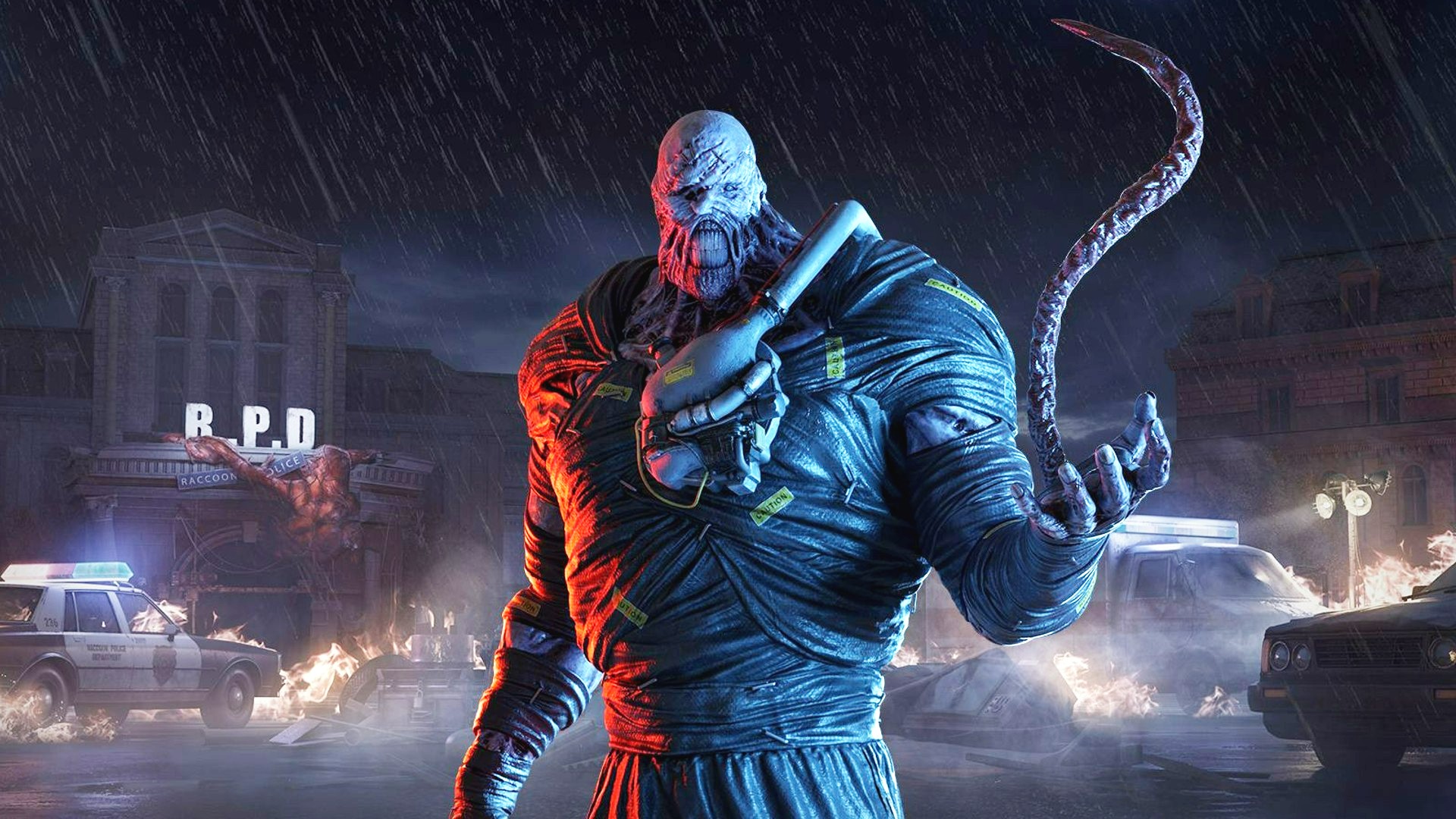
Nemesis - My Zombie Commander
I really enjoy Nemesis for his unique zombie AI helpers that patrol the map independently. His tentacle strike provides anti-loop potential while the infection mechanic adds passive pressure. The zombies create constant background threat and information, making survivors paranoid about their positioning.
Pinhead - My Chain Master
Pinhead's chain hunt mechanic creates incredible passive slowdown when survivors ignore the box. His gateway ability provides map mobility while his possessed chains can shut down loops effectively. Managing his box spawns and timing chain hunts requires strategy but pays off with serious pressure.
The Trickster - My Blade Storm
Trickster excels at rapid-fire projectiles that can quickly injure survivors in open areas. His main event ability turns him into a devastating ranged threat, and his blade count system rewards sustained pressure. He struggles on maps with lots of cover but dominates in the right situations.
C-Tier Killers: Requiring Specific Conditions
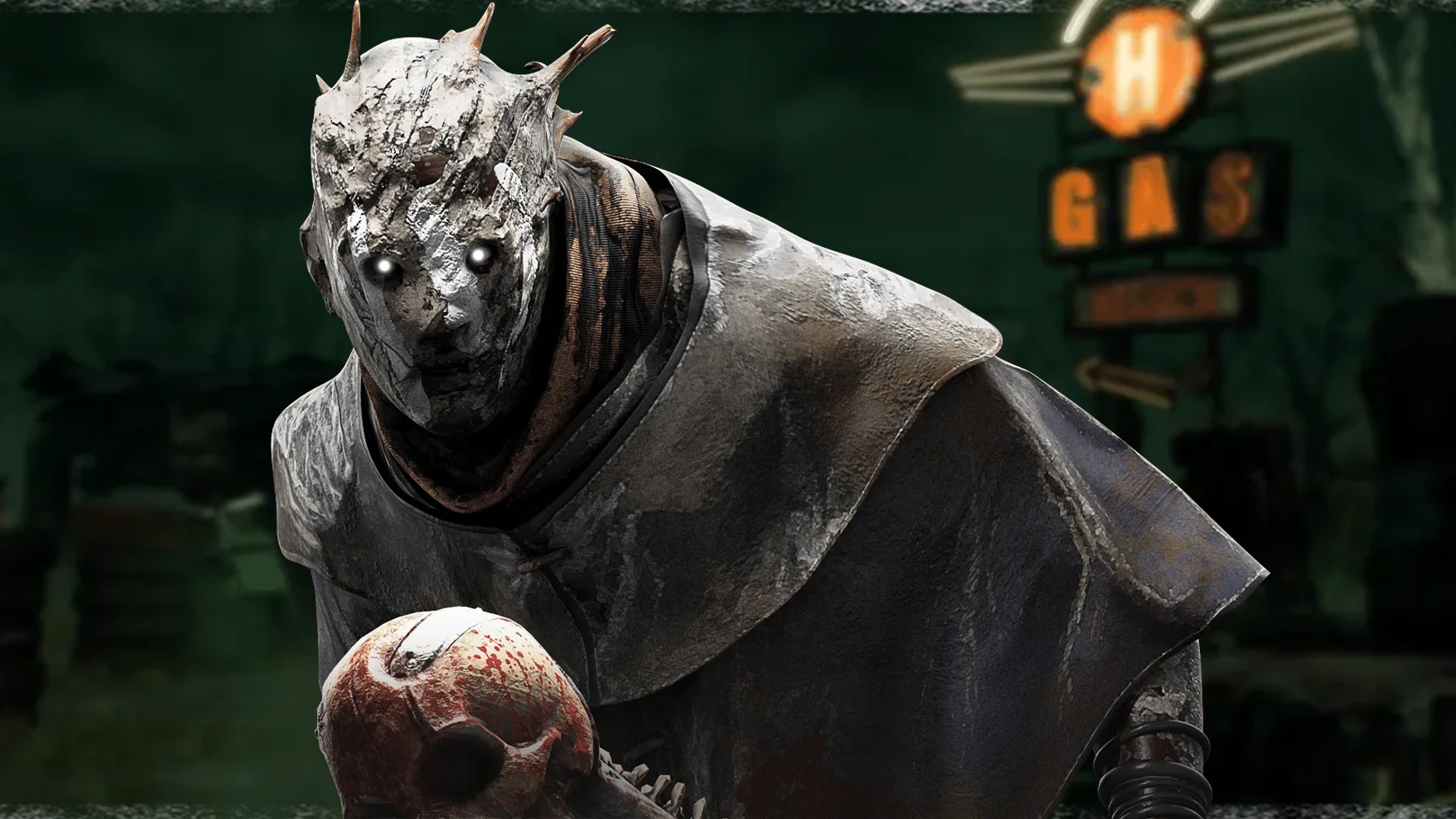
These killers need particular circumstances, builds, or maps to reach their potential.
Wraith - My Invisible Scout
Wraith offers excellent map mobility and surprise potential through invisibility that makes him perfect for learning. His speed boost while cloaked provides good generator pressure and his uncloak attacks can catch survivors off-guard. He struggles against experienced survivors who understand his limitations, but I still enjoy his straightforward gameplay.
Doctor - My Information Gatherer
Doctor excels at information gathering and preventing stealth plays in ways I find useful for learning survivor positions. His shock therapy reveals survivor locations and his madness effects slow down objective completion. He performs better on smaller maps where his terror radius covers more area.
Pig - My Trap Specialist
Pig combines stealth with slowdown mechanics through her reverse bear traps that create interesting strategic gameplay. Her crouch ability provides surprise attacks while her traps force survivors off generators. She requires patience and tactical play to maximize effectiveness, but those head pop moments are incredibly satisfying.
Clown - My Bottle Tosser
Clown's gas bottles provide decent anti-loop potential and movement speed bonuses that help in specific situations. His afterpiece tonic can force survivors out of strong positions while his antidote gives him chase advantages. He's simple to understand but struggles with map pressure on larger maps.
Myers - My Stalking Legend
Myers brings the classic horror movie experience with his tier system and instant-down potential. His ability to stalk survivors builds toward devastating tombstone potential, and his tier 3 creates genuine fear. He struggles early game but his late-game presence can be oppressive with the right build.
Freddy - My Dream Demon
Freddy's teleportation to generators provides decent map mobility while his snares slow down loops effectively. His dream world mechanics create unique gameplay situations, though they're not as oppressive as they used to be. He's solid for newer players but lacks the power for higher-level play.
Cenobite - My Puzzle Box Controller
The Cenobite's box mechanic creates interesting map-wide pressure when survivors ignore it properly. His gateway teleportation provides mobility while his chains can shut down loops. Managing the box spawns and chain hunt timing requires strategic thinking, but pays off with serious slowdown.
The Knight - My Guard Commander
The Knight's guard system lets me patrol multiple areas simultaneously through AI helpers. His different guards provide various benefits detection, damage, or chase assistance. The micromanagement aspect appeals to strategic players, though coordination between guards can be tricky to master.
D-Tier Killers: Uphill Battle Specialists
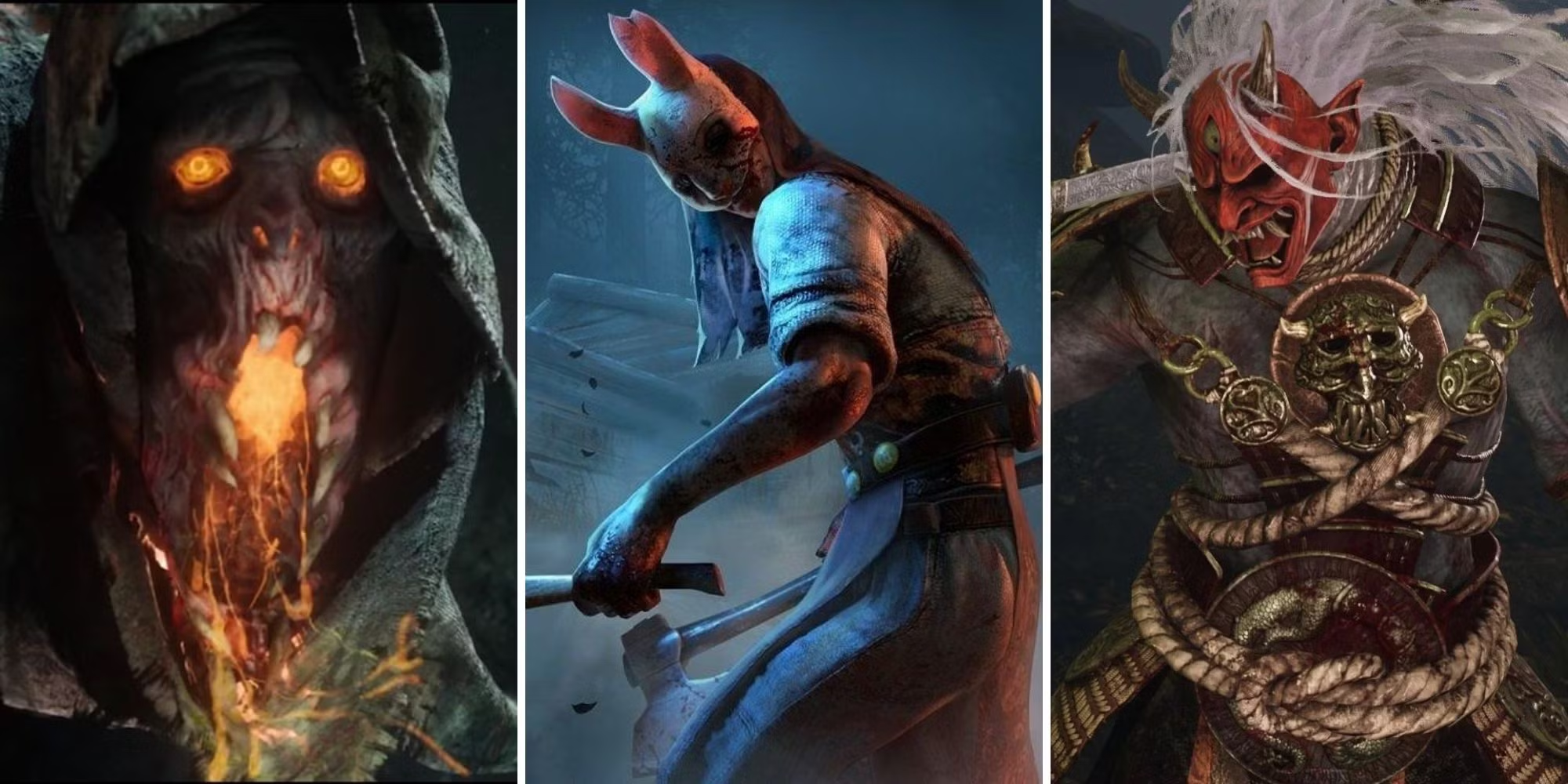
These killers face significant challenges in the current meta but can still provide enjoyable gameplay experiences.
Trapper - My Setup Strategist
Trapper relies heavily on setup time and survivor mistakes, which makes him challenging but rewarding when played right. His bear traps can control areas effectively but experienced survivors easily avoid or disarm them. He needs significant map knowledge and prediction skills to succeed, but those perfect trap plays feel incredible.
Legion - My Frenzy Runner
Legion provides excellent first hits but struggles to down survivors efficiently, making them more of an information gatherer than a true threat. Their frenzy ability spreads injuries across the team, but doesn't translate to elimination pressure. I enjoy their speed and the chaos they create, even if they're not the strongest.
Twins - My Split Personality
Twins offer unique gameplay through Victor but suffer from clunky mechanics and survivor abuse potential that frustrates me sometimes. Their split-pressure concept is interesting Charlotte guards while Victor hunts but execution difficulties limit their effectiveness. When they work though, they're unlike any other killer.
Sadako - My Manifestation Master
Sadako's condemned mechanic creates interesting long-term pressure through her tapes and TV system. Her manifestation ability provides decent stealth and teleportation options. The condemned kills are satisfying to achieve, but her chase power is limited and she requires patient, strategic play.
Skull Merchant - My Drone Operator
Skull Merchant's drone system provides area control and information gathering that appeals to strategic players. Her claw trap mechanic adds chase pressure while her drones can track and expose survivors. She requires setup time and map knowledge but can create oppressive situations when positioned correctly.
The Singularity - My Tech Terror
The Singularity's pod network creates map-wide surveillance and teleportation opportunities that feel futuristic and unique. His infection system lets him teleport to survivors instantly, creating surprise attacks. The learning curve is steep with all the pod management, but mastering him feels incredibly rewarding.
The Onryō - My Cursed Spirit
The Onryō combines TV teleportation with her condemned curse system for interesting long-term pressure. Her stealth intermittent invisibility catches survivors off-guard while her curse builds toward instant kills. She requires patience and strategic tape management but offers unique gameplay unlike any other killer.
Advanced Killer Selection Strategies
Choosing Your Killer Based On Context
Selecting the right killer goes beyond tier placement, it's about matching your choice to specific circumstances and goals.
- To consistently climb ranks, I recommend focusing on A-tier killers that offer good performance without requiring thousands of hours of practice. Hillbilly, Oni, and Artist provide excellent results with moderate learning investments.
- For learning fundamental skills, start with simpler killers like Wraith or Doctor. These killers let you focus on game sense, positioning, and timing without complex power management distracting from core mechanics.
- For specific map types, consider killer-map synergies. Indoor maps favor killers like Doctor or Pig, while open maps benefit ranged killers like Huntress or Deathslinger.
Beginner-Friendly Vs Advanced Killers
- New players should prioritize killers with low skill floors and immediate feedback. Wraith teaches stealth and positioning. Doctor reveals survivor locations while building game sense. These killers provide value even during the learning process.
- Advanced players benefit from high-ceiling killers where mechanical skill creates advantages. Nurse, Blight, and Huntress reward precision and game knowledge with devastating effectiveness.
- The transition from beginner to advanced killers should be gradual. Master the fundamentals with simpler killers before attempting mechanically demanding options.
Killer Matchups Against Different Survivor Teams
Solo queue survivors behave differently than coordinated teams, requiring different killer approaches.
Against solo survivors, information-based killers like Doctor or Artist exploit communication gaps. Stealth killers like Ghostface or Pig catch uncoordinated survivors off guard more easily.
Coordinated teams require killers with inherent strength rather than ones that exploit survivor mistakes. Nurse, Spirit, and Blight maintain effectiveness even against perfect survivor play.
The Psychology Of Killer Performance
Beyond Stats: Understanding Killer Success Factors
Killer effectiveness extends beyond mechanical abilities into psychological and strategic elements that most players overlook, especially when survivors are running a smart DBD Survivor Perkbuild that punishes mistakes and exposes weaknesses.
- Pressure application matters more than elimination speed. Killers who force survivors into difficult decisions consistently outperform those who simply chase efficiently. The best killers create scenarios where survivors must choose between bad options.
- Information control determines map awareness advantages. Killers who gather information while denying it to survivors gain strategic superiority. This explains why stealth killers can overperform their apparent strength levels.
- Momentum building separates good games from great ones. Killers who convert small advantages into snowballing pressure create game-winning scenarios from minor survivor mistakes.
Playstyle Compatibility And Personal Performance
Your personality and gaming preferences significantly impact killer effectiveness beyond tier lists.
Aggressive players benefit from chase-oriented killers like Blight or Legion who reward constant survivor engagement. Tactical players excel with setup killers like Trapper or Hag who require patience and prediction.
Mechanical skill preferences matter enormously. Players who enjoy precision gameplay thrive with Huntress or Nurse, while those preferring strategic thinking succeed with Doctor or Artist.
Understanding your natural tendencies helps killer selection more than following tier lists blindly. A perfectly played C-tier killer often outperforms a poorly played S-tier option.
Mind Games And Pressure Application
The most effective killers excel at psychological manipulation through game mechanics.
- Uncertainty creation keeps survivors guessing about your location, intentions, and capabilities. Spirit's phase walking exemplifies this survivors never know if she's moving or standing still.
- Decision forcing puts survivors in no-win scenarios. Plague's infection forces the choice between staying injured or giving her ranged attacks. Both options benefit the killer.
- Presence projection makes survivors alter their behavior even when you're not directly threatening them. A good Nurse's reputation alone changes how survivors play generators and positioning.
People Also Ask
Who's The Best Killer In Dead By Daylight?
The best killer in Dead by Daylight right now is The Nurse. Her Blink ability allows her to teleport through obstacles and close gaps instantly, making her unmatched in map control and chase potential. In the hands of a skilled player, she dominates even the most experienced survivors.
Who Is The Weakest Killer In DBD?
Freddy, Trapper, Myers and Pig are the only killers that are pretty much powerless at the start. They are also some of the only killers that can be powerless the whole game. If survivors wake up, Disarm traps, prevent stalking, avoid being downed.
How Do I Deal With Toxic Survivors While Learning?
Focus on your own improvement rather than survivor behavior. Mute post-game chat if needed and remember that good survivors often seem "toxic" simply because they're efficient. Use each match as a learning opportunity regardless of the outcome.
Are DBD Killers Faster Than Survivors?
Vast majority of the killers in the game are 115% (or 4.6m/s) whereas all survivors have a base speed of 4m/s. The exceptions are ranged killers or killers who have some other advantage to their kit (like Chucky who is small for example) these killers can be 4.4m/s to compensate for their range or other advantages.
Final Thoughts
After spending thousands of hours studying killer performance at every level, I've learned that the best killer is the one that fits your current skills and goals. Tier lists offer helpful guidance, but true success comes from understanding why a killer works, not just their rank.
If you're new or still building your fundamentals, start with straightforward killers that teach you core mechanics like generator pressure, chasing, and map control skills that carry over to more complex killers later.
Jump to
Dead By Daylight Killer Tier List: Complete Rankings For Every Killer In 2025
S-Tier Killers: Meta Dominators
A-Tier Killers - Consistently Strong Performers
B-Tier Killers - Situationally Powerful
C-Tier Killers: Requiring Specific Conditions
D-Tier Killers: Uphill Battle Specialists
Advanced Killer Selection Strategies
The Psychology Of Killer Performance
People Also Ask
Final Thoughts
Latest Articles
Popular Articles