Dead By Daylight Survivor Perk Tier List For All Skill Levels [Real Play Testing]
Built from real play sessions, this DBD survivor perk guide reveals what top-tier survivors use at every level of play.
Mar 09, 202610.2K Shares222K Views

The Survivor Perks That Saved Me (and The Ones That Got Me Killed)
I’ve played Dead by Daylight through every major meta shift, and one thing’s clear: the survivor perk landscape in 2026 looks nothing like it did in the early days. Back when Self-Care and urban evasion ruled, things were simpler. Now, with over 100 perks and constant balance changes, choosing the right loadout can feel overwhelming, especially with outdated or copy-and-paste tier listsstill circulating.
That’s why I built this updated Dead by Daylight survivor perk tier listfor 2026. I’ve tested every perk across thousands of hours, tracked the shifting meta, and focused on what helps you survive today.
S-Tier: The Meta Dominators

These are the perks I see in almost every high-level match. They define the current meta and provide value that's hard to match.
Sprint Burst
This exhaustion perk took over when Dead Hard got nerfed, and honestly, it's better than Dead Hard ever was. Sprint Burst gives you incredible positioning power at the start of chases, lets you reach pallets and windows that would be impossible otherwise, and works consistently every time.
The key to Sprint Burst is managing your exhaustion. New players often waste it by running everywhere, but experienced survivors use it strategically. I walk most of the match and save Sprint Burst for when I need that speed boost. It works at every skill level, counters every killer, and fits into any build.
Decisive Strike
Even after multiple nerfs, Decisive Strike remains essential in 2026's tunnel-heavy meta. The five-second stun gives you enough time to reach safety, and the psychological effect on killers is huge. Many killers won't even pick you up if they suspect you have DS active.
The timing window is crucial you have 60 seconds after unhook, but conspicuous actions disable it. I've learned to play carefully after unhooks, avoiding generators and healing others until DS expires or I use it.
Unbreakable
Slugging strategiesare everywhere in the current meta, making Unbreakable invaluable. The 35% faster recovery is nice, but the ability to pick yourself up once per trial is game-changing. I can't tell you how many matches I've won because Unbreakable clutched in the endgame.
The best part is the mind game aspect. Killers often avoid slugging when they suspect Unbreakable, which changes their entire strategy. Even if you don't use the self-pickup, the perk influences killer behavior just by existing.
Windows Of Opportunity
This information perk revolutionized how I play survivor. Seeing every pallet and vault location within 32 meters eliminates guesswork from chases. I know exactly which resources are available and can plan my routes accordingly.
Windows works at every skill level but scales incredibly well with experience. Beginners learn map layouts faster, while experts can chain tiles together more efficiently. It's particularly strong on indoor maps where visibility is limited.
Kindred
The ultimate solo queue perk that makes terrible teammates slightly less terrible. When you're hooked, everyone sees the killer's aura when they approach, preventing unsafe saves and enabling coordinated rescues.
What makes Kindred S-tier is its dual benefit: information for your team and information for you. When teammates are hooked, you can see who's going for the save and position accordingly. It single-handedly improves team coordination without requiring communication.
Adrenaline
Endgame scenarios decide so many matches that Adrenaline's impact can't be ignored. The instant heal and speed boost when gates power often means the difference between escaping and dying. I've had countless matches where Adrenaline turned a 4K into multiple escapes.
The timing is automatic, so there's no skill requirement to get value. Whether you're injured, on a hook, or being chased, Adrenaline delivers its benefits consistently. It's particularly strong against killers who rely on endgame builds.
Continue Reading: Dead By Daylight Killer Tier List | My Definitive Rankings After Testing Every Killer
A-Tier: Highly Reliable Choices
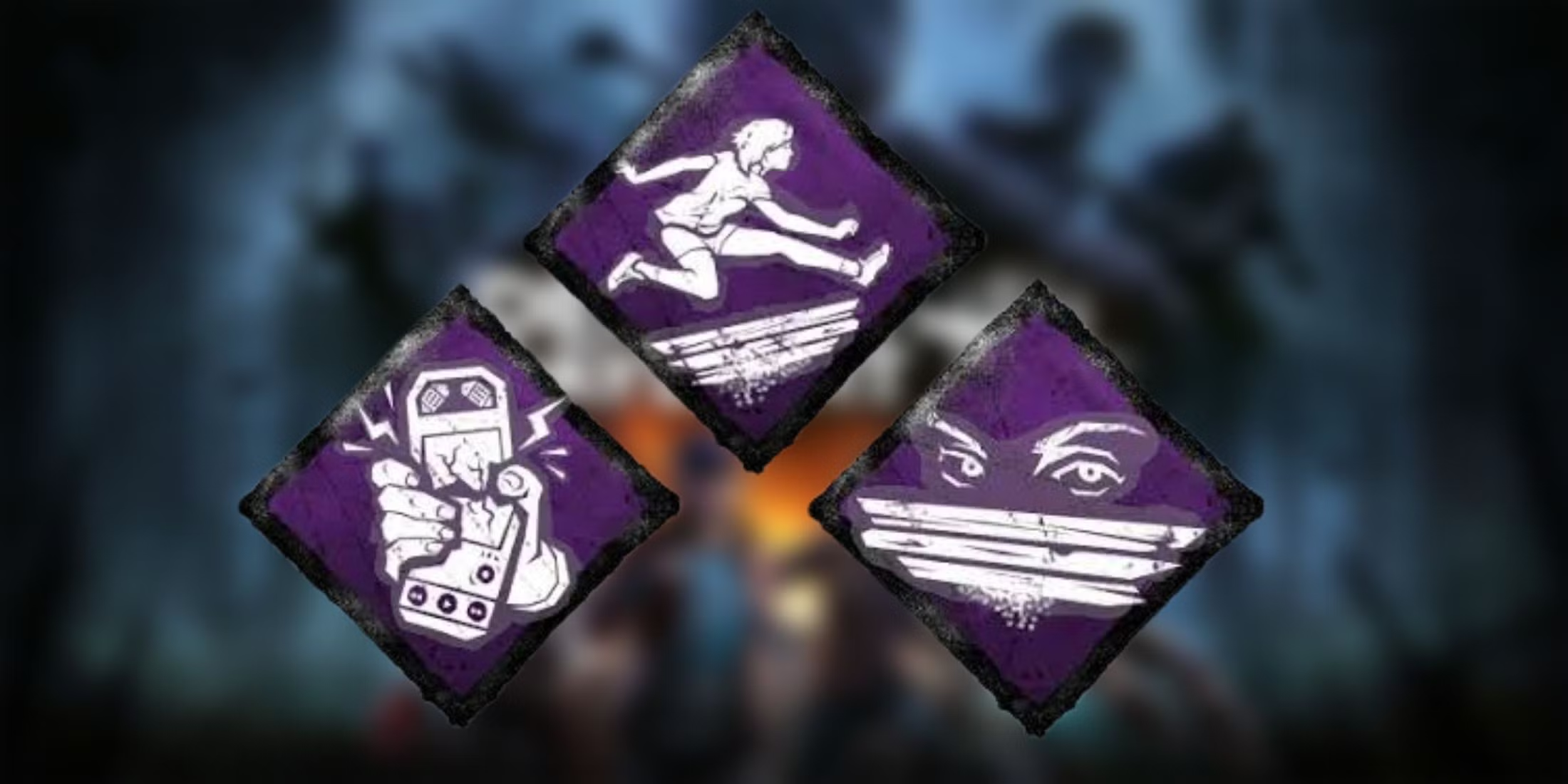
These perks are excellent choices that just miss the meta-defining status of S-tier. They provide consistent value and work well in most situations.
Resilience
The 9% speed bonus to everything while injured is more impactful than it sounds. Vaulting faster, repairing generators quicker, and healing teammates more efficiently add up throughout a match. Since staying injured is often optimal anyway, Resilience provides constant value.
I particularly love how Resilience synergizes with other perks. Combined with Spine Chill (when it works), the vault speed becomes ridiculous. Paired with Prove Thyself, generator repairs fly by.
Iron Will
Staying quiet while injured saves more chases than people realize. Without grunts of pain, killers lose your exact location during mind games and lose you entirely in tall grass or corn. Iron Will turns every injured survivor into a stealth specialist.
The perk lost some strength when Stridor got buffed, but most killers don't run it consistently. Iron Will still provides significant value against the majority of the killer roster.
Prove Thyself
Generator efficiency remains crucial in 2026's meta. The 15% speed bonus per nearby survivor stacks incredibly well, turning two-person generators into rapid completion machines. Smart teams coordinate their Prove Thyself usage for maximum impact.
What elevates this perk is its team contribution aspect. Even if you're not the best looper, you can contribute meaningfully by enabling faster generator repairs. It's particularly strong against killers who struggle with map pressure.
Borrowed Time
Hook trading is fundamental to survivor success, and Borrowed Time ensures your saves don't immediately result in downs. The extended endurance and haste effects give unhooked survivors real escape potential instead of false hope.
The automatic activation removes the skill requirement that Dead Hard had, making it reliable for players of all levels. Even if the timing isn't perfect, Borrowed Time provides its benefits consistently.
Off The Record
This anti-tunnel powerhouse gives you 80 seconds of endurance, aura hiding, and silence after unhooks. It's like having multiple perks rolled into one, providing comprehensive protection against tunneling strategies.
Off the Record pairs beautifully with Decisive Strike, creating a layered defense that makes tunneling extremely costly for killers. The long duration means you can contribute meaningfully to the team before losing your protection.
We'll Make It
The 100% healing speed increase for 90 seconds after unhooks transforms you into a medic. Fast heals keep teammates healthy and ready for chases, improving overall team efficiency significantly.
I love how We'll Make It encourages active gameplay rather than passive hiding. You want to make saves to activate the perk, which leads to more dynamic and engaging matches.
Bond
Seeing teammate auras within 36 meters provides incredible coordination benefits. You know who needs healing, who's being chased, and where everyone is positioned. It's like having permanent communication with your team.
Bond works particularly well with healing perks, letting you find injured teammates quickly. It also helps avoid bringing killers to teammates who are working on generators.
Spine Chill
When it works properly, Spine Chill provides early warning against approaching killers. The 6% speed bonus to actions when activated adds efficiency to everything you do. Unfortunately, the perk has reliability issues that keep it from higher tiers.
Despite the bugs, experienced players still get value from Spine Chill's information. Knowing when killers are looking in your direction helps with stealth gameplay and positioning.
B-Tier: Solid Situational Options
These perks have their place but require specific conditions or team coordination to reach their potential.
Dead Hard
The mighty have fallen. Dead Hard went from meta king to situational tool after its rework. The 0.5-second endurance requires precise timing and only works when injured, limiting its versatility significantly.
That said, skilled players can still extract value from Dead Hard. The timing is strict, but successfully dodging a hit feels incredibly rewarding. It's just not the autopilot perk it used to be.
Self-Care
Controversial opinion: Self-Care isn't completely terrible in 2026. The 50% healing speed is slow, but the ability to heal without teammates has value in specific situations. Combined with Botany Knowledge, healing speeds become more reasonable.
The main issue with Self-Care is opportunity cost. Those 32 seconds healing could be spent on generators instead. It's a crutch perk that becomes less valuable as your game knowledge improves.
Urban Evasion
Moving faster while crouching sounds useful, but Urban Evasion promotes passive gameplay that hurts team efficiency. New players love it for stealth, but it encourages hiding instead of productive actions.
There are niche uses for Urban Evasion, particularly on indoor maps or against stealth killers. However, most situations where you'd use Urban Evasion would be better served by simply walking normally and being more aware.
Calm Spirit
Completely hard-counters Doctor and prevents crow notifications, but that's about it. Calm Spirit has value against specific killers but does nothing in most matches. The slower speed when cleansing and blessing totems is an annoying downside.
Against Doctor, Calm Spirit is amazing. Against everyone else, it's a wasted perk slot. That inconsistency keeps it firmly in B-tier.
Lightweight
Scratch marks disappear faster, making tracking more difficult for killers. Lightweight has subtle value that's hard to quantify but definitely exists. Breaking line of sight becomes more meaningful when your tracks vanish quickly.
The issue with Lightweight is that good killers rely on more than just scratch marks for tracking. Audio cues, blood pools, and game sense matter more than slightly faster scratch mark decay.
Deja Vu
Seeing the three closest generators and getting a 6% repair bonus on them helps break up generator clusters. It's particularly valuable on maps like The Game or Lery's where finding generators can be challenging.
Deja Vu works well for newer players learning map layouts and experienced players optimizing generator distribution. It's not flashy, but it provides consistent value throughout the match.
Related: Zenless Zone Zero Tier List
C-Tier: Underwhelming But Functional
These perks work but are outclassed by better alternatives. You can run them without throwing the game, but you're probably not optimizing your build.
Hope
The 7% speed bonus during endgame can clutch escapes, but it's completely useless until gates are powered. Many matches end before you get value from Hope, making it inconsistent.
When Hope works, it really works. The extra speed often means the difference between escaping and dying. But banking on reaching endgame isn't always realistic.
Lithe
A decent exhaustion perk that activates after fast vaults. Lithe can extend chases by letting you quickly distance after vaulting windows. However, it requires specific positioning to use effectively.
The main limitation is needing a window to activate. Unlike Sprint Burst, which works anywhere, Lithe demands proper setup. It's not bad, just less versatile than other exhaustion options.
Quick & Quiet
Eliminates noise notifications from fast actions, which can create confusion during chases. Quick & Quiet works well with window vaults and locker plays, but the value is situational.
Stealth builds appreciate Quick & Quiet, but most survivors benefit more from perks that provide consistent value. It's a fun perk that occasionally clutches, but not reliable enough for higher tiers.
Distortion
Hides your aura from killers and gives you information about their aura-reading perks. Distortion is fantastic against aura-heavy killers but useless against those who don't run detection perks.
The token system limits how often you can hide your aura, and the perk provides no value once tokens are exhausted. It's very matchup dependent.
Technician
Prevents generator explosionnotifications and reduces regression when you miss skill checks. Technician helps newer players learn generator repairs without alerting killers to their mistakes.
Experienced players rarely miss skill checks, making Technician's value diminish with skill improvement. It's a training wheels perk that becomes obsolete as you improve.
D-Tier: Avoid In Competitive Play
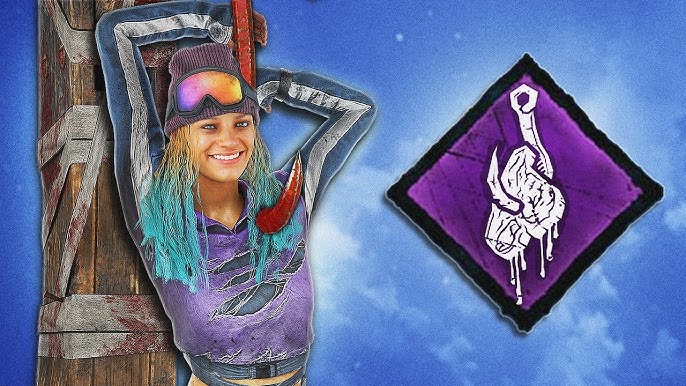
These perks are fundamentally flawed or severely underpowered. You can meme with them occasionally, but they actively hurt your chances of winning.
Slippery Meat
Increases self-unhook chances and reduces bear trap escape time. The unhook bonus is still terrible odds, and bear traps are rare enough that the secondary effect hardly matters.
Even with the buffs, Slippery Meat remains a meme perk. The 4% base chance becoming 6% or 9% is still statistically insignificant over multiple matches.
No Mither
Starts you injured but lets you recover from dying state infinitely. No Mither is designed to be challenging, but it's more handicap than interesting gameplay modification.
Being permanently injured means one-shot downs from any killer. The infinite recovery rarely matters because killers will just hook you instead of leaving you on the ground.
Left Behind
Provides aura reading for the hatch when you're the last survivor alive. Left Behind activates in the worst possible scenario and provides minimal help even then.
By the time Left Behind activates, the match is essentially over. You're better off running perks that prevent reaching that situation in the first place.
Pharmacy
Guarantees a green medkit from your first chest search and makes searching 40% faster. Pharmacy sounds useful but provides inconsistent value depending on chest spawns and teammate actions.
The perk becomes useless if teammates search chests first or if you bring your items. The value is too situational and easily negated by factors outside your control.
Also Read: Blox Fruits Tier List
Best Perk Combinations For Every Playstyle
10 Survivor Perks You NEED In Dead by Daylight!
Top Survivor Build For Solo Queue Players
- Kindred
- Off the Record
- Windows of Opportunity
- Resilience
In solo queue, communication is limited or nonexistent, so your perks need to provide map awareness, anti-tunnel protection, and self-reliance. Kindred is crucial it reveals teammates and the killer when you're on the hook, helping your team coordinate unhooks.
Off the Record gives you endurance and makes your aura invisible after being rescued, keeping you alive longer when tunneling is common. Windows of Opportunity lets you see all nearby pallets and vaults, making chase decisions faster and smarter. Finally, Resilience boosts all actions by 9% when injured a quiet but powerful bonus that stacks beautifully with the rest.
Best Survivor Perk Combo For SWF (Survive With Friends)
- Prove Thyself
- We'll Make It
- Borrowed Time
- Sprint Burst
When you’re in a coordinated group, you can lean into team-based efficiency and clutch support. Prove Thyself speeds up gen repair when working with allies and rewards you with bonus bloodpoints. We'll Make It turns you into a healing machine after unhooking a teammate, perfect for quick recovery.
Borrowed Time extends the endurance effect on unhooked players, giving your squad a safety net during risky rescues. Sprint Burst rounds it out by offering instant distance at the start of chases or tight escapes.
Strongest Survivor Build For Gen Rushing
- Prove Thyself
- Resilience
- Fast Track
- Déjà Vu
If your goal is to crush generators and end the match fast, this build is all about generator efficiency and pressure. Prove Thyself speeds up repair time with teammates. Resilience adds a flat 9% boost when you're injured, great for risky plays or anti-slugging strategies.
Fast Track gives you bonus progress when teammates are hooked, turning pressure into progress. Déjà Vu reveals the three closest generators at the start and after each completed gen, letting you avoid bad 3-gen situations and plan better routes.
Top Stealth Build For Survivors Who Prefer Hiding
- Urban Evasion
- Iron Will
- Lightweight
- Lucky Break
Stealth survivors rely on staying off the radar, avoiding chases altogether, and completing objectives unnoticed. Urban Evasion lets you crouch-walk quickly around the map without revealing yourself.
Iron Will reduces your grunts of pain while injured, especially useful against killers who rely on sound to track. Lightweight makes your scratch marks fade faster, and Lucky Break hides both your scratch marks and blood trail after taking a hit, giving you a solid escape window.
Best Survivor Build For Chases And Looping
- Dead Hard or Sprint Burst
- Windows of Opportunity
- Resilience
- Made for This
If you love high-risk, high-reward gameplay or find yourself in chases often, this is the ultimate survivor chase build. Dead Hard lets you dash through a hit if timed correctly, while Sprint Burst gives you immediate distance when the chase starts, pick based on your comfort level.
Windows of Opportunity is non-negotiable for loopers; it shows all pallets and vaults, helping you plan routes and avoid dead zones. Resilience buffs vault speed and gen repair while injured.
People Also Ask
What's The Single Best Survivor Perk In Dead By Daylight?
If I had to pick one perk to run in every build, it would be Sprint Burst. The positioning power and chase extension it provides work against every killer on every map. It's the most universally useful perk in the game.
Are Meta Perks Behind Paywalls?
Some strong perks are from paid characters, but many top-tier ones (like Windows or Resilience) are base kit. You can get shrine perks too.
What's The Biggest Mistake Survivors Make With Perk Selection?
Copying builds without understanding why the perks work together. I see players run Dead Hard because streamers use it, then wonder why they can't get value. Choose perks that match your skill level and playstyle, not what looks cool.
Are There Any Perks That Seem Bad But Are Good?
Plot Twist has been surprisingly strong in my experience. The ability to instantly enter the dying state can counter slugging, avoid hits, and create unique plays. It requires game knowledge to use effectively, but can be very powerful.
What Perks Work Best For Solo Queue?
Information perks are crucial for solo queue. Kindred, Bond, and Windows of Opportunity help coordinate with teammates who can't communicate. These perks partially compensate for the lack of voice chat.
Final Thoughts
After spending countless hours surviving in the fog, I’ve realized there’s no such thing as a one-size-fits-all survivor perk build in Dead by Daylight. Your ideal loadout depends on your personal skill level, playstyle, and current goals. A tier list offers a solid foundation, but it’s up to you to tailor your perks through trial and error.
Start by experimenting with strong combinations from the S and A tiers, and adjust your builds based on your weaknesses, whether it's handling chases, avoiding tunneling, or supporting your team.
Check Out: Best Multiplayer Games For PC
Jump to
Latest Articles
Popular Articles