How To Organize Puzzle Pieces Effectively For Faster Solving
Conquer any jigsaw! Learn expert methods to organize puzzle pieces by color and shape. Discover sorting techniques that make puzzle assembly faster and more enjoyable.
Jul 03, 202516.8K Shares496.4K Views
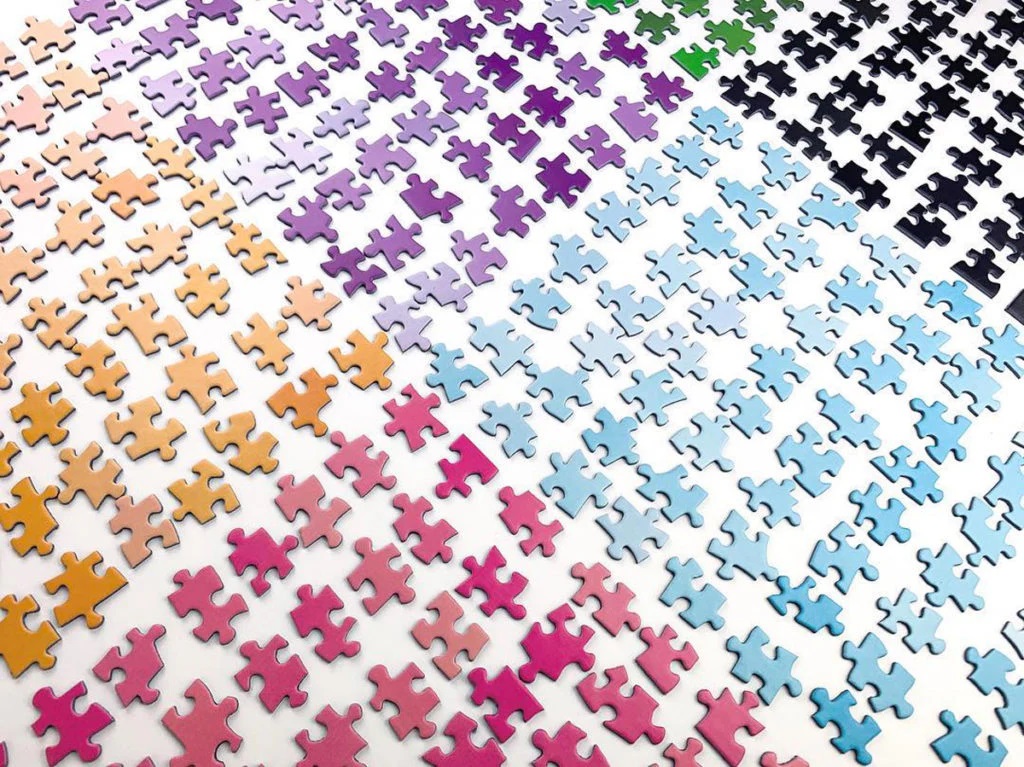
Organizing puzzle piecesis a crucial step that can significantly improve your puzzle-solving experience. When you take the time to sort and arrange the pieces before starting, it can make the entire process smoother and more enjoyable. Effective organization helps you quickly find the pieces you need, which can save you a lot of time.
Additionally, when the pieces are organized, it reduces the frustration that often comes with searching through a jumbled pile. You can focus more on the fun of putting the puzzle together rather than getting stuck looking for specific pieces.
This approach not only enhances your efficiency but also allows you to enjoy the activity without unnecessary stress. By investing a little time in organizing your puzzle pieces, you can make your puzzle-solving sessions more rewarding and less overwhelming.
Why Effective Puzzle Piece Organization Matters
A well-organized puzzling setup isn't just for the meticulously tidy; it's a strategic advantage that impacts your puzzling in several key ways:
- Improved Efficiency:When pieces are logically grouped, you spend less time searching and more time connecting, speeding up your progress significantly.
- Reduced Frustration:Hunting for that one elusive piece in a pile of hundreds can quickly turn enjoyment into exasperation. Organization minimizes this "needle in a haystack" scenario.
- More Enjoyable Experience:A clean, ordered workspace allows you to focus on the puzzle's imagery and the satisfying click of interlocking pieces, rather than feeling overwhelmed by clutter.
- Enhanced Creativity:A clear, organized view of the pieces can spark new ways of looking at the puzzle, inspiring you to try different assembly strategies.
- Prevents Loss:Loose pieces are easily misplaced. A dedicated system helps keep every single piece accounted for.
- Prepares for Breaks:If you need to step away from your puzzle, a good organizational system ensures you can easily pick up exactly where you left off, even days later.
Essential Tools For Effective Puzzle Organization
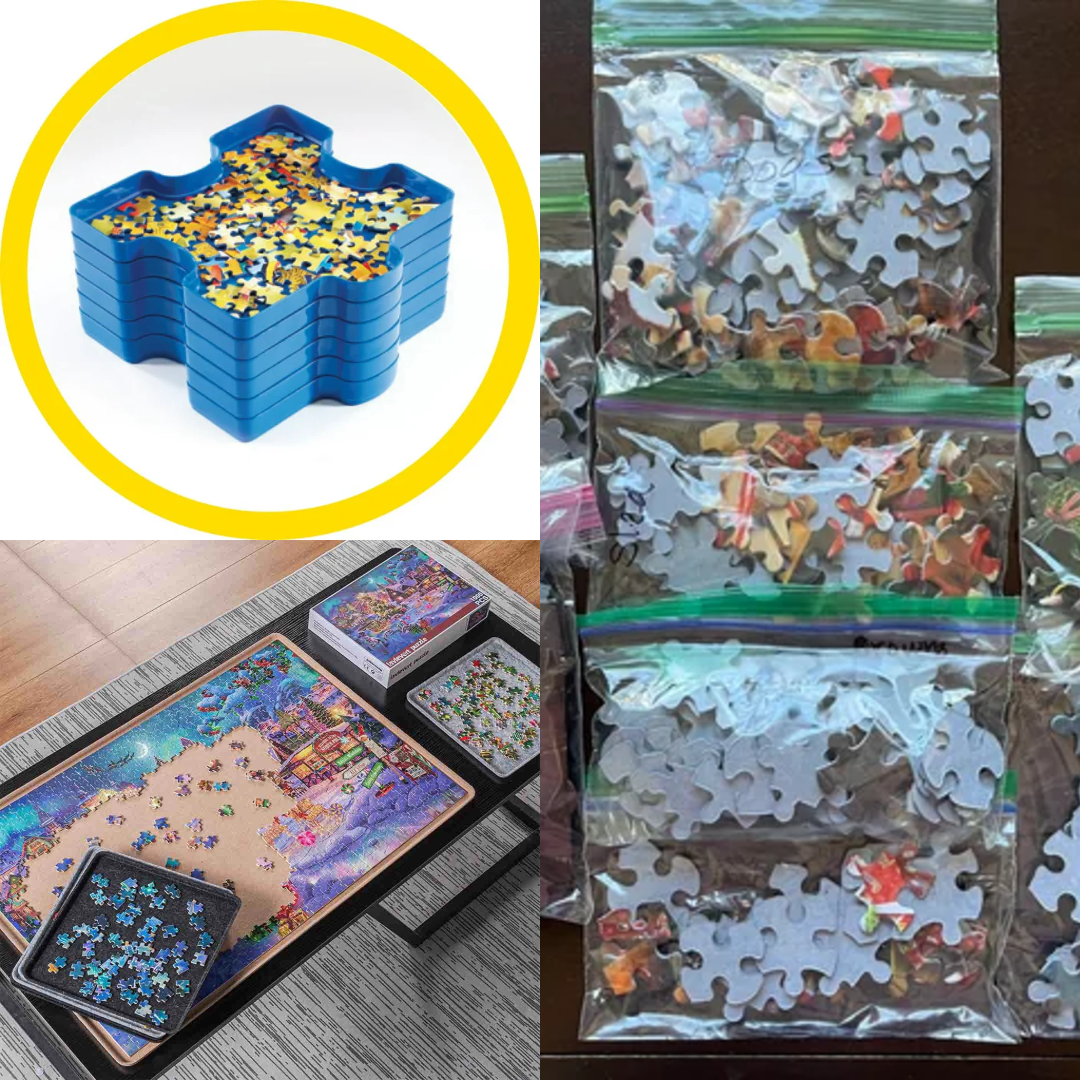
You don't need a high-tech setup to organize puzzle pieces effectively. Often, simple household items work wonders. Here's what you'll find useful:
- Sorting Trays/Bowls:These are invaluable for separating pieces. You can use dedicated puzzle sorting trays, baking sheets, cafeteria trays, or even sturdy disposable plates. Look for something with a lip to prevent pieces from sliding off.
- Puzzle Mat or Board:A roll-up puzzle mator a large, rigid puzzle board (like foam core or a dedicated puzzle plateau) provides a stable surface for assembly and easy storage of in-progress puzzles.
- Ziploc Bags or Small Containers:Excellent for storing sorted pieces, especially if you're working on a long-term project or disassembling a puzzle to reuse. Labeling these is a great practice.
- Good Lighting:While not an "organizational" tool in the traditional sense, proper lighting is crucial for distinguishing subtle color variations and details on the pieces, reducing eye strain.
- Lazy Susan (Optional but Recommended):For larger puzzles, a lazy susan beneath your puzzle board allows you to rotate the puzzle easily without disturbing pieces, giving you comfortable access to all sides.
The Ultimate Guide To Organizing Puzzle Pieces
Effective puzzle organization is a multi-stage process. Here's my tried-and-true method for transforming a jumbled mess into an orderly system.
1. The Initial Dump And Flip
This first step, simple yet crucial, sets the stage for easier sorting and a smoother puzzle experience.
- Empty the Box:Carefully pour all the puzzle pieces onto your designated workspace (puzzle mat or board). Try to spread them out as they come out of the box to avoid clumps.
- Flip All Pieces Right-Side Up:This is non-negotiable. While it might seem tedious, flipping every piece face-up immediately makes all subsequent sorting steps significantly easier. You can quickly spot patterns, colors, and edges.
2. The Edge First: Building The Foundation
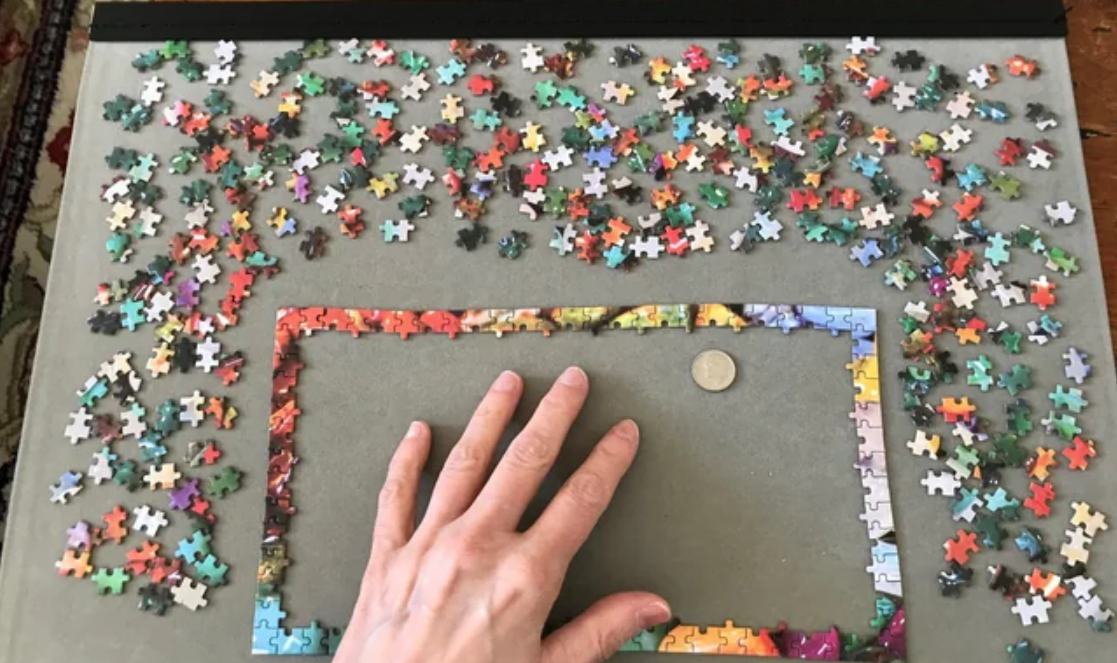
Always, always, always start with the edge pieces. This is a foundational jigsaw puzzle tip for beginners and experienced puzzlers alike. It establishes the puzzle's boundaries and offers a tangible sense of progress early on.
- Isolate the Edges:Systematically pick out every single piece with at least one flat edge. Place these in a separate sorting tray.
- Group by Shape/Notch (Optional, for Large Puzzles):For very large puzzles, you might further group edge pieces by their notch configuration (e.g., all "inny" pieces together, all "outty" pieces together). This helps in establishing the puzzle's boundaries more efficiently.
- Assemble the Border:Begin building the puzzle's frame on your main puzzle surface. This provides a clear boundary and a rewarding sense of accomplishment early in the process.
3. Strategic Sorting: The Heart Of Organization
Once the border is complete or well underway, it's time for a deeper dive into the remaining pieces. This is where personalized strategies come into play for how to organize puzzle pieces effectivelyfor adults.
1. Sorting By Color Or Shade
Grouping pieces based on color or shade is a popular and highly effective method that can revolutionize your puzzle-solving experience. It offers significant visual organization and efficient matching.
- Create Color Piles:Designate separate sorting trays or areas for distinct color groups. Start with broad categories like blues, greens, reds, whites, blacks, multi-colored areas, or pieces with text/logos.
- Nuance as Needed:As your piles grow, you can break down broad colors into shades (e.g., dark blue, light blue) if the puzzle has many variations within a single color family.
- Identify Distinct Colors:Actively scan the puzzle image and pieces for vibrant blue skies, lush green foliage, or other contrasting elements that stand out.
2. Sorting By Pattern Or Design
When faced with a puzzle featuring intricate patterns or specific designs, sorting pieces based on these elements can be a transformative strategy. It allows for enhanced creativity in tackling the puzzle.
- Identify Distinct Patterns and Textures:Look for repetitive designs, unique textures (like wood grain, fabric, fur), or distinct elements (e.g., eyes, windows, specific objects).
- Group by Feature:Put all sky pieces together, all water pieces, all pieces of a specific animal, a building, or a character. This is particularly helpful for puzzles with large areas of similar color but distinct imagery. This method aids in unveiling hidden connections.
3. How To Sort Puzzle Pieces By Shape (Advanced)
The shape of the pieces plays a crucial role in the assembly process. Sorting puzzle pieces by shape is a powerful technique, sometimes considered a "jigsaw puzzle cheat" for its effectiveness on certain puzzles, leading to faster assembly.
- Identify Distinctive Shapes:Most standard jigsaw puzzleshave a limited number of piece shapes (e.g., two "in" and two "out" tabs, one "in" and three "out" tabs). Look for pieces with rounded edges, tabs, knobs, or other unique characteristics.
- Group by Configuration:If struggling, you can sort pieces by their tab and blank configurations (e.g., separating pieces with two "ins" and two "outs" from those with one "in" and three "outs"). While time-consuming, this can be a lifesaver for monochromatic sections.
- Combine Shapes and Connector Types:Pieces with similar shapes andcompatible connectors are more likely to fit together seamlessly. By combining shape and connector sorting, you optimize your search for ideal matches.
4. Sorting By Text Or Labels
Many puzzles feature titles, artist signatures, or brand logos within the image.
- Isolate Text Pieces:Any piece with lettering or a distinct logo should be immediately separated. These are often easy to identify and can form a mini-puzzle of their own within the larger one.
5. Sort A Puzzle By Size Or Piece Count
When dealing with puzzles containing pieces of varying sizes, sorting them based on dimensions can be a game-changer, especially for how to organize a 1000 piece puzzle or larger, or for puzzles with unusual cuts.
- Identify Different Sizes:Begin by observing the puzzle pieces and categorizing them based on their dimensions. Look for significant differences in size, including large, medium, and small pieces.
- Group Puzzle Pieces by Size:Create separate piles or sections for each size category. This ensures you can quickly locate specific sizes when needed, reducing search time.
- Bonus Pieces and Mini Puzzles:For puzzles that include bonus pieces or mini puzzles within the main image, size sorting becomes even more essential.
Creating A Puzzle Assembly Area
Setting up a dedicated space for puzzle assembly can greatly enhance your experience and make the process more enjoyable. Here are some important tips to consider when creating your puzzle area:
1. Ensure Enough Room
Having enough space is crucial for assembling puzzles. A larger area allows you to spread out all the pieces without feeling cramped. Consider the following:
- Flat surface: Choose a table or a large board where you can lay out the puzzle and pieces comfortably. This surface should be stable and free from clutter.
- Extra space: Make sure there is room around your assembly area for additional containers or trays to hold sorted pieces. This will help keep everything organized and within reach.
2. Provide Good Lighting
Good lighting is essential for puzzle assembly, as it helps you see the colors and shapes of the pieces clearly. Here are some tips for lighting:
- Natural light: If possible, set up your puzzle area near a window to take advantage of natural light during the day. This can reduce eye strain and make it easier to distinguish similar colors.
- Task lighting: Use a bright lamp or adjustable lighting for evening or low-light conditions. A focused light source can help illuminate the puzzle without causing glare.
3. Create A Comfortable Environment
A comfortable environment can make a big difference in how much you enjoy working on your puzzle. Consider these factors:
- Seating: Choose a comfortable chair that supports your back. If you plan to spend long periods assembling, a chair with good support will help prevent discomfort.
- Temperature: Make sure the room is at a comfortable temperature. If it's too hot or too cold, it can be distracting and make it harder to concentrate on the puzzle.
- Minimize distractions: Try to set up your puzzle area in a quiet space where you can focus. Reducing noise and interruptions will help you stay engaged with the puzzle.
Maintaining Organization Throughout The Puzzle Process
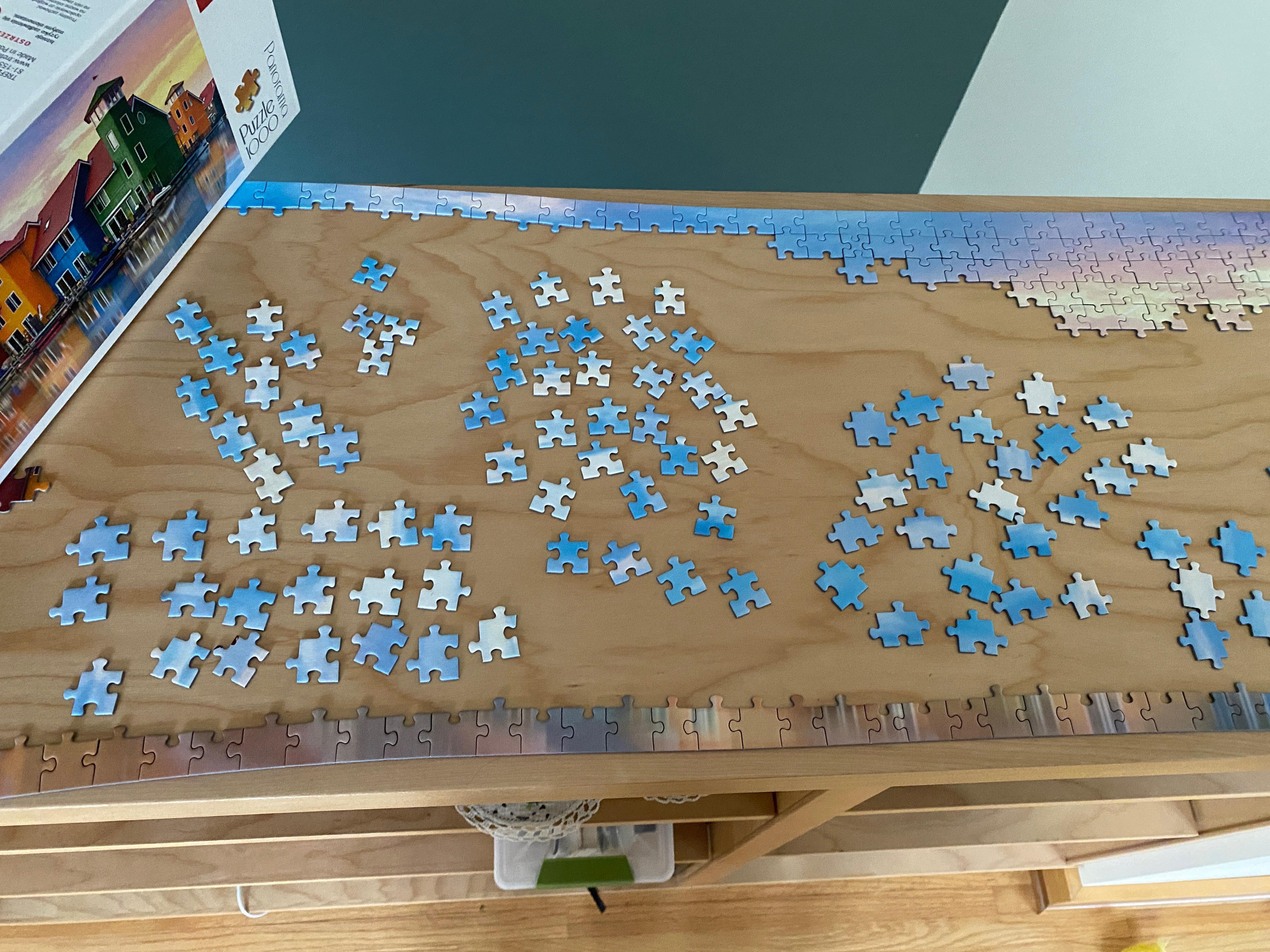
Keeping puzzle pieces organized while you work on the puzzle is essential for a smooth and enjoyable experience. Here are some effective strategies to help you maintain organization during the puzzle assembly:
1. Use Designated Areas For Pieces
- Create specific zones: Set up areas for different types of pieces, such as edge pieces, corner pieces, and middle pieces. This will help you quickly find what you need without searching through a mixed pile.
- Label containers: If you are using containers or trays, label them according to the groups you’ve created. This makes it easy to remember where each type of piece belongs.
2. Return Pieces After Use
- Make it a habit: After using a piece, make it a point to return it to its designated area. This simple practice prevents pieces from getting scattered and keeps your workspace tidy.
- Take breaks to organize: If you find that your workspace is getting cluttered, take a short break to reorganize. Spend a few minutes sorting any misplaced pieces back into their correct areas.
3. Sort As You Go
- Continuous sorting: As you assemble the puzzle, keep sorting pieces that you no longer need. If you finish a section and have leftover pieces, place them back in their respective groups immediately.
- Stay aware of colors and shapes: While working, always be mindful of the colors and shapes you are using. If you come across a piece that doesn’t fit where you are currently working, return it to the appropriate area right away.
4. Limit Distractions
- Keep the area clear: Try to keep your puzzle area free from unnecessary items. A clean workspace makes it easier to see and access your organized pieces.
- Focus on one section at a time: Concentrating on one part of the puzzle can help you stay organized. Once you finish that section, you can move on to the next without getting overwhelmed by all the pieces.
Advanced Strategies For Puzzle Organization
For the seasoned puzzler or those tackling particularly challenging projects, consider these advanced techniques to really supercharge your puzzle-solving skills.
The "Layering" Method For Large Puzzles
When faced with a 2,000+ piece puzzle, simply spreading everything out isn't feasible. This is key for how to organize a 1000 piece puzzle and beyond.
- Initial Broad Sort:Do a preliminary sort into 4-6 very large, broad categories (e.g., "dark colors," "light colors," "background," "foreground objects").
- Box Storage:Use the original puzzle box (if sturdy) or other large, shallow boxes to hold these broad categories.
- Sequential Sorting:As you work on one category (e.g., all the blue sky pieces), you can then take that pile and do a more granular sort (light blue, dark blue, pieces with clouds, etc.) on your active workspace.
Choosing The Right Storage Solutions For Unassembled Pieces
When it comes to storing puzzle pieces that are sorted but not yet assembled, selecting the right solution is essential for keeping your puzzles organized and accessible.
- Containers (e.g., clear plastic bins with dividers):These are durable, often stackable, and clear versions offer visibility. They are best for larger puzzles or those needing secure storage.
- Bags (e.g., Ziploc bags, labeled by section):Highly portable, flexible, and cost-effective. Ideal for smaller puzzles or taking puzzles on the go, though they offer less rigid protection.
- Dedicated Puzzle Storage Trays/Cases (e.g., roll-up mats, stackable trays with lids):Designed specifically for puzzlers, these offer multiple compartments and secure storage for in-progress or sorted pieces. The Puzzle Warehouse recommends airtight containers for preventing lost pieces.
Digital Reference Image
Before you even start sorting, take a clear photo of the puzzle box lid (the full image). If your workspace is limited, you can refer to this digital image on a tablet or phone instead of constantly picking up the box. Many puzzlers even zoom in on specific areas to better identify tiny details on individual pieces.
Combine Sorting Methods For Optimal Sorting
Don't hesitate to experiment with combining different sorting methods based on the puzzle's characteristics. For instance, you can start by sorting the edge pieces and then further sort them by color or pattern. Adapting your approach based on the puzzle's complexity and your personal preferences creates a more dynamic and customized sorting process.
FAQs
What Is The Best Way To Organize Puzzle Pieces?
The best way to organize puzzle pieces typically involves a multi-stage approach: first, flip all pieces right-side up, then separate all edge pieces to build the border. After that, sort the remaining internal pieces by distinct colors, patterns, and prominent objects or text. For more complex puzzles, you can also sort by piece shape or size.
How Do I Organize A 1000-piece Puzzle?
Organizing a 1000-piece puzzle effectively starts with flipping every piece face-up. Then, separate all the edge pieces and assemble the border. For the internal pieces, use multiple sorting trays to group them by distinct colors, patterns, and unique features.
For very dense areas of similar color, consider a secondary sort by piece shape. The American Jigsaw Puzzle Society recommends using small bowls or egg cartons to keep colors separated while working.
What Is The Most Efficient Way To Solve A Puzzle?
The most efficient way to solve a puzzle involves robust organization. Start by completing the border. Then, work on easily identifiable sections based on color, pattern, or distinctive imagery. Gradually connect these smaller assembled sections to the border and to each other. Maintaining a tidy workspace and consistently sorting as you go are key to efficiency.
Is It Better To Sort Pieces By Shape Or Color?
Start with color, then sort by shape. The Puzzle Makers Association found this method works best: colors help group sections first, while shapes help fit pieces together. For solid-color puzzles or those with very subtle color differences, sorting by piece shape first may be more effective.
Is There A Trick To Putting Puzzles Together?
While there's no single "trick," effective organization is the closest thing. The primary "trick" is to break down the overwhelming number of pieces into smaller, more manageable groups through systematic sorting. This reduces visual clutter and allows your brain to focus on finding matches within limited subsets, making the process feel less like a hunt and more like a satisfying assembly.
Final Thoughts
Organizing puzzle pieces effectively isn't just a suggestion; it's a fundamental shift in how you approach puzzling. It transforms a potentially overwhelming task into a series of manageable steps, allowing you to truly immerse yourself in the joy of discovery and assembly.
By investing a little time upfront in sorting and maintaining order, you'll find your puzzling sessions are more relaxing, more productive, and ultimately, far more rewarding.
So, the next time you open a new puzzle box, resist the urge to just dive in. Take a moment to breathe, prepare your workspace, and embrace the power of organization.
Your future self (and your completed puzzle) will thank you for it! If you found these jigsaw puzzle tips helpful, please share this article with your fellow puzzlers!
Continue Reading: Master Tips For Solving Difficult Crossword Puzzles
Latest Articles
Popular Articles