Sudoku Solving Techniques: Quick Wins For Every Level
Learn Sudoku solving techniques that speed up your game. Quick wins and smart strategies for every level, from beginner to expert.
Jun 20, 202513.2K Shares221.4K Views
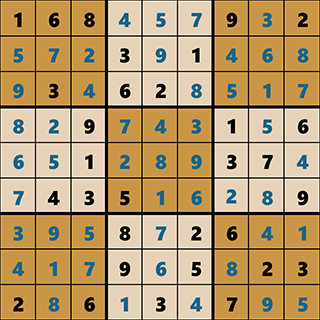
Sudokuis a logic-based puzzle that challenges your brain and sharpens your problem-solving skills. It has an uncanny way of pulling you in, one empty cell leads to another, and before you know it, you’re hooked. For many, the joy comes not just from filling in numbers, but from the mental workout and the sense of accomplishment that follows.
There’s a reason Sudoku has become a global phenomenon, appearing everywhere from newspapers to mobile apps: it’s a pure test of logic, patience, and pattern recognition. Solving Sudoku isn’t just about numbers, it’s about training your brain to see connections, spot patterns, and think several steps ahead.
This guide takes you far beyond the basics, offering fresh strategies, expert insights, and unique approaches that will help you crack any puzzle, from the simplest to the most diabolical. If you’re ready to elevate your skills and truly understand the art and science of Sudoku, you’re in the right place.
What Is Sudoku And Why Is It So Addictive?
Sudoku is a logic-based number puzzle played on a 9x9 grid, which is further divided into nine smaller 3x3 subgrids or boxes. The main objective is to fill every cell of the grid so that each row, each column, and each 3x3 box contains all the numbers from 1 to 9 exactly once. While the puzzle uses numbers, it doesn’t involve any mathematics, only pure logic.
What makes Sudoku so addictive is the unique combination of challenge and clarity. There’s always one correct solution, and no guessing is necessary in well-designed puzzles. The satisfaction comes from slowly unraveling the logic, placing numbers with certainty, and watching the grid come to life. Each puzzle is a mini mental workout that keeps your brain active and engaged, which is why so many people incorporate Sudoku into their daily routines.
Related Reading - Master Simple Logic Puzzles With Solutions To Boost Your Brain Power
Understanding The Basics Of Sudoku
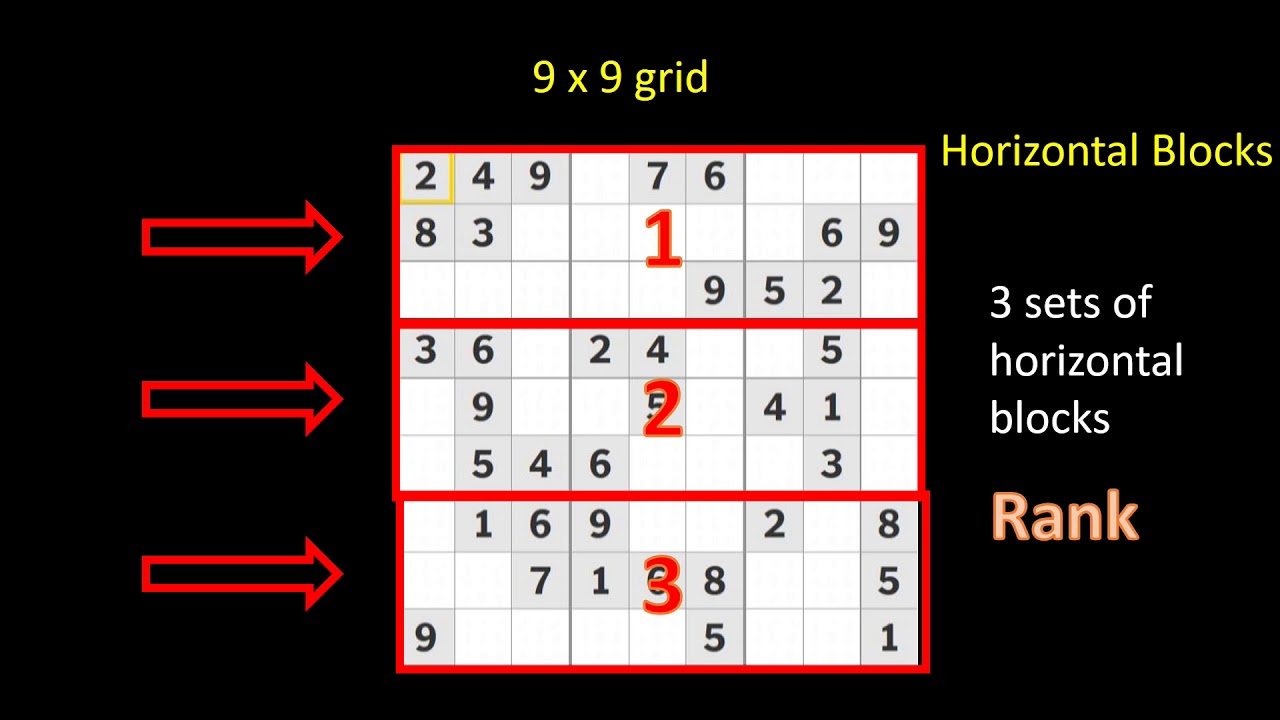
How to Play Sudoku for Absolute Beginners
Before attempting to solve any Sudoku puzzle, it's important to clearly understand how it works. The standard Sudoku grid consists of 81 cells arranged in 9 rows and 9 columns. These are further divided into nine 3x3 subgrids.
Each puzzle starts with some numbers already filled in, these are called "givens." Your goal is to fill in the remaining cells so that every row, column, and box includes each number from 1 to 9 without any repetition.
A crucial point to remember is that Sudoku is not a guessing game. It’s a logical exercise. Each number you place should be supported by deductive reasoning, not assumption. To make the process easier, many players use “pencil marks” to note possible candidates in each cell. This helps keep track of options as you eliminate possibilities throughout the puzzle.
Simple Strategies For Solving Sudoku Puzzles
1. Start With Obvious Numbers
Begin by scanning the grid for empty cells where only one number fits. Look at the row, column, and 3x3 box around each empty cell. If just one number is missing or only one fits based on what's already placed, fill it in.
This is often called finding a “Naked Single.” For example, if only one number is missing from a row or if all other options are ruled out, that number must go there. These easy wins give you a quick start.
2. Use Pencil Marks To Track Possibilities
If you're unsure about a number, write down the possible options in small print inside the cell. This is called “candidate listing” or the pencil mark method. As you fill in more numbers, you can remove impossible candidates.
To stay organized, list numbers from 1 to 9. For example, if a cell could be 2, 5, or 8, write “258.” Over time, some cells will be left with only one number, then you’ll know what to place.
3. Spot Patterns Like Naked And Hidden Pairs
Sometimes two cells in the same row, column, or box share the same two possible numbers, like 3 and 6. This is a “Naked Pair.” That means no other cell in that group can have 3 or 6, so you can cross them off other candidates.
There are also “Hidden Pairs” or “Triples,” where two or three numbers can only go in two or three cells, even if other numbers are listed. These patterns help you clean up pencil marks and uncover the right number to place next.
4. Find Hidden Singles In Rows, Columns, Or Boxes
A “Hidden Single” is when a number only fits in one place within a row, column, or box, even if that cell has multiple candidates. For example, if only one cell in a row can have a 5, then it must go there, even if the cell also shows 2 and 8 as options.
Look carefully at each number from 1 to 9 across rows, columns, and boxes. These hidden placements help move the puzzle along more quickly.
5. Use Crosshatching And Scanning For Early Clues
Crosshatching means focusing on one number at a time say, 4 and checking all rows and columns to see where it might go within each 3x3 box. If 4 is already in two rows of a box, it must go in the third.
Before filling anything in, scan the whole puzzle. Look for frequent numbers and see how they limit where numbers can go in other parts of the grid. This early scanning step sets up easy placements and prepares you for more complex strategies.
6. Use Locked Candidates To Clear The Grid
If a number can only be placed in one row or column within a 3x3 box, it can’t go anywhere else in that row or column outside of the box. These are called “Locked Candidates.”
For example, if 6 is only allowed in the top row of a box, remove 6 from the rest of the top row outside that box. It’s a smart way to clear space and find new answers.
7. Try Advanced Patterns - X-Wing And Swordfish
X-Wing happens when a number appears as a candidate in two rows and the same two columns, forming a rectangle. This lets you remove that number from all other cells in those columns.
Swordfish is a more advanced version with three rows and three columns. It’s harder to spot but very helpful for expert puzzles. These patterns take practice, but they unlock big steps forward in tough grids.
8. Use Forcing Chains And Backtracking Only When Needed
If you're stuck, try a Forcing Chain, choose a cell with two options and follow the logic to see what happens. If one option leads to a mistake, the other must be right.
Backtracking is a last-resort method. Pick a cell with the fewest options and try one. If it leads to a contradiction later, undo it and try the next. While it feels like guessing, it still follows logic, but should only be used when no other method works.
Continue Reading - How To Solve Complex Puzzles - Top Tips & Strategies
Unique Tools And Techniques To Boost Your Skills

Online tools make Sudoku easier and more fun. Apps like Sudoku.com offer thousands of puzzles, auto-notes, and hints that explain the next step. Browser-based solvers, like AnySudokuSolver.com, can check your puzzle or solve it step-by-step.
Try a creative practice trick: solve a puzzle backward. Start with a completed grid (from an app’s solution) and remove numbers one by one, then solve it again. This helps you see how clues connect. Keep a puzzle journal to track which strategies you use most and where you improve
Common Mistakes Beginners Make
1. Guessing Too Soon
It can be tempting to guess a number when you're stuck, but guessing often leads to mistakes that are hard to fix. Instead of taking chances, rely on logic. Sudoku is designed to be solved without guessing, so be patient and methodical.
2. Changing The Given Numbers
The original numbers provided in the puzzle should never be altered. These are the fixed clues that guide your solving process. Accidentally overwriting them disrupts the structure of the puzzle and can make it nearly impossible to solve correctly.
3. Ignoring Pencil Marks
Many beginners either forget to use pencil marks or fail to update them as they progress. Outdated candidates can lead to incorrect placements and missed logical deductions. Make it a habit to regularly check and revise your pencil marks for accuracy.
4. Missing Hidden Singles
Hidden singles are numbers that can only go in one place within a row, column, or box, even if it’s not obvious at first glance. Beginners often miss these subtle clues. Regular scanning for hidden singles helps maintain accuracy and moves the puzzle forward efficiently.
Seven Essential Mindsets For Sudoku Success
1. Patience Pays Off
Sudoku is not a race, it’s a game of careful reasoning and attention. Rushing to fill in numbers without fully analyzing possibilities often results in irreversible mistakes. A single incorrect placement can throw off the logic of the entire board, forcing you to backtrack or even restart.
Developing patiencemeans taking time to scan the entire grid, considering all logical options, and working methodically through each region. Skilled solvers understand that a calm, deliberate pace consistently leads to better outcomes, especially on more challenging puzzles.
2. Pay Close Attention To Detail
Sudoku demands a sharp eye. Overlooking a single candidate or misreading a digit can lead to confusion and incorrect conclusions. The game’s structure depends on accuracy; every number placed must harmonize with all other digits in its row, column, and box.
By double-checking each entry and consistently reviewing your logic, you significantly reduce the chances of errors. Many expert solvers adopt a habit of scanning their work frequently, not just for opportunities but to verify their progress is still on track.
3. Recognize Patterns
As your experience grows, you’ll begin to notice recurring number formations, like naked pairs, pointing pairs, or X-Wings. These visual patterns offer powerful clues that reveal which numbers can or cannot go in specific locations. Pattern recognition shortens the solving process and deepens your strategic toolbox.
The more familiar you become with common configurations, the quicker you can spot opportunities others might miss. Learning these techniques and integrating them into your routine will elevate your gameplay from basic to advanced levels.
4. Stay Persistent
It’s normal to get stuck in Sudoku, some puzzles are designed to challenge even the most experienced players. But giving up too soon often means missing a breakthrough that’s just a few steps away. When progress halts, take a break, clear your mind, and come back with fresh eyes.
Often, you'll see possibilities that weren’t apparent before. Persistence involves not just solving the puzzle, but enjoying the process of discovery. Each step forward reinforces your logical thinking and builds confidence for future challenges.
5. Rely On Logic, Not Guesswork
At its core, Sudoku is a game of pure logic. Every correct placement can be justified with deductive reasoning. Guessing, especially in early or mid-stages of a puzzle, introduces uncertainty and can sabotage the entire solution Instead of relying on intuition or chance, focus on elimination, scanning, and candidate analysis.
Let logic guide your decisions. If a move doesn’t feel fully justified, hold off and look for another route. Experienced solvers know that if a puzzle requires guessing, it’s either extremely difficult or a mistake has already been made.
6. Be Flexible With Your Strategy
No single method works for every puzzle. Easy puzzles may be solvable through scanning alone, while harder ones demand candidate marking, crosshatching, and advanced techniques like box-line reduction or swordfish. Adaptability is key. If your usual method isn’t yielding progress, switch tactics.
Pencil in candidates, revisit earlier assumptions, or zoom out and re-scan the grid. Flexibility in your approach allows you to handle puzzles of all levels and keeps the solving experience fresh and effective.
7. Build Confidence In Your Decisions
Doubt and hesitation can slow your progress. If you’ve logically confirmed a number belongs in a specific cell, trust your deduction and move forward with assurance. Second-guessing well-reasoned placements only leads to confusion and unnecessary delays.
Confidence doesn’t mean being careless, it means believing in the process you’ve followed. Every number you place with certainty builds momentum and clarity. As your experience grows, so will your trust in your instincts, helping you become a faster and more accurate solver.
Digital Vs. Paper Sudoku - Which One Should You Choose?
Choosing between digital and paper Sudoku depends on your goals and preferences. Digital Sudoku, available through apps and websites, often includes features like hints, automatic pencil marks, error checking, and time tracking. These tools are helpful for beginners and for anyone wanting to track their improvement over time.
On the other hand, paper Sudoku promotes slower, more thoughtful solving. Writing in pencil, manually tracking candidates, and erasing possibilities create a deeper cognitive connectionwith the puzzle. Many experienced players enjoy the tactile feedback and mental discipline that paper Sudoku provides.
The best approach? Use both. Switching between digital and paper puzzles keeps the experience fresh and helps you develop a wider range of skills.
People Also Ask
Can Solving Sudoku Help My Brain?
Absolutely. Engaging regularly with Sudoku puzzles enhances memory, concentration, and problem-solving skills. It’s a stimulating mental exercise that promotes cognitive health and agility.
What Is The Trick To Solving Sudoku Puzzles?
The most basic strategy to solve a Sudoku puzzle is to first write down, in each empty cell, all possible entries that will not contradict the One Rule with respect to the given cells. If a cell ends up having only one possible entry, it is a "forced" entry that you should fill in.
What Is The 3 Rule In Sudoku?
If three candidates can be found in only the same three Cells of a region (Row, Column or Square), then one of these candidates is the solution for the first of these Cells, a second one is the solution for the second Cell and the last candidate is the solution for the third Cell.
Final Thoughts
Sudoku is much more than a numbers game; it’s a journey into logic, patience, and mental discipline. Each puzzle offers a unique challenge that sharpens your critical thinking and problem-solving abilities. By combining the right mindset with innovative techniques, you can tackle puzzles of any difficulty and enjoy the deep satisfaction that comes from solving them.
Remember, every expert solver started as a beginner. Embrace mistakes as part of the learning process, celebrate your breakthroughs, and keep practicing. With dedication and the strategies shared here, no Sudoku puzzle will remain unsolved for long.
Jump to
What Is Sudoku And Why Is It So Addictive?
Understanding The Basics Of Sudoku
Simple Strategies For Solving Sudoku Puzzles
Unique Tools And Techniques To Boost Your Skills
Common Mistakes Beginners Make
Seven Essential Mindsets For Sudoku Success
Digital Vs. Paper Sudoku - Which One Should You Choose?
People Also Ask
Final Thoughts
Latest Articles
Popular Articles