How To Solve Wooden Brain Teaser Puzzles Easily At Home
Learn how to solve wooden brain teaser puzzles with beginner tips, puzzle types, and fun techniques to boost focus, patience, and memory skills.
Mar 22, 20258.4K Shares240.4K Views
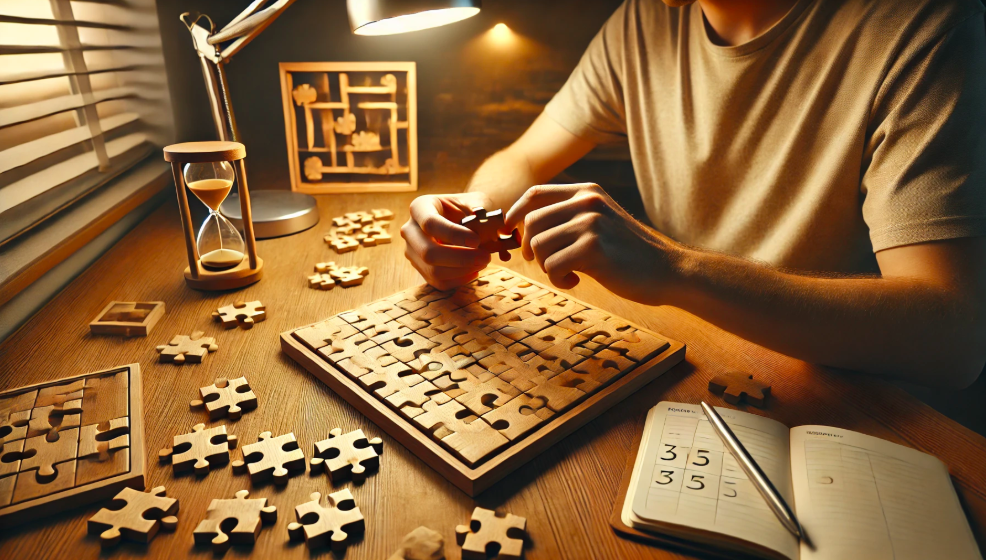
Wooden brain teaser puzzlesare small games or challenges made from wood that require careful thinking to solve. These puzzles come in many forms, such as interlocking shapes, sliding pieces, or blocks that must be arranged in a specific way. They are often made by hand and have a natural, classic look that many people find appealing.
These types of puzzles have grown in popularity around the world, not just for their looks, but also for the way they help the brain. Studies from places like the University of Michigan have shown that solving puzzles like these can improve short-term memory, focus, and problem-solving skills. They also help reduce stress by giving the mind something fun and calming to work on.
People enjoy wooden brain teasersbecause they offer a real challenge without using screens or electronics. They can be shared with friends or family, and they often bring a sense of satisfaction when solved. Whether for kids learning to think in new ways or adults trying to stay sharp, wooden puzzlesoffer benefits that go beyond simple entertainment.
Understanding The Different Types Of Wooden Brain Teaser Puzzles
Wooden brain teaser puzzles come in many types, each offering a unique way to challenge the mind. These puzzles are designed not only for fun but also to improve thinking and focus. Below are some of the most common types, along with how they work.
Interlocking PuzzlesThese puzzles are made of several wooden pieces that fit together in a specific way. The goal is to take them apart and then put them back together. Each piece is shaped so that it locks with the others. Solving them takes patience and careful observation. One well-known example is the star-shaped puzzle often seen in puzzle shops.
Burr PuzzlesBurr puzzles are a type of interlocking puzzle but with a more complex design. They usually have six or more wooden pieces that cross through each other. These pieces often slide or twist in a set order to come apart. Burr puzzles are known for their tricky structure and need for step-by-step movement. According to a study in the Journal of Mechanical Design, they help improve spatial reasoning.
Secret BoxesThese are wooden boxes that cannot be opened in the usual way. They have hidden latches or sliding parts that must be moved in the correct order. Some may require pressure in a certain spot or a twist in the right direction. These puzzles help improve focus and attention to small details. Many of them are inspired by traditional Japanese puzzle boxes.
Disentanglement PuzzlesDisentanglement puzzles include pieces like wooden loops, rings, or ropes that are tangled together. The goal is to separate the parts without using force. Solving them requires careful planning and logical thinking. While they are often made of metal, wooden versions are also popular and are easier for younger users.
Basic Techniques To Start Solving Any Wooden Puzzle
For beginners, wooden brain teaser puzzles can seem tricky at first, but using a few simple techniques can make the process much easier. These starting steps are often suggested by puzzle experts and are based on how the brain works best when solving physical problems.
Look Closely at All the PiecesBefore doing anything, take time to study each part of the puzzle. Notice the shape, size, and texture of every piece. According to research from the International Journal of Puzzle Theory, visual analysis helps the brain build a mental picture of how parts might fit together.
Find the Movable PartsMany wooden puzzles have at least one piece that moves or shifts. Try to find which parts slide, twist, or lift. Gentle pressure can help reveal which sections are not fixed. This step is useful for interlocking puzzles and secret boxes.
Check for SymmetrySymmetry means the puzzle has a balanced design—what’s on one side may be repeated on the other. Noticing this can help you guess how the puzzle is built. Symmetry is especially common in burr puzzles and interlocking shapes, and recognizing it can give clues to how pieces come apart or fit back together.
Don’t Force AnythingWooden puzzles are made to come apart smoothly. If a piece doesn’t move easily, it’s probably not the right step. Forcing it may damage the puzzle or confuse the solution. Patience and a light touch are key.
Work in Small StepsTry small moves one at a time and remember what you did. If something works, continue in that direction. If not, go back and try another way. Many puzzle solvers keep a mental or written note of the steps they’ve taken to avoid repeating mistakes.
Step-by-Step Guide: Solving An Interlocking Puzzle
One of the most common and well-known wooden interlocking puzzles is the 6-piece burr puzzle. This puzzle looks like a 3D cross and is made of six wooden pieces that hold each other in place. Solving it can feel difficult at first, but breaking it down into simple steps can make it easier. The following guide is based on techniques shared by puzzle designers and logical thinking strategies used in beginner puzzle-solving workshops.
Step 1: Study the Puzzle Without Forcing ItBefore trying to pull anything apart, look at the entire structure. Notice how the pieces fit together. Some may be flat, while others have notches or cut-outs. Do not try to force any part, as this can break the puzzle.
Step 2: Identify the Loosest PieceGently press on each piece from different angles. In most 6-piece burr puzzles, one piece is slightly looser or moves a little more than the others. This piece is the key to starting the solution.
Step 3: Slide the First Piece Out SlightlyOnce you find the movable piece, carefully slide it out just a bit. This will start to loosen the structure. If it doesn’t move fully, try shifting a nearby piece to make more room. Burr puzzles are built so that one move leads to the next.
Step 4: Remove the Second and Third PiecesAfter the first piece moves, other parts should start to loosen as well. Look for the next piece that can slide out. Take your time. Often, once two or three pieces are removed, the puzzle becomes easier to take apart.
Step 5: Lay Out the Pieces in OrderAs you remove each piece, place them in order so you can remember how they came out. This will help a lot when putting the puzzle back together later.
Step 6: Rebuild the Puzzle in Reverse OrderAfter the puzzle is fully apart, try to put it back together by reversing the steps. Start with the last piece you removed and work backward. Make sure each piece fits properly before moving to the next.
Step 7: Practice the ProcessSolving the 6-piece burr puzzle once is just the start. Repeating the process will help you understand how the structure works. Over time, your hands and eyes will learn to spot patterns and make faster decisions.
Common Mistakes Beginners Should Avoid
When starting with wooden brain teaser puzzles, it’s normal to feel stuck or confused. Many beginners make the same small mistakes, which can lead to frustration or even damage to the puzzle. By knowing what to avoid, the puzzle-solving process becomes smoother and more enjoyable. The following points are based on puzzle-solving guides from trusted sources like Puzzle Masterand expert advice from hands-on puzzle workshops.
Forcing the PiecesOne of the most common mistakes is using too much pressure. Wooden puzzles are made with precise cuts, and the pieces should move smoothly when handled correctly. Forcing parts can break the puzzle or make it harder to solve. Always move pieces gently and stop if something feels stuck.
Skipping the Observation StageMany beginners rush into solving the puzzle without fully looking at it. Skipping this step can lead to confusion later. It’s important to first observe how the puzzle is shaped, how pieces connect, and if any part looks different or loose. A short pause at the start can save a lot of time.
Ignoring AlignmentIn puzzles like burrs or interlocking designs, proper alignment is key. Pieces may need to be exactly lined up before they slide or come apart. Trying to move pieces that are slightly off-center will not work. Look closely at the lines, edges, and corners, and make sure everything is straight before making a move.
Trying to Solve Too FastSome beginners try to finish the puzzle quickly, which leads to mistakes or missed steps. Solving a wooden puzzle is more about thinking than speed. Taking your time allows you to notice patterns and small movements that can lead to success.
Not Remembering Your StepsIt’s easy to forget what steps you’ve already tried. Moving pieces randomly without tracking them can make the puzzle harder to reset. Try to follow a clear path—either mentally or by writing steps down. This helps if you need to start over.
Getting Frustrated Too SoonPuzzles are made to challenge the brain. It’s okay to take breaks if things get too hard. Coming back later with a fresh mind often leads to better results. Studies in the Journal of Cognitive Enhancementshow that short pauses can actually improve puzzle-solving ability.
How To Improve Your Puzzle-Solving Skills Over Time
Getting better at solving wooden puzzles takes time and steady effort. Puzzle experts and studies, such as those from the Journal of Problem Solving, have found that regular practice and smart habits help improve thinking and memory. Below are simple ways to grow your puzzle-solving skills step by step.
Practice RegularlyLike any other skill, solving puzzles improves with regular use. Try working on puzzles a few times each week, even if only for a short time. This keeps your brain active and helps you get used to different puzzle types and solving methods.
Start with Easier PuzzlesBegin with simple wooden puzzles before moving on to harder ones. Easy puzzles teach the basic ideas—like how pieces move, lock, or slide. Once you're comfortable with the easier ones, you’ll find that complex puzzles become less stressful and more fun.
Learn from MistakesEvery mistake is a chance to learn. If a puzzle doesn’t work out, think about what went wrong. Did you skip a step? Move too quickly? Try writing down your process or taking a picture at each stage. This helps you avoid the same mistake next time and teaches better strategies.
Track Time and MovesSome people find it helpful to time how long they take or count how many moves they make. You can keep a small notebook to record your results. Over time, you’ll see progress as your solving time gets shorter or your moves become more efficient.
Try Different Puzzle StylesSwitching between puzzle types, like burr puzzles, secret boxes, or disentanglement puzzles, builds flexible thinking. Each type challenges the brain in a new way. As noted in the Cognitive Science Journal, changing problem types improves mental adaptability and sharpness.
Be Patient and Stay PositiveImprovement doesn’t happen in one day. It’s normal to get stuck, but staying calm and trying again helps build focus and problem-solving ability. Even puzzle designers say the best solvers are not the fastest—but the ones who don’t give up.
Tools And Environments That Help Solve Wooden Puzzles
Solving wooden puzzles becomes easier and more enjoyable when the right tools and setting are used. Experts in puzzle-solving, such as those featured on Puzzle Masterand in puzzle clubs, often recommend creating a calm and well-prepared space before starting. The right environment can improve focus and reduce mistakes, especially for beginners.
Use Good LightingProper lighting is one of the most important things. A bright, natural light or a clear desk lamp helps you see small details, shapes, and cuts in the wooden pieces. This reduces eye strain and allows you to spot movements or alignments more clearly.
Work on a Flat SurfaceA smooth, level surface—like a desk or table—is ideal for puzzle-solving. It keeps all the pieces in place and prevents them from sliding around. A flat surface also helps when you need to test how parts move or fit together without outside interference.
Use Soft Gloves or Tweezers (If Needed)For puzzles with very small or delicate pieces, using soft cotton gloves or plastic tweezers can be helpful. Gloves keep the wood clean and free from oils on your hands, while tweezers help you move tight or tiny parts more precisely. This is especially useful for advanced interlocking puzzles or secret boxes.
Keep a Timer for Fun ChallengesUsing a simple timer adds a fun challenge to puzzle-solving. Timing yourself helps track your progress and builds speed over time. Some puzzle solvers even join friendly competitions to see who can solve certain puzzles the fastest. Studies from The Journal of Mental Stimulationshow that timed tasks can improve brain focus and quick thinking.
Stay in a Quiet, Comfortable SpaceNoise and distractions can break your focus. Choose a quiet spot where you can think clearly. A calm setting helps your brain stay on track and improves the chances of solving even difficult puzzles.
Organize the Puzzle PiecesBefore starting, arrange the pieces neatly. Some puzzle lovers use a small tray or cloth mat to keep parts from getting lost. Being organized helps you see patterns and work more smoothly through the solution.
Benefits Of Solving Wooden Brain Teasers For Mental Health
Solving wooden brain teasers is more than just a hobby—it’s also good for your mental health. Many psychologists and mental health studies, such as those published in the Journal of Cognitive Psychology, support the idea that puzzles help the brain stay sharp and reduce stress. These simple wooden games provide clear mental benefits for both children and adults.
Improves Problem-Solving SkillsWooden puzzles push the brain to think in different ways. Each puzzle asks you to find a solution by testing ideas, fixing mistakes, and trying new moves. This kind of thinking builds stronger problem-solving skills, which are useful in daily life as well.
Builds PatienceMost wooden puzzles cannot be solved quickly. They need time, focus, and careful movement. This helps people practice patience. As you learn to slow down and try different steps, your ability to stay calm and focused in other situations also grows.
Boosts Memory and AttentionWorking through puzzle steps and remembering piece placement helps train your memory. It also improves attention to detail. A study by Frontiers in Psychologyfound that people who solve puzzles regularly often show better short-term memory and stronger focus over time.
Reduces Stress and AnxietyPuzzles can be a peaceful and rewarding way to take a break from busy thoughts. Solving them gives a sense of control and success, which helps reduce stress levels. The slow, hands-on process also helps calm the mind, similar to activities like drawing or knitting.
Encourages MindfulnessWhen solving a wooden puzzle, the mind stays in the present moment. This type of activity encourages mindfulness—being aware of what you are doing without rushing. Many mental health professionals suggest such tasks as a natural way to support emotional balance.
Where To Buy Quality Wooden Brain Teaser Puzzles
Finding a well-made wooden brain teaser puzzle is important for both enjoyment and lasting use. Many trusted sources, such as puzzle experts at Puzzle Masterand craft guides from Woodworking Network, suggest buying from places known for quality materials and good designs. Below are some of the best types of places to find reliable wooden puzzles.
Artisan Shops and Local Craft StoresArtisan shops often sell handmade wooden puzzles. These are usually crafted by skilled woodworkers who focus on detail and design. Buying from local makers also supports small businesses, and you can often ask questions about the puzzle’s wood type and build quality.
Puzzle Specialty StoresStores that focus only on puzzles are a great place to find wooden brain teasers. They often carry a wide range, from beginner to advanced levels. Shops like Puzzle Master Canadaor Bits and Piecesare known for offering high-quality wooden puzzles and trusted brands like Jean Claude Constantin or Hanayama (for mixed material puzzles).
Online PlatformsWebsites such as Etsy, Amazon, and Uncommon Goodsoffer a wide selection of wooden puzzles. Etsy is especially good for handmade or custom designs, while Amazon has many reviews to help guide your choice. When shopping online, it’s important to check product photos, customer ratings, and return policies.
Museum and Toy Store Gift ShopsSome museum shops and high-end toy stores sell wooden puzzles, often picked for their educational or artistic value. These shops usually carry items made from safe, eco-friendly materials and may offer puzzle sets suitable for different age groups.
Tips for Buying Quality Puzzles
- Check Customer Reviews:Look for puzzles with high ratings and detailed reviews that mention durability, smooth finish, and accuracy in fit.
- Look for Solid Wood Materials:Puzzles made from hardwoods like maple or beech last longer than those made from cheap plywood or softwood.
- Avoid Mass-Produced Low-Quality Items:Some low-cost puzzles may have rough edges or poor fit. A puzzle that doesn’t fit together well can be frustrating instead of fun.
- See Return or Exchange Options:In case the puzzle is damaged or not as described, make sure the seller allows returns.
FAQs Section (Only Questions)
What Are Wooden Brain Teaser Puzzles Made Of?
Wooden brain teaser puzzles are typically crafted from durable hardwoods such as maple, beech, or walnut. These woods are chosen for their strength and fine grain, which allow for precise cuts and a smooth finish, enhancing both the puzzle's appearance and functionality. For instance, a 12-step 3D challenge puzzle is made from beech wood, known for its hardness and attractive grain. Additionally, maple is often used in puzzle-making due to its durability and smooth texture, making it ideal for intricate designs. Some puzzles may also feature contrasting woods to highlight different parts, adding to their visual appeal. The choice of high-quality wood ensures that the puzzles are not only aesthetically pleasing but also long-lasting and capable of withstanding repeated use.
Are Wooden Brain Teaser Puzzles Suitable For Kids?
Yes, wooden brain teaser puzzles are suitable for children and offer numerous developmental benefits. These puzzles help enhance fine motor skills, problem-solving abilities, and cognitive development. For example, high-quality wooden puzzles are non-toxic and safe for children to handle and explore. Additionally, wooden puzzles come in various designs and piece counts, making them adaptable for different age groups, from young children to teenagers. Educators have observed that such puzzles are popular in classrooms, engaging children and fostering essential skills like creativity and teamwork. When selecting a puzzle, it's important to choose one that matches the child's age and skill level to ensure both safety and an appropriate challenge.
How Long Does It Usually Take To Solve One?
The time required to solve a wooden brain teaser puzzle varies widely based on factors such as the puzzle's complexity, the solver's experience, and the specific type of puzzle. For example, the Snake Cube puzzle, which involves reassembling 27 mini-cubes connected asymmetrically, has an average solution time ranging from 20 minutes to one week, depending on its difficulty level. Similarly, the Incas Pyramid 3D wooden mind puzzle, known for its intricate design, has an average solution time between one hour and one year. These examples illustrate that solving times can vary significantly, influenced by both the puzzle's design and the individual's problem-solving skills.
Can Puzzle-solving Improve Memory Or Focus?
Yes, engaging in puzzle-solving activities can enhance memory and focus. Regular participation in such tasks stimulates various cognitive functions, leading to improved mental agility. For instance, studies have shown that individuals who frequently engage in puzzles like crosswords or Sudokumay experience enhanced memory and concentration. Additionally, research indicates that older adults participating in activities such as word games and hobbies exhibit better memory, working memory, attention, and processing speed compared to those who do not engage in these activities. Therefore, incorporating puzzles into your routine can be a beneficial strategy for boosting cognitive functions.
What is the best wooden puzzle for beginners?
For those new to wooden puzzles, starting with simpler designs can provide an enjoyable and manageable experience. Here are some beginner-friendly options:
1. Tangram PuzzlesTangrams are classic dissection puzzles consisting of seven flat pieces that can be arranged to form various shapes. They are excellent for developing spatial awareness and problem-solving skills.
2. Liberty PuzzlesLiberty Puzzles offers high-quality wooden jigsaw puzzlesknown for their unique "whimsy" pieces—shapes that reflect the puzzle's theme. Their designs range from simple to complex, making them suitable for beginners seeking aesthetically pleasing and engaging puzzles.
3. Melissa & Doug Wooden PuzzlesMelissa & Doug provides a variety of wooden puzzles designed for different age groups. Their beginner puzzles often feature large pieces and straightforward designs, making them ideal for those starting out.
4. Artifact PuzzlesArtifact Puzzles offers laser-cut wooden jigsaw puzzles with artistic designs. Their puzzles vary in difficulty, and selecting one with fewer pieces can be a good starting point for novices.
5. ROKR 3D Wooden PuzzlesROKR provides 3D wooden puzzles suitable for beginners. Their simpler models are designed to be both educational and entertaining, offering a hands-on approach to learning about mechanics and design.
Jump to
Understanding The Different Types Of Wooden Brain Teaser Puzzles
Basic Techniques To Start Solving Any Wooden Puzzle
Step-by-Step Guide: Solving An Interlocking Puzzle
Common Mistakes Beginners Should Avoid
How To Improve Your Puzzle-Solving Skills Over Time
Tools And Environments That Help Solve Wooden Puzzles
Benefits Of Solving Wooden Brain Teasers For Mental Health
Where To Buy Quality Wooden Brain Teaser Puzzles
FAQs Section (Only Questions)
Latest Articles
Popular Articles