Japanese Puzzle Boxes: Art, History, And Mystery
Discover the beauty and history of Japanese puzzle boxes, from handcrafted designs to their role as brain games, gifts, and cultural symbols.
Mar 22, 20256.2K Shares119.6K Views
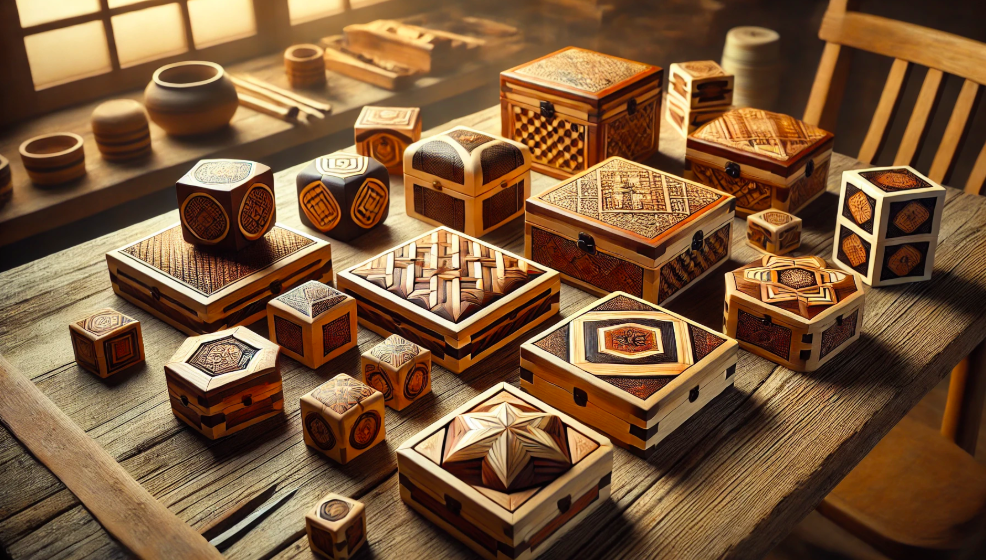
Japanese puzzle boxes, known as Himitsu-Bakoor “secret boxes,” are traditional wooden boxes that can only be opened through a specific series of sliding movements. Unlike regular boxes that use keys or latches, these boxes require the user to solve a mechanical puzzle by moving hidden panels in the correct order. They were first created over a century ago in the Hakone region of Japan, an area well-known for its rich woodworking tradition and natural resources. Originally, these boxes were used to safely store small valuables, offering both protection and a sense of mystery.
What sets Japanese puzzle boxesapart is the blend of detailed craftsmanship and creative engineering. They are made by hand using high-quality woods and decorated with a traditional marquetry technique called Yosegi-zaiku, which involves forming geometric patterns from natural wood colors. This not only makes them functional but also visually appealing. Today, these puzzle boxes are popular around the world for their beauty, cultural history, and mental challenge. They are used for collecting, gifting, and even as tools for sharpening focus and problem-solving skills.
The History And Cultural Roots Of Japanese Puzzle Boxes
Japanese puzzle boxes, or Himitsu-Bako, have their roots in the Hakone region of Japan, known for its skilled woodworkers and rich variety of natural trees. These boxes were first developed during the late Edo period (1603–1868)and became more refined in the Meiji era (1868–1912). Craftsmen in Hakone started creating them as a way to safely store personal belongings, especially small valuables like documents, money, or jewelry. Instead of using locks, they designed boxes that could only be opened through a secret series of sliding movements. This creative approach gave the boxes their name—Himitsu-Bako, meaning “secret box.”
The cultural value of Himitsu-Bako grew over time. They were more than just containers—they became symbols of craftsmanship, patience, and intelligence. The traditional Yosegi-zaikumarquetry technique used to decorate the boxes is a form of Japanese fine art, passed down through generations. Each box was carefully made by hand, often taking days or weeks to complete. Himitsu-Bako also reflected the Japanese belief in beauty through simplicity and mystery. Today, they are considered both traditional art pieces and clever puzzles, keeping a strong connection to Japan’s cultural past.
How Japanese Puzzle Boxes Work
Japanese puzzle boxes are designed with a hidden locking system made of sliding wooden parts. The outside of the box looks smooth and has no visible buttons or openings. However, certain panels can move slightly when pushed or slid in a specific direction. These movements are not obvious at first, and the correct order must be followed to unlock the box.
Inside the structure, the box contains a carefully crafted wooden mechanism. When a panel is moved, it triggers the next panel or section to become movable. Some boxes open with just a few steps, while others require over 100 moves to solve. There are no metal parts or electronics—everything is made from wood, shaped and placed with high accuracy. This makes the puzzle both strong and silent.
What makes these boxes challenging is that the sliding parts are almost invisible and can move in multiple directions. There is usually no clear starting point. The player must feel for small shifts and test different sequences, which requires focus and patience. The more advanced the box, the more complex the path to opening it becomes. Even when solved, the mechanism resets once the box is closed again.
Types And Difficulty Levels Of Puzzle Boxes
Japanese puzzle boxes come in many types, mainly defined by how many steps are required to open them. A “step” is a correct slide or move that brings the user closer to unlocking the box. These boxes range from very simple to extremely complex, making them suitable for all kinds of users—from beginners to advanced collectors.
1. Simple Puzzle Boxes (2 To 4 Steps)
- These boxes are the easiest to solve, requiring only 2 to 4 moves.
- The mechanism is basic, often with only one or two sliding panels.
- They are ideal for young children, first-time puzzlers, or those looking for a quick challenge.
- These boxes are also popular as novelty gifts or travel souvenirs.
- Solving time is usually under 1 minute with trial and error.
2. Intermediate Puzzle Boxes (10 To 21 Steps)
- These puzzle boxes are more popular among casual puzzle fans.
- They offer a good level of difficulty without being frustrating.
- The opening mechanism involves a sequence of slides and shifts that must be done in a specific order.
- Great for teenagers and adults who want to engage their mind without spending hours.
- Solving time can range from 5 to 30 minutes, depending on the user's experience.
3. Advanced Puzzle Boxes (35 To 54 Steps)
- These boxes are for users with experience in solving mechanical puzzles.
- They have more complex internal locking systems with multiple layers.
- Some panels may look identical, making it harder to figure out the correct movement order.
- Patience and logical thinking are required to solve them.
- These are often collected by hobbyists and displayed as functional art.
- Solving time can range from 30 minutes to over an hour.
4. Expert-Level Puzzle Boxes (100+ Steps)
- These are the most difficult puzzle boxes, usually handcrafted by master artisans.
- They involve highly detailed and hidden mechanisms that require a long sequence of exact movements.
- These boxes can take hours, days, or even longer to solve, especially without clues.
- Often made as limited-edition collector’s items.
- Some include false paths, hidden switches, or multi-layered designs.
- Suitable only for serious puzzlers or collectors who enjoy high-level challenges.
Materials And Craftsmanship
1. Use Of Native Japanese Woods
- Japanese puzzle boxes are mainly made using fine woods found in the Hakone region.
- The Hakone area has a wide variety of trees with different natural colors and grain patterns.
- Common types of wood used include:
- No artificial coloring is used. The natural shades of each wood are carefully selected for visual contrast.
2. Traditional Yosegi-Zaiku Marquetry
- Yosegi-zaiku is a famous Japanese marquetry technique, native to Hakone.
- Craftsmen create detailed geometric patterns using small blocks of different wood types.
- These patterns are pressed into thin sheets and applied to the box surface.
- Each design is made completely by hand, with no printing or painting involved.
- This method gives every puzzle box a unique and elegant appearance.
3. Handcrafted Mechanical Design
- The internal structure of each box is also made from wood.
- Craftsmen cut and fit each part by hand to create a smooth sliding mechanism.
- No nails, metal hinges, or glue are used in the opening system.
- Each movement must be accurate to a fraction of a millimeter so the steps work perfectly.
- The building process can take several days to several weeks, depending on the complexity.
4. Focus On Detail And Precision
- Every puzzle box is carefully tested to make sure it works correctly.
- Surfaces are polished by hand, and corners are smoothed to avoid damage during use.
- Because each box is handmade, no two are exactly the same—even when they follow the same design.
- This makes them highly valued by collectors and appreciated as traditional Japanese craft.
Famous Regions And Makers In Japan
1. Hakone – The Heart Of Puzzle Box Crafting
- Hakone, located in Kanagawa Prefecture, is the most well-known region for Japanese puzzle box making.
- The area is rich in natural hardwoods and has a long history of woodworking, especially the Yosegi-zaikumarquetry technique.
- Craftsmen in Hakone began developing puzzle boxes in the late 19th century, blending mechanical puzzles with traditional woodcraft.
- Today, Hakone remains the leading center for Himitsu-Bako (secret boxes), with workshops, museums, and galleries dedicated to the craft.
2. Odawara – Supporting The Tradition
- Close to Hakone, Odawara is another town with skilled artisans who contribute to traditional Japanese woodcraft.
- Artisans from both towns often collaborate or train under shared masters.
- Odawara supports the puzzle box industry by producing decorative wood materials and parts used in detailed marquetry.
3. Karakuri Creation Group – Modern Master Craftsmen
- The Karakuri Creation Groupis one of the most respected organizations in the world of Japanese puzzle boxes.
- Based in Odawara and Hakone, this group includes several expert woodworkers who make Karakuri puzzle boxes, known for their clever and playful designs.
- Their boxes range from traditional styles to modern, creative formats that surprise even experienced puzzle solvers.
- Each member of the group produces handcrafted pieces, often signed and numbered.
4. Individual Master Craftspeople
- Mr. Akio Kameiis one of Japan’s most famous puzzle box creators. His works are known for their originality and mechanical complexity.
- Many of his creations are part of international puzzle collections and are admired for their smart use of space and materials.
- Newer generations of craftsmen, trained in Hakone and supported by the Karakuri Group, continue to carry forward the tradition with innovation and care.
5. Museums And Cultural Promotion
- The Hakone Yosegi Zaiku Museumand local galleries display historical and modern puzzle boxes.
- These places also help promote the art by teaching visitors about the process and hosting craft demonstrations.
- Puzzle boxes from this region are often sold with certificates of authenticity and sometimes marked with the maker’s personal seal.
Modern Uses And Collecting Japanese Puzzle Boxes
Japanese puzzle boxes, known as Himitsu-Bako, have evolved from traditional secret-keeping items to versatile objects cherished in modern times. Today, they serve multiple purposes:
Decorative Pieces:With their intricate designs and fine craftsmanship, these boxes add an artistic touch to interiors. The traditional Yosegi-Zaiku patterns, characterized by detailed geometric mosaics, make them standout decor items.
Gifts:Their unique nature makes them memorable gifts. Beyond their visual appeal, the challenge of unlocking them adds an interactive experience for recipients.
Brain Training:The puzzles require logical thinking and patience, offering a fun way to engage the mind. Solving them can enhance problem-solving skills and cognitive abilities.
Collectibles:Many enthusiasts collect these boxes, appreciating their historical significance and the skill involved in their creation. Collector communities and exhibitions, such as the annual International Puzzle Party (IPP), provide platforms for aficionados to exchange and showcase these intricate items.
Tips For Buying An Authentic Japanese Puzzle Box
Authentic Japanese puzzle boxes, or Himitsu-Bako, are renowned for their intricate craftsmanship and cultural significance. To ensure you purchase a genuine, handcrafted piece, consider the following guidelines:
Identifying Authentic Craftsmanship:
- Craftsmanship Quality:Authentic boxes exhibit precise construction with seamless sliding mechanisms. The panels should move smoothly without sticking or feeling loose.
- Yosegi-Zaiku Patterns:These traditional geometric wood mosaic designs are a hallmark of genuine boxes. Authentic Yosegi-Zaiku is created by combining various wood types without artificial coloring, resulting in natural, intricate patterns.
- Materials Used:High-quality woods like Katsura, walnut, and mulberry are commonly used in authentic boxes. The natural colors and textures of these woods contribute to the box's aesthetic appeal.
Where to Purchase:
- Direct from Artisans:Purchasing directly from craftsmen ensures authenticity. For instance, Hiroyuki Oka offers his handcrafted puzzle boxes online.
- Specialty Museums and Shops:Visiting establishments like the Hakone Karakuri Museum in Japan allows you to buy directly from artisans and learn about the craft.
- Reputable Online Retailers:Websites specializing in Japanese crafts, such as Japan Craft, offer authentic puzzle boxes.
Price Ranges:
- Size and Complexity:Prices vary based on the box's size and the number of steps required to open it. Smaller boxes with simpler mechanisms may start around $50, while larger, more intricate designs can exceed $500.
- Artistry and Detail:Boxes featuring detailed Yosegi-Zaiku patterns or unique designs may command higher prices due to the additional labor and skill involved.
What to Look For:
- Certification or Signature:Some authentic boxes come with a certificate of authenticity or bear the craftsman's signature, indicating genuine craftsmanship.
- Reputation of Seller:Ensure the retailer or artisan has positive reviews and a history of selling authentic items.
- Avoiding Imitations:Be cautious of vendors selling boxes at significantly lower prices, as these may be mass-produced imitations lacking the quality and authenticity of traditional handcrafted boxes.
How To Care For And Store Your Puzzle Box
Proper care and storage are essential to maintain the quality and longevity of your wooden Japanese puzzle box. Here are some straightforward guidelines:
Cleaning:
- Dust Removal:Gently remove dust using a soft, dry cloth or a paintbrush. This prevents dirt buildup without damaging the surface.
- Avoid Moisture:Do not use water or liquid cleaners, as wood can absorb moisture, leading to swelling or warping.
Humidity Control:
- Stable Environment:Keep the puzzle box in a place with consistent humidity levels, ideally between 40% and 60%. Fluctuations can cause the wood to expand or contract, affecting its functionality.
- Avoid Extremes:Prevent exposure to very humid or dry conditions to reduce the risk of mold growth or cracking.
Storage:
- Temperature:Store the box in a cool, dry area, away from direct sunlight or heat sources, to prevent warping or fading.
- Safe Placement:Keep the box in a stable location where it won't be knocked over or exposed to pests.
Japanese Puzzle Boxes In Popular Culture
Japanese puzzle boxes, known for their intricate designs and secretive mechanisms, have made notable appearances across various facets of popular culture:
Video Games:
- Professor Layton and the Diabolical Box:In this game, the protagonist investigates a mysterious box believed to cause death to those who open it. The narrative intertwines traditional puzzle-solving with the enigma of the box, drawing inspiration from the allure of Japanese puzzle boxes.
- Zero Escape Series:This series, including titles like "999: Nine Hours, Nine Persons, Nine Doors," incorporates complex puzzles reminiscent of Japanese puzzle boxes. Players must solve intricate challenges to progress, echoing the layered secrets of these boxes.
Escape Rooms:
The concept of Japanese puzzle boxes has influenced the design of many escape rooms. Participants encounter challenges that require solving layered puzzles, much like unlocking the secrets of a traditional puzzle box. For instance, the "Talking Tables Escape Room Game" is set in a Tokyo cinema and challenges players with a series of riddles and conundrums, reflecting the intricate nature of Japanese puzzle boxes.
Films:
- Cube (2021):This Japanese remake of the 1997 Canadian film features characters trapped in interconnected rooms filled with deadly traps. The film's intricate and mysterious setting draws parallels to the complexity and enigma of Japanese puzzle boxes.
Literature:
While specific books centered solely on Japanese puzzle boxes are rare, these enigmatic items often symbolize mystery and discovery in various narratives, serving as metaphors for unlocking hidden truths or embarking on intellectual quests.
FAQs – Japanese Puzzle Boxes
What Is The Purpose Of A Japanese Puzzle Box?
Japanese puzzle boxes, known as Himitsu-Bako, were originally designed over 150 years ago in Japan's Hakone region. Their primary purpose was to safeguard personal belongings by incorporating intricate opening mechanisms that only the owner could navigate. Beyond security, these boxes also served as captivating entertainment, challenging individuals to unlock their secrets. Over time, they have become cherished as decorative art pieces, showcasing the exquisite craftsmanship of Japanese artisans.
How Many Moves Does It Take To Open A Japanese Puzzle Box?
The number of moves required to open a Japanese puzzle box varies based on its design and complexity. Traditional boxes typically need between 4 and 66 moves to unlock. Some larger or more intricate designs can require up to 125 moves. For example, a 4-sun box might require 21 steps to open. The specific number of moves depends on the artisan's design and the box's intended difficulty level.
Are All Japanese Puzzle Boxes Made In Hakone?
Japanese puzzle boxes, or Himitsu-Bako, originated over 150 years ago in the Hakone region of Japan. While Hakone remains the traditional center for crafting these intricate boxes, artisans in other parts of Japan and around the world have also adopted and adapted the craft. However, boxes made in Hakone are particularly renowned for their use of local woods and the traditional Yosegi-Zaiku marquetry technique.
What Are The Most Famous Japanese Puzzle Box Makers?
Some of the most famous Japanese puzzle box makers come from the Hakone region, which is known for its long history of traditional woodworking and puzzle craftsmanship. These artisans and workshops are respected for their quality, creativity, and dedication to preserving this unique art form.
- Karakuri Creation GroupThis is one of the most well-known collectives of puzzle box craftsmen in Japan. Each artisan in the group creates original designs, and their work is known for high precision and creative mechanics. Their boxes are often featured in international puzzle exhibitions.
- Himitsu-Bako (Hakone Yosegi Zaiku) MakersThese craftsmen specialize in making traditional secret boxes using the Yosegi-Zaiku marquetry technique. One famous name among them is Mr. Tatsuo Miyamoto, who is known for preserving the original methods passed down through generations.
- Yamanaka Kumiki WorksThis workshop is known for producing handcrafted wooden puzzles and traditional Japanese joinery-based items. They also create high-quality puzzle boxes inspired by the Hakone tradition.
- Hiroyuki OkaA respected individual craftsman, Hiroyuki Oka creates modern and traditional boxes with careful attention to detail. His work is sold both in Japan and internationally.
Jump to
The History And Cultural Roots Of Japanese Puzzle Boxes
How Japanese Puzzle Boxes Work
Types And Difficulty Levels Of Puzzle Boxes
Materials And Craftsmanship
Famous Regions And Makers In Japan
Modern Uses And Collecting Japanese Puzzle Boxes
Tips For Buying An Authentic Japanese Puzzle Box
How To Care For And Store Your Puzzle Box
Japanese Puzzle Boxes In Popular Culture
FAQs – Japanese Puzzle Boxes
Latest Articles
Popular Articles