How To Store Partially Completed Puzzles At Home
Protect pieces and progress with simple tips on how to store partially completed puzzles using trays, folders, and puzzle mats.
Mar 24, 202526.9K Shares599.2K Views
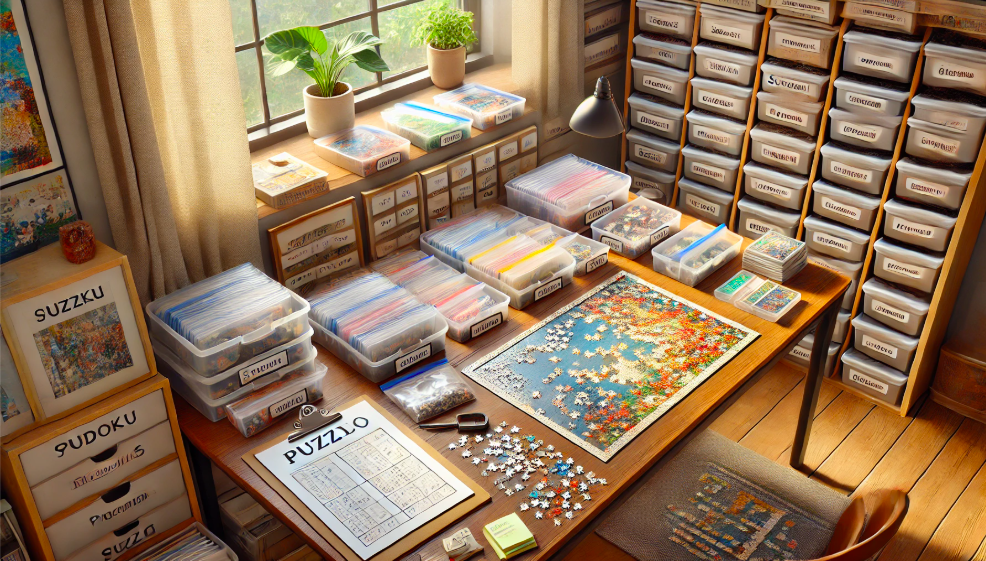
Many puzzle lovers find themselves needing to stop before finishing a game. Whether it's a jigsaw puzzle spread across a table or a half-solved Sudokuin a book, real life often interrupts the fun. When that happens, storing the puzzle safely becomes important. Without proper storage, puzzle pieces can get lost, bent, or mixed up. Pencil marks may fade, and progress can be hard to recover. That's why it's important to use efficient puzzle storage methodsthat help keep everything intact.
Good storage helps protect your puzzle and saves you time when you're ready to start again. This applies to all types of puzzles—jigsaw puzzleswith hundreds of pieces, Sudoku or crossword puzzles in print, and even digital puzzles on apps or websites. Each kind needs a different approach, but the goal is the same: keep your progress safe, your space organized, and your focus on solving the puzzle—not fixing problems caused by poor storage. Using efficient puzzle storage methods ensures that your puzzles remain in excellent condition, ready for you to pick up where you left off.
Organizing Physical Puzzles: Basic Tools You’ll Need
Storing a puzzle in the middle of solving can be tricky without the right tools. Whether you're working on a jigsaw puzzle, printed Sudoku, or a crossword booklet, using a few simple items can help protect your progress and keep everything organized.
Here are some basic and effective tools for storing in-progress physical puzzles:
- Puzzle BoardsA sturdy, flat board allows you to build and store jigsaw puzzles without taking up permanent space on a table. Many boards are portable, so you can move the puzzle safely. Some even come with foldable covers to protect your work.
- Sorting TraysThese small trays help keep puzzle pieces organized by color, shape, or edge type. This makes it easier to continue working later without searching through a big pile.
- Zip Bags or Resealable Plastic PouchesUseful for storing loose jigsaw pieces, detached puzzle pages, or printed clue sheets. They keep small parts from getting lost or mixed with other puzzles.
- Rubber BandsIdeal for keeping puzzle boxes closed or securing folded puzzle pages. They are a simple way to stop papers from shifting or becoming damaged during storage.
- Folders or Sheet ProtectorsFor printed Sudoku or crossword puzzles, use folders, binders, or clear plastic sleeves. These protect your pages from tearing, wrinkling, or fading and help you resume where you left off.
- ClipboardsGreat for holding single puzzle pages in place, especially if you're solving in different locations or while traveling.
Best Practices For Storing Jigsaw Puzzles Midway
Jigsaw puzzles can take hours or even days to complete, so it’s common to pause partway through. To keep your progress safe, it’s important to store the puzzle properly. Here are some practical and easy ways to do that:
- Use a Puzzle Roll-Up MatThese mats are made of soft felt and come with straps or tubes to roll them up. You build your puzzle directly on the mat. When it’s time to stop, just roll it up and secure it. This keeps the pieces in place without breaking your progress. Recommended by brands like Ravensburger.
- Try a Puzzle Storage Case or BoardPuzzle cases are hard, flat surfaces with covers that protect your puzzle when not in use. Some come with drawers for sorting pieces. Boards can also be moved from one room to another without disturbing the layout.
- Sort and Store with Puzzle TraysSorting trays help organize pieces by color or edge type. Keeping sorted pieces in separate trays makes it easier to pick up where you left off.
- Use a Shallow Box with a LidIf you don’t have a special puzzle mat or case, a clean, shallow cardboard box works well. Make sure it’s wide enough to hold the puzzle and deep enough to cover it with a lid or towel to protect from dust and pets.
- Label the Puzzle Box and PiecesIf you're working on more than one puzzle, use a sticky note or label to mark which puzzle is which. Store loose pieces in a small zip bag inside the box and label it to avoid mixing pieces from different sets.
- Protect from Pets, Dust, and MovementAlways cover your puzzle with a clean cloth, cardboard sheet, or case cover when not in use. This prevents pet fur, food crumbs, or accidental bumps from ruining your work.
Saving Crossword And Sudoku Puzzles Safely
Paper-based puzzles like crosswords and Sudoku are fun to solve, but they can be hard to protect if left unfinished. Wrinkled pages, lost sheets, or fading pencil marks can make it tough to pick up where you stopped. With a few simple storage tools, you can keep your puzzle progress neat and secure.
- Use Folders or Binders with Plastic SleevesPlace printed or torn-out puzzle pages in clear sheet protectors inside a binder. This keeps them flat, clean, and easy to flip through. Folders with labeled sections are also useful for organizing by puzzle type or difficulty.
- Try a Clipboard SystemA clipboard holds a puzzle page firmly in place and is easy to carry around. This is especially helpful if you solve puzzles in different places like the sofa, kitchen, or during travel.
- Avoid Folding or Rolling Puzzle PagesFolding a page can make pencil marks harder to read and damage the paper over time. Keep pages flat to protect your work and make it easier to resume solving.
- Keep Notes and Pencil Marks SafeIf you use a pencil for solving, keep an eraser and sharpener nearby. Store completed or partially done pages in a way that prevents rubbing or smudging. Some people also take a photo before erasing or editing their work.
- Use Apps for Digital Backups (Optional)Some puzzle books or online platforms like The New York Times Gamesand Sudoku.comallow you to print puzzles or save digital copies. You can also scan your paper puzzle to a PDF for future reference.
Storing Digital Puzzle Progress Across Devices
Most modern puzzle apps are designed to save your progress automatically. This means that as you solve puzzles, your game keeps track of what you have completed, even if you close the app or turn off your device. However, this automatic saving usually happens only on the same device. If you switch to a new phone or tablet, your progress might not carry over unless you are signed into an account.
To avoid losing your progress, many apps encourage users to sign in using services like Google, Apple ID, Facebook, or the app’s own account system. Signing in allows your data to sync across all your devices. For example, if you start a puzzle on your phone and then continue on your tablet, the app will know where you left off as long as you're signed into the same account. This syncing feature is very helpful if you change devices or uninstall and reinstall the app.
Popular puzzle apps that support this kind of syncing include:
- Sudoku.com by Easybrain
- Wordscapes by PeopleFun
- Candy Crush Saga by King
- Brain Test by Unico Studio
- Flow Free by Big Duck Games
These apps often ask you to connect your account shortly after installation or through the settings menu. Doing this helps protect your progress and makes your experience smoother across different devices.
Travel-Friendly Puzzle Storage Ideas
Traveling with puzzles can be enjoyable and hassle-free if you use the right storage solutions. Below are some practical tips and items that puzzle lovers can use to take their favorite games on the go, from compact boards to portable mats. Each idea is designed to keep puzzles organized, protect the pieces, and fit neatly into your backpack or carry-on.
Use A Compact Puzzle Board
A compact puzzle board (often a folio or briefcase-style case) provides a dedicated surface to work on puzzles and secure storage when you need to pack up. These boards usually close tightly, holding pieces in place so you won’t lose your progress during travel. Some travel puzzle boards even come with magnetic pieces or a raised edge, which helps keep everything put while you’re on the move. Look for a lightweight board that fits in your bag; many are slim enough to slide into a backpack or carry-on like a laptop. With a portable puzzle board, you can pause a jigsaw midway and stow it away safely, then reopen it later with all the pieces where you left them
Pack Puzzle Pieces In Zippered Pouches
Bulky puzzle boxes take up lots of space, so it’s smart to transfer your puzzle pieces into zippered pouches or sealable plastic bags when traveling. Using gallon-size ziplock bags or mesh pouches will save spaceand keep pieces from scattering. Simply pour the pieces into a sturdy zip bag, and include a picture of the puzzle for reference– you can cut out the image from the box or carry a folded poster in the bag. This way, you have everything you need in a flat, flexible pouch that’s easy to pack. Resealable bags are also handy for storing a finished puzzle (or partly assembled sections) if you need to disassemble it on the go. By swapping boxes for zippered pouches, you’ll maximize luggage space and ensure no stray pieces get lost in transit.
Carry Travel-Size Puzzle Books
Travel-size puzzle books are a convenient choice for on-the-go entertainment. Compact books of Sudoku, crosswords, word searches or other brainteasers can easily slip into a purse or seat-back pocket. These books are light and don’t require any loose pieces or additional setup, making them perfect for flights, car rides, or waiting at the station. You can find many puzzle books in smaller formats designed for travel, or even tear-out puzzle pads that are easy to pack. By bringing a few Sudoku or crossword books, you’ll have hours of puzzle fun in a very small package. This keeps your mind engaged during the journey without adding bulk to your luggage.
Bring A Portable Jigsaw Mat
Two travelers work on a jigsaw puzzle using a roll-up puzzle mat at a campsite.Portable jigsaw mats (also known as roll-up puzzle mats) let you take a partially completed puzzle with you without losing pieces. These mats are typically made of felt or similar material and often come with an inflatable tube. You assemble your puzzle on the mat, then roll the mat around the tube when it’s time to pack up. The pieces stick in place under the felt, so the puzzle stays intact inside the rolled mat. Once rolled and secured with straps or elastic bands, the whole bundle is compact and easy to carry. Puzzle mats are a game-changerfor travel because they keep your puzzle safe during transport and let you resume where you left off, with no missing pieces. Many kits include a carrying bag, making it simple to stow the rolled-up puzzle in your car or luggage. Whether you’re on a road trip or at a campground, a roll-up mat gives you the freedom to puzzle on the go while keeping everything organized and tidy.
Organize Puzzles In Your Backpack Or Carry-On
Packing puzzles efficiently will protect them and make them easy to access during your trip. Here are some tips for organizing puzzle items in your backpack or carry-on:
- Keep puzzles in your carry-on:It’s best to pack puzzles (especially jigsaws) in your hand luggage to avoid rough handling or loss in checked bags. Airlines generally allow puzzles in carry-on bags with no issue. By keeping them with you, you can also pull out a puzzle book or small game during the journey.
- Lay pouches flat:Place your zippered puzzle pouches or slim puzzle cases flat in your suitcase or backpack. You can stack a few bagged puzzles neatly at the back of a suitcase and even slide additional ones into zipper compartments on the lid. This flat placement saves space and prevents the pieces from shifting around.
- Bring a small puzzle for the ride:Pack a mini puzzle or a travel puzzle set in your daypack for easy reach. For example, a 100-piece mini jigsaw or a puzzle tin can be done on an airplane tray table and doesn’t take much room. Having a quick puzzle or book in your backpack means you can enjoy puzzling during flights or layovers.
- Use a tray on planes:If you plan to assemble a puzzle on the plane or train, use a shallow box lid or a travel puzzle board with edges as your work surface. A lid with raised edges will help prevent pieces from sliding offin case of turbulence or sudden movement. It also makes it easier to move the puzzle off the tray table quickly when needed (for example, if your neighbor needs to get up). This keeps pieces contained and avoids any mid-trip clean-up of tiny bits.
Labeling And Sorting: Keeping Puzzle Pieces And Progress Clear
When working on multiple puzzles simultaneously, maintaining organization is essential to prevent confusion and ensure an enjoyable experience. Below are effective methods to label and sort your puzzle pieces, pages, or folders, which will help keep your progress clear and manageable.
1. Labeling Puzzle Pieces
To avoid mixing pieces from different puzzles, consider marking each piece discreetly:
- Use a Unique Identifier:On the back of each puzzle piece, write a letter or symbol that corresponds to its specific puzzle. For example, all pieces from the "Mountain Landscape" puzzle can be marked with an "M," while those from the "Ocean View" puzzle can have an "O." This simple system helps quickly identify which pieces belong to which puzzle, especially if they become mixed.
- Color-Coding:Alternatively, use colored dots or markers to assign a unique color to each puzzle. Ensure the markings are small and do not interfere with the image on the front.
2. Organizing with Zip Bags and Labels
Storing puzzle pieces in separate, labeled bags can significantly reduce clutter and confusion:
- Zip Bags:Place the pieces of each puzzle into individual zippered plastic bags. Before discarding the original box, cut out the image of the completed puzzle and place it inside the bag along with the pieces. This provides a visual reference without retaining bulky packaging.
- Labeling:Clearly label each bag with the puzzle's name and the number of pieces it contains. This information assists in quickly identifying the puzzle and ensuring all pieces are accounted for before starting.
3. Utilizing Sticky Notes for Progress Tracking
Sticky notes are versatile tools for marking your progress and organizing puzzle sections:
- Section Identification:As you sort pieces by color, edge, or pattern, place them in designated areas or trays and use sticky notes to label these sections (e.g., "Sky," "Border," "Trees"). This method streamlines the assembly process by allowing you to focus on one section at a time.
- Progress Notes:If you need to pause your puzzling session, jot down a quick note on a sticky note indicating where you left off or any strategies for when you resume. Attach this note to your workspace to serve as a reminder.
4. Digital Folder Systems for Online Puzzles
For enthusiasts who engage in digital puzzles or wish to keep records of their completed works:
- Organized Folders:Create a dedicated folder on your computer for each puzzle. Within this folder, store images, notes, and any related files. Naming folders clearly, such as "Sunset Puzzle - 1000 pieces," aids in easy navigation.
- Progress Tracking:Maintain a simple document within each folder to record your progress, strategies, and any challenges faced. This practice is particularly beneficial for complex puzzles that require multiple sessions to complete.
5. Benefits of an Organized Approach
Implementing these labeling and sorting strategies offers several advantages:
- Efficiency:Quickly locate and identify pieces, reducing the time spent searching and increasing the time spent assembling.
- Space-Saving:By discarding bulky boxes and using compact storage solutions like zip bags, you free up valuable space in your home.
- Reduced Frustration:An organized system minimizes the risk of losing pieces and the confusion of mixing different puzzles, leading to a more enjoyable puzzling experience.
How To Resume A Stored Puzzle Without Losing Track
Pausing a puzzle and returning to it later can be seamless with effective strategies. Here are detailed methods to help you pick up right where you left off:
1. Document Your Progress
- Physical Notes:Before taking a break, jot down details such as the section you're working on, pieces you're searching for, or specific strategies you've planned. Place this note with your puzzle to serve as a reminder when you return.
- Digital Notes:Alternatively, use a note-taking app on your device to record your progress. This ensures your notes are safe and easily accessible.
2. Organize Remaining Pieces
- Sorting Trays:Use sorting trays or small containers to categorize pieces by color, edge type, or pattern. Label each container for easy identification. This organization simplifies the assembly process when you resume.
- Puzzle Sorters:Invest in puzzle sorters with multiple compartments to keep pieces organized and prevent loss.
3. Capture a Visual Reference
- Photographs:Before pausing, take a clear photo of your puzzle's current state. This visual aid helps you recall the arrangement and areas of focus, making it easier to continue later.
- Video Recording:For complex puzzles, a brief video walkthrough of your progress can provide a comprehensive reference.
4. Utilize Specialized Storage Solutions
- Puzzle Mats:Roll-up puzzle mats allow you to safely store your in-progress puzzle without disturbing the pieces. Simply roll out the mat to continue where you left off.
- Puzzle Boards:Portable puzzle boards provide a sturdy surface that can be moved and stored easily, keeping your puzzle intact.
- Storage Folders:Products like the HXMARS Puzzle Storage Folder are designed to store puzzles up to 1,000 pieces securely, making it convenient to resume later.
5. Maintain a Consistent Workspace
- Dedicated Area:If possible, designate a specific area for your puzzle that remains undisturbed. This reduces the need to pack up and reassemble, saving time and effort.
- Protective Covering:Use a large cloth or board to cover your puzzle during breaks, protecting it from dust and potential disturbances.
Storage Mistakes To Avoid With Unfinished Puzzles
Proper storage of unfinished puzzles is essential to maintain their condition and ensure a smooth continuation when you're ready to resume. Here are common storage mistakes and how to avoid them:
1. Placing Heavy Items on Puzzle Boards
Issue:Stacking heavy objects on top of an unfinished puzzle can cause pieces to bend or become misshapen, leading to poor fit and alignment issues.
Solution:Store your puzzle on a flat, stable surface away from areas where items might be placed on top. Using a dedicated puzzle board or mat can protect the puzzle and allow for easy relocation without disturbing the arrangement.
2. Folding or Rolling In-Progress Puzzles Without Proper Support
Issue:Attempting to fold or roll a partially completed puzzle without appropriate tools can result in pieces separating, bending, or getting lost.
Solution:Invest in a puzzle mat designed for rolling up unfinished puzzles. These mats provide a stable surface and allow you to roll up your work securely, keeping pieces in place and preventing damage.
3. Leaving Loose Pieces Unprotected
Issue:Storing loose puzzle pieces without proper containment increases the risk of loss, dust accumulation, and potential damage.
Solution:Use sealable plastic bags or small containers to organize and protect loose pieces. Label each bag or container with relevant information about the puzzle section or edge pieces to facilitate easy identification when resuming work.
4. Exposing Puzzles to Humidity and Direct Sunlight
Issue:Environmental factors like moisture and sunlight can warp puzzle pieces and cause colors to fade, compromising the puzzle's integrity and appearance.
Solution:Store your unfinished puzzle in a cool, dry place away from direct sunlight. Avoid areas prone to humidity, such as basements or bathrooms, to prevent moisture-related damage.
5. Inadequate Cleaning Before Storage
Issue:Dust and debris can accumulate on puzzle pieces during assembly, and storing them without cleaning can lead to discoloration or deterioration over time.
Solution:Gently wipe the surface of the puzzle and individual pieces with a clean, dry, non-abrasive cloth before storage. For a more thorough cleaning, especially to remove dust from crevices, use a colander to gently shake the pieces, ensuring all small particles are removed without causing damage.
Long-Term Storage Tips For Collectors Or Serious Solvers
Proper storage is essential for maintaining the quality and longevity of your puzzle collection. Here are some effective strategies for storing puzzles over extended periods:
1. Use Protective Cases
- Puzzle Caddies and Boards:Invest in puzzle caddies or boards that provide a flat surface for assembly and include secure covers or compartments for storage. These tools allow you to pause and store in-progress puzzles without disassembling them, preserving your progress and protecting the pieces.
2. Store Pieces in Sealed Bags
- Ziplock Bags:After disassembling a puzzle, place the pieces into sealable plastic bags before returning them to their boxes. This prevents pieces from getting lost and protects them from moisture. Including a small desiccant packet can help control humidity within the bag.
3. Maintain a Climate-Controlled Environment
- Temperature and Humidity Control:Store puzzles in areas with stable, moderate temperatures and low humidity to prevent warping and mold growth. Avoid basements or attics prone to temperature fluctuations. If using a storage unit, opt for a climate-controlled facility to maintain optimal conditions.
4. Organize with Labeled Boxes
- Clear Labeling:Use labels to identify each puzzle, noting details such as the title, piece count, and any missing pieces. This practice facilitates easy retrieval and inventory management.
- Uniform Containers:Consider transferring puzzles into uniformly sized, sturdy boxes or plastic containers. This standardization aids in efficient stacking and reduces the risk of damage from uneven weight distribution.
5. Utilize Vertical Storage Solutions
- Shelving Units:Store puzzle boxes vertically on shelves, similar to books, to prevent stacking pressure that can deform boxes and pieces. Ensure shelves are sturdy and appropriately spaced to accommodate the size of your puzzle boxes.
6. Protect Against Light Exposure
- Avoid Direct Sunlight:Exposure to direct sunlight can fade puzzle images over time. Store puzzles in shaded areas or use opaque containers to shield them from light.
❓FAQs (for How To Store Partially Completed Puzzles)
What Is The Best Way To Store An Unfinished Jigsaw Puzzle?
The best way to store an unfinished jigsaw puzzle is by using a puzzle mat or a storage board. These tools let you move and protect your puzzle without breaking your progress. Keep loose pieces in labeled zip bags or small containers. Store everything in a dry, flat place away from direct sunlight or heat. This prevents damage and helps you continue easily later.
How Can I Save My Place In A Crossword Or Sudoku Puzzle?
To save your place in a crossword or Sudoku puzzle, use a pencil if solving on paper, so you can make changes later. For digital puzzles, many websites like The New York Timesand WebSudokuautomatically save your progress when you are logged in. You can return anytime and pick up where you left off. If the site doesn’t autosave, take a screenshot of your current progress as a quick backup.
Are There Any Puzzle Boards Made For Storing In-progress Puzzles?
Yes, there are puzzle boards specially designed to store in-progress puzzles. These boards often come with a firm surface for building and removable covers or drawers to keep pieces safe. Brands like Jigthings and Ravensburger offer boards with sorting trays and folding cases that protect your work when not in use. They make it easy to pause and restart without losing progress.
Can I Store Puzzles Vertically Without Damaging Them?
Yes, you can store puzzles vertically if they are fully boxed and sealed. Make sure the puzzle pieces are kept in a sealed bag inside the box to prevent them from shifting or falling out. Store the boxes upright on a shelf, like books, to save space and avoid stacking pressure. Avoid placing them in humid or hot areas.
Jump to
Organizing Physical Puzzles: Basic Tools You’ll Need
Best Practices For Storing Jigsaw Puzzles Midway
Saving Crossword And Sudoku Puzzles Safely
Storing Digital Puzzle Progress Across Devices
Travel-Friendly Puzzle Storage Ideas
Use A Compact Puzzle Board
Pack Puzzle Pieces In Zippered Pouches
Organize Puzzles In Your Backpack Or Carry-On
Labeling And Sorting: Keeping Puzzle Pieces And Progress Clear
How To Resume A Stored Puzzle Without Losing Track
Storage Mistakes To Avoid With Unfinished Puzzles
Long-Term Storage Tips For Collectors Or Serious Solvers
❓FAQs (for How To Store Partially Completed Puzzles)
Latest Articles
Popular Articles