Puzzle Clarity Enhancement Tricks For Better Focus
Discover puzzle clarity enhancement tricks to improve focus, reduce frustration, and enhance your puzzle-solving experience with simple tips and tools.
Mar 26, 202520.2K Shares470.5K Views
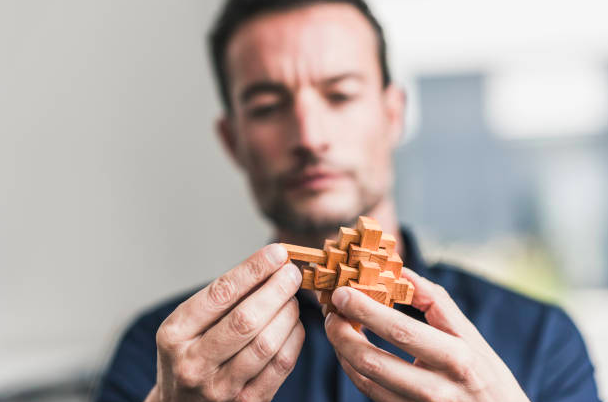
Achieving clarity is essential for an enjoyable and efficient jigsaw puzzle experience. Clear visibility and organization reduce frustration and enhance focus, making the assembly process smoother. Enhancing clarity in puzzle-solving techniquesinvolves addressing common challenges that can disrupt the flow of the puzzle assembly.
One common challenge is poor lighting, which can cause eye strain and make it difficult to distinguish subtle color variations and piece shapes. Proper illumination, such as using adjustable lamps or positioning your workspace near natural light sources, significantly improves visibility and reduces errors.
Another issue is a cluttered workspace, leading to misplaced pieces and decreased concentration. Organizing your puzzle area by sorting pieces into trays or containers based on color and pattern can streamline the process and enhance mental clarity.
Improve Lighting To Spot Details Clearly
Proper lighting is essential for an effective and enjoyable jigsaw puzzle experience. It enhances your ability to distinguish colors and piece shapes, reducing errors and eye strain.
1. Importance Of Proper Lighting:
- Revealing Colors and Details: Adequate lighting allows you to see subtle color variations and intricate details on puzzle pieces, making it easier to identify correct placements. Improving clarity during assemblyrelies heavily on ensuring that the environment is well-lit, which allows for precise identification and reduces mistakes.
- Reducing Eye Strain: Well-lit environments minimize eye fatigue, enabling longer and more comfortable puzzle-solving sessions.
2. Recommendations For Effective Lighting:
- Adjustable Desk Lamps: Using adjustable desk lamps provides focused illumination, allowing you to direct light precisely where needed. This flexibility helps in reducing shadows and glare.
- Daylight Bulbs: Opt for daylight bulbs with a color temperature between 5000K and 6500K. These bulbs closely mimic natural light, offering better contrast and color accuracy.
3. Consequences Of Poor Lighting:
- Sorting Mistakes: Insufficient lighting can lead to misidentifying colors and patterns, resulting in sorting errors that complicate the assembly process.
- Placement Errors: Difficulty in distinguishing piece details due to poor lighting increases the likelihood of incorrect placements, causing frustration and slowing progress.
Use Sorting Tools To Organize Visually
Organizing jigsaw puzzle pieces using sorting tools like trays, bowls, or shallow boxes significantly enhances the assembly process by providing visual clarity and reducing clutter.
1. Benefits Of Using Sorting Tools:
- Visual Organization: Separating pieces by color, pattern, or edge type into distinct containers allows for quick identification and access, streamlining the assembly process. Improving clarity during assemblyis achieved by reducing the amount of searching required to find the right pieces.
- Enhanced Focus: Physical separation of pieces minimizes visual clutter, aiding concentration and reducing the likelihood of overlooking needed pieces.
2. Affordable And DIY Sorting Solutions:
- Paper Plates or Bowls: Inexpensive and readily available, these can serve as effective sorting containers.
- Plastic Food Containers: Reusable containers offer durability and come with lids, making them suitable for organizing and storing pieces between sessions.
- Repurposed Cardboard Boxes: Small boxes, such as those from food packaging, can be cut down to size and used for sorting.
- DIY Felt Trays: Crafting trays from felt and cardboard provides a soft surface that prevents pieces from sliding, and they can be stacked to save space.
3. Work In Sections With Visual Anchors
Working on jigsaw puzzlesby focusing on distinct sections with clear visual features can make the assembly process more manageable and enjoyable. This approach involves identifying and assembling areas with unique colors, patterns, or prominent objects, which serve as visual anchors to guide your progress.
1. Identify Visually Distinct Areas:
- Recognizable Elements: Look for sections in the puzzle image that stand out due to their unique colors or patterns, such as a bright red balloon, a striped umbrella, or a specific building. These elements are easier to isolate and can serve as starting points.
- Color and Pattern Grouping: Group pieces that share similar colors or patterns. For example, gather all blue pieces for the sky or green pieces for foliage. This method helps in concentrating on one segment at a time, reducing the complexity of the task.
2. Build Small, Manageable Sections:
- Assemble Subsections: Focus on completing small portions of the puzzle by connecting pieces related to the identified visual anchors. Completing these subsections provides a sense of accomplishment and builds momentum.
- Connect to the Border: Once a subsection is assembled, try to connect it to the puzzle's border or other completed sections. This strategy helps in gradually expanding the completed area and integrating isolated clusters into the overall puzzle framework.
3. Benefits of Sectional Assembly:
- Reduced Overwhelm: By breaking down the puzzle into smaller sections, the overall task becomes less daunting, allowing for focused attention on manageable parts.
- Enhanced Confidence: Successfully completing individual sections boosts confidence and encourages continued engagement with the puzzle.
Enhance Puzzle Image Reference For Clarity
Enhancing your puzzle-solving experience can be achieved by utilizing a high-quality reference image. This approach provides a clearer view of intricate details, aiding in accurate piece placement and reducing frustration.
1. Obtain A High-Quality Reference Image:
- Capture a Clear Photo: Use a camera or smartphone to take a sharp, well-lit photograph of the puzzle box image. Ensure the photo is taken straight-on to avoid distortion.
- Scan the Image: If a scanner is available, scan the puzzle box image at a high resolution. This method often yields a clearer and more detailed reference than a photograph.
2. Utilize Digital Devices For Enhanced Viewing:
- Enlarge and Zoom: Transfer the captured or scanned image to a digital device such as a tablet or computer. Utilize the device's zoom functionality to focus on specific sections, making it easier to discern subtle color variations and intricate patterns.
- Maintain Aspect Ratio: When enlarging the image, ensure that the aspect ratio is locked to prevent distortion, preserving the accuracy of the reference.
3. Benefits Of Using An Enlarged Digital Reference:
- Improved Detail Recognition: Zooming into the digital image allows for better identification of fine details that might be challenging to see on the physical puzzle box.
- Convenience and Accessibility: Having the reference image on a portable device enables easy access and the ability to move it closer to the puzzle area as needed.
Keep Your Workspace Tidy And Distraction-Free
Maintaining a clean and quiet workspace is essential for effective puzzle-solving. A tidy environment enhances mental focus, reduces stress, and improves decision-making.
1. Reduce Clutter:
- Organize Puzzle Pieces: Use sorting trays or containers to categorize pieces by color, pattern, or edge type, keeping the workspace orderly and minimizing visual distractions.
- Clear Non-Essential Items: Remove unrelated objects from the puzzle area to create a dedicated space, enhancing concentration and efficiency.
2. Use A Dedicated Table:
- Stable Surface: Choose a sturdy table exclusively for puzzles to prevent disturbances and maintain organization.
- Adequate Space: Ensure the table is large enough to accommodate the puzzle and sorting tools, allowing comfortable movement and access.
3. Minimize Distractions:
- Quiet Environment: Select a location away from noise and interruptions to maintain focus during puzzle assembly.
- Manage Digital Interruptions: Silence notifications on electronic devices to prevent attention shifts and maintain a steady workflow.
❓ FAQs: Puzzle Clarity Enhancement Tricks
How Does Lighting Affect Puzzle Clarity?
Proper lighting is essential for clear and efficient puzzle assembly. Adequate illumination enhances visibility, allowing you to distinguish subtle color variations and intricate details on puzzle pieces, which facilitates accurate placement and reduces errors. Additionally, good lighting minimizes eye strain and fatigue, enabling longer and more comfortable puzzle-solving sessions. Conversely, poor lighting can lead to misinterpretation of colors and patterns, increasing the likelihood of mistakes and making the process more challenging.
What Are The Best Tools For Sorting Puzzle Pieces?
Effective tools for sorting puzzle pieces can greatly enhance the assembly process. Dedicated puzzle sorting trays are specifically designed for this purpose, allowing you to organize pieces by color, shape, or edge type. These trays are often stackable, providing a space-saving solution. completingthepuzzle.comEtsy+5jigsawdepot+5New York Puzzle Company+5
For a cost-effective alternative, everyday household items such as shirt boxes can be repurposed as sorting trays. These boxes are spacious and can be easily stacked when not in use. Reddit
Utilizing these tools helps keep your workspace organized, reduces clutter, and makes it easier to locate specific pieces, thereby streamlining the puzzle-solving experience.
Should I Organize By Color Or Shape For Better Clarity?
Organizing puzzle pieces by color and shape can both aid in assembly, and the optimal method often depends on the puzzle's characteristics and personal preference. Sorting by color helps in grouping pieces with similar hues, making it easier to assemble sections with distinct colors. Conversely, sorting by shape is beneficial when dealing with areas of uniform color or intricate patterns, as it allows for matching pieces based on their physical contours. Many puzzlers find that combining both methods—starting with color sorting and then refining by shape—enhances clarity and efficiency in the puzzle-solving process.
How Can I Reduce Eye Strain While Solving Puzzles?
To minimize eye strain during puzzle-solving sessions, consider the following strategies:
- Optimize Lighting: Ensure your workspace is well-lit with natural or soft artificial light to enhance visibility and reduce glare.
- Take Regular Breaks: Adopt the 20-20-20 rule: every 20 minutes, look at an object 20 feet away for 20 seconds to relax eye muscles. CareCredit+4New York Post+4Baptist Health+4
- Maintain Proper Posture: Sit upright with the puzzle at a comfortable distance to prevent leaning in and straining your eyes. Jigsaw Accessories
- Blink Frequently: Consciously blink to keep your eyes moist and prevent dryness. All About Vision+1health.com+1
- Use Blue Light Filters: If using digital devices for reference images, apply blue light filters or wear blue light-blocking glasses to reduce eye fatigue.
- Can using a digital image of the puzzle help?
Utilizing a digital image of the puzzle's reference picture can enhance the assembly process by allowing for zooming into intricate sections, thereby improving clarity and aiding in accurate piece placement. This approach is particularly beneficial for complex puzzles with subtle details. However, some puzzlers prefer the challenge of assembling without referencing the image to increase difficulty and enjoyment.
Latest Articles
Popular Articles