30 Puzzle Room Design Ideas To Transform Your Space
From secret compartments to clever layouts, this puzzle room design guide has everything you need to reimagine your space.
Jul 02, 20252.5K Shares159.1K Views
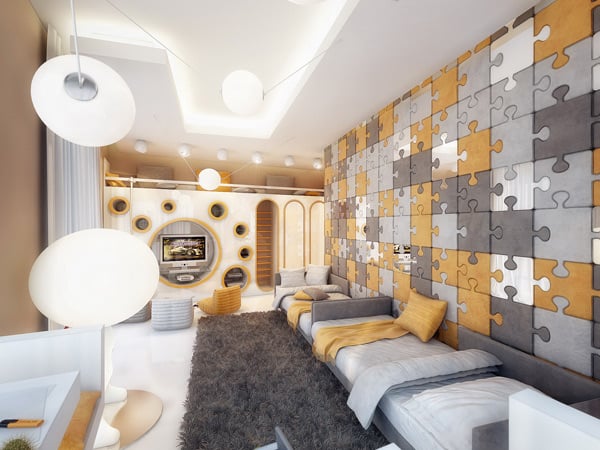
Homes today are changing faster than ever. They’re not just places to sleep anymore; they’ve become offices, gyms, art studios, and hangout spots all in one. Because of this, our rooms need to be flexible and ready to change whenever we do. Puzzle room designis perfect for this. It turns your space into a smart, adaptable place that fits your life like the pieces of a puzzle coming together just right.
This kind of design isn’t just about putting furniture in a room. It’s about thinking carefully about every part, the walls, the furniture, the lighting, and how you move around, so they all fit together perfectly. Puzzle room designmixes creativity with smart planning, making your home not only beautiful but also easier and more fun to live in.
What Makes A Great Puzzle Room?
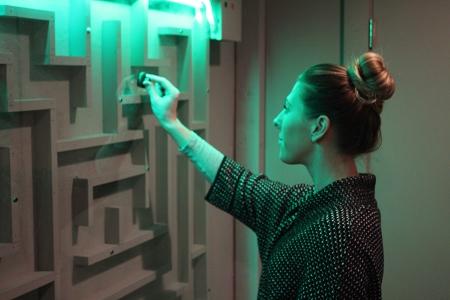
A well-designed puzzle room keeps players engaged from start to finish. Here are the key elements:
1. Strong Theme
A strong theme acts as the backbone of the experience, setting the mood and making puzzles feel natural within the story. Themes like a haunted mansion with hidden messages in old books and flickering lanterns, a spy mission featuring laser mazes and secret file decoding, or a prison break involving lockpicking and vent digging immerse players and give purpose to each challenge.
2. Puzzle Variety
Mixing different types of challenges keeps players interested and caters to different skills. Physical puzzles, such as finding hidden keys or assembling jigsaw pieces, can be balanced with logic puzzles like riddles or math problems. Incorporating tech-based puzzles, such as digital locksor motion sensors, alongside teamwork puzzles that require multiple players to solve different parts simultaneously, creates a dynamic and engaging experience.
3. Clear Progression
Each puzzle should logically lead to the next, avoiding dead ends or sudden jumps in difficulty that might confuse or frustrate players. A well-structured sequence helps maintain momentum and satisfaction as players uncover clues.
4. Player Feedback
Providing feedback lets participants know they are on the right track. This can be done through sound cues, like a satisfying click when a lock opens, visual hints such as a light turning green, or, in professionally run rooms, guidance from a game master. These signals encourage players and prevent frustration or confusion.
Now that we know what makes a great puzzle room, let's look into the best puzzle ideas for your room.
1. Invisible Ink Revelations
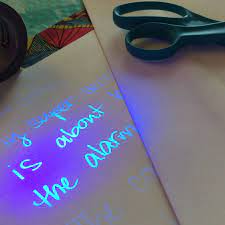
This puzzle adds a secretive and magical touch to your escape room. It involves writing clues using substances like lemon juice or UV-reactive ink. At first glance, the paper appears blank, confusing players who expect to see a message. The twist is that they need to figure out how to reveal the hidden writing. If lemon juice is used, players will need to apply heat, such as holding the paper near a lightbulb or a warm surface, to see the writing slowly turn brown and become visible.
If UV ink is used, they must find a UV flashlighthidden somewhere in the room. When they shine the light on the message, the text appears in glowing letters. This puzzle adds an exciting layer of mystery and requires players to combine logic, observation, and experimentation to uncover vital information.
2. Mirror Message Decoding
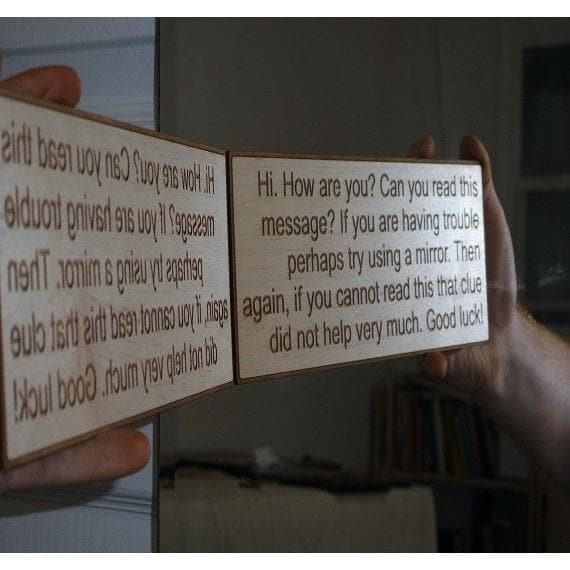
In this clever design, clues are written backward, like how things appear when reflected in a mirror. When players look at the text directly, it doesn’t make sense. It might look like gibberish or confusing symbols. The key is for players to realize they need a mirror to understand the message. A small mirror may be hidden in a drawer, or a wall mirror may already be part of the room’s decor.
Once players position the mirror correctly, the reversed message becomes readable, revealing important instructions or codes. This kind of puzzle encourages players to think differently, use their surroundings creatively, and find unexpected tools to solve a problem.
3. Magnetic Lock Mechanisms
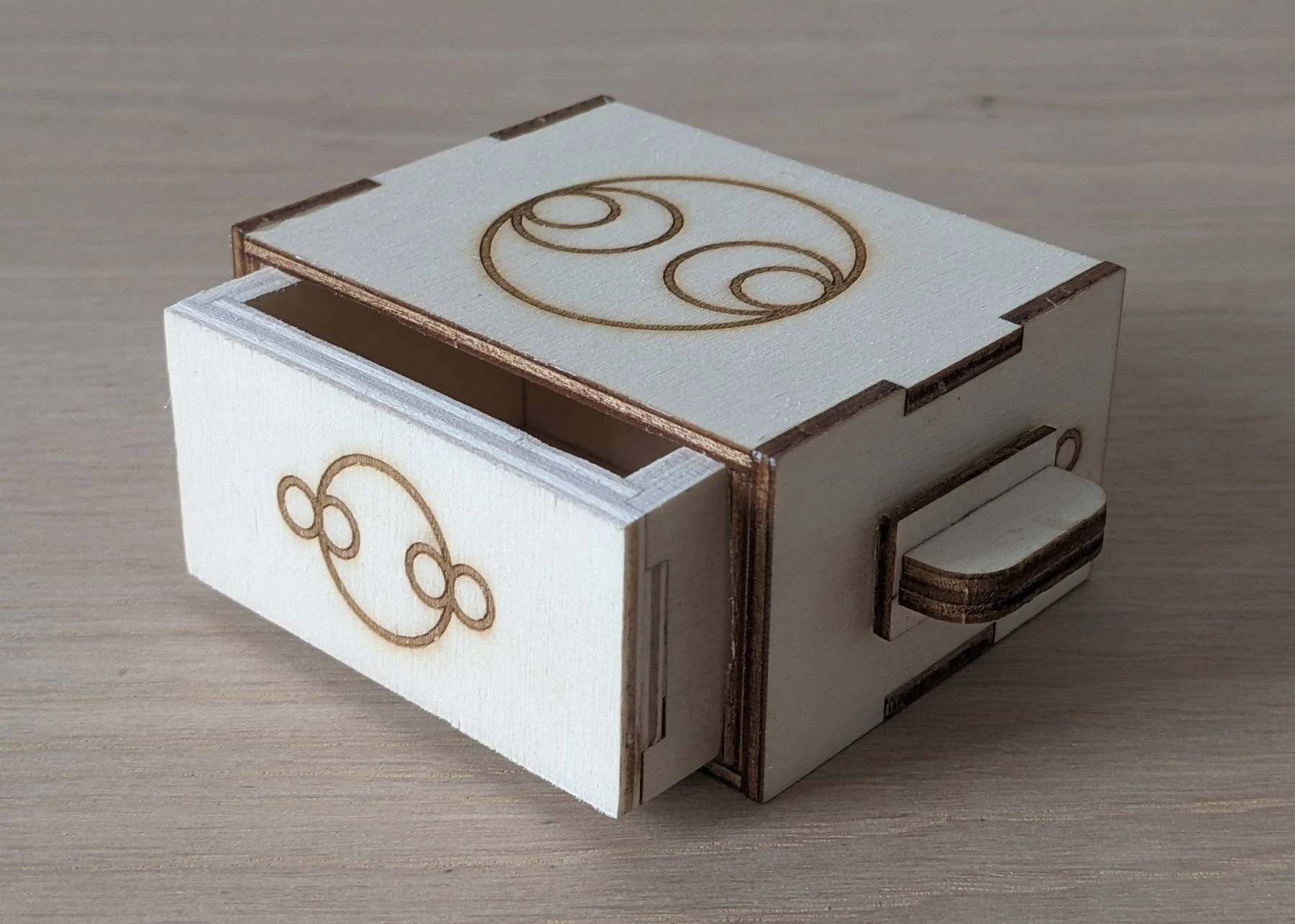
Magnetic puzzles involve placing magnets inside objects that players can move and experiment with. For example, a magnet might be hidden inside a fake book, a statue, or a wooden block. Somewhere else in the room, a hidden magnetic sensor is waiting to be activated. When the correct object is placed near the right location, like on a shelf, table, or wall, a hidden drawer might unlock or a secret compartment might open.
This type of puzzle works best when the magnetic element is well disguised. It creates a fun and interactive experience, where players feel rewarded for trying different combinations and physically engaging with the objects around them.
4. Sound-Activated Challenges
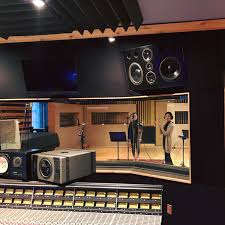
This type of puzzle uses microphones or sound sensors to react to specific noises. A clue in the room might tell players to clap three times, sing a note, or say a certain word. When they do so correctly, something unexpected happens, like a door opening, a light turning on, or a voice giving another clue.
This design brings sound into the puzzle-solving process and encourages players to speak, listen carefully, and work as a team. It's also great for breaking up the routine of written or visual puzzles by adding a completely different kind of challenge.
5. Interactive Floor Tiles
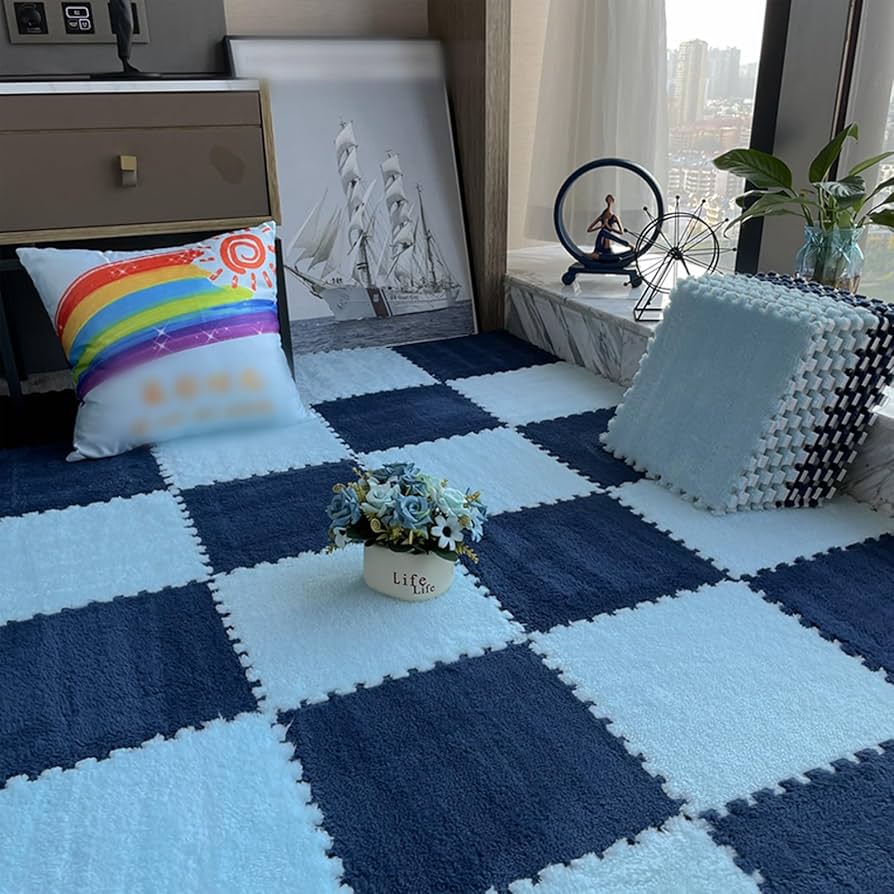
The floor itself becomes a puzzle with pressure-sensitive or light-up tiles. These tiles respond when stepped on and must be activated in a specific sequence or combination. Clues to the correct order might be hidden in wall art, notes, or previous puzzles. Players have to walk carefully, stepping on the wrong tile could reset the puzzle or trigger a time penalty.
In some cases, the correct combination causes doors to open or compartments to unlock. This design is especially engaging because it gets players moving and interacting with the physical space in a fun and strategic way.
6. Color Sequence Locks
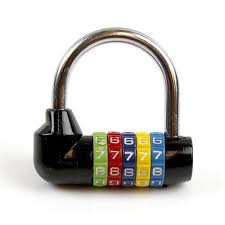
Color puzzles use the idea of arranging items in a specific color pattern to unlock a box or open a door. Players may come across colored buttons, lights, wires, or objects like balls, books, or cards. The correct order might be hinted at by something in the room, like a rainbow poster, a string of lights, or colorful paintings.
Once players discover the correct color combination, they press the buttons or place the items in the right order, causing the next part of the room to unlock. This type of puzzle is visually engaging and great for both kids and adults, as it taps into memory and observation skills.
7. Interactive Storybooks
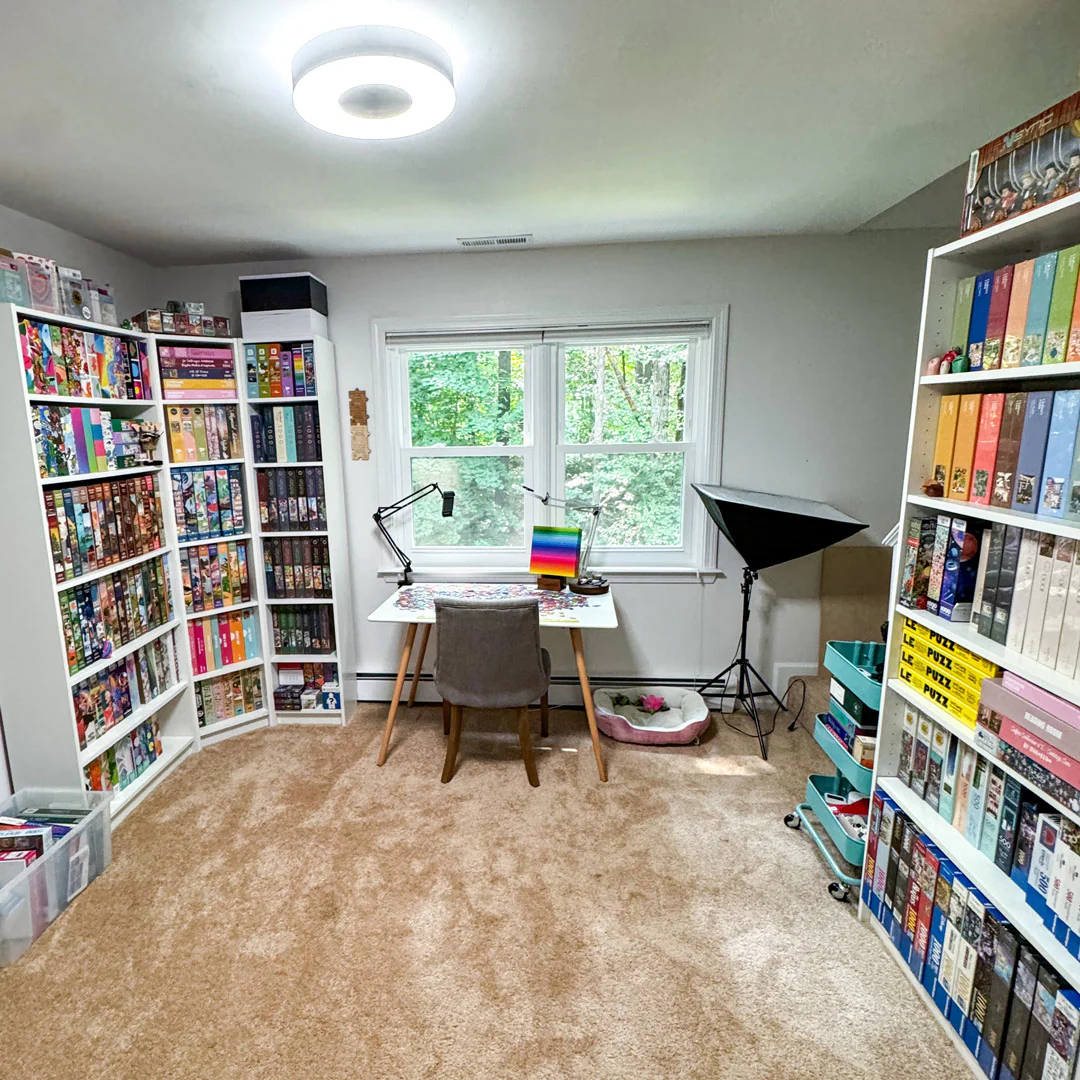
This puzzle turns reading into a hands-on adventure. A specially designed storybook is placed in the room, blending a fictional story with real clues. As players read through the pages, they’ll find hidden puzzles, illustrations with messages, or riddles that connect to items in the room. Some books may have flaps to lift, maps to trace, or areas to shine a light through.
One page might talk about a treasure hidden “where light meets stone,” prompting players to look near a lamp by a stone wall. This design allows the game’s story to lead players while giving them an immersive reading experience full of meaningful clues.
8. Laser Maze Navigation
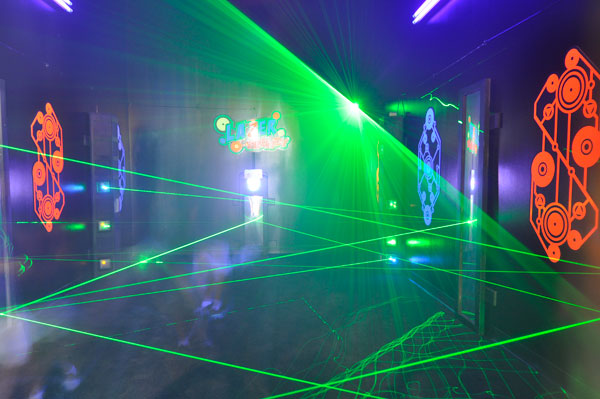
This type of puzzle turns part of the room into an exciting physical challenge. Thin red laser beams are set up across a hallway or enclosed area, creating a crisscrossing web that players must carefully pass through. If a beam is broken, either by stepping through it or waving a hand across it, it could sound an alarm or reset the puzzle.
The goal is for players to crawl, stretch, and maneuver through the maze without touching the lasers. Sometimes, a hidden switch or object must be reached at the other side. This is perfect for adding a physical element to the escape room and keeping the experience active and thrilling.
9. Time-Delayed Clues

Time-based puzzles reveal new information only after a certain period or after completing earlier tasks. For example, a countdown clock on the wall might show “Clue unlocks in 3 minutes,” building suspense as players wait. Alternatively, players might solve one puzzle and trigger a delay, such as pressing a button that lights up a message panel slowly over time.
This technique helps with pacing and gives the experience a rhythm, keeping players engaged and thinking about what might happen next. It’s especially useful for creating a dramatic buildup or surprise moment in the room.
10. Augmented Reality Integration
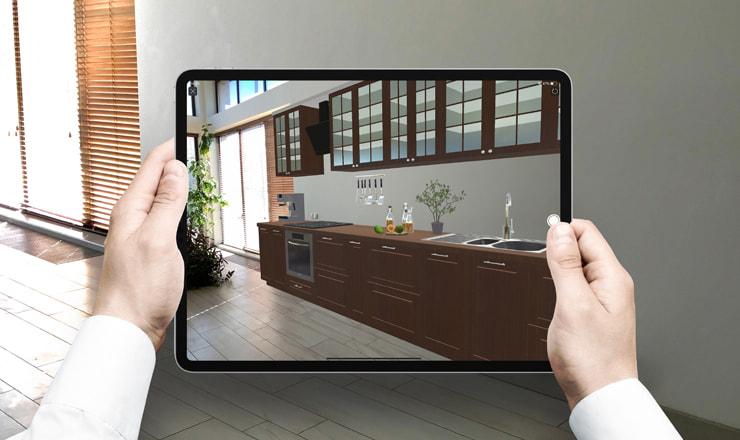
This modern puzzle uses technology to blend the digital world with the physical room. Players are given a tablet or phone with a special app. When they point the camera at certain symbols, pictures, or parts of the room, digital images or clues appear on the screen.
These could be numbers floating in the air, a ghostly figure giving instructions, or a hidden code appearing on a painting. This design makes your escape room feel futuristic and highly immersive, offering endless creative options for storytelling and gameplay. It’s perfect for tech-savvy players who enjoy puzzles with a high wow-factor.
11. Scent-Based Clues
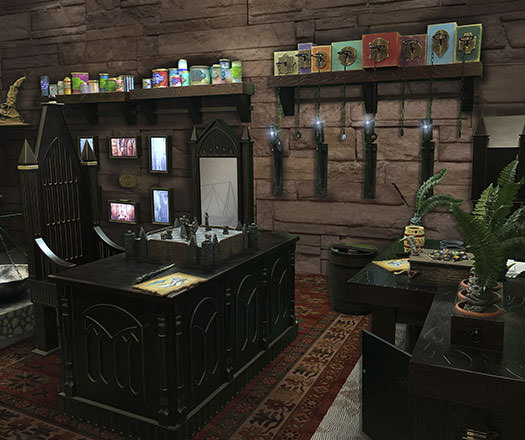
This design idea taps into the often-overlooked sense of smell to guide players toward clues. Different scents can be strategically placed in specific areas of the room, each one pointing to a unique object or location. For example, a lavender scent drifting from a flower vase might suggest that something is hidden nearby. A sharp citrus smell might lead players to inspect the kitchen area, while the aroma of old books could draw attention to a bookshelf.
Players must notice and interpret these subtle cues, which add an extra sensory layer to the experience. This type of puzzle is ideal for creating a multi-sensory environment and works especially well in themes like detective mysteries or nature-inspired rooms.
12. Temperature-Sensitive Materials
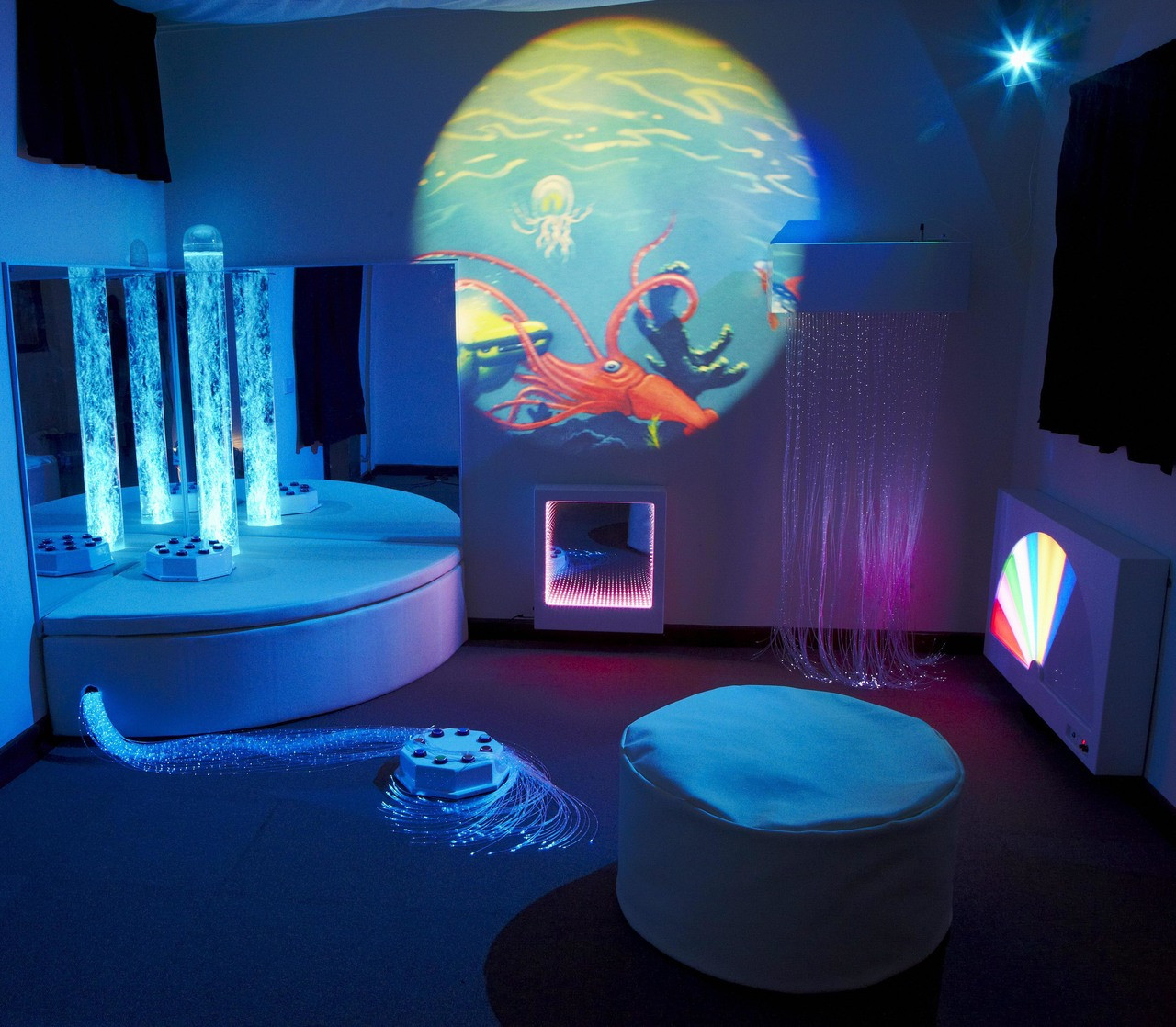
This puzzle uses materials that react to changes in temperature to reveal hidden information. Thermochromic ink is a popular tool, it remains invisible until exposed to heat. A piece of paper may look blank, but when players touch it, rub it with warm hands, or place it near a heated object like a lamp or mug, a message appears.
Alternatively, messages could disappear when cooled, creating a fun reverse effect. These puzzles surprise players and make them think creatively about how temperature could influence the objects in the room. It also introduces an exciting moment of revelation that enhances the immersive experience.
13. Puzzle-Embedded Furniture
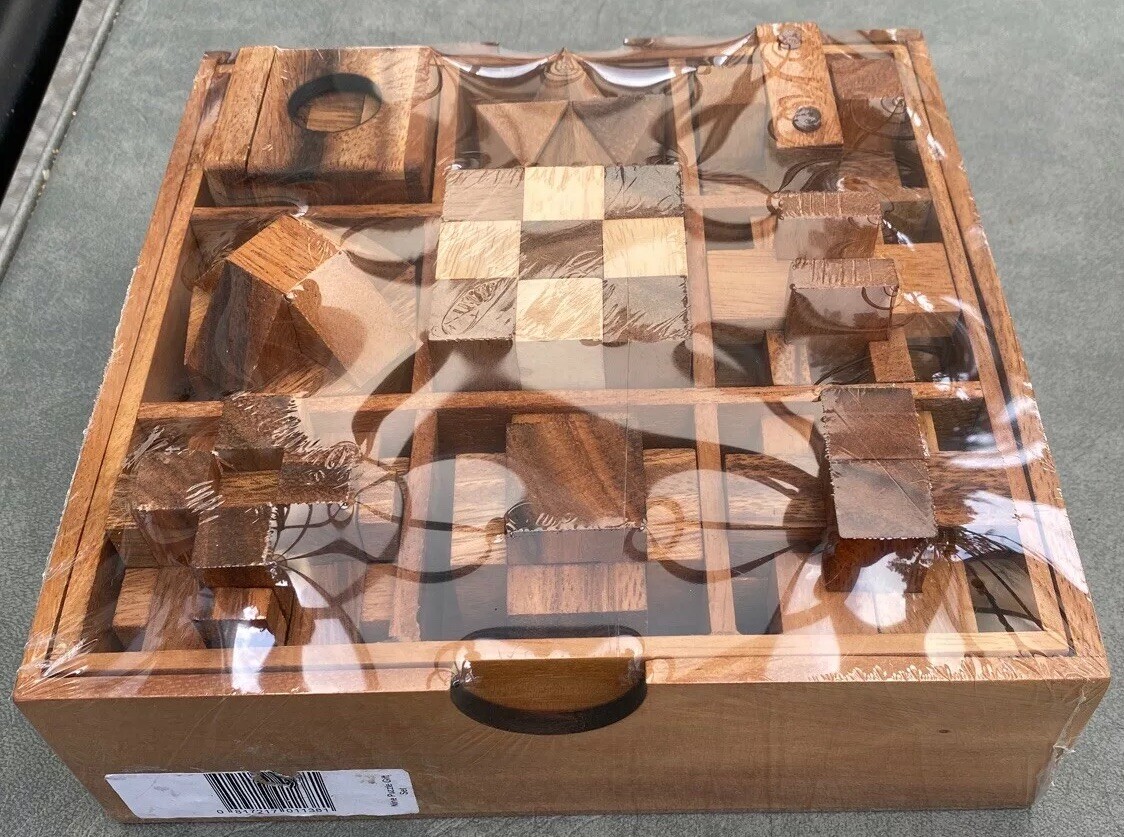
Every day, furniture becomes part of the challenge with this puzzle idea. Tables, chairs, desks, or bookshelves can be designed with hidden compartments, sliding drawers, false bottoms, or rotating panels. These features remain invisible until players solve a specific puzzle, like aligning objects, inputting a code, or pressing hidden buttons.
For instance, a wooden desk might contain a secret drawer that opens only when the player places specific items in a certain order on top. These designs encourage players to thoroughly examine the room’s furnishings, look beyond what’s obvious, and reward their curiosity with satisfying discoveries.
14. Interactive Video Prompts
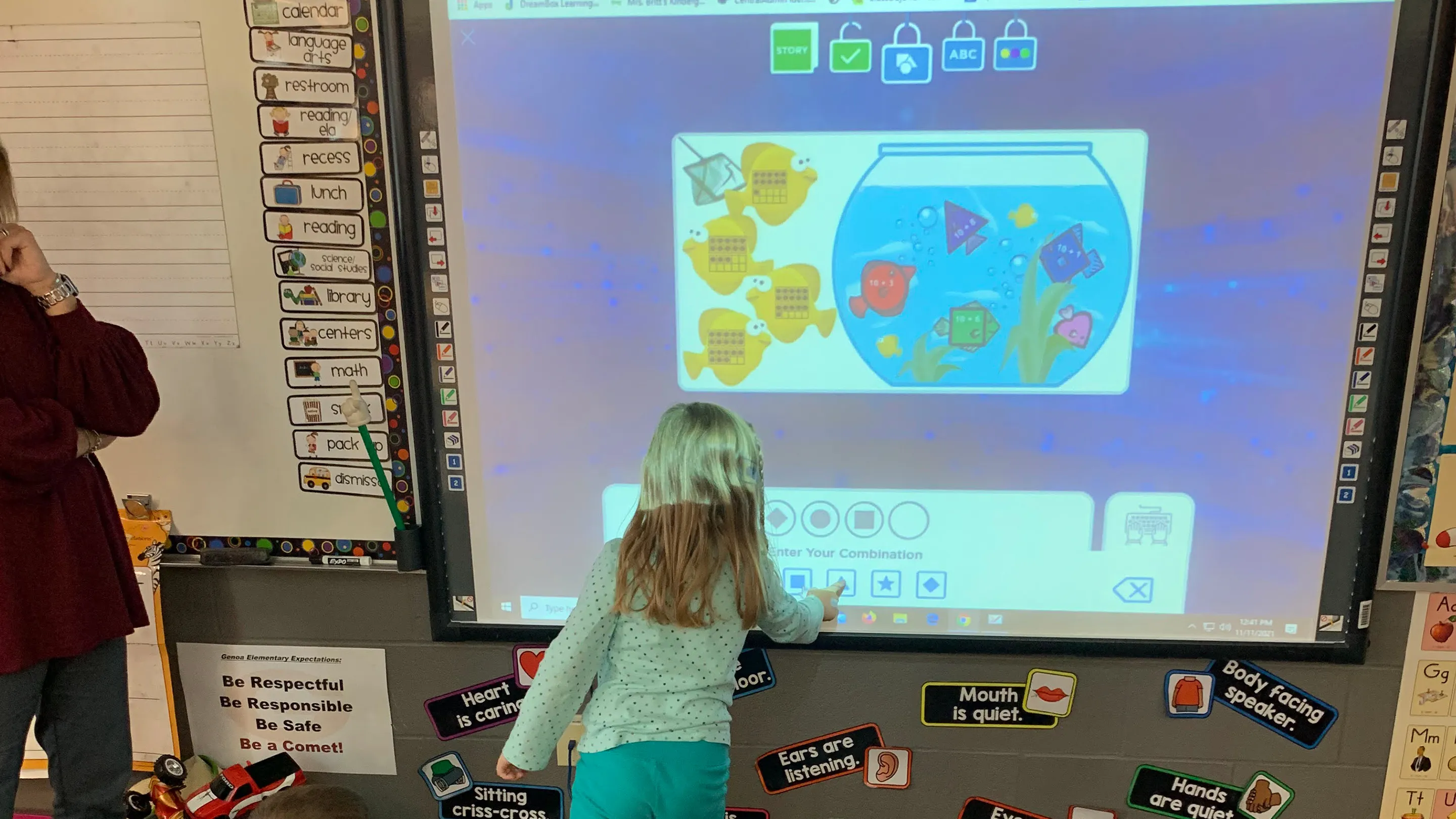
Interactive video elements help bring characters and storylines to life. In this setup, screens in the room play pre-recorded messages that change based on players' actions or progress. A video might show a mysterious figure giving cryptic instructions, or a digital map that updates as players unlock different parts of the room.
Some videos can be triggered by voice commands, pushing buttons, or solving a previous puzzle. This format creates a dynamic environment where players feel like they’re being watched or guided in real time. It enhances immersion, adds personality to the game, and gives the escape room a cinematic flair.
15. Shadow Projection Puzzles
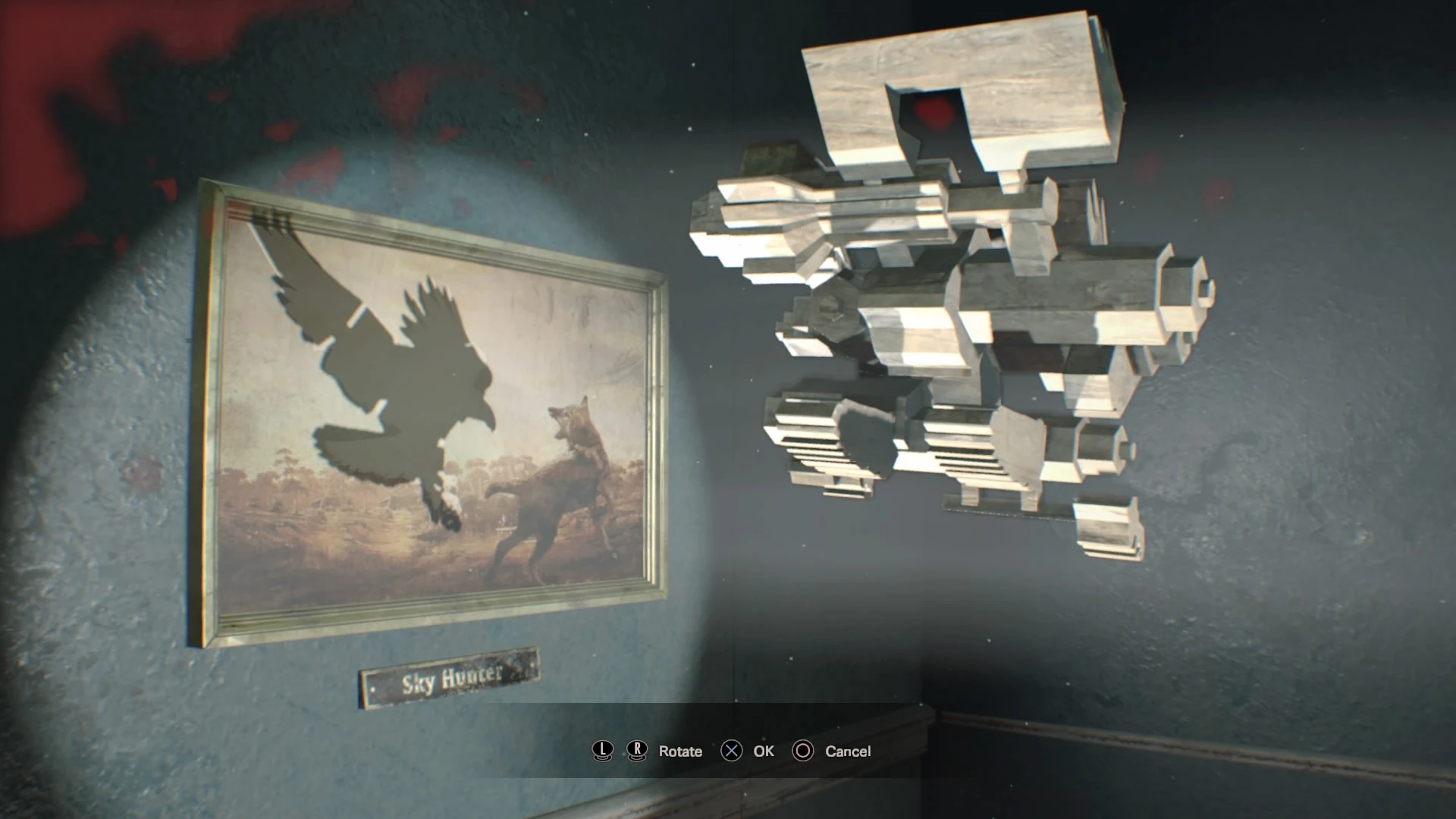
This visual puzzle requires players to work with light and objects to uncover hidden messages. Players may find strange-shaped objects or symbols that don't make sense at first. When arranged correctly in front of a light source, the shadows cast onto a wall or surface form letters, numbers, or shapes that reveal the next clue.
Sometimes, players need to adjust the position of a lamp or move objects around until the shadow forms something meaningful. This puzzle challenges spatial reasoning and encourages experimentation. It’s particularly effective in creating "wow" moments when players see a seemingly random arrangement turn into a perfectly formed message.
16. Musical Instrument Challenges
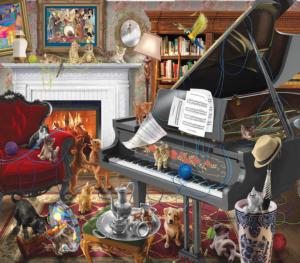
This idea combines music and puzzle-solving. Instruments like pianos, xylophones, bells, or recorders are placed in the room and must be played in a specific order or rhythm to unlock the next stage. The correct tune might be hinted at in a sheet of music, a note with musical symbols, or a song that plays in the background.
When played properly, the room responds, a drawer opens, a light flashes, or a voice gives further clues. These puzzles involve auditory skills and often encourage teamwork, especially when more than one person is needed to perform the musical sequence. It’s a fun and engaging way to bring sound into the gameplay.
17. Language Translation Tasks
In this type of puzzle, clues are presented in a foreign language or coded text. Players must translate them to understand their meaning. They might find a note written in French, a Morse code message, or a ciphered paragraph. Tools such as translation books, ciphers, or decoding devices are hidden somewhere in the room and must be found and used to crack the language barrier.
This puzzle promotes teamwork as players collaborate to decode the text and piece together the message. It adds a layer of intellectual challenge and is great for themed rooms like archaeological digs, spy missions, or international adventures.
18. Sequential Memory Puzzles
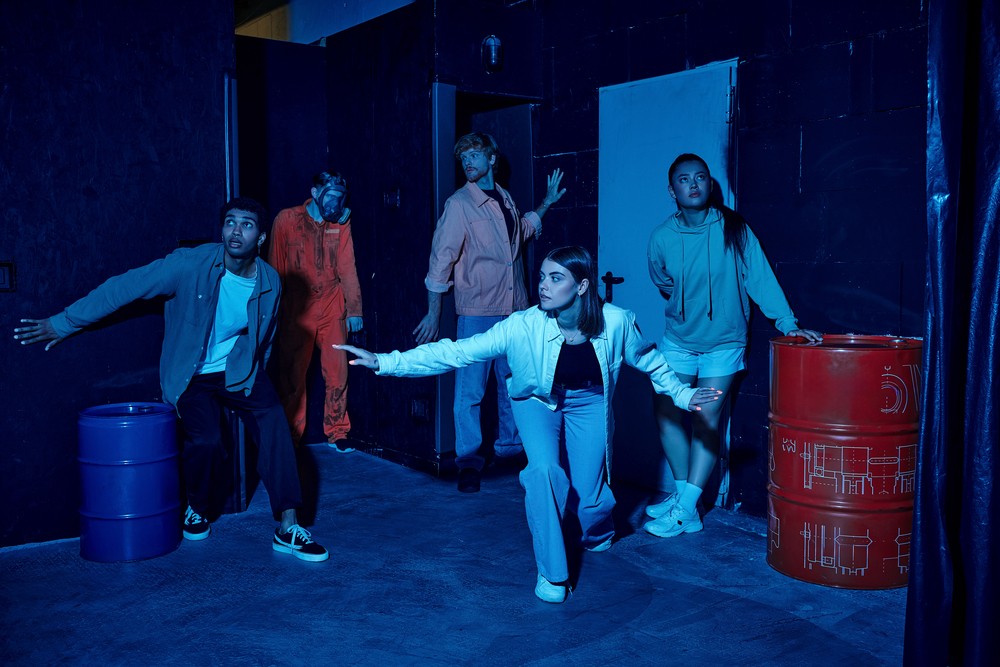
Sequential memory puzzles require players to remember a series of sounds, lights, or movements and reproduce them correctly to unlock the next step. These puzzles can involve repeating a pattern played on a musical instrument, pressing buttons in the right order, or retracing steps on a path.
By engaging working memory, they add cognitive variety and test players’ focus and attention to detail. It’s helpful to balance difficulty by allowing hints or partial repetition to avoid discouraging less experienced players.
19. Physical Coordination Challenges
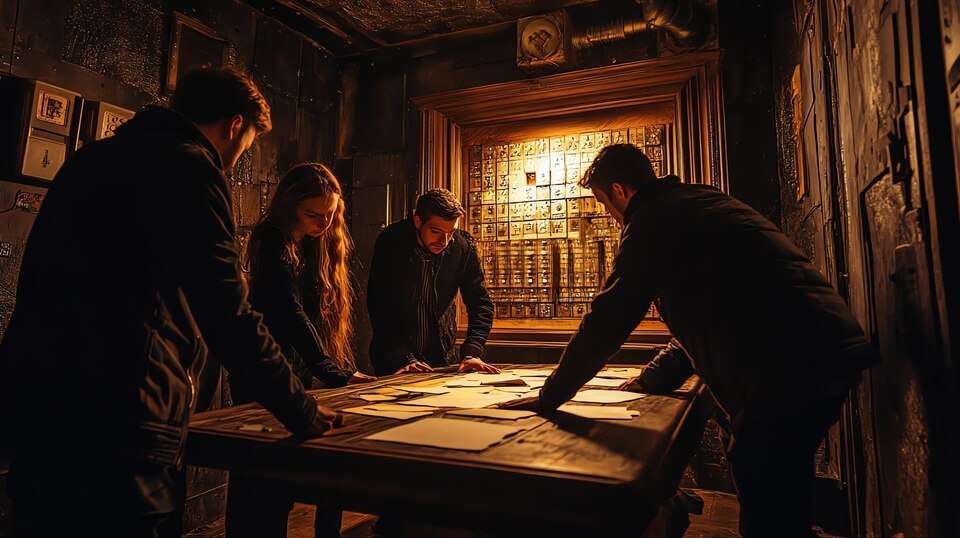
Physical coordination puzzles test players’ dexterity and teamwork through tasks like balancing objects, threading ropes, or navigating mazes. These challenges inject a playful, active element into the experience and can be designed to require simultaneous action or precision timing. Incorporating wooden brain teaser puzzlesinto these challenges adds a tactile and engaging layer that requires careful manipulation and problem-solving. Physical puzzles break the monotony of purely mental tasks and appeal to players who enjoy movement and hands-on interaction. To avoid frustration, these challenges should be straightforward and inclusive, ensuring all players can participate regardless of physical ability.
20. Emotional Intelligence Challenges

This advanced puzzle concept focuses on understanding human emotions, social cues, or relationships between fictional characters. For example, players might be given a series of character profiles, diary entries, or video interviews. They must analyze the emotions involved, such as jealousy, fear, or sadness, to determine who stole an item, who’s lying, or where something is hidden.
This adds depth to the story and challenges players on a psychological level, not just logical or physical. These puzzles are especially effective in mystery or drama-themed rooms where narrative plays a big role, making players feel like they’re part of a real investigation.
21. Concealed Clues
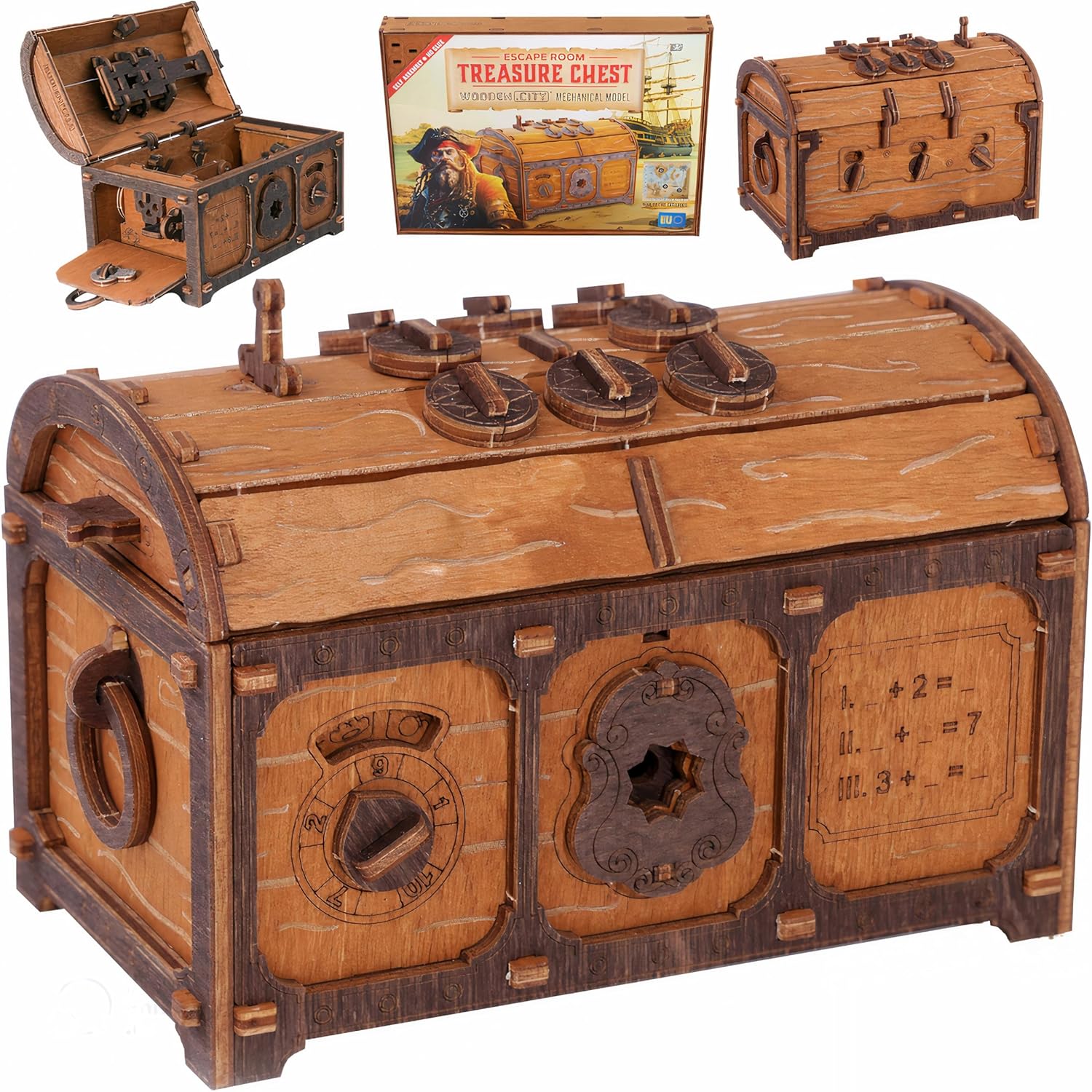
In many escape rooms, hidden object puzzles play a vital role in engaging players’ observation skills. These puzzles involve finding concealed items that serve as keys or clues. The hidden elements can take many forms: a key taped underneath a drawer, a symbol subtly blended into a painting, or even a faint ticking sound buried inside a stuffed animal.
Creative designers often incorporate invisible ink, UV lights, or heat-sensitive materials to layer the experience. It’s important that players are nudged in the right direction through environmental hints or narrative guidance if they get stuck. This puzzle type remains popular due to its adaptability across various themes, from detective mysteries to ancient treasure hunts.
22. Cipher And Code
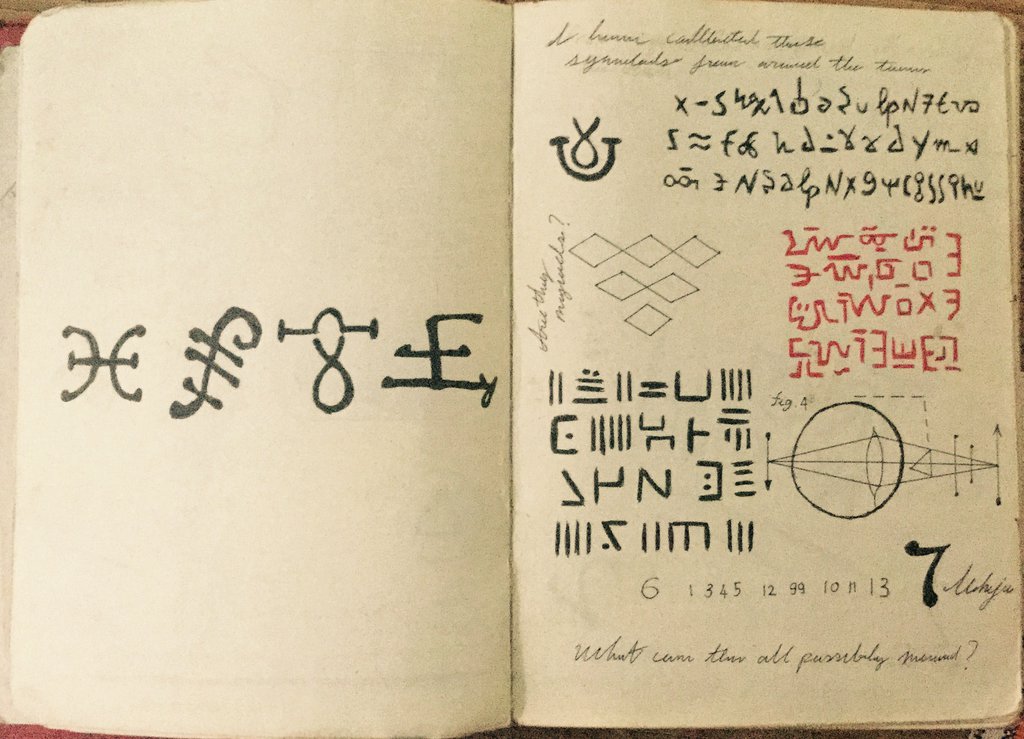
Another staple of escape room design is the cipher or code puzzle, which challenges players to decipher hidden messages. These puzzles can involve basic number substitutions where letters correspond to digits (A=1, B=2), or more complex systems like Morse code, pictographs, or book ciphers. To support the decoding process, designers may include helpful tools such as cipher wheels, keys, or example texts.
More advanced challenges might require players to piece together partial clues scattered around the room. Careful testing is needed to ensure the decrypted message leads to a clear, singular solution. These puzzles introduce a cerebral challenge and are especially well-suited for spy stories, ancient secrets, and mystery-themed environments.
23. Multi-Step Puzzle Chains
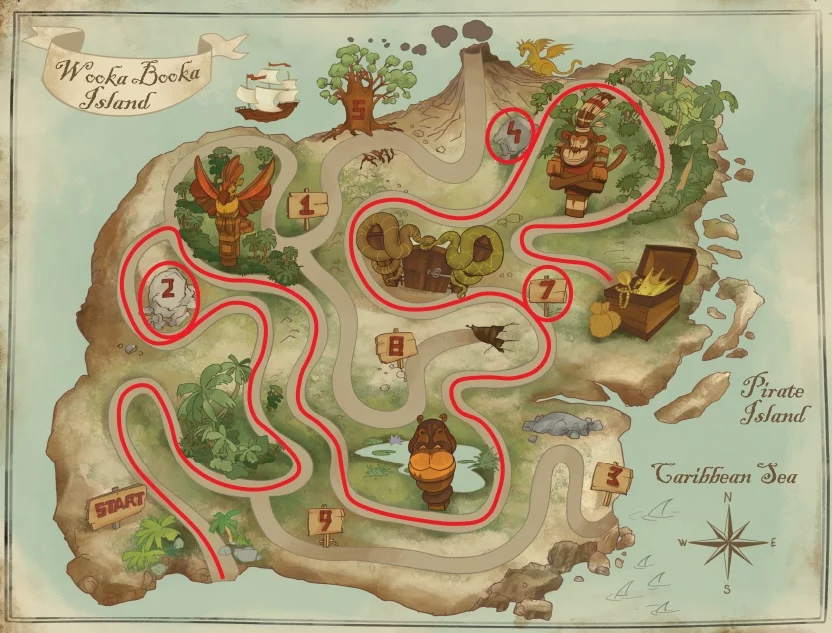
Puzzle chains offer a satisfying progression where each solved puzzle leads logically to the next. For example, finding a key might unlock a box that holds a map, which in turn points to a hidden compartment. Alternatively, decoding a message may reveal a code that opens a door or container.
These chains are most effective when the cause-and-effect relationships are clear, with each step offering a reward that drives the story forward. Keeping chains between three to five steps prevents them from feeling overly drawn out, while varied props and styles maintain player interest.
24. Collaborative Thinking In Action

Escape rooms shine as group activities, and teamwork puzzles amplify that experience by requiring collaboration. Players may need to perform simultaneous actions, like pulling levers at the same time, or share separate pieces of information to complete a task. One person might read an audio clue while another sees the matching visual reference.
Assigning roles such as decoder or scout encourages communication and prevents one player from dominating the experience. Designing these puzzles with balance ensures every participant remains engaged. They’re particularly valuable for fostering team-building, friendship, and cooperative problem-solving.
25. Tech-Enhanced Puzzles
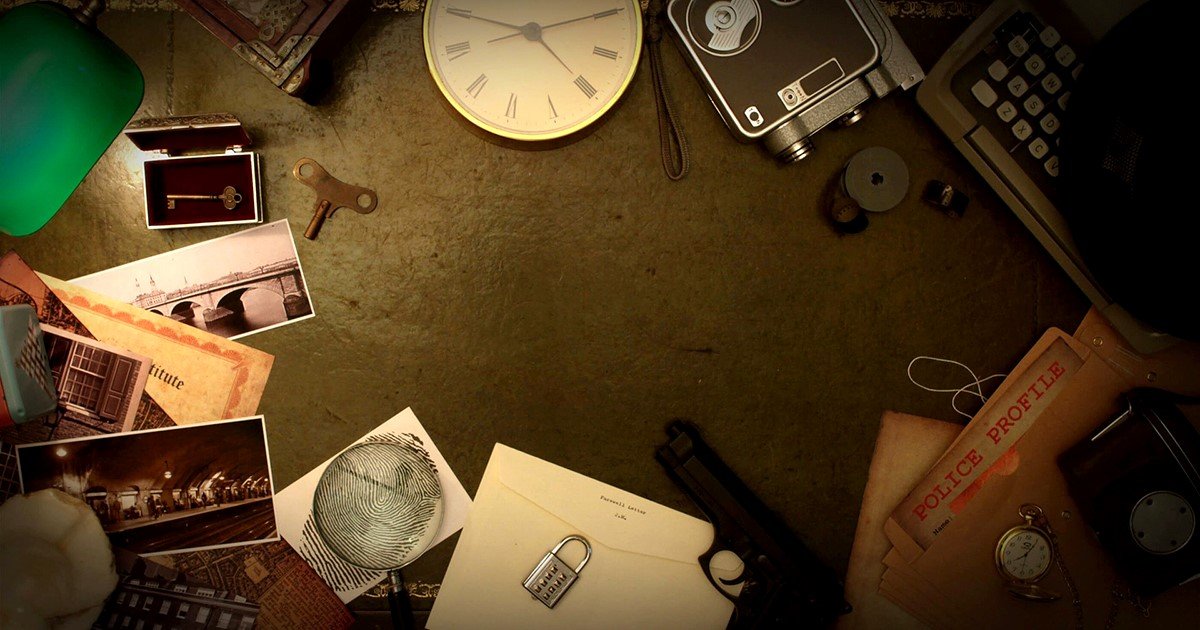
Modern escape rooms often feature tech-enhanced puzzles that elevate gameplay with interactive electronics. RFID sensors might trigger hidden doors when the correct item is placed, motion detectors could activate a visual clue, or tablets could host digital lock challenges.
When using technology, designers should ensure it’s intuitive and backed up by manual overrides in case of malfunction. Reliable power sources, like battery backups, are essential. These puzzles bring a modern flair to escape rooms and are particularly appealing to players comfortable with digital interaction.
26. Red Herrings And Misdirection
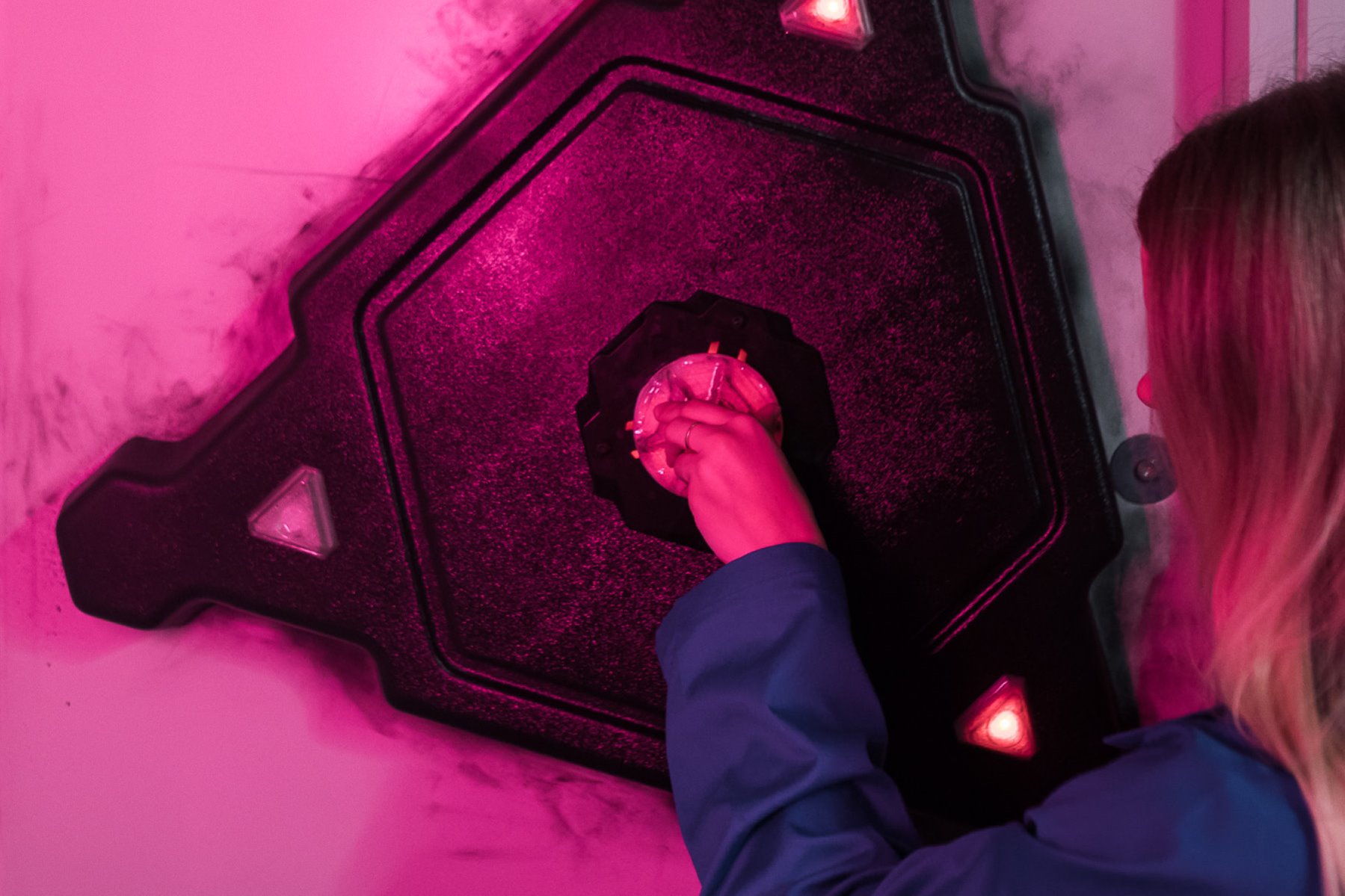
To keep players on their toes, some escape rooms include red herrings, intentionally misleading elements that serve no real purpose. These might include a locked drawer that opens to reveal nothing useful, a newspaper headline that appears relevant but isn’t, or a fake countdown timer that adds psychological pressure.
When used sparingly, usually no more than one or two per room, these distractions increase the challenge without creating frustration. Designers can subtly mark authentic clues or explain decoys during post-game discussions. Red herrings add complexity and realism, mimicking the unpredictability of real-world investigations.
27. Environmental Storytelling Puzzles
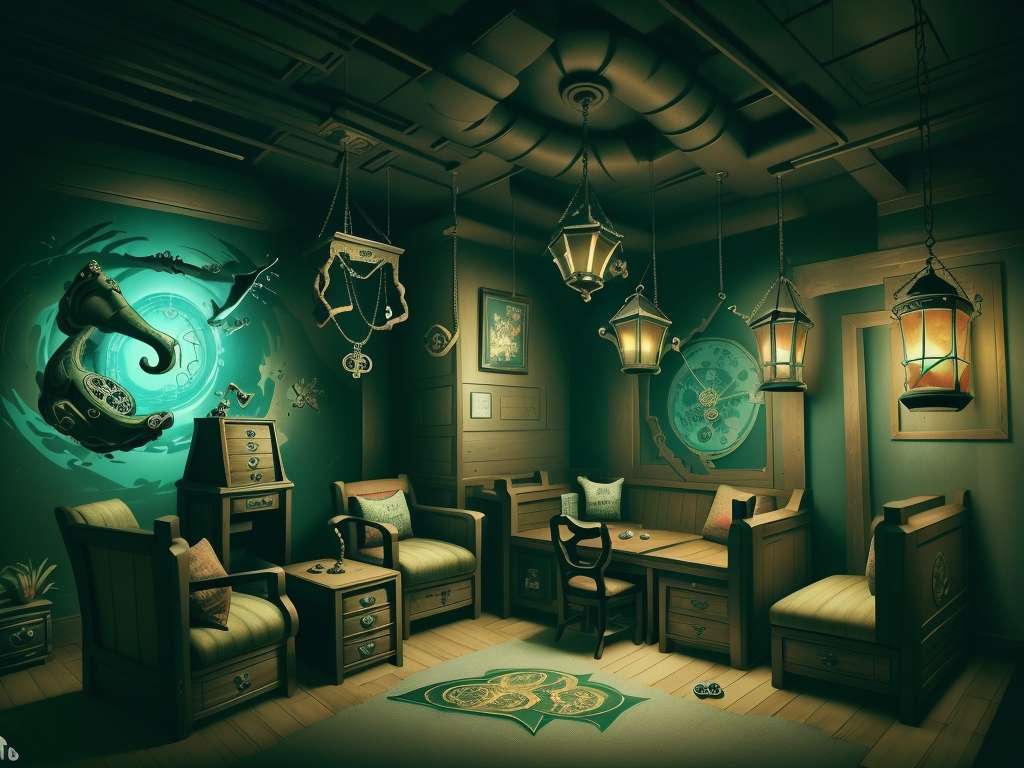
Some of the most immersive puzzles arise from environmental storytelling, where the puzzle elements are woven seamlessly into the narrative of the room. In a scientist’s lab, players might need to mix chemicals based on diary notes to create an antidote. A pirate-themed room might require aligning a compass using details in a captain’s log.
Clues may come in the form of letters, torn maps, or spoken recordings, all building toward a coherent story. These puzzles should lead to a satisfying conclusion, such as escaping a ship or completing a rescue mission. When executed well, this method makes players feel like active characters in a dramatic world.
28. Tasting And Discovering Hidden Messages
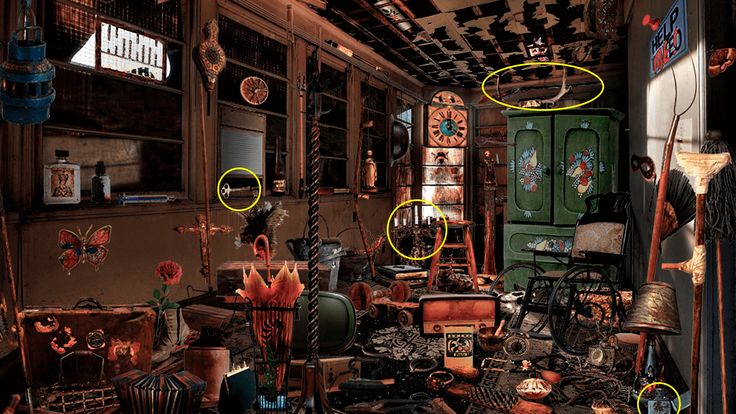
Edible clues add a playful and unexpected layer to puzzle solving by hiding notes or objects inside food items such as chocolate bars, cupcakes, or candies. Players are encouraged to eat, break apart, or otherwise interact physically with these edible items to uncover the hidden hints. This approach combines surprise with humor, making the discovery feel more rewarding and engaging.
Designers must ensure that the edible components are safe, hygienic, and accessible to all participants. Incorporating edible clues also introduces an element of sensory exploration that can break up the typical visual or tactile puzzle formats, adding a memorable and multisensory experience.
29. Texture-Based Hints
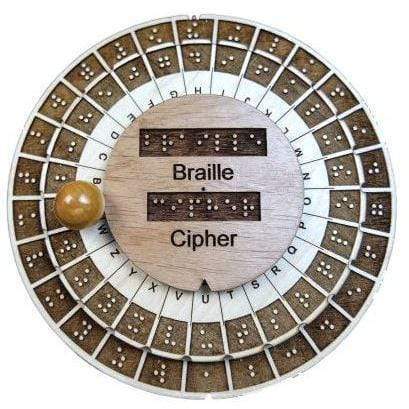
Texture-based clues invite players to rely on their sense of touch, promoting a more inclusive and sensory-rich experience. This puzzle style may include raised patterns, embossed symbols, or Braille messages embedded on surfaces or objects within the room.
Players must carefully feel or trace these textures to decode the information needed to progress. This approach is especially beneficial for visually impaired participants or groups seeking diverse modes of interaction.
30. Pattern Recognition And Matching
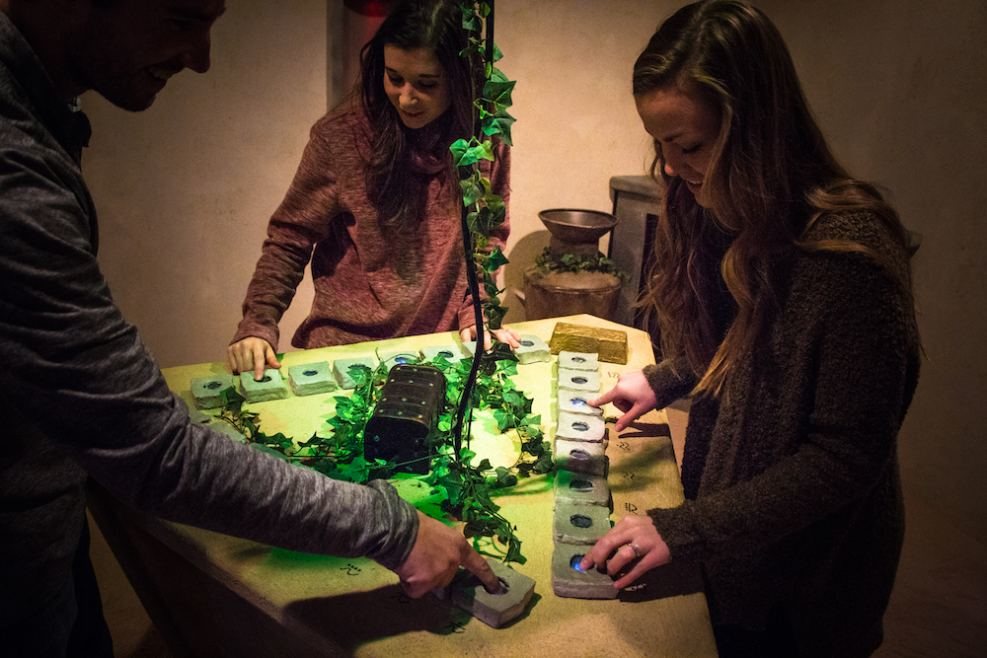
Pattern recognition puzzles challenge players to identify sequences or match symbols, colors, or shapes to unlock new clues. This might involve arranging tiles in a specific order, deciphering a rhythm, or spotting repeated motifs hidden throughout the room. Such puzzles encourage careful observation and logical thinking.
They work well because the solution often feels intuitive once the pattern is discovered, offering satisfying moments of clarity. When incorporating pattern puzzles, it’s important to provide clear feedback to help players confirm they are on the right track.
How To Create Your Own Puzzle Room
1. Identify Your Needs
Start by thinking about everything you want your space to do. Will it need to function as an office during the day and a lounge in the evening? Do you need space for hobbies, workouts, dining, or entertaining guests? Write down each activity and how often you use the space for it. This helps you understand the level of flexibility required and which features should take priority in your design.
2. Choose Modular And Movable Pieces
Furniture is the heart of a puzzle room. Go for pieces that serve more than one function. Think fold-out desks that disappear when not in use, ottomans with hidden storage, or tables that expand for dinner parties. Lightweight, wheeled, or stackable furniture allows you to shift things around with ease, adapting your space on the fly without hassle.
3. Design For Smooth Transitions
It’s not just about what’s in the room, but how everything works together. Make sure sliding walls, curtains, or rotating bookshelves move smoothly and safely. Avoid blocking doors or walkways. The goal is to transition from one setup to another in seconds, not minutes. Good flow keeps the space feeling open and stress-free, even when it's being used for multiple purposes.
4. Optimize Lighting And Ambiance
Lighting can completely change the mood and function of a room. Use a mix of overhead lights, task lamps, and ambient lighting. Install dimmers to adjust brightness based on the activity, brighter for work, softer for relaxing. Natural light is a bonus, so use sheer curtains or adjustable blinds to let in sunlight without glare. You can also use LED strips or smart lighting systems that change color and intensity with a click.
5. Add Personal Touches
Bring your personality into the design. Include puzzle-inspired features like secret drawers, rotating shelves, or wall panels that slide to reveal hidden storage. Use patterns and shapes that interlock or shift, reflecting the concept of a puzzle in your decor. These details not only make your room feel fun and creative, but they also make it uniquely yours. If you enjoy turning your living space into a playful yet functional environment, consider drawing inspiration from family puzzle night ideas, blending entertainment, design, and interactive elements into your home.
Common Mistakes To Avoid
- Overcomplicating Puzzles: Avoid overcomplicating puzzles by ensuring each challenge is clear, logical, and solvable within a reasonable time. Overly difficult or confusing puzzles can lead to player frustration and reduce overall enjoyment. Balance complexity with accessibility to keep players engaged without overwhelming them.
- Ignoring Safety: Prioritize player safety throughout the escape room design. Remove any physical hazards or obstacles that could cause injury. Make sure all exits are easily accessible and avoid using real locks on doors so players can exit quickly in case of an emergency. Safety should never be compromised for the sake of immersion or challenge.
- Neglecting Accessibility:Design puzzles and clues to be accessible for players with varying abilities, including those with physical, sensory, or cognitive differences. Consider options like tactile elements, visual aids, or alternative solutions to make the experience inclusive and enjoyable for everyone.
- Too Many Puzzles in One Spot: Distribute puzzles evenly throughout the room rather than clustering many challenges in one location. When players encounter too many puzzles in a single area, it can feel overwhelming and chaotic. Spreading them out encourages exploration and keeps the flow balanced, preventing bottlenecks.
- Unclear Clues:Thoroughly test all clues and puzzles with a variety of players before finalizing the design. Unclear or ambiguous hints can cause players to get stuck and lose motivation. Feedback from testers helps refine wording, presentation, and difficulty to ensure clues are intuitive and fair.
- Forgetting the Story:Maintain a strong, cohesive story or theme that ties all puzzles together and enhances immersion. Rooms without a clear narrative can feel disjointed and like random challenges. A compelling storyline motivates players, deepens engagement, and makes the escape experience more memorable and satisfying.
People Also Ask
How Many Types Of Puzzles Are There?
There are different genres of puzzles, such as crossword puzzles, word-search puzzles, number puzzles, relational puzzles, and logic puzzles. The academic study of puzzles is called enigmatology.
How Can Puzzle Room Design Improve Small Living Spaces?
Puzzle room design maximizes every inch of a small space by creating multifunctional areas. For example, a wall panel might fold down into a desk, or hidden storage can be built into furniture, helping to keep the room tidy and versatile without feeling cramped.
What Materials Work Best For Puzzle Room Furniture?
Durable, lightweight materials like plywood, MDF, and metal are ideal because they can be easily shaped and moved. Using natural finishes or soft-touch laminates adds warmth and comfort while ensuring the pieces last through repeated use.
What Are Some Cost-effective Ways To Start Puzzle Room Design At Home?
Begin by decluttering and thinking about how your space can serve multiple purposes. Simple DIY projects like adding modular shelves, using storage ottomans, or installing foldable desks can transform your room without a big budget. Gradually add more custom elements as needed.
Final Thoughts
Puzzle room design isn’t just a smart idea, it’s a way to improve how you live every day. It encourages you to look at your space in a new way and think about how it can better fit your lifestyle. By mixing creativity with careful planning, puzzle rooms turn ordinary rooms into flexible, inspiring places that change as you do.
Choosing this design means bringing more flexibility, style, and fun into your home. It’s about making every part of your space matter and making every moment you spend there feel just right.
Jump to
What Makes A Great Puzzle Room?
1. Invisible Ink Revelations
2. Mirror Message Decoding
3. Magnetic Lock Mechanisms
4. Sound-Activated Challenges
5. Interactive Floor Tiles
6. Color Sequence Locks
7. Interactive Storybooks
8. Laser Maze Navigation
9. Time-Delayed Clues
10. Augmented Reality Integration
11. Scent-Based Clues
12. Temperature-Sensitive Materials
13. Puzzle-Embedded Furniture
14. Interactive Video Prompts
15. Shadow Projection Puzzles
16. Musical Instrument Challenges
17. Language Translation Tasks
18. Sequential Memory Puzzles
19. Physical Coordination Challenges
20. Emotional Intelligence Challenges
21. Concealed Clues
22. Cipher And Code
23. Multi-Step Puzzle Chains
24. Collaborative Thinking In Action
25. Tech-Enhanced Puzzles
26. Red Herrings And Misdirection
27. Environmental Storytelling Puzzles
28. Tasting And Discovering Hidden Messages
29. Texture-Based Hints
30. Pattern Recognition And Matching
How To Create Your Own Puzzle Room
Common Mistakes To Avoid
People Also Ask
Final Thoughts
Latest Articles
Popular Articles