Valorant Agent Tier List 2026: Best Picks By Role, Rank & Map
Use this Valorant agent tier list to pick faster: S–D tiers, role breakdowns, comp templates, and solo queue picks.
Mar 09, 202653.9K Shares770.7K Views

Valorant Agent Tier List - Best Picks For Patch 12.04
For Season 2026, the safest “default” picks across most ranked lobbies come from S-tier, but your best lock-in still depends on smokes + info + map needs + comfort.
Last updated:March 2026 (Patch 12.04) - always sanity-check the newest official patch notes before treating any tier list as permanent.
Key Takeaways (quick Answer Box)
Here is the tier list of VALORANT agents divided into different tiers, based on patch Season 2026:
- S-Tier:Clove, Sage, Phoenix, Reyna, Jett
- A-Tier:Sova, Killjoy, Chamber, Fade, Raze, Neon, Gekko
- B-Tier:Skye, Vyse, Deadlock, Cypher, Veto, Waylay, Iso, Brimstone, Breach
- C-Tier:Tejo, Viper, Yoru, KAY/O, Astra, Omen
- D-Tier:Harbor
Freshness note:Rankings and “best picks” can change after updates.
Quick Stats Snapshot
These are Competitive / all ranks / Patch 12.04stats (win rate + pick rate) to ground what “popular + converting” looks like right now.
| Agent | Role, Win rate, Pick rate |
| Clove | Controller • Win: 51.46% • Pick: 11.59% |
| Jett | Duelist • Win: 49.46% • Pick: 9.91% |
| Chamber | Sentinel • Win: 49.15% • Pick: 9.65% |
| Reyna | Duelist • Win: 49.25% • Pick: 8.31% |
| Sova | Initiator • Win: 49.70% • Pick: 6.48% |
| Neon | Duelist • Win: 50.15% • Pick: 4.97% |
| Fade | Initiator • Win: 49.74% • Pick: 4.93% |
| Cypher | Sentinel • Win: 49.35% • Pick: 3.76% |
| Sage | Sentinel • Win: 50.50% • Pick: 3.32% |
| Phoenix | Duelist • Win: 50.95% • Pick: 2.89% |
What These Tiers Mean
- S-tier:Best-in-class and easiest to convert into wins.
- A-tier:Strong picks, but more map/comp/discipline dependent.
- B-tier:Solid and playable, but more situational or teamwork-sensitive.
- C-tier:Niche or higher mastery-can work, but harder to convert consistently.
- D-tier:Usually outclassed in average ranked conditions.
What this list values (ranking criteria):
- Round-to-round consistency(works even when teammates are random)
- Team value(smokes/info/stall that helps everyone)
- Role coverage(whether the kit solves common comp problems)
- Map flexibility(not “one-map only”)
- Solo queue usabilityvs coordinated value
How This Tier List Is Built
This tier list is designed to be easy to sanity-check during agent select. Instead of pretending there’s one “true” meta, it separates general ranked strengthfrom solo-queue practicalityand coordinated/pro value.
The 3-layer Lens (how To Read The Tiers)
- Overall ranked:Most reliable in everyday matches.
- Solo queue:Still strong even when teammates don’t coordinate.
- Coordinated/pro:Gets much better when your team layers utility and trades properly.
How I Sanity-check With Data (without Over-trusting It)
I use stats as a trend check-not a verdict:
- Win rate trend:does it actually convert to wins?
- Pick rate:is it broadly usable or niche?
- Enough matches:avoids tiny-sample spikes.
What The Numbers Miss (the Real Reason Tiers Differ In Practice)
Stats can’t measure:
- whether your team will tradeyou,
- whether your comp has smokes/info,
- whether you personally can execute the kit under pressure.
That’s why the rest of the guide focuses on role-based picks and simple decision rules you can use fast.
What Changed Since Last Patch
Patch notes don’t just change “power”-they change how consistent agents feel.
Patch 12.04 Highlights (quick)
- Killjoy turret placement QoL:turret can be rotated while holding ALT-FIRE, making setups easier and more precise.
- A batch of agent and map bug fixes(small, but can affect reliability).
What it changes for picks (ranked impact):
- Killjoygets a small consistency bump (setups are easier to execute under pressure).
- If you were “almost” a Killjoy player, this patch makes her feel less finicky.
Patch 12.03 Highlights (quick)
- Gekko buff / consistency update:includes Mosh Pit becoming reclaimable(plus other reclaim rule changes).
Patch 12.02 Highlights (quick)
- Harbor adjustmentsand Reyna adjustments(plus other system updates).
Overall Ranked Tier List (all Roles)
Here’s the tier list again, then we’ll break it down in plain language by tier and role.
Takeaway:Start with the tier list, then use role and comfort as the tiebreakers.
S Tier VALORANT Agents
S-Tier:Clove, Sage, Phoenix, Reyna, Jett
These picks tend to sit at the top because they’re either very consistent in ranked, or they create round-winning openings without needing perfect teamwork.
Clove (Controller)

- Best for:Ranked + solo queue
- Strength:Smokes + aggressive tempo fit most lobbies
- Watch out:Needs proactive decision-making (don’t play too passive)
- Difficulty:Easy–Medium
- Map fit (examples):Works on most maps; if you want the data-backed“best maps,” filter by map in OP.GG’s stats view.
Sage (Sentinel)
- Best for:Ranked stability, holding sites, post-plant control
- Strength:Reliable stall and team-saving utility
- Watch out:If you only heal, you’ll underuse her value
- Difficulty:Easy
- Map fit (examples):Strong on maps where plants are predictable and stall matters.
Phoenix (Duelist)

- Best for:Solo queue entries, self-sufficient rounds
- Strength:Straightforward “take space” duelist
- Watch out:If you hesitate, his kit loses a lot of value
- Difficulty:Easy
- Map fit (examples):Great when your team needs a simple entry/flash plan.
Reyna (Duelist)
- Best for:Aim-heavy players who take clean 1v1s
- Strength:Snowball potential when you win first contact
- Watch out:Lower team utility-if you aren’t fragging, impact drops
- Difficulty:Easy–Medium
- Map fit (examples):Best when you can isolate duels; confirm by rank/map filters rather than guessing.
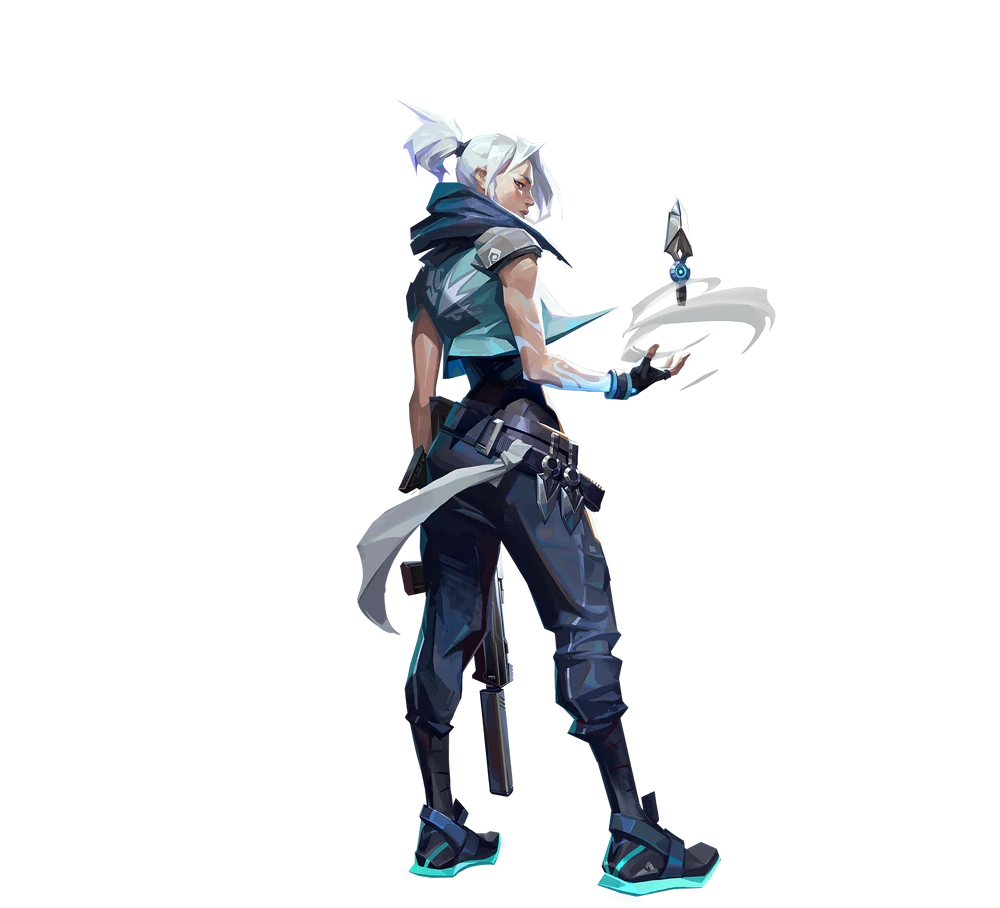
Jett (Duelist)
- Best for:Creating openings and taking aggressive angles
- Strength:Mobility creates space when played confidently
- Watch out:Needs good fundamentals; risky if you force hero plays
- Difficulty:Medium
- Map fit (examples):Often strongest on maps with long angles and fast rotations.
A Tier
A-Tier:Sova, Killjoy, Chamber, Fade, Raze, Neon, Gekko
A-tier agents are strong, but they typically depend more on the map, timing, or team follow-up than S-tier does.
Sova (Initiator)

- Best for:Information and safe site clears
- Strength:Recon value stays strong in most comps
- Watch out:Needs basic recon discipline (don’t waste info)
- Difficulty:Medium
- Map fit (examples):Usually improves “messy” teams because it removes guessing.
Killjoy (Sentinel)
- Best for:Site holds, flank control, post-plant structure
- Strength:Great at slowing hits and anchoring
- Watch out:If you rotate too early, you give up her main job
- Difficulty:Medium
- Patch note:turret placement QoL improves setup consistency.
Chamber (Sentinel)

- Best for:Aim-centric players who like taking first contact
- Strength:Picks and escape patterns can swing rounds
- Watch out:If your aim is off, value drops fast
- Difficulty:Medium
Fade (Initiator)
- Best for:Forcing defenders out of positions with info pressure
- Strength:Strong scouting and disruption for executes
- Watch out:Needs follow-up timing to cash in on info
- Difficulty:Medium
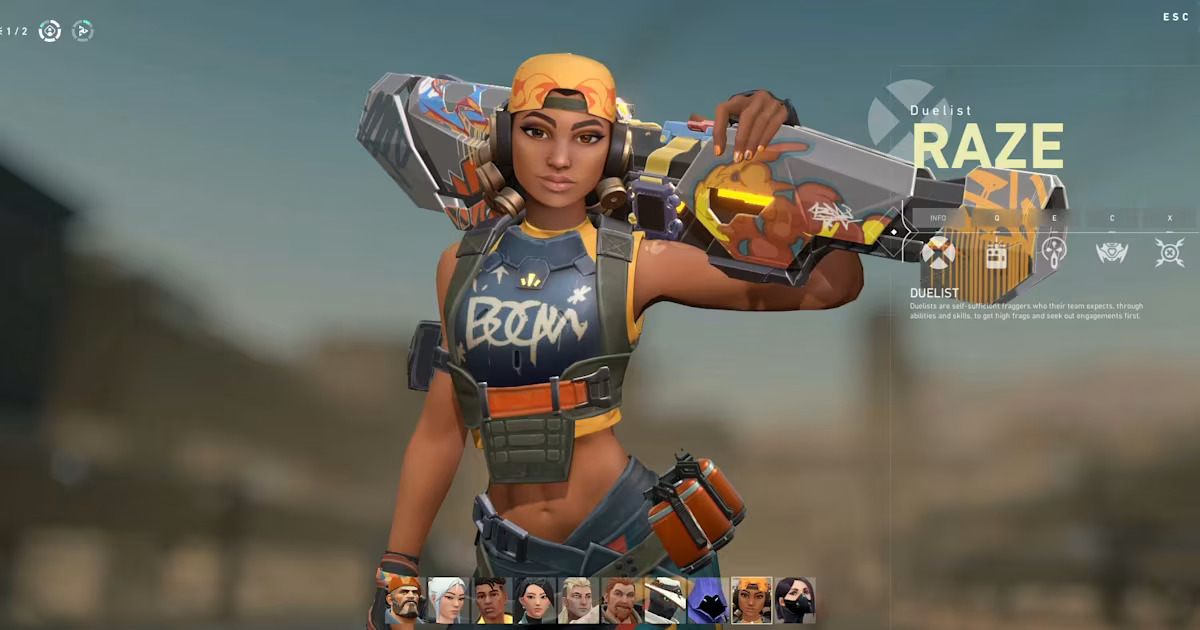
Raze (Duelist)
- Best for:Clearing corners and breaking setups
- Strength:Explosive entry that punishes tight spaces
- Watch out:Over-forcing movement gets you traded
- Difficulty:Medium
Neon (Duelist)
- Best for:Fast hits and tempo-heavy comps
- Strength:Speed creates chaos and quick rotations
- Watch out:Needs support; solo sprinting can throw rounds
- Difficulty:Medium
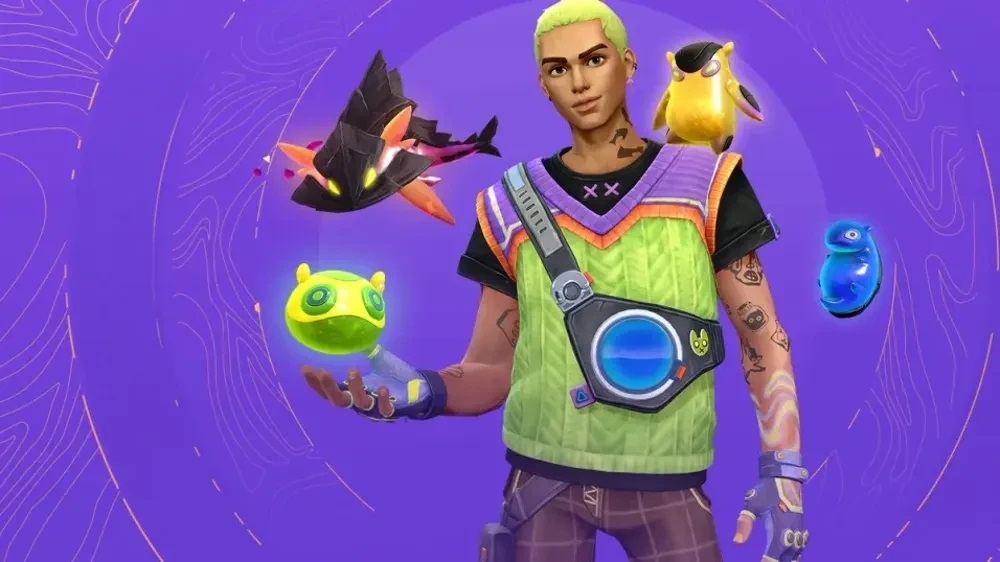
Gekko (Initiator)
- Best for:Flexible initiator play, especially with coordinated follow-up
- Strength:Reusable utility patterns got cleaner in recent updates
- Watch out:If you don’t reclaim, you lose his best value
- Difficulty:Medium
B Tier
B-Tier:Skye, Vyse, Deadlock, Cypher, Veto, Waylay, Iso, Brimstone, Breach
B-tier is the “good, but more conditional” tier. These agents are very playable, but you need clearer reasons to lock them.
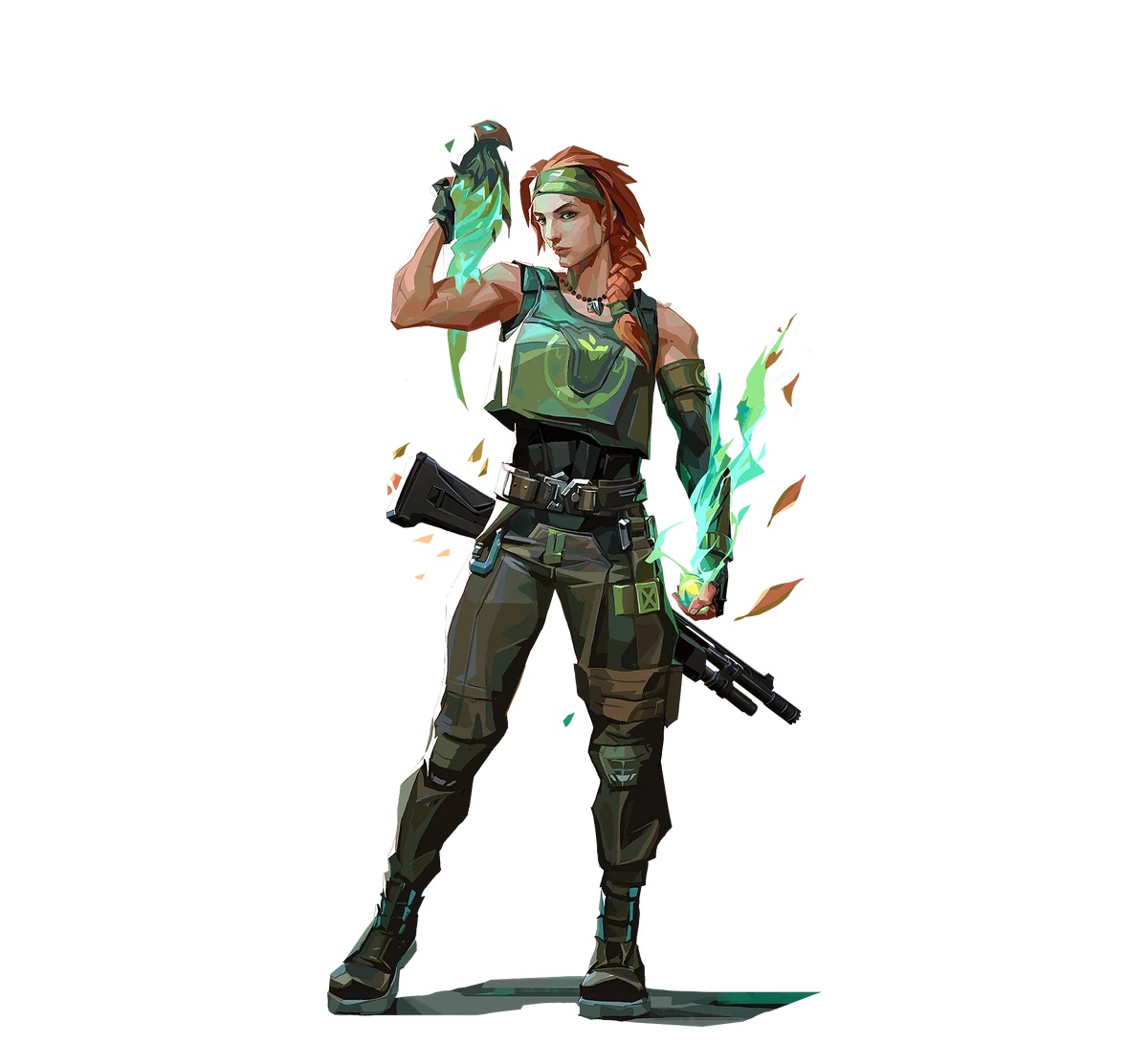
Skye (Initiator)
- Best for:Team support with flexible utility
- Strength:Balanced kit that fits many comps
- Watch out:If your team doesn’t follow, impact can feel muted
- Difficulty:Medium
Vyse (Sentinel)
- Best for:Traps, isolation, punishing reckless pushes
- Strength:Great at controlling chokepoints
- Watch out:Needs preparation and good reads
- Difficulty:Medium
Deadlock (Sentinel)
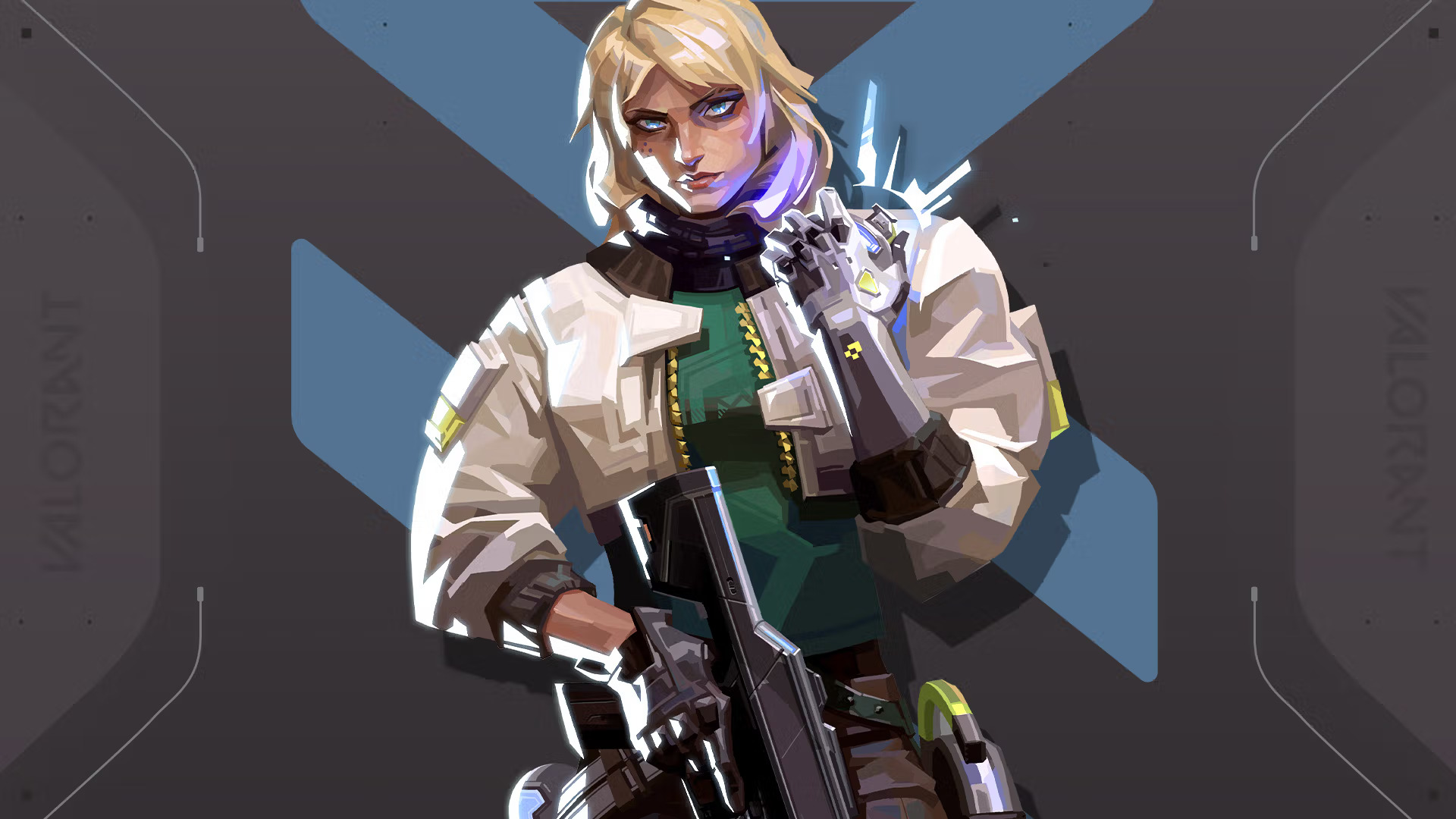
- Best for:Stopping noisy rushes and holding space
- Strength:Strong defensive identity when played around
- Watch out:Value depends on enemies actually hitting your area
- Difficulty:Medium
Cypher (Sentinel)
- Best for:Flank control and info-heavy defense
- Strength:Reliable intel and map control
- Watch out:If you over-rotate, your trips do nothing
- Difficulty:Medium
Veto (Sentinel)

- Best for:Anti-utility and shutting down predictable executes
- Strength:Disruptive “deny value” identity
- Watch out:Timing matters more than mechanics
- Difficulty:Medium–Hard
Waylay (Duelist)
- Best for:Speed-based entries and pressure comps
- Strength:Playmaking when your timing is sharp
- Watch out:Inconsistent if you force solo plays
- Difficulty:Medium
Iso (Duelist)
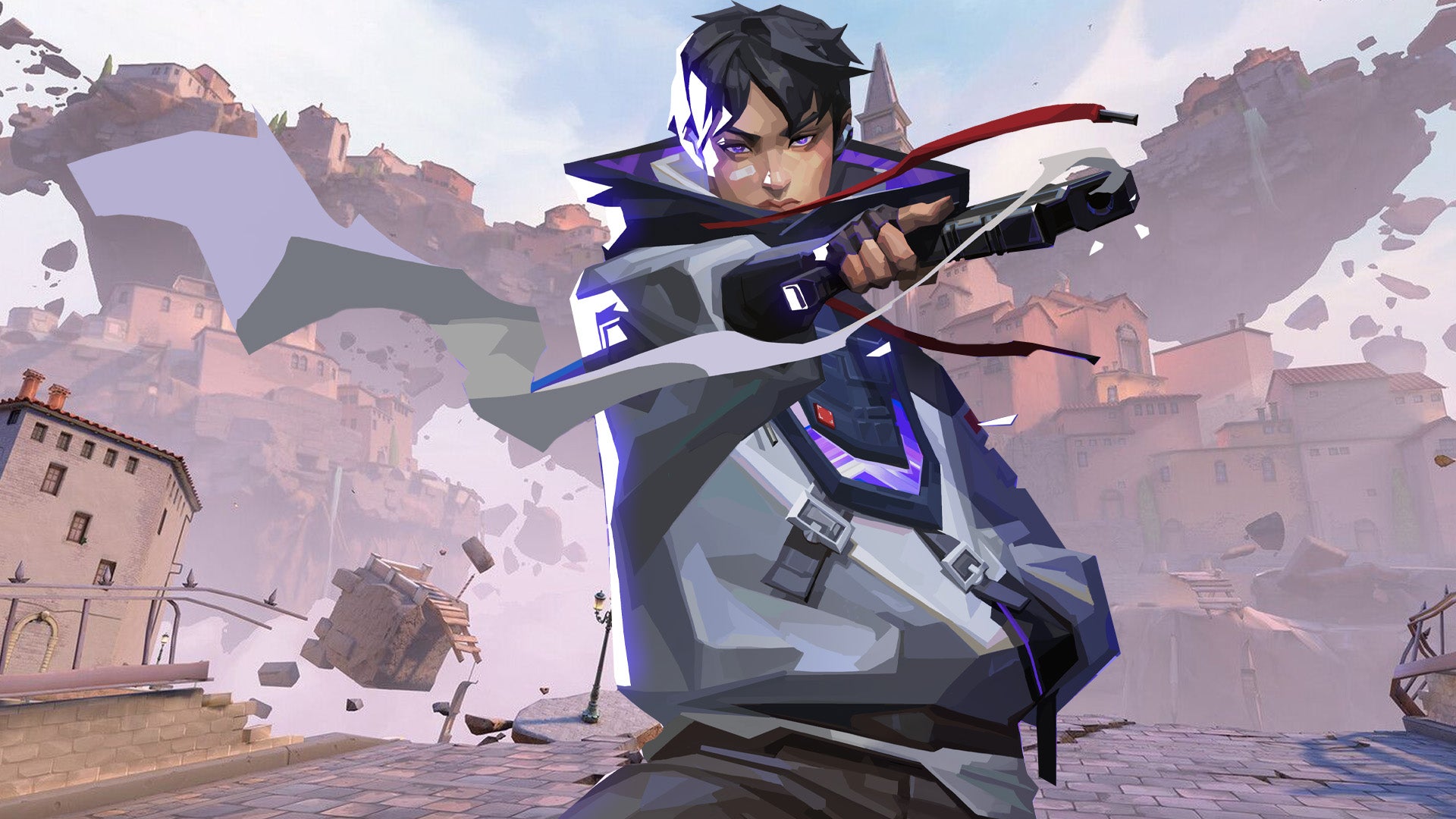
- Best for:Confident duels and controlled aggression
- Strength:Can dominate when you pick clean fights
- Watch out:Matchup and momentum dependent
- Difficulty:Medium
Brimstone (Controller)
- Best for:Simple smokes + reliable post-plant pressure
- Strength:Easy to get value quickly
- Watch out:If your smokes are late, your team suffers
- Difficulty:Easy
Breach (Initiator)
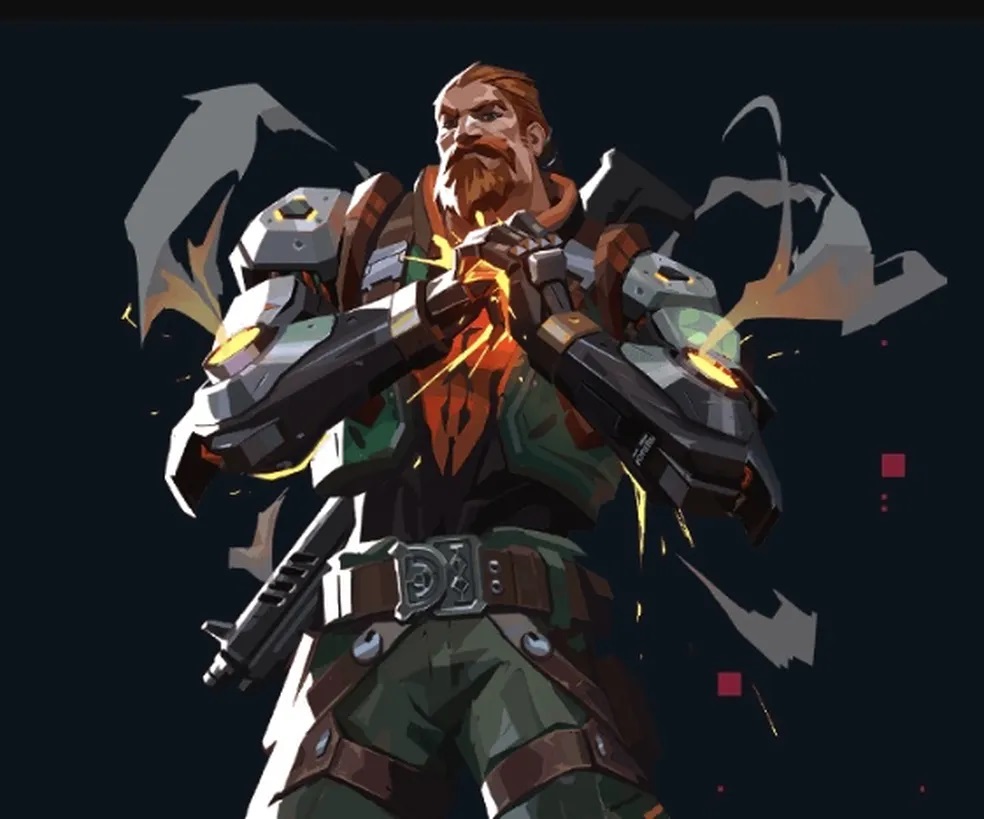
- Best for:Coordinated executes and clearing stubborn angles
- Strength:High-impact crowd control
- Watch out:Needs timing; bad utility hurts your team too
- Difficulty:Hard
C-Tier
C-Tier:Tejo, Viper, Yoru, KAY/O, Astra, Omen
C-tier doesn’t mean “bad.” It usually means “harder to convert consistently in average ranked,” or “needs more coordination.”
Tejo (Initiator)
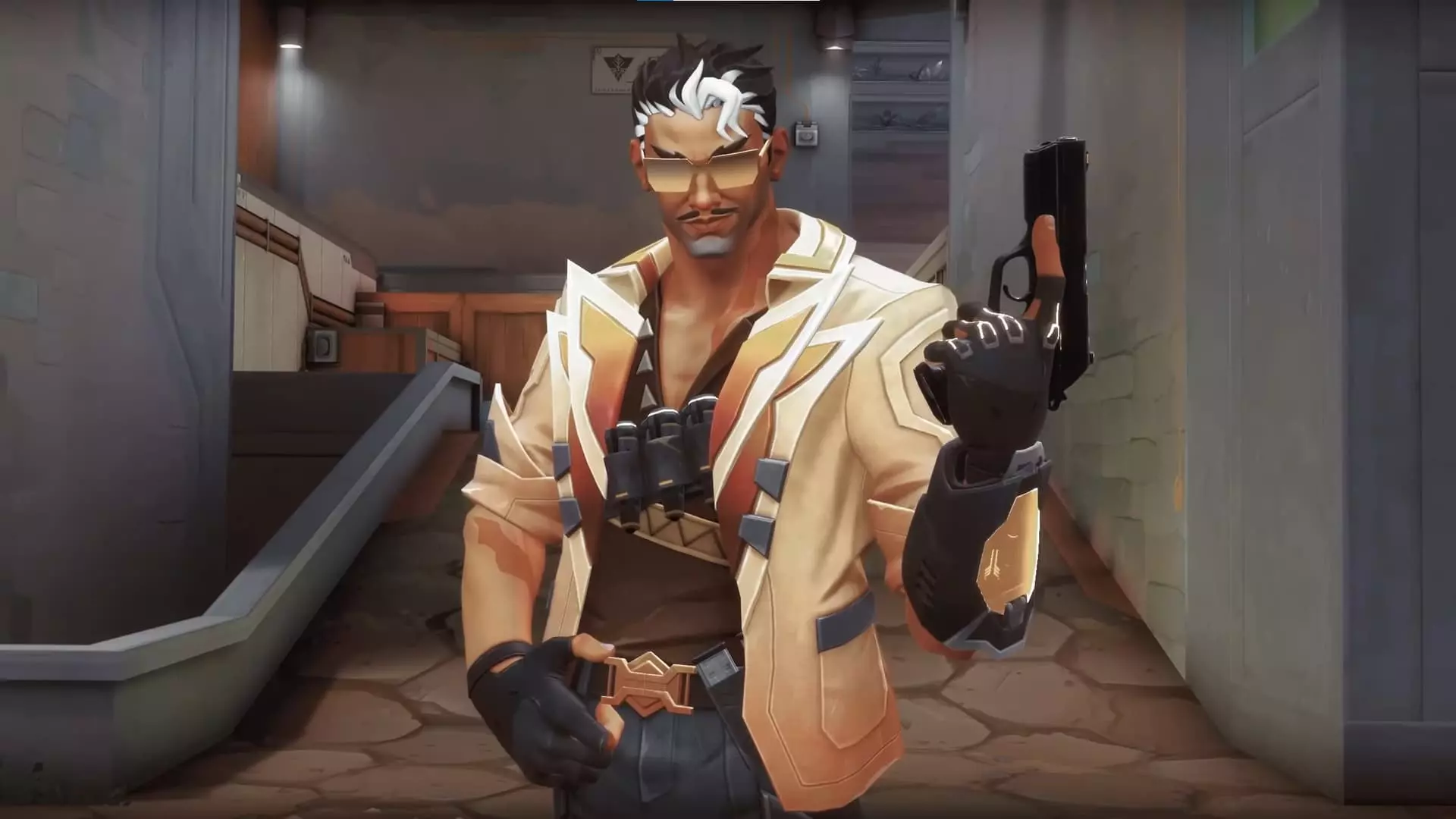
- Best for:Targeted pressure and forcing space trades
- Strength:Strong setup potential
- Watch out:More situational than top initiators
- Difficulty:Hard
Viper (Controller)
- Best for:Map-specific control and planned setups
- Strength:Huge value when the team plays around her control
- Watch out:Feels worse without coordination
- Difficulty:Hard
Yoru (Duelist)
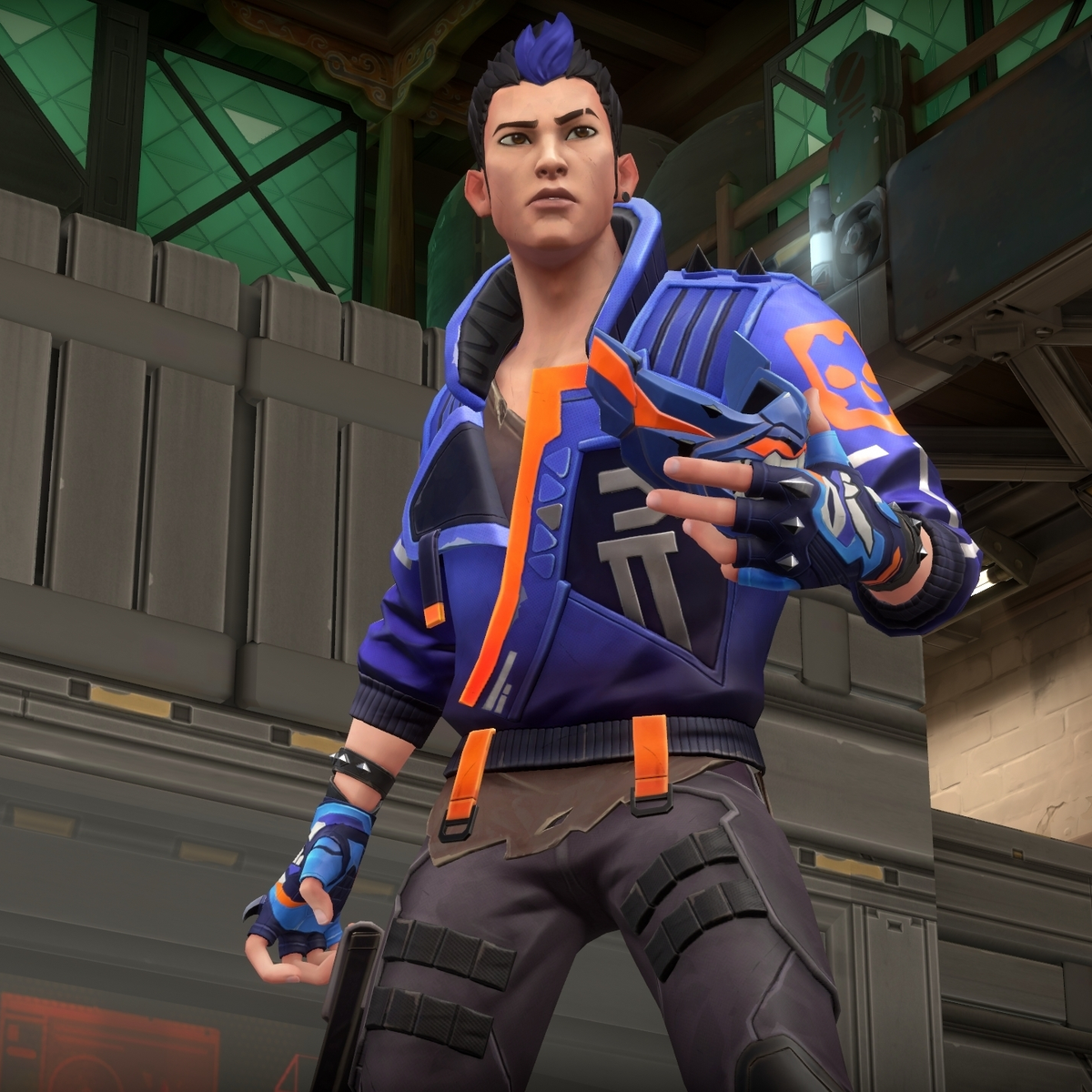
- Best for:Deception and creative flanks
- Strength:High outplay potential
- Watch out:Inconsistent if you rely on gimmicks
- Difficulty:Hard
KAY/O (Initiator)
- Best for:Countering ability-heavy teams
- Strength:Great when your team actually hits off suppression
- Watch out:Needs coordination and timing
- Difficulty:Hard
Astra (Controller)
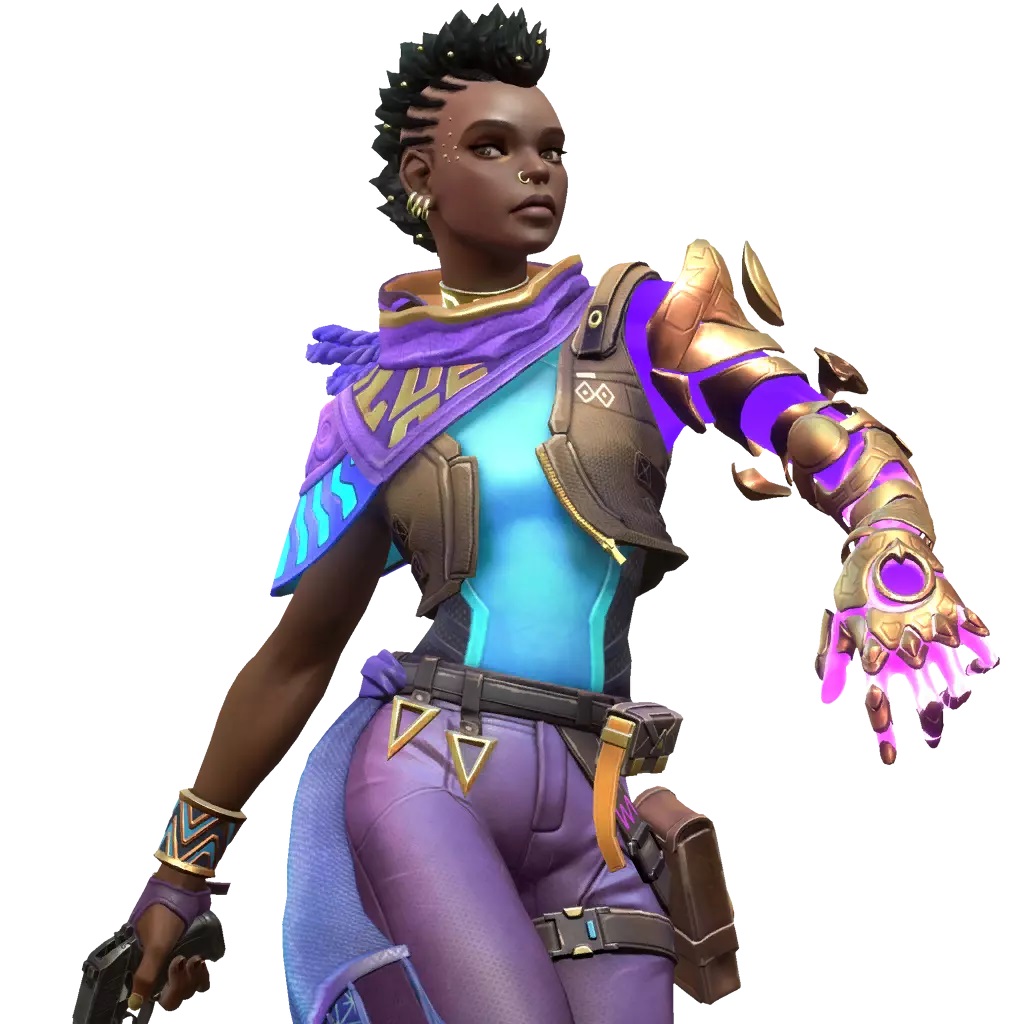
- Best for:High-level planning and coordinated utility layers
- Strength:Can reshape fights when used well
- Watch out:Hard to execute in solo queue
- Difficulty:Hard
Omen (Controller)
- Best for:Flexible smokes with outplay potential
- Strength:Versatile and adaptable
- Watch out:Less “plug-and-play” than simpler controllers
- Difficulty:Medium–Hard
D-Tier
D-Tier:Harbor
This ranking doesn’t mean you can’t win with Harbor. It means he’s usually the hardest Controller to justify in typical ranked drafts compared with other options.
Important:B/C tiers aren’t “throw picks.” They’re often situational-strong on the right map or comp, weaker as blind locks. Harbor being D-tier here simply means he’s the hardest to justify versus other controllers in typical ranked conditions.
Tier List By Role
Roles matter more than people want to admit. If you skip smokes or info, you force everyone into worse fights.
Quick Comp Templates
- Balanced ranked:1 Controller / 1 Initiator / 1 Sentinel / 2 Duelists
- Utility-heavy:1 Controller / 2 Initiators / 1 Sentinel / 1 Duelist
- Aggro ranked:1 Controller / 1 Initiator / 3 playmakers (risky; only if your team is confident)
Duelist Tiers
Lock a duelist whenyour team already has smokes and at least one info tool.
- S-tier duelists in this list:Jett, Phoenix, Reyna
- A-tier duelists:Raze, Neon
- B-tier duelists: Waylay, Iso
- C-tier duelist:Yoru
If your team has no smokes, don’t be the second duelist unless you’re absolutely sure your team can still enter sites cleanly.
Initiator Tiers
If your team can’t take sites cleanly, an Initiator fixes more problems than a second duelist.
- A-tier initiators:Sova, Fade, Gekko
- B-tier initiators:Skye, Breach
- C-tier initiators:Tejo, KAY/O
Controller Tiers
Controllers decide how easy it is to cross chokes and take space. If your team has no smokes, be the smokes.
- S-tier controller:Clove
- B-tier controller:Brimstone
- C-tier controllers:Viper, Astra, Omen
- D-tier controller:Harbor
If you want to climb, learning one Controller you can smoke confidently with is a huge advantage.
Sentinel Tiers
If your team keeps getting flanked or rushed, a Sentinel stabilizes the whole match.
- S-tier sentinel: Sage
- A-tier sentinel:Killjoy, Chamber
- B-tier sentinels:Vyse, Deadlock, Cypher, Veto
- (Plus other sentinels in the roster you may already play)
Solo Queue Tier List
Solo queue rewards agents that still work when teammates don’t coordinate.
Best Solo Agents By Role
Using this tier list:
- Duelist:Phoenix, Reyna, Jett
- Controller:Clove
- Sentinel:Sage
- Initiator:Sova or Fade (if you’re comfortable using info tools)
Three Simple 3-agent Pools (choose One)
- Support + control:Clove / Sage / Sova
- Entry + chaos:Phoenix / Raze / Clove
- Info + lockdown:Fade / Cypher / Clove
Ranked Vs Pro Play
Pro teams trade better, time utility better, and punish mistakes harder-so some “hard” agents become stronger there.
What translates well from pro to ranked:
- Smokes fundamentals
- Clear info timing
- Solid flank control
What usually doesn’t translate without practice:
- High-complexity set plays
- “Perfect timing” comps built around one big execute
If you watch pro play, use it for ideas-not as a copy/paste comp sheet.
Best Agents By Map
Haven (3 Sites)
Haven has three sites, meaning defenders need info and safe rotations.
Good starting picks from this tier list:Sova or Fade + Sage + Clove + Jett/Phoenix
Bind (no Mid + Teleporters)
Bind has no middleand uses one-way teleporters, so flanks and fast hits are common.
Good starting picks:Raze + Brimstone/Clove + Sage + Skye + Cypher
Breeze (wide Open, Long Range)
Breeze has wide open spaces and long-range engagements, so smokes and recon matter a lot.
Good starting picks:Clove/Viper + Sova + Jett/Chamber + Cypher
Icebox (ziplines + Vertical Fights)
Icebox emphasizes vertical play and ziplines; controlling space and planting safely matters.
Good starting picks:Sage + Viper + Sova + Jett + Killjoy
Split (vertical Map, Rope Ascenders)
Split is vertical and rewards strong choke control and coordinated entries.
Good starting picks:Raze + Sage + Killjoy + Clove + Breach/Skye
Ascent (two Sites + Doors)
Ascent is a two-site map with doors that can be fortified, which rewards info and structure.
Good starting picks:Sova/Fade + Killjoy/Cypher + Clove/Omen + Jett/Raze
Quick Fixes If Your Comp Is Missing Something
- No smokes:Clove or Brimstone
- No info:Sova or Fade
- No anchor:Sage or Killjoy
Best VALORANT Agents For Beginners
Beginners improve faster with kits that create obvious value without advanced setups.
Beginner-friendly picks from this tier list:
- Sage (Easy):stable value, simple decisions
- Phoenix (Easy):self-sufficient duelist basics
- Clove (Easy–Medium):learn smokes early
- Sova (Medium):learn info fundamentals
One tip:don’t start with the hardest kits if you’re still learning basics-Astra, Yoru, and Breach are powerful, but they’re less forgiving.
Patch-proofing Your Agent Pool (update Checklist)
You don’t need to change mains every patch. You need a small pool that stays useful when the meta shifts.
Takeaway:Patch-proofing is “small pool + smart backup,” not constant swapping.
After Patch Notes: What To Re-check
- Did my agent get a direct buff/nerf or ability behavior change?
- Did a map change affect my setups?
- Did my team’s “must-have role” change (e.g., controllers getting stronger/weaker)?
When To Swap Mains Vs Add A Backup
- Swaponly if your agent’s core playstyle is heavily changed.
- Add a backupif your agent becomes more situational.
FAQs About Valorant Agent Tier List
Who Are The Best Agents In VALORANT Right Now?
For Season 2026 in this list, the top overall picks are Clove, Sage, Phoenix, Reyna, and Jett-then adjust based on map, comp, and comfort.
What’s The Best VALORANT Agent For Beginners?
Sage, Phoenix, and Clove are beginner-friendly because their value is simple and repeatable; Sova is great if you like information tools.
Which Agents Are Best For Solo Queue?
Agents that don’t need perfect teamwork: Clove for smokes, Sage for stability, and duelists like Phoenix/Reyna for self-sufficient rounds.
Which Agents Are Best For Each Map?
Start with what the map demands (smokes/info/stall). If you’re unsure, prioritize a Controller or an Initiator because they stabilize most comps.
Why Do Tier Lists Change So Often?
Is Pro Meta The Same As Ranked Meta?
Not exactly. Pro play has coordination that makes some “harder” agents easier to convert, while ranked rewards simple, reliable value.
How Do I Use A Tier List Without Griefing My Team?
Use tiers as a shortlist, then fill the missing role. If your team has no smokes or info, fix that before locking another duelist.
What Matters More: Win Rate Or Pick Rate?
Win rate shows conversion; pick rate shows broad usability. Together (with enough matches) they’re more reliable than either alone.
Who Is The Hardest VALORANT Agent?
“Hardest” usually means timing-and knowledge-heavy kits, often Controllers like Astra/Omen, or agents that require strong team follow-up.
What If My Main Is B-tier Or Lower?
You can still win with comfort picks. The smart move is adding one backup agent for bad maps or comps, not panicking and switching every week.
What’s A Good Agent Pool Size?
Two agents in your main role plus one emergency Controller is a simple, effective pool for most ranked players.
How Often Should I Update My Picks?
After major patch notes, and anytime you feel your agent’s consistency changed. Use the checklist and adjust calmly.
Why Is Agent 8 Missing?
Riot hasn’t published a definitive public explanation; it’s treated as a lore mystery rather than gameplay information.
Where Can I See Agent Stats Fast?
Use reputable stat dashboards, then cross-check with official patch notes so you understand whya trend might be happening.
Are Community Tier Lists Reliable?
They’re fun for opinions, but data + context is more reliable if you’re trying to climb.
Final Thoughts
If you want the simplest winning rule: pick for team needs first, then pick for tier, then pick for comfort. Smokes, info, and stall win a lot of games that aim alone can’t.
If you want, tell me your rank + your two favorite roles, and I’ll give you a 3-agent pool that fits this tier list without overcomplicating things.
Jump to
Valorant Agent Tier List - Best Picks For Patch 12.04
What These Tiers Mean
How This Tier List Is Built
What Changed Since Last Patch
Overall Ranked Tier List (all Roles)
Tier List By Role
Solo Queue Tier List
Ranked Vs Pro Play
Best Agents By Map
Best VALORANT Agents For Beginners
Patch-proofing Your Agent Pool (update Checklist)
FAQs About Valorant Agent Tier List
Final Thoughts
Latest Articles
Popular Articles