My Valorant Duelist Tier List | Map-Specific Advice
Get the ultimate Valorant Duelist Tier List with detailed map advice and learn which agents perform best and how to play them like a pro.
Sep 22, 20251.4K Shares61.3K Views
Valorant Duelist Tier List - My Best & Worst Duelists Ranked
I’ve played Valorant long enough to know that duelists can make or break a match. These agents are the ones who push first, get those early picks, and create space for the team. But not all duelists feel the same on every map or in every patch. Some are absolute beasts right now, while others need a bit more effort to shine.
I decided to put together my own Valorant Duelist Tier Listbased on how they perform in ranked and competitive play, and I’ll also share my tips for when and where they work best.
S-Tier Duelists
Jett
I’ve lost count of how many times Jett has bailed me out of tough rounds. Her dash lets me take risky peeks that most agents can’t, and I can get away before enemies react. She’s the queen of aggressive AWP plays, but she’s also deadly with rifles. If I’m feeling confident and want to top frag, Jett is my first pick.
The thing about Jett is that she rewards confidence and quick thinking. Her ultimate can turn an eco round into a win, and she’s incredibly flexible across all maps. Sure, she takes practice, but once you master her movement and timing, she’s almost unfair in the right hands.
Raze
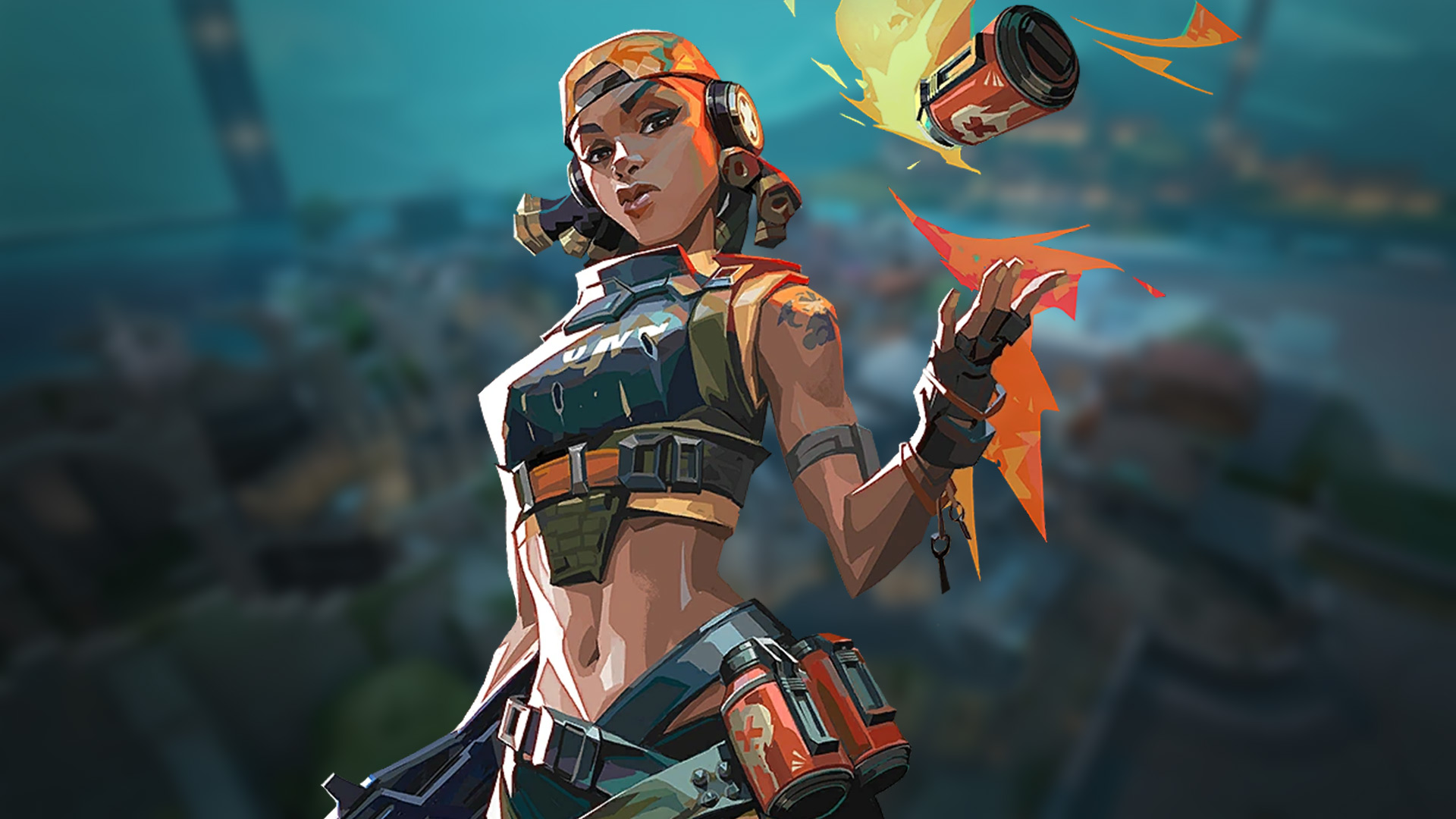
Whenever I want pure chaos and kills, I lock in Raze. Her grenades and satchels can clear tight corners before I even step in, and her Boom Bot is basically an early warning system. I’ve used her explosives to flush enemies out of cover and set up easy frags more times than I can count.
Raze is perfect for maps with lots of vertical space like Split or Bind. Her satchel jumps can get me into unexpected angles fast, and her ultimate is one of the most satisfying ways to secure a multi-kill. She’s aggressive, explosive, and hard for the enemy to ignore.
Related Reading: Valorant Gun Tier List <year> - The Ultimate Weapon Ranking
A-Tier Duelists
Reyna
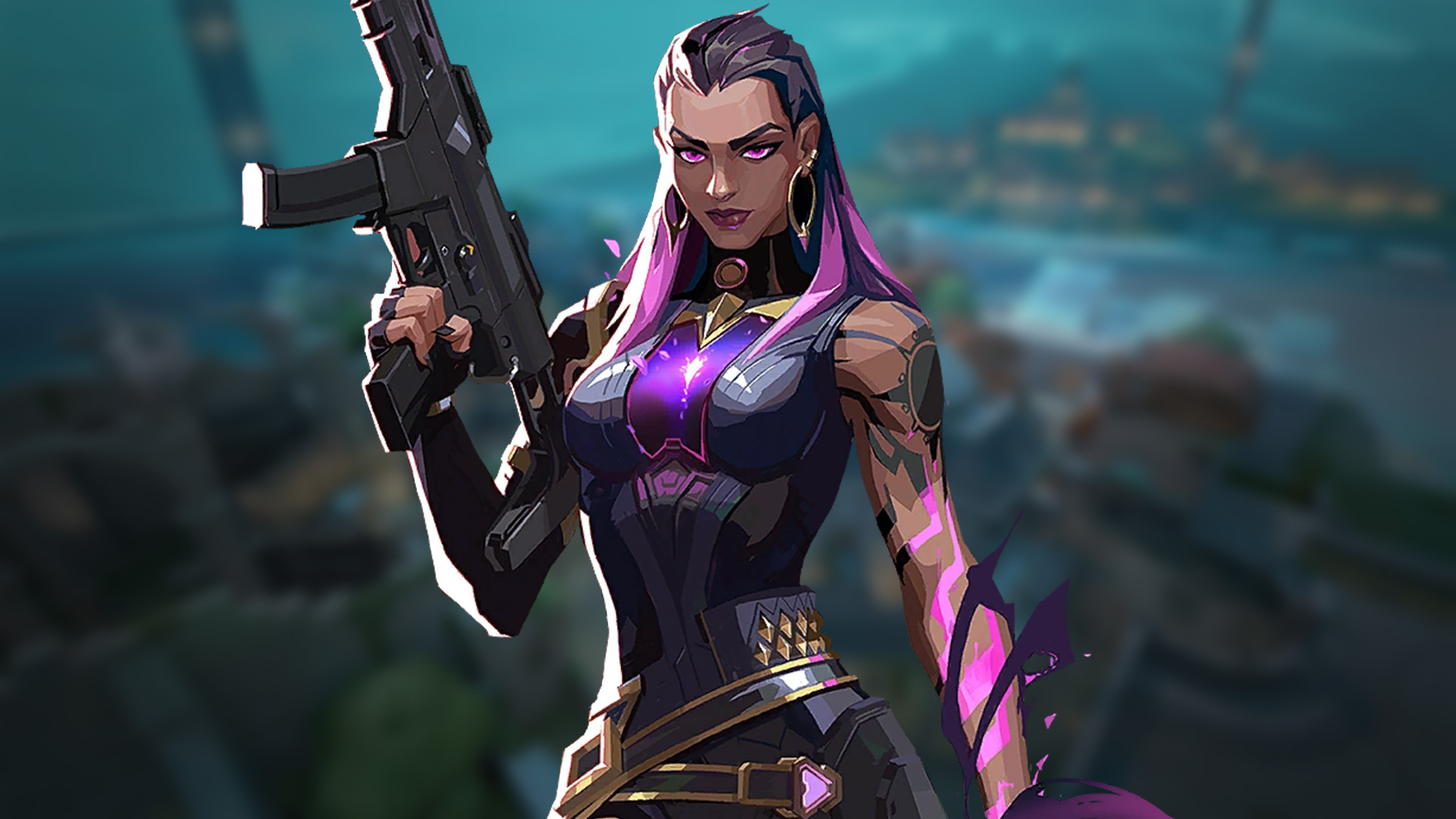
Reyna is the definition of a snowball agent. If I start getting kills early, she becomes unstoppable with her instant heals and dismiss ability. I can take fights others wouldn’t dare because I know I can either heal up or reposition instantly.
The downside is that she’s completely kill-dependent. On bad aim days, Reyna feels almost useless because she brings no utility for the team. Still, when I’m confident and hitting shots, she’s one of the most satisfying agents to play.
Iso
I think Iso is underrated by many players, but in the right hands, he’s scary. His double-tap shield gives me an edge in duels, and his ability to isolate fights fits my aggressive playstyle perfectly. I love using him when I know I’ll be taking a lot of direct aim battles.
He’s not as flashy as Jett or Raze, but he’s consistent if you can control the pace of the round. His ultimate is a gamble, but it’s thrilling to take a 1v1 in a separate arena where there’s no one else to interfere.
B-Tier Duelists
Phoenix
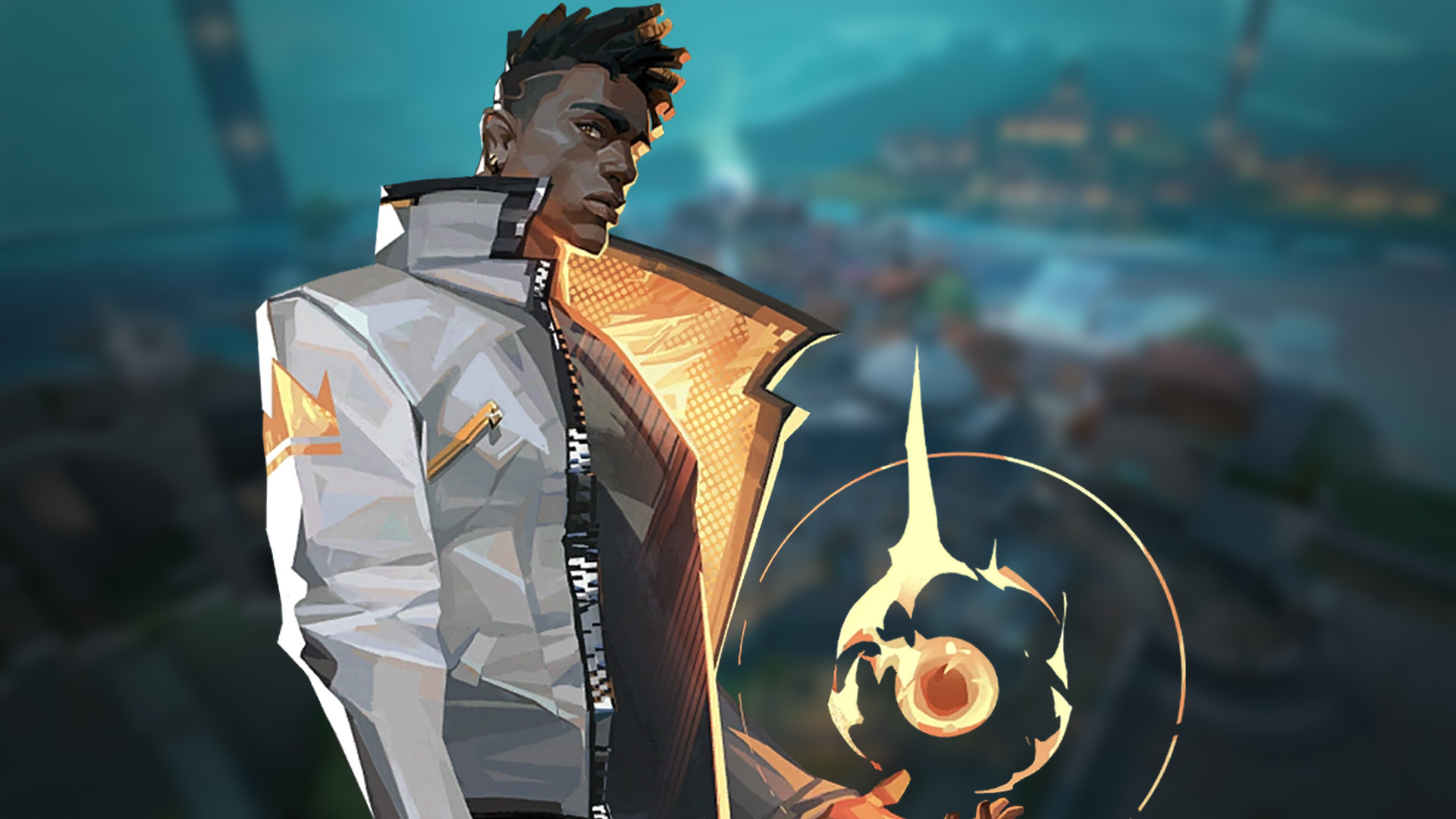
Phoenix is like comfort food. Not the most exciting, but reliable when you need him. His flashes are simple to use, and I love being able to heal myself after winning a fight. His ultimate goal gives me the freedom to take risks without worrying about dying.
That said, Phoenix can feel predictable. His flashes are easier to dodge compared to others, and his kit doesn’t have the same outplay potential as the S-Tier duelists. Still, on maps like Haven and Bind, he can be surprisingly effective.
Neon
Neon is fun, no doubt about it. Sprinting into fights and sliding for unexpected frags feels amazing. She’s great for catching people off guard, and I’ve had rounds where my speed completely overwhelmed the enemy team.
But Neon is hard to master, and if you misjudge your timing, you’ll just end up running into crosshairs. She’s best for aggressive, coordinated pushes where your team knows how to play off your speed.
C-Tier Duelists
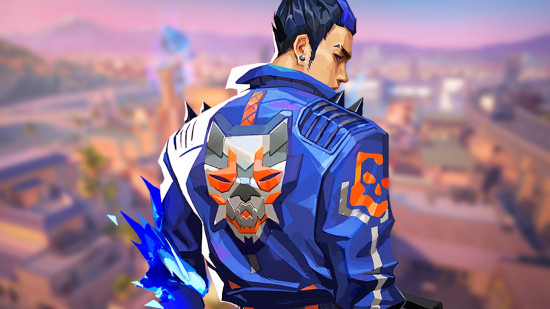
Yoru
I want to love Yoru, but he’s a mixed bag. His teleports and clones can mess with enemies, but they require perfect timing and a good understanding of how opponents think. I’ve seen Yoru plays that completely bamboozled a team, but I’ve also seen him flop hard.
If you’re a trickster who likes mind games, Yoru can be fun. For me, he’s more of a “for fun” pick rather than a consistent ranked choice. When his plays work, they’re highlight-worthy but when they fail, it’s rough.
Tips For Using Duelists Effectively
Know The Map’s Choke Points
When I play a duelist, I always pay attention to choke points, those tight spots where enemies have to pass through. These are perfect places to use my abilities to catch them off guard. On maps like Bind or Split, controlling these areas early can give my team a huge advantage. I position myself where I can strike quickly but still have a safe escape route.
Time Your Push With Your Team
It’s tempting to dash in early as a duelist, but I’ve learned the hard way that rushing alone often means a quick trip back to the spawn screen. I wait for my team to be in position so my push is supported. When my smokes, flashes, or utility from teammates are ready, I move in fast and create space for them to follow up.
Use Abilities To Force Reactions
One of the best tips I can give is to use abilities to make enemies move where you want them. For example, I might throw a flash or dash into a corner to push someone out into my crosshair. This works really well in narrow corridors or site entries, especially on maps like Ascent or Haven where space is limited.
Change Positions Often
If I hold the same angle every round, good players will start predicting me. That’s why I switch my spots frequently. One round I might take an aggressive peek mid, and the next round I’ll play more passive from a different angle. It keeps the enemies guessing and makes it harder for them to counter me.
Don’t Overcommit After A Kill
Getting the first pick feels amazing, but I’ve learned not to get greedy. After a kill, I quickly reposition or fall back. Staying in the same spot too long makes me an easy target for a trade kill. By changing my location, I stay alive longer and can help my team in the later part of the round.
How To Play Duelists On Every Map In Valorant

The BEST agents for every map in VALORANT - Patch 11 00
Bind - Use Teleporters For Fast Rotations
On Bind, teleporters are your best friend as a duelist. I use them to quickly change positions and catch enemies off guard. If the fight is too hard on one site, I instantly rotate through the teleporter and hit the other site before the defenders can react. This fast movement keeps the enemy confused and makes it easier to win rounds.
Ascent - Take Mid Control Early
Mid control is very important on Ascent. As a duelist, I push mid early to stop the enemy from taking that space. Winning mid means my team can attack either site more easily and cut off defender rotations. I use smokes or flashes to take control and hold my ground so the enemy feels pressured.
Haven - Attack The Weakest Site Quickly
Haven has three sites, which gives duelists a big advantage. I usually find the site with the weakest defense and rush in before they can call for backup. Speed is the key here if I get an early pick, the round becomes much easier for my team.
Split - Push Through Tight Angles With Utility
Split has narrow choke points that can be tough to enter. I use my utility, like flashes or movement abilities, to push through these tight spots without getting picked off. Clearing corners quickly helps me surprise defenders and open up the site for my team.
Icebox - Take Control Of High Ground
On Icebox, high ground is very powerful. I always fight to control spots like B site platform or A nest. From above, I can spot enemies earlier and win fights more easily. Using ropes and movement skills helps me get there fast and keep the advantage.
Fracture - Attack From Two Directions
Fracture is special because it allows attackers to push from both sides. As a duelist, I use this to pinch enemies and force them into bad positions. I time my push so I’m hitting them from one side while my teammates push from the other.
Pearl - Win Early Mid Fights
Pearl’s mid area decides a lot of rounds. I like to push mid fast as a duelist to take control before defenders can set up. If I win mid, it opens more attack paths and makes rotating much harder for the enemy team.
Lotus - Use Doors And Rotations To Confuse Defenders
Lotus has rotating doors and three sites, which makes it perfect for tricky plays. I use the doors to move quickly between sites and fake attacks. This keeps defenders guessing and creates openings for my team to push in.
If you’re unsure which maps give duelists the best advantage, I’ve created a detailed Valorant map tier listthat ranks every map and explains how each one plays out for different agent types.
People Also Ask
What Is The Main Job Of A Duelist In Valorant?
Duelists are designed to create space and get early kills. Riot defines them as “self-sufficient fraggers” whose tools help them push into sites and open up opportunities for the team.
Who Is The Strongest Duelist In Valorant?
Jett is the strongest duelist in Valorant. Her speed, quick dashes, and ability to take risky fights make her a top choice for aggressive players. Her ultimate, Blade Storm, is also deadly because it’s accurate even while moving, giving her a huge edge in clutch situations.
Should Duelists Only Attack Or Can They Help Defend Too?
While duelists shine in attack, they can still contribute when defending. Their utility flashes, stuns, or explosives can stall aggressive pushes or slow enemies down until the team rotates.
Does Playing Duelists Help Improve My General Aim And Skills?
Yes! Many players report that playing duelists helps train aim and decision-making under pressure. Engaging in risky plays often accelerates improvement in gunplay and timing.
Final Thoughts
Duelists are all about creating space and getting those opening kills. My Valorant Duelist Tier List is based on agents that can consistently win fights and change the pace of the round. Jett and Raze are my go-tos for carrying games, Reyna and Iso shine when I’m hitting shots, Phoenix and Neon are reliable for certain maps, and Yoru… well, he’s my wildcard pick when I feel like trolling the enemy.
No matter who you choose, remember that a duelist’s job isn’t just to frag; it’s to make life easier for the rest of the team. If you can do that, you’re already ahead of most players.
Latest Articles
Popular Articles