12 Best Free Puzzle Games For Kids (Safe, Fun & No Ads!)
Boost your child’s skills with the best free puzzle games for kids in 2025. Safe, ad-free, and fun picks for learning through play.
Sep 21, 202514.6K Shares333.4K Views
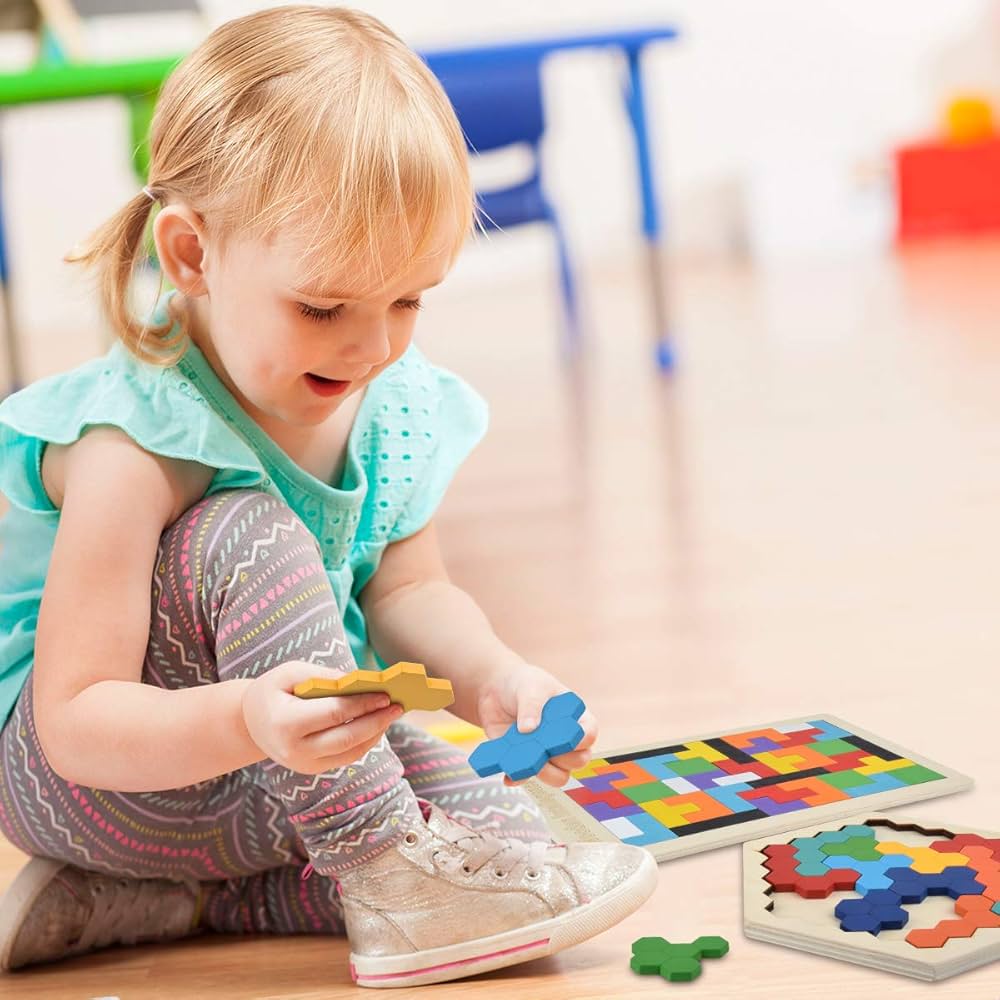
Safe, Fun, And Free: Puzzle Games Kids Will Actually Love
In today's digital world, finding the right activities for your children's screen time can feel like a daunting challenge. Every app promises to be the "best free puzzle game for kids," but many are riddled with intrusive ads, frustrating paywalls, or questionable content.
As a parent, you're not just looking for a game; you're looking for a safe, engaging, and genuinely educational tool that supports your child's growth. This guide cuts through the noise to bring you a curated selection of the best options that are truly free and beneficial for young minds.
Engaging with puzzles, whether physical or digital, is a proven way to develop critical cognitive skills. These aren't just distractions; they are exercises for the brain that improve problem-solving, logical thinking, and spatial awareness.
The games we've chosen are more than just entertainment-they are thoughtfully designed experiences that help children of all ages learn and thrive.
Why Educational Puzzles For Kids Are So Important
Before you dive into the list, it's essential to understand the "why" behind these recommendations. The best games are built on a foundation of sound educational principles. From simple matching to complex logic grids, these puzzles offer significant developmental advantages.
The Cognitive Skills They Build
- Supports Problem-Solving Skills:Every puzzle presents a question that needs to be answered. A child learns to analyze the problem, formulate a plan, and adapt their approach as they try to find a solution. A 2025 study on educational games highlights how they can positively affect a child's development, with online puzzle gamesin particular helping to improve concentration and focus.
- Improves Focus and Memory:Many puzzle games ask children to remember patterns, shapes, or sequences. For example, memory-matching card games improve attention span and short-term memory.
- Builds Hand-Eye Coordination:Games that involve dragging and dropping or placing pieces in the correct spots support fine motor skills. Jigsaw puzzlesfor kids and tile games are great for helping younger kids learn how to control their hands while watching the screen.
- Develops Patience and Confidence:Puzzle games often take time to solve. Kids learn to be patient and not give up quickly. When they complete a puzzle, they feel proud of their success, which boosts their confidence.
The Best Free Puzzle Games For Kids By Age
Finding the right puzzle game depends heavily on your child's age and developmental stage. Here is our curated list of best free puzzle games for kids, categorized to make your choice simple.
Puzzles For 3-Year-Olds And Toddlers
At this age, the goal is to introduce basic concepts and build confidence. The games should be simple, colorful, and non-competitive, focusing on foundational skills.
1 Puzzle Kids: Jigsaw Puzzles (iOS & Android)
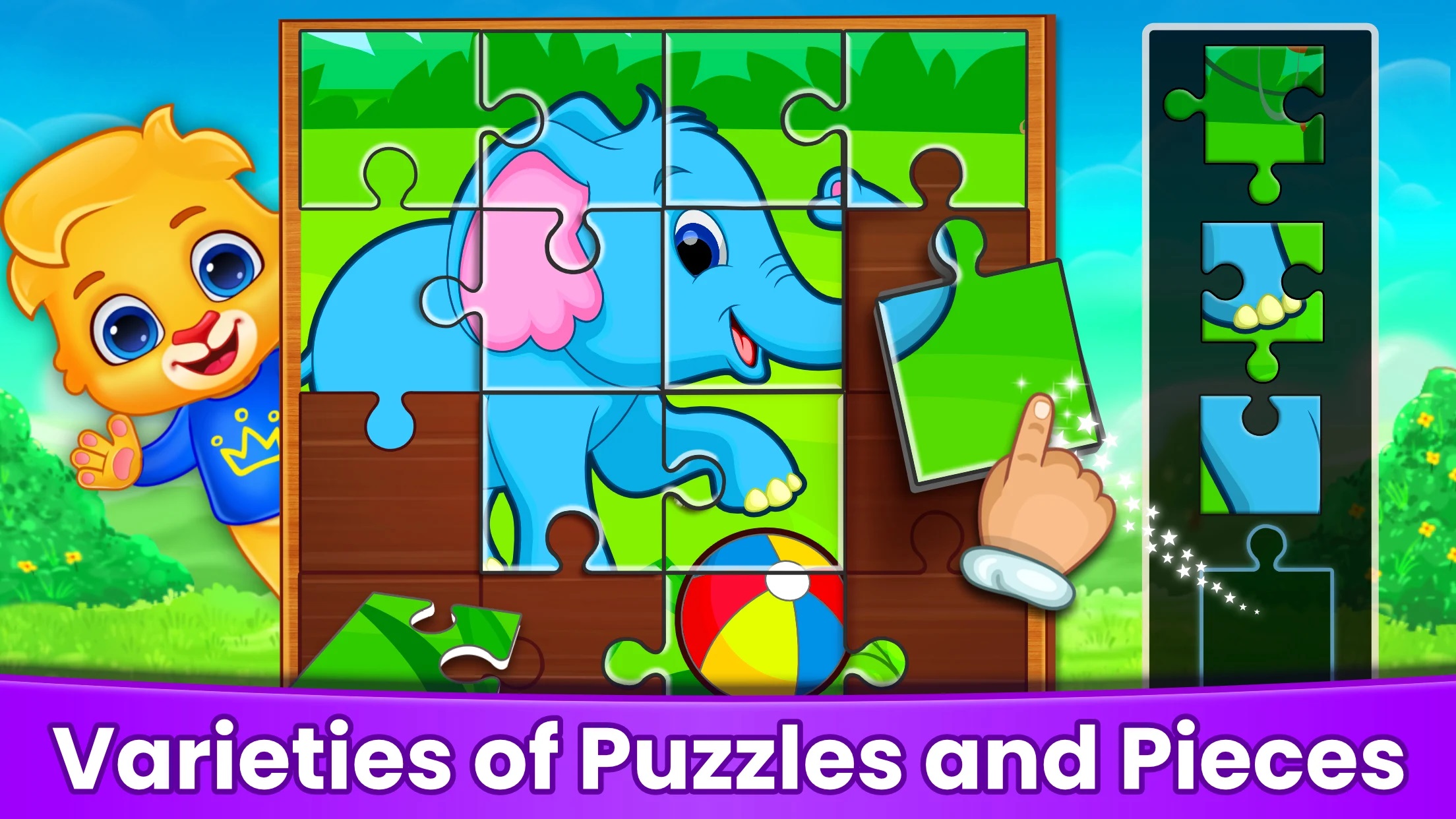
Puzzle Kids: Jigsaw Puzzlesthisapp is a fantastic example of a truly free puzzle game for kids. Unlike many “freemium” titles, Puzzle Kids doesn’t bombard children with ads or trick them into tapping upgrade prompts. Instead, it focuses purely on play and learning.
The app includes four engaging mini-games: classic jigsaw puzzles, shape matching, object building, and a “guess the object” mode. Together, they strengthen fine motor skills, hand-eye coordination, and early logic skills. Kids practice concentration as they drag and drop pieces into place while being rewarded with cheerful sounds and animations.
Parents also love that it works completely offline. On long car rides, plane trips, or times when Wi-Fi isn’t available, Puzzle Kids keeps children entertained while reinforcing early problem-solving skills. It’s most suitable for ages 2–5, but older children may also enjoy the higher-piece puzzles.
2. PBS Kids Games (iOS & Android)

PBS Kids Gamesis another standout option because it’s 100% free and ad-free, supported by the trusted PBS organization. That means no hidden costs or questionable content-just educational games inspired by beloved PBS characters like Elmo, Daniel Tiger, and Arthur.
The app features a variety of puzzles, fromsorting and matching activities to simple logic challenges, making it ideal for preschoolers and early elementary students. Kids are more likely to engage deeply when games are connected to familiar shows and characters they already love.
One of the strongest features is that new games are added regularly, keeping content fresh without parents needing to download multiple apps. If you’re looking for a safe, recognizable, and fun environment that blends puzzles with educational themes like science, reading, and problem-solving, PBS Kids Games is a top choice.
3. Puzzingo Puzzles (iOS & Android)
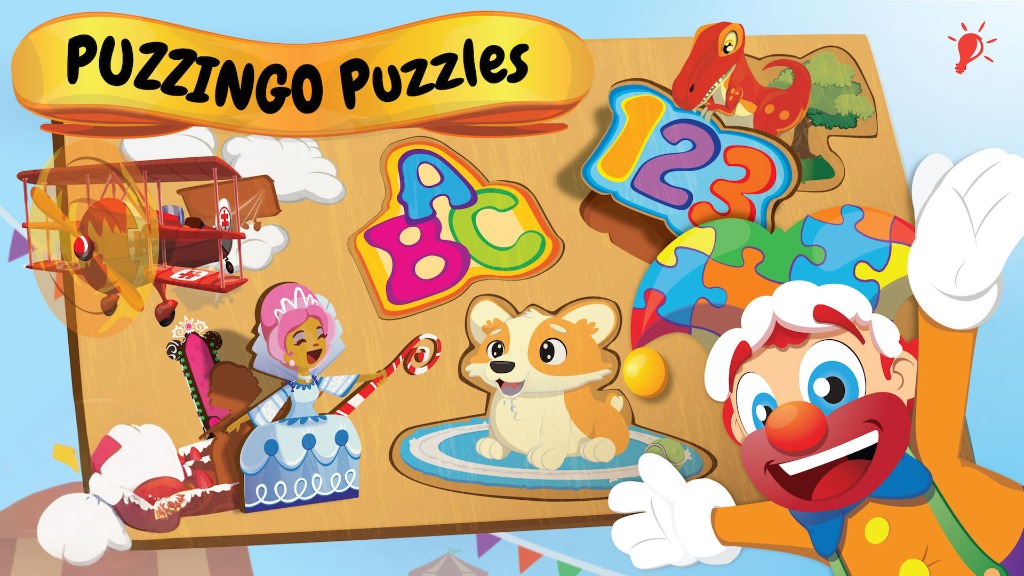
Puzzingo is often called the “gold standard” of puzzle apps for toddlers and preschoolers. It combines colorful puzzles with delightful animations and sound effects that celebrate progress, making the experience feel rewarding rather than repetitive.
While the app offers premium content packs, the free selection is generous enough to keep kids entertained and learning without parents needing to spend money. Children solve puzzles on topics like animals, vehicles, and music, with each completed puzzle springing to life in a fun, animated scene.
Parents appreciate that Puzzingo not only improves visual memory, shape recognition, and problem-solving, but also includes audio prompts in multiple languages, supporting early language development. It’s an especially great pick for bilingual households or parents who want to introduce kids to new vocabulary while they play.
Puzzles For Kids Age 6 And Up: Sharpening Logic & Strategy
As children grow, their puzzles can become more complex, introducing abstract thought and strategic planning. These games build on foundational skills to prepare them for more advanced subjects.
4. Coolmath Games - Puzzle Section (Web)
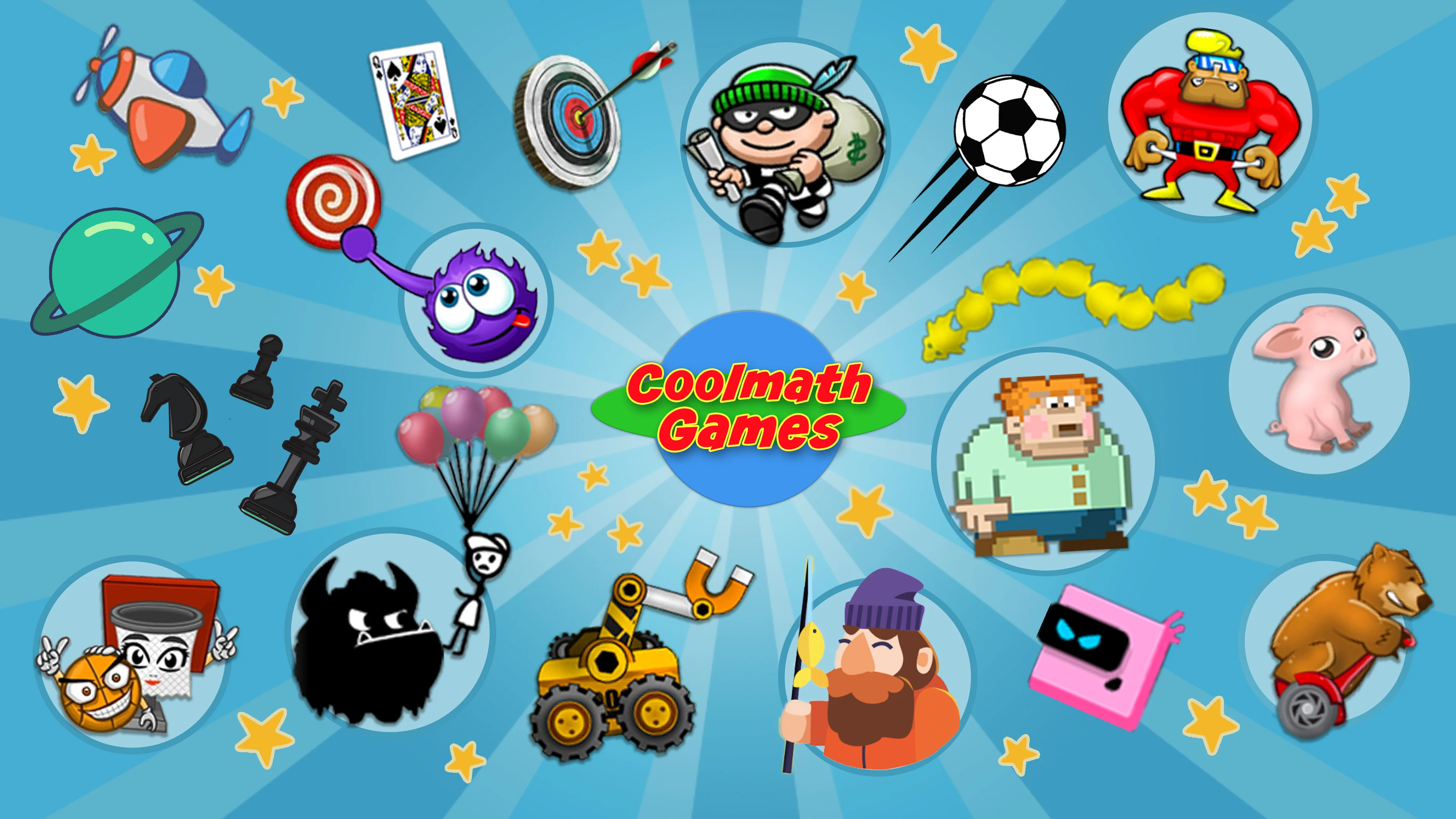
Coolmath Games has been a trusted online hub for kid-friendly logic gamesfor years, and its puzzle section is one of the most popular. The platform hosts titles like Block the Pig, where kids must strategically place blocks to trap a mischievous pig, and Sugar, Sugar, a clever puzzle that requires players to guide falling sugar into cups by drawing lines.
What makes Coolmath Games especially appealing is its safe, non-violent environment. All content is carefully moderated, and the focus remains on puzzles, problem-solving, and brain training. This makes it a favorite not only for parents but also for teachers who recommend it as a classroom-friendly resource.
The variety of puzzles ensures that children can find something suited to their interests, whether they prefer physics-based challenges, logic grids, or strategy puzzles. It’s best for elementary and middle school students (ages 7–14)who are ready to sharpen their strategic thinking and creativity.
5. Bubble Ball (iOS & Android)
Bubble Ball is a physics-based puzzle gamethat has become a classic among free mobile titles. The objective is simple but addictive: guide a ball to the goal by placing ramps, platforms, and other objects in its path. Kids quickly learn the importance of timing, angles, and motion while experimenting with different solutions.
The free version includes a robust set of levels, enough to keep kids entertained without needing to buy extra packs. As the puzzles grow more complex, they encourage critical thinking, trial-and-error problem-solving, and cause-and-effect reasoning-all valuable STEM skills.
Parents often highlight Bubble Ball as a great way to blend play with learning, particularly for children who show an interest in engineering, design, or physics. It’s best suited for ages 9+, though younger kids may enjoy the early levels with guidance.
6. Blendoku (iOS & Android)

Blendoku offers a refreshing twist on puzzle games by focusing on colors instead of numbers or shapes. The gameplay asks kids to arrange tiles in a sequence that blends from one shade to another, creating a smooth gradient. At first glance it seems simple, but as the puzzles progress, they demand careful observation and attention to subtle color differences.
The free version comes packed with hundreds of levels, making it a long-lasting option for families who want a no-cost puzzle game. For kids, it builds visual sequencing, pattern recognition, and an appreciation for design and art-skills often overlooked by traditional puzzle apps.
Because it’s non-competitive and meditative, Blendoku is especially good for kids who thrive on creative expression or need a calming activity. Parents have even described it as “a puzzle that doubles as a mindfulness tool.” Best for ages 8 and up, though younger children with a love for colors may also enjoy playing alongside a parent.
7. Funbrain - Puzzles (Web)
Funbrainis one of the oldest and most trusted educational gaming portals online, widely used in schools. Its puzzle section mixes logic, math, and reading-based games, ensuring a broad educational benefit beyond simple entertainment.
Games like SudokuJuniorintroduce number puzzles in a simplified format, while word challenges and riddles encourage kids to practice spelling and vocabulary. Because the site is KidSafe-certified, parents can feel confident that browsing and play will remain secure.
Funbrain puzzles are best for ages 6–12, especially children who enjoy challenges that are equal parts fun and academic.
Explore More: Top Smart Puzzle Games For All Ages And Skills
Free Online Puzzle Games For Kids: No Download Required
Sometimes you need a quick, accessible game without the hassle of downloading an app. These browser-based options are perfect for a few minutes of fun and learning on a computer or tablet.
8. ABCya! (Web)
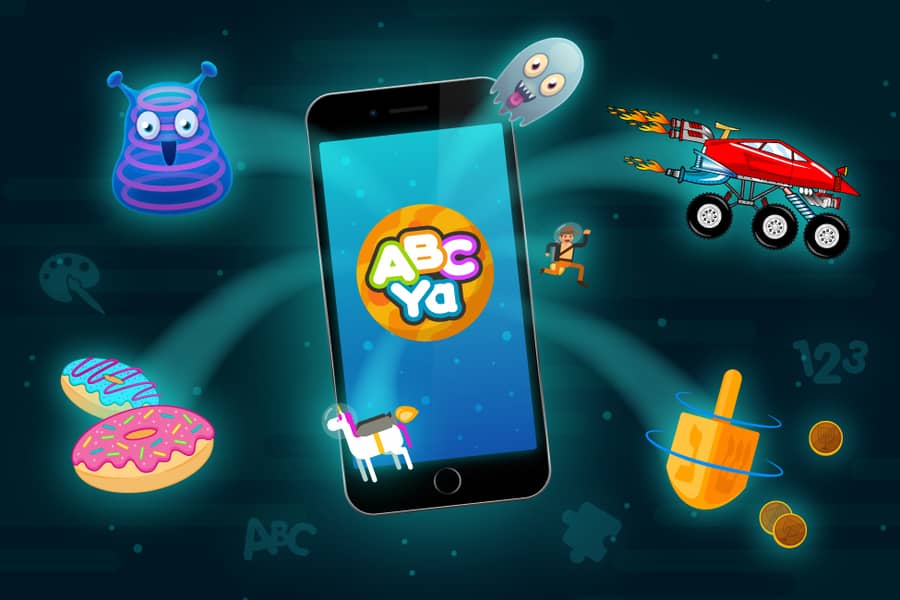
ABCya! has become a household name among teachers and parents because it offers hundreds of free educational games, many of them puzzles. What sets it apart is the grade-level categorization (Pre-K through 6th grade), which makes it easy to match a child’s puzzle activity with their developmental stage.
The puzzle library is diverse, ranging from simple matching activities for younger learners to more advanced problem-solving and logic-based challenges for older children. One standout is the USA Geography Puzzle, where kids drag and drop states into the correct spot, reinforcing both geography knowledge and spatial awareness.
Because it is teacher-approved and widely used in classrooms, ABCya! is a reliable go-to for parents who want puzzles that are both fun and educational. Best for ages 5–12, depending on the selected grade level.
9. SafeKidGames - Puzzle Collection (Web)
Safety is the priority at SafeKidGames, a website built specifically for ad-free, distraction-free gameplay. The puzzle section includes kid-friendly classics like jigsaws, sliding puzzles, and logic-based challenges-all of which can be played instantly in a browser without downloads.
This focus on simplicity and security makes SafeKidGames ideal for younger kids who are just starting with online games. Parents can trust that children won’t encounter inappropriate ads, aggressive pop-ups, or external links.
The puzzles are well-suited for ages 4–10, and the clean interface ensures that kids can focus entirely on problem-solving, memory-building, and having fun.
10. National Geographic Kids - Puzzles (Web)
For children with a love of animals, science, or exploration, National Geographic Kids offers puzzles that are both fun and fact-filled. From animal-themed jigsaws to geography quizzes and crosswords, the games combine entertainment with genuine learning opportunities.
Because the puzzles are built around National Geographic’s trusted content, they introduce kids to geography, wildlife, ecosystems, and cultures in a playful way. A child might solve a puzzle about African elephants one day and a world map jigsaw the next.
This makes it a fantastic option for curious learners ages 7–13, who enjoy puzzles that spark conversations about the world beyond their immediate environment.
11. Puzzle 4 Kids (Web/Any Device)
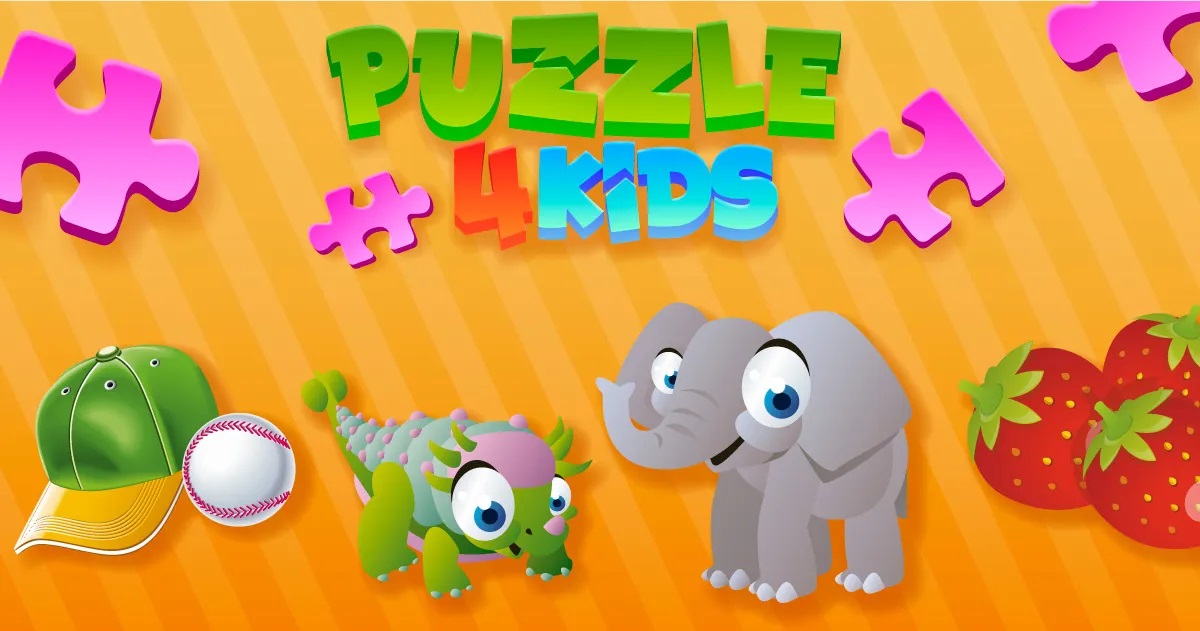
Puzzle 4 Kids is a lightweight but effective collection of drag-and-drop jigsaw-stylepuzzlesavailable directly in a browser. It works on any device, which makes it convenient for families who want quick access without installing apps.
The puzzles are themed around everyday objects, animals, food, and dinosaurs-categories that appeal to preschoolers and early learners. By combining simple vocabulary with picture recognition, Puzzle 4 Kids doubles as a language development tool, helping children expand their word bank while strengthening spatial reasoning.
Best suited for ages 3–8, this is an excellent choice for parents looking for a screen-time activity that feels playful but educational.
12. Frozen Bubble (PC / Multi-platform)
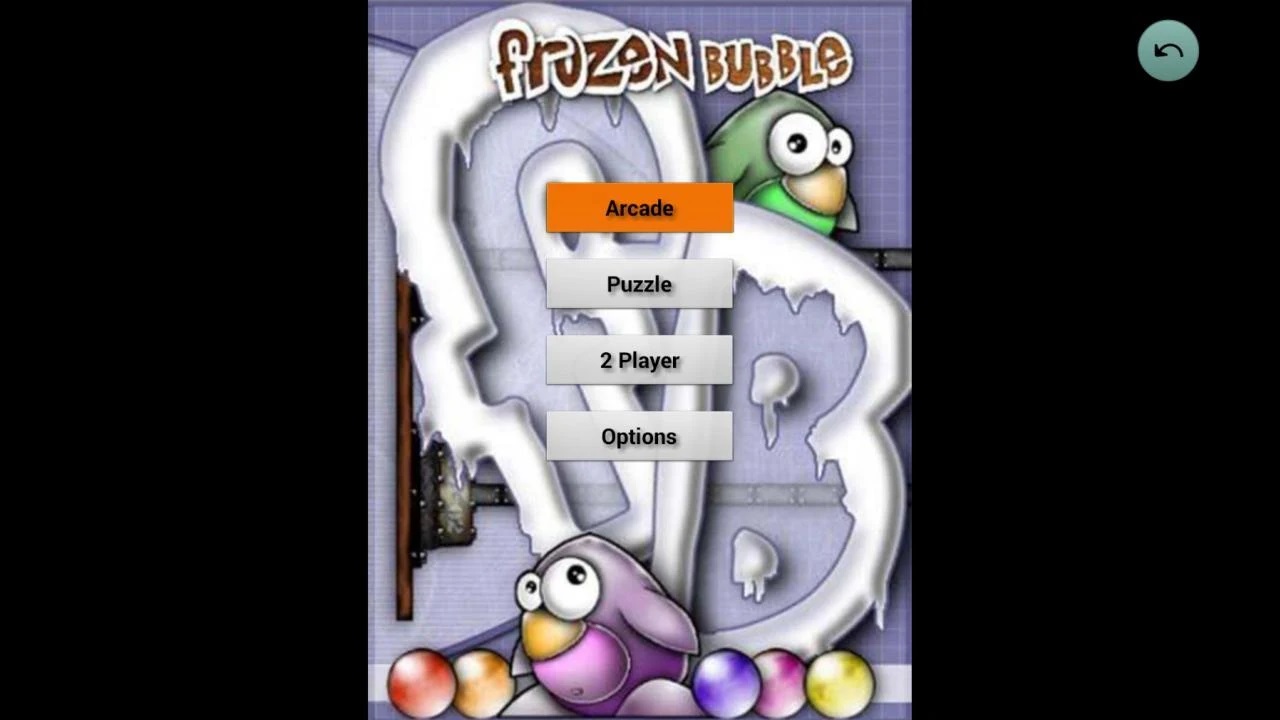
Frozen Bubble is a beloved open-source bubble shooter that has stood the test of time. With more than 100 levels and even a built-in level editor, kids can not only play but also design their own challenges.
The gameplay is simple-shoot colored bubbles to match and clear clusters-but the skill comes in timing shots, planning ahead, and adapting strategies. These mechanics help develop hand-eye coordination, patience, and forward thinking.
Because of its slightly more complex pace, Frozen Bubble is best for kids 8 and older. It works on multiple platforms (Windows, Linux, Mac) and is entirely free, making it a great long-term puzzle resource for families.
FAQs About Free Puzzle Games For Kids
What Makes A Puzzle Game “truly Free”?
A puzzle game is “truly free” if it has no hidden costs, no forced ads, and full access to core gameplay. Apps like Puzzle Kids are free and ad-free, while others offer free levels with optional add-ons.
Are There Offline Puzzle Games For Kids?
Yes. Puzzle Kids works entirely offline, making it perfect for travel. Bubble Ball and Frozen Bubble also offer offline play.
Do Puzzle Games Help Child Development?
Absolutely. Puzzles strengthen memory, logic, spatial awareness, vocabulary, and patience. Studies highlight their role in early cognitive growth and problem-solving skills.
What Ages Benefit Most From Puzzle Games?
- Toddlers (2–5): Shape sorters, jigsaws.
- Primary kids (6–10): Math puzzles, vocabulary, logic.
- Older kids (8+): Physics-based or abstract puzzles.
Are These Games Safe?
The listed games are vetted for child safety, using trusted platforms with minimal or no ads. Still, parents should supervise and set boundaries for healthy screen time.
Final Words
Finding the right free puzzle games for kids is about more than just downloading the first app you see. It requires a bit of research and a clear understanding of what makes a game truly valuable. By prioritizing games that are genuinely free, age-appropriate, and built to foster key developmental skills, you can ensure your child's screen time is a productive and positive experience.
Ready to see the learning and fun unfold? Dive into our recommendations and find the perfect puzzle game for your child today. 🧩
Latest Articles
Popular Articles